
Reviewed · BERLIN COLD WAR TOURS
Small Group Walking Tour of East Berlin with a French Guide
The most striking part of this tour is how it links ordinary city streets to the Cold War. You begin at Potsdamer Platz, ride to a former ghost station, then walk through places shaped by separation, surveillance, protest, and reunification. The Berlin Wall Memorial gives the history its human weight.
I like the clear route and the French-language storytelling. I also like that the tour includes both serious sites, such as the death strip and escape tunnels, and more public spaces, such as Alexanderplatz and the colorful East Side Gallery. The main consideration is that you must buy your own public transportation day card for zones AB, and three hours of walking may feel brisk if you prefer a slow pace.
Key points to know before you book
- A French-language route through Cold War Berlin: Guides such as Paul and Stéphane explain political events alongside personal stories.
- Four distinct stops: You visit a former ghost station, the Berlin Wall Memorial, Alexanderplatz, and the East Side Gallery.
- A real piece of the former border zone: At Bernauerstrasse, you see an original section of the death strip and learn about escape attempts.
- A useful public transport lesson: The tour starts on foot at Potsdamer Platz but uses the S-Bahn to reach Nordbahnhof.
- A small-group format: The group can include up to 25 people, enough for a social outing but not a private tour.
- Strong value at $27.91: The fee covers the local guide and taxes, while your AB transportation ticket is extra.
Seeing East Berlin through places, not just dates
Berlin’s Cold War story can feel scattered. One monument recalls the Wall, another marks a protest, and a third shows a painted section near the Spree. This walking tour gives those sites a connecting thread.
You begin at Potsdamer Platz at 10:00 in the morning. That meeting point is useful because it sits in central Berlin and makes a clear starting line for a tour about a city once split in two. From there, the group reaches Nordbahnhof by S-Bahn.
That short ride matters. Nordbahnhof was one of Berlin’s ghost stations, subway or rail stations in East Berlin that remained closed for nearly 30 years after the Wall went up. You do not simply hear that the city was divided. You move through a transport system that was altered by the border.
The tour then continues on foot. This is the right way to approach the subject. You have time to notice streets, blocks, memorial markers, and the changing character of the city between stops. You should expect a history lesson with a lot of walking, not a sightseeing bus with brief photo stops.
More Cold War tours in Berlin:
- Berlin: Third Reich and Cold War 2 Hour Walking Tour
★ 4.9 · 6,830 reviews - Berlin’s Best: 2 Hour Walking Tour Third Reich and the Cold War
★ 5.0 · 5,486 reviews - Skip-the-Line: Berlin Wall Museum at Checkpoint Charlie
★ 4.1 · 2,041 reviews
Potsdamer Platz to the former ghost station
The tour begins with the practical transition from Potsdamer Platz to Nordbahnhof. The first portion takes about 10 minutes, and no admission fee is required at either point.
The ghost station is a strong opening because it shows how quickly political decisions affected daily life. A station could exist physically but become unusable because the Wall cut through the city. For people living in East Berlin, this was not an abstract border on a map. It changed how they moved to work, visited family, and understood their own city.
Your guide explains this part in French, which can make a major difference if you are more comfortable following historical detail in that language. The guides named in the available feedback include Paul and Stéphane. Paul is described as both friendly and educational, while Stéphane is noted for an energetic presentation packed with information.
The short first segment also helps set expectations. You are not visiting a series of indoor museums with long breaks. You are moving between public places, listening as the city itself becomes the subject.
Bernauerstrasse and the Berlin Wall Memorial
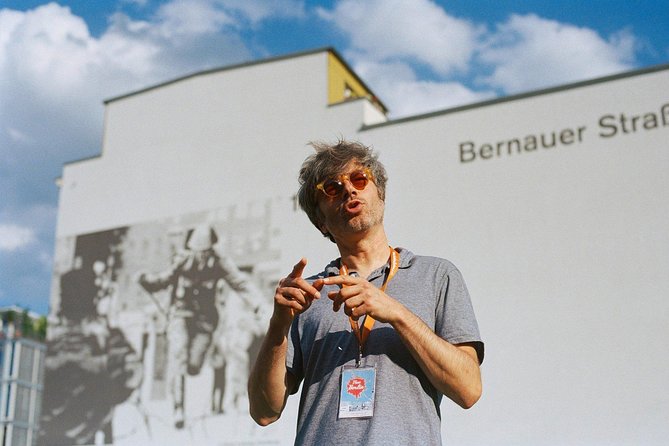
The longest stop lasts about 50 minutes at the Berlin Wall Memorial on Bernauerstrasse. This is the emotional center of the tour.
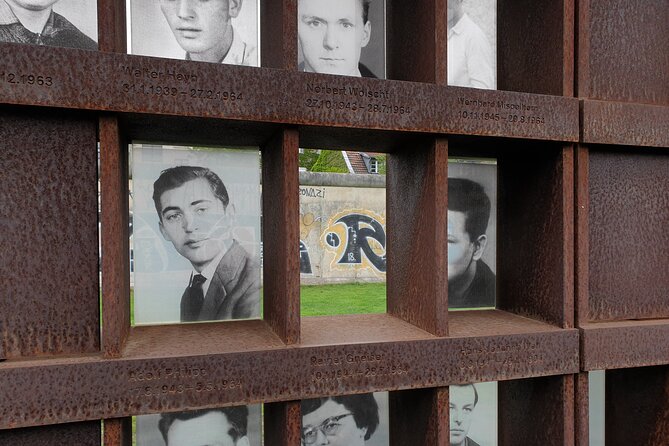
Here, you learn about the former death strip, the no man’s land between sections of the border. The memorial preserves an original part of that border area, helping you picture the barriers and open space that once divided neighbors. You also hear about escape attempts, tunnels, and people who died because of the Wall.
This stop is valuable because it moves beyond dates and political slogans. The Wall was built in 1961, but the memorial shows what that decision meant at street level. Families were separated, familiar routes vanished, and people took enormous risks to cross into West Berlin.
You should expect the guide to discuss painful subjects. Stories of failed escapes and deaths are central to the site, so this is not light sightseeing. If you want a serious account of the human cost of the Cold War, this is the section that gives the tour its purpose.
The drawback is time. Fifty minutes allows for a focused explanation, but not every part of the memorial can receive equal attention. If Bernauerstrasse is one of your main reasons for visiting Berlin, you may want to return later on your own for a longer look.
Still, the guided visit helps you read the site. Without context, a remaining stretch of wall and open border ground can be hard to interpret. The guide connects the physical remains to escape plans, state control, and the lives of people who lived beside the barrier.
Alexanderplatz and the peaceful protests
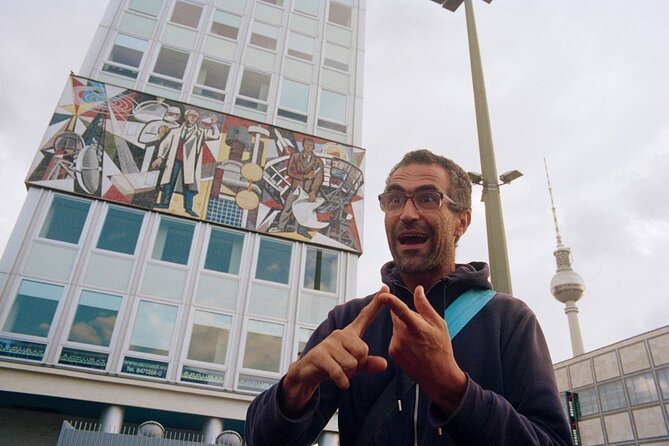
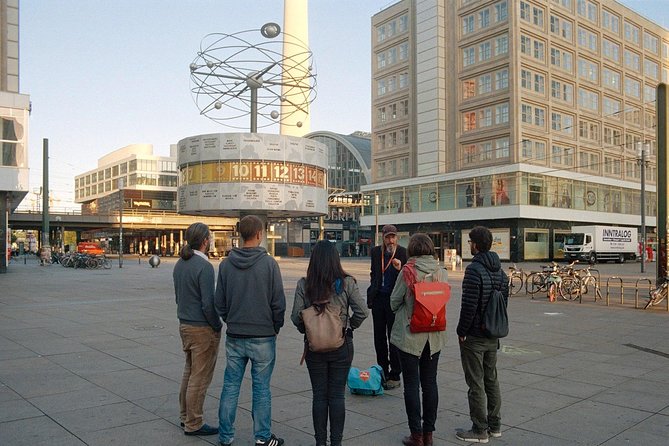
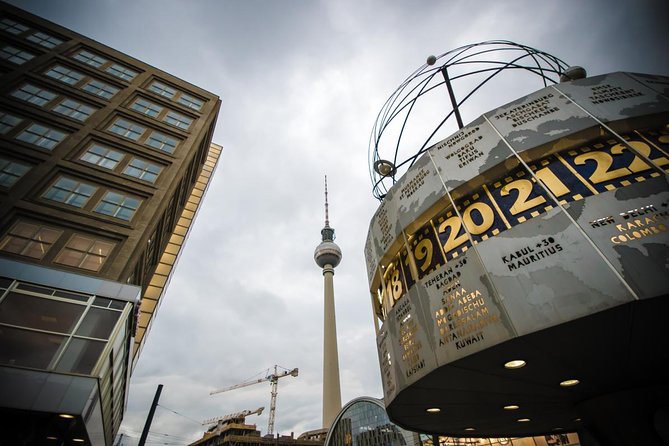
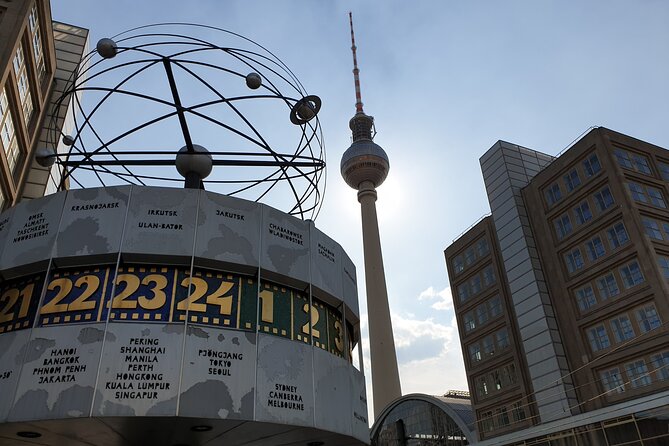
The next major stop is Alexanderplatz, where you spend about 20 minutes. This famous square is tied to the public life of socialist East Berlin and to the peaceful demonstrations that challenged the East German government.
The guide focuses on how protests in 1989 helped bring down the Wall and contributed to the collapse of the Soviet bloc. You hear about STASI repression, then about the courage of people who gathered despite that pressure.
Alexanderplatz works well as a contrast to Bernauerstrasse. At the memorial, the focus is on separation and escape. Here, the story turns toward public action and political change. The square helps you understand that the Wall did not simply fall because of decisions made by leaders. Peaceful demonstrations played a major role.
The stop is fairly short, so do not expect a detailed architectural tour of every socialist-era building. Instead, the guide uses the square as a stage for explaining the final crisis of East Germany. That focus makes sense, especially on a three-hour tour.
I like this part because it connects private suffering with collective action. You move from the question of how people crossed the Wall to the larger question of how an entire political system lost its grip.
Other Berlin experiences to weigh up
- Berlin: Reichstag, Dome and Government District Guided Tour
★ 4.7 · 18,288 reviews - Berlin: Government District around the Reichstag Guided Tour
★ 4.7 · 8,447 reviews - Berlin: Hidden Backyards Guided Walking Tour
★ 4.8 · 5,360 reviews - Berlin: 1-Hour Boat Tour with Bilingual Live Guide
★ 4.7 · 3,629 reviews
Finishing at the East Side Gallery
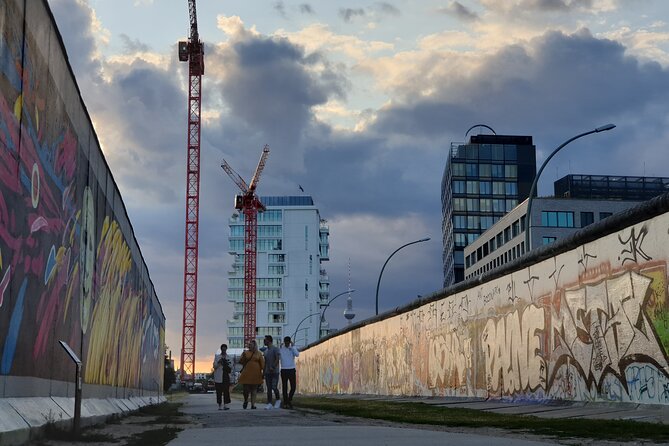
The final stop is the East Side Gallery, with about 15 minutes devoted to the site. This is the most colorful section of the route and one of the best-known remaining pieces of the Berlin Wall.
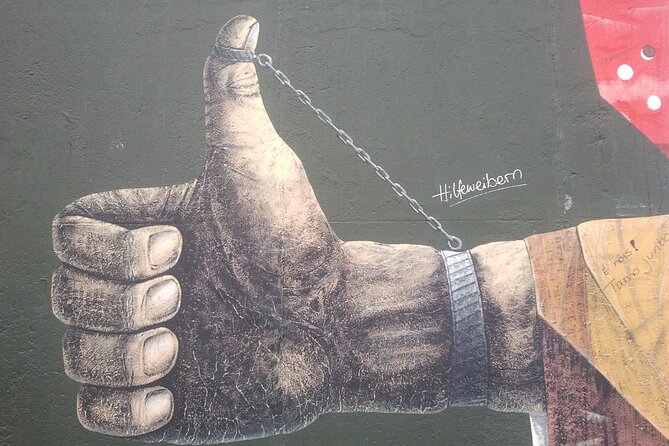
The gallery contains 104 murals, including the famous painted kiss between Soviet leader Leonid Brezhnev and East German leader Erich Honecker. The images bring a different mood after the grave subjects at Bernauerstrasse and Alexanderplatz.
The East Side Gallery is not simply street art placed on an old wall. It is a reminder that a symbol of control became a public canvas after reunification. The murals give the tour a visual ending, and they make an easy final point for discussing how Berlin has remembered and reshaped its divided past.
The short time here is the main limitation. Fifteen minutes is enough to see part of the wall and learn about the most famous images, but it is not enough to study all 104 murals. If you want photographs or a close look at several paintings, plan to return after the tour.
The tour ends near Mühlenstrasse and Straße der Pariser Kommune in the Friedrichshain area. That is useful if you want to continue exploring the East Side Gallery or nearby parts of former East Berlin. It is not a return to Potsdamer Platz, so check your onward route before you set out.
What the French guide adds
A French-speaking guide does more than translate names and dates. The tour is built around explanation, so you need a guide who can make political history easy to follow while keeping the human stories in view.
The available feedback gives Paul and Stéphane particular credit for their teaching style. Paul is described as friendly and educational. Stéphane is described as lively and full of information. Those comments point to the qualities that matter most here: clear structure, energy, and the ability to explain complicated events without losing the people involved.
The route also benefits from being told in three broad movements. You first see the effect of the border on transport and daily life. You then face the physical and human cost at Bernauerstrasse. Finally, you follow the path from public protest to the Wall’s collapse, ending with the art of the East Side Gallery.
That structure keeps the tour from becoming a list of unrelated sights. I would choose it for anyone who wants a French-language introduction to Berlin’s divided past rather than a quiet walk with occasional commentary.
Walking, public transport, and group size
The tour lasts about three hours and requires a moderate level of physical fitness. You walk between sites and use public transportation at the beginning, so comfortable shoes are a sensible choice.
Your tour fee does not include transportation between attractions. You need a public transportation day card for zones AB. This extra cost is easy to overlook when comparing tour prices, but it is important to add it to your budget.
The group can include up to 25 people. That is still small enough for a guide-led walking experience, but it is not the same as a private tour. You may need to stay close to the guide near busy public sites, especially at Alexanderplatz and the East Side Gallery.
The mobile ticket makes entry simple, and confirmation is provided when you book. No hotel pickup or drop-off is included, so you must reach Potsdamer Platz yourself and arrange your return from the final stop.
Service animals are allowed, and the tour operates near public transportation. Food and drinks are not included, so plan any refreshments around the walk rather than expecting a scheduled meal stop.
Is $27.91 a fair price?
At $27.91 per person, this is a strong price for a three-hour guided introduction to East Berlin. The fee covers the local guide and local taxes, while transportation and any food are extra.
The value comes from the route and the interpretation. You could visit Alexanderplatz and the East Side Gallery without a guide, but it would be harder to understand the connection between a ghost station, the death strip, escape tunnels, STASI repression, peaceful demonstrations, and the Wall’s fall.
The price is especially reasonable if you are visiting Berlin for a short time and want several important Cold War sites covered in one morning. You save the work of planning a route across different parts of the city, and you receive the historical links as you go.
It is less useful if you want a leisurely photo walk or long independent visits at each location. The schedule is compact, and several stops have more to see than the tour can cover. In that case, use this tour as an introduction, then return to the Berlin Wall Memorial or East Side Gallery on your own.
The experience has a 5 out of 5 rating based on 176 reviews, with 99 percent recommending it. That matches the tour’s strongest features: clear historical explanation, a well-planned route, and an engaging French-language presentation.
Who should book this East Berlin walk?
I would recommend this tour to French-speaking adults, couples, families with older children, and anyone visiting Berlin for the first time who wants a structured history walk. It suits you especially well if political history becomes easier to understand when you see the actual places connected to it.
It is also a good choice if you want to cover several major East Berlin landmarks without building your own route. The tour gives you a useful orientation before you explore more of the city independently.
You may want something else if you dislike walking, prefer private guiding, or need a slow pace for photography. A maximum of 25 people can feel less personal than a private experience, and the fixed schedule leaves limited time for lingering.
Free cancellation is available if you cancel at least 24 hours before the start time. Changes or cancellations made later are not accepted for a refund.
Should you book this tour?
Book it if you want a focused, French-language explanation of East Berlin and the Cold War, with the Berlin Wall Memorial as the main emotional stop. The combination of a former ghost station, Bernauerstrasse, Alexanderplatz, and the East Side Gallery gives you a strong three-hour overview for a modest price.
Go in knowing that your public transportation ticket is extra, the group may reach 25 people, and the final stop is not back at Potsdamer Platz. Add comfortable shoes and leave time to revisit the East Side Gallery or Wall Memorial if you want a closer look.
FAQ
What language is the tour conducted in?
The tour is conducted in French by a French-speaking local guide.
How long does the tour last?
The tour lasts approximately three hours.
Where does the tour begin?
It begins at Potsdamer Platz 10, 10785 Berlin, at 10:00 am.
Where does the tour end?
It ends near Mühlenstraße and Straße der Pariser Kommune in Berlin’s Friedrichshain area.
Which main sights are included?
The route includes a former ghost station reached by S-Bahn, the Berlin Wall Memorial on Bernauerstrasse, Alexanderplatz, and the East Side Gallery.
Is public transportation included?
No. You need to purchase your own public transportation day card for zones AB.
How many people can join the tour?
The tour can have a maximum of 25 people.
Can I cancel for a full refund?
Yes. You can cancel for a full refund up to 24 hours before the experience start time. Cancellations or changes made less than 24 hours before the start time are not refundable.
More Walking Tours in Berlin
- Discover Berlin Half-Day Walking Tour
★ 5.0 · 9,624 reviews - Berlin: Discover Berlin Walking Tour
★ 4.9 · 5,998 reviews - Third Reich Berlin: Hitler and WWII Walking Tour
★ 5.0 · 3,301 reviews - Berlin: Alternative Berlin Walking Tour
★ 4.6 · 1,204 reviews
Newest Berlin reviews
- Where It All Began: Berlin’s Queer & Trans History Tour★ 4.9 · 6 reviews
- Understanding Kreuzberg: The roots of local (sub)culture★ 4.9 · 11 reviews
- Berlin: guided canoe | kayaktour★ 4.1 · 7 reviews
- Private Potsdam City Tour in an authentic vintage van★ 5.0 · 14 reviews
- Warnemünde Shore Excursion: Private Sachsenhausen and Berlin Tour★ 5.0 · 12 reviews
- Ultimate E-Bike Tour of Berlin with Beer Garden Stop★ 5.0 · 4 reviews
- In the Forbidden City – Potsdam Walking Tour★ 5.0 · 17 reviews
- Private Walking Tour of Potsdam and Sanssouci★ 5.0 · 24 reviews
Berlin Cold War Tours, compared.
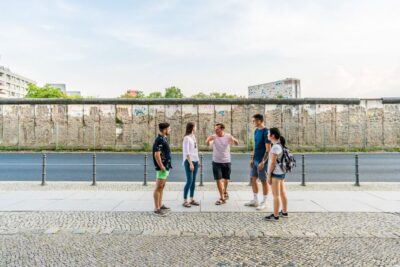
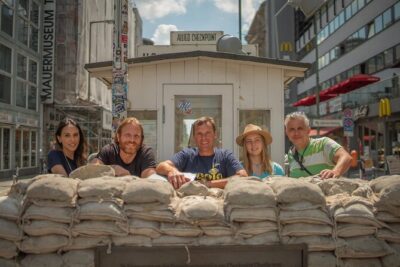
Berlin’s Best: 2 Hour Walking Tour Third Reich and the Cold War
Read our review →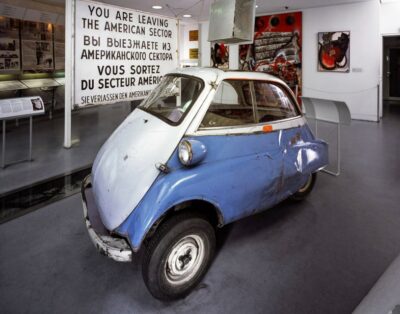
Skip-the-Line: Berlin Wall Museum at Checkpoint Charlie
Read our review →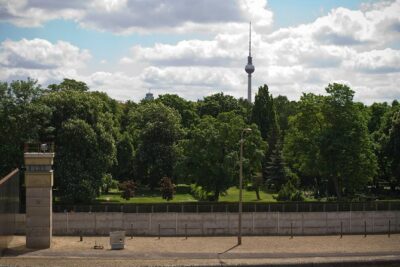
Cold War, Berlin Wall, Spies and the East Side Gallery
Read our review →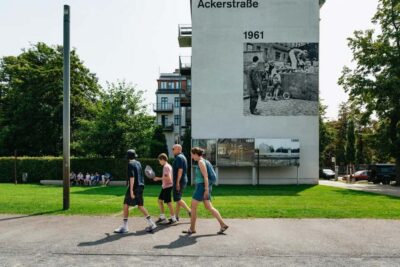

Listening Station Teufelsberg Tour with Transfer
Read our review →Browse the lists this tour appears in