
Reviewed · BERLIN WALL TOURS
Berlin: Cold War Walking Tour on Berlin Wall Route
The Berlin Wall’s old route is not just a line on a map. It is a trail through the moments when Berlin was sealed off, challenged, and finally opened again. This two-hour walk links Gesundbrunnen and Prenzlauer Berg, with a stop at the Berlin Wall Memorial and its lookout over a preserved section of the former border strip.
I like the clear explanations and the chance to see history in place rather than only behind glass. I also like the route’s human focus, with stories of people who risked their lives to cross the Wall or resist the system around it. The main drawback is simple: two hours gives you a strong introduction, but not enough time to cover every major Wall site in Berlin.
Key points to know before you book
- The route follows the original Wall line: You walk from Gesundbrunnen toward Prenzlauer Berg, two areas closely tied to Berlin’s former border.
- The Berlin Wall Memorial is the main visual stop: You can see a preserved stretch of the former border strip and climb a lookout for a wider view.
- The guide brings structure to difficult history: Expect facts, explanations, heroic stories, and a little humor rather than a silent walk between markers.
- The tour covers 1961 through November 1989: You’ll connect the Wall’s construction with the events that led to its collapse and reunification.
- It suits travelers who want a focused history walk: The two-hour length works well as a first look at Cold War Berlin.
- The price is $26 per person: That is reasonable if you value interpretation, a planned route, and access to the memorial with a guide.
Walking the Wall from Gesundbrunnen to Prenzlauer Berg
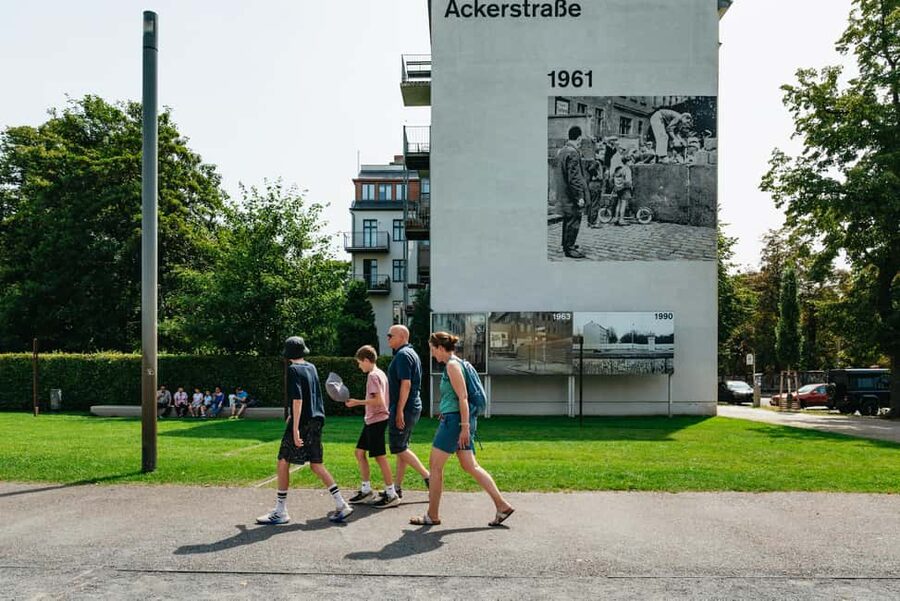
The tour begins along the former Wall route in Berlin’s Gesundbrunnen area. The exact meeting point can vary with the option you book, so check your confirmation carefully before setting out.
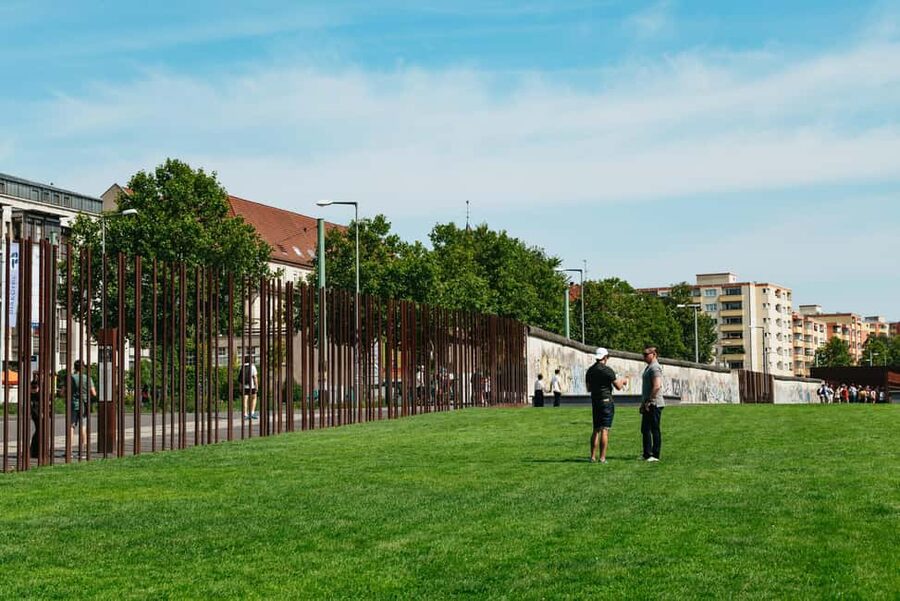
From there, your guide traces the original path toward Prenzlauer Berg. That matters because the Wall is no longer a continuous physical barrier. In many parts of Berlin, it has vanished into streets, parks, buildings, and ordinary city life. A guide helps you read those spaces and understand where the border once cut through them.
The walk focuses on the period from 1961 to November 1989. You’ll hear how divided Berlin took shape, why the Wall became such a powerful symbol of the Cold War, and how events eventually led to its collapse.
I like this route because it keeps the subject grounded. You are not simply hearing a general story about East and West Germany. You are walking through the places where the border divided neighborhoods and shaped daily life.
The route also gives you a useful sense of distance. A photograph can show barbed wire and concrete, but walking the old line helps you grasp how close the two sides of Berlin could be while remaining politically and physically separated.
Expect an active walking tour rather than a bus ride or a museum lecture. The two-hour duration is long enough to develop a clear story, but short enough to fit beside other Berlin plans.
More Berlin Wall tours in Berlin:
- Skip-the-Line: Berlin Wall Museum at Checkpoint Charlie
★ 4.1 · 2,041 reviews - Cold War, Berlin Wall, Spies and the East Side Gallery
★ 5.0 · 1,024 reviews - THE WALL: asisi Panorama Berlin Ticket
★ 4.5 · 580 reviews
Why the human stories matter
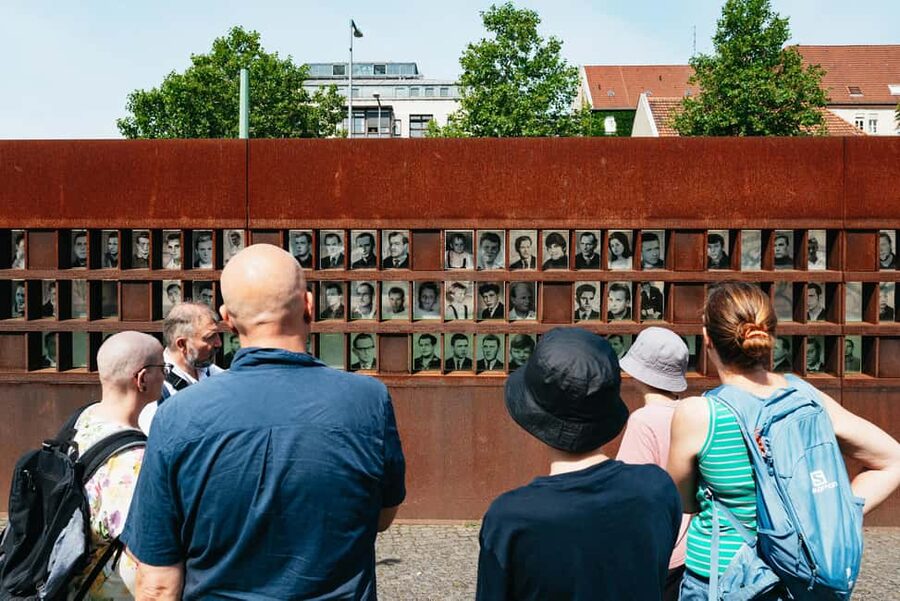
Cold War history can become a list of dates, leaders, and political decisions. This tour gives those events a human scale by focusing on people who risked their lives during the Wall era.
Your guide explains the brave choices made by those who tried to escape, opposed the system, or helped others reach safety. The supplied information does not name specific escapees or resistance figures, so you should not expect a fixed list of famous stories. Instead, the exact examples may depend on the guide and the pace of your group.
That personal angle is one of the strongest reasons to choose a guided walk. The Wall was not only a symbol of global tension. It affected families, work, friendships, movement, and the basic question of where a person could go.
The guides use detail, fact, and some humor. That mix is useful. The subject is heavy, but a good guide can make difficult material easier to follow without making light of the suffering involved.
Several practical details point to the tour’s strongest feature: communication. The experience is offered in English or German, and the clearest praise centers on explanations that made the history easy to understand. If you want a polished academic lecture, this may feel informal. If you want a story you can follow while walking, that approach should work well.
The Berlin Wall Memorial and its lookout
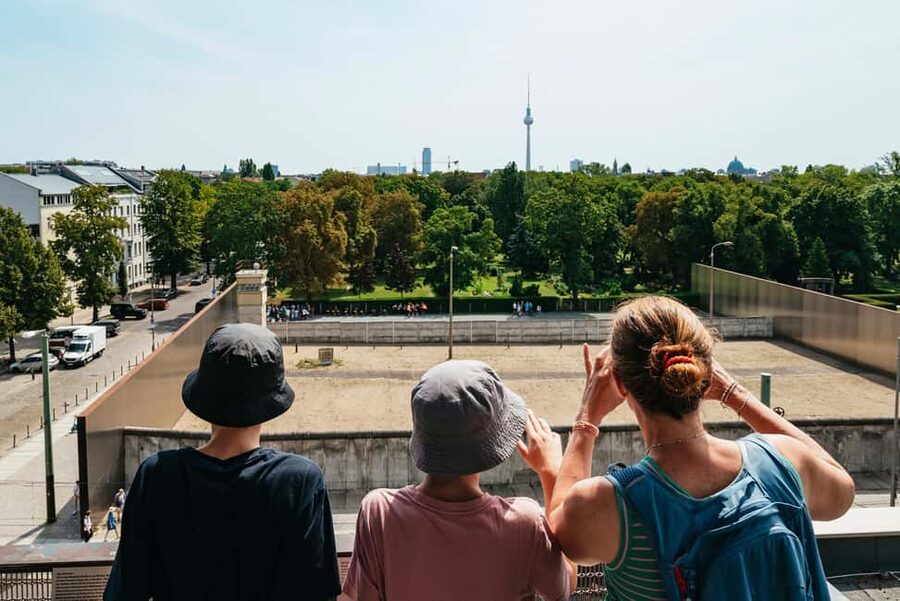
The Berlin Wall Memorial is the key formal site on the route. Here, you get more than a line painted on pavement or a few scattered fragments. You can see a preserved section of the former border strip and climb a lookout for a view across the area.
That lookout changes the way you understand the Wall. From ground level, the border can be hard to read. From above, the relationship between the barrier, open space, and surrounding city becomes clearer. You can see how the border was designed as a zone rather than a single wall.
The memorial also provides a pause in the walk. Your guide can connect the physical remains with the political story already under way, helping you understand why this particular place matters.
The information provided does not promise entry to every memorial building or a long museum visit. Think of the stop as a guided visit to the memorial area, including the lookout and the preserved border strip. If you want to spend several hours reading every display, you will need to return on your own.
I consider this a good balance for a two-hour experience. You get a real historical site, a useful viewpoint, and time to keep moving along the route. The tradeoff is that the visit will feel introductory rather than exhaustive.
From 1961 to November 1989
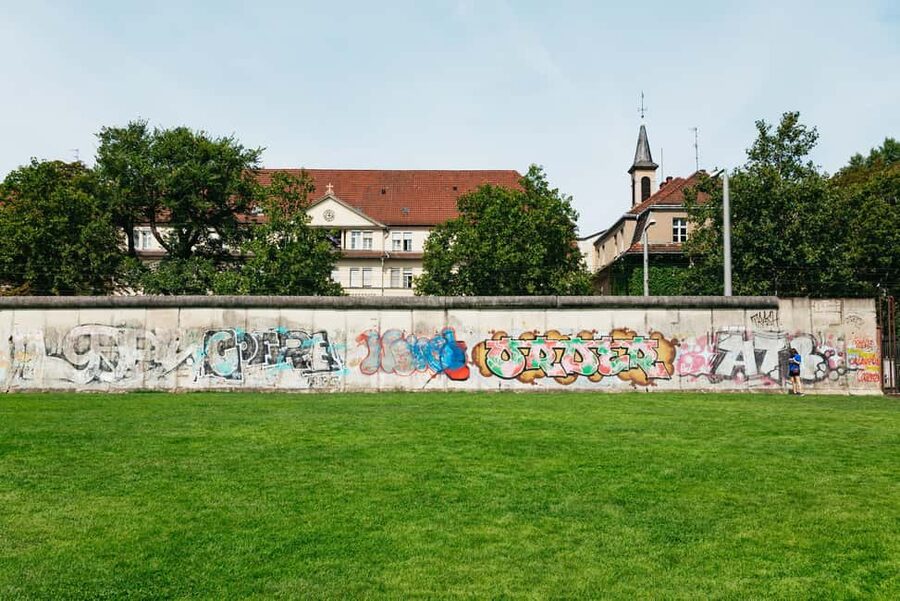
The Wall story works best when you see how each part connects. The tour begins with the divided-city setting and moves through the years when the border shaped Berlin’s streets and residents.
You’ll hear about the Wall’s construction in 1961 and the dangerous conditions that followed. The tour then moves toward the events that brought the system down, ending with the reunification that followed the Wall’s opening in November 1989.
This time span gives the walk a clear beginning, middle, and end. You are not only looking at remains from the past. You are following a historical arc from separation to change.
Your guide’s role is especially important here. Without context, the Wall Memorial can feel like a collection of concrete, grass, and empty space. With a guide, those details become evidence of how the border worked and why its collapse carried such force.
I would pay attention to how the guide explains the difference between the Wall as a physical structure and the wider border system around it. The preserved strip helps show that escape was not simply a matter of getting over one wall. The whole border area created danger.
The tour ends by celebrating reunification together. That gives the walk an emotional release after the darker stories of separation and escape.
More Cold War tours in Berlin:
- Berlin: Third Reich and Cold War 2 Hour Walking Tour
★ 4.9 · 6,830 reviews - Berlin’s Best: 2 Hour Walking Tour Third Reich and the Cold War
★ 5.0 · 5,486 reviews - Berlin: Cold War Era History Guided Bike Tour
★ 4.8 · 413 reviews - East Berlin and the Wall: Walking Tour
★ 4.9 · 407 reviews
Finishing in Prenzlauer Berg
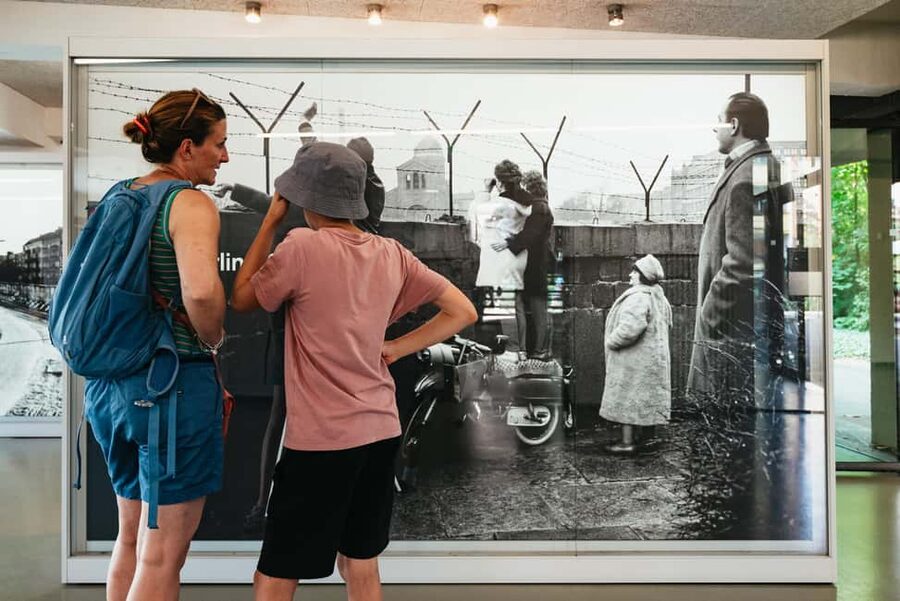
The route finishes in Prenzlauer Berg, a former GDR neighborhood that is now known for its cafes and bars. The tour ends back at the meeting point according to the activity details, so confirm the exact end arrangement for your chosen option. The route description also presents Prenzlauer Berg as the final area, where you can relax after the walk.
That ending is practical. You can continue thinking about the history over a coffee or a drink instead of rushing straight to another attraction.
Prenzlauer Berg also helps show how Berlin has changed. The neighborhood’s current cafe and bar scene sits within an area shaped by the former East German period. The walk therefore does not finish at a sealed-off memorial. It returns you to a living part of modern Berlin.
Do not expect the tour to turn into a full neighborhood visit. The main subject remains the Wall and the Cold War. Still, ending here gives you a useful link between past and present.
How much walking should you expect?
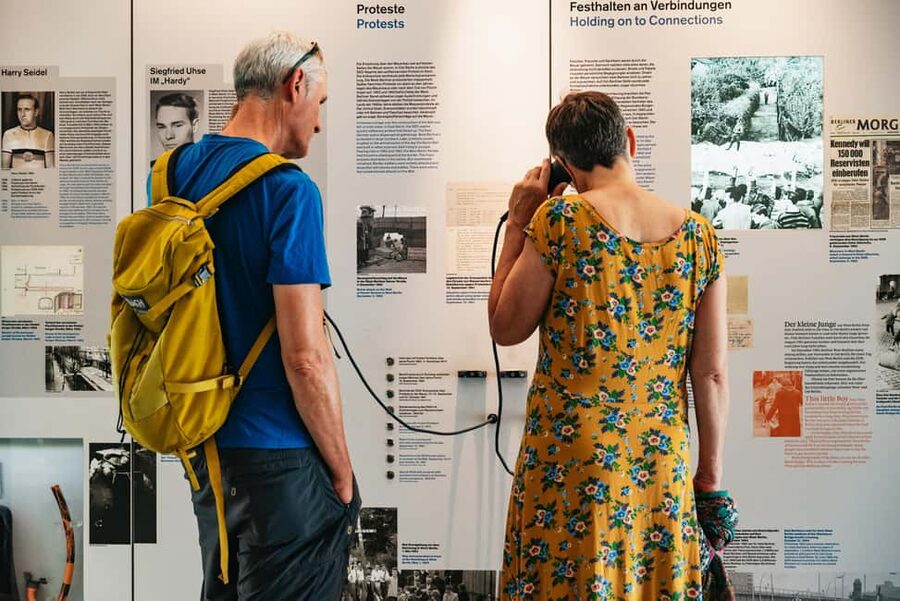
The activity lasts two hours and is described as a walking tour. The route runs from Gesundbrunnen to Prenzlauer Berg, with stops for explanation and a visit to the memorial.
The information provided does not give a total distance, step count, or accessibility details. You should be prepared to walk for most of the two hours and to climb the memorial lookout. Comfortable shoes are a sensible choice.
The pace appears designed for learning rather than speed. A guide needs time to explain sites, answer questions, and let the group take in the memorial area. One strong point in the feedback is that the pace felt good and allowed the group to learn a great deal.
That said, walking tours depend on the group. A private or small-group option may give you more room for questions and a pace better suited to your interests. A larger group can still work, but you may have less time to speak directly with the guide.
Private and small-group choices
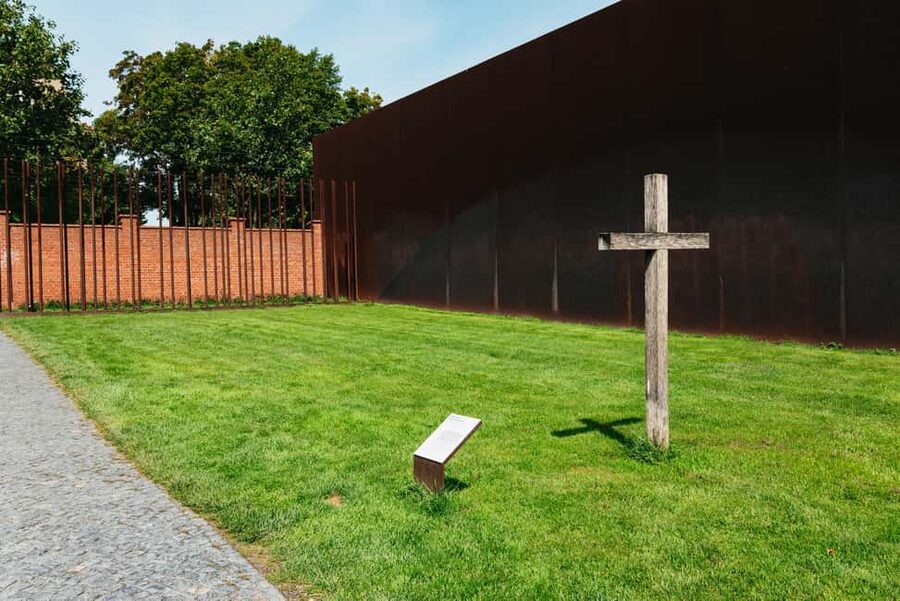
Private and small-group options are available. This is worth considering because the subject often raises questions, and the best value may come from the chance to ask them as you go.
A private tour can be useful for families, couples, or groups with a specific interest in Cold War Berlin. You may prefer a slower explanation of the memorial, more focus on escape stories, or a pace that fits your group.
A small group can offer a middle ground. You get the structure and local interpretation of a guided walk without necessarily paying for a fully private experience.
The provided details do not state the maximum group size or the exact price difference between options. Check those details when selecting your booking. The base price is listed as $26 per person, but the final amount may depend on the option you choose.
Is $26 a fair price?
At $26 per person, this is a fairly priced history tour if you want more than a self-guided walk. The memorial itself can be visited without paying for this tour, so the value comes from the guide, route planning, interpretation, and the way the separate sites are connected.
You are paying for a focused two-hour experience rather than a full-day Berlin history program. That makes the price easier to justify for a first visit, especially if you want to understand the Wall before visiting other Cold War sites.
The value is strongest for people who might otherwise walk past remnants without knowing what they represent. A guide turns the route into a coherent story and adds human detail that signs alone may not provide.
The value is weaker if you already know Berlin’s Wall history well or plan to spend a full day at the Berlin Wall Memorial on your own. In that case, you may prefer an independent visit with more time for displays and reflection.
You can reserve now and pay later, which helps if your Berlin schedule is still changing. Free cancellation is available up to 24 hours in advance for a full refund. Those policies reduce the risk of booking early, though you should still check the exact terms shown for your selected option.
Who should choose this Berlin Wall tour?
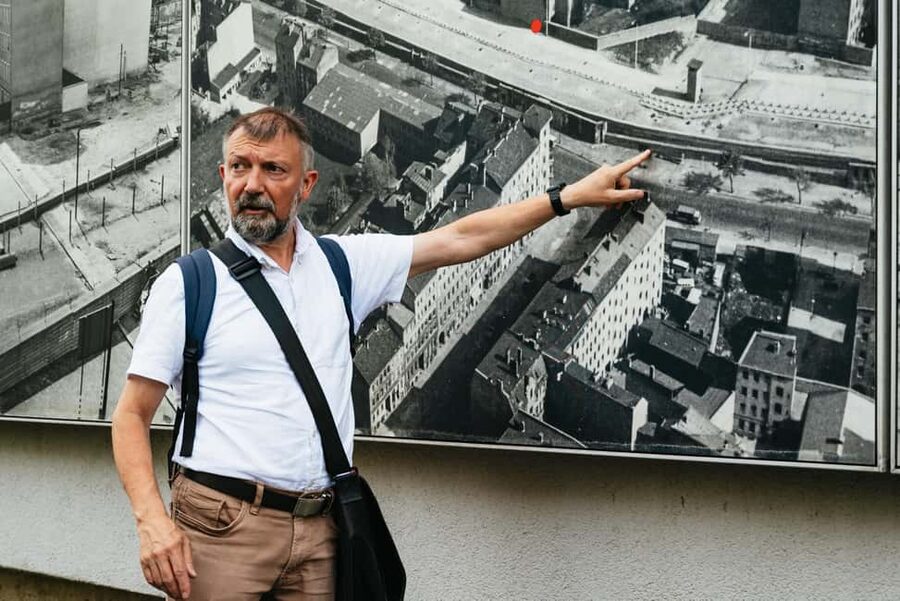
I would recommend it to first-time visitors who want a clear introduction to Berlin’s divided past. It also fits history-minded families and anyone who prefers real streets and memorial sites over a standard indoor presentation.
The tour is a good match if you enjoy learning from a guide while moving through the city. The combination of factual explanation, personal stories, a lookout, and a final stop in Prenzlauer Berg gives the experience enough variety to keep two hours moving.
It may be less suitable if you have limited walking ability, since the activity is built around a route on foot and includes a lookout climb. The available information does not describe accessibility arrangements, so ask before booking if that is important for you.
It is also not the best choice if you want a broad overview of all Berlin history. The focus is narrow and purposeful: the Wall, the Cold War period, the people affected by it, and the road to reunification.
What to know before you go
The meeting point may vary depending on the option booked. Confirm it before leaving, especially because the tour follows a route through two districts.
The guide speaks English or German. Private and small-group formats are available. The exact guide is not named in the available details, so you cannot select a particular guide in advance based on the information provided.
Allow the full two hours. The tour ends back at the meeting point according to the activity details, while the route itself finishes in Prenzlauer Berg. Since the supplied information presents both details, check your selected option for the precise return arrangement.
Plan your cafe or bar stop after the scheduled tour rather than assuming you will have time during the walk. Prenzlauer Berg offers a convenient place to pause once the history lesson is over.
Should you book it?
Book this tour if you want the Berlin Wall explained in place, with a clear route, a memorial visit, and stories about people who lived through the division. At $26, it offers good value for a focused two-hour introduction, especially when a guide’s explanation matters to you.
Skip it if you prefer to explore the memorial independently or already have a strong grasp of Cold War Berlin. For most first-time visitors, though, the combination of the original Wall route, the lookout, and the guide’s steady storytelling makes this a practical way to begin understanding modern Berlin.
FAQ
How long does the Berlin Wall walking tour last?
The tour lasts two hours.
How much does the tour cost?
The listed price is $26 per person.
Where does the tour begin?
The meeting point may vary depending on the option you book. Check the selected option for the exact starting location.
Where does the tour go?
The route follows the original Berlin Wall line from Gesundbrunnen to Prenzlauer Berg.
Does the tour visit the Berlin Wall Memorial?
Yes. Visiting the Berlin Wall Memorial is included.
Can you climb a lookout during the tour?
Yes. The experience includes climbing a lookout to view a preserved section of the former border strip.
What languages are available?
The live guide is available in English or German.
Can you cancel the booking?
You can cancel up to 24 hours in advance for a full refund. Reserve now and pay later is also available.
More Walking Tours in Berlin
- Discover Berlin Half-Day Walking Tour
★ 5.0 · 9,624 reviews - Berlin: Discover Berlin Walking Tour
★ 4.9 · 5,998 reviews - Berlin: Hidden Backyards Guided Walking Tour
★ 4.8 · 5,360 reviews - Third Reich Berlin: Hitler and WWII Walking Tour
★ 5.0 · 3,301 reviews
Newest Berlin reviews
- Where It All Began: Berlin’s Queer & Trans History Tour★ 4.9 · 6 reviews
- Understanding Kreuzberg: The roots of local (sub)culture★ 4.9 · 11 reviews
- Berlin: guided canoe | kayaktour★ 4.1 · 7 reviews
- Private Potsdam City Tour in an authentic vintage van★ 5.0 · 14 reviews
- Warnemünde Shore Excursion: Private Sachsenhausen and Berlin Tour★ 5.0 · 12 reviews
- Ultimate E-Bike Tour of Berlin with Beer Garden Stop★ 5.0 · 4 reviews
- In the Forbidden City – Potsdam Walking Tour★ 5.0 · 17 reviews
- Private Walking Tour of Potsdam and Sanssouci★ 5.0 · 24 reviews
Berlin Wall Tours, compared.
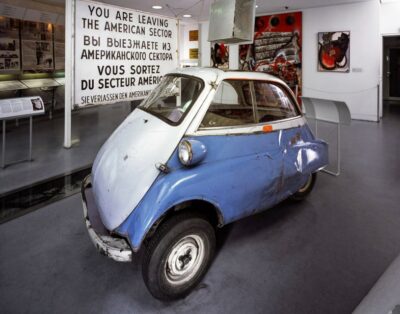
Skip-the-Line: Berlin Wall Museum at Checkpoint Charlie
Read our review →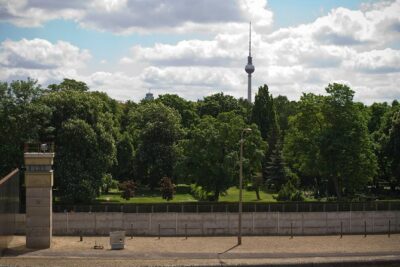
Cold War, Berlin Wall, Spies and the East Side Gallery
Read our review →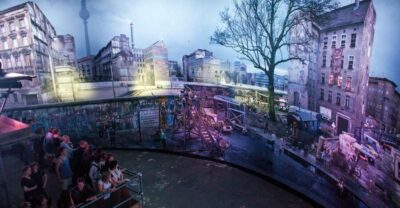
Guided Bike Tour of the Berlin Wall and Third Reich
Read our review →
Cold War, Berlin Wall, Spies and the East Side Gallery
Read our review →Browse the lists this tour appears in