
Reviewed · BERLIN COLD WAR TOURS
Berlin: Cold War Era History Guided Bike Tour
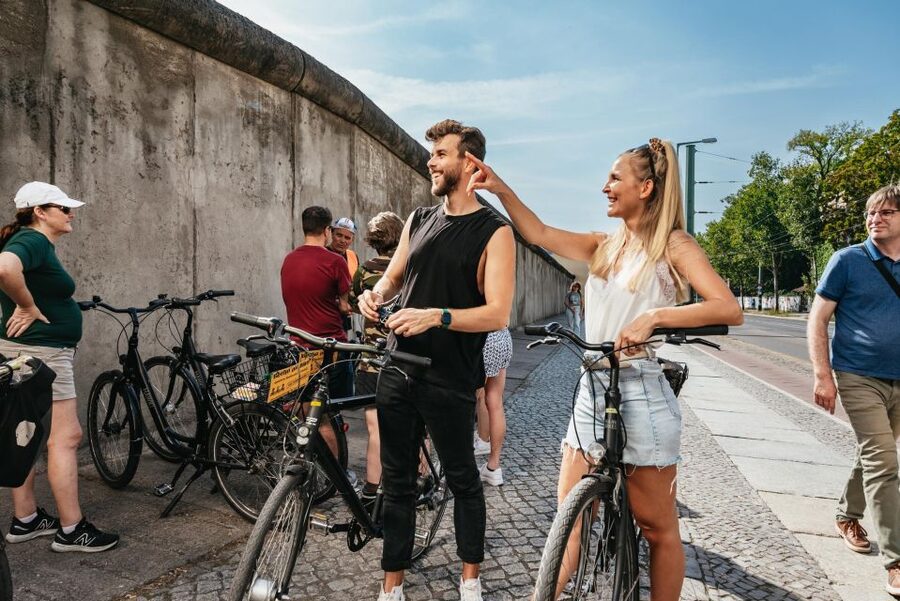
Berlin’s Cold War story makes more sense when you trace it by bicycle. This tour follows the former Wall from Prenzlauer Berg to Brandenburg Gate, linking scattered fragments, watchtowers, escape sites, and border crossings into one clear route. The bike keeps the day moving, while regular stops give you time to listen and look.
I especially like the access to less obvious Wall remains, including the Bornholmerstraße crossing and a surviving watchtower. I also like the relaxed pace and the guides’ mix of facts, photographs, diagrams, humor, and personal stories. The main drawback is the length: about 15 kilometers over three to three and a half hours can feel tiring if you rarely cycle, and street closures or city events may require a route change.
Key points at a glance
- A 15-kilometer history route: Follow the former border from Mauerpark and Bernauerstraße toward Checkpoint Charlie and Brandenburg Gate.
- More than the famous sights: See Wall fragments, former crossings, a last watchtower, and parts of Berlin that are easy to miss on foot.
- A relaxed cycling pace: The route is designed for sightseeing, with time to stop, ask questions, and take in the sites.
- A useful starting point: The tour begins at the Kulturbrauerei in Prenzlauer Berg, only three U2 stops from Alexanderplatz.
- Good guide-led storytelling: Guides such as Paul, Lauren, Oleg, Ana, Andy, and James have been praised for clear explanations and lively delivery.
- Fair value at $35: Your bicycle and guide are included, making this a practical way to cover a broad stretch of Berlin’s Wall story.
Why a bike works so well for Berlin’s divided past

The Berlin Wall did not survive as one continuous monument. Instead, its story is spread across neighborhoods, memorial sites, street corners, former border crossings, and small pieces of concrete. A walking tour can cover one section well, but a bicycle lets you connect several chapters in one morning or afternoon.
You cover up to 15 kilometers, but this is not a race or a fitness outing. The pace is set for sightseeing, with stops for explanation and questions. That balance matters because the most useful parts of the tour are not always the biggest attractions. A plain stretch of pavement can mark a former border line, while a small remnant may reveal how the Wall divided daily life.
I also like that the route does not treat the Wall as a single political symbol. You hear about the practical effects on Berliners, escape attempts, the separation of East and West, and the sudden way the Wall opened after nearly three decades. That wider view helps you understand why the Wall remains an emotional subject rather than just a Cold War photo opportunity.
The tour has earned a 4.8 rating from 413 reviews, and the strongest praise centers on the guides, the easy cycling, and the number of sites covered. That combination is the real reason to choose this outing.
More bike tours in Berlin:
- Berlin: Sights and Highlights Bike Tour with a Local Guide
★ 4.8 · 2,698 reviews - Berlin Highlights 3-Hour Bike Tour
★ 5.0 · 948 reviews - Berlin City Bike Tour with Beer Garden Stop
★ 5.0 · 917 reviews
Starting at the Kulturbrauerei in Prenzlauer Berg
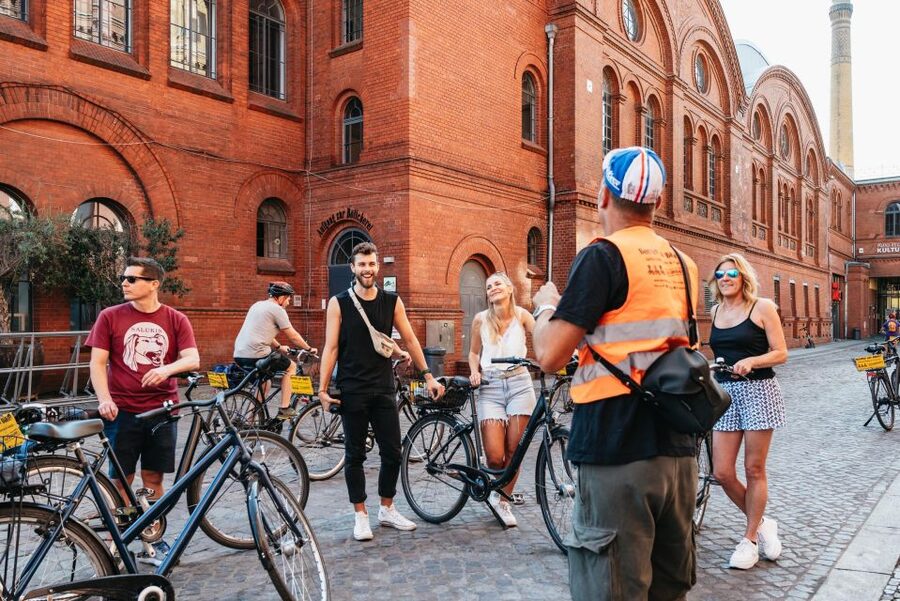
The meeting point is the Berlin on Bike depot inside the Kulturbrauerei, a striking 19th-century brewery complex in Prenzlauer Berg. You do not meet at a major monument, so allow time to find the bicycle depot within the complex.
From Alexanderplatz, take the red U2 line toward Pankow. Get off at Eberswalder Straße after three stops. Use the exit in the opposite direction of travel, marked Kulturbrauerei, then walk toward Danziger Straße. Stay on the right side of the street for about 150 meters, turn right onto Knaackstraße, and after about 50 meters enter the Kulturbrauerei through the large doorway. Follow the yellow signs to the depot.
This is a useful location for a bike tour. You start away from the dense center, pick up your bicycle, and head toward the former border without spending the first part of the tour crossing central traffic. The depot has a large fleet, so you can select a bicycle that suits you.
Take a moment to test the brakes and riding position before leaving. One useful practical tip is to avoid a coaster-brake bike unless you already know how to use one. A coaster brake engages when you pedal backward, which can feel unfamiliar if you normally use hand brakes.
Helmets and gloves are available on request. Sunscreen, trouser clips, and rain ponchos are also available, though comfortable clothing and shoes are your responsibility. The tour ends back at the same depot.
Mauerpark and the first signs of the former border
The route heads toward Mauerpark, a place where the old border is easier to understand because the open space makes the former division visible. Today, the area has a very different feel from the tense border zone that once occupied it. The contrast is part of the point.
Your guide uses this section to explain how the Wall worked as a system rather than just a single concrete barrier. You learn about the border zone, the way people were kept from crossing, and the practical problems created for residents whose homes, workplaces, and relatives could end up on opposite sides.
The cycling is generally easy here, and the route gives you a chance to settle into the group. Guides have been praised for keeping larger groups together and handling city streets safely. That matters more than it may sound. A history tour loses its rhythm if the group is constantly split at intersections.
Mauerpark is also a good early stop because it sets up the rest of the day. You see how a former barrier can disappear physically while leaving a strong mark on the neighborhood.
Bernauerstraße and the human cost of the Wall
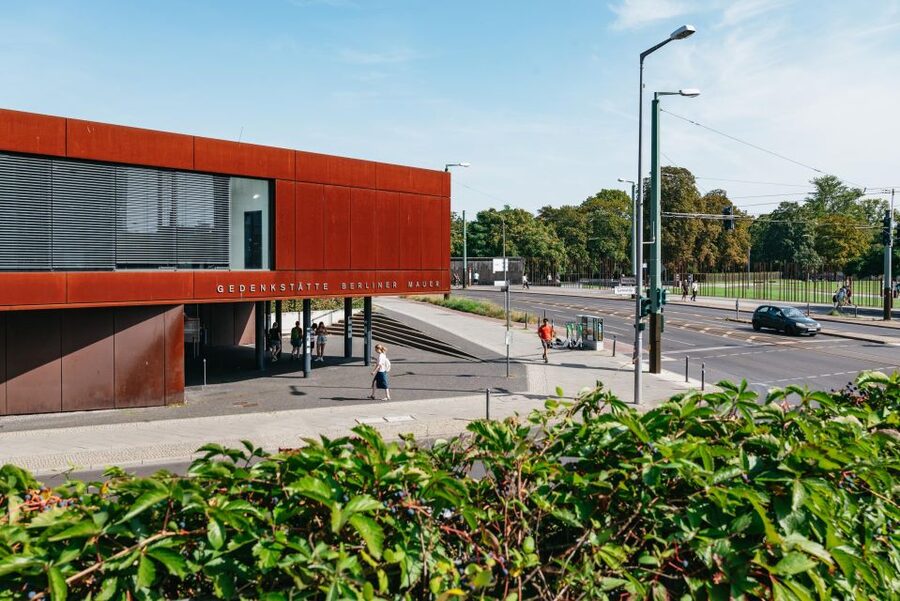
Bernauerstraße is one of the most important parts of the route. The street became famous because the Wall cut directly through the area, separating buildings, sidewalks, and families. It offers a more personal view of division than a general explanation of East and West Berlin.
Here, listen for the stories of escape attempts and the risks people took to cross. Some attempts succeeded. Others ended tragically. The guide’s role is important because the surviving pieces alone cannot explain what happened. A good explanation connects the concrete, empty strips, and former border lines to the people who lived beside them.
This is also where the tour’s use of photos and diagrams can help. Guides have used visual material to show how the Wall changed over time and how the border looked when it was active. If you want to ask questions, this is a good point in the route to do it.
I would not expect every stop to feel like a formal museum visit. You are outdoors, moving between sites, and absorbing information in stages. That format works well for people who prefer a broad story, though anyone seeking long indoor exhibits should pair the bike ride with a separate visit to a Berlin museum or memorial.
More Cold War tours in Berlin:
- Berlin: Third Reich and Cold War 2 Hour Walking Tour
★ 4.9 · 6,830 reviews - Berlin’s Best: 2 Hour Walking Tour Third Reich and the Cold War
★ 5.0 · 5,486 reviews - Skip-the-Line: Berlin Wall Museum at Checkpoint Charlie
★ 4.1 · 2,041 reviews - Cold War, Berlin Wall, Spies and the East Side Gallery
★ 5.0 · 1,024 reviews
Bornholmerstraße and the Wall’s sudden opening
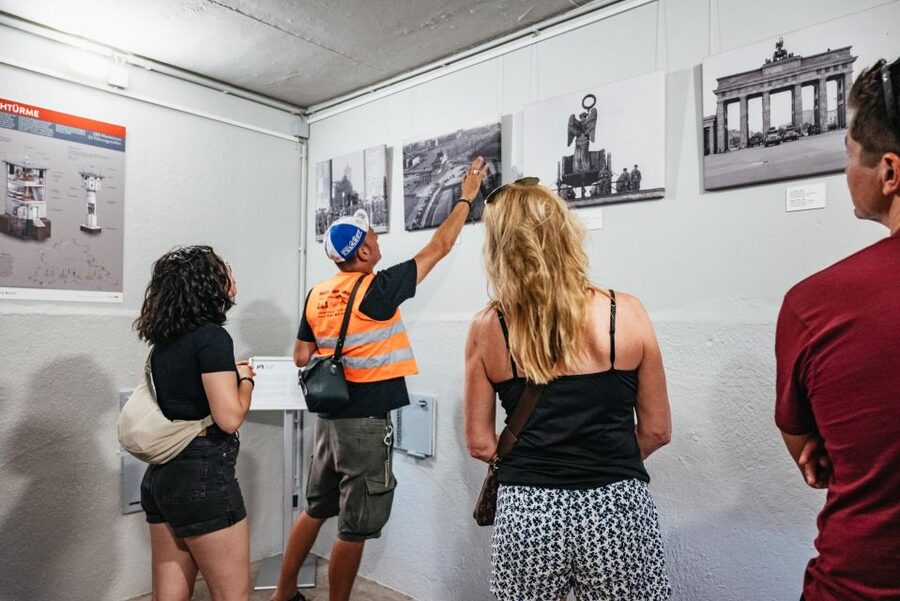
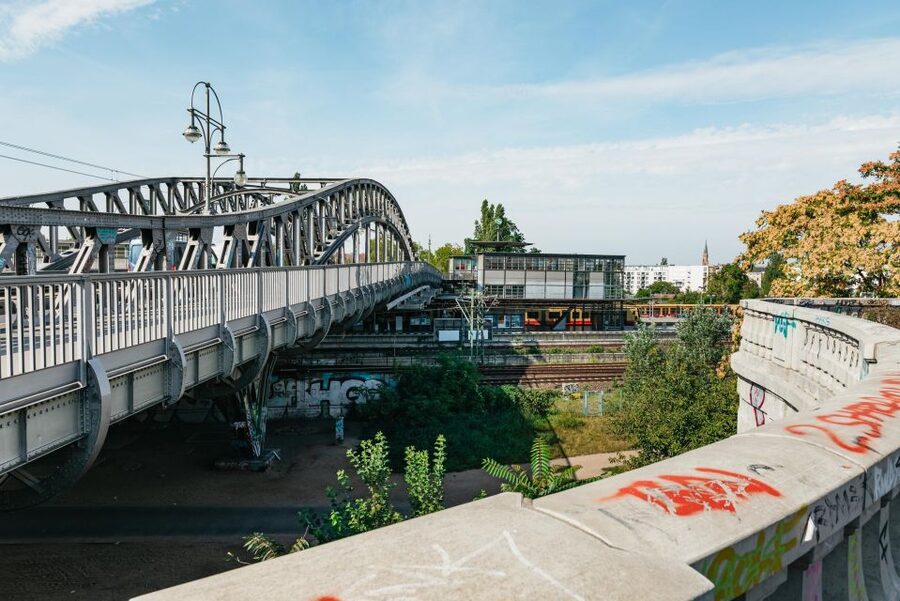
Bornholmerstraße was one of the former border crossings along the route. It is a valuable stop because it helps explain how controlled movement worked between East and West Berlin. The crossing was not simply a gate in a wall. It was part of a system of checks, restrictions, and official decisions that shaped ordinary life.
The story of November 1989 is especially striking here. After almost 30 years, the Wall did not fall in one clean, planned event. The opening came through a rapidly changing political situation and confusion over new travel rules. Once people began gathering at the crossings, the old system could not hold.
Your guide explains how the Wall came down overnight and what that change meant for Berliners. The tour does not stop with the familiar celebration scenes. It also considers the lasting impact of reunification and the different memories held by people from the former East and West.
That balance is one of the tour’s strengths. The history is presented in a way that is factual but not flat. Guides such as Paul, Lauren, Oleg, Ana, and James have been praised for making difficult material easy to follow while adding humor at the right moments.
A surviving watchtower and the stories behind the concrete
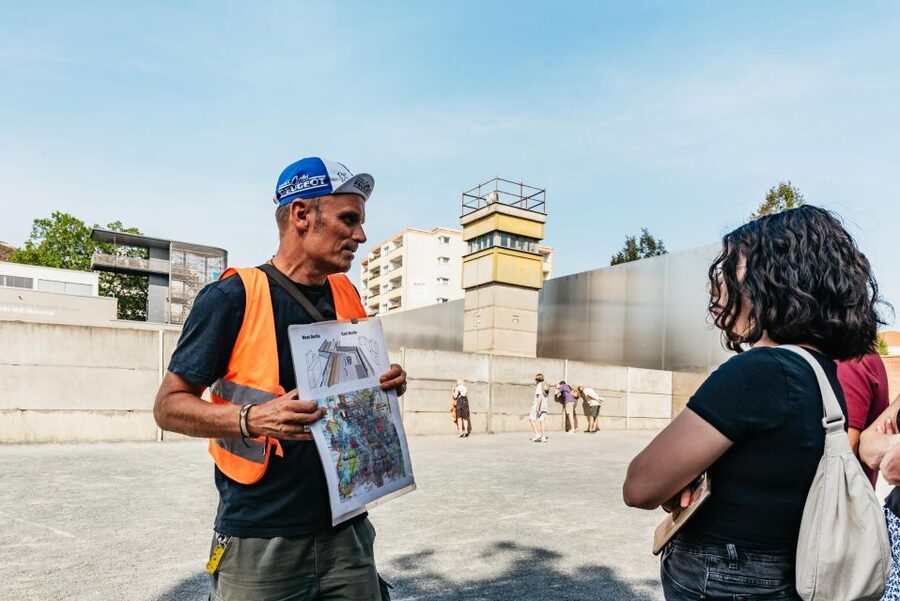
The tour includes one of the last watchtowers, a reminder that the border was monitored as well as built. A watchtower makes the Wall’s purpose easier to grasp because you can picture how guards observed the area and why crossing was so dangerous.
This is one of the places where the guide’s storytelling adds real value. You hear about escape attempts, including both successful and tragic efforts, instead of simply photographing an old structure. The details put human stakes behind an object that might otherwise look like an isolated relic.
The Wall’s physical remains can be unevenly distributed. In some parts of Berlin you will see large memorial sections, while elsewhere only fragments or markings remain. That is why a guided route helps. The guide tells you what you are looking at and why that particular location matters.
The outdoor setting also means conditions can affect the experience. Rain ponchos are available in bad weather, but you should still wear clothes suitable for several hours outside. Comfortable shoes matter even though you are cycling, since every stop includes standing and walking around the bicycle.
Checkpoint Charlie, famous but still worth seeing
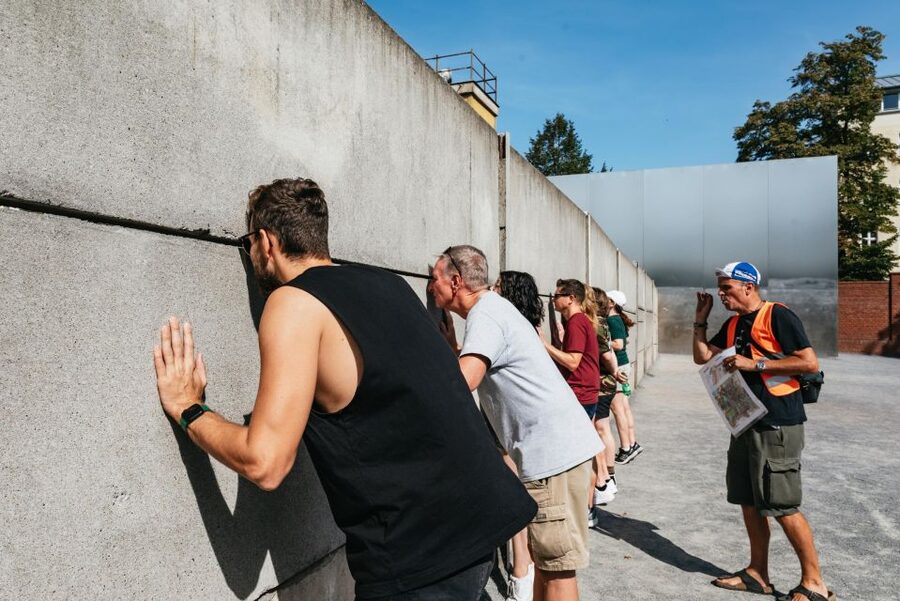
Checkpoint Charlie is the best-known border crossing on the tour. It can feel more commercial and crowded than quieter Wall sites, and it is often the place where visitors already know the name before arriving. Even so, it belongs in a tour about Berlin’s division because it became a major symbol of the Cold War.
The guide gives the checkpoint context rather than treating it as a photo stop alone. You learn how the crossing functioned and why it became associated with tension between the United States and the Soviet Union. The contrast between its present-day fame and the fear attached to the crossing during the Cold War is worth noting.
This is also a good example of why the full route is stronger than a single landmark visit. Checkpoint Charlie by itself can leave you with a dramatic image but a thin understanding. Seen after Mauerpark, Bernauerstraße, Bornholmerstraße, and the watchtower, it becomes part of a larger story.
The cycling route keeps the day from becoming a series of isolated stops. You are constantly moving through the city that grew around the former border, which makes the old division easier to compare with present-day Berlin.
Brandenburg Gate and the route back
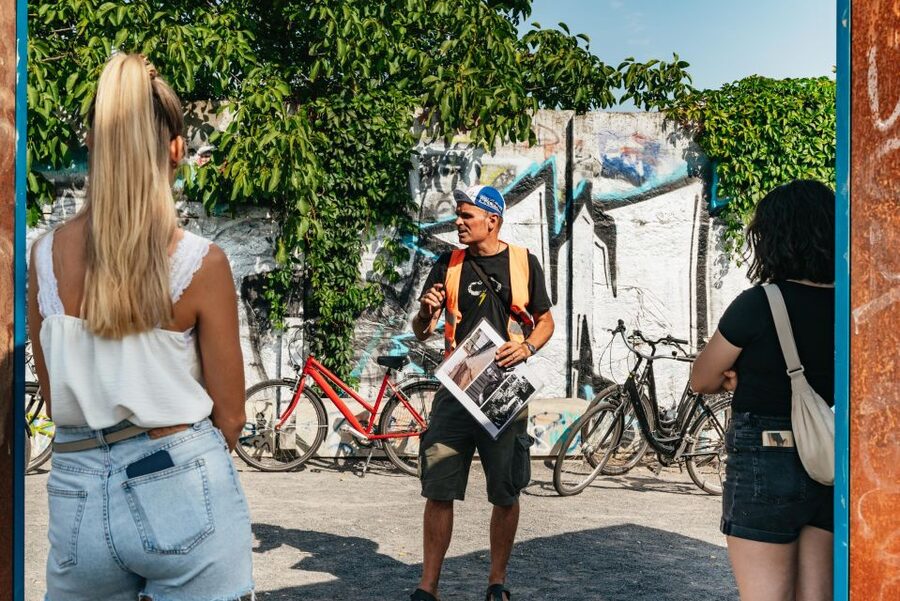
The ride continues toward Brandenburg Gate, one of Berlin’s defining sights. The gate dates from the 18th century and has served as a symbol of the capital in different political eras. Its meaning changed during the city’s division, when it stood near the Wall and could not function as a normal gateway between neighborhoods.
The guide explains those earlier roles and connects the gate to the broader story of Berlin. This stop also gives the tour a strong visual finish. After seeing fragments, crossings, and watchtowers, you arrive at a monument that represents the city as a whole.
You then cycle back to the depot to return the bicycle. The full outing lasts about three to three and a half hours. A break during the route may be available for coffee, sandwiches, and restrooms, but do not count on a long meal stop. If you need food, it is sensible to eat before the tour or carry a small snack.
The guides make the biggest difference
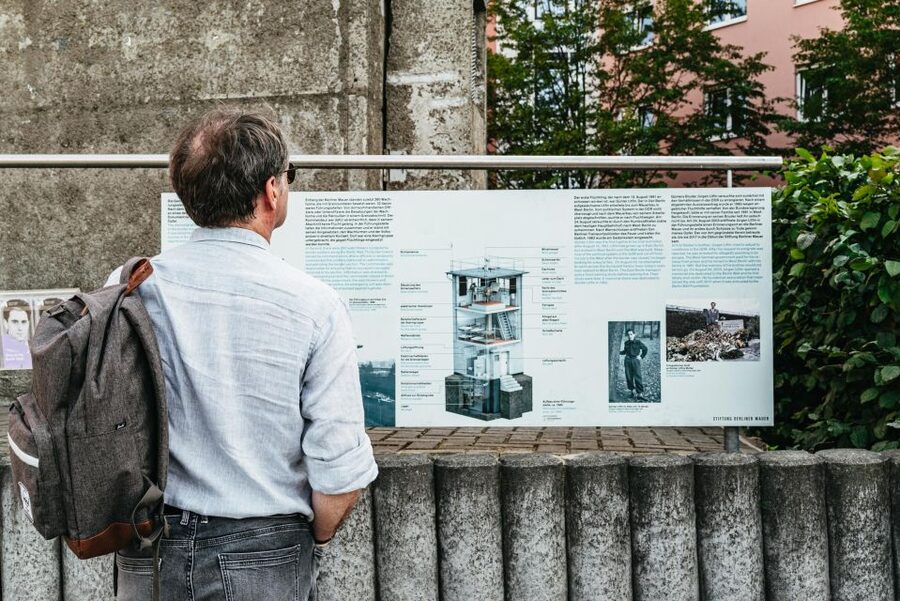
The route is useful, but the guide determines how much you take away. The strongest guide feedback points to clear facts, good pacing, patience with questions, and a sense of humor. Paul has been praised for managing a large group and adjusting the route when needed. Lauren has been noted for bringing Wall stories to life, while Oleg has been praised for answering questions and explaining each stop carefully.
Other guides named by participants include Ana, Almar, Andy, Geoff, James, and Pete. The tour is offered in English, German, French, and Dutch. Since guide assignments can vary, you should book for the route and format rather than expecting one particular person.
The best guides do more than recite dates. They show photographs or diagrams when useful, explain why a site matters, and allow time for questions. That approach helps you understand the difference between a Wall fragment kept as a memorial and a former border site that has almost vanished.
Is $35 a good value?
At $35 per person, this is a strong value if you want both transportation and an organized history lesson. A bicycle, guide, and access to practical items such as sunscreen and rain protection are included. More important, you cover a wide section of Berlin without arranging separate transport between each location.
The value is especially good for a first visit. You see Brandenburg Gate and Checkpoint Charlie, but you also reach less obvious sites that you might skip when planning a walking route. The guide supplies the connections that make the route worth more than a simple bicycle rental.
The price is less compelling if you already know Berlin’s Wall sites well and prefer to stop for long periods at one memorial. This tour keeps moving, so it favors breadth, context, and a steady rhythm over extended time at any single location.
Free cancellation is available up to 24 hours before the start, and you can reserve now and pay later. Those policies make it easier to fit the ride into a changing Berlin schedule.
Who should book this ride?
I would recommend it to adults, older children, couples, families with children aged eight or older, and anyone who wants a clear introduction to Berlin’s divided past. You should be comfortable riding for about 15 kilometers at an easy pace and spending several hours outside.
It suits people who like history but do not want to sit indoors all day. It also works well if you have limited time in Berlin and want to cover several major sites in one outing.
Children under eight cannot join. If you have any concern about cycling ability, ask about the available bicycles when you arrive and choose carefully from the large fleet. The relaxed pace helps, but this remains a cycling tour through a large city.
City events can occasionally affect the route. A half marathon once made parts of a planned ride harder to reach, and the guide adjusted as needed. That is a minor risk in a city that hosts major events, but flexible routing is useful.
Should you book the Cold War bike tour?
Book it if you want the Berlin Wall explained as a connected human story rather than a handful of famous photo stops. The combination of Mauerpark, Bernauerstraße, Bornholmerstraße, the watchtower, Checkpoint Charlie, and Brandenburg Gate gives you a broad view in one manageable outing.
Skip it if 15 kilometers sounds unpleasant, if you want long museum visits, or if you prefer to explore at your own pace. For most first-time visitors who are comfortable on a bicycle, $35 is a sensible spend. You get a practical way to move around Berlin, a clear guide to the city’s divided past, and a better sense of what the Wall meant beyond its remaining pieces.
FAQ
How long does the Berlin Cold War bike tour last?
The tour lasts about three to three and a half hours. Check the available start times when booking.
How far will I cycle?
The route covers approximately 15 kilometers at a relaxed pace.
Where does the tour start?
You meet at the Berlin on Bike depot inside the Kulturbrauerei in Prenzlauer Berg.
How do I reach the meeting point from Alexanderplatz?
Take the U2 red line toward Pankow and leave the train at Eberswalder Straße after three stops. Use the Kulturbrauerei exit, walk along Danziger Straße, turn onto Knaackstraße, and follow the yellow signs inside the complex.
Where does the tour end?
The tour ends back at the Berlin on Bike depot, where you return the bicycle.
Is a bicycle included?
Yes. A bicycle is included, and you can choose from a large fleet to find a suitable option.
Are helmets and gloves provided?
Helmets and gloves are available upon request.
Which languages are offered?
The live guide service is available in English, German, French, and Dutch.
Can children join the tour?
Children under eight cannot participate. The activity is suitable for children aged eight and older, provided they can manage the cycling distance and pace.
Can I cancel or pay later?
You can cancel up to 24 hours before the tour for a full refund. Reserve now and pay later is also available.
More history tours in Berlin
- Berlin: Natural History Museum Entrance Ticket
★ 4.6 · 3,382 reviews - Berlin: World Heritage Cruise to Potsdam
★ 4.5 · 1,435 reviews - Berlin Historical Highlights Walking Tour
★ 4.9 · 657 reviews - Berlin Private Complete History All Day Walking Tour
★ 5.0 · 474 reviews
Newest Berlin reviews
- Where It All Began: Berlin’s Queer & Trans History Tour★ 4.9 · 6 reviews
- Understanding Kreuzberg: The roots of local (sub)culture★ 4.9 · 11 reviews
- Berlin: guided canoe | kayaktour★ 4.1 · 7 reviews
- Private Potsdam City Tour in an authentic vintage van★ 5.0 · 14 reviews
- Warnemünde Shore Excursion: Private Sachsenhausen and Berlin Tour★ 5.0 · 12 reviews
- Ultimate E-Bike Tour of Berlin with Beer Garden Stop★ 5.0 · 4 reviews
- In the Forbidden City – Potsdam Walking Tour★ 5.0 · 17 reviews
- Private Walking Tour of Potsdam and Sanssouci★ 5.0 · 24 reviews
Berlin Cold War Tours, compared.
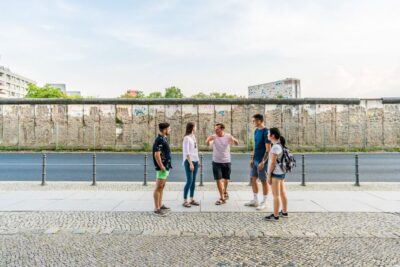
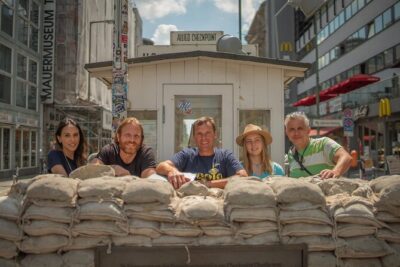
Berlin’s Best: 2 Hour Walking Tour Third Reich and the Cold War
Read our review →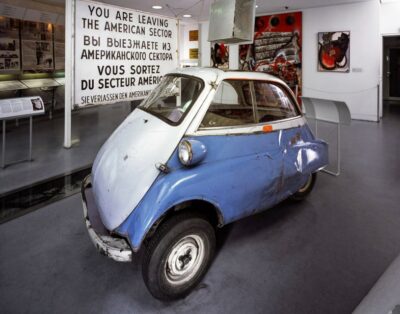
Skip-the-Line: Berlin Wall Museum at Checkpoint Charlie
Read our review →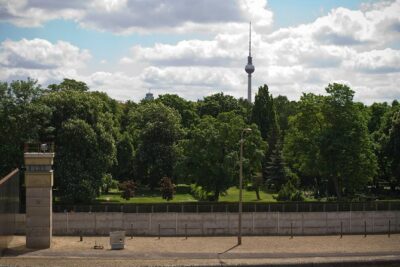
Cold War, Berlin Wall, Spies and the East Side Gallery
Read our review →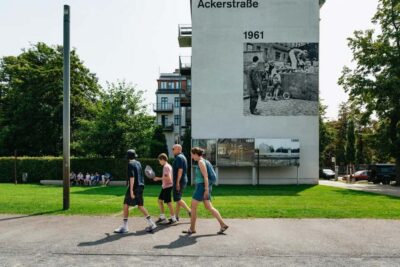
Listening Station Teufelsberg Tour with Transfer
Read our review →
Browse the lists this tour appears in