
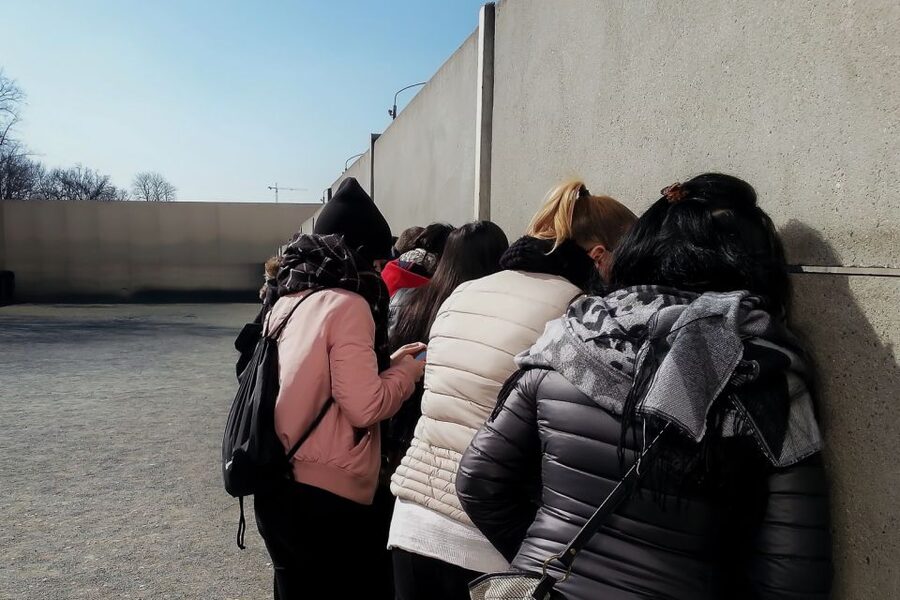
Reviewed · BERLIN WALL TOURS
East Berlin and the Wall: Walking Tour
Berlin’s Cold War story becomes much clearer when you follow it on foot, from the former ghost station at Nordbahnhof to the scars left along Bernauer Strasse. This tour connects the Berlin Wall Memorial with East Berlin’s socialist public spaces, including Alexanderplatz and the TV Tower.
I like the small-group format, which gives guides room to explain hard subjects in plain language. I also like the mix of original Wall remains, public transport, and personal stories from guides such as Paolo, Elisa, Claudia, Catherine, and Paul. The main drawback is that you must buy your own AB transport ticket, and the three-hour route involves several train rides and plenty of walking.
Key points to know before you book
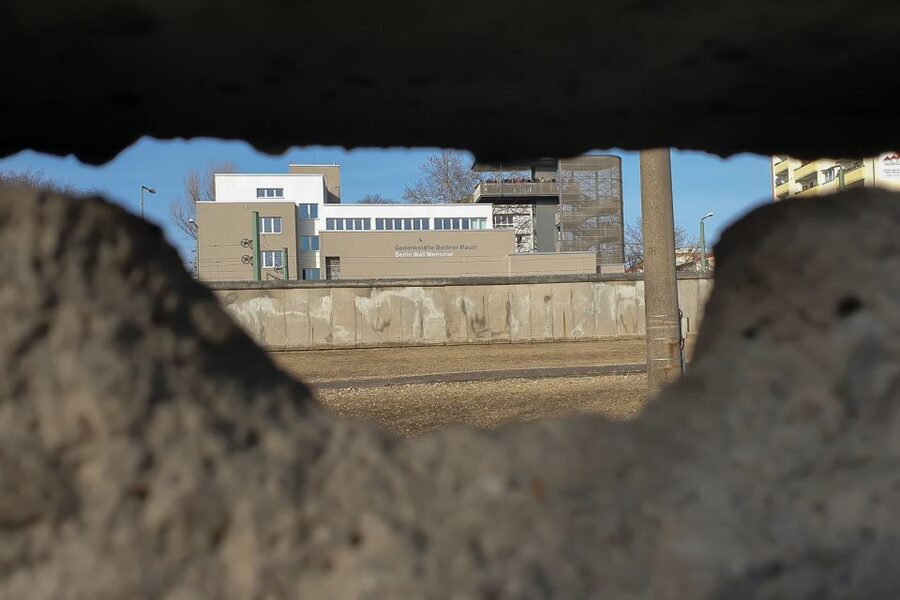
- Bernauer Strasse is the emotional center: You see original Wall sections, the former death strip, and the places tied to escape attempts and deaths.
- The route shows more than Wall fragments: Potsdamer Platz, Alexanderplatz, the TV Tower, and the East Side Gallery explain how East Berlin worked as a city.
- The former ghost station adds useful context: Nordbahnhof helps you picture how the Wall cut public transport links between East and West Berlin.
- Personal guide stories matter here: Several guides, including Paolo, Elisa, Claudia, Catherine, and Paul, are praised for clear explanations, warmth, and memorable anecdotes.
- The price works best for a group: At $351 for up to six people, the cost is easier to justify when shared by a family or private party.
- Plan for public transport: You need a valid AB ticket for the day, plus comfortable shoes and a flexible approach to moving around Berlin.
Why this route makes East Berlin easier to understand
The Wall is often reduced to a few painted sections and photo stops. This tour gives you a broader picture. It links the physical border to the daily systems that shaped life in East Berlin: restricted movement, socialist architecture, political pressure, public demonstrations, and the slow collapse of the GDR.
That wider view is the tour’s greatest strength. You are not simply asked to look at a piece of concrete. You are shown how a divided city functioned, how people adapted to it, and how protests in 1989 helped bring the system down.
The route lasts about three to three and a half hours. That is long enough to build a clear story, but short enough to fit into a full day of sightseeing. You move between sites by S-Bahn, subway, and foot, so the tour feels like a city lesson rather than a single museum visit.
The small-group setup is especially useful for this subject. Cold War history can become a lecture if the guide talks without pause. Here, you have more room to ask about escape attempts, STASI repression, family separation, or ordinary routines in East Berlin.
More Berlin Wall tours in Berlin:
- Skip-the-Line: Berlin Wall Museum at Checkpoint Charlie
★ 4.1 · 2,041 reviews - Cold War, Berlin Wall, Spies and the East Side Gallery
★ 5.0 · 1,024 reviews - THE WALL: asisi Panorama Berlin Ticket
★ 4.5 · 580 reviews
Starting at Potsdamer Platz
The tour begins at Potsdamer Platz, with the exact meeting point depending on the option you book. This is a fitting place to begin because the square helps you grasp Berlin’s wartime destruction, postwar division, and later reunification.
From here, the group takes the S-Bahn to Nordbahnhof. The ride takes about eight minutes. You should have your public transport ticket ready before the tour starts, since the AB fare is not included.
The train ride is more than a transfer. It introduces the way Berlin’s divided transport network worked. Some stations became unusable after the Wall went up. Others were sealed off, watched, or passed through without stopping. That is why the old station at Nordbahnhof matters.
Nordbahnhof and the ghost stations
Nordbahnhof was once a ghost station, closed for nearly three decades after the Wall was built. The term sounds dramatic, but it describes a very real oddity of divided Berlin: trains could pass through East Berlin while stopping nowhere, leaving dark or closed platforms behind.
A brief guided stop here gives you a sense of how political borders altered ordinary movement. A trip that should have been simple became controlled, interrupted, or impossible. You begin to see the Wall as more than a barrier between two political systems. It affected work, family visits, shopping, schooling, and the basic act of crossing town.
The stop is short, about 15 minutes, so do not expect a long station tour. Its value comes from the context your guide adds before the main visit to Bernauer Strasse.
Bernauer Strasse: the strongest stop on the route
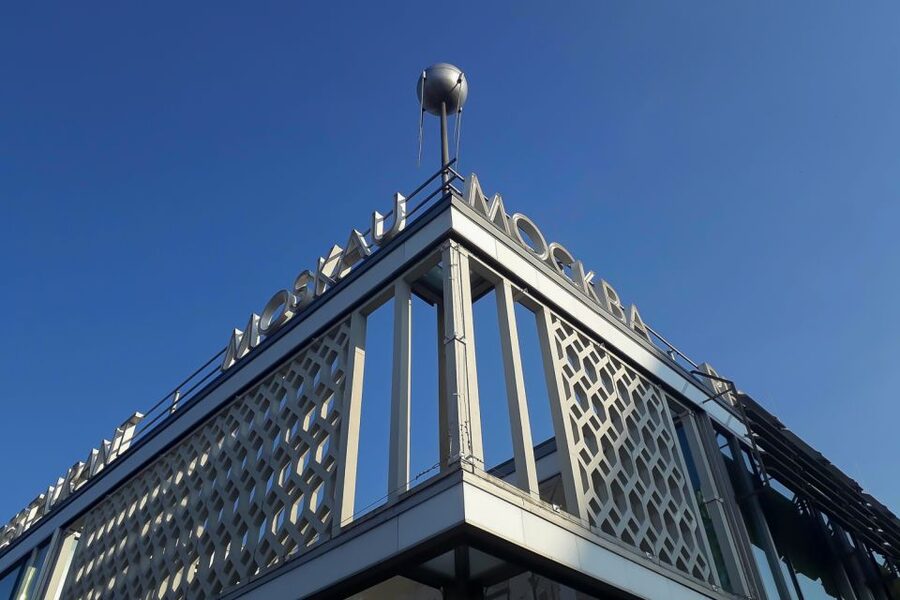
The Berlin Wall Memorial on Bernauer Strasse is the heart of the experience. Allow about 50 minutes here, and expect the guide to slow the pace because this is where the human cost becomes most direct.
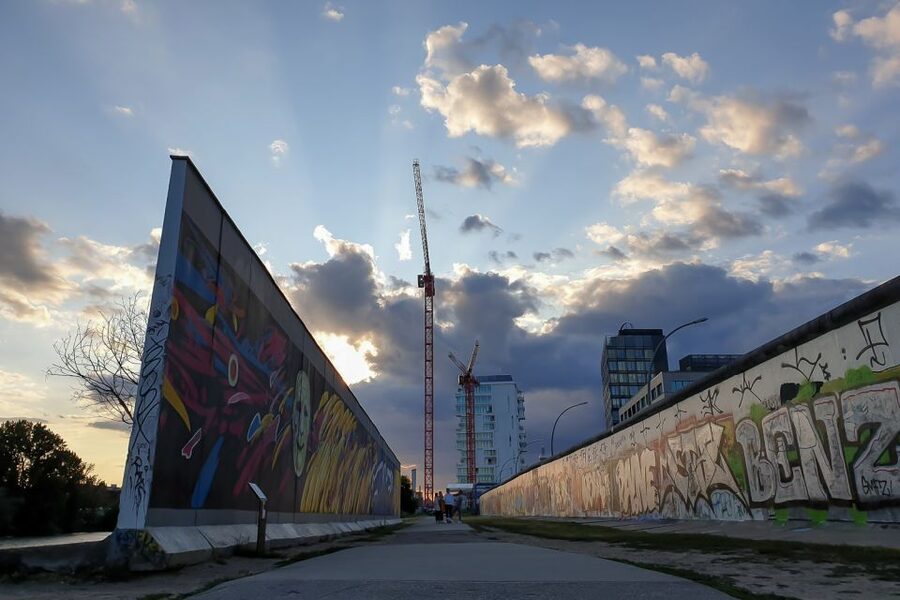
Bernauer Strasse was split by the Wall in a way that cut through homes, streets, and close neighborhoods. The memorial preserves original sections and shows the former death strip, giving you a much clearer idea of the border’s width and security system than a lone Wall panel can provide.
Your guide explains escape attempts and the people who died trying to reach the West. You also hear about the trauma of families and neighbors suddenly separated from one another. The subject is grim, but the site is handled as a place of memory rather than a stage for quick photographs.
I find this stop especially valuable for anyone who has seen the colorful Wall at the East Side Gallery but wants to understand what the Wall meant before it became an art surface. Here, the concrete is not decorative. It marks a system designed to stop people from leaving.
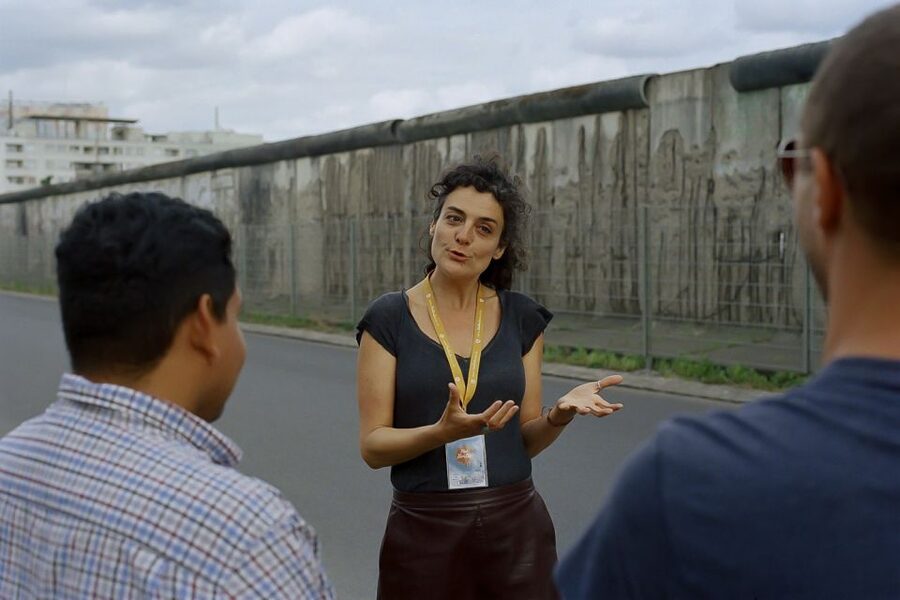
The guide’s role makes a real difference. Catherine is noted for adding a personal account to the historical explanation, while other guides are praised for making difficult material easy to follow. You should expect the exact style to vary by language and guide, but the experience is built around spoken interpretation, not just signs.
Wear good shoes. Bernauer Strasse involves walking and standing, and the full route continues afterward.
More Cold War tours in Berlin:
- Berlin: Third Reich and Cold War 2 Hour Walking Tour
★ 4.9 · 6,830 reviews - Berlin’s Best: 2 Hour Walking Tour Third Reich and the Cold War
★ 5.0 · 5,486 reviews - Berlin: Cold War Walking Tour on Berlin Wall Route
★ 4.8 · 437 reviews - Berlin: Cold War Era History Guided Bike Tour
★ 4.8 · 413 reviews
Alexanderplatz and the public face of socialism
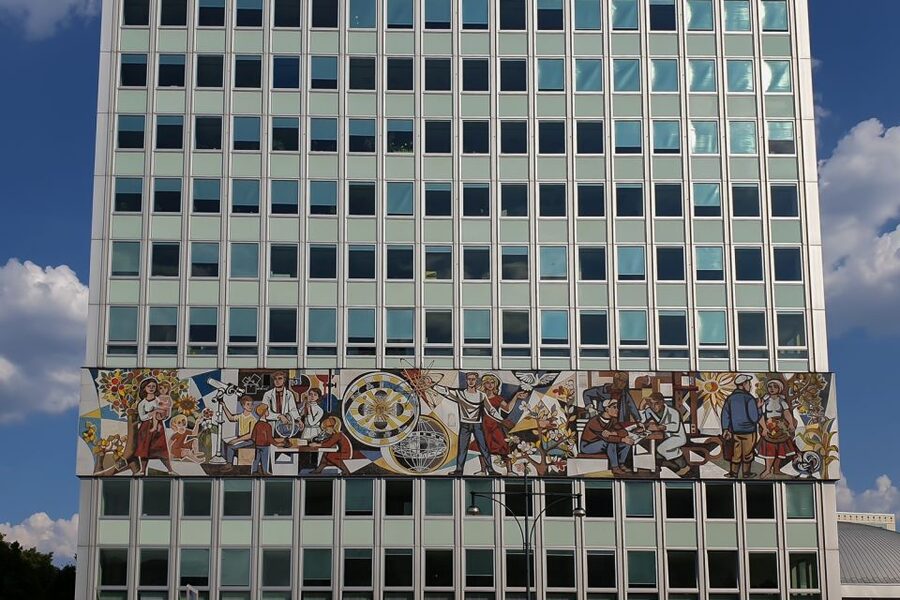
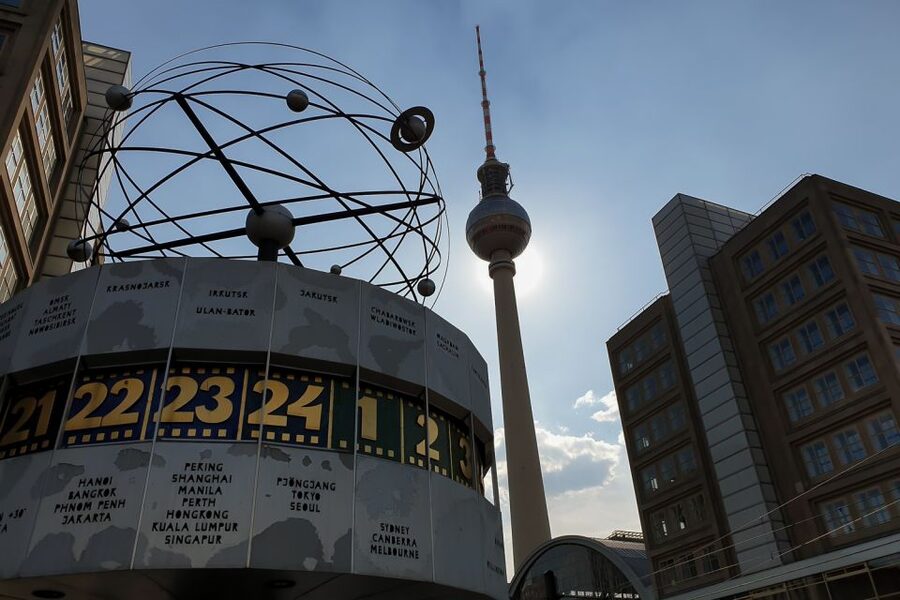
After Bernauer Strasse, the group takes the subway for about 10 minutes to Alexanderplatz. This shift changes the mood. Instead of focusing on the border’s physical danger, the tour turns to East Berlin’s public center and the architecture of the socialist state.
Alexanderplatz is a useful place to discuss how the GDR presented itself. Broad open spaces, large public buildings, and planned urban design were meant to express order and collective power. Your guide explains how daily life operated within that system and how political control reached beyond the Wall itself.
The square is also tied to peaceful demonstrations against STASI repression. In 1989, public protest helped create the pressure that led to the Wall’s collapse and the wider breakdown of the Soviet bloc.
The guided portion here lasts about 10 minutes. That is enough for a focused explanation, but not enough for an extended architecture tour. If you want a detailed look at every building around the square, you will need extra time on your own.
The TV Tower and East Berlin’s symbols
The TV Tower receives another short guided stop of about 10 minutes. It is one of the clearest visual symbols of East Berlin, built to project the strength and modernity of the GDR.
You do not enter the tower as part of this experience, and the supplied details do not include an observation-deck visit. Instead, your guide uses the tower as part of the story of socialist Berlin and its public image.
That distinction matters when you plan your day. If you want panoramic views, arrange a separate visit. On this tour, the focus is the tower’s political and urban meaning rather than a ride to the top.
The East Side Gallery and the Wall after 1989
The final major stop is the East Side Gallery, reached by another subway ride of about 10 minutes. The guided visit lasts around 15 minutes.
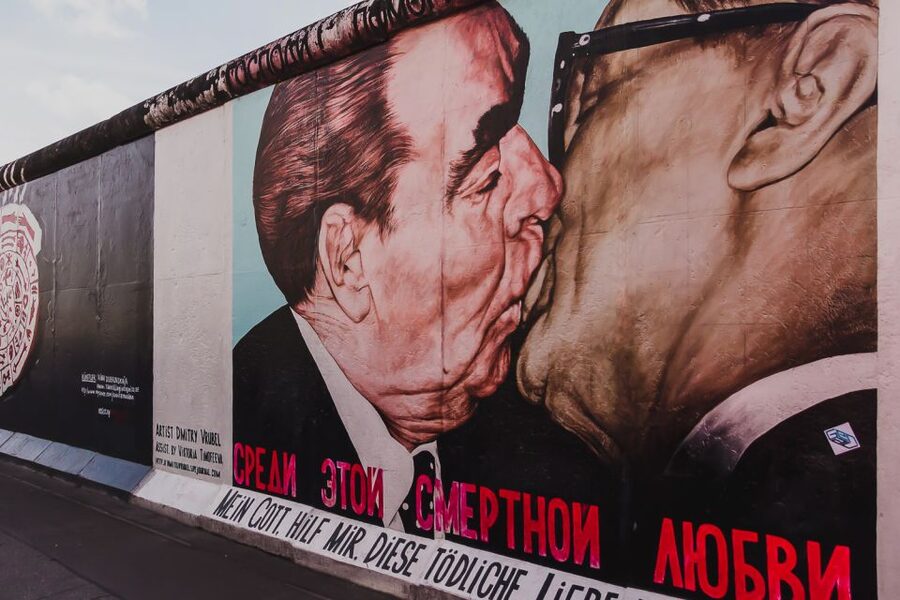
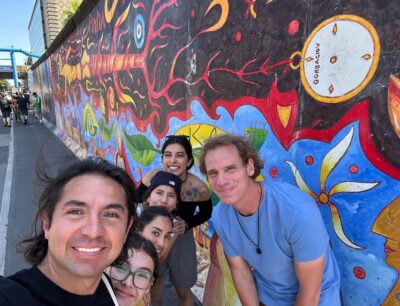
This open-air gallery contains 104 murals painted on a remaining section of the Wall. The most famous image is the kiss between Soviet leader Leonid Brezhnev and East German leader Erich Honecker, a mural that mixes political satire with a strange display of socialist solidarity.
The East Side Gallery is visually striking, but it can also give a misleading impression if seen without the earlier stops. The painted Wall is bright, public, and expressive. Bernauer Strasse shows the fear, surveillance, and loss that came before it. Seeing both locations in one route gives you a more honest sense of Berlin’s memory.
The short guided stop should give you the main context for the murals. You may want to return later if you wish to study the artwork at a slower pace or take photographs without keeping up with the group.
What the guides add
The guide is the most important variable in a history tour. A strong guide can link a train station, a square, and a concrete barrier into one understandable story. A weak guide could leave you with dates and disconnected facts.
The feedback attached to this experience points to a clear pattern: guides are praised for being prepared, warm, and able to keep attention through the full route. Paolo is described as engaging enough that you could listen for hours. Elisa is praised for a clear route and an enthusiastic approach. Claudia is noted for interesting anecdotes and a welcoming style, while Catherine brings a personal testimony into the visit. Paul is thanked for making the city’s story and smaller details easy to understand.
Those names do not guarantee which guide you will receive. Still, they show the kind of experience the provider aims to offer. You can book a guide in English, German, French, Italian, or Spanish. If language is important to your group, select carefully when booking and confirm the arrangements with the provider.
A private group is also available. This can be worthwhile for families, friends, or anyone who wants to ask many questions. The standard price is $351 for up to six people, so a full group pays about $58.50 per person before transport costs. For a couple, the per-person price is much higher, but the private attention may still appeal if this is a central interest of your Berlin visit.
Price, timing, and practical tradeoffs
At $351 per group of up to six, this is not a bargain walking tour for two people. It is priced more like a private or highly personal guided experience. The value improves as your group gets closer to six, especially if you want a guide in a particular language.
The tour includes the walking portion and the guide. It does not include food, drinks, or the AB public transport ticket. Because the route uses the S-Bahn and subway, you should budget for transport before setting out. The tour provider requires a valid ticket for the AB zones during the experience.
The route is not hard to understand, but it is not one continuous walk either. You change from walking to train travel several times. That makes the day more authentic to Berlin, yet it also means you should allow time to board, leave stations, and regroup.
Comfortable shoes are essential. You will walk and stand at several sites, and the duration can reach three and a half hours. If you choose hotel pickup, wait in the lobby 10 minutes before the scheduled time, provide the hotel name and address when booking, and confirm the pickup details with the provider.
Private tours cannot be arranged with less than 72 hours’ notice. Give the company a few days to find a guide, especially if you want a particular language or departure time.
Who will get the most from this experience
I would choose this tour if you want the Cold War explained through places rather than a pile of dates. It is a strong fit for first-time Berlin visitors who need a clear framework for the city’s division and reunification.
It also suits families with older children and teenagers, provided they can handle serious subjects involving escape attempts, political control, and deaths at the Wall. The route gives younger visitors physical reference points that are easier to grasp than a textbook account.
History fans will appreciate Bernauer Strasse and the chance to discuss the GDR beyond the Wall itself. Art lovers will enjoy the East Side Gallery, but should understand that this is not mainly a street-art tour.
You may want something else if you prefer a slow, unstructured walk, a museum visit, or a tour devoted only to architecture. The schedule is fairly compact, and the group must keep moving between several parts of Berlin.
Should you book the East Berlin and the Wall tour?
Book it if you want a clear, human explanation of divided Berlin and you value an engaging guide more than a low price. Bernauer Strasse gives the route its emotional weight, while Alexanderplatz, the TV Tower, and the East Side Gallery show how East Berlin changed from a controlled socialist capital into a city that publicly remembers its past.
The tour is best value for a group of four to six, especially if you want a private guide in French, Italian, Spanish, German, or English. Make sure you add the AB transport fare, wear good shoes, and leave room in your schedule for the route’s several transfers.
I would skip it only if you want a cheap general walking tour or a visit focused on one site. For a compact, serious introduction to East Berlin, this route gives you plenty to think about long after the Wall photographs are over.
FAQ
How long does the East Berlin and the Wall tour last?
The tour lasts about 3 to 3.5 hours.
What places does the tour visit?
The route includes Potsdamer Platz, Nordbahnhof, the Berlin Wall Memorial on Bernauer Strasse, Alexanderplatz, the TV Tower, and the East Side Gallery.
Is public transport included?
No. You need a valid AB public transport ticket for the tour, and the ticket is not included in the price.
What languages are available?
Guides are available in English, German, French, Italian, and Spanish.
Is the tour private?
A private group option is available. The listed group price covers up to six people.
Can I be picked up at my hotel?
Hotel pickup is available with the applicable option. You should provide the hotel name and address when booking, wait in the lobby 10 minutes before pickup, and confirm the details with the provider.
What should I bring?
Bring comfortable shoes and a valid AB public transport ticket. Food and drinks are not included.
Can I cancel the booking?
You can cancel up to 24 hours in advance for a full refund. You can also reserve now and pay later.
More Walking Tours in Berlin
- Discover Berlin Half-Day Walking Tour
★ 5.0 · 9,624 reviews - Berlin: Discover Berlin Walking Tour
★ 4.9 · 5,998 reviews - Berlin: Hidden Backyards Guided Walking Tour
★ 4.8 · 5,360 reviews - Third Reich Berlin: Hitler and WWII Walking Tour
★ 5.0 · 3,301 reviews
Newest Berlin reviews
- Where It All Began: Berlin’s Queer & Trans History Tour★ 4.9 · 6 reviews
- Understanding Kreuzberg: The roots of local (sub)culture★ 4.9 · 11 reviews
- Berlin: guided canoe | kayaktour★ 4.1 · 7 reviews
- Private Potsdam City Tour in an authentic vintage van★ 5.0 · 14 reviews
- Warnemünde Shore Excursion: Private Sachsenhausen and Berlin Tour★ 5.0 · 12 reviews
- Ultimate E-Bike Tour of Berlin with Beer Garden Stop★ 5.0 · 4 reviews
- In the Forbidden City – Potsdam Walking Tour★ 5.0 · 17 reviews
- Private Walking Tour of Potsdam and Sanssouci★ 5.0 · 24 reviews
Berlin Wall Tours, compared.
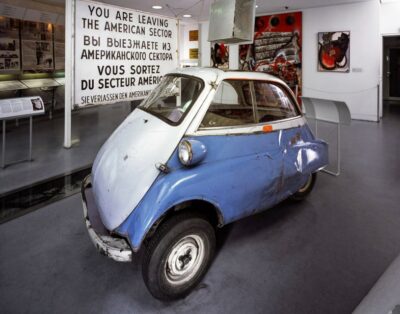
Skip-the-Line: Berlin Wall Museum at Checkpoint Charlie
Read our review →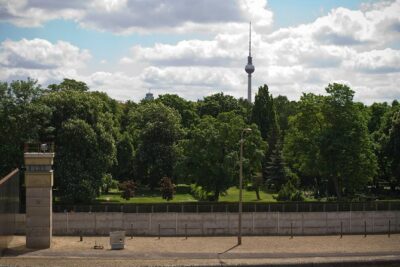
Cold War, Berlin Wall, Spies and the East Side Gallery
Read our review →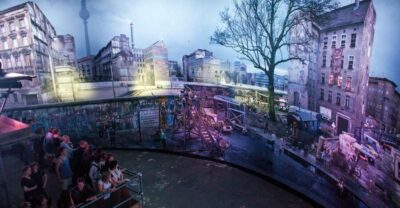
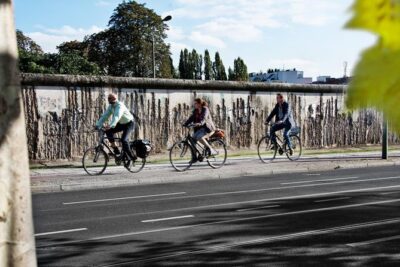
Guided Bike Tour of the Berlin Wall and Third Reich
Read our review →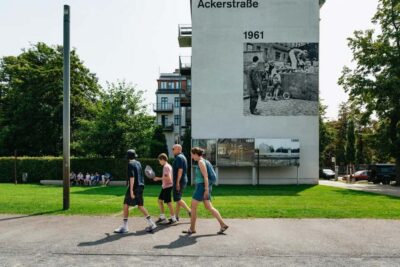
Cold War, Berlin Wall, Spies and the East Side Gallery
Read our review →Browse the lists this tour appears in