
Reviewed · BERLIN COLD WAR TOURS
DDR Museum Berlin Admission Ticket
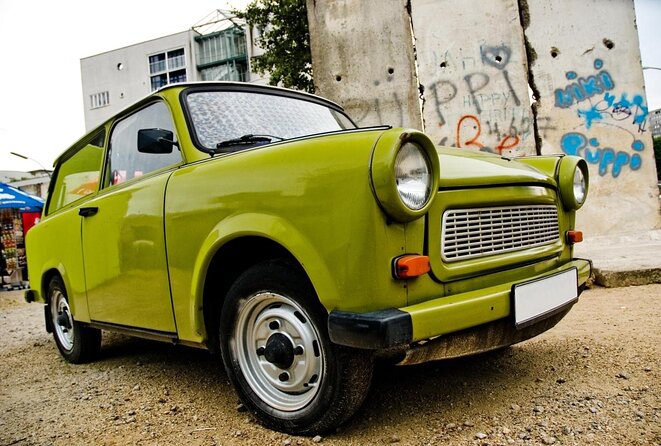
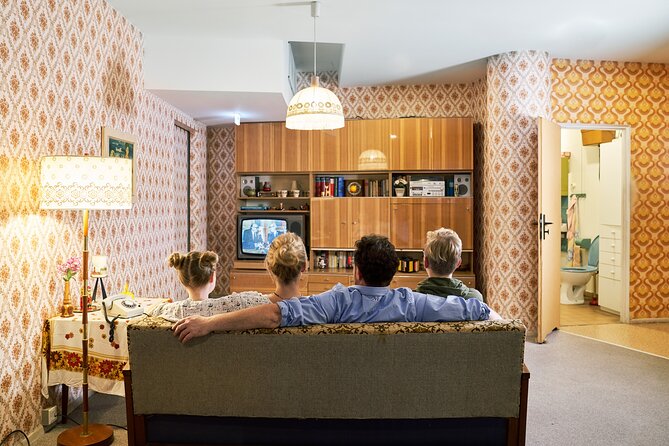
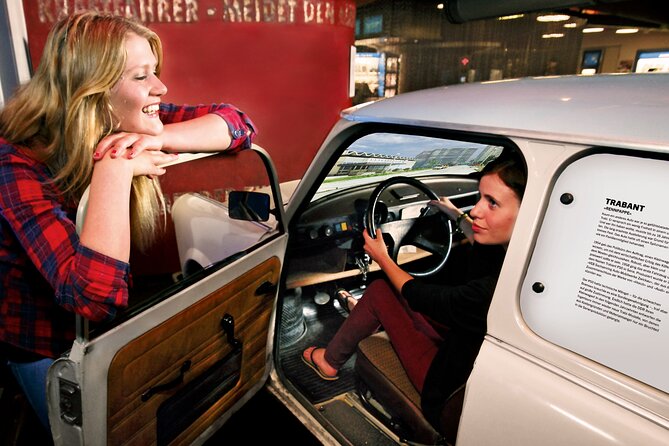
East Germany comes alive here through reconstructed rooms, working displays, and everyday objects rather than a long line of glass cases. You can sit inside a Trabant, look through a compact GDR apartment, watch old television programming, and see how politics reached into ordinary home life.
I like the museum’s central location opposite Berlin Cathedral, and I like the freedom to move at your own pace. The interactive format also gives children something to do while adults read about the Socialist Unity Party, state control, and life behind the Iron Curtain. The main drawback is space: this is a relatively small museum, and it can feel tightly packed when busy.
Key points
- Recreated East German home: Open cupboards, inspect kitchen equipment, and see how a small government-assigned flat was arranged.
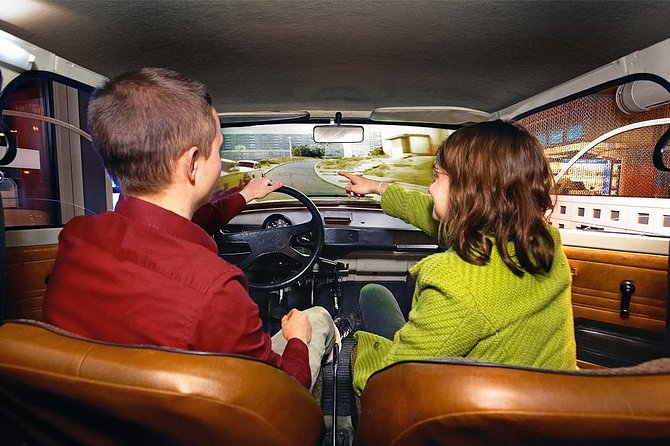
- Trabant experience: Sit inside the famous East German car and follow a virtual journey through an East Berlin housing estate.
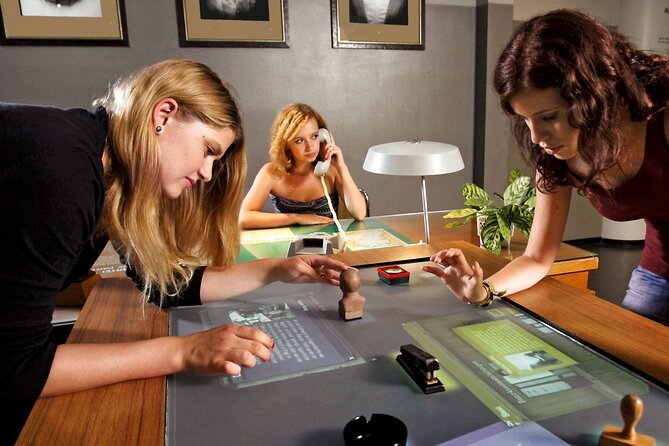
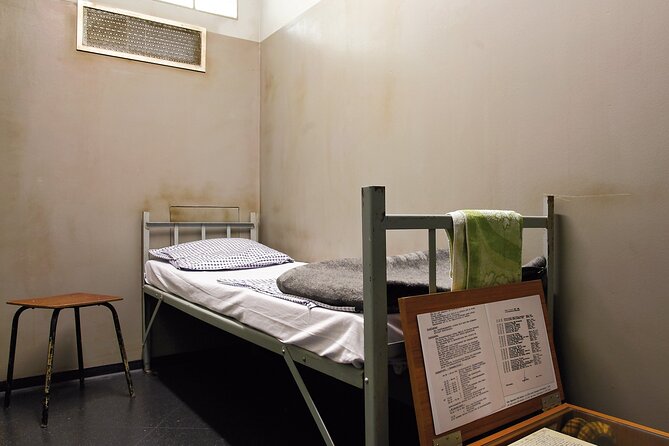
- Hands-on political history: Try a simulated GDR election and encounter a Stasi interrogation display.
- Central Berlin setting: Find the museum on the River Spree, directly opposite Berlin Cathedral.
- Plan for one to two hours: The museum can be covered quickly, but careful readers may want longer.
- Go at a quiet time: Crowding is the biggest complaint, especially in the narrow interactive areas.
A small museum with a big subject
The DDR Museum examines East Germany, officially the German Democratic Republic, from its formation in 1949 until reunification in 1990. Its focus is not only on leaders and political events. It asks you to consider how socialism affected school, work, shopping, housing, transport, television, and family life.
That everyday focus is the museum’s best idea. A political timeline can tell you when the Berlin Wall went up. A kitchen cupboard, a television broadcast, or a cramped living room can help you understand what that system felt like at home.
You enter as a self-guided visitor, with no scheduled guide leading the way. The ticket is for a chosen date and time, and the supplied information lists English availability. Most of the displays include English text, so you can follow the story without needing German.
The museum is aimed at adults and children, but the subject deserves some care. There are playful buttons, drawers, videos, and simulated experiences. That makes the material easier to approach, though some adults may feel the fun format softens a difficult political story.
More Museum Island tours in Berlin:
- Berlin: Museum Island Multiple Museum Entry Ticket
★ 4.4 · 2,007 reviews - Berlin: “Pergamonmuseum. The Panorama” Exhibition Tickets
★ 4.6 · 1,245 reviews - Berlin: “The Humboldt Forum for Newbies” Guided Tour
★ 4.7 · 42 reviews
Finding the DDR Museum beside Berlin Cathedral
The museum is at Karl-Liebknecht-Strasse 1, on the central River Spree waterfront, directly opposite Berlin Cathedral. It is close to public transportation, so you can pair it with a visit to the cathedral, Museum Island, or the nearby historic center.
You make your own way there. Hotel pickup and drop-off are not included, and food and drinks are also not part of the ticket. This is best treated as a compact central attraction rather than a half-day guided tour.
The admission price is listed at $16.26 per person. That is reasonable if you enjoy interactive museums and spend close to two hours working through the displays. If you race through the rooms in an hour, the price may feel high because the museum is smaller than many first-time visitors expect.
The booking includes a mobile ticket and a selected date and time. Bring the ticket in an easily usable form. Some digital passes have caused trouble at the entrance, with visitors needing staff to open the gate or print a voucher. That is not a reason to avoid booking, but it is sensible to save the ticket before arriving and keep the booking details easy to display.
Reconstructed rooms show daily life at home
The first major section places you inside ordinary East German life. The reconstructed living room includes an original Carat living room cupboard, period furniture, household objects, and a television showing East German programming and propaganda.
The television is important. State control was not limited to newspapers or official speeches. What people watched at home helped shape the message of the GDR, and the museum makes that point in a direct way. You are not just reading that propaganda existed. You can see the television, sit in the room, and imagine how political messaging entered daily routines.
The kitchen is another strong section. It shows how limited space and state planning shaped domestic life. A small apartment could include the basic rooms and appliances needed for a family, but there was not always much room to spare. The display gives you a more personal sense of housing conditions than a political panel alone could provide.
Open drawers and cupboards to find information and objects. This is where the museum’s interactive design works well for curious children and adults who like to examine details. It also explains one criticism of the museum: some activities amount to opening a drawer to read a label. If you expect every exhibit to involve a major simulation, you may find the interaction modest.
Take your time in this section. It is easy to hurry toward the car display, but the home reconstruction is one of the clearest ways to understand the period.
The Trabant puts you on an East Berlin street
The Trabant is the museum’s most immediately popular exhibit. This small car became a familiar symbol of East Germany and the wider Eastern Bloc. You can climb inside and use the display to take a virtual trip through an East Berlin housing estate.
The car matters because it connects state economics with ordinary movement. It was not simply a quirky old vehicle. It represented the limited choices, long waits, and practical compromises that shaped consumer life in the GDR.
The virtual tour adds motion to an otherwise text-heavy subject. Films of everyday scenes help you picture roads, apartment blocks, and the visual character of East Berlin. It is one of the museum’s easiest activities for children to understand, and it gives adults a useful break from reading.
The Trabant section can become a bottleneck. The museum is small, and a popular display may attract several people at once. If you arrive during a crowded period, you may need to wait or circle back later.
More Cold War tours in Berlin:
- Berlin: Third Reich and Cold War 2 Hour Walking Tour
★ 4.9 · 6,830 reviews - Berlin’s Best: 2 Hour Walking Tour Third Reich and the Cold War
★ 5.0 · 5,486 reviews - Skip-the-Line: Berlin Wall Museum at Checkpoint Charlie
★ 4.1 · 2,041 reviews - Cold War, Berlin Wall, Spies and the East Side Gallery
★ 5.0 · 1,024 reviews
Politics becomes personal through interactive displays
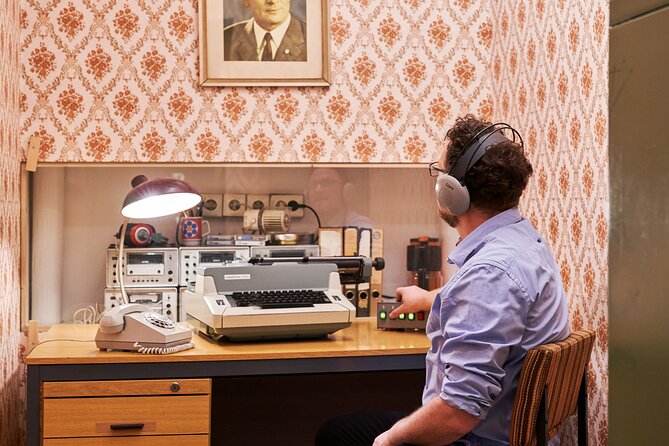
The museum also explains the Socialist Unity Party, the ruling party of East Germany. Displays cover political power, elections, public life, and the relationship between citizens and the state.
One activity lets you take part in a simulated GDR election. This is useful because it raises the difference between the appearance of participation and genuine political choice. You can read the information, try the activity, and then connect it with the broader story of one-party rule.
A Stasi interrogation display adds a darker note. The Ministry for State Security, commonly called the Stasi, monitored citizens and investigated suspected opposition. The interrogation setting gives the political system a human scale, showing how fear and surveillance could enter an individual’s life.
The museum does not present only one room of political material. You move between daily objects and state institutions, which helps connect the two. The government’s decisions affected housing, work, education, shopping, and travel. That connection is one of the museum’s real strengths.
Still, the hands-on format may not suit everyone. The subject includes repression, surveillance, and the loss of freedom, while the museum also invites children to press buttons and climb into a car. I found that contrast worth keeping in mind when deciding how to frame the visit for your family.
Expect English text, videos, and plenty of reading
English information is available throughout the museum, including exhibit text and labels. You should be able to follow the main story without a German-speaking guide.
The museum uses videos alongside objects and room reconstructions. A longer visit gives you time to watch more of the film material, read the background panels, and inspect the smaller household displays.
If you enjoy reading, you could spend well beyond an hour here. If you focus on the large displays and interactive pieces, about one hour may be enough. The official estimate of one to two hours is sensible.
Children who want constant action may lose interest when they reach the reading sections. For that reason, I would not describe this as a purely hands-on attraction. It is a history museum with interactive elements, not a theme park.
Adults should also avoid assuming that the interactive pieces replace explanation. They do not. The museum offers many short texts, and you get more from the visit if you pause to read them.
Crowds and comfort can shape the visit
Crowding is the biggest practical concern. The museum’s compact layout can become uncomfortable when several school groups or family groups arrive at once. You may find it hard to stand in front of a display, move through the reconstructed rooms, or use the most popular activities.
The museum is open daily from 9:00 a.m. to 9:00 p.m. That long schedule gives you useful flexibility. A later visit may help you avoid the busiest daytime period, while an early arrival can give you more room around the exhibits. One morning visit at about 9:15 a.m. allowed nearly two hours of comfortable exploration, while another at 10:30 a.m. was already fairly busy.
The building can also feel hot. Air conditioning is not available, and warm conditions combined with a crowd may shorten your stay. If you dislike close quarters or heat, choose your timing carefully and keep your expectations realistic.
The experience is not designed as a quiet, contemplative museum. You will hear videos, see children trying the displays, and share the tight route with other visitors. That energy helps some families, but it can distract anyone hoping for a solemn examination of East German repression.
Who will get the most from this ticket?
I would recommend the DDR Museum to you if you want an accessible introduction to East German life and prefer objects and activities to a traditional chronological museum. It works especially well for a first visit to Berlin because it gives context to the Berlin Wall, the division of Germany, and the political split between East and West.
Families can use the museum as a starting point for conversations about freedom, elections, surveillance, and consumer goods. The Trabant and apartment displays give younger visitors something concrete to understand, while the written material gives adults more context.
It is also a good choice for anyone interested in design, domestic life, transport, or Cold War history. The reconstructed apartment and household objects may be more memorable than a row of official documents.
You may want to choose another museum, or allow extra time elsewhere, if you prefer large galleries, original historical documents, or a quiet visit. The DDR Museum is compact and highly arranged. Some displays feel more like an attraction than a conventional museum, and the amount of reading may surprise anyone expecting continuous hands-on activity.
A useful stop in a full Berlin day
The museum works well as a one to two-hour stop between larger Berlin sights. Afterward, you can continue around the cathedral and Museum Island, all without needing transport between attractions.
The experience is self-guided, so you control the pace. Spend longer in the apartment, return to the Trabant, skip a video, or read every panel. That flexibility is useful when one person in your group is fascinated by political history and another is more interested in household life.
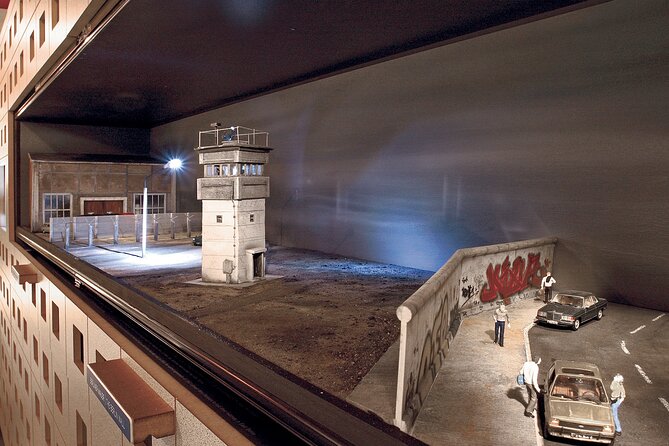
The final exit through a hole in the Berlin Wall gives the visit a clear physical ending. It is a simple but effective reminder that the GDR was not just a collection of old furniture and cars. The system shaped people’s choices and movement, and the Wall eventually became its most powerful symbol.
The ticket allows free cancellation if you cancel at least 24 hours before the experience start time. Changes or cancellations made within 24 hours are not accepted for a refund, so check your plans before that cutoff.
Should you book the DDR Museum?
Book it if you want an interactive, English-friendly introduction to everyday East Germany, especially if your group includes children or anyone who learns best through rooms, objects, and simulations. The apartment, Trabant, videos, election display, and Stasi scene give you several ways into the subject.
Book at an early or later time if possible. The museum’s small size makes crowd control important, and a packed visit can turn a good experience into a frustrating one. Save your mobile ticket in advance, allow up to two hours if you like reading, and expect some heat.
Skip it if you want a large, quiet museum with extensive original collections. At $16.26, the value depends on how actively you use the displays. For the right visitor, it is a memorable and practical Berlin stop. For someone expecting a vast museum, it may feel short.
FAQ
Where is the DDR Museum located?
The DDR Museum is at Karl-Liebknecht-Strasse 1 in central Berlin, on the River Spree opposite Berlin Cathedral.
How long should I allow for the visit?
Plan for about one to two hours. You can see the main exhibits in roughly an hour, but readers may want longer for the videos and information panels.
Is the DDR Museum offered in English?
Yes. English information is available throughout the exhibits, and the experience is offered in English.
What does the admission ticket include?
The ticket includes admission to the DDR Museum. Food, drinks, hotel pickup, and hotel drop-off are not included.
Is the museum suitable for children?
Yes. The museum is presented as suitable for adults and children, with interactive displays, a Trabant car, reconstructed rooms, and other hands-on elements. Some sections also contain a fair amount of reading.
Does the ticket have a selected date and time?
Yes. You choose a date and time slot when booking. The ticket is provided for mobile use, but saving the voucher and booking details before arrival is sensible.
What is the cancellation policy?
You can cancel for a full refund up to 24 hours before the experience start time. Cancellations or changes made less than 24 hours before the start time are not refunded or accepted.
More museums and galleries in Berlin
- Berlin: Natural History Museum Entrance Ticket
★ 4.6 · 3,382 reviews - Berlin: Interactive DeJa Vu Museum Entrance Ticket
★ 4.1 · 1,338 reviews - Berlin: East Side Gallery Spree Cruise in a Solar Catamaran
★ 4.0 · 1,039 reviews - Berlin: Museum of Communication Entrance Ticket
★ 4.5 · 452 reviews
Newest Berlin reviews
- Where It All Began: Berlin’s Queer & Trans History Tour★ 4.9 · 6 reviews
- Understanding Kreuzberg: The roots of local (sub)culture★ 4.9 · 11 reviews
- Berlin: guided canoe | kayaktour★ 4.1 · 7 reviews
- Private Potsdam City Tour in an authentic vintage van★ 5.0 · 14 reviews
- Warnemünde Shore Excursion: Private Sachsenhausen and Berlin Tour★ 5.0 · 12 reviews
- Ultimate E-Bike Tour of Berlin with Beer Garden Stop★ 5.0 · 4 reviews
- In the Forbidden City – Potsdam Walking Tour★ 5.0 · 17 reviews
- Private Walking Tour of Potsdam and Sanssouci★ 5.0 · 24 reviews
Berlin Cold War Tours, compared.

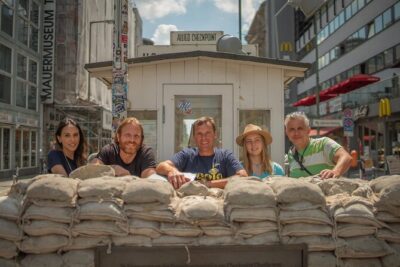
Berlin’s Best: 2 Hour Walking Tour Third Reich and the Cold War
Read our review →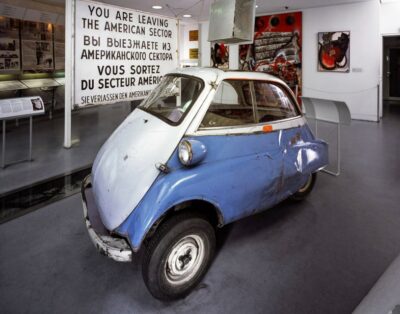
Skip-the-Line: Berlin Wall Museum at Checkpoint Charlie
Read our review →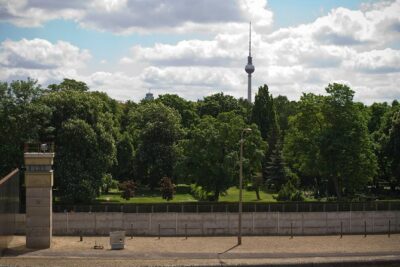
Cold War, Berlin Wall, Spies and the East Side Gallery
Read our review →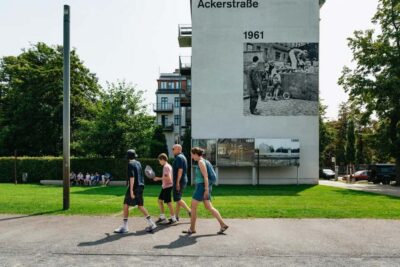

Listening Station Teufelsberg Tour with Transfer
Read our review →Browse the lists this tour appears in