
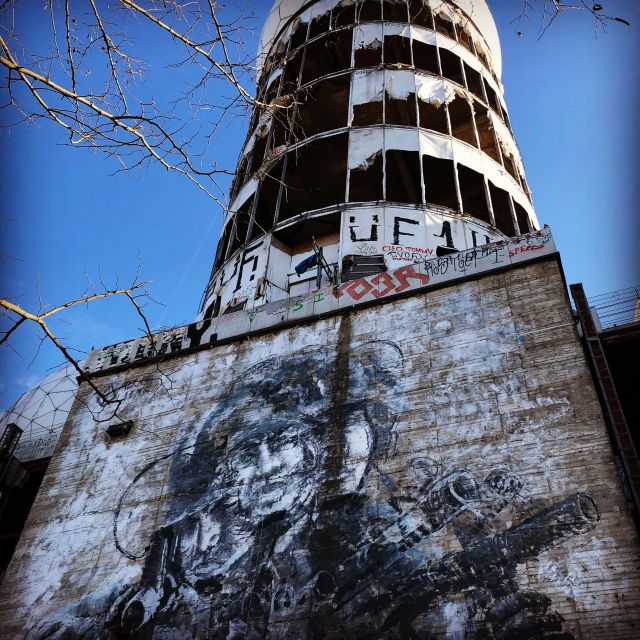
Reviewed · BERLIN COLD WAR TOURS
Berlin: Listening Station Teufelsberg Tour with Transfer
Teufelsberg is one of Berlin’s strangest sights: a 120-meter-high hill made from wartime rubble, topped by the battered remains of an American listening station. You’ll walk through abandoned structures covered in huge murals, then climb for a rooftop view across the city.
I like the easy transfer from Heerstraße station and the small group of no more than seven people. I also like the mix of Cold War history and street art. The main drawback is clear: the tour is German only, so you’ll need German skills or a translation app to get the full story.
Key points at a glance
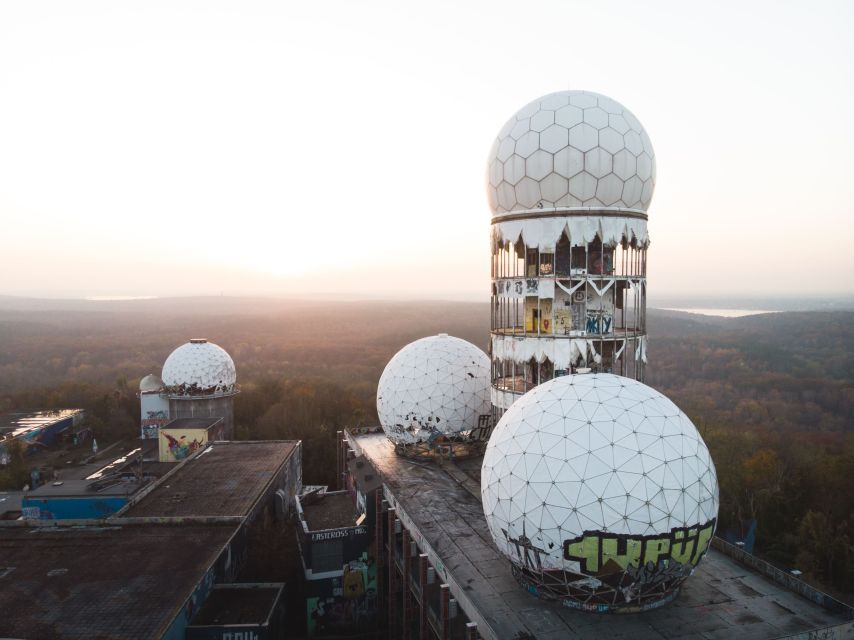
- Former US listening station: Explore the Cold War site and learn how the Field Station developed after the Second World War.
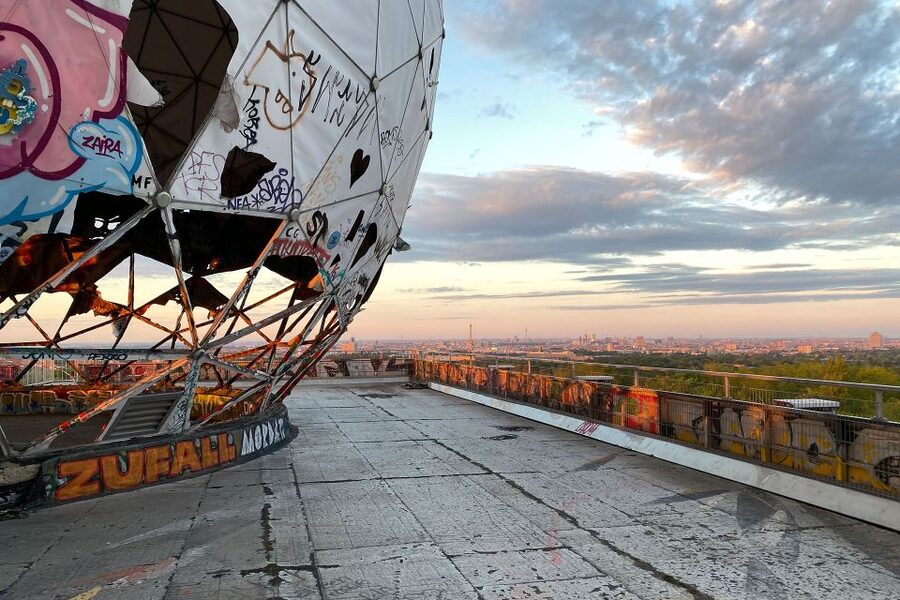
- Teufelsberg’s 120-meter summit: Visit Berlin’s second-highest ascent and take in wide views from the roof terrace.
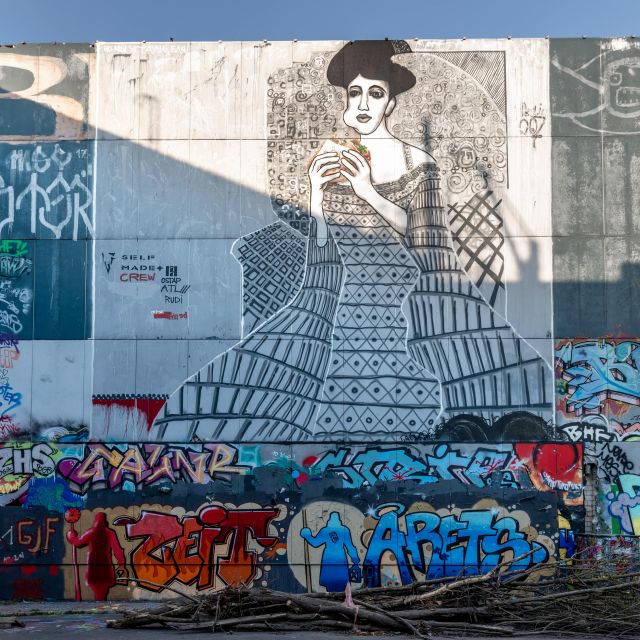
- Europe’s largest street art gallery: See large-scale paintings spread across the old station buildings.
- Small-group transfer: Travel from Heerstraße station in a Mercedes V-Class minivan with space for up to seven participants.
- German-language guiding: The tour is conducted only in German, though Google Translate may help if you do not speak the language.
- Two-hour format: About 100 minutes are spent at Teufelsberg, with the remaining time used for transfers.
Why Teufelsberg feels unlike standard Berlin sightseeing
Berlin has plenty of museums and memorials, but Teufelsberg asks you to walk through a place that was never designed for tourists. The old listening station is cracked, weathered, and layered with graffiti. Its walls show years of decay, Cold War secrecy, and creative reuse all at once.
The hill itself adds another layer. Teufelsberg was formed from rubble left after the Second World War, and the site’s story reaches back to plans made in 1937. Your guide connects those early beginnings with the station’s later use by the US Army.
That combination makes the visit useful for anyone who wants more than a polished account of Berlin’s past. You see a physical remnant of the divided city, then watch modern artists reclaim the same rooms and towers with color and scale.
The setting is also slightly rough around the edges. This is a former military listening post, not a restored palace. Floors, stairs, and surfaces can be uneven, so flat, comfortable shoes are essential. The rough condition is part of the appeal, but it also means you should pay attention while walking.
More Cold War tours in Berlin:
- Berlin: Third Reich and Cold War 2 Hour Walking Tour
★ 4.9 · 6,830 reviews - Berlin’s Best: 2 Hour Walking Tour Third Reich and the Cold War
★ 5.0 · 5,486 reviews - Skip-the-Line: Berlin Wall Museum at Checkpoint Charlie
★ 4.1 · 2,041 reviews
From Heerstraße station to the rubble hill
The meeting point is outside the S-Bahn station Heerstraße, at the Boyenallee exit. Look for a white vehicle with the local partner’s logo and arrive five to ten minutes early. The tour starts on time, so this is not the place to arrive at the last second after navigating Berlin’s rail system.
From there, you ride to Teufelsberg in a Mercedes V-Class. The minivan transfer is a useful part of the experience because the hill is outside the central sightseeing zone. You do not need to work out a separate connection or arrange a taxi for the visit.
The vehicle has eight seats, while the tour is limited to seven participants. That leaves the group small enough for direct contact with the guide without making the ride feel crowded. A small group also helps once you reach the station, where narrow areas and stairways can make a large party awkward.
The return is to the same Heerstraße meeting point. Plan your next activity from there rather than assuming you will finish in central Berlin. The full experience lasts two hours, and about 100 minutes of that time is the guided visit at Teufelsberg.
A hill built from Berlin’s wartime remains
The first part of the visit explains how the site began in 1937 and how it changed after the war. That timeline matters because Teufelsberg is not just a Cold War ruin placed on a natural hill. The ground beneath you is tied to the rebuilding of Berlin after its destruction.
The hill reaches roughly 120 meters and is described as Berlin’s second-highest ascent. From the top, you get a different sense of the city’s scale than you do from street level. The height gives the listening station a practical advantage, which helps explain why the location became valuable for surveillance.
The guide then moves the story into the Cold War. The United States used the Field Station as a listening post, and the remaining buildings offer a rare chance to see the physical setting of that work. You learn about the station’s development after the Second World War and its place in divided Berlin.
The history is presented from the former US station’s point of view. If you want a full account of Cold War Berlin, including the Soviet side and a detailed explanation of exactly who was monitored and how, you may find the tour’s historical scope limited. The site connects to a much wider story involving rival intelligence systems, but the visit centers mainly on the West Berlin installation.
That focus is still useful. Standing inside the old station makes the Cold War less abstract. You are not just looking at a dated photograph or reading a museum label. You are inside the remains of a working intelligence site, with its height and isolation still easy to understand.
Inside the former American listening station
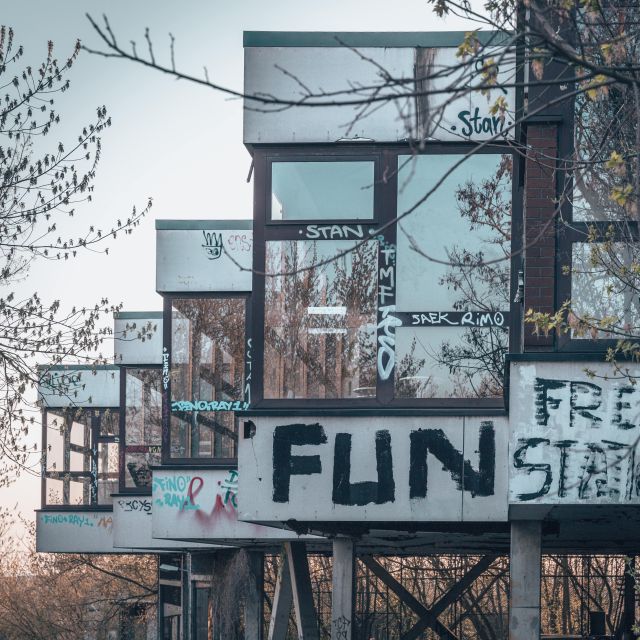
The buildings are the main reason to book this outing. The old domes and station structures have a strange, skeletal presence. Their original function is gone, but the forms remain recognizable enough to suggest how serious and secretive the place once was.
The tour explains the building’s development and its use by the US Army. Because the site is now classed among Berlin’s lost places, the experience has a different tone from a formal historical attraction. You are seeing a place that has been left to weather, then partly reclaimed by art and public access.
This is not a tour for polished interiors or a carefully restored Cold War control room. The value comes from the combination of setting, stories, and visible decay. The buildings show how a once-important installation can lose its purpose and acquire a new cultural role.
You should also expect the guide to shape the visit. A German-speaking guide can point out details that are easy to miss, explain the station’s timeline, and place the ruins within Berlin’s postwar story. If you do not understand German, you will still see the structures and artwork, but much of the historical meaning will be harder to follow.
One useful workaround is Google Translate. On a tour led by Stephanie, a visitor who did not speak German followed the explanation with translation on a phone. That arrangement allowed the visit to work, but it is not the same as having a full English-language tour. Bring a charged phone and be ready to translate short sections rather than expecting every detail to transfer smoothly.
A different sort of day out in Berlin:
- Berlin: Reichstag, Dome and Government District Guided Tour
★ 4.7 · 18,288 reviews - Berlin: 1-Hour City Tour by Boat with Guaranteed Seating
★ 4.3 · 16,993 reviews - Berlin: Boat Tour Along the River Spree
★ 4.4 · 11,252 reviews - Discover Berlin Half-Day Walking Tour
★ 5.0 · 9,624 reviews
Europe’s biggest street art gallery
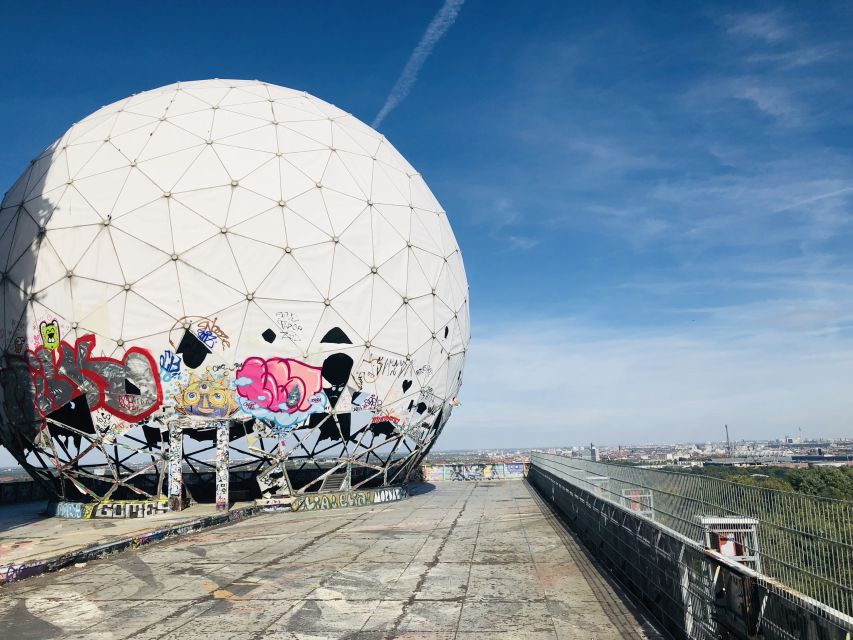
The art is not a side attraction. It is one of the strongest reasons to visit Teufelsberg, especially if you are drawn to large murals and unusual exhibition spaces.
Paintings cover the station’s walls, towers, and interior surfaces. The scale is part of the impact. Instead of viewing one framed work at a time, you move through a series of rooms and open areas where the artwork interacts with peeling walls, concrete, metal, and sky.
The old structures give the paintings a setting that a standard gallery cannot match. A bright mural against a weathered listening station tells two stories at once: the site’s Cold War purpose and its present use by artists.
You will want time for photographs. Even on a gray day, the colors and shapes can remain impressive, and the clouds may add to the stark mood of the buildings. The art also gives the tour a clear visual payoff for anyone who is less interested in military history.
The gallery is not perfectly controlled or predictable. Outdoor conditions affect the experience, and the old site has a raw, unfinished feel. If you prefer tidy exhibitions with quiet rooms and detailed labels, this may seem disorganized. If you like places where art and architecture collide, the roughness is exactly what makes the visit interesting.
The roof terrace and Berlin views
The roof terrace provides the tour’s clearest visual reward. From above, you can look out over Berlin and understand why the hill was useful for listening and observation.
The view is broad rather than narrowly focused on one famous monument. That gives you a better sense of Berlin’s size and its mix of built-up areas and open ground. The station’s elevated position also lets you connect the Cold War purpose of the site with its physical setting.
Weather matters here. Clear conditions will give you the best long-distance views, while rain or heavy cloud can reduce what you see. The tour still has value in poor weather because the buildings and murals remain the main draw, but you should not book it only for a perfect panorama.
The roof and stairways also reinforce the need for sensible footwear. Wear flat, comfortable shoes and expect a walking visit rather than a casual photo stop. The 100-minute guided portion gives you time to explore, but it is not a long free period for wandering at your own pace.
How much value do you get for $62?
At $62 per person, this is not the cheapest way to spend two hours in Berlin. You are paying for three things together: transport from Heerstraße, entry to the site, and a guided visit in a group capped at seven people.
That package makes the price easier to understand. Teufelsberg is outside the normal central sightseeing circuit, and the minivan removes the need to arrange your own transport. The small group also gives you a more personal format than a large coach outing.
The value depends heavily on language. If you understand German, the price is reasonable for a focused visit to a distinctive site with a guide and direct transport. If you do not speak German, you are paying for access, transport, and visual discovery, while relying on phone translation for much of the explanation.
I would compare this with the cost of arranging separate transport and entry, but the real benefit is convenience. You arrive at a fixed meeting point, ride directly to the station, receive the historical framework, and return to where you began.
The tour also works well for a short Berlin stay. Two hours is enough to see the station, artwork, and rooftop without consuming half a day. If you are already planning a full day in western Berlin, it can fit neatly into your schedule.
Who should book this experience?
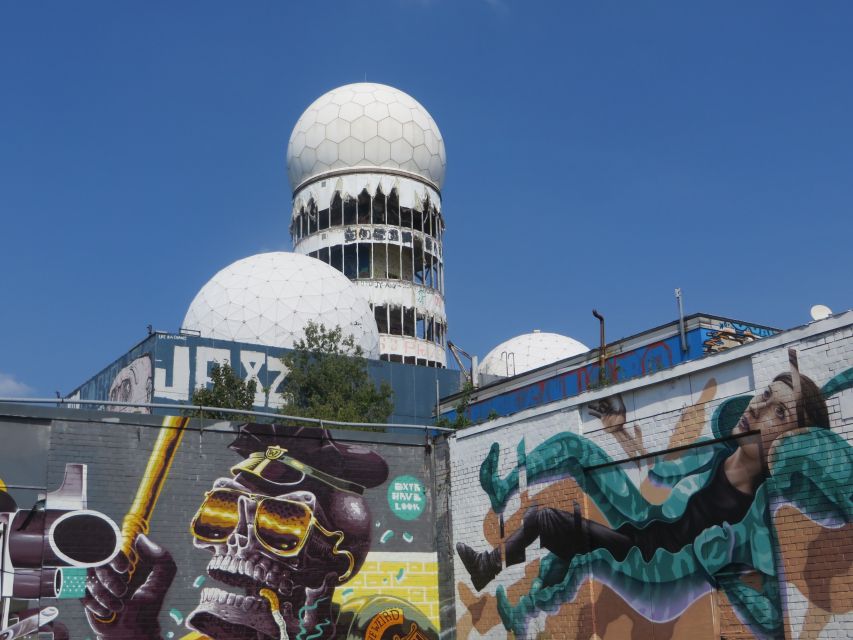
I would choose this tour if you like Cold War sites, abandoned buildings, and street art more than traditional museums. It suits visitors who want to see a less polished side of Berlin and who enjoy connecting modern art with older political history.
It is also a strong choice for photographers. The domes, open spaces, murals, and rooftop views provide many visual angles. Gray weather does not automatically ruin the visit, though comfortable shoes and a jacket will make the walk easier.
Families can enjoy the unusual setting, but younger children may find the historical explanation less engaging if they do not understand German. The rough surfaces and stairs also require attention. Keep the visit practical and do not treat it as a relaxed stroll through a formal gallery.
I would be more cautious if you want a detailed English-language account of Cold War intelligence. This tour is German only, and the content appears centered on the former American listening station. For a fuller Berlin history, you may want to pair it with another museum or guided visit in English.
The small group is a good fit if you prefer direct access to a guide. With a maximum of seven participants, you can ask questions and keep the pace manageable. The minimum is four, however, and the operator may cancel if that number is not reached.
You can cancel up to 24 hours before the start for a full refund, and a reserve-now, pay-later option keeps the booking flexible. Those terms are helpful when weather or your Berlin plans are still uncertain.
The German-only issue deserves careful thought
The language warning is the most important practical point. The live guide speaks German, and the tour is available only in German. Do not assume that the guide will switch to English for a private explanation.
A translation app can help. One tour participant used Google Translate while Stephanie combined German with some English, and that made the visit possible. Still, this depended on the situation and the guide. You should treat it as a possible aid, not a promised bilingual service.
If you speak German, the language is no problem. If you speak neither German nor English well, the artwork and buildings remain accessible through sight, but the history will be much thinner. Check this point before booking, especially if historical explanation is your main reason for going.
Should you book Teufelsberg?
Book it if you want an unusual Berlin outing with a former spy station, huge street art, and a city view in one compact visit. The direct minivan transfer and seven-person limit add real convenience, and the site itself is unlike the city’s standard memorials and museums.
Skip it if you need an English-language tour or a fully restored historical attraction. The German-only format and rough condition of the buildings are not minor details.
For German speakers, $62 is a fair price for the entry, guide, and transport. For everyone else, book only if you are happy to use translation tools and let the art, ruins, and setting carry part of the experience.
FAQ
Where does the Teufelsberg tour begin?
It begins outside the S-Bahn station Heerstraße at the Boyenallee exit. Look for a white vehicle with the local partner’s logo.
How long does the activity last?
The full activity lasts two hours. The guided visit at Teufelsberg takes about 100 minutes, followed by the return to Heerstraße.
Is transportation included?
Yes. You travel between Heerstraße and Teufelsberg in a Mercedes V-Class minivan.
What language is the tour in?
The tour is available only in German. Google Translate may help, but an English-language tour is not offered.
How many people can join the group?
The tour is limited to seven participants. It requires at least four participants to operate.
What should I wear?
Wear comfortable, flat shoes. The visit includes walking around the former station and its outdoor areas, where surfaces may be uneven.
Newest Berlin reviews
- Where It All Began: Berlin’s Queer & Trans History Tour★ 4.9 · 6 reviews
- Understanding Kreuzberg: The roots of local (sub)culture★ 4.9 · 11 reviews
- Berlin: guided canoe | kayaktour★ 4.1 · 7 reviews
- Private Potsdam City Tour in an authentic vintage van★ 5.0 · 14 reviews
- Warnemünde Shore Excursion: Private Sachsenhausen and Berlin Tour★ 5.0 · 12 reviews
- Ultimate E-Bike Tour of Berlin with Beer Garden Stop★ 5.0 · 4 reviews
- In the Forbidden City – Potsdam Walking Tour★ 5.0 · 17 reviews
- Private Walking Tour of Potsdam and Sanssouci★ 5.0 · 24 reviews
Berlin Cold War Tours, compared.

Berlin’s Best: 2 Hour Walking Tour Third Reich and the Cold War
Read our review →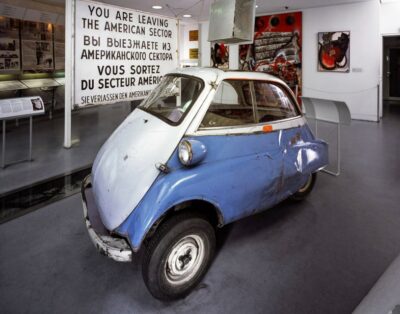
Skip-the-Line: Berlin Wall Museum at Checkpoint Charlie
Read our review →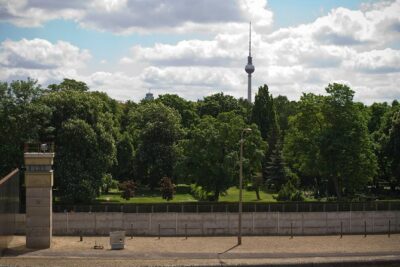
Cold War, Berlin Wall, Spies and the East Side Gallery
Read our review →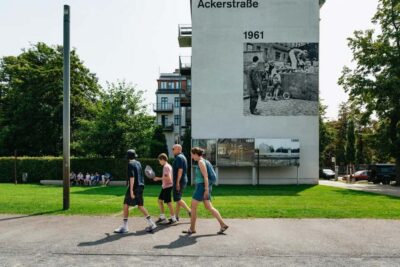



Browse the lists this tour appears in