
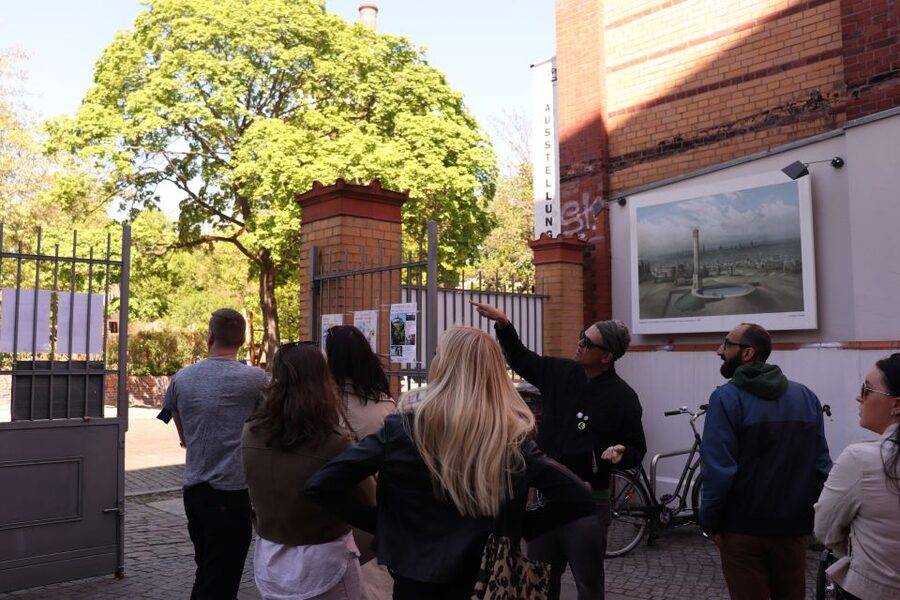
Reviewed · ALTERNATIVE BERLIN TOURS
Berlin: Alternative Berlin Walking Tour
Berlin’s best stories are not always found at the Brandenburg Gate. This four-hour walk follows the city’s counterculture, street art, immigrant communities, and music scene, moving from Mitte through Kreuzberg to Friedrichshain. Along the way, you may see underground galleries, canals, urban farms, squats, punk record stores, cafés, and places tied to currywurst and döner.
I like the way the tour links Berlin’s past to the way people live now. I also like the guides’ personal style: Rhys, Reece, Jake, Jonathan, Damien, Ben, Antonio, and others are praised for humor, clear storytelling, and local insight. The main caution is practical: it is a fast-paced four-hour walk, and the route may use public transport, so good shoes and an AB ticket matter.
Key points at a glance
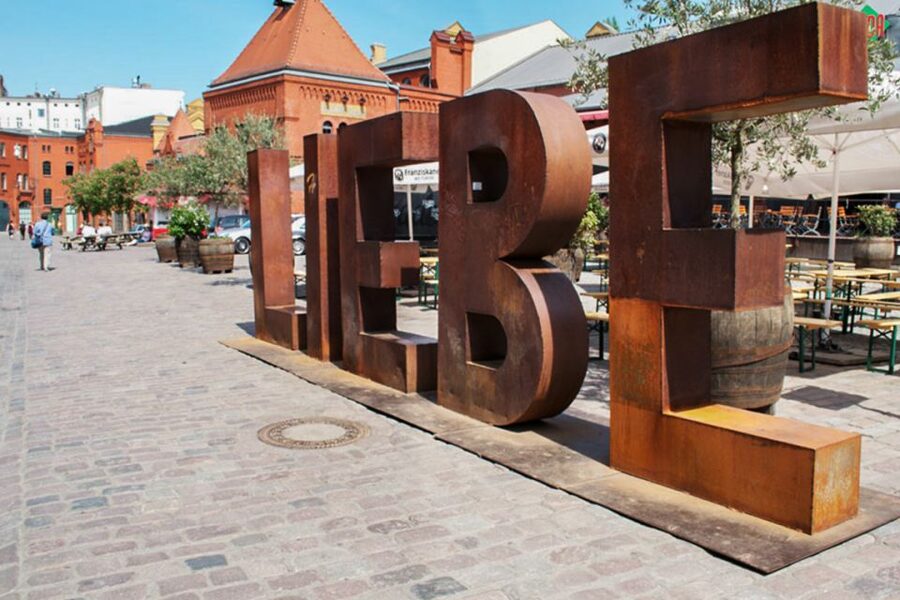
- A different Berlin: Focuses on graffiti, squats, music, migration, food, and social movements rather than only the Second World War and Cold War.
- Three districts in four hours: Begins near Alexanderplatz in Mitte, continues through Kreuzberg, and finishes in Friedrichshain.
- Personal guides: Guides including Rhys, Reece, Jake, Jonathan, Damien, Ben, and Antonio bring their own stories and humor to the route.
- Local food connections: Learn how currywurst and döner became part of Berlin’s everyday culture, with a possible currywurst stop.
- Public transport may be needed: The exact route can change, and an AB ticket is required unless you book the option that includes BVG travel.
- Good value at $29: The price is modest for four hours of guiding, neighborhood visits, photo stops, and practical local suggestions.
Why this tour shows a more useful Berlin
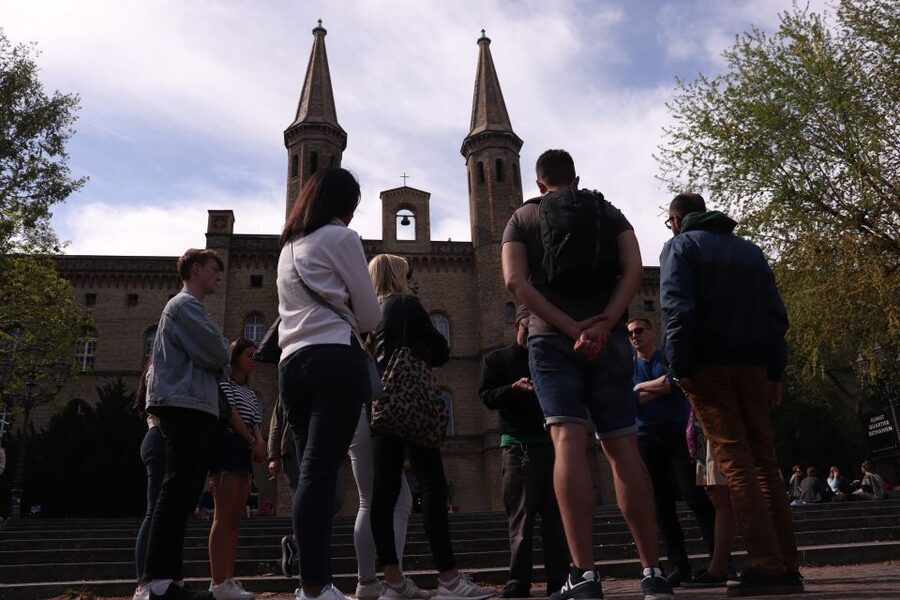
Berlin can feel like several cities stitched together. Mitte has grand sights and central streets. Kreuzberg carries strong Turkish, left-wing, artistic, and immigrant influences. Friedrichshain adds music, nightlife, street art, and the remains of East Berlin’s alternative spirit.
This tour is built around those contrasts. You are not simply walking from one famous monument to another. You are learning why some courtyards became artist spaces, why old industrial areas attracted musicians, how squats shaped housing debates, and how migration changed Berlin’s food and neighborhoods.
That wider view is valuable because Berlin’s famous political story often takes up all the oxygen. The city’s Nazi and Cold War past matters enormously, but it is only part of the picture. This walk looks at what happened afterward: how residents reused empty buildings, created social spaces, painted walls, built community projects, and formed new cultural identities.
I especially like that the tour does not treat alternative Berlin as a collection of odd sights. The guide connects art, housing, politics, music, food, and immigration. That gives you a way to understand the city after the tour, not just a set of photographs.
More alternative tours in Berlin:
- Explore Berlin: See All The Iconic Sights & Some Hidden Gems
★ 5.0 · 4,429 reviews - Berlin: Alternative Bike Tour of Kreuzberg & Friedrichshain
★ 4.7 · 548 reviews - Berlin: Alternative Berlin Bike Tour
★ 4.8 · 359 reviews
Meeting the group beside the Alexanderplatz TV Tower
The meeting point is in front of Vapiano near the Alexanderplatz TV Tower. This is a practical starting place, with one of Berlin’s easiest landmarks to recognize above you.
The first section takes place in Mitte and lasts about an hour. Mitte is often associated with major museums, historic avenues, and postcard Berlin, but the tour looks for less obvious details and stories. You may pass cafés, shopping streets, street art, repurposed spaces, and places connected with the city’s changing social life.
This opening section helps set the tone. The guide compares East and West Berlin, explains how different districts developed, and shows how political change affected the built environment. You will hear about artists, musicians, alternative housing, and the ways Berliners turned leftover or neglected spaces into something useful.
The route is not fixed in the way a museum exhibition is fixed. The current art and tour route can affect which streets and stops you visit. That is a strength if you want a living city rather than a scripted monument tour, but it also means you should not expect every advertised type of stop on every departure.
Mitte: cafés, shopping streets, and the first layer of alternative Berlin
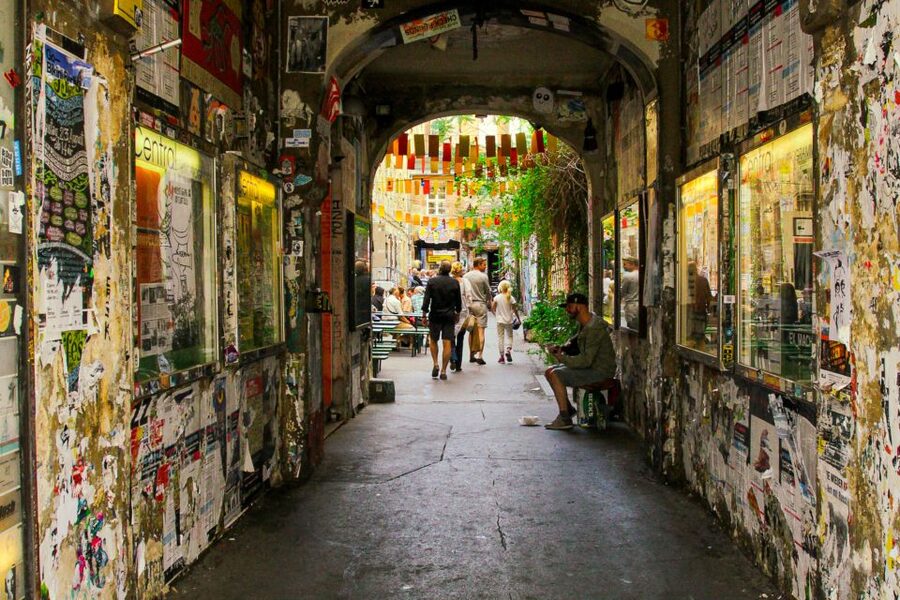
Mitte gives the guide a useful place to explain Berlin’s mix of old and new. You may move through café districts and local shopping areas, while hearing how central neighborhoods changed after reunification and how creative communities became part of the city’s public identity.
One of the tour’s best features is the attention to details you could easily walk past. A mural, a building entrance, a courtyard, or a small community project may look ordinary without context. With a guide explaining its connection to artists, housing groups, or political movements, the same place becomes much easier to read.
You will also get local food background. Currywurst is not just a quick meal in Berlin. The tour explains its origin and place in the city’s culture, along with the story of döner and the role of immigrant communities in shaping everyday Berlin.
A food or refreshment stop may be included, and one route has featured currywurst at a local fast-food spot. Food is not the main event, and it is not a full tasting tour, but this kind of stop gives the walk a welcome pause and ties the social story to something you can actually eat.
Crossing into Kreuzberg and its immigrant communities
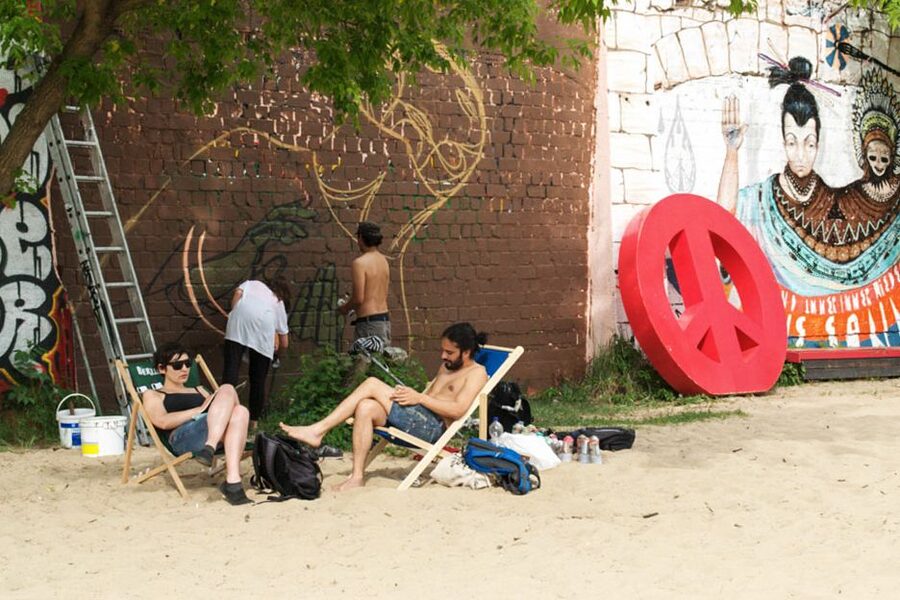
The main part of the tour takes about two hours in Kreuzberg. This is where the route’s themes become more visible: Turkish neighborhoods, African and former Jewish communities, alternative housing, graffiti, music, and social change.
Kreuzberg is often reduced to nightlife and murals. The tour gives you more context. You will learn how migration shaped the district, how communities created businesses and meeting places, and how the neighborhood became known for political activism and creative expression.
The Turkish influence is especially important. Döner is now common across Europe, but Berlin’s version is tied to the city’s immigrant story. Understanding that connection makes a familiar snack feel less like a tourist cliché and more like part of Berlin’s daily life.
The route also looks at Berlin’s African communities and the city’s former Jewish communities. These subjects can be complex, and the quality of the experience depends partly on the guide’s care and balance. The strongest guides, such as Rhys, Reece, Jonathan, Ben, and Jake, are praised for making serious subjects understandable without turning the walk into a dry lecture.
You may also stop near one of Berlin’s gay districts. The point is not simply to see colorful streets. It is to understand how different communities claimed space in a city known for tolerance, experimentation, and political argument.
Other Berlin experiences to weigh up
- Discover Berlin Half-Day Walking Tour
★ 5.0 · 9,624 reviews - Berlin: Third Reich and Cold War 2 Hour Walking Tour
★ 4.9 · 6,830 reviews - Berlin: Discover Berlin Walking Tour
★ 4.9 · 5,998 reviews - Berlin’s Best: 2 Hour Walking Tour Third Reich and the Cold War
★ 5.0 · 5,486 reviews
Graffiti, squats, music, and the city’s repurposed spaces
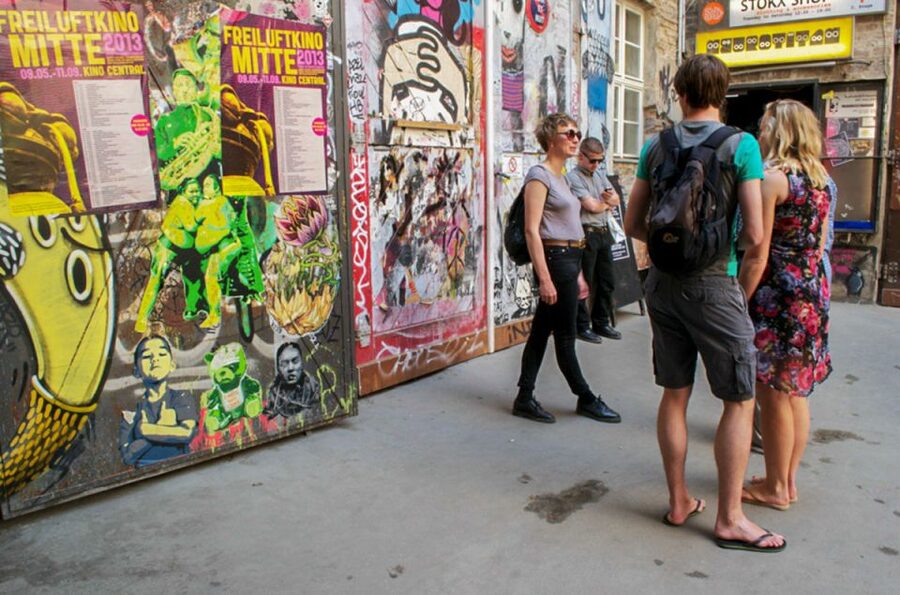
Street art is one of the clearest reasons to choose this tour. Berlin’s graffiti is not treated as background decoration. The guide discusses artists, styles, politics, and the way murals and tags reflect the city’s shifting identity.
You will hear about the punk scene, electronic music, artists, record stores, and long-running squats. Some of these places may look rough, improvised, or even ugly at first glance. The guide’s job is to explain why they matter and how they relate to housing, freedom of expression, and community life.
The idea of repurposing comes up often. Old buildings, unused lots, and neglected spaces have been turned into galleries, gardens, cafés, music venues, and gathering places. That is one of the most useful themes on the walk because it explains why Berlin can feel unfinished and creative at the same time.
The tour may include underground galleries, community-funded urban farms, canals, and an African beach bar and market connected with Berlin’s music scene. These are not guaranteed as a fixed checklist, since the art and route can change. Still, the broad aim is clear: take you to places you probably would not find by following the usual central sightseeing route.
From Kreuzberg to Friedrichshain by foot and public transport
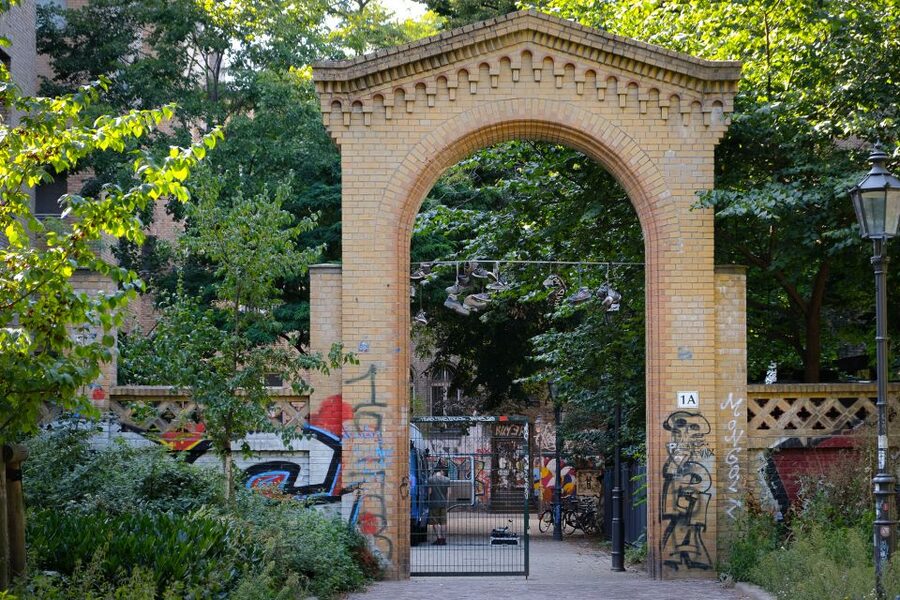
The tour ends in Friedrichshain, so this is not a simple loop back to Alexanderplatz. Depending on the current route, you may use the U-Bahn, tram, or another form of local transport. An AB ticket is required when public transport is used.
The practical detail here deserves attention. The instructions say you can buy the ticket through BVG or at a train station, or choose the booking option that includes BVG travel. One person specifically found the ticket wording unclear because several rides may be needed, so a day ticket can be easier if it suits your plans.
The finish in Friedrichshain makes sense thematically. The district is another important part of Berlin’s alternative and creative identity, and it gives the tour a natural eastward direction. It also means you can continue exploring from a new part of the city rather than retracing your steps.
Ask the guide for ideas after the tour. Several guides are praised for offering suggestions for food, bars, and further places to see. Since the walk covers only an introduction to a large subject, these tips can help you decide where to return later.
The guides make or break a four-hour walk
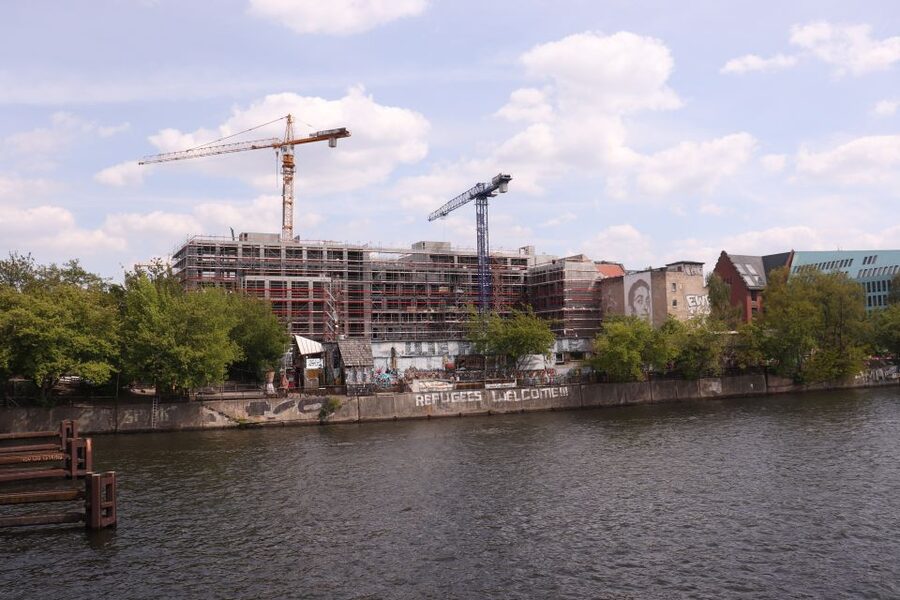
A four-hour walking tour needs more than facts. You need a guide who can project their voice, keep a group moving, answer questions, and tell stories without losing the thread.
The strongest pattern in the guide feedback is personality combined with substance. Rhys is repeatedly praised for humor, passion, and clear storytelling. Reece is known for a lively delivery and useful recommendations. Jake is described as funny, balanced, and adaptable in bad weather. Jonathan, Damien, Ben, and Antonio also receive strong praise for bringing personal experience and a sense of place to the route.
That personal element matters in Berlin. A list of dates will not explain why a squat, mural, café, or record shop matters. A guide who has lived in the city or spent years studying its social movements can connect those details to wider changes.
The group can be international and fairly large. One group had 15 people, yet the guide kept everyone involved in snow and freezing temperatures. A larger group may make conversation harder, but the tour’s social side can be enjoyable if you like meeting people from different countries.
What four hours on foot really feels like
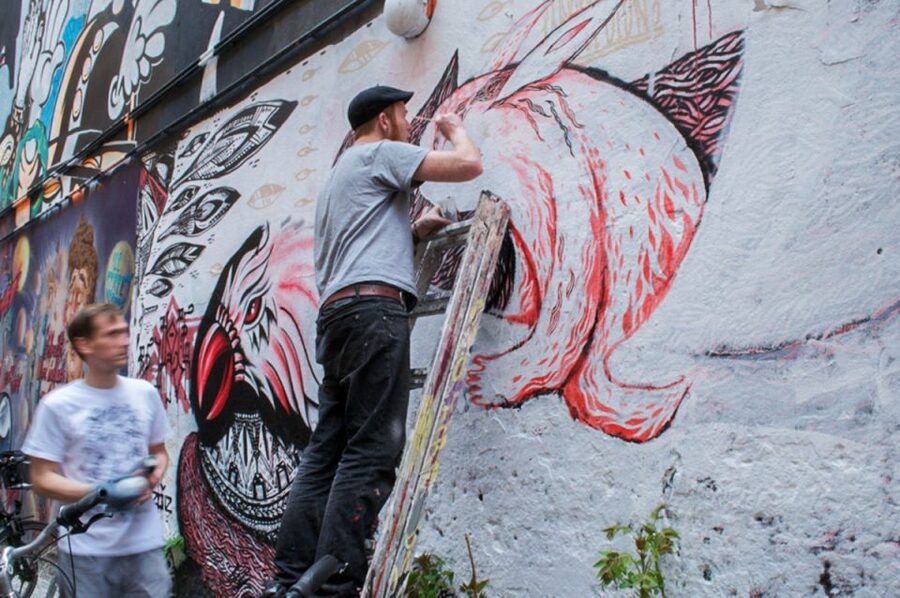
You should be ready to walk for most of the afternoon. One participant called the pace too quick for people with mobility problems, and another wished for a planned 30-minute break to sit, use a bathroom, and eat. Those are fair concerns.
There are refreshment breaks and selected photo opportunities, but do not treat this as a leisurely café crawl. The tour covers several districts and may include public transport, so time is used to keep the route moving.
Wear comfortable shoes, check the weather, and bring water. The tours run year-round and in all weather. Snow and rain have not stopped the guides, but poor weather can make a long city walk much less pleasant if you are not prepared.
The upside of the pace is coverage. You see how neighborhoods differ instead of spending four hours in one small area. The downside is that individual stops may be brief, and you may want to return to certain places later.
Is $29 a fair price?
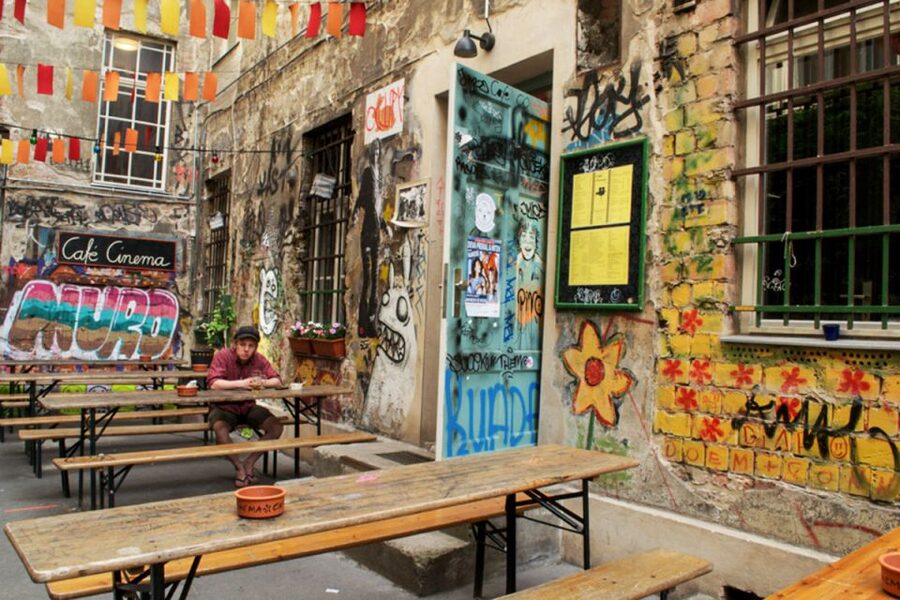
At $29 per person, this is good value if you want interpretation rather than a simple orientation walk. You receive four hours with a live English-speaking guide, neighborhood context, photo stops, refreshment breaks, and local suggestions.
The price is especially reasonable for first-time visitors who want to understand Berlin beyond the main memorials and museums. It can also suit repeat visitors. One person who had been to Berlin several times before still found places and stories that were new to them.
The value drops if you dislike group walking tours, prefer a slow pace, or want a guaranteed list of specific galleries and bars. The route changes, and the tour is more about themes and connections than ticking off attractions.
Food is not the main inclusion, so budget separately for any currywurst or other refreshment you buy. Public transport may also cost extra unless you choose the BVG-included option.
Who should book this alternative Berlin tour?
I would choose this tour if you want to understand Berlin’s social and creative life, not just photograph famous buildings. It suits curious first-time visitors, solo travelers, repeat visitors, students, and anyone interested in music, street art, immigration, housing, LGBTQ communities, or urban change.
It is also a good early-trip choice. The guide’s neighborhood and food suggestions can shape the rest of your stay, and you may spot places worth revisiting at a slower pace.
I would hesitate if you have mobility limits, dislike several hours on your feet, or need guaranteed bathroom breaks. I would also look elsewhere if your main goal is Berlin’s major wartime and Cold War memorials. This tour may refer to that history, but its focus is what Berliners created, challenged, and changed afterward.
Should you book it?
Book it if you want the Berlin that sits behind the standard sightseeing route: graffiti with a story, immigrant neighborhoods with context, squats and music scenes, food shaped by migration, and public spaces made by local communities.
At $29, the tour offers a lot of substance for the time and price. Bring weatherproof clothing, comfortable shoes, and the right transit ticket. If you can accept a brisk pace and a route that may change, this is a strong way to see why Berlin’s identity cannot be contained in its grand monuments.
FAQ
Where does the Alternative Berlin Walking Tour start?
It starts in front of Vapiano near the Alexanderplatz TV Tower in Berlin.
Where does the tour finish?
The tour finishes in Friedrichshain, Berlin.
How long does the tour last?
The walking tour lasts four hours. About one hour is scheduled for Mitte and about two hours for Kreuzberg, with the route continuing to Friedrichshain.
What language is the tour in?
The tour is conducted in English with a live guide.
Do I need a public transport ticket?
You may need an AB metro or public transport ticket, depending on the current art and tour route. You can bring your own ticket or book the option that includes BVG travel.
Does the tour operate in bad weather?
Yes. Tours run throughout the year and in all weather, so dress for the forecast and wear comfortable shoes.
Can I cancel for a full refund?
Yes. You can cancel up to 24 hours before the tour for a full refund. You can also reserve now and pay later.
Newest Berlin reviews
- Where It All Began: Berlin’s Queer & Trans History Tour★ 4.9 · 6 reviews
- Understanding Kreuzberg: The roots of local (sub)culture★ 4.9 · 11 reviews
- Berlin: guided canoe | kayaktour★ 4.1 · 7 reviews
- Private Potsdam City Tour in an authentic vintage van★ 5.0 · 14 reviews
- Warnemünde Shore Excursion: Private Sachsenhausen and Berlin Tour★ 5.0 · 12 reviews
- Ultimate E-Bike Tour of Berlin with Beer Garden Stop★ 5.0 · 4 reviews
- In the Forbidden City – Potsdam Walking Tour★ 5.0 · 17 reviews
- Private Walking Tour of Potsdam and Sanssouci★ 5.0 · 24 reviews
Alternative Berlin Tours, compared.
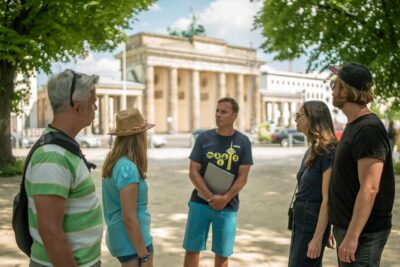
Explore Berlin: See All The Iconic Sights & Some Hidden Gems
Read our review →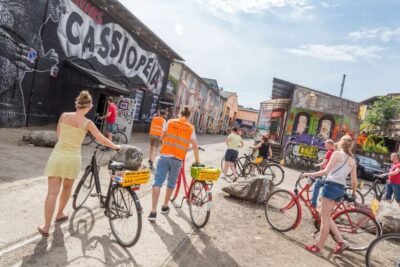
Alternative Bike Tour of Kreuzberg & Friedrichshain
Read our review →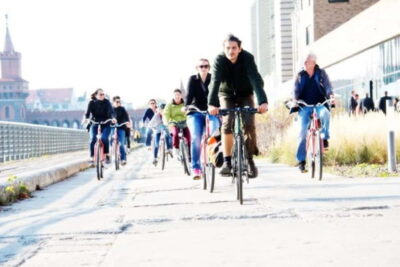
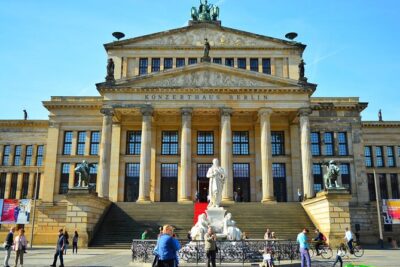
Private Berlin: Iconic Sights and Hidden Gems Walking Tour
Read our review →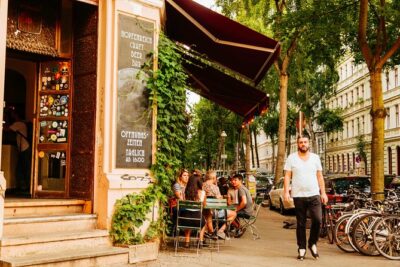
Kreuzberg Berlin: Off the Beaten Track PRIVATE Walking Tour
Read our review →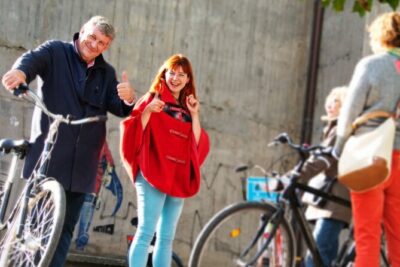
Experience the Alternative Kreuzberg on a Bike Tour
Read our review →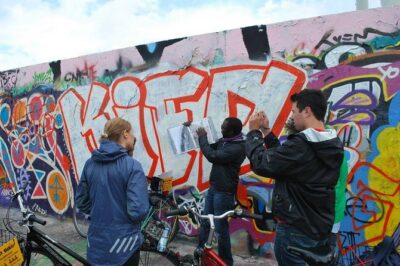
Alternative Berlin Bike Tour – Off the Beaten Tracks in Small Groups
Read our review →
Browse the lists this tour appears in