
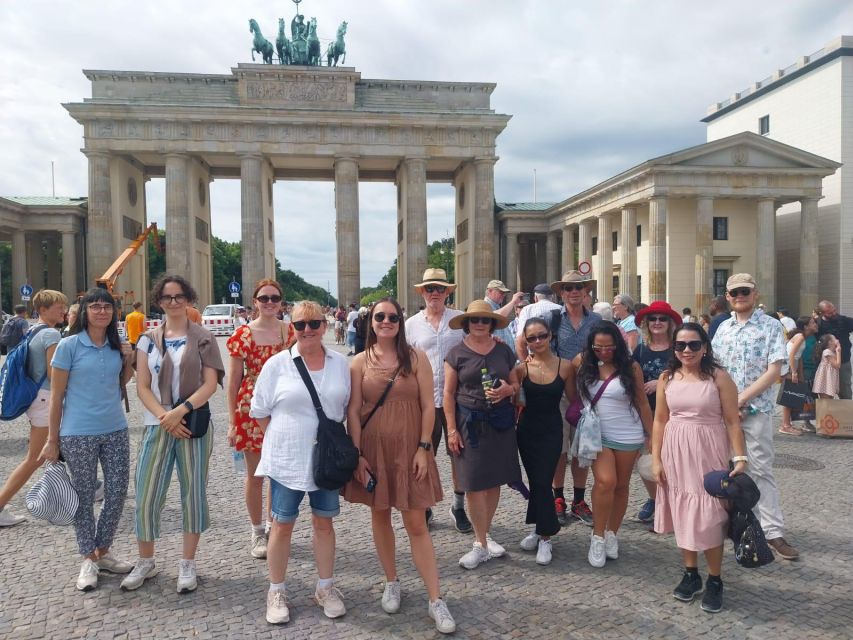
Reviewed · BERLIN COLD WAR TOURS
Berlin: World War Two Third Reich and Cold War Walking Tour
Berlin’s past is packed into this five-hour walking tour, which links the Nazi era, the division of Germany, East Communism, and the Berlin Wall in one long route. Rather than treating each period as a separate museum visit, the tour shows how one chapter led to the next.
I like the broad sweep of the experience and the chance to see Berlin Wall remains, escape routes, guard towers, and memorial sites alongside major buildings such as the Reichstag. I also like the price: at $21 per person, a guided history walk of this length can be a sound bargain.
The main caution is organization. The meeting point is shared by several tours, and one published account describes confusion at the start, with groups being sorted out and this exact tour not clearly offered. Arrive early, look for the white umbrella, and confirm your group before setting off.
Key points to know before you book
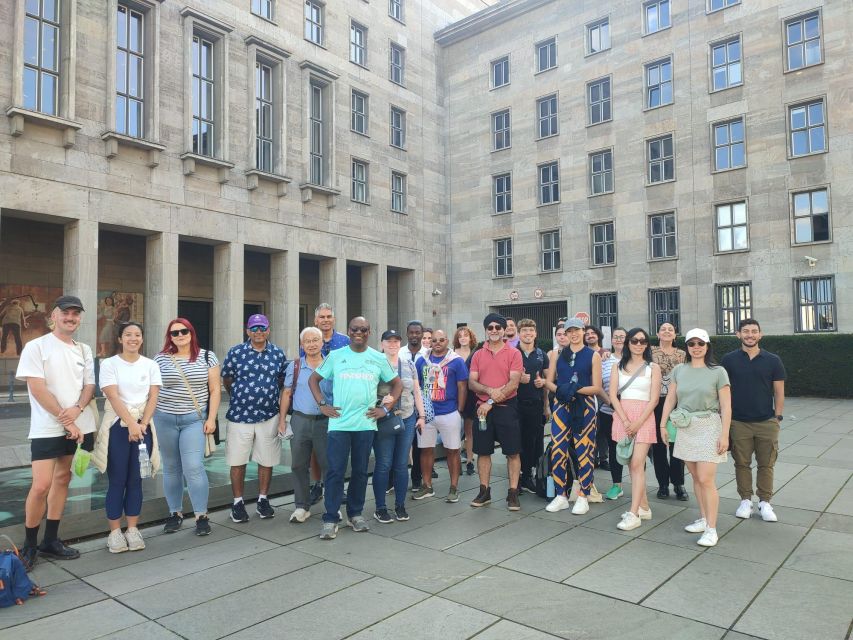
- A five-hour walk covers two major eras: You move from the Third Reich and World War II into the Cold War, East Germany, and the Berlin Wall.
- The route includes major Berlin landmarks: Expect references to the Reichstag, Hitler’s bunker, Flak Tower, the Russian-German war museum, Berlin Wall Memorial, and Eastside Gallery.
- A local historian leads in English: The guide is meant to explain events and personal stories, not simply point out buildings.
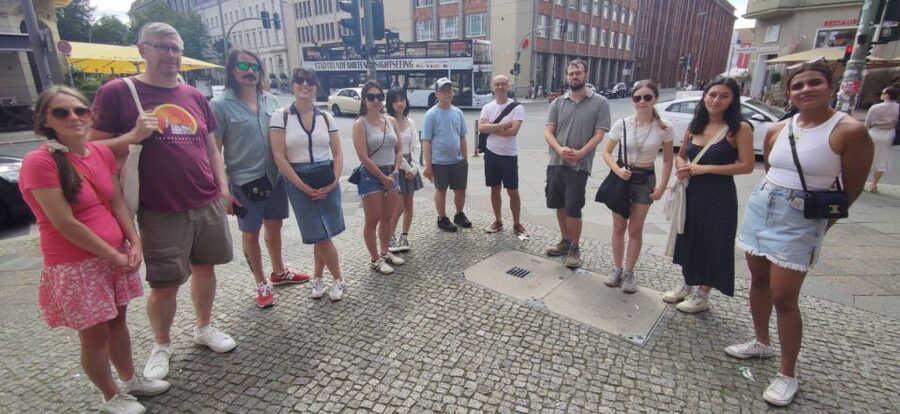
- The meeting point is at Alexanderplatz: Find the white umbrella on the corner in front of Generator Berlin Alexanderplatz.
- Bring food and good shoes: Meals are not included, and five hours on foot calls for snacks, water, and weather-ready clothing.
- The tour is wheelchair accessible: Check the exact route and current conditions when booking, since the experience takes place across city streets and historic sites.
Why this Berlin history walk covers so much ground
Many Berlin tours focus on one subject. This one tries to connect the city’s Nazi past with the Cold War world that followed it. That approach matters because Berlin’s modern center is not arranged like a tidy museum, with one room for 1933 and another for 1961.
You see how government power, military defeat, occupation, division, protest, and reunification shaped the same city. The guide’s job is to connect the locations so that the Reichstag is not just a grand building, the Wall is not just a strip of concrete, and Hitler’s bunker is not treated as a sensational curiosity.
The tour is led in English by a local historian. No guide names are provided, so you cannot request a particular person in advance. The value will depend heavily on how well your guide handles difficult subjects, especially Nazi crimes, Soviet occupation, life in East Germany, and the human cost of the Wall.
At five hours, this is not a quick orientation walk. You need to be comfortable spending much of the day outdoors and moving between sites. That length gives the guide room to explain cause and effect, but it also means you should not schedule a museum visit immediately afterward unless you are happy with a tight timetable.
More Third Reich history tours in Berlin:
- Berlin: Third Reich and Cold War 2 Hour Walking Tour
★ 4.9 · 6,830 reviews - Berlin’s Best: 2 Hour Walking Tour Third Reich and the Cold War
★ 5.0 · 5,486 reviews - Third Reich Berlin: Hitler and WWII Walking Tour
★ 5.0 · 3,301 reviews
Starting at Alexanderplatz with a practical warning
The tour begins at the corner in front of Generator Berlin Alexanderplatz. Look for the white umbrella, which is the key marker for the meeting point.
This area is used by several walking tours, and that creates the one serious practical concern attached to this experience. The published rating is 4.3 from 17 reviews, but one 2 out of 5 account describes a chaotic start. People arrived at the same place, groups were apparently divided, and the advertised tour was not clearly presented as a separate group.
That does not prove the problem is routine, but it is enough to change how I would approach the meeting. Arrive a little early, show your booking, and ask directly for the World War Two Third Reich and Cold War tour. Do not simply follow the first group that begins moving.
Once the group is identified, Alexanderplatz is a useful starting point. It places you in central Berlin and gives the guide a natural way to introduce the city’s changing political role. The tour ends back at the meeting point, so you do not have to solve a transport problem in an unfamiliar neighborhood afterward.
The Third Reich, war, and Berlin’s central buildings
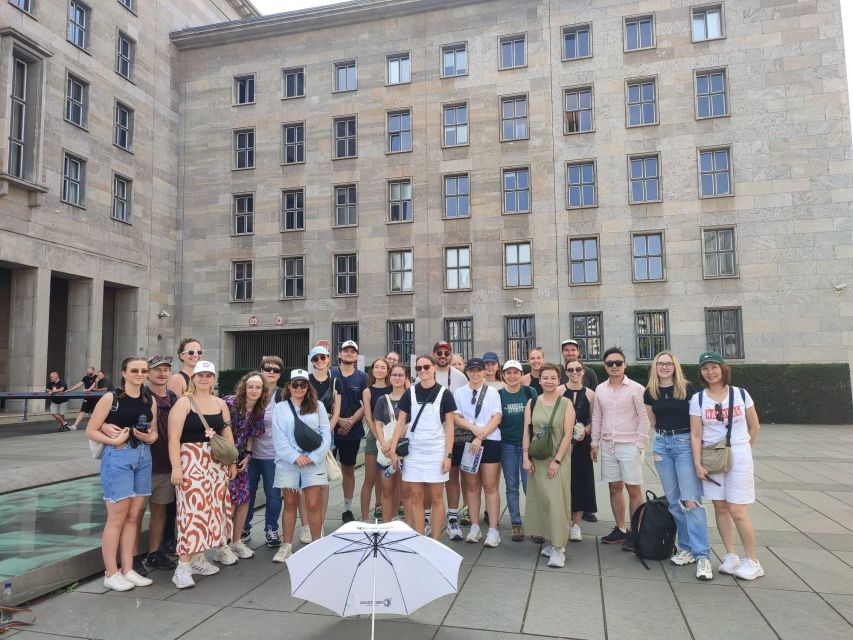
The first part focuses on Berlin under the Third Reich and during World War II. The supplied route refers to the Reichstag, Hitler’s bunker, the Flak Tower, and the Russian-German war museum.
The Reichstag provides an important opening point because it represents the German state in a very direct way. Its story connects political power with the destruction and rebuilding of Berlin. Your guide can help explain how the building fits into the wider story of the Nazi period and the war, rather than leaving you with only a photograph of its familiar dome.
Hitler’s bunker is a more difficult stop. There is no grand monument to visit, and the significance of the site lies in what happened there and in how Berlin dealt with the location afterward. A good explanation should place the bunker within the final days of the war and the collapse of the Nazi government without turning the site into a shrine.
The mention of the Flak Tower points to the physical damage and military reality of the war. These massive structures were built for air defense and could not simply disappear when the fighting ended. Seeing or discussing one gives you a clearer sense of how war altered the city’s buildings, streets, and daily life.
The Russian-German war museum adds another angle. It helps connect the German defeat with the Soviet role in the war and the political order that followed. Since the tour is primarily a walking experience, confirm with the guide how entry works at each indoor site. The activity includes exclusive entry to important landmarks, but the available information does not specify how long you spend inside each place.
From defeat to East Germany and the Cold War
The tour then moves into the Cold War, East Communism, and life behind the Berlin Wall. This is where the broad structure becomes particularly useful. Berlin was not simply a damaged city after 1945. It became a front line between competing political systems.
The guide is expected to explain how daily life changed in the eastern sector and how the Wall affected families, work, travel, and movement. Those details help you understand the Wall as more than a border marker. It divided streets, neighborhoods, and relationships.
You will also hear about the political pressure surrounding East Germany and the reasons people tried to leave. The route includes escape routes and guard towers, which can make the story more concrete. At those places, pay attention to the small details: how people crossed, where guards watched, and why escape was so dangerous.
The subject can become complicated quickly. Berlin’s Cold War story includes Soviet influence, East German government policy, Western access, protest, surveillance, and the international tension between the United States and the Soviet Union. A strong guide will keep the local story connected to the larger conflict without losing sight of Berliners themselves.
More Cold War tours in Berlin:
- Skip-the-Line: Berlin Wall Museum at Checkpoint Charlie
★ 4.1 · 2,041 reviews - Cold War, Berlin Wall, Spies and the East Side Gallery
★ 5.0 · 1,024 reviews - Berlin: Cold War Walking Tour on Berlin Wall Route
★ 4.8 · 437 reviews - Berlin: Cold War Era History Guided Bike Tour
★ 4.8 · 413 reviews
Reading the Berlin Wall at the Memorial and Eastside Gallery
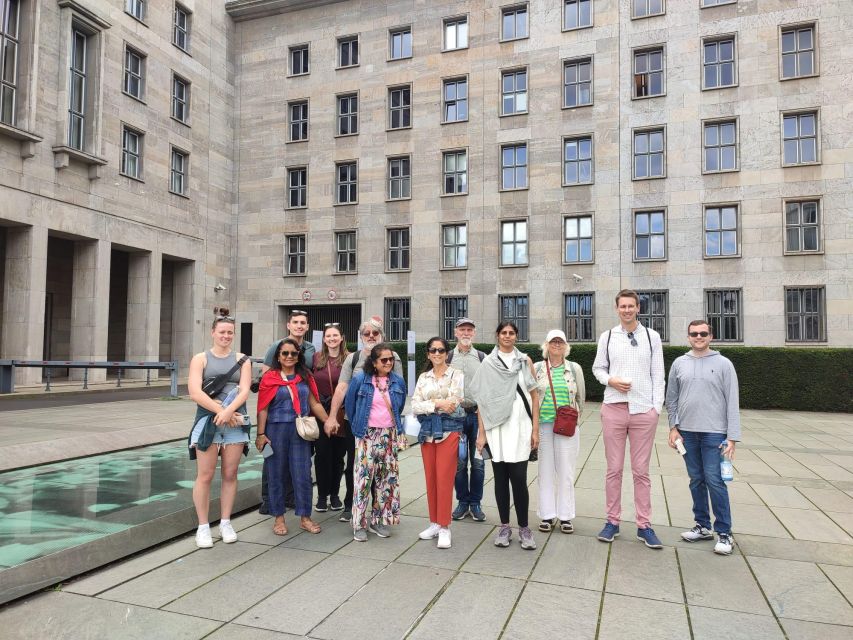
The Berlin Wall Memorial and Eastside Gallery offer two very different ways to understand the former border.
At the Berlin Wall Memorial, the emphasis is on the structure of the border and the human consequences. You may encounter preserved sections, a guard tower, escape routes, and other traces of the former barrier. These remains are valuable because they show how the border worked in practice. The Wall was not simply a single slab of concrete. It involved controlled gaps, patrol areas, observation points, and a system designed to prevent movement.
Eastside Gallery presents a later response. The surviving Wall section is known for its murals and its connection to Berlin’s artistic and cultural life. The art gives the old barrier a public voice, but it should not replace the difficult facts of division and death. The best part of the visit is the contrast: one section explains how the Wall controlled people, while another shows how Berliners and artists reclaimed its meaning.
The route also refers to less visible sections of the Wall. These can be more revealing than the famous painted stretches. A preserved fragment, a former guard position, or the line of the border through the city can help you understand how much of the system has disappeared and how much remains marked in the urban layout.
You should not expect every location to look dramatic. Some stops may be ordinary streets or open spaces with only a marker or remnant. That is part of the point, but it requires attention. This tour works best if you listen closely instead of waiting for a grand monument at every turn.
Architecture, music, and Berlin’s cultural response
The experience also places Berlin’s architecture and cultural life within its political story. Buildings that survived war, division, and rebuilding become evidence of the city’s changing identity.
You will hear about Berlin’s impact on music, art, and revolutionary movements. The information provided does not name specific musicians or artists, so you should not book this expecting a dedicated music tour or an art-focused gallery visit. Instead, cultural references appear as part of the wider explanation of how Berlin responded to authority, war, censorship, division, and change.
That wider view is useful. Berlin’s political history did not happen in a vacuum. It shaped the city’s public art, architecture, memorials, and attitudes toward government. The painted Wall at Eastside Gallery is an obvious example, but the tour’s cultural value also comes from seeing how different parts of the city remember the past in different ways.
Some visitors will prefer a shorter tour with more time inside museums. I would choose this one if you want the connections between places and periods. You are paying for a guide’s interpretation and for access to several important sites, not for a single polished museum display.
What five hours on foot actually means
Five hours is long enough to give the subject room, but you need to prepare for the physical side. Wear comfortable shoes, bring water and snacks, and dress for the weather. Meals and refreshments are not included, so plan to carry what you need.
Cash is also listed among the recommended items. The tour does not specify a required cash payment, but carrying some is sensible for personal purchases or a food stop before or after the walk.
Hotel pickup and drop-off are not included. You make your own way to Alexanderplatz, and the tour returns there at the end. That arrangement keeps the price low and makes it easy to continue exploring central Berlin afterward, but it also means you need to allow time for getting to the meeting point.
The experience is listed as wheelchair accessible. If you use a wheelchair, I would still confirm the current route and any site access details before booking. A five-hour urban walk can involve varied surfaces and crowded public areas even when the activity is designated accessible.
Is $21 a fair price for the route?
At $21 per person, the price is attractive for a five-hour guided experience in central Berlin. You receive an English-language tour led by a local historian, an extended explanation of two major periods, and access to several significant locations.
The value is strongest if you would otherwise move between these sites without understanding their links. A guide can show you why a Wall remnant matters, explain the role of the Reichstag, and place Hitler’s bunker and the Flak Tower within the wider story. That context is difficult to assemble from street signs alone.
The value is weaker if you want long indoor visits, a small private group, or guaranteed calm at every stop. The route covers a lot, and the exact balance between walking, exterior explanations, and entries is not specified. You should think of it as a broad city walk with historic access, not as a full museum program.
Free cancellation up to 24 hours before the start and the reserve-now, pay-later option reduce the financial risk. Still, the meeting-point confusion is the one issue I would take seriously. Confirm your group before the guide leaves.
Who should book this Berlin tour?
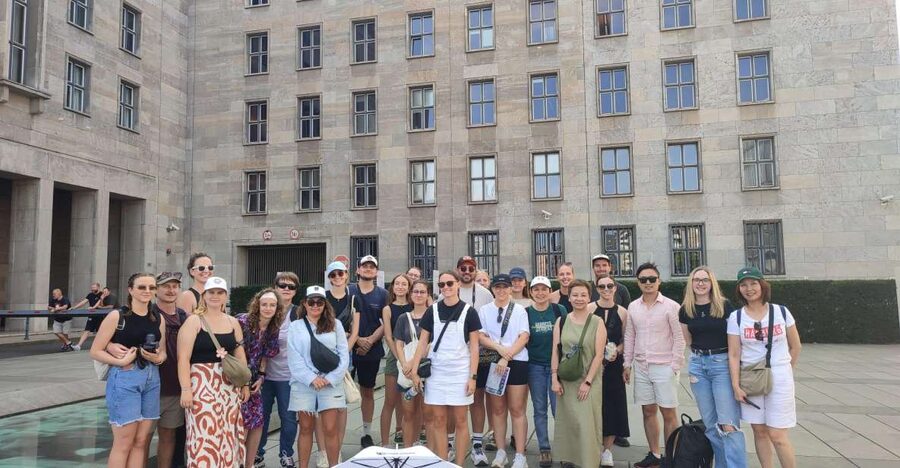
I would recommend it to first-time Berlin visitors who want a strong framework for the city’s 20th-century past. It also suits students, history-minded families with older children, and anyone who prefers learning from a guide while walking through real places.
It is especially useful if you want both World War II and Cold War subjects in one experience. Many visitors have limited time in Berlin, and this route gives you a way to see the key sites before returning to museums or memorials on your own.
I would be more cautious if you dislike long walks, need frequent breaks, or want a tightly timed visit to one specific museum. The route is broad, the day is long, and the exact guide quality can vary. The experience also demands emotional attention. Nazi persecution, wartime destruction, division, escape attempts, and political repression are serious subjects, not light sightseeing.
Final verdict: a strong history overview with one setup concern
Book this tour if you want Berlin’s Nazi and Cold War past explained as one connected story. The combination of the Reichstag, Hitler’s bunker, Flak Tower, Russian-German war museum, Berlin Wall Memorial, guard towers, escape routes, and Eastside Gallery gives you plenty to think about for $21.
Go prepared: arrive early at the white umbrella, confirm the correct group, wear good shoes, and bring food and water. If the start is handled well, this can be an efficient and affordable way to understand why Berlin looks and feels the way it does today.
FAQ
Where does the tour begin?
It begins at the white umbrella on the corner in front of Generator Berlin Alexanderplatz.
Where does the tour end?
The activity ends back at the meeting point.
How long is the walking tour?
The tour lasts five hours. Starting times vary, so check availability when booking.
What language is the tour conducted in?
The live tour guide conducts the experience in English.
Is the tour wheelchair accessible?
Yes, the activity is listed as wheelchair accessible.
What should I bring?
Bring comfortable shoes, weather-appropriate clothing, snacks, drinks, and cash. Meals and refreshments are not included.
More Walking Tours in Berlin
- Discover Berlin Half-Day Walking Tour
★ 5.0 · 9,624 reviews - Berlin: Discover Berlin Walking Tour
★ 4.9 · 5,998 reviews - Berlin: Hidden Backyards Guided Walking Tour
★ 4.8 · 5,360 reviews - Berlin: Alternative Berlin Walking Tour
★ 4.6 · 1,204 reviews
Newest Berlin reviews
- Where It All Began: Berlin’s Queer & Trans History Tour★ 4.9 · 6 reviews
- Understanding Kreuzberg: The roots of local (sub)culture★ 4.9 · 11 reviews
- Berlin: guided canoe | kayaktour★ 4.1 · 7 reviews
- Private Potsdam City Tour in an authentic vintage van★ 5.0 · 14 reviews
- Warnemünde Shore Excursion: Private Sachsenhausen and Berlin Tour★ 5.0 · 12 reviews
- Ultimate E-Bike Tour of Berlin with Beer Garden Stop★ 5.0 · 4 reviews
- Private Walking Tour of Potsdam and Sanssouci★ 5.0 · 24 reviews
- Potsdam Highlights – Private sightseeing tour by minibus★ 5.0 · 3 reviews
Berlin Cold War Tours, compared.

Berlin’s Best: 2 Hour Walking Tour Third Reich and the Cold War
Read our review →
Skip-the-Line: Berlin Wall Museum at Checkpoint Charlie
Read our review →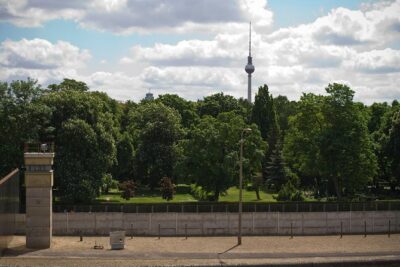
Cold War, Berlin Wall, Spies and the East Side Gallery
Read our review →

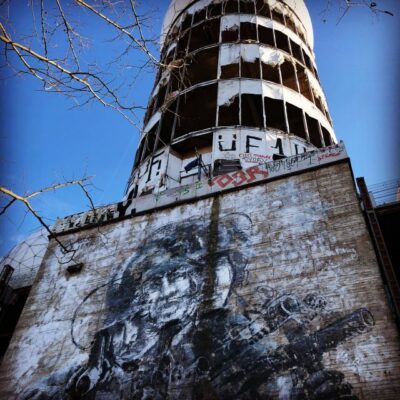
Listening Station Teufelsberg Tour with Transfer
Read our review →Browse the lists this tour appears in