
Reviewed · BERLIN COLD WAR TOURS
Berlin: Third Reich & Cold War Walking Tour
Berlin’s modern center is a history book you can walk through. In two hours, this private tour links the Nazi government quarter, the Holocaust Memorial, Hitler’s Bunker site, the former Gestapo headquarters, and the Berlin Wall. The route gives you a clear look at how dictatorship, war, division, and reunification reshaped the city.
I like the private format, since you can ask direct questions and adjust the pace or emphasis. I also like the practical local advice. Carlo, one of the guides named in feedback, is based in Berlin and has helped visitors choose neighborhoods, food spots, and local activities after the tour.
The main drawback is time. Two hours is brisk for such a heavy and wide-ranging subject, and several stops are best understood with extra time inside their exhibitions. This works well as an introduction, not as your only history experience in Berlin.
Key points to know before you book
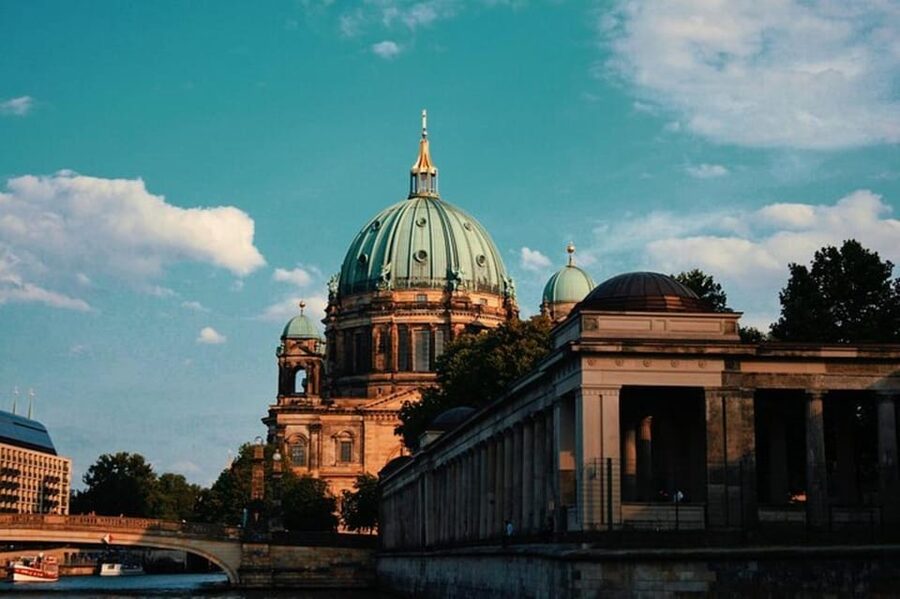
- A compact route through five major sites: You connect the Brandenburg Gate, Reichstag, Holocaust Memorial, Hitler’s Bunker site, Topography of Terror, and Checkpoint Charlie.
- Private means personal: There is no one else in your group, and the tour can be adjusted to suit your interests.
- French, Spanish, and English are available: Guides named in feedback include Eugen, who led French-language walks, and Carlo, who offers local Berlin advice.
- The history moves from Nazi rule to the Cold War: You get one continuous story rather than isolated sightseeing stops.
- The $35 price can be good value: A private two-hour walk costs little more than many group tours, though entry tickets and food are not included.
- Bring questions and comfortable shoes: The tour is built around walking, with public transport included where needed unless you select another option.
A two-hour walk through Berlin’s hardest questions
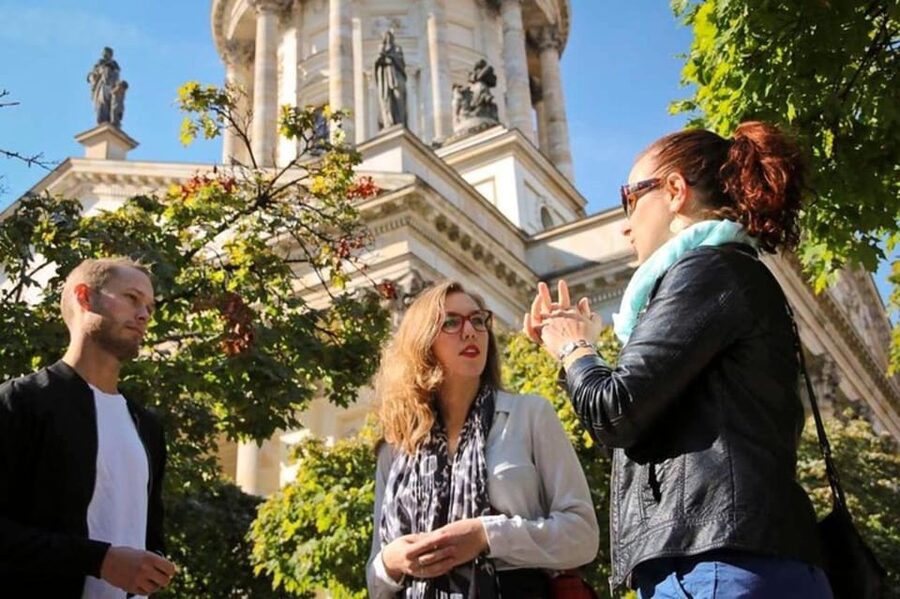
This is not a light sightseeing stroll. Berlin’s central monuments are close together, but the ideas attached to them are heavy: state power, persecution, war, guilt, division, and reconciliation.
The route is useful because it puts these subjects in order. You begin with the political center of the German state, move into the crimes of the Nazi period, then follow the story into the Cold War and the fall of the Berlin Wall. I find that structure easier to follow than visiting each site at random.
You meet your guide in front of Wellendorff Berlin at Hotel Adlon, at Unter den Linden 77. From there, the walk heads toward the Brandenburg Gate. The exact balance between walking, public transport, and discussion can depend on the chosen option and the interests you bring to the guide.
More Third Reich history tours in Berlin:
- Berlin: Third Reich and Cold War 2 Hour Walking Tour
★ 4.9 · 6,830 reviews - Berlin’s Best: 2 Hour Walking Tour Third Reich and the Cold War
★ 5.0 · 5,486 reviews - Third Reich Berlin: Hitler and WWII Walking Tour
★ 5.0 · 3,301 reviews
Brandenburg Gate: from royal entrance to unity symbol
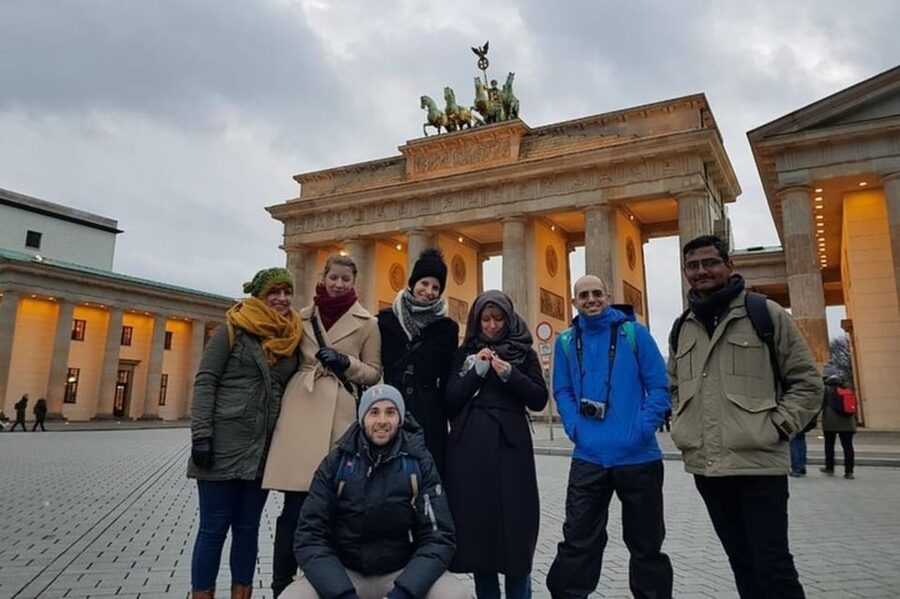
The Brandenburg Gate is the natural starting point. It is one of Berlin’s most recognizable sights, but its meaning has changed sharply over time.
Your guide explains its place in German history and its later role as a symbol of national unity. That context matters. The gate is not just a grand photo stop. It helps you see how one monument can be used by different political systems and later become part of a reunited Germany.
This is also a useful place to ask your guide to set the timeline for the rest of the walk. You will soon be dealing with the Nazi dictatorship, the war, the Wall, and the competing political systems of East and West Berlin. A clear opening explanation can make the later stops much easier to connect.
The stop itself is outdoors and exposed. On a busy day, the gate can feel crowded, and the visual impact may be stronger than the quiet needed for serious discussion. Your private guide gives you a better chance to ask questions without trying to hear a speech over a large group.
Reichstag: Parliament beside the center of power
The Reichstag is Germany’s Parliament building. Its place on this route allows your guide to explain how the building connects to the Nazi dictatorship and to modern democratic Germany.
You should not expect this walk to function as a full interior tour of the Reichstag. The advertised experience centers on a guided visit around the main sights, and help with booking desired visits is available. If entering the building is important to you, ask the tour team about tickets before arrival.
The value here is the contrast. The Reichstag represents parliamentary government, while the surrounding sites recall a period when democratic institutions were destroyed and political power became brutally concentrated. That contrast gives the walk a strong political frame without needing a long lecture.
I would pay attention to how your guide handles this section. The best version of the stop will explain not only what happened to the building, but also what its role tells you about the fragility of democratic government. Since the tour is private, you can steer the conversation toward architecture, politics, or the historical timeline.
Holocaust Memorial: a place for quiet reflection

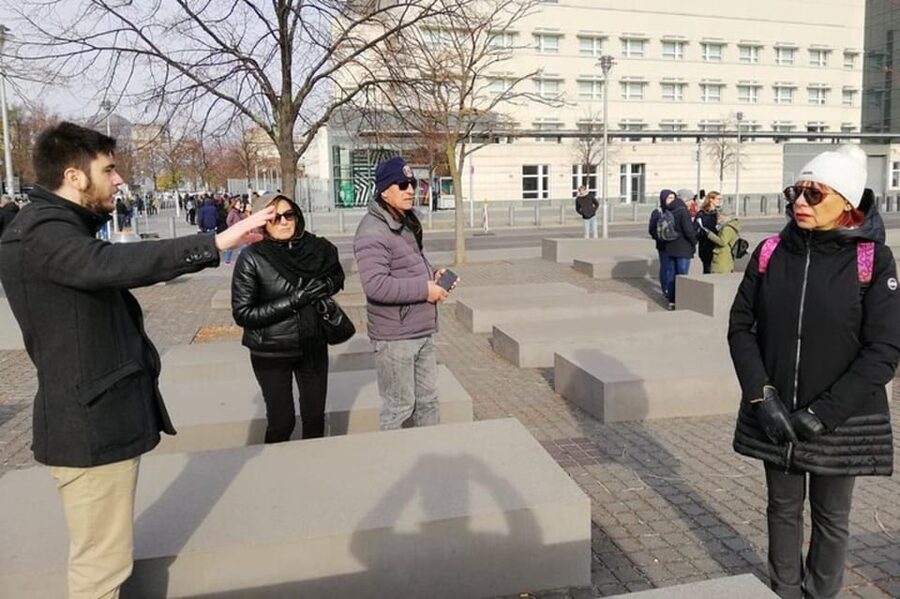
The Memorial to the Murdered Jews of Europe is one of Berlin’s most affecting public spaces. Its field of concrete blocks creates an experience that is hard to reduce to a single photograph or quick explanation.
Your guide provides the historical setting and explains its connection to the Jewish victims of the Holocaust. The memorial is powerful, but it is also intentionally open to interpretation. I appreciate having a guide here because a few well-chosen facts can keep the visit grounded in the people and crimes being remembered, rather than turning it into a purely abstract art stop.
Give yourself room to slow down. The official tour length is two hours, so the guide may need to keep the group moving. If this memorial matters greatly to you, say so early and ask for a little extra time. A private tour makes that request possible, though it may mean a shorter explanation at another stop.
The memorial also leads naturally to the next part of the story: the Nazi leadership and the final days of the war. That transition is difficult, but the route handles it directly rather than avoiding the subject.
More Cold War tours in Berlin:
- Skip-the-Line: Berlin Wall Museum at Checkpoint Charlie
★ 4.1 · 2,041 reviews - Cold War, Berlin Wall, Spies and the East Side Gallery
★ 5.0 · 1,024 reviews - Berlin: Cold War Walking Tour on Berlin Wall Route
★ 4.8 · 437 reviews - Berlin: Cold War Era History Guided Bike Tour
★ 4.8 · 413 reviews
Hitler’s Bunker site: separating fact from myth
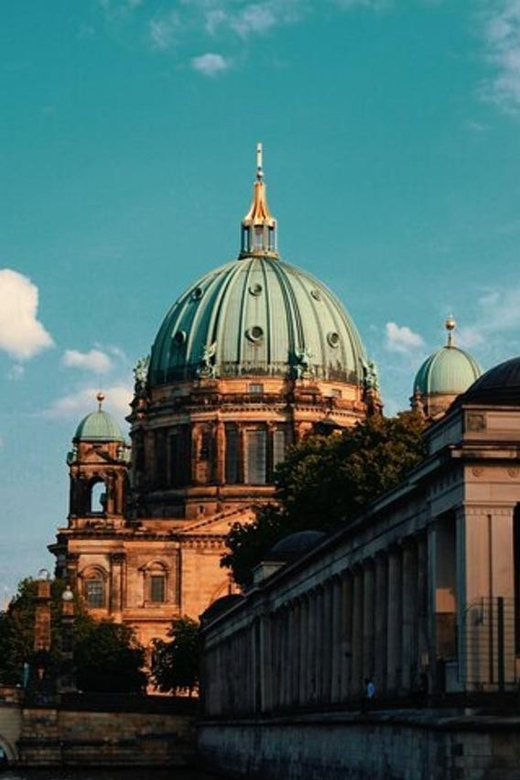
The site of Hitler’s Bunker is included as a guided stop. You learn about the final days of World War II and Hitler’s suicide.
The location is not presented as a dramatic preserved attraction. That is important. There is no grand underground monument here for you to explore as a conventional sightseeing stop. The historical value comes from understanding what happened at the site and why the place has been handled with restraint.
A guide can help you avoid the myths and sensational stories that often gather around famous wartime locations. The focus is on the final collapse of the Nazi regime, the conditions in Berlin at the end of the war, and the consequences that followed.
For some people, this will be one of the most useful stops because the site is easy to miss when you walk through central Berlin alone. For others, it may feel visually anticlimactic. I would judge it by the explanation, not by what you see at ground level.
Topography of Terror: the crimes behind the regime
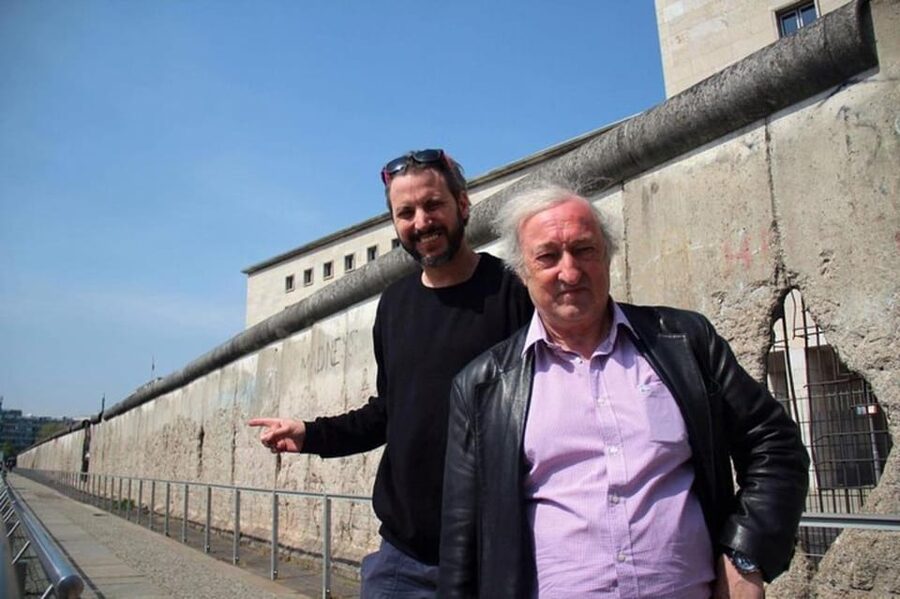
The Topography of Terror exhibition sits on the site of the former Gestapo and SS headquarters. This is one of the most important stops for understanding how Nazi terror operated.
The exhibition deals with crimes committed during World War II. Its location connects the paperwork and institutions of repression to the physical center of Berlin. That makes the stop different from a monument focused on memory. Here, the subject is the machinery of persecution and the people who ran it.
You should allow more time if you plan to study the exhibition in detail. A two-hour walking tour cannot cover every display, document, and story. The guide’s role is to give you a useful framework, point out what matters most, and help you decide if you want to return on your own.
I consider this stop especially valuable for visitors who know the broad outline of the Nazi period but want a clearer picture of how government agencies carried out their work. It adds institutional detail to the emotional weight of the Holocaust Memorial and the political setting near the Reichstag.
From Nazi rule to the Berlin Wall
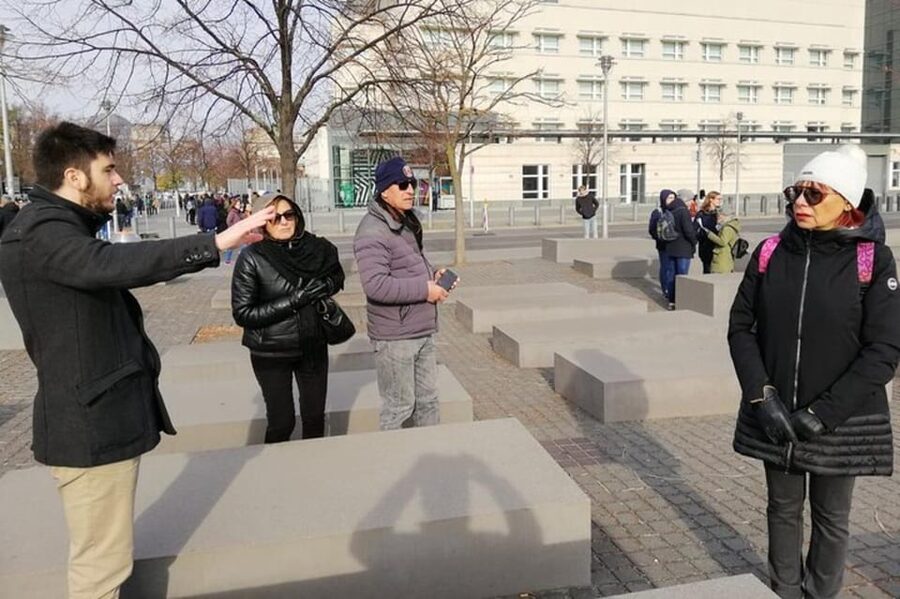
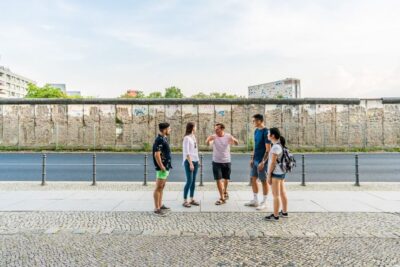
The tour then shifts from the Second World War to the Cold War. You hear how the Berlin Wall was built in 1961, how it divided the city, and how people tried to escape across it.
This part gives the day a different rhythm. The Nazi period is tied to mass murder and dictatorship, while the Wall story focuses on division, surveillance, family separation, and the risks taken by people who wanted to leave East Berlin. Your guide can show how the city changed from a capital of Nazi Germany into a front line between Soviet and American power.
The Wall’s story is often told through photographs of concrete, barbed wire, and checkpoints. A private guide can add the human scale: daring escapes, the pressure of living in a divided city, and the way political tension affected ordinary movement. Ask about the 1961 standoff if you want the international side of the story. Soviet and American forces faced each other during that crisis, making Berlin a dangerous point of conflict.
This section is also where local knowledge can help. Carlo is specifically noted for offering suggestions about neighborhoods, eating places, and local experiences. That sort of advice is useful after a history walk, when you may want to see a less official side of the city.
Checkpoint Charlie and the end of division
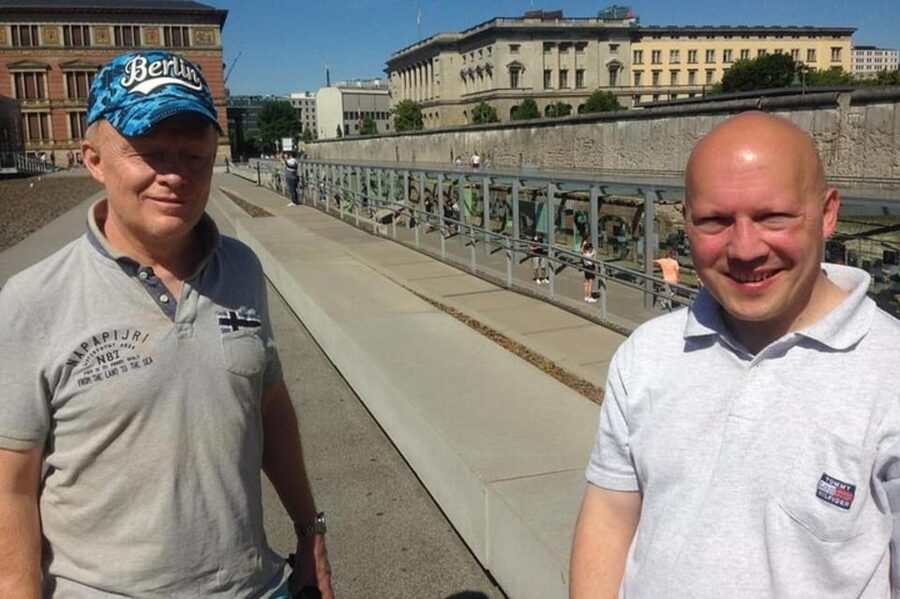
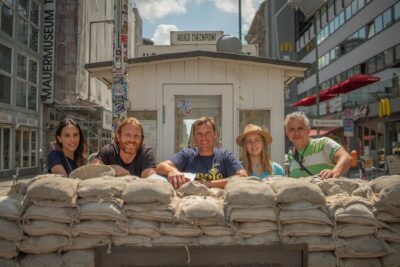
Checkpoint Charlie is the planned endpoint and the best place to bring the Cold War story together. It was the most famous crossing point associated with the Berlin Wall, and the tour covers the 1961 standoff between Soviet and American forces.
The checkpoint area today is heavily visited and commercialized. You may find the displays and photo opportunities more polished than the original border crossing. That does not make the location worthless, but it does mean the guide’s explanation matters. Without context, it is easy to see only a famous sign and a busy street.
The final subject is the fall of the Berlin Wall in 1989 and German unity. This gives the route a proper ending. You begin with the symbolic center of modern Germany and finish by looking at how the divided country came back together.
I like that the tour does not stop at the Wall itself. It also addresses how Berlin has dealt with its past. That question remains visible across the city, in memorials, museums, former government sites, and everyday streets.
What $35 buys you
At $35 per person, the tour offers good value if you want a private introduction to central Berlin’s political history. You are paying for two hours with a guide, a customized route, and the ability to ask questions without sharing the group with strangers.
The value is strongest for first-time visitors who want a framework. Afterward, you will know which places deserve a longer return visit, including the Holocaust Memorial area, Topography of Terror, or another Berlin Wall site.
The price does not include food or drinks. It also does not automatically cover admission to desired visits, although the team can help arrange tickets. Keep that in mind if you want to enter museums or buildings rather than mainly see the sites from outside.
A large group tour may offer a lower headline price, but it usually gives you less control. Here, the private format can make the $35 worthwhile, especially if you are traveling with family or friends who have different levels of interest in German history.
Language, pace, and practical details
You can request English, French, or Spanish. Eugen is named as a French-speaking guide who explains the subject clearly and warmly, while Carlo is noted for his Berlin knowledge and useful city recommendations. Guide assignment can vary, so treat those names as examples rather than a guarantee.
The walk lasts two hours and is available as a private group. Wheelchair access is listed, which is useful, though you should still ask the provider about the exact route and any public transport arrangements for your date.
The meeting point is in front of Wellendorff Berlin at Hotel Adlon, Unter den Linden 77. Arrive ready to walk and dress for the weather. You can cancel up to 24 hours before the start for a full refund, and you can reserve now and pay later, which helps if your Berlin schedule is still moving around.
Who should choose this Berlin walk?
I would choose this tour if you want a clear introduction to Berlin’s twentieth-century story and prefer conversation over a large scheduled group. It suits first-time visitors, families with older children, and anyone who wants to connect the main sights before exploring museums alone.
It is also a good fit if you want advice beyond the route. The guides can suggest other things to do in the city, and Carlo’s local recommendations may help you plan neighborhoods, meals, and later activities.
I would hesitate if you want a long museum visit at every stop. Two hours cannot provide a full study of the Topography of Terror, the Holocaust Memorial information center, or the Reichstag interior. In that case, use this as a starting walk and return to the sites that catch your attention.
The tour has earned a 4.7 rating from 30 reviews, with particular praise for the French-language guiding, clear explanations, friendly manner, and local recommendations. That matches the main strength of the experience: the history is serious, but the private setting lets you make it personal and ask the questions that matter to you.
Should you book it?
Book this tour if you want Berlin’s major twentieth-century sites connected into one understandable story. The private format, language choice, flexible focus, and $35 price make it a sensible first-day activity.
Skip it only if you already know these subjects well or want extensive time inside museums. For most visitors, I would use the walk to get oriented, then return to the one or two sites that deserve a slower visit. That approach gives you both the guide’s local context and enough time for your own reflection.
FAQ
Where does the tour begin?
The tour begins in front of Wellendorff Berlin at Hotel Adlon, located at Unter den Linden 77 in Berlin.
How long does the walking tour last?
The tour lasts two hours.
What major sights are covered?
The route includes the Brandenburg Gate, Reichstag, Memorial to the Murdered Jews of Europe, Hitler’s Bunker site, Topography of Terror, and Checkpoint Charlie.
Is the tour private?
Yes. The experience is offered as a private and exclusive tour with no other people in your group.
Can the tour be customized?
Yes. Customization is included, and the guide can focus on the parts of Berlin’s history that interest you most.
What languages are available?
Live guiding is available in English, French, and Spanish.
Is public transport included?
The walking tour includes public transport unless you select one of the alternative options.
Are museum or attraction tickets included?
Admission tickets are not listed as included. The tour team can help you book tickets for visits you want to make.
Can I cancel or pay later?
You can cancel up to 24 hours in advance for a full refund. You can also reserve now and pay later.
More Walking Tours in Berlin
- Discover Berlin Half-Day Walking Tour
★ 5.0 · 9,624 reviews - Berlin: Discover Berlin Walking Tour
★ 4.9 · 5,998 reviews - Berlin: Hidden Backyards Guided Walking Tour
★ 4.8 · 5,360 reviews - Berlin: Alternative Berlin Walking Tour
★ 4.6 · 1,204 reviews
Newest Berlin reviews
- Where It All Began: Berlin’s Queer & Trans History Tour★ 4.9 · 6 reviews
- Understanding Kreuzberg: The roots of local (sub)culture★ 4.9 · 11 reviews
- Berlin: guided canoe | kayaktour★ 4.1 · 7 reviews
- Warnemünde Shore Excursion: Private Sachsenhausen and Berlin Tour★ 5.0 · 12 reviews
- Ultimate E-Bike Tour of Berlin with Beer Garden Stop★ 5.0 · 4 reviews
- Private Potsdam City Tour in an authentic vintage van★ 5.0 · 14 reviews
- In the Forbidden City – Potsdam Walking Tour★ 5.0 · 17 reviews
- Private Walking Tour of Potsdam and Sanssouci★ 5.0 · 24 reviews
Berlin Cold War Tours, compared.
Berlin’s Best: 2 Hour Walking Tour Third Reich and the Cold War
Read our review →
Skip-the-Line: Berlin Wall Museum at Checkpoint Charlie
Read our review →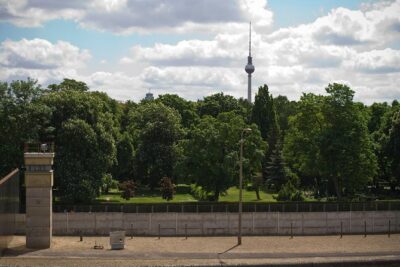
Cold War, Berlin Wall, Spies and the East Side Gallery
Read our review →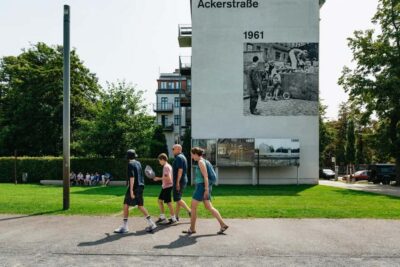

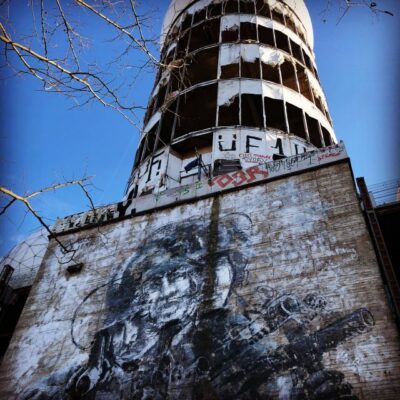
Listening Station Teufelsberg Tour with Transfer
Read our review →Browse the lists this tour appears in