
Reviewed · BERLIN WALL TOURS
Berlin: The Wall and Cold War – a Private Walking Tour
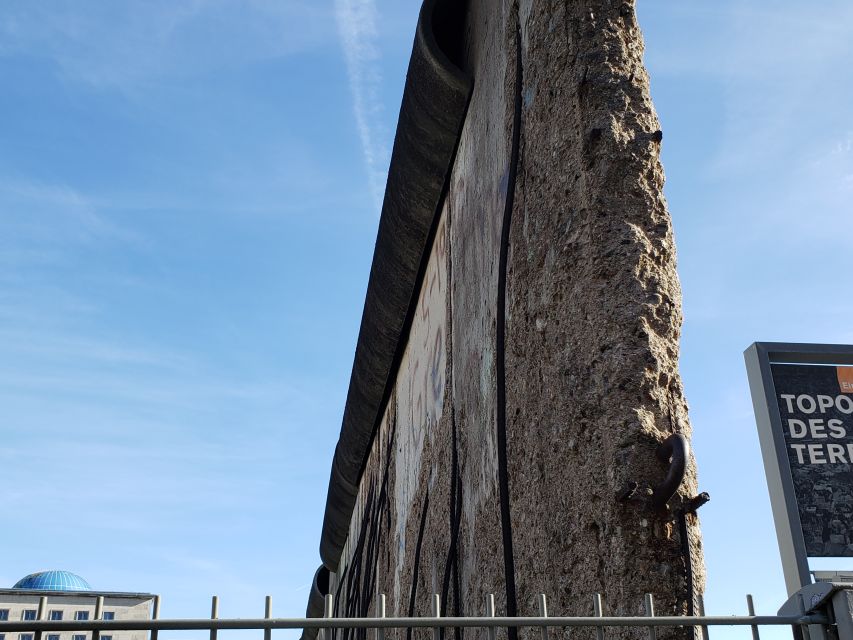
Berlin’s Cold War story is easiest to grasp when you walk the old border itself. This private tour starts at Bernauer Strasse, where Wall remains, memorials, and an open-air documentation museum help turn a huge political story into something you can see at street level. You then follow the former divide toward Checkpoint Charlie.
I like the private format, which gives you a better chance to ask about family life, escape attempts, and the meaning behind each stop. I also like the two-hour route, especially because it links Bernauer Strasse, the Palace of Tears, and Checkpoint Charlie instead of treating them as isolated sights. The main consideration is pace: two hours is enough for a strong introduction, but not for every Berlin Wall site in the city.
Key points
- Bernauer Strasse begins the story with physical Wall remains and an open-air documentation museum.
- The route follows the former border through central Berlin rather than relying only on indoor exhibits.
- The Palace of Tears shows where East and West Berliners dealt with painful border separations.
- A viewing platform may offer a look at the former death strip, if it is open.
- The tour ends at Checkpoint Charlie, one of Berlin’s best-known former crossing points.
- A live guide speaks German or English, and the private group format suits questions and mixed-language families.
Starting at Bernauer Strasse, where the Wall still feels real
Meet your guide upstairs at the U Bernauer Strasse station, at the exit marked Bernauer Strasse. Look for a guide holding a sign with your name. This meeting point matters because Bernauer Strasse is not just a convenient starting place. It is one of the clearest places in Berlin to see how the Wall cut through an ordinary neighborhood.
The street became famous because the border ran directly along it. Buildings, sidewalks, and doorways were caught up in the division, giving the Wall a very human scale. You are not beginning with an abstract lecture about superpowers and ideology. You are beginning with a street where daily routines were suddenly reorganized by concrete barriers and armed controls.
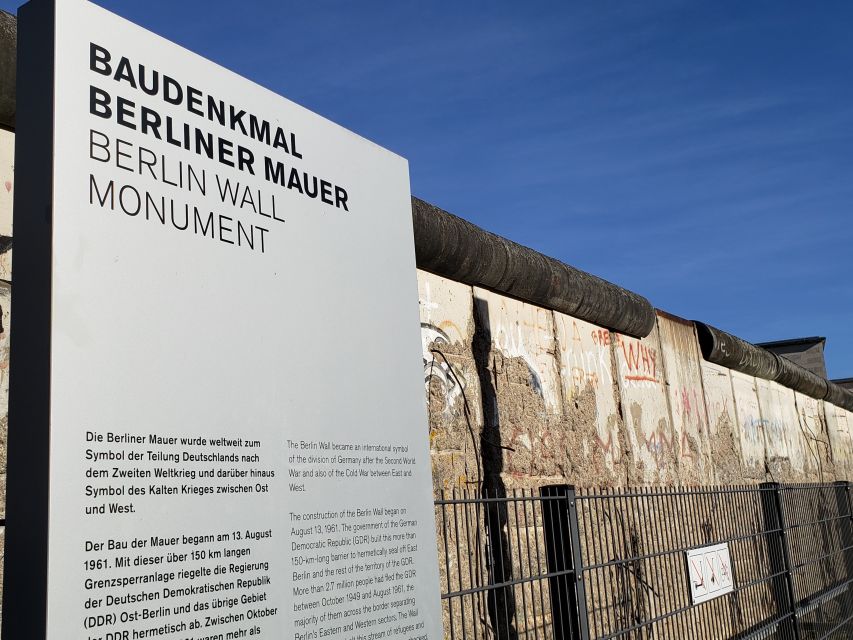
The open-air documentation museum adds useful context. As you walk, your guide explains how the Berlin Wall was built, why the border hardened, and what remained after the Wall fell. You can also see surviving sections and learn how the former border area was arranged.
That first stop is especially useful if you are new to Berlin’s Cold War story. The guide can connect the physical remains with the experiences of people who lived beside them. You will hear about divided neighborhoods, restricted movement, and the risks involved in trying to cross from East Berlin to West Berlin.
More Berlin Wall tours in Berlin:
- Skip-the-Line: Berlin Wall Museum at Checkpoint Charlie
★ 4.1 · 2,041 reviews - Cold War, Berlin Wall, Spies and the East Side Gallery
★ 5.0 · 1,024 reviews - THE WALL: asisi Panorama Berlin Ticket
★ 4.5 · 580 reviews
Following the former borderline through Berlin
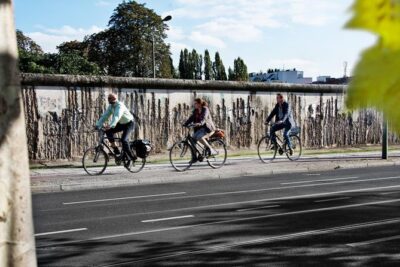
After Bernauer Strasse, the walk follows the old borderline toward central Berlin. That route gives the experience a clear shape. Instead of jumping from one famous landmark to another, you move through the city along the line that once separated families, streets, and political systems.
I like this approach because it helps you understand distance. A border can sound like a line on a map, but walking it shows how close two sides could be while remaining difficult or dangerous to reach. Your guide fills in the gaps with stories about daily life in the divided city, including the restrictions that shaped work, family visits, shopping, and travel.
The tour also covers places connected with escape attempts. These stories are not treated as simple adventure tales. They show the planning, fear, and high stakes involved in crossing a border built to stop people from leaving East Berlin. The guide’s role is important here. A good explanation can help you see why an ordinary-looking section of city mattered.
The private setting should make it easier to pause when you need more context. You can ask about a particular Wall remnant, clarify the difference between border barriers, or focus on the part of the Cold War that interests your group most. That is a useful advantage over a large group walk, where the guide must keep moving and follow one fixed rhythm.
The Palace of Tears and the pain of crossing
The tour includes a guided visit to the Palace of Tears, known in German as Tränenpalast. This former border crossing station handled departures between East and West Berlin. Its nickname came from the tearful goodbyes that took place there, and the name gives you a sense of the emotional weight attached to the building.
The Palace of Tears adds an indoor, personal dimension to the outdoor Wall sites. At Bernauer Strasse, you see the border system in the city. Here, you focus on the act of crossing and the strain placed on families when one person had to leave.
This is one of the stronger parts of the route for anyone interested in everyday life. The Cold War was not only about speeches, military threats, and political maps. It also affected parents, children, relatives, and friends trying to maintain relationships across a guarded border.
Because the tour lasts two hours, the time at each site may be focused rather than extensive. That is worth keeping in mind if you prefer to read every display at length. The benefit is that you get a connected explanation of several important places in one outing, rather than spending the full visit at only one museum.
Looking down on the former death strip
If the viewing platform is open, the tour takes you up for a view of the former death strip. This area was designed to prevent escape attempts and formed part of the heavily controlled border system.
The viewing platform is valuable because it lets you look at the border area from above. Ground-level remains can show walls and barriers, but an elevated view helps you understand how the different parts of the system worked together. You can better see the cleared space and the separation between East and West.
The phrase death strip is stark, and rightly so. It refers to a controlled zone intended to expose and stop people trying to cross. Your guide’s explanation helps place the term in the wider story of border guards, escape plans, and the dangers faced by anyone attempting to get through.
The platform is not guaranteed to be open, so do not book this walk solely for that viewpoint. Treat it as an important bonus within a route that already includes Bernauer Strasse and the Palace of Tears. If access is available on the day, it should sharpen your understanding of what the border looked like and how it functioned.
More Cold War tours in Berlin:
- Berlin: Third Reich and Cold War 2 Hour Walking Tour
★ 4.9 · 6,830 reviews - Berlin’s Best: 2 Hour Walking Tour Third Reich and the Cold War
★ 5.0 · 5,486 reviews - Berlin: Cold War Walking Tour on Berlin Wall Route
★ 4.8 · 437 reviews - Berlin: Cold War Era History Guided Bike Tour
★ 4.8 · 413 reviews
Finishing at Checkpoint Charlie
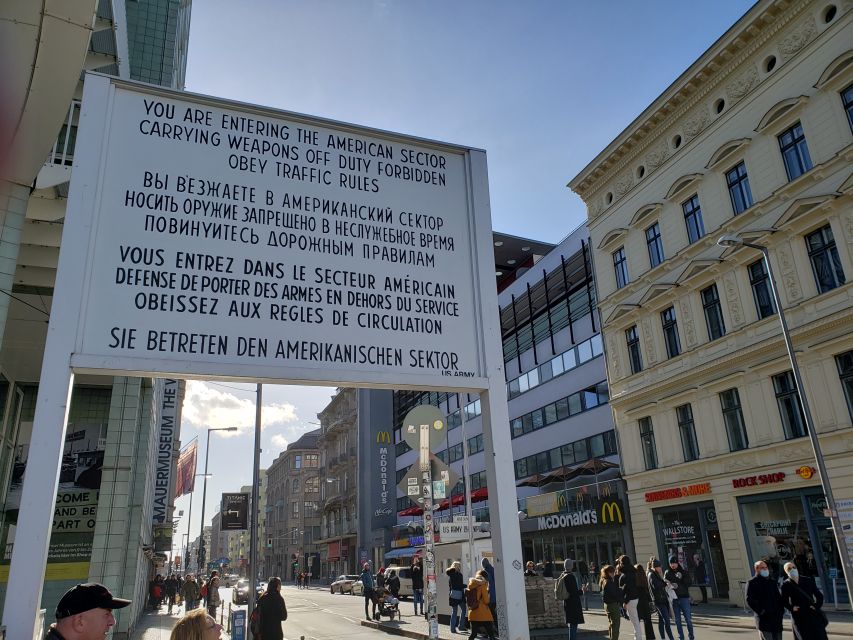
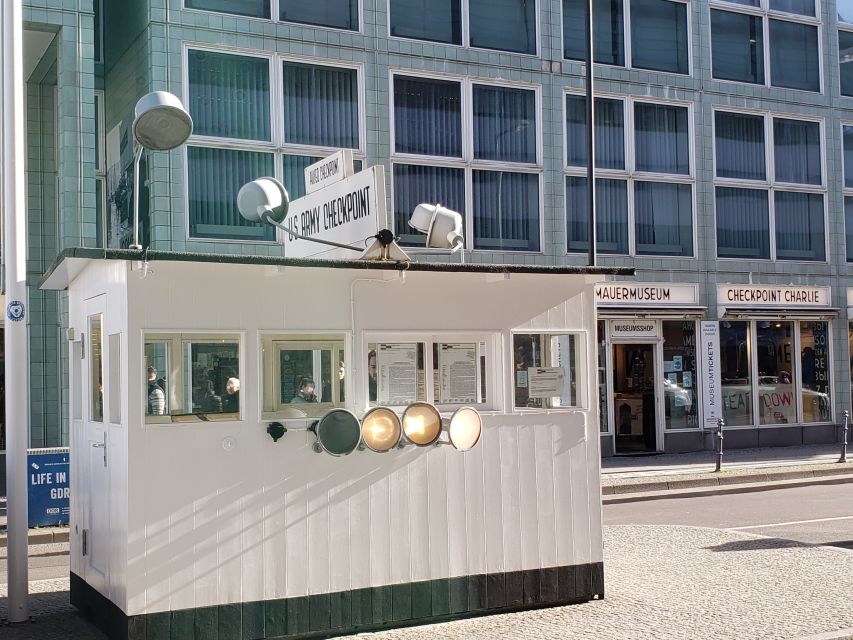
The walk concludes at Checkpoint Charlie, one of Berlin’s most recognizable former border stations. It is a fitting endpoint because the site represents the international side of the Cold War. While Bernauer Strasse brings you close to neighborhood life and the Palace of Tears focuses on family separation, Checkpoint Charlie connects the city’s division with the tension between the United States and the Soviet Union.
Checkpoint Charlie is also one of Berlin’s most photographed Cold War locations. Its fame can make it feel less personal than Bernauer Strasse, but the guide helps place it in the sequence of the tour. By the time you arrive, you have already seen how the border affected ordinary residents. The checkpoint then works as a final reminder that Berlin was also a major pressure point in global politics.
Ending here is practical for sightseeing. You finish in central Berlin, rather than returning to the starting station. The activity details do not specify a return transfer, so plan to make your own way onward from Checkpoint Charlie after the walk.
How the private format affects the experience
At $22 per person, this is a modest price for a private two-hour tour, particularly if you are sharing it with family or friends. You are paying for a guide who can shape the explanation around your group instead of joining a large public walk.
The value is less about the number of sites and more about the links between them. You see Wall remains, hear about escape attempts, visit the Palace of Tears, and finish at Checkpoint Charlie. A guide connects those stops into a story about how Berliners lived with the border and how the city changed when the Wall fell.
A private walk also helps if your group includes different ages or levels of background knowledge. Children may need the basic story of East and West Berlin, while adults may want more detail about border crossings or escape attempts. One particularly useful detail comes from a bilingual tour experience with Stephanie, who switched between English and German for Canadian visitors and children in the same group. That does not mean Stephanie will be your guide, but it shows the tour can work well for mixed-language groups.
Other named guides associated with the experience include Stefan, who led a strong explanation of the Cold War and its meaning for divided Berlin. Your guide will be assigned by the local provider, Sightseeing Point GmbH, so you should not expect a specific person unless the booking process confirms one.
Guide quality matters more than sightseeing speed
This is a history walk, not a quick photo stop route. The main benefit comes from the explanations. You will hear about the construction and fall of the Wall, daily routines in a divided city, escape locations, and the purpose of former border stations.
The strongest praise attached to this experience centers on storytelling, friendliness, and inside understanding of Berlin’s past. That is exactly what you want here. Concrete remains can be silent and confusing without context. A guide who can explain what happened at a particular spot, and why it mattered, adds far more value than a simple list of dates.
The tour is offered in German and English. If you need both languages, mention that when booking or contacting the provider. A bilingual group may be possible, but the supplied details confirm the language options rather than a guaranteed bilingual format for every departure.
Since the walk is private, prepare a few questions in advance. You might ask how the border affected ordinary travel, why certain escape attempts took place in particular areas, or how the Wall’s fall changed the city. Specific questions usually lead to a better use of the short two-hour schedule.
Timing, comfort, and practical details
The tour lasts two hours, with starting times depending on availability. That makes it easy to fit before or after other central Berlin sights. You should still allow time to find the correct station exit, meet your guide, and get comfortable before the explanation begins.
You meet upstairs at the U Bernauer Strasse exit marked Bernauer Strasse. This detail matters because large stations can have several exits. If you are late or cannot find the guide, call the local partner using the number on your voucher.
The activity is listed as wheelchair accessible. It is still sensible to confirm any particular access needs when booking, especially because the route includes streets, former border locations, and a viewing platform only if that platform is open.
The booking terms are flexible. You can cancel up to 24 hours before the tour for a full refund, and you can reserve now and pay later. Those options help if your Berlin schedule is still shifting.
Who should book this Berlin Wall walk?
I would recommend this tour to first-time Berlin visitors who want a clear introduction to the Wall without spending half a day in a museum. It also suits families, couples, and small groups who prefer to ask questions as they go.
It is a good pick if you care about personal stories and daily life, not just military and political facts. Bernauer Strasse and the Palace of Tears give the route an emotional center, while Checkpoint Charlie adds the wider international context.
You may want something longer if the Berlin Wall is your main interest. Two hours gives you a well-shaped overview, but it will not cover every memorial, museum, or surviving Wall section in the city. You should also keep your expectations realistic about the viewing platform, since access depends on whether it is open.
Should you book it?
Book this private walk if you want Berlin’s Cold War story explained while you stand in the places where it happened. The route has a sensible progression: Bernauer Strasse for the Wall and neighborhood impact, the former border line for daily life and escape attempts, the Palace of Tears for personal separation, and Checkpoint Charlie for the international picture.
At $22 per person, the combination of a private guide, a focused two-hour route, and several major Cold War sites offers good value. Choose it especially if your group includes children, mixed-language speakers, or anyone who learns better from stories than from display panels. Skip it only if you want a long museum visit or a full-day survey of every Wall site in Berlin.
FAQ
Where does the Berlin Wall tour begin?
The tour begins at the U Bernauer Strasse underground station. Meet the guide upstairs at the exit marked Bernauer Strasse.
Where does the walking tour finish?
The tour finishes at Checkpoint Charlie, a former border crossing station in central Berlin.
How long does the private tour last?
The walking tour lasts two hours.
Which languages are available?
A live guide is available in German or English.
Does the tour include the Palace of Tears?
Yes. The route includes a guided visit to the Palace of Tears, also called Tränenpalast, a former border crossing station.
Is the viewing platform guaranteed to be open?
No. The tour visits the viewing platform to see the former death strip if it is open.
Is the tour wheelchair accessible?
The activity is listed as wheelchair accessible.
Can I cancel the booking?
You can cancel up to 24 hours in advance for a full refund. You can also reserve now and pay later.
More Walking Tours in Berlin
- Discover Berlin Half-Day Walking Tour
★ 5.0 · 9,624 reviews - Berlin: Discover Berlin Walking Tour
★ 4.9 · 5,998 reviews - Berlin: Hidden Backyards Guided Walking Tour
★ 4.8 · 5,360 reviews - Third Reich Berlin: Hitler and WWII Walking Tour
★ 5.0 · 3,301 reviews
Newest Berlin reviews
- Where It All Began: Berlin’s Queer & Trans History Tour★ 4.9 · 6 reviews
- Understanding Kreuzberg: The roots of local (sub)culture★ 4.9 · 11 reviews
- Berlin: guided canoe | kayaktour★ 4.1 · 7 reviews
- Private Potsdam City Tour in an authentic vintage van★ 5.0 · 14 reviews
- Warnemünde Shore Excursion: Private Sachsenhausen and Berlin Tour★ 5.0 · 12 reviews
- Ultimate E-Bike Tour of Berlin with Beer Garden Stop★ 5.0 · 4 reviews
- In the Forbidden City – Potsdam Walking Tour★ 5.0 · 17 reviews
- Private Walking Tour of Potsdam and Sanssouci★ 5.0 · 24 reviews
Berlin Wall Tours, compared.
Skip-the-Line: Berlin Wall Museum at Checkpoint Charlie
Read our review →
Cold War, Berlin Wall, Spies and the East Side Gallery
Read our review →
Guided Bike Tour of the Berlin Wall and Third Reich
Read our review →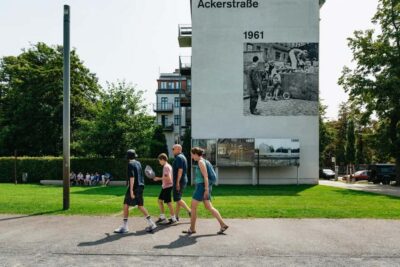
Browse the lists this tour appears in