
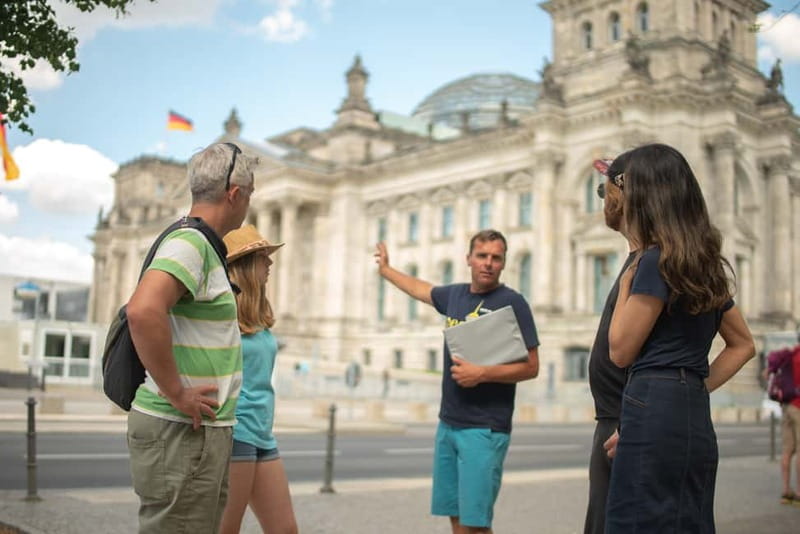
Reviewed · BERLIN THIRD REICH TOURS
Berlin: Third Reich, Hitler, and WWII Walking Tour
Berlin’s Nazi past is written into the streets, empty lots, surviving buildings, and memorials around central Berlin. This three-hour walking tour connects those pieces, taking you from the former centers of Nazi power to the places where the regime collapsed in 1945.
I like the way the tour links Hitler’s final days to the wider machinery of government and terror. I also like its strong mix of outdoor sites and the Topography of Terror exhibit, which gives the story more substance than a simple parade of famous buildings. The main drawback is practical: it operates rain or shine, and there are no scheduled water or toilet breaks, so prepare before you meet the guide.
Key points at a glance
- Begin at Friedrichstraße Station: Meet beside the Tränenpalast, or Palace of Tears, where guides carry yellow umbrellas and wear blue lanyards with yellow name tags.
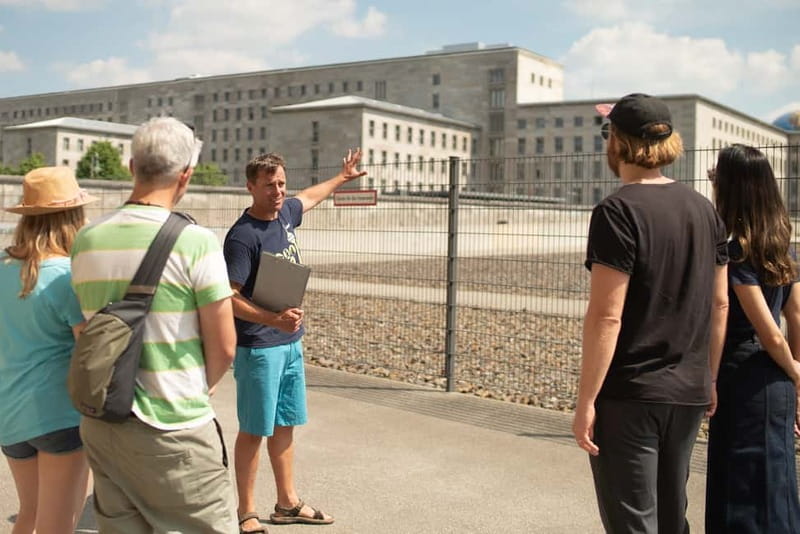
- Trace the Nazi power structure: See the former locations of Goering’s Air Defence Ministry, Goebbels’ Propaganda Ministry, and Himmler’s SS and Gestapo headquarters.
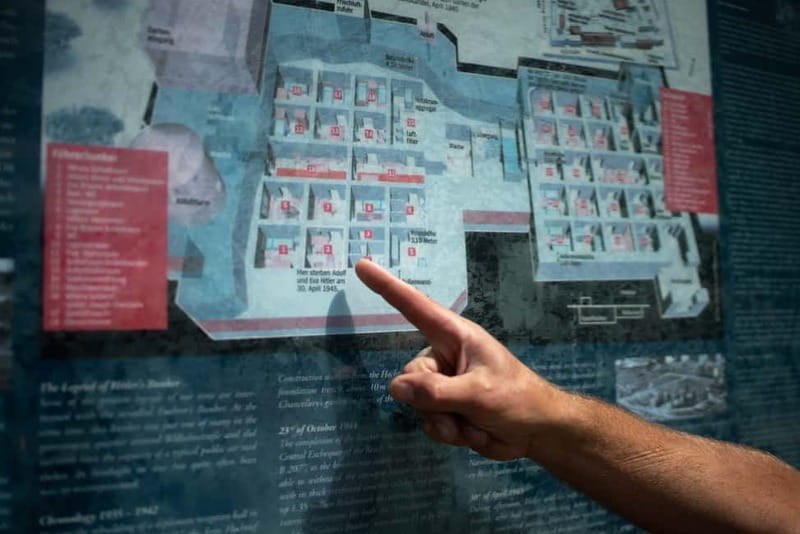
- Stand above the Führer Bunker: Learn how Hitler’s final days unfolded and what happened to his remains.
- Follow the planned Germania axis: Hear how Albert Speer’s grand redesign was meant to reshape Berlin into the capital of Nazi Europe.
- Finish at major wartime sites: Pass the Reichstag and Brandenburg Gate before reaching the Soviet War Memorial, with its tanks and artillery.
- Choose the format that suits you: Public small-group, private, and optional pickup arrangements are available, with English, German, and Spanish tours.
Starting at Friedrichstraße and the Palace of Tears
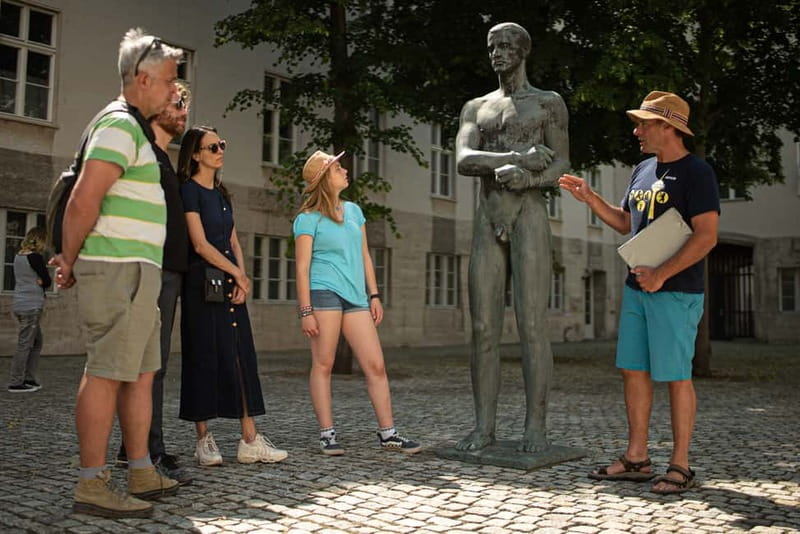
Your meeting point is outside Friedrichstraße train station, on the square between the station and the Tränenpalast. The Palace of Tears is a fitting place to begin a Berlin history walk because the area later became tied to the divided city and the Cold War.
Look for the guide with a blue lanyard and yellow name tag, usually holding a yellow umbrella. That detail matters at a busy central station, especially if several tours are gathering nearby. The activity ends back at the same meeting point, so you do not need to work out a return route from an unfamiliar part of Berlin.
The tour is offered in English, German, and Spanish. The individual guide shapes the feel of the experience. Hannah has been praised for handling painful subjects with care and for answering questions fully. Mikhail is known for bringing the locations to life while adding useful Cold War and general Berlin context. Jimmy, Will, Martin, and others have also been singled out for strong delivery and subject knowledge.
You cannot choose a particular guide unless the booking system permits it, but the pattern is clear: this is a guide-led history walk, not an audio tour with a fixed script. That makes it useful if you want to ask why a site matters, not just hear a date and move on.
More Third Reich history tours in Berlin:
- Berlin: Third Reich and Cold War 2 Hour Walking Tour
★ 4.9 · 6,830 reviews - Berlin’s Best: 2 Hour Walking Tour Third Reich and the Cold War
★ 5.0 · 5,486 reviews - Third Reich Berlin: Hitler and WWII Walking Tour
★ 5.0 · 3,301 reviews
The ministries behind Nazi power
One of the tour’s strengths is its attention to the offices and ministries that made dictatorship work. The focus is not only on Hitler. You also hear about the agencies that controlled propaganda, air defense, policing, and political terror.
The former Goering Air Defence Ministry is linked to the Luftwaffe and the planning of the Blitz. The former locations of Goebbels’ Propaganda Ministry and Himmler’s SS and Gestapo headquarters reveal a different side of the regime. These were administrative centers, but their decisions reached far beyond Berlin.
This part of the walk helps you understand Nazi rule as an organized system rather than a story about one man alone. Propaganda shaped public opinion. The SS and Gestapo enforced fear. Military offices directed war. Seeing where these bodies operated gives the history a physical frame.
Do not expect every former headquarters to survive as a fully preserved Nazi building. Berlin was heavily damaged, rebuilt, and politically reshaped after the war. In many cases, the value lies in the location and the explanation rather than a dramatic ruin. A good guide makes that clear and prevents the tour from turning old walls into theatrical props.
Hitler’s Germania plan and the former Reich Chancellery
The walk follows parts of Hitler and Albert Speer’s plan for Germania, a proposed redesign of Berlin built around monumental avenues and huge government structures. The plan was meant to show the power of Nazi Europe through scale and ceremony.
You see how the planned axis related to the former New Reich Chancellery, the seat of Hitler’s government. The Chancellery was designed as a statement of authority, with its size and formal architecture intended to impress visitors and intimidate political opponents.
Much of the original complex is gone, so this stop rewards visitors who listen closely. The guide explains what once occupied the area and how the war and postwar period changed it. If you expect grand Nazi buildings still standing intact, you may find this section less visually dramatic. If you want to understand how architecture served political power, it is one of the most useful parts of the route.
The story also shows how Berlin’s present-day appearance can be misleading. A normal-looking street or open space may cover the site of a major government office. The tour teaches you to read the city beneath its modern surface.
Above the Führer Bunker
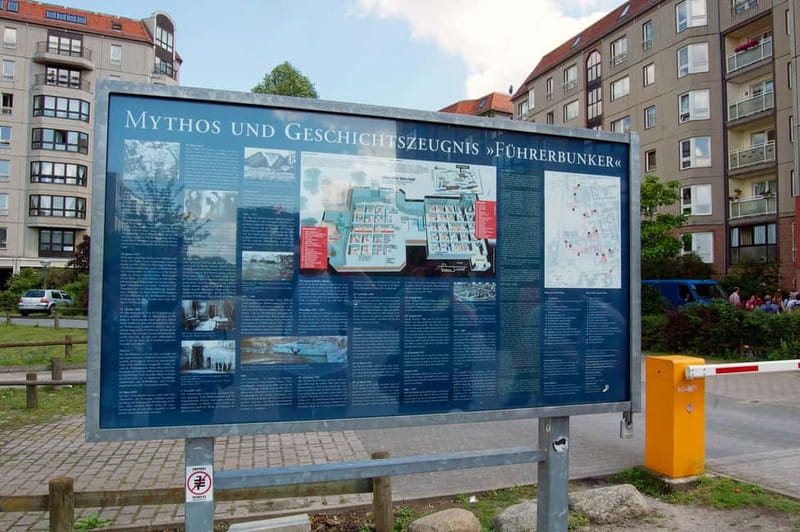
The bunker site is one of the most anticipated stops, but it is not a museum entrance or a preserved underground chamber. You stand above the location where Hitler spent his final days, learned that Berlin was falling, and died by suicide in April 1945.
The guide gives a step-by-step account of the final period in the bunker and explains the fate of Hitler’s remains. This detail is important because the bunker has attracted myths and sensational stories for decades. A careful explanation replaces rumor with the documented sequence of events.
The site itself is intentionally plain. There is no grand memorial marking the exact spot in a way that turns it into a shrine. That restraint is appropriate, and it also means the guide’s storytelling carries much of the weight.
I would pay close attention here, since the physical setting alone tells you little. The point is not to see a spectacular ruin. The point is to understand how a dictatorship ended in a hidden room while the city above it burned.
Other Berlin experiences to weigh up
- Discover Berlin Half-Day Walking Tour
★ 5.0 · 9,624 reviews - Berlin: Discover Berlin Walking Tour
★ 4.9 · 5,998 reviews - Berlin: Hidden Backyards Guided Walking Tour
★ 4.8 · 5,360 reviews - Berlin: Alternative Berlin Walking Tour
★ 4.6 · 1,204 reviews
The Topography of Terror and the machinery of persecution
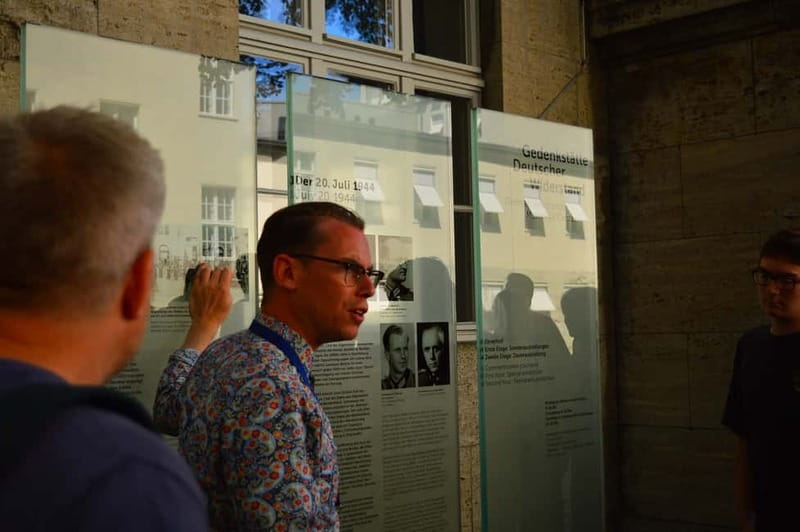
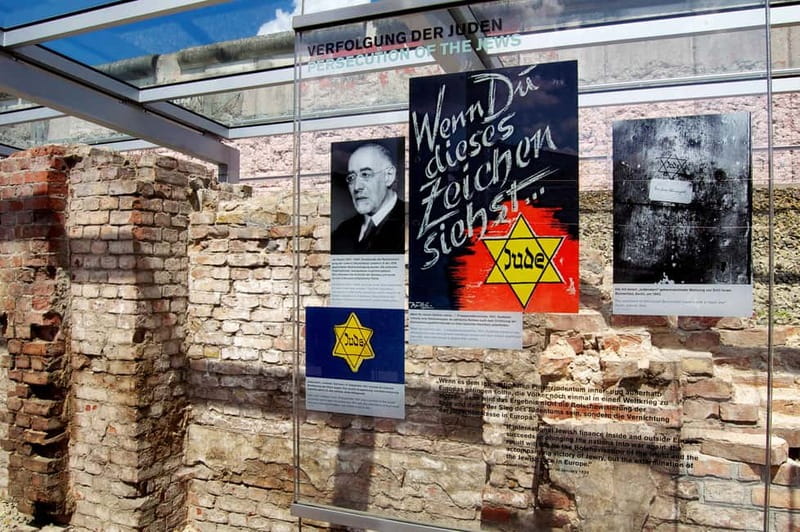
The Topography of Terror exhibit adds an important change of pace. After several outdoor stops, you have a place where photographs, documents, and displays help explain the institutions of Nazi persecution.
The exhibit is linked to the former SS and Gestapo headquarters. Its subject matter is difficult, but it gives the tour a stronger base in evidence. You are not left with only monuments, military stories, and famous names. You also confront the state systems that persecuted opponents and helped carry out Nazi crimes.
This is where a sensitive guide matters most. Hannah, for example, has been praised for treating difficult subjects respectfully. Several guides have also been described as willing to answer questions rather than rushing people past uncomfortable points.
The time available at each stop can vary with the group and the guide, so do not treat this as a full museum visit. The tour uses the exhibit as part of a wider route. If you want to study every display, you may need to return independently another time.
From Brandenburg Gate to the Reichstag
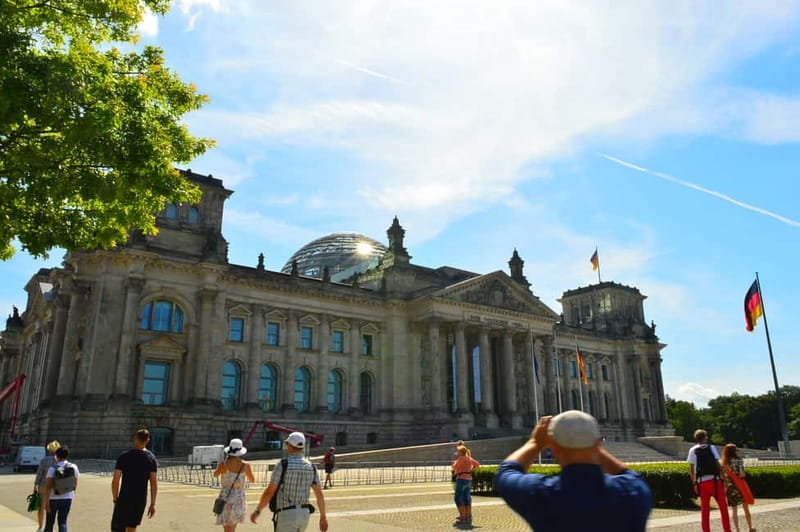
The route then connects Nazi Berlin with the final battle for the city. Brandenburg Gate is one of Berlin’s best-known symbols, but its meaning has changed repeatedly. It was used in Nazi public imagery, later sat near the Cold War border, and now represents a reunited Berlin.
That layered meaning makes the gate more interesting than a quick photo stop. Your guide places it in the story of political power, wartime destruction, and the city’s later division.
The Reichstag brings the war toward its final stage. In 1945, it became one of the symbolic and military objectives of the Soviet assault on Berlin. The tour explains the building’s place in the closing battle and shows how the Nazi regime’s last defenses were concentrated around central Berlin.
You will see these famous sights in the open city rather than entering the Reichstag. That is useful for keeping the route moving, but it also means the experience is primarily about context and location. If you want to visit the building’s interior, that requires a separate arrangement.
The Soviet War Memorial and the end of the route
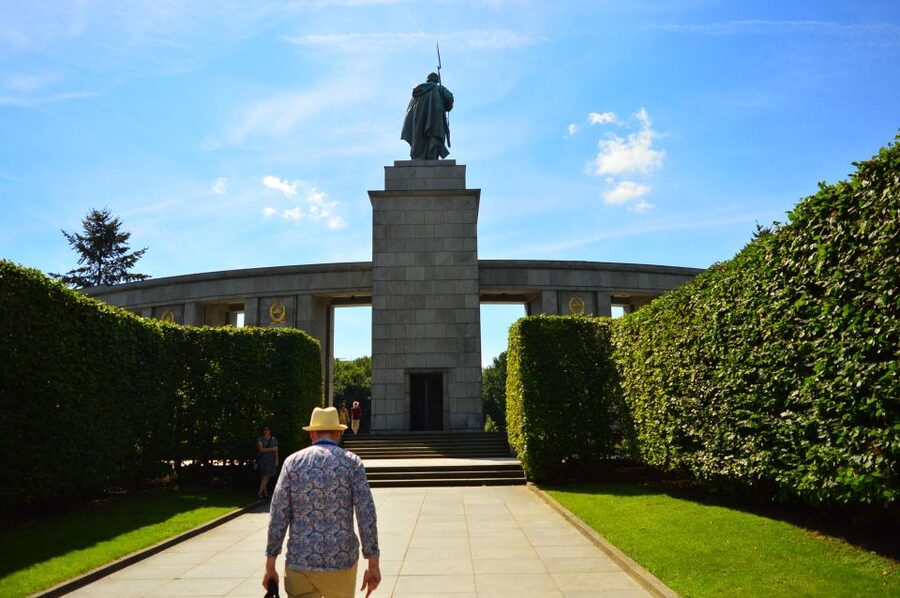
The final major stop is the Soviet War Memorial, marked by T-34 tanks and Red Army howitzers. The military hardware makes the memorial immediately visible, but the guide’s explanation gives it greater meaning.
This is a place to consider the enormous Soviet cost of the battle for Berlin and the political reality that followed Germany’s defeat. The memorial is not simply a collection of weapons. It reflects the Soviet role in the destruction of Nazi Germany and the later division of Berlin.
Ending here gives the tour a clear arc. You begin with the institutions that built and protected Nazi rule, pass through the bunker and the collapse of the regime, then finish with the force that captured Berlin.
Because the tour returns to the original meeting point, the Soviet memorial is part of the route rather than the final point where you must arrange your own transport. That makes the three-hour format easier to manage during a busy day of sightseeing.
How the three-hour format works for you
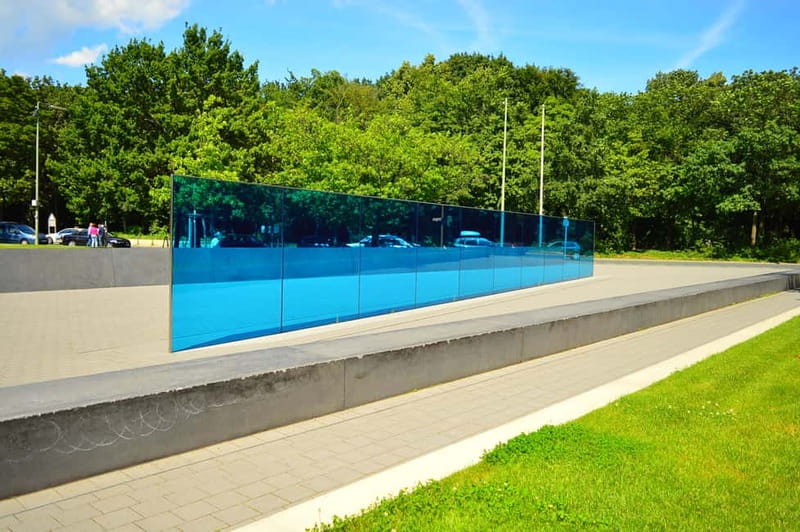
Three hours is enough to cover a large amount of ground, but it is not a relaxed stroll with long pauses. You should wear comfortable shoes and weather-appropriate clothing. The tour runs in rain or sunshine, and the route is outdoors for much of the time.
One useful warning comes from the tour experience itself: there are no water or toilet breaks built into the route. Bring your own drink and use facilities before arriving at Friedrichstraße. This is a small detail, but it can make a real difference during a serious three-hour walk.
The pace appears to suit people who want plenty of information. Guides such as Callum, Thomas, Martin, and Jörg have been praised for mixing clear explanations with humor and an approachable manner. That can make heavy material easier to follow without making the subject feel casual.
Group size deserves some thought. Small-group and private options are available, but a regular group may feel larger. One otherwise happy participant found the group size less appealing. If asking questions and staying close to the guide matter greatly to you, choose a small-group or private format when available.
Is $20 good value?
At $20 per person, this is a strong-value introduction to Nazi-era Berlin. The price covers a three-hour guided walk across a central section of the city and brings together sites that would be difficult to interpret properly on your own.
You are paying mainly for the guide’s command of the subject. Many of the locations are open streets, former sites, or exterior views, so the ticket is not buying entry to a long list of attractions. It is buying a connected explanation.
That distinction helps you decide. If you enjoy walking through cities and want the story behind ordinary-looking places, the price is modest. If you want preserved interiors, extensive museum time, or a short route with frequent seating, this may not match your expectations.
The tour has earned a 4.9 rating from 1,133 reviews, with repeated praise for guides who answer questions, explain sensitive material carefully, and add details you might miss alone. Names that receive especially strong praise include Hannah, Mikhail, Jimmy, Will, Martin, and Artie. The guide assignment is not guaranteed, but the range of positive feedback suggests that the human element is central to the experience.
Who should book this walking tour?
I would recommend it to first-time visitors who want a clear introduction to Berlin during the Third Reich and World War II. It also suits history students, including younger people studying the period, since the route connects political ideas with real places.
It is a good match for you if you:
- Want the story arranged in a clear sequence from Nazi expansion to defeat.
- Prefer asking questions instead of using an audio guide.
- Can walk for three hours in changing weather.
- Want to see major central Berlin sights through a wartime lens.
- Are comfortable discussing genocide, dictatorship, war, and political violence.
You may prefer another format if you want a museum-heavy visit, dislike outdoor walking, or need regular rest and comfort stops. The content is serious, and the route does not soften the subject with a light sightseeing tone.
Practical booking advice
Meet at Friedrichstraße Station, on the square beside the Tränenpalast at Reichstagufer 17, 10117 Berlin. Arrive with comfortable shoes, suitable clothing, and water already in your bag.
The tour offers free cancellation up to 24 hours before the start time, and you can reserve now and pay later. Private options include hotel pickup, with instructions to wait in the lobby five minutes before pickup and look for the guide’s yellow name tag.
Before booking, check the available starting times and confirm your language. English, German, and Spanish are offered. If you want the most personal experience, select a private or small-group option where available.
Should you book it?
Book this tour if you want Berlin’s Nazi past explained as a connected story rather than a collection of isolated sights. The former ministries, bunker site, Germania plan, Reichstag, Brandenburg Gate, Topography of Terror, and Soviet War Memorial each matter more when placed in sequence.
The best reason to go is the guide-led interpretation. The strongest guides, including Hannah, Mikhail, Jimmy, Will, and Martin, bring precision, feeling, and room for questions to a difficult subject. Just bring water, prepare for weather, and accept that much of the experience takes place at former sites rather than inside preserved buildings.
For $20 and three hours, it is a worthwhile choice for serious history-minded visitors who want a firm starting point for understanding Berlin’s darkest chapter.
FAQ
Where does the tour meet?
It begins outside Friedrichstraße train station, on the square between the station and the Tränenpalast, also called the Palace of Tears. The address is Reichstagufer 17, 10117 Berlin.
How long does the walking tour last?
The tour lasts three hours. It ends back at the Friedrichstraße meeting point.
What languages are available?
Tours are offered in English, German, and Spanish.
Does the tour visit Hitler’s bunker?
The tour visits the location above the Führer Bunker. It explains Hitler’s final days and the fate of his remains, but the information provided does not indicate that visitors enter a preserved bunker interior.
Is the tour available as a private experience?
Yes. Private and small-group options are available. Hotel pickup is offered only for private options.
What should I bring?
Bring comfortable shoes, comfortable clothes, and clothing suited to the weather. The tour operates rain or shine. You should also bring your own drink because there are no scheduled water or toilet breaks.
Newest Berlin reviews
- Where It All Began: Berlin’s Queer & Trans History Tour★ 4.9 · 6 reviews
- Understanding Kreuzberg: The roots of local (sub)culture★ 4.9 · 11 reviews
- Berlin: guided canoe | kayaktour★ 4.1 · 7 reviews
- Private Potsdam City Tour in an authentic vintage van★ 5.0 · 14 reviews
- Warnemünde Shore Excursion: Private Sachsenhausen and Berlin Tour★ 5.0 · 12 reviews
- Ultimate E-Bike Tour of Berlin with Beer Garden Stop★ 5.0 · 4 reviews
- Private Walking Tour of Potsdam and Sanssouci★ 5.0 · 24 reviews
- Potsdam Highlights – Private sightseeing tour by minibus★ 5.0 · 3 reviews
Berlin Third Reich Tours, compared.
Berlin’s Best: 2 Hour Walking Tour Third Reich and the Cold War
Read our review →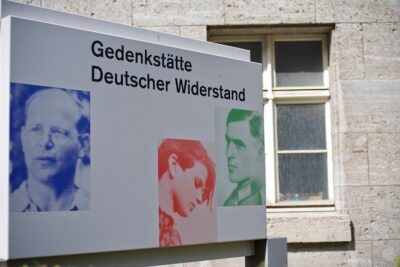
Third Reich Berlin: Hitler and WWII Walking Tour
Read our review →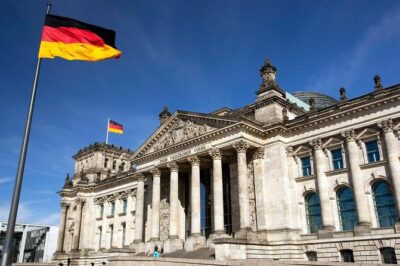
Berlin Third Reich Sites: Half-Day Walking Tour
Read our review →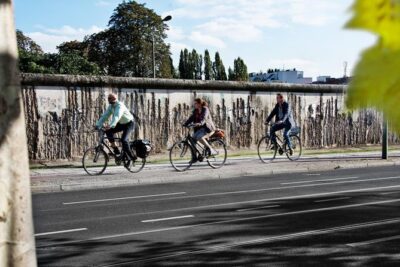
Guided Bike Tour of the Berlin Wall and Third Reich
Read our review →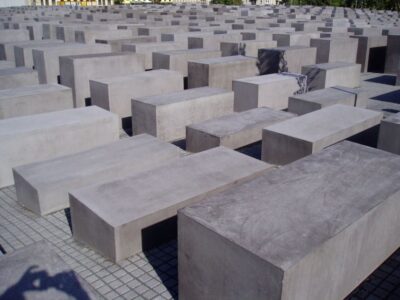
Hitler’s Germany: Berlin During the Third Reich & WWII
Read our review →
Private Walking Tour Berlin Third Reich Hitler and World War II
Read our review →
Hitler’s Berlin The Rise & Fall Guided Walking Tour
Read our review →Browse the lists this tour appears in