
Reviewed · BERLIN THIRD REICH TOURS
Hitler’s Germany: Berlin During the Third Reich & WWII
Berlin’s Nazi past is not tucked away in one museum. It is scattered through ordinary streets, office blocks, parks, and memorials. This four-hour walk connects those pieces, from the site of Hitler’s bunker to the Reichstag, while explaining how Berlin became the center of a murderous dictatorship and the final battlefield of the war. I especially like the stop at the former Luftwaffe headquarters, one of the best surviving Nazi buildings, and the attention given to the Jewish Quarter and lesser-known memorials. The main drawback is simple: you do not enter buildings, and four hours outdoors can be tiring in poor weather.
I also like the way the route mixes major sights with places you could easily pass without noticing. Guides such as Glen, Jonathan N, Jimmy, Artie, Rohan, Emma, and Amelie have been praised for making difficult material clear without turning it into a dry lecture. Bring a public transport ticket, comfortable shoes, and patience for a serious subject.
Key points to know before booking
- Hitler’s bunker site: Learn how the war ended only a short distance from the Reichstag, where Soviet troops fought their way toward the parliament building.
- Anhalter Bahnhof connection: Begin the field walk near the remains of a huge station destroyed during World War II.
- Nazi government district: See the former Air Ministry, Gestapo and SS headquarters, and the Propaganda Ministry area.
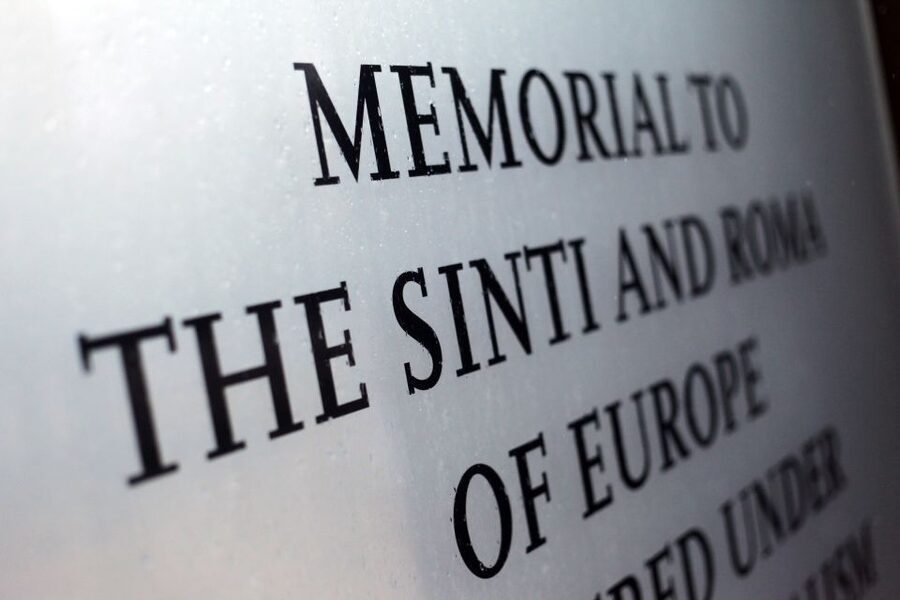
- Memorials beyond the main sights: Visit the Sinti and Roma memorial and the memorial to 96 politicians arrested in 1933.
- Strong guide element: English and German tours use guides praised for clear storytelling, humor, maps, photographs, and careful group management.
- Good value at $23: Four hours of guiding and a wide route make this a useful introduction, though your public transport ticket costs extra.
Berlin’s Nazi story begins in the streets
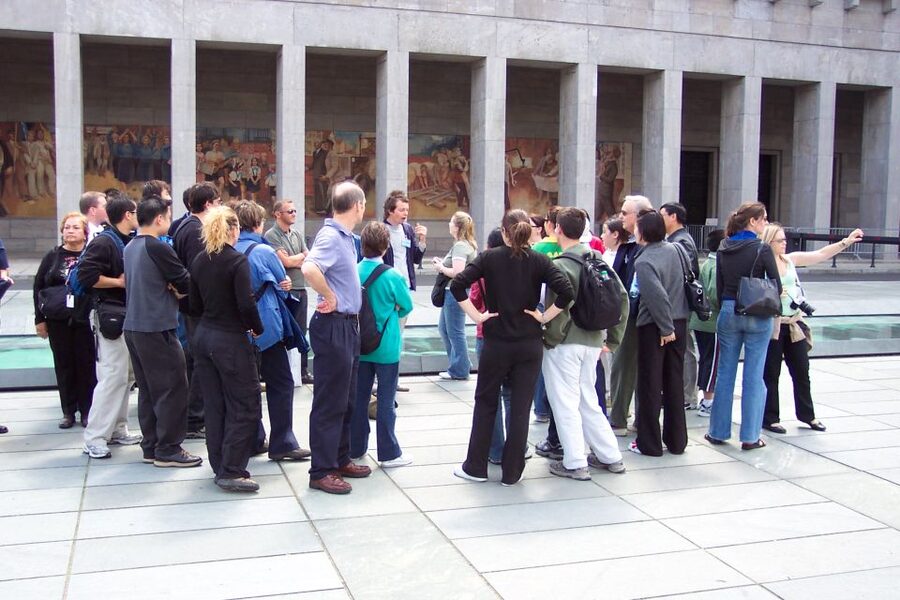
This is not a tour built around dramatic ruins. Much of Nazi Berlin has disappeared, been rebuilt, or been folded into modern city life. That is exactly why a guide matters. Without one, the former government district can look like a collection of plain buildings and open spaces. With one, the streets become a map of power, persecution, propaganda, and defeat.
The route begins in central Berlin, with an explanation of the nearby Jewish district and the Nazi destruction of Jewish life. You then take a short metro ride to the area of Anhalter Bahnhof. The station was once enormous and important, but World War II left it badly damaged. What remains helps set the tone for the tour: Berlin’s past is often visible in fragments rather than grand ruins.
You should expect a steady mixture of walking, standing, listening, and moving between sites. The tour runs in all weather and on public holidays. A single AB public transport ticket is not included, so arrange that before setting out if your booking requires the metro ride.
More Third Reich history tours in Berlin:
- Berlin: Third Reich and Cold War 2 Hour Walking Tour
★ 4.9 · 6,830 reviews - Berlin’s Best: 2 Hour Walking Tour Third Reich and the Cold War
★ 5.0 · 5,486 reviews - Third Reich Berlin: Hitler and WWII Walking Tour
★ 5.0 · 3,301 reviews
Anhalter Bahnhof and the shattered city
Anhalter Bahnhof gives the tour a useful starting point. It was one of Berlin’s major railway stations, and its destruction points to the scale of wartime damage across the city. From here, the route heads into the former Nazi government district.
I appreciate this choice because it moves beyond the usual checklist of Hitler landmarks. The station is not simply another photo stop. It helps you picture Berlin as a working capital that was battered by bombing, street fighting, and the final collapse of the regime.
The route then takes you past buildings tied to the Nazi state. Some are not visually dramatic, so listen closely to the explanation of what happened inside and around them. This part is strongest for people who want to understand how the dictatorship functioned, not just where Hitler lived or died.
The former Luftwaffe headquarters
The colossal former Luftwaffe headquarters is one of the most striking buildings on the route. The Luftwaffe was the German air force, led by Hermann Göring, and the building remains one of the clearest surviving examples of Nazi architecture in Berlin.
Its scale is part of the lesson. The structure was designed to project authority, order, and permanence. Your guide can place it within the wider machinery of the regime, showing how architecture helped present Nazi rule as powerful and inevitable.
Do not expect an interior visit. The tour stays outside buildings, so this is mainly an architectural and historical stop. Still, the exterior is substantial enough to make the point. A good guide will help you read the building as political theater rather than just a large office block.
Gestapo headquarters and the Topography of Terror area
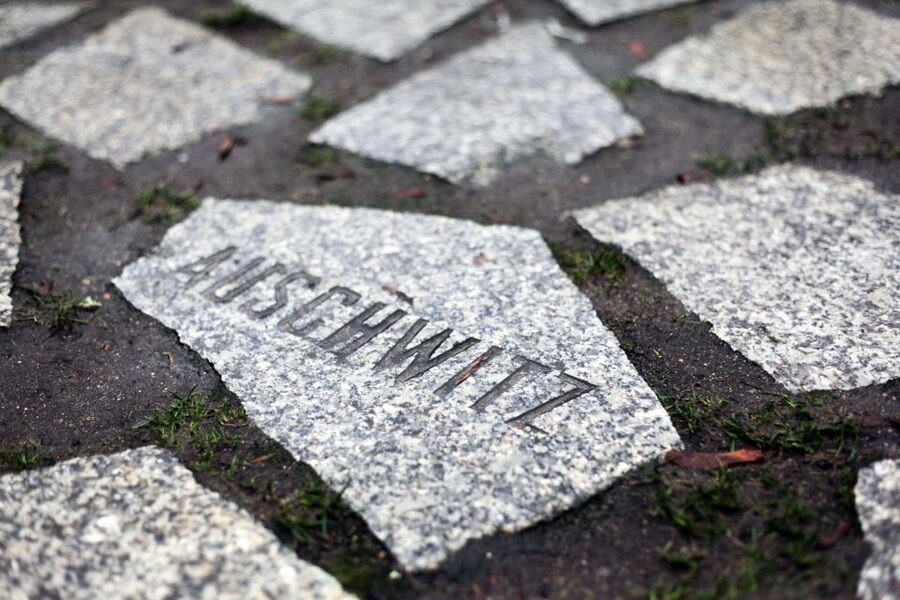
The next section deals with the Gestapo and SS, the organizations central to political terror, imprisonment, and mass murder. Their former headquarters area is now associated with the Topography of Terror Museum.
The tour description includes a museum break, but the activity itself does not include building entry. Treat this as time around the site rather than a guaranteed museum visit. If you want to spend longer with the indoor exhibitions, plan a separate visit.
This is one of the heaviest parts of the route. The guide moves from the machinery of repression to the regime’s wider crimes, including the T4 euthanasia program and the Holocaust. The best guides keep the account factual and direct. Several guide names, including Glen, Jonathan N, Jimmy, Artie, Rohan, and Emma, have been singled out for making serious material understandable and holding a group’s attention for the full four hours.
The topic calls for respectful presentation, and that is where the human side of the guiding matters. Amelie, for example, has used maps, photographs, and other documents to show how Berlin looked during key events. Other guides have been praised for answering questions, keeping people together, and adding small stories that make the places easier to understand.
A different sort of day out in Berlin:
- Berlin: Reichstag, Dome and Government District Guided Tour
★ 4.7 · 18,288 reviews - Berlin: 1-Hour City Tour by Boat with Guaranteed Seating
★ 4.3 · 16,993 reviews - Berlin: Boat Tour Along the River Spree
★ 4.4 · 11,252 reviews - Discover Berlin Half-Day Walking Tour
★ 5.0 · 9,624 reviews
Propaganda, persecution, and the Jewish Quarter
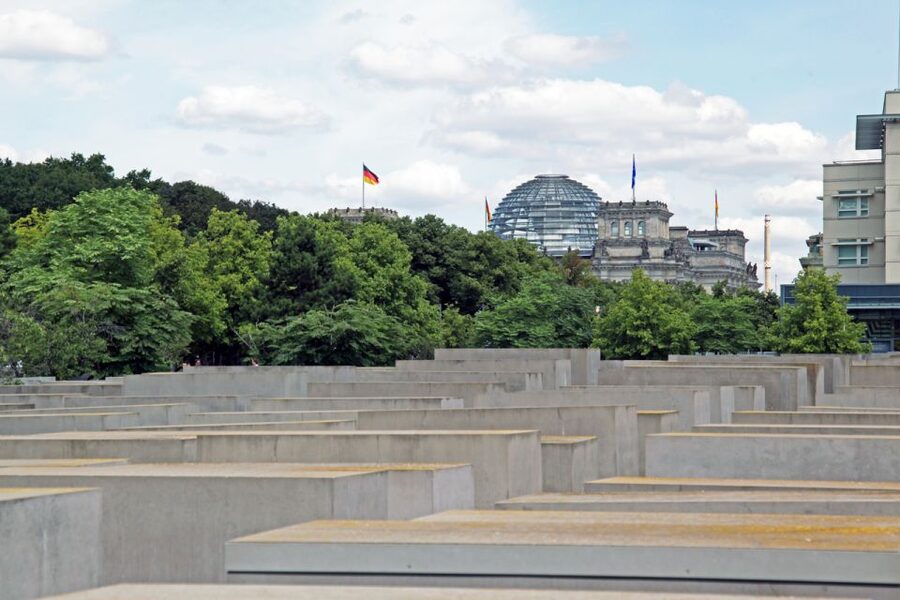
The tour also looks at Joseph Goebbels and the propaganda system. This is important because Nazi power did not rely only on police and prisons. It also depended on speeches, newspapers, images, public ceremonies, and repeated political messages.
You will hear how propaganda helped shape public opinion and supported persecution. The discussion then connects to the T4 program, the organized killing of disabled people, and the Holocaust. These subjects are not treated as separate horrors floating in the past. The route shows how discrimination, state power, propaganda, and violence fed into one another.
The Jewish Quarter section adds an everyday human frame. You learn about Jewish life before the destruction, the persecution that followed, and the way Berlin now remembers it. This helps prevent the city’s Jewish history from being reduced to dates and victim totals. It also explains why memorials and empty spaces matter in a city where so much of the original fabric has gone.
Memorials in and around the Tiergarten
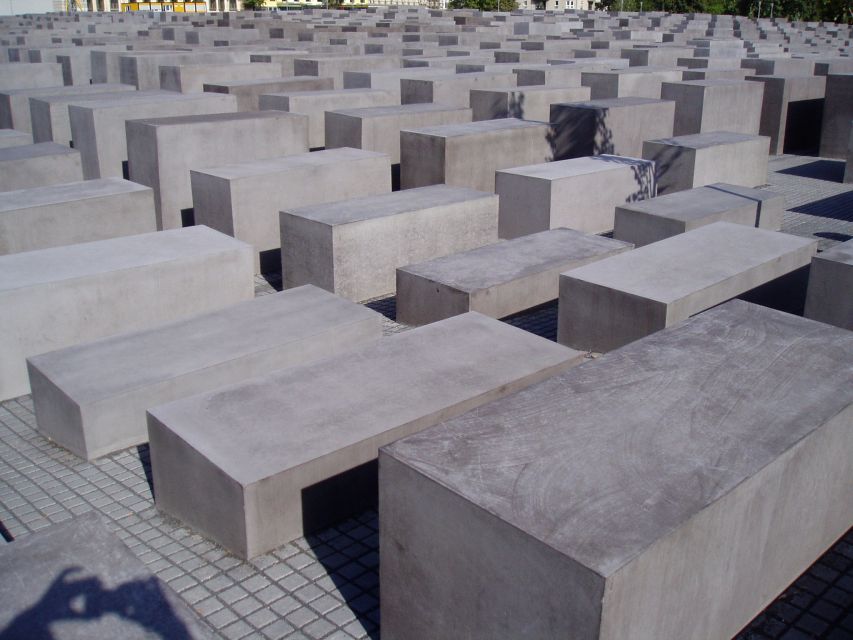
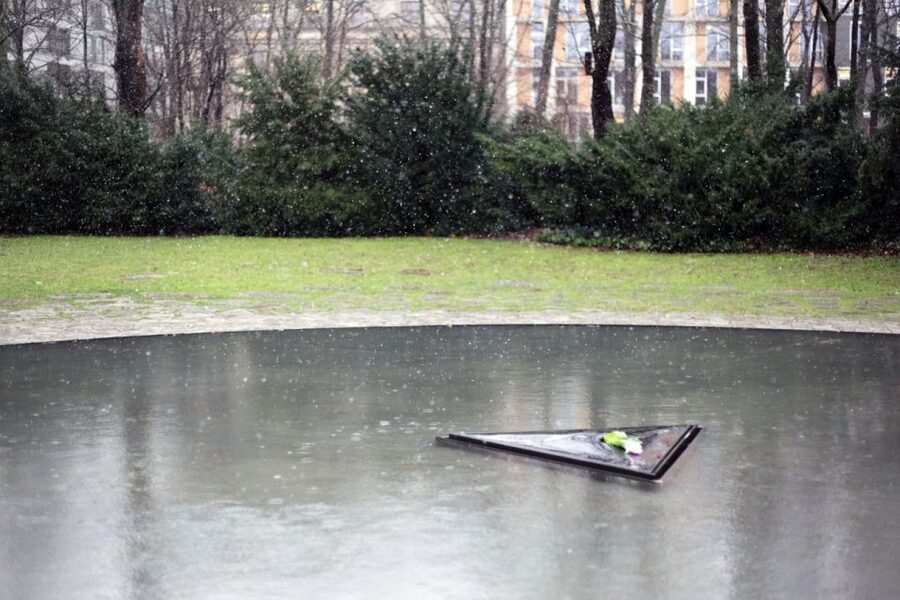
As the route moves toward the Tiergarten, Berlin’s large central park, the focus shifts from Nazi power to memory. You visit the Memorial to the Sinti and Roma Victims of National Socialism, which marks a group targeted for persecution and murder under the Nazi regime.
You also see the memorial for 96 politicians arrested by the Nazis as they seized power in 1933. This stop is especially useful because it shows how quickly democratic opposition was attacked at the beginning of the dictatorship. It places the later crimes in a political sequence rather than presenting them as something that appeared without warning.
These are not just add-on monuments. They widen the story beyond Hitler, Göring, Goebbels, and the military command. If you already know the main Nazi timeline, these memorials may be among the most valuable parts of the walk because they point to victims and opponents who receive less attention on standard city tours.
The Reichstag and the final battle for Berlin
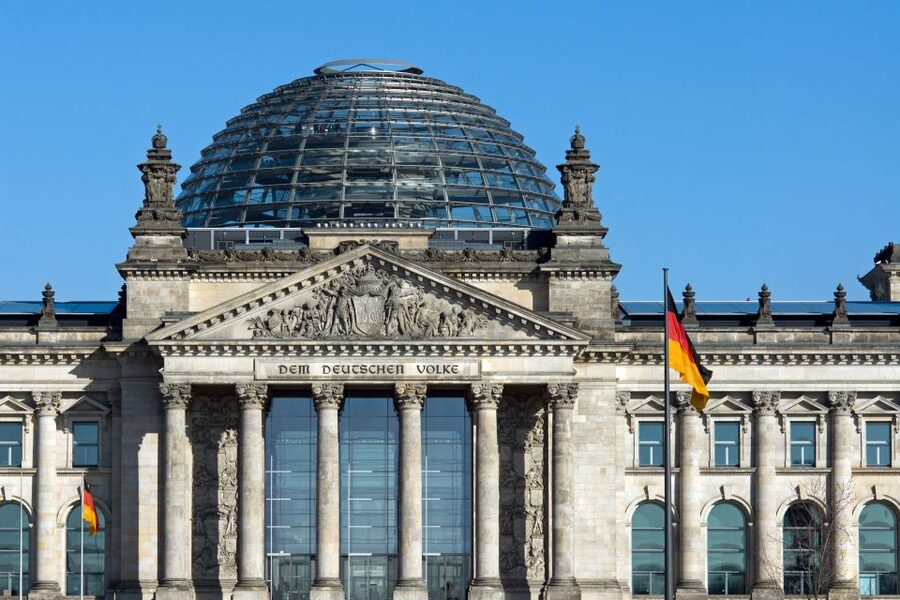
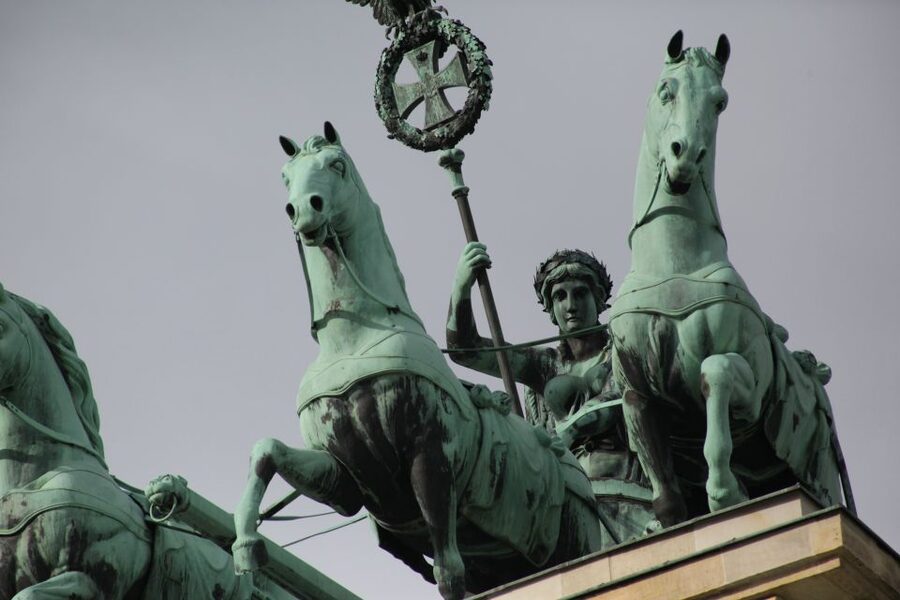
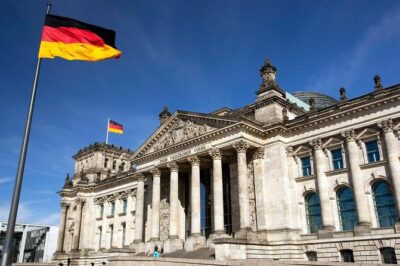
The tour ends at the Reichstag, Germany’s parliament building. Your guide explains Hitler and Albert Speer’s plan to rebuild Berlin as Germania, an imperial capital designed to express world power.
The plan never became reality. Instead, the Reichstag became one of the key targets in the Battle of Berlin. Soviet soldiers fought toward the building under anti-aircraft fire while Hitler was in his bunker less than a mile away, preparing to take his own life.
Standing outside the Reichstag gives the tour a strong closing point. You have followed the rise of the regime, its repression, its crimes, and its defeat. The contrast between the building’s symbolic role under the Nazis and its role as the seat of modern German democracy gives the final stop real weight.
Again, you do not enter the Reichstag on this activity. If you want to visit the dome or interior, book that separately and check its own arrangements.
What makes the guides important
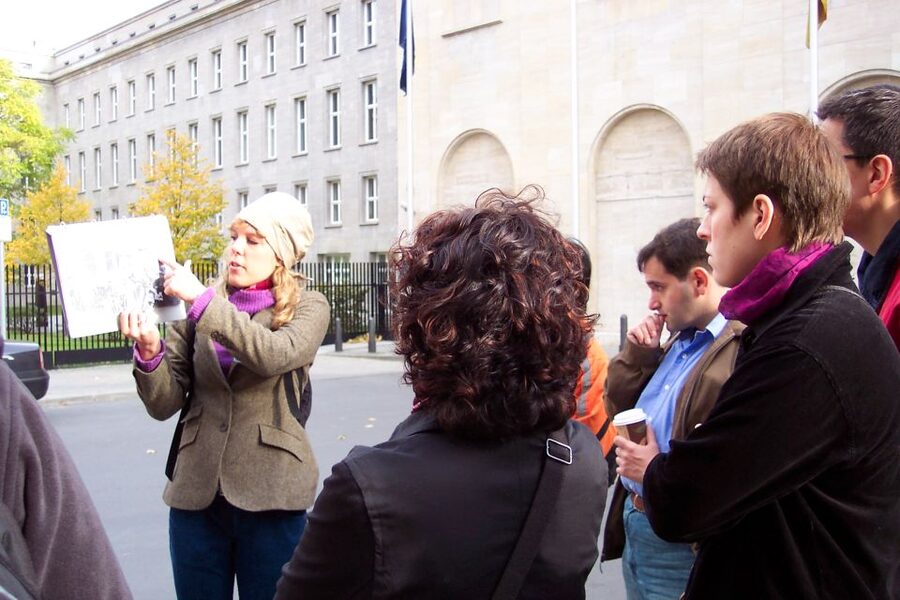
The guide is the main reason to choose this experience. Berlin’s sites do not always explain themselves, and some of the most important locations are marked by little more than a plaque or a modern building.
The strongest guide qualities here are clear explanation, enthusiasm, and a sense of proportion. Past guides named Glen, Jonathan N, Jimmy, Artie, Rohan, Emma, Amelie, Quincy, Peter, Jasper, and Steve have been praised for different strengths. Some bring humor to a difficult subject. Others use personal knowledge of Berlin, maps, photographs, or lived experience to explain how the city changed.
I would not expect every departure to feel identical, since the guide varies. Still, the consistently high rating of 4.8 from 476 ratings points to a reliable standard. Small groups can make the experience easier, and one group was reported at nine people. Private groups are also available if you want more control over the pace and questions.
Native-level English is offered, along with German. The activity information lists live guides in both languages. If you book an English tour, expect the subject to be explained in clear spoken English, but remember that accents and presentation styles can vary by guide.
Is four hours the right length?
Four hours gives the route room to cover the Nazi period, World War II, the Holocaust, memorial culture, and the Battle of Berlin. Several people have found that the time passes quickly because the route keeps moving and the guide breaks up the history with stories and questions.
The length also creates the main physical challenge. You will spend much of the tour outside, and the activity runs in all weather. Rain, cold, heat, or a public holiday will not cancel the walk simply because conditions are inconvenient.
Wear comfortable shoes and bring weather protection. One guide was praised for carrying spare umbrellas, but you should not count on that. There is a stop or pause in the middle, which helps, yet this is still a serious walking tour rather than a bus excursion.
Is $23 good value?
At $23 per person, this is good value if you want a broad introduction to Berlin’s Nazi history. You receive four hours with a live guide and cover a large area that would be difficult to connect on your own.
The price does not include the AB public transport ticket needed for the metro portion. That is a small extra cost, but it is worth knowing before you arrive. You also do not get building admission, so budget separately if you want to visit the Topography of Terror Museum or the Reichstag.
The value comes from the explanation and route design. You are paying for context, not entry tickets. If you already have strong knowledge of Nazi Berlin and prefer to read at your own pace, a self-guided day may suit you better. For most first-time visitors, the cost is modest for a four-hour orientation.
Who should book this Berlin walk?
I would choose this tour if you want to connect Berlin’s major Nazi sites in one half-day and prefer a guide who can answer questions as you go. It suits adults, history-minded families, and teenagers who can handle a serious subject. One family found that even three teenagers stayed interested, which says something about the guide-led format.
It is also a good choice if you have visited Berlin before. The route includes places that are easy to miss, including the Sinti and Roma memorial, the politicians’ memorial, and the former government buildings.
I would think twice if you dislike outdoor walking, need frequent indoor stops, or want to enter historic buildings. The tour is not a museum visit, and the subject includes murder, persecution, and genocide. It should be approached with attention and respect, not as light sightseeing.
Free cancellation is available up to 24 hours before the tour, and you can reserve now and pay later. The meeting point changes according to the option booked, so check your confirmation carefully.
Final verdict: a strong choice for serious Berlin history
Book this tour if you want Berlin’s Nazi past explained as a connected story rather than a string of isolated landmarks. The route covers Hitler’s bunker site, the former Nazi government district, the Gestapo and SS area, memorials to victims and opponents, and the Reichstag’s role in the final battle.
The strongest reasons to go are the guides, the wide route, and the lesser-known memorials. The main limits are the outdoor format, the extra public transport ticket, and the fact that buildings are not entered. At $23, it offers a lot of historical ground for a modest price. Bring good shoes, dress for the weather, and allow yourself time afterward to think about what you have seen.
FAQ
How long does the tour last?
The tour lasts four hours.
What languages are available?
Live tours are offered in English and German.
Does the tour enter the buildings?
No. The tour does not include entry into buildings.
Is public transport included?
No. You need a single AB public transport ticket if the metro ride is required for your booked option.
Does the tour run in bad weather?
Yes. The tour runs in all weather and on public holidays.
Can I book a private group?
Yes. A private group option is available.
Where does the tour meet?
The meeting point varies according to the option you book. Check the details for your selected departure.
Can I cancel for a refund?
Yes. You can cancel up to 24 hours in advance for a full refund.
Newest Berlin reviews
- Where It All Began: Berlin’s Queer & Trans History Tour★ 4.9 · 6 reviews
- Understanding Kreuzberg: The roots of local (sub)culture★ 4.9 · 11 reviews
- Berlin: guided canoe | kayaktour★ 4.1 · 7 reviews
- Private Potsdam City Tour in an authentic vintage van★ 5.0 · 14 reviews
- Warnemünde Shore Excursion: Private Sachsenhausen and Berlin Tour★ 5.0 · 12 reviews
- Ultimate E-Bike Tour of Berlin with Beer Garden Stop★ 5.0 · 4 reviews
- In the Forbidden City – Potsdam Walking Tour★ 5.0 · 17 reviews
- Private Walking Tour of Potsdam and Sanssouci★ 5.0 · 24 reviews
Berlin Third Reich Tours, compared.

Berlin’s Best: 2 Hour Walking Tour Third Reich and the Cold War
Read our review →
Third Reich Berlin: Hitler and WWII Walking Tour
Read our review →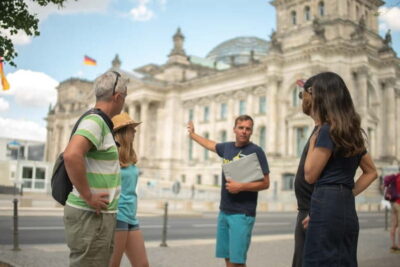
Berlin Third Reich Sites: Half-Day Walking Tour
Read our review →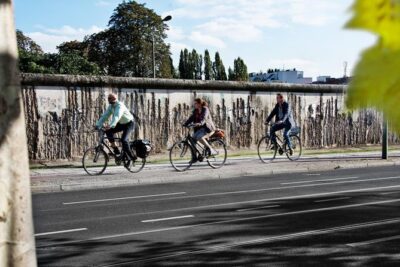
Guided Bike Tour of the Berlin Wall and Third Reich
Read our review →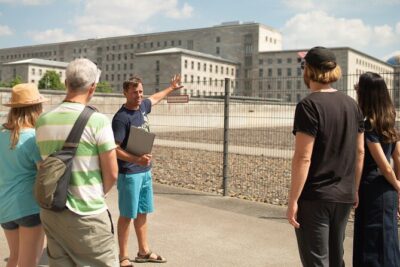
Private Walking Tour Berlin Third Reich Hitler and World War II
Read our review →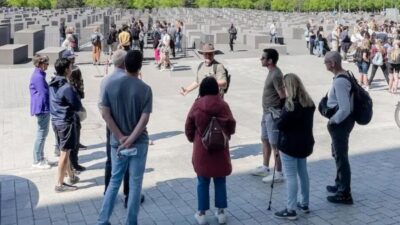
Hitler’s Berlin The Rise & Fall Guided Walking Tour
Read our review →Browse the lists this tour appears in