
Reviewed · BERLIN COLD WAR TOURS
East Berlin Food & History Tour with Eating Europe
East Berlin’s past makes more sense when you taste what came after it. This three-hour walk links former communist districts, Wall art, club zones, and immigrant-run food stops, from station currywurst to Syrian dishes and Vietnamese tacos.
I like the food with a backstory, especially the family supper-club stop and the way Turkish, Syrian, Vietnamese, and German flavors meet on one route. I also like the guides’ personal touch. Clara has been praised for connecting each dish with the people who brought it to Berlin, while Anastasia has added sharp historical detail.
The main catch is the pace and footing. You need to walk for three hours, wear flat shoes, and manage stairs and station access. The route is not suitable for wheelchair users or people with mobility impairments, and the exact food stops can change by day or season.
Key points to know before booking
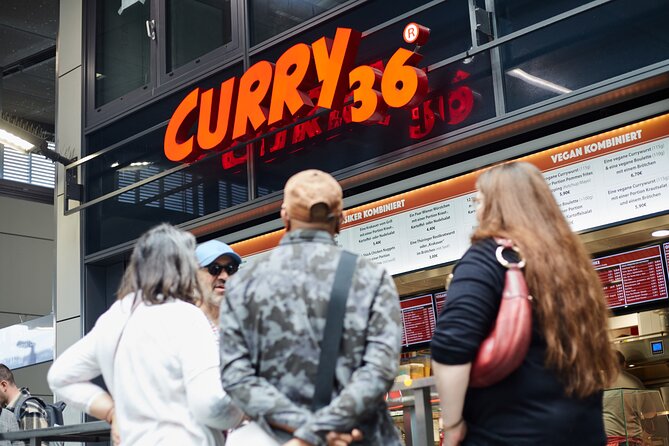
- Currywurst at a train station gives you a classic Berlin snack in an everyday setting rather than a polished restaurant.
- Syrian metabal and craft beer bring family stories and modern Berlin food culture into the route.
- Vietnamese chicken tacos show how local cooks are reshaping familiar Berlin street food.
- Döner, shawarma, and Turkish sweets connect Berlin’s food identity with its large Turkish-German community.
- Wall art, former communist districts, and club zones turn the walk into a compact lesson in roughly 80 years of change.
- Three hours and $104 per person make this a food-led introduction to East Berlin, but the value depends on how much you want from the history as well as the tastings.
Why food is the right way into East Berlin
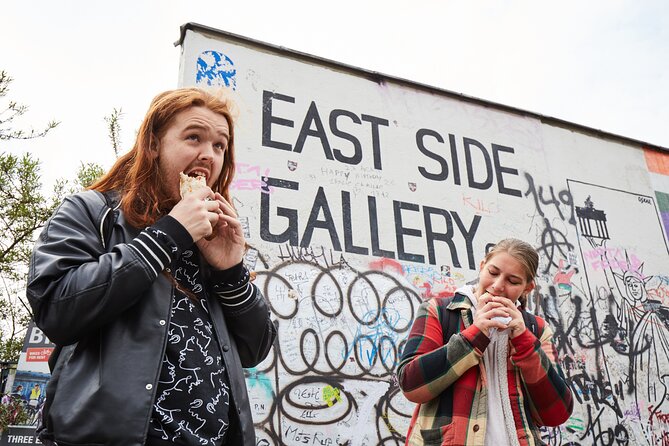
This is not simply a snack crawl with a few dates attached. The route uses food to explain how East Berlin changed from a controlled communist district into one of Berlin’s most mixed and creative areas.
You move through places shaped by postwar division, the Berlin Wall, migration, reunification, and the growth of nightlife. The food helps make those large subjects easier to grasp. Currywurst tells one part of the Berlin story. Döner and shawarma tell another. Syrian dishes, Vietnamese cooking, and Turkish sweets show how communities have added their own flavors to the city.
I like that the experience does not treat immigrant food as a side note. It puts those contributions at the center of Berlin’s modern identity. That gives the tour more weight than a standard sightseeing walk, while still keeping the mood relaxed and appetizing.
The English-speaking guide is a key part of the experience. Clara has received especially warm praise for explaining both local food and the personal stories behind the places you visit. Anastasia has also been singled out for adding strong historical detail. Guides can make this kind of route feel either like a friendly neighborhood walk or a rushed list of facts, so their role matters.
More Cold War tours in Berlin:
- Berlin: Third Reich and Cold War 2 Hour Walking Tour
★ 4.9 · 6,830 reviews - Berlin’s Best: 2 Hour Walking Tour Third Reich and the Cold War
★ 5.0 · 5,486 reviews - Skip-the-Line: Berlin Wall Museum at Checkpoint Charlie
★ 4.1 · 2,041 reviews
Starting at the station with Berlin’s favorite fast food
The meeting point is inside the main station hall. Walk toward McDonald’s, continue to track 8, and take the escalator down to the platform. The guide waits in front of the bakery and carries a purple Eating Europe bag.
That detail is useful because major stations can be confusing, especially if you arrive with luggage or only a few spare minutes. Give yourself enough time to find the lower platform. You do not want to begin the tour by racing through the station.
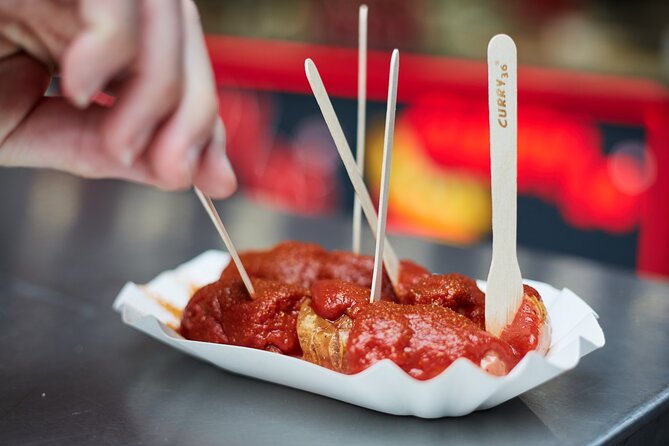
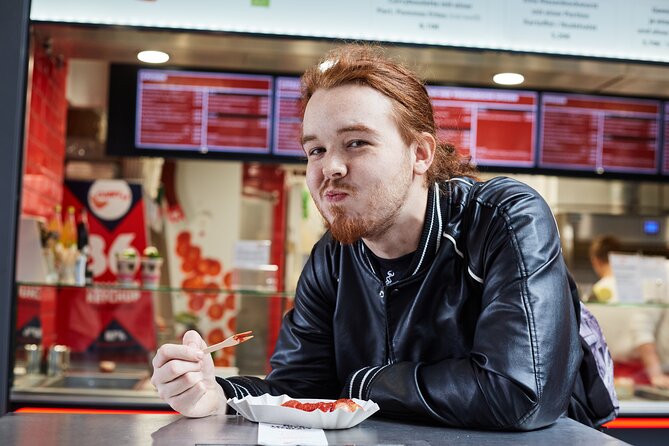
The first major bite is currywurst, served at a train station. Berlin’s famous combination of sausage, curry-spiced sauce, and fast service is simple, but it is part of the city’s everyday character. Having it in a station setting fits the dish better than presenting it as a formal tasting.
This stop also sets the tone. You are not being shown only grand monuments or carefully preserved historic interiors. You are seeing how people eat between trains, errands, work, and nights out. The drawback is that station food is not meant to be a long sit-down meal, so expect a practical snack rather than a leisurely restaurant course.
Syrian flavors, family stories, and metabal
The Syrian portion adds a different kind of food experience. You taste metabal, a dip made with smoked aubergine, tahini, and garlic, with bread or another accompaniment as provided at the stop. The smoky aubergine and sesame-based tahini give it a fuller taste than a plain vegetable dip.
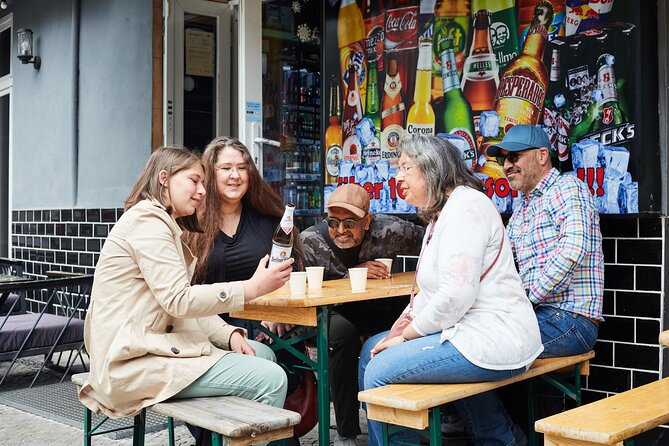
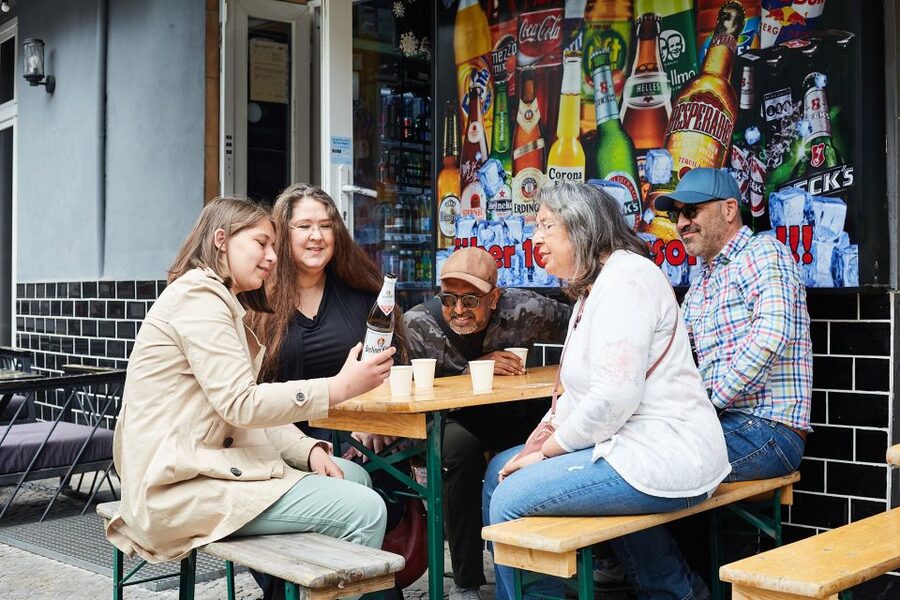
This stop is connected with a family supper club, craft beer, and stories. That combination is important. You are not only sampling a dish from Syria; you are hearing how a family and its food fit into present-day Berlin.
I like this part because it shows migration through a personal lens. Big subjects such as displacement and integration can feel distant when explained only through dates and political terms. A family-run food setting brings those subjects closer to daily life.
You also receive local craft beer, Club-Mate, and water during the tour. Club-Mate is a sparkling tea drink with a distinct place in Berlin’s alternative and club culture. It is a small but useful touch because it gives you something associated with the city beyond its best-known foods.
Keep in mind that extra drinks are not included. The listed refreshments cover the planned tastings, craft beer, Club-Mate, and water, but you should budget separately if you want more to drink.
Reading Berlin’s past on the walk
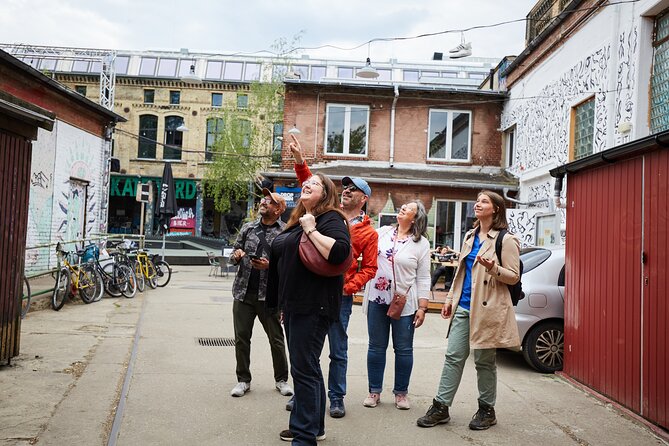
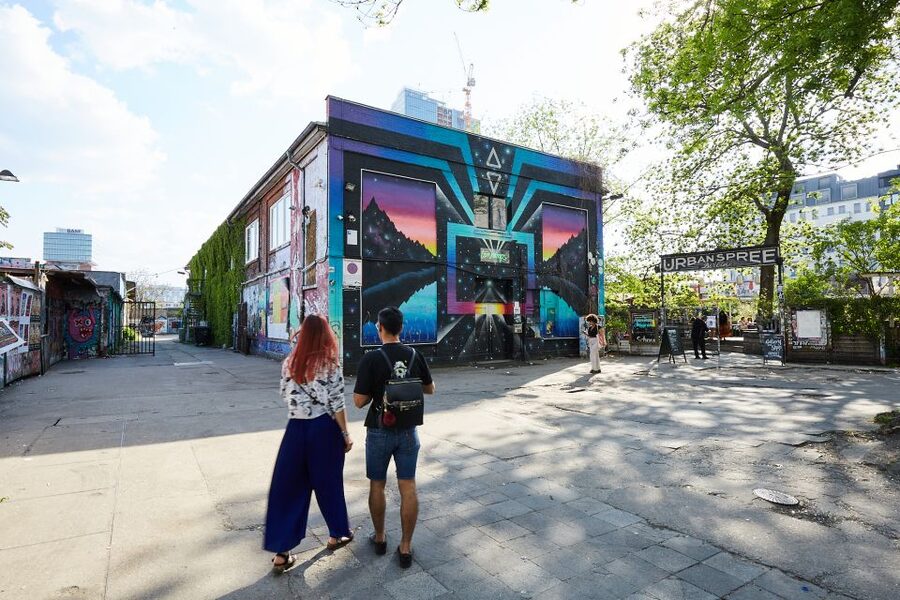
Between food stops, the guide covers about 80 years of Berlin history. Expect references to the communist period, the Berlin Wall, street art, and the club zones that helped shape the city after reunification.
The value here is the connection between places and change. You are not sitting through a long lecture before the food begins. Instead, history appears in short sections as you move through East Berlin. A wall image, a former dividing line, or a club district can prompt a quick explanation of what changed and why the area looks different today.
This format suits you if you like history in manageable pieces. It may not satisfy you if you want a detailed museum-style account of every political event. The tour has only three hours, and food naturally takes up part of that time.
Still, the route gives a useful first look at how East Berlin developed. Several guide comments in the feedback point to this balance as a strength, especially for people visiting Berlin for the first time. It can also work for repeat visitors. One person who had already visited Berlin several times found new places and fresh ideas on the route.
More food tours in Berlin:
- Berlin Center Food Tour with 8+ Authentic Local Tastings
★ 5.0 · 1,227 reviews - Kreuzberg: Culinary Food Tour
★ 4.5 · 770 reviews - Berlin: Mitte Culinary Food Tour
★ 4.5 · 447 reviews - Berlin: 3-Hour Secret Food Tour
★ 4.8 · 269 reviews
Vietnamese chicken tacos with a Berlin twist
The Vietnamese chicken tacos are one of the more unusual tastings. They combine Vietnamese flavors with local Berlin influences, creating a food that does not fit neatly into one national category.
That fusion is a good match for the tour’s main idea. Berlin’s food culture is not a fixed collection of traditional dishes. It keeps changing as cooks adapt recipes, respond to local tastes, and combine influences from different communities.
You should think of this as a tasting portion, not a full meal on its own. The tour includes several savory stops, but portions are designed to let you try many foods within a short walk. If you arrive very hungry, having a small snack beforehand may be sensible, though eating too much could make the later tastings less enjoyable.
The exact offering can vary by day or season. The advertised selection includes Vietnamese chicken tacos, but the company notes that stops and dishes may change. That flexibility can help the route respond to opening hours and seasonal availability, but you should not book expecting every bite to appear in precisely the same form.
Döner, shawarma, and the Turkish-German story
Döner is one of Berlin’s defining foods, and this tour gives it proper attention. You receive either a döner kebab or shawarma wrap, depending on the day and stop.
The significance goes beyond a convenient lunch. Turkish-German food has become part of ordinary Berlin life, and the döner is one of its clearest symbols. Eating it on a neighborhood route helps you understand how a food associated with one community became a citywide staple.
The shawarma option also shows how similar street-food traditions from different places now sit side by side in Berlin. Your guide can explain the food and its local setting, while the meal itself keeps the subject grounded.
The final sweet Turkish treat gives the route a gentler finish. The included mixed caramelised nuts add another texture and a little sweetness without turning the tour into a dessert crawl. Since the precise sweet is not specified, do not plan around a particular pastry or confection.
What the $104 price really covers
At $104 per person, this is not a cheap way to grab lunch. You are paying for several tastings, an English-speaking guide, local context, and the convenience of linking multiple food communities in one organized walk.
The price makes more sense if you value the story as much as the food. A self-guided day could cost less, especially if you bought individual snacks. But you would need to research the stops, find the right places, understand the historical connections, and fit everything into a three-hour route.
I see the strongest value for a first visit to Berlin, when you want a quick orientation to East Berlin and its food culture. It can also suit repeat visitors who have already seen major sights and want a less formal look at the city.
The value is weaker if you want large portions or a sit-down meal. This is a succession of tastings while walking, not a full lunch in one restaurant. Extra drinks also cost more, and the route’s changing stops mean you should focus on the type of experience rather than a fixed menu.
Who will enjoy the route most

This tour suits curious eaters who want food tied to place and people. It is especially useful for first-time visitors who want history without spending the whole afternoon indoors.
You will probably enjoy it if you like:
- Trying several small portions rather than ordering one meal
- Learning how migration shaped Berlin’s food
- Walking through districts while hearing short historical explanations
- Sampling familiar foods such as currywurst and döner alongside less expected choices
- Asking guides about local food, neighborhoods, and Berlin life
It is less suitable if you have difficulty walking or using stairs. The experience is specifically not suitable for wheelchair users or people with mobility impairments. Flat shoes are essential.
Vegetarian and gluten-free needs may be accommodated if you email ahead or add a note when booking. The company says it will do its best, but severe or life-threatening allergies are not suitable for this experience because responsibility for food allergies and intolerances cannot be accepted.
Children under four can join without a ticket, but no food is included for them. Children aged four and older need a paid ticket if they are to receive the included tastings.
Practical timing and booking advice
The tour lasts three hours, and starting times vary by date. Check availability before planning other activities around it. Because the route combines food stops with walking and city history, leave some breathing room afterward rather than scheduling a major attraction immediately at the finish.
The meeting point can be reached inside the station, but finding track 8 and the lower platform may take a few minutes. Look for the purple Eating Europe bag near the bakery.
The tour requires at least two people. If that minimum is not reached, the company contacts you about rescheduling or reimbursement. You can also cancel up to 24 hours before the start for a full refund, and the reserve-now, pay-later option helps if your schedule is still shifting.
Should you book the East Berlin Food and History Tour?
Book it if you want Berlin explained through everyday food, migration, and neighborhood change. The strongest parts are the mix of currywurst, Syrian metabal, Vietnamese tacos, döner, and Turkish flavors, plus guides such as Clara and Anastasia who connect the dishes to real places and personal stories.
I would choose it early in a Berlin visit, when the route can help you understand the city before exploring on your own. I would skip it if you need wheelchair access, dislike walking, want a single substantial meal, or require a guaranteed fixed menu.
For most able-bodied food lovers, the $104 cost is reasonable when you count the guide, tastings, and compact history lesson. Just arrive ready to walk, keep an open mind about the changing stops, and treat the experience as a guided introduction to East Berlin rather than a conventional restaurant tour.
FAQ
How long does the East Berlin Food and History Tour last?
The tour lasts three hours.
What language is the tour conducted in?
The tour is conducted in English with a live English-speaking guide.
Where is the meeting point?
Enter the main station hall, walk toward McDonald’s, continue to track 8, and take the escalator down. Meet in front of the bakery on the platform. The guide will carry a purple Eating Europe bag.
What food and drinks are included?
Included tastings are a döner kebab or shawarma wrap, metabal, Vietnamese chicken tacos, currywurst, and mixed caramelised nuts. Drinks include Club-Mate, local craft beer, and water.
Can dietary requirements be accommodated?
You can email the company or add a note at booking for vegetarian, gluten-free, or other dietary needs. Requests are handled where possible, but the experience is not suitable for severe or life-threatening food allergies.
Is the tour suitable for wheelchair users?
No. The activity is not suitable for wheelchair users or people with mobility impairments. Flat shoes are recommended because the experience involves walking.
More history tours in Berlin
- Berlin: Natural History Museum Entrance Ticket
★ 4.6 · 3,382 reviews - Berlin: World Heritage Cruise to Potsdam
★ 4.5 · 1,435 reviews - Berlin Historical Highlights Walking Tour
★ 4.9 · 657 reviews - Berlin Private Complete History All Day Walking Tour
★ 5.0 · 474 reviews
Newest Berlin reviews
- Where It All Began: Berlin’s Queer & Trans History Tour★ 4.9 · 6 reviews
- Understanding Kreuzberg: The roots of local (sub)culture★ 4.9 · 11 reviews
- Berlin: guided canoe | kayaktour★ 4.1 · 7 reviews
- Private Potsdam City Tour in an authentic vintage van★ 5.0 · 14 reviews
- Warnemünde Shore Excursion: Private Sachsenhausen and Berlin Tour★ 5.0 · 12 reviews
- Ultimate E-Bike Tour of Berlin with Beer Garden Stop★ 5.0 · 4 reviews
- In the Forbidden City – Potsdam Walking Tour★ 5.0 · 17 reviews
- Private Walking Tour of Potsdam and Sanssouci★ 5.0 · 24 reviews
Berlin Cold War Tours, compared.

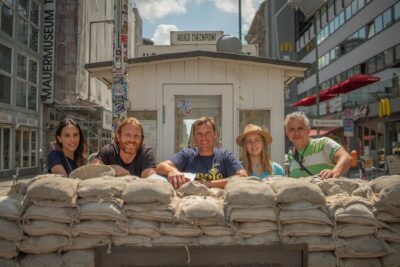
Berlin’s Best: 2 Hour Walking Tour Third Reich and the Cold War
Read our review →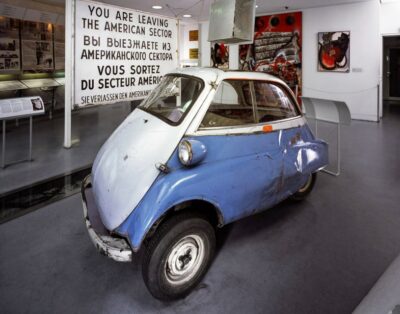
Skip-the-Line: Berlin Wall Museum at Checkpoint Charlie
Read our review →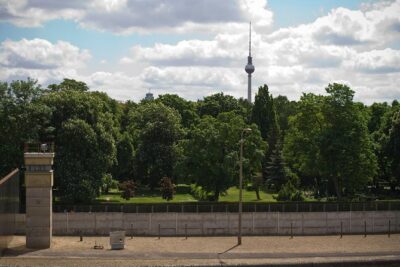
Cold War, Berlin Wall, Spies and the East Side Gallery
Read our review →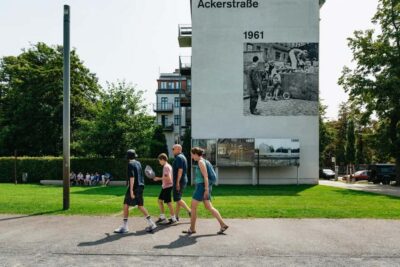

Listening Station Teufelsberg Tour with Transfer
Read our review →Browse the lists this tour appears in