
Reviewed · BERLIN COLD WAR TOURS
Cold War Berlin – Private Live Virtual Experience
Berlin’s Cold War story comes into focus through places that still carry the marks of conflict. In about an hour, you move from the bullet-scarred Gropius Bau to the Berlin Wall, East Germany’s famous Trabant cars, and Checkpoint Charlie, all from your sofa.
I like the private format, since only your group takes part, and I like the chance to ask questions as the guide works through the story. Guides Taylor and Sam have both been praised for clear, engaging presentations. The trade-off is simple: you see these places live on screen, but you do not walk Berlin’s streets or enter every site in person.
Key points at a glance
- A private Zoom tour: Your household or group joins its own live session rather than a large public departure.
- Four sharply different stops: See Gropius Bau, the Topography of Terror, the Trabi Museum, and Checkpoint Charlie.
- Cold War history with wider context: The route also touches on Nazi Germany, the Berlin Wall, and the 1961 tank standoff.
- Live questions matter: You can speak with your guide during the tour instead of watching a fixed recording.
- A one-hour Sunday evening option: The timing suits a relaxed night at home, especially when international travel is not practical.
- Good value for a private group: At $23, the price can work well when shared by several people, though the virtual format will not replace an in-person visit.
Berlin history from your sofa
This is not a museum film or a prerecorded city walk. You connect through Zoom with your own group and a local guide, then follow a live route through several key Berlin sites.
That live element is the heart of the experience. You can ask about a building, a border crossing, or a detail that catches your attention. If you are watching with family or friends, the format gives you a chance to discuss the material as it unfolds rather than sitting through a fixed presentation.
The tour lasts about one hour, so it keeps its focus. Berlin’s twentieth-century history can fill days, but this route gives you a useful introduction to the Cold War through physical landmarks. It also shows how the city’s Nazi past and postwar division overlap in the same central streets.
The private setup is useful for households, couples, school groups, or friends in different places. You do not have to keep pace with strangers, and the guide can respond to your questions. At the same time, you should expect the limits of a virtual tour. You will not feel the scale of the Berlin Wall in person, and you will not be able to wander inside a museum at your own speed.
More Cold War tours in Berlin:
- Berlin: Third Reich and Cold War 2 Hour Walking Tour
★ 4.9 · 6,830 reviews - Berlin’s Best: 2 Hour Walking Tour Third Reich and the Cold War
★ 5.0 · 5,486 reviews - Skip-the-Line: Berlin Wall Museum at Checkpoint Charlie
★ 4.1 · 2,041 reviews
Gropius Bau and the marks left by war
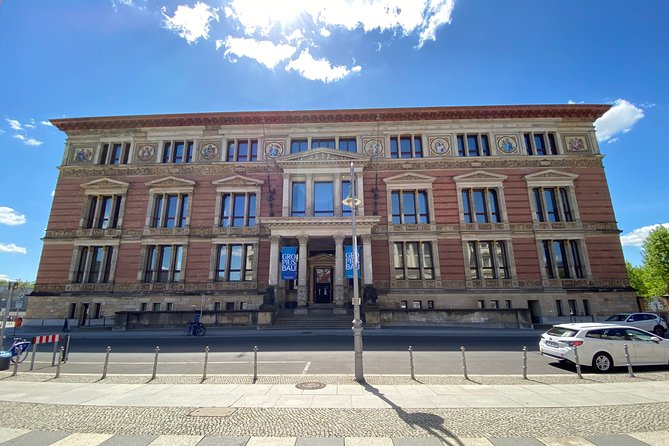
The first stop is Gropius Bau, one of Berlin’s leading art galleries. The building still carries bullet scars from the Second World War, giving the opening stop a direct physical link to the city’s violent past.
That makes it a smart starting point. Before the tour reaches the Cold War itself, you see how Berlin was already damaged and divided by the earlier conflict. A building that now serves the arts also preserves evidence of the war that shaped everything afterward.
The stop lasts about five minutes. That is enough time for the guide to point out the building and explain its place in the city, but not enough for a full art-gallery visit. Admission is not included, and this experience does not function as a ticketed visit to the gallery. You are seeing and discussing the site through the live online tour.
I like this short introduction because it avoids treating the Cold War as an isolated chapter. You get a quick reminder that the division of Berlin grew out of the ruins of the Second World War.
The Topography of Terror and the Berlin Wall
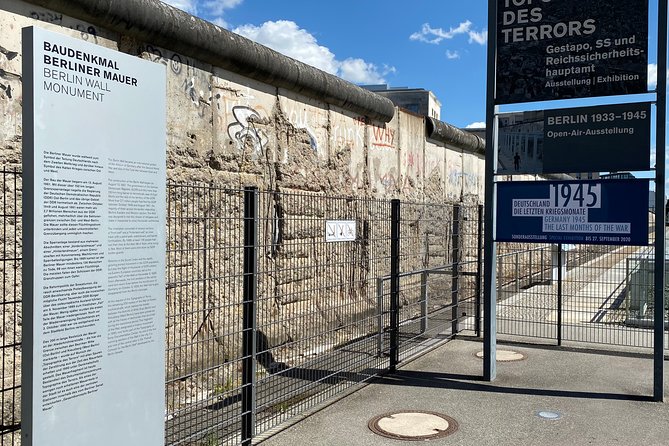
The longest part of the tour takes place around the Topography of Terror, the former headquarters of the SS and Gestapo. This is the darkest stop on the route, and the guide connects the crimes associated with Nazi Germany to the later division of the city.
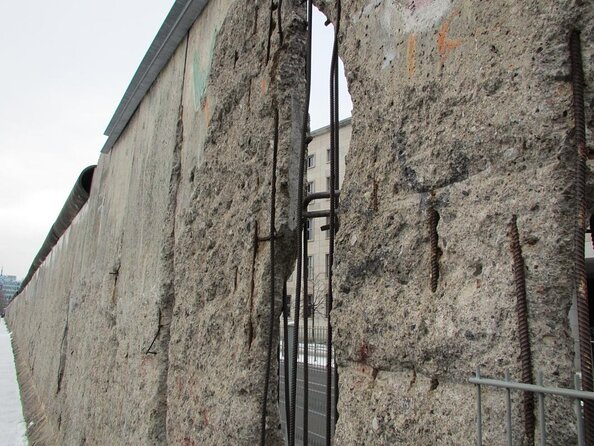
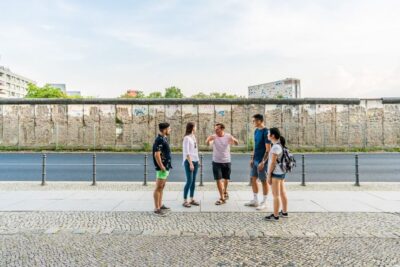
From there, the tour follows the Berlin Wall, described as one of the most brutal symbols of the Cold War. That pairing gives the hour some weight. You are not simply looking at famous photo stops. You are seeing how the same part of Berlin reflects two different systems of repression, first under the Nazi regime and later through the wall that split families, neighborhoods, and a country.
The stop lasts about 15 minutes. Admission to the Topography of Terror is listed as free, but this virtual experience does not turn into an independent museum visit. The value here is the guide’s explanation and the chance to ask questions while the site is on screen.
For me, this is the most important part of the route. Checkpoint Charlie is the famous name, but the Berlin Wall itself explains the human cost of the Cold War more clearly. If you know little about Berlin, pay close attention here. The guide’s live answers can help connect dates and political events with what remains visible in the city.
The subject is serious, so this is not a light sightseeing hour. That is appropriate, but families should decide if the Nazi and Cold War material suits everyone watching. The tour gives you historical context, not a polished entertainment show.
Trabants, East Germany’s cardboard car
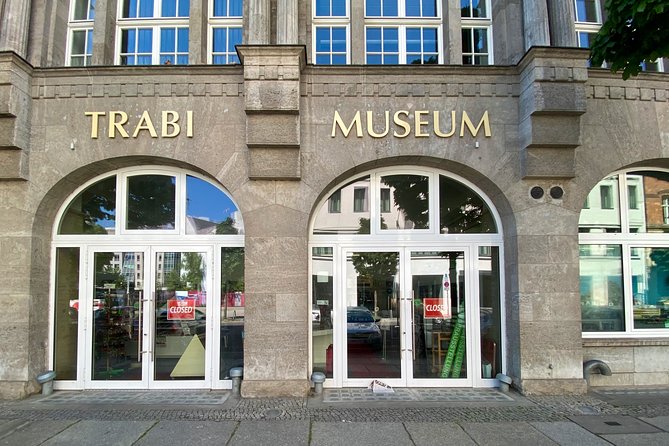
Next comes the Trabi Museum, home to a fleet of Trabants. The Trabant was East Germany’s mass-produced car, often nicknamed the cardboard car because of its unusual body material.
The car is a useful way to make daily life in East Germany easier to picture. Political history can feel distant when it is told only through leaders and military standoffs. A small, familiar object such as a family car shows another side of the divided country: what people drove, how ordinary life looked, and why the Trabant became such a recognizable symbol.
This stop takes about five minutes. It is brief, but the change of subject helps the hour breathe. After the heavy material at the Topography of Terror and the Berlin Wall, the Trabants bring the discussion down to the level of everyday life.
Admission is not included. As with Gropius Bau, you are not receiving entry to the museum as part of the Zoom session. You are seeing the collection with your guide and hearing why these cars matter.
I would not book this tour solely for the Trabi Museum, since the online view is necessarily shorter than an in-person museum visit. Still, it is a memorable stop and one of the more distinctive details in the route. You get more than a standard checkpoint story.
Other Berlin experiences to weigh up
- Berlin: Private Reichstag and Glass Dome Tour
★ 4.8 · 2,226 reviews - Berlin Private Complete History All Day Walking Tour
★ 5.0 · 474 reviews - Private Walking Tour Berlin Third Reich Hitler and World War II
★ 5.0 · 360 reviews - Private Berlin: Iconic Sights and Hidden Gems Walking Tour
★ 5.0 · 292 reviews
Checkpoint Charlie and the 1961 tank standoff
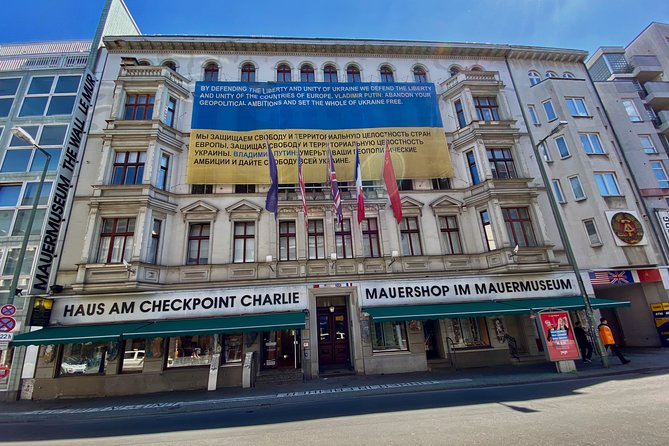
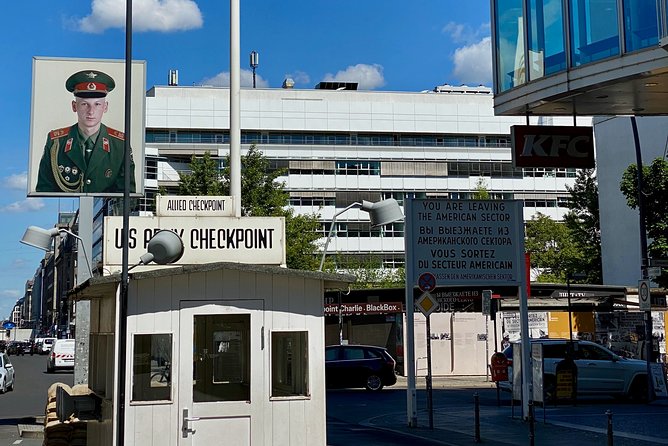
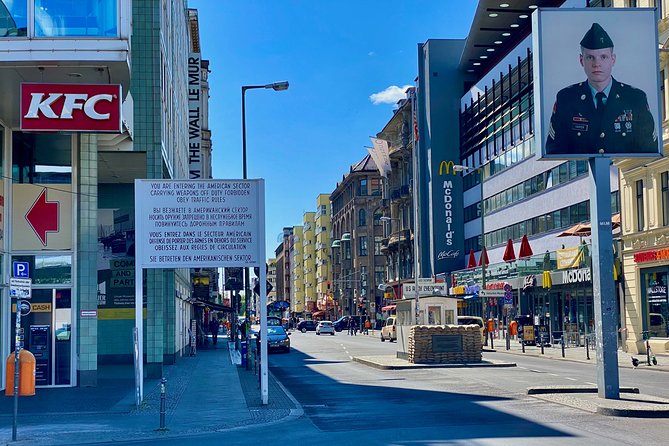
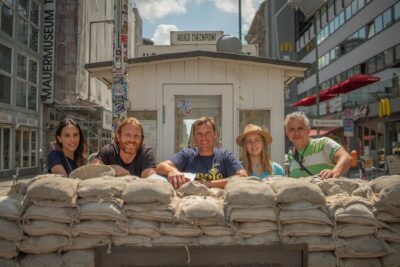
The final major stop is Checkpoint Charlie, the best-known crossing point through the Berlin Wall. The guide also explains the tank standoff of 1961, when American and Soviet forces faced one another and the world came frighteningly close to a nuclear confrontation.
This is where the Cold War becomes a story of direct international danger. Checkpoint Charlie was not simply a photo opportunity. It was a working border crossing and a place where a local dispute could have triggered a far wider crisis.
The stop lasts about 15 minutes and ends at the Black Box exhibition. Admission to Checkpoint Charlie is listed as free. The online format lets you take in the location without dealing with crowds or city traffic, but it also means you miss the feeling of standing at a former border yourself.
The guide can help put the famous name in context. Checkpoint Charlie often receives more attention than other wall sites because it is easy to recognize, yet its importance depends on understanding what happened there. The tank standoff gives the stop a clear historical focus.
If you have already visited Berlin, this section may work as a refresher. If you are planning a first visit, it can help you decide which sites deserve your time later. The final stop gives the tour a strong ending because it ties together the wall, the superpowers, and the risk of nuclear war.
What the private format changes

A private tour is different from a public online talk. Only your group participates, so you can ask questions without worrying about interrupting a large audience or waiting for a moderator to notice you.
The guide names associated with this experience include Taylor and Sam. Taylor is described as an especially strong guide for this subject, with a clear way of leading the group through the city. Sam is also noted for an engaging presentation that made the session feel like a break from ordinary home life.
Those personal details matter in a virtual setting. On a street tour, Berlin itself supplies much of the energy. Online, the guide has to keep your attention, explain what you are seeing, and make the distance between your screen and the city feel manageable.
You should join ready to participate. Have your questions in mind, especially if you are interested in the wall, the 1961 confrontation, East German daily life, or how the Nazi past connects to later events. The tour is designed for interaction, so it works best when you treat it as a conversation rather than background television.
Is $23 a fair price?
The listed price is $23, and the value depends on how many people join your private session. For one person, it costs more than watching a free historical video. For a household or small group, the price becomes easier to justify, especially if everyone wants the ability to ask questions.
The strongest value is the access to a live local guide. You are paying for interpretation, timing, and conversation, not just pictures of Berlin. The experience can also serve as a useful planning session before a future trip, since it introduces several sites you may want to visit in person.
The price does not include admission to Gropius Bau or the Trabi Museum. That matters less for this online format because you are not using the experience as an entry ticket, but you should not expect museum access to be bundled into the fee.
Group discounts are available, which may improve the deal for a larger household or organized group. The one-hour length also keeps the commitment modest. You can fit it into a Sunday evening without giving up half a day.
Who will enjoy this online Berlin tour?
I would recommend it to you if you want a focused introduction to Berlin’s Cold War story, especially when getting to Germany is not practical. It also suits people who have visited Berlin but want more historical context for places they saw quickly.
The tour works well for:
- Couples or families watching together at home
- Friends joining from different locations
- History students or general readers wanting a guided introduction
- People planning a future Berlin trip
- Anyone who prefers asking questions to watching a recording
It may not suit you if your main goal is physical exploration. A virtual tour cannot reproduce the size of the Berlin Wall, the feel of the streets, or the freedom to stop whenever you wish. It also cannot replace a full museum visit.
The tone is best for people who want serious history with a human guide. The route includes Nazi Germany, the SS and Gestapo headquarters, the wall, and the threat of nuclear war. The Trabant stop adds a lighter look at ordinary life, but the main subject remains difficult and important.
Booking, timing, and cancellation details
You need Zoom downloaded on a device before the experience begins. Confirmation is sent within 48 hours of booking, subject to availability, so do not assume you can book at the last minute and receive an instant session.
The activity begins and ends at the listed Berlin meeting point, which in practice means your online session starts and finishes through the scheduled virtual meeting. Most people can participate, and the activity is private for your group.
Free cancellation is available if you cancel at least 24 hours before the start time. Cancellations made within 24 hours are not refunded, and changes in that period are not accepted. The cut-off follows Berlin local time.
The provider also states that good weather is required. If poor weather cancels the experience, you are offered another date or a full refund. That condition is unusual for an online activity, so check the final booking information and keep some flexibility.
Should you book Cold War Berlin?
Book this experience if you want a short, live introduction to Berlin’s twentieth-century history and value the chance to ask a guide questions. The strongest reasons are the private format, the clear route through four important sites, and the solid guiding reported from Taylor and Sam.
Skip it if you are looking for a substitute for walking Berlin or visiting its museums. You will see the Gropius Bau, Topography of Terror, Trabi Museum, and Checkpoint Charlie through a screen, not explore them at your own pace.
At $23, it makes the most sense when shared with a household or small group. For a Sunday evening at home, it offers a useful hour of history, a look at places you may later visit, and a more personal experience than a standard video. It will not replace Berlin, but it can give you a better reason to go.
FAQ
How long does Cold War Berlin last?
The live virtual experience lasts about one hour.
How does the tour take place?
The experience uses Zoom. You need to download the video-calling software to a device before taking part.
Is this a private tour?
Yes. Only your group participates in the activity.
Which sites are included in the virtual route?
The route includes Gropius Bau, the Topography of Terror, the Trabi Museum, and Checkpoint Charlie. It also ends at the Black Box exhibition.
Are museum admission fees included?
Admission is not included for Gropius Bau or the Trabi Museum. The Topography of Terror and Checkpoint Charlie are listed with free admission.
Can I cancel for a full refund?
Yes, if you cancel at least 24 hours before the experience starts. Cancellations within 24 hours are not refunded, and changes during that period are not accepted.
Newest Berlin reviews
- Where It All Began: Berlin’s Queer & Trans History Tour★ 4.9 · 6 reviews
- Berlin: guided canoe | kayaktour★ 4.1 · 7 reviews
- Understanding Kreuzberg: The roots of local (sub)culture★ 4.9 · 11 reviews
- Private Potsdam City Tour in an authentic vintage van★ 5.0 · 14 reviews
- Warnemünde Shore Excursion: Private Sachsenhausen and Berlin Tour★ 5.0 · 12 reviews
- Ultimate E-Bike Tour of Berlin with Beer Garden Stop★ 5.0 · 4 reviews
- In the Forbidden City – Potsdam Walking Tour★ 5.0 · 17 reviews
- Private Walking Tour of Potsdam and Sanssouci★ 5.0 · 24 reviews
Berlin Cold War Tours, compared.
Berlin’s Best: 2 Hour Walking Tour Third Reich and the Cold War
Read our review →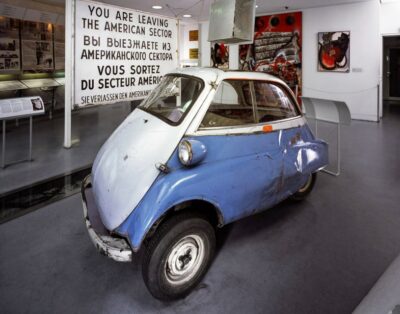
Skip-the-Line: Berlin Wall Museum at Checkpoint Charlie
Read our review →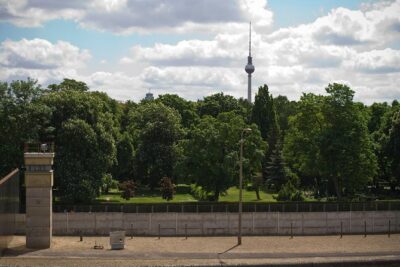
Cold War, Berlin Wall, Spies and the East Side Gallery
Read our review →

Listening Station Teufelsberg Tour with Transfer
Read our review →Browse the lists this tour appears in