
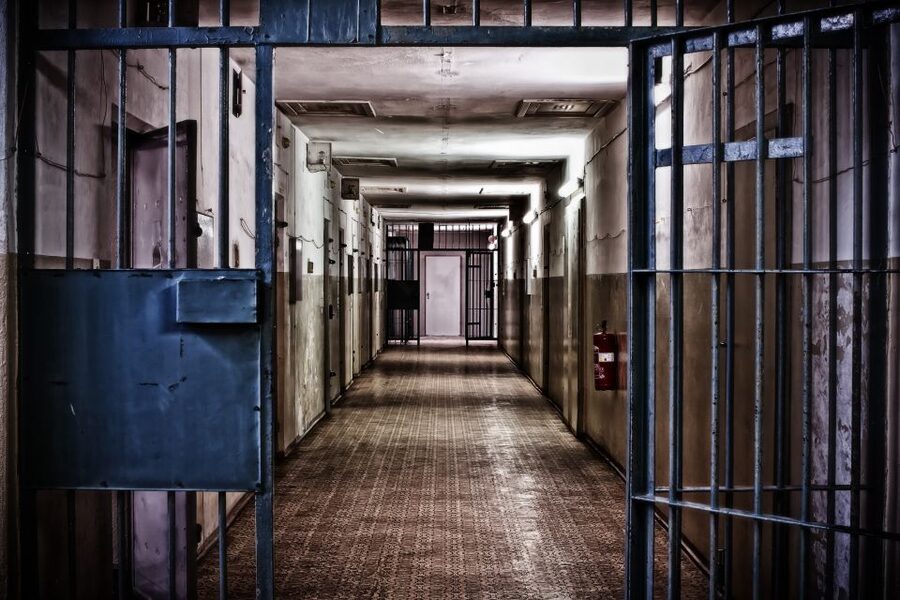
Reviewed · BERLIN COLD WAR TOURS
Berlin: Stasi Museum Private Guided Tour with Entry Ticket
The most striking part of this tour is that the Stasi Museum occupies the original East German State Security headquarters. You are not looking at a recreated spy museum. You are walking through the rooms where officials planned surveillance and controlled information. I like the direct link between Alexanderplatz and the museum, and I like seeing real tools of the trade, including bugs, hidden cameras, and Erich Mielke’s red briefcase. The drawback is the price: at $257 per person, this is a premium tour for a museum visit that you can also make on your own.
I also like the private format. A good guide can adjust the pace, explain unfamiliar political terms, and connect the Cold War story to daily life in East Germany. Past bookings praised guides for personal stories and extra visual material, including Silvia, who was especially well received. Just remember that the museum is not the former Stasi prison at Berlin-Hohenschönhausen.
Key points to know before booking

- You begin at Alexanderplatz: The meeting point puts the tour in the center of former East Berlin, near the site of the huge 1989 demonstration.
- You ride public transport to the museum: Two-way transport tickets are included, useful because the museum lies outside central Berlin.
- You enter the real Stasi headquarters: The building contains original offices, including the office of Minister Erich Mielke.
- You see practical spy equipment: Bugs, hidden cameras, and other surveillance devices show how the system worked.
- You get a private guide: English and German tours are offered, with room for questions and a pace suited to your group.
- You need to weigh the price: The $257 per-person cost makes the most sense for people who value private interpretation and convenience.
Starting at Alexanderplatz, where East Berlin made its voice heard
The tour meets in front of the DM drugstore at Alexanderplatz, 1, 10178 Berlin. This is a practical meeting point, easy to find in one of the city’s busiest central squares, but it is also a meaningful place to begin.
Alexanderplatz was a major public center of the German Democratic Republic, the communist state usually called East Germany or the GDR. In 1989, it became the setting for the largest demonstration in GDR history. That protest helped show that public opposition to the regime could no longer be contained.
Your guide uses this first stop to set the political scene before you reach the museum. This matters because the Stasi was not simply a police force with secret gadgets. It was part of a wider system of party rule, censorship, propaganda, travel restrictions, and pressure on ordinary people.
I like this opening because it gives the museum a clear frame. You are not starting with a random collection of surveillance objects. You are starting with the public space where citizens challenged the government, then moving to the building where the government gathered information about them.
The meeting time matters. The museum entry is booked for a specific slot, so arriving late at Alexanderplatz can create problems for the rest of the tour. Check your email the day before for the final instructions, and give yourself enough time to find the DM store before the group sets off.
More Cold War tours in Berlin:
- Berlin: Third Reich and Cold War 2 Hour Walking Tour
★ 4.9 · 6,830 reviews - Berlin’s Best: 2 Hour Walking Tour Third Reich and the Cold War
★ 5.0 · 5,486 reviews - Skip-the-Line: Berlin Wall Museum at Checkpoint Charlie
★ 4.1 · 2,041 reviews
The public transport ride to Normannenstraße
The Stasi Museum is at Forschungs- und Gedenkstätte Normannenstraße, outside Berlin’s central tourist zone. The tour includes two-way public transport tickets, so you do not need to work out the route or buy separate fares for this part of the visit.
That ride is more than a transfer. It moves you from central Berlin, with its famous sights and modern city life, toward the former administrative world of East Germany. The shift helps explain how separate Berlin could feel during the Cold War. You begin at a famous public square, then travel to the less central headquarters where surveillance work took place.
There is one practical limit: the tour description confirms public transport but does not give a fixed route or travel time. The total activity lasts three hours, including the transfer, museum visit, and guiding. That means the museum portion will not be an unlimited day-long exploration. If you want to read every display at length, you may need to return independently.
For most people, the included tickets are a useful convenience. You can focus on the discussion rather than ticket machines and route changes. Families and small groups may also appreciate having one person manage the movement through the city.
Entering the former Stasi headquarters

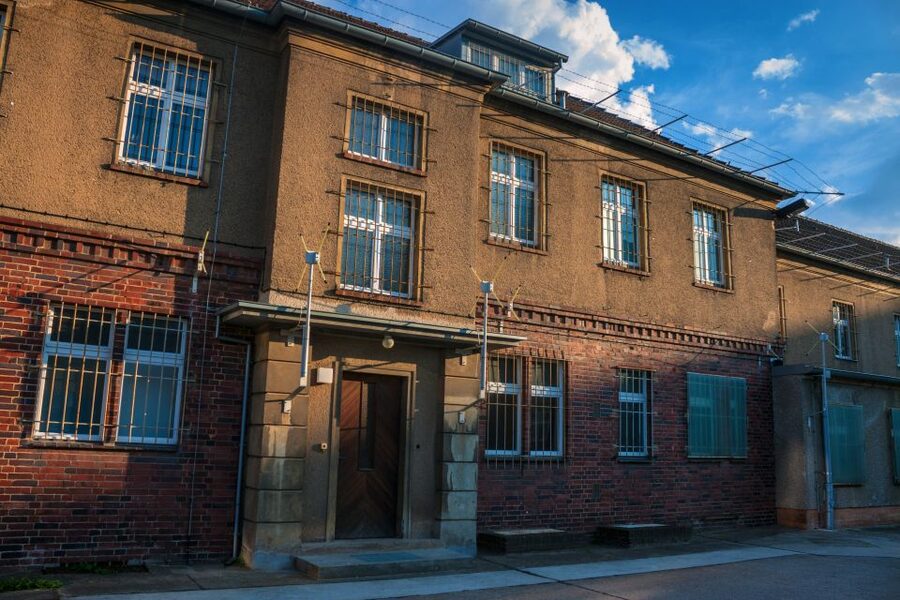
The museum is housed in the original building used by the Ministry of State Security. The setting gives the visit its strongest quality. You are seeing the offices and working environment of the institution that monitored East German citizens, rather than viewing the subject only through photographs or later reconstructions.
The Stasi, short for Staatssicherheit, was East Germany’s secret police and intelligence service. Its job reached well beyond catching conventional criminals. It watched political opponents, gathered information on citizens, controlled dissent, and used informants to report on friends, colleagues, and even family members.
Your guide explains how the agency recruited informants and how surveillance fit into the communist government’s effort to control society. The private format is useful here. Terms such as GDR, Ministry of State Security, party authority, and state surveillance can blur together if you are hearing them in a crowded group. You can stop and ask what a particular office or document meant.
The museum works best for visitors who want the human side of the Cold War. You learn not only about government policy, but also about the pressure of living in a place where private conversations might not remain private.
Bugs, hidden cameras, and the practical machinery of surveillance
The original spy technology is one of the most accessible parts of the tour. You see equipment such as bugs and hidden cameras, which makes the Stasi’s methods easier to understand than a long political lecture would.
These objects show that surveillance depended on ordinary spaces. A hidden camera or listening device could turn a home, office, meeting place, or workplace into part of the state’s information system. The point is not gadget fascination. The point is to see how the government tried to collect details about people who posed a political threat, or who were simply considered unreliable.
The guide helps explain how informants fit alongside the equipment. Technology alone could not tell the Stasi what people believed or whom they trusted. Personal reports from informants added names, opinions, relationships, and suspicions to official files.
I would pay close attention to the explanation of recruitment. The system depended on pressure, persuasion, favors, fear, and ideology. The museum can make this less abstract by showing how a state built a network around everyday human contact.
The tour also covers communist propaganda and the political division of Germany. That wider context keeps the spy equipment from becoming a collection of curiosities. You see the tools, then learn what they were meant to protect: the ruling system and its control over information.
More museums and galleries in Berlin:
- Berlin: Natural History Museum Entrance Ticket
★ 4.6 · 3,382 reviews - Berlin: Museum Island Multiple Museum Entry Ticket
★ 4.4 · 2,007 reviews - Berlin: Interactive DeJa Vu Museum Entrance Ticket
★ 4.1 · 1,338 reviews - Berlin: “Pergamonmuseum. The Panorama” Exhibition Tickets
★ 4.6 · 1,245 reviews
Erich Mielke’s office and the red briefcase
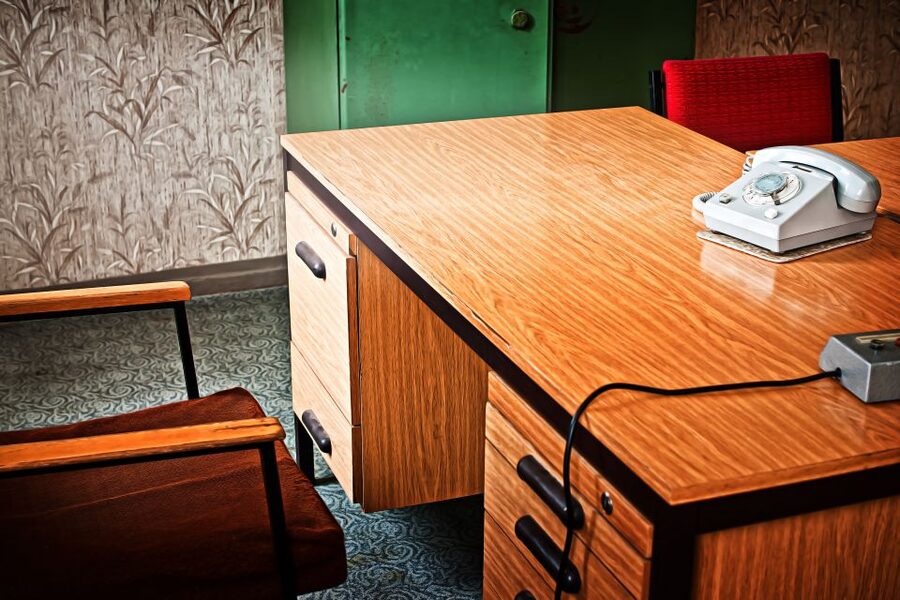
A major stop is the office of Erich Mielke, the Stasi minister. The room includes his famous red briefcase, used to carry sensitive information. Small details such as this can make an institution feel less distant. A briefcase is an ordinary object, but in this setting it suggests the flow of confidential reports, decisions, and personal files.
The ministerial offices also help show the hierarchy behind the surveillance network. This was not a loose collection of undercover agents. It was a formal state ministry with offices, procedures, senior officials, and a command structure.
The office is valuable because it connects the bureaucratic and personal sides of power. You see where senior decisions were handled, while nearby displays explain how those decisions affected citizens. The contrast is sharp: quiet offices at the top, constant uncertainty for people below.
A private guide can spend more time here if this part interests you. That is one of the main reasons to choose this format over a standard museum visit. You can ask how the office functioned, how Mielke fit into East Germany’s leadership, or how the ministry’s work changed as the regime weakened.
Daily life behind the Berlin Wall
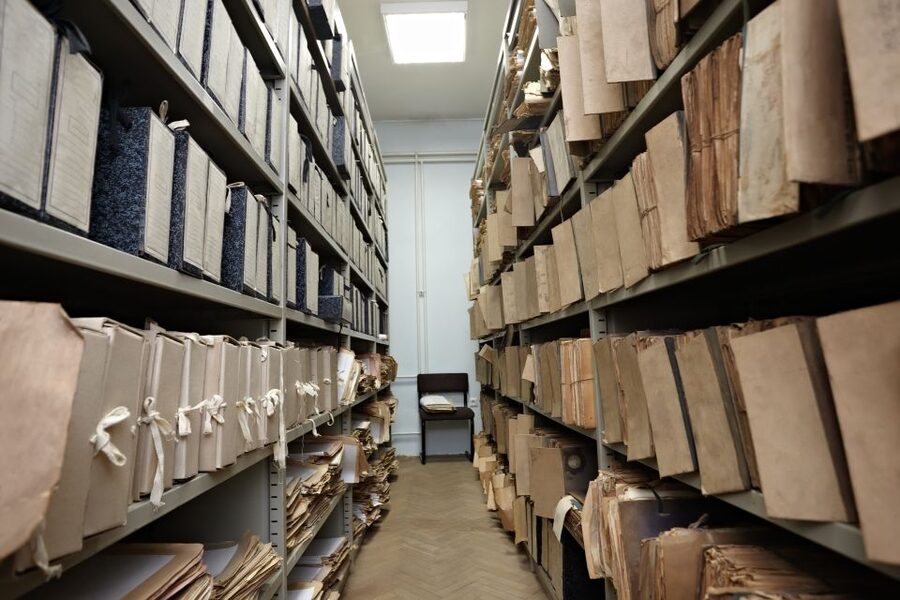
The tour is aimed at history enthusiasts, but you do not need a specialist background. Its central question is simple: what did daily life feel like in a dictatorship where the state tried to monitor its own citizens?
The answer was not that every person was watched every minute. The more unsettling point is that people could not always know when they were being watched, who might report on them, or how a casual comment might be interpreted. That uncertainty affected trust.
Your guide connects political control with everyday experience in East Germany. The discussion includes propaganda, citizen surveillance, the communist system, and the division of Germany. You gain a clearer sense of why the Stasi became a symbol of fear, even for people who never met an officer.
This is where guide quality makes a real difference. Several bookings praised guides for using personal stories and additional material to make the subject more vivid. Silvia was singled out for personal accounts, and another guide was praised for making the visit exciting and interesting. The booking allows English or German, but a particular guide is not guaranteed, so do not assume Silvia will lead your tour.
The private setting also helps if members of your group have different levels of interest. One person may want political background, while another may focus on the equipment or architecture. You can ask questions without holding up a large group.
How the three hours are likely to feel

The experience is scheduled for three hours, beginning at Alexanderplatz and ending after the museum visit and return transport. That is long enough for a serious introduction, but short enough to fit beside other Berlin plans.
Do not think of it as three hours inside one gallery. The schedule includes meeting the guide, discussing Alexanderplatz, riding public transport in both directions, and touring the museum. The exact balance depends on the guide and the reserved entry time.
That timing is both a benefit and a limit. You get a focused visit with a clear beginning and end, rather than wandering through a large museum without knowing what matters. On the other hand, you may not have time to study every panel or display at your own pace.
I would book it early in the day if you want to visit other East Berlin sites afterward, but the activity does not promise a particular start time. Check availability before booking. Since entry is tied to a pre-booked slot, the schedule is less flexible than an ordinary museum ticket.
The museum is wheelchair accessible according to the activity information. The group is private, and the guide speaks the language selected at booking, with English and German available.
Is $257 per person fair value?
The current price is $257 per person. That is a lot for a three-hour museum experience, especially if you are comfortable using Berlin’s public transport and reading museum displays in English or German.
You are paying for more than admission. The price includes a private group, a licensed five-star guide, museum entry, transport tickets, and live interpretation. For a couple or family that wants a tailored history lesson, the cost may feel worthwhile. It also removes the work of planning the route and deciding which parts of the museum deserve attention.
The value is weaker for solo visitors or budget-conscious pairs. The museum is a specialist attraction, and the tour does not include a full day of Cold War sights. One booking was particularly clear that a $435 total felt far too high for what was delivered. That criticism is worth keeping in mind, even though the listed price here is $257 per person.
The private format is the key question. If you want a guide who can answer questions, explain difficult political context, and use personal material, the premium has a purpose. If you mainly want to see the building and spy equipment, an independent visit may offer better value.
The positive side of the price is that the most praised feature is also the one you cannot get from a basic ticket: strong human explanation. Guides were repeatedly praised for being engaged, well informed, punctual, and able to make the subject interesting. One English booking even found that the guide could speak Danish too, which added an unexpected benefit.
Who should book this private Stasi visit?
I would recommend it most strongly to:
- People interested in the Cold War and modern European politics
- Visitors who want to understand East German daily life, not just see famous Berlin sights
- Families or small groups that prefer a private guide
- Anyone who finds museum displays hard to interpret without background
- Visitors who want English or German commentary during the visit
- People who value convenience and included public transport
I would think twice if you are watching every euro, dislike fixed schedules, or prefer to spend several hours reading displays alone. The three-hour format gives you a guided introduction, not unlimited museum time.
It is also important to choose the right Stasi site. This tour visits the former headquarters at Normannenstraße. It does not visit the former Stasi prison at Berlin-Hohenschönhausen Memorial. The two places tell different parts of the story, so check the name carefully when making plans.
Should you book it?
Book this tour if you want the Stasi Museum explained by a private guide who can connect offices, spy equipment, propaganda, and daily fear into one clear story. The Alexanderplatz start gives the visit useful political context, and the original headquarters gives the subject a strong sense of place.
Skip it if the $257 price would bother you throughout the day. You can visit the museum without paying for a private tour, and independent visitors may prefer more time with the displays. The best reason to book is not the skip-the-line entry alone. It is the chance to ask questions and hear the personal context that made guides such as Silvia so highly praised.
For history-minded visitors with room in the budget, this is a focused and serious way to understand East Germany. Just arrive on time, confirm your meeting details the day before, and remember that this is the Stasi headquarters, not the former prison.
FAQ
Where does the tour meet?
Meet your guide in front of the DM drugstore at Alexanderplatz, 1, 10178 Berlin.
How long does the experience last?
The private tour lasts three hours, including the meeting at Alexanderplatz, public transport to the museum, the guided visit, and the return journey.
Which languages are available?
The tour offers live guiding in English and German. Your guide speaks the language selected when you book.
Are public transport tickets included?
Yes. Two-way public transport tickets to and from the Stasi Museum are included.
Does the tour visit the former Stasi prison at Hohenschönhausen?
No. This experience visits the Stasi Museum at Forschungs- und Gedenkstätte Normannenstraße, the former headquarters of the Ministry of State Security. It does not visit the Berlin-Hohenschönhausen Memorial.
Can I cancel or pay later?
You can cancel up to 24 hours before the tour for a full refund. The reserve-now, pay-later option lets you book without paying immediately.
Newest Berlin reviews
- Where It All Began: Berlin’s Queer & Trans History Tour★ 4.9 · 6 reviews
- Understanding Kreuzberg: The roots of local (sub)culture★ 4.9 · 11 reviews
- Berlin: guided canoe | kayaktour★ 4.1 · 7 reviews
- Private Potsdam City Tour in an authentic vintage van★ 5.0 · 14 reviews
- Warnemünde Shore Excursion: Private Sachsenhausen and Berlin Tour★ 5.0 · 12 reviews
- Ultimate E-Bike Tour of Berlin with Beer Garden Stop★ 5.0 · 4 reviews
- Potsdam Highlights – Private sightseeing tour by minibus★ 5.0 · 3 reviews
- In the Forbidden City – Potsdam Walking Tour★ 5.0 · 17 reviews
Berlin Cold War Tours, compared.

Berlin’s Best: 2 Hour Walking Tour Third Reich and the Cold War
Read our review →
Skip-the-Line: Berlin Wall Museum at Checkpoint Charlie
Read our review →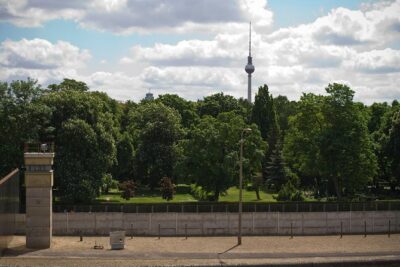
Cold War, Berlin Wall, Spies and the East Side Gallery
Read our review →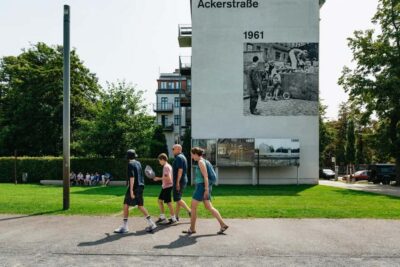

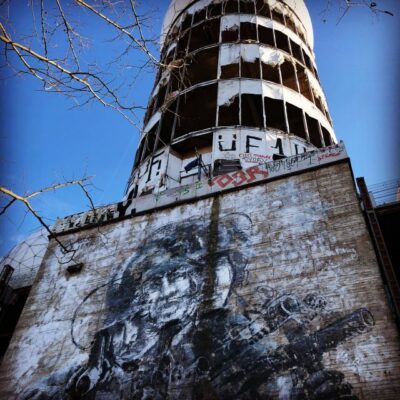
Listening Station Teufelsberg Tour with Transfer
Read our review →Browse the lists this tour appears in