
Reviewed · BERLIN COLD WAR TOURS
Berlin: GDR witness tour in small group
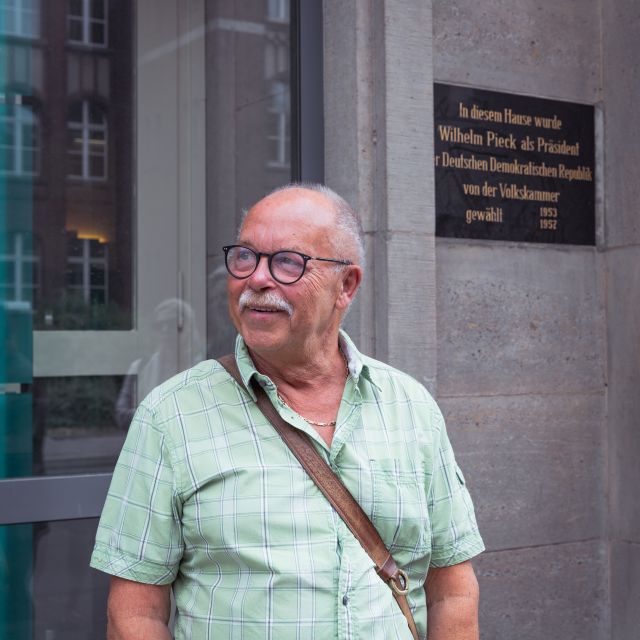
The most powerful part of this Berlin tour is its first-hand account of the GDR. Karl-Heinz Richter, known as Kalle, grew up in East Berlin, tried to escape to the West three years after the Wall went up, and was imprisoned after the attempt failed. I like the personal focus, and I like that the story covers both his escape plan and the wider reach of the Stasi. The small-group format should give the account a more direct, human feel than a standard city lecture.
The main caution is consistency. One detailed account found Richter’s story moving but felt parts of the narration differed and said the tour ended after about 1.5 hours instead of the advertised 2.5. The experience costs about $27 per person, so the value depends heavily on receiving the full time and on how well his personal storytelling works for you.
Key points at a glance
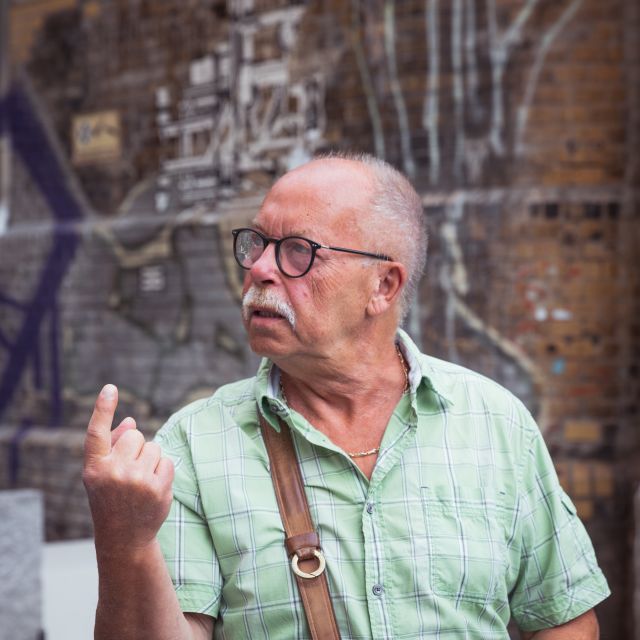
- Hear Karl-Heinz Richter’s personal story: Your guide is a former political prisoner who grew up in East Berlin and experienced the GDR from the inside.
- Follow a failed escape attempt: Richter tried to jump onto a moving train at Friedrichstrasse station after the Berlin Wall was built.
- Learn about Stasi imprisonment: He explains his months in pre-trial detention at the Stasi prison in Berlin-Pankow.
- Go beyond the Wall’s construction: The talk covers daily life, political pressure, surveillance, interrogation methods, and the fear that shaped East German society.
- Plan around German-language narration: The live tour is conducted in German, with no other language listed.
- Expect an outdoor experience: The tour runs rain or shine, and hotel pickup and drop-off are not included.
Why this GDR tour feels different from a standard Berlin walk
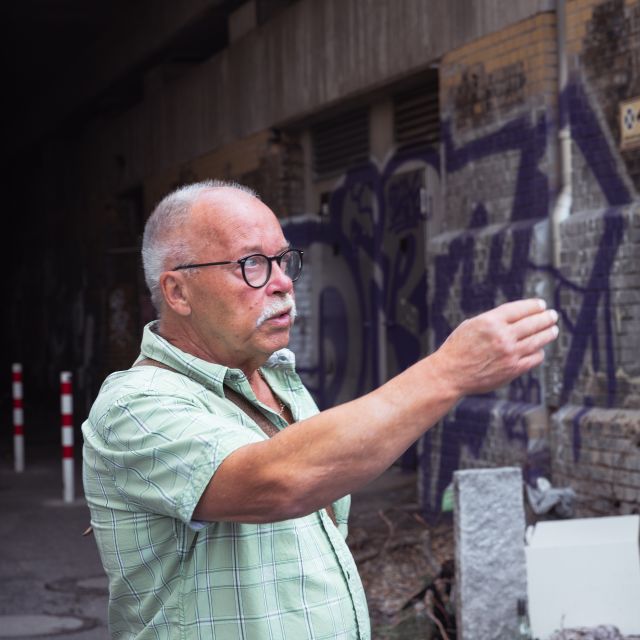
Many Berlin history tours explain the Wall through dates, buildings, and political events. This one takes a narrower route: it asks what the GDR felt like to a young man who lived under the system and then tried to leave it.
That distinction matters. Karl-Heinz Richter was born in Schwarzheide, Brandenburg, in 1946 and grew up with his family in East Berlin. His account is not a general lecture about the Cold War. It is the story of one person making a dangerous choice, being caught, and facing the state’s response.
I find that personal angle valuable because the GDR can otherwise seem remote. The phrase Stasi surveillance is familiar, but Richter’s experience gives it human weight. You hear about the pressure on ordinary people, the risks of dissent, and the machinery used against someone who tried to cross the border.
This is also not a light sightseeing activity. The subject is political imprisonment, failed escape, and interrogation. You should book it because you want serious history told by someone directly affected by it, not because you are looking for an entertaining way to fill a spare afternoon.
More Cold War tours in Berlin:
- Berlin: Third Reich and Cold War 2 Hour Walking Tour
★ 4.9 · 6,830 reviews - Berlin’s Best: 2 Hour Walking Tour Third Reich and the Cold War
★ 5.0 · 5,486 reviews - Skip-the-Line: Berlin Wall Museum at Checkpoint Charlie
★ 4.1 · 2,041 reviews
Meeting Kalle Richter and setting the story
The tour centers on Karl-Heinz Richter, whose nickname Kalle is used in the description of the experience. His background gives the talk a clear starting point. He was born shortly after the Second World War and came of age in East Berlin, within the political system that later became the German Democratic Republic.
You can expect the opening section to establish what everyday life was like before the escape attempt. The most useful part here is the contrast between ordinary routines and the limits placed on people who wanted to travel, speak freely, or leave the country.
Because the experience is conducted in a small group, you are likely to be close to the speaker’s account rather than sitting in a large crowd. The available information does not give a fixed group size, meeting point, or detailed route, so you should check the current booking information carefully before setting out.
The tour is in German. That is an important practical point, not a footnote. If you do not understand German well, the personal details and emotional force of the story may be difficult to follow. No translation or alternate language is listed.
Friedrichstrasse and the failed train escape
The central episode is Richter’s attempt to flee to the West three years after the Berlin Wall was built. He tried to jump onto a moving train at Friedrichstrasse station. The plan failed, and the consequences were severe.
This part of the experience connects a familiar Berlin place with the human danger behind the border system. Friedrichstrasse is not presented simply as a transport hub. In Richter’s story, it becomes the setting for a desperate decision, made when leaving East Germany without permission could bring prison.
You should listen for the practical details of the attempt and the reasons it went wrong. The supplied information does not promise a reenactment or a visit to every location connected with the escape, so do not expect a staged performance. The value is in hearing Richter explain the event himself.
That is also where the small-group format can matter most. A personal account of a failed escape works best when you can follow the speaker’s sequence of events and ask questions if the format allows it. The tour description does not guarantee a formal question-and-answer period, but a smaller setting generally suits this kind of direct storytelling better than a crowded coach tour.
The Stasi prison in Berlin-Pankow
After the failed escape, Richter spent several months in pre-trial detention at the Stasi prison in Berlin-Pankow. This section gives the tour its hardest edge.
The Stasi was the Ministry for State Security, the East German state security service. Its influence reached far beyond prison walls. The tour explains how surveillance and pressure affected East German society, then links that larger system to Richter’s own treatment after his arrest.
You will hear about the conditions of his detention and the methods used during interrogation. The description calls those conditions inhumane and presents Richter as a political prisoner and Stasi victim. That framing is central to the experience, so you should expect a serious account rather than a detached institutional history.
One strength here is the connection between public policy and private suffering. Instead of hearing only that the Stasi monitored people, you hear how the system dealt with a person who attempted to escape. The prison story also helps explain why so many East Germans feared the state even when they had never been arrested.
The tour does not list a visit inside the former prison, and no specific prison admission is included. Treat this as a guided personal account, not a prison museum visit.
A different sort of day out in Berlin:
- Berlin: Reichstag, Dome and Government District Guided Tour
★ 4.7 · 18,288 reviews - Berlin: 1-Hour City Tour by Boat with Guaranteed Seating
★ 4.3 · 16,993 reviews - Berlin: Boat Tour Along the River Spree
★ 4.4 · 11,252 reviews - Discover Berlin Half-Day Walking Tour
★ 5.0 · 9,624 reviews
Daily life in East Germany beyond the escape story
Richter’s escape attempt is the hook, but the wider discussion of everyday life is just as important. The experience looks at how the Stasi shaped society and how political control affected people who were not openly challenging the government.
That broader material keeps the tour from becoming only a dramatic prison story. You get a sense of the system around the individual: the limits on movement, the fear of state attention, and the pressure created by a government that treated attempts to leave as a political threat.
I especially like that the tour promises both personal memories and social context. A story about one arrest can be gripping, but it can also leave you thinking the event was unusual or isolated. The discussion of daily life helps show why Richter’s decision was so risky and why his imprisonment mattered beyond his own family.
The available details do not provide a full list of subjects or a minute-by-minute schedule. That means you should expect a flexible spoken narrative rather than a tightly scripted museum route. For some people, this will feel intimate. For others, it may feel less structured.
Stasi interrogation methods and the tone of the experience
The tour includes an explanation of Stasi interrogation methods. This is likely to be one of the most difficult sections, especially when paired with Richter’s own account of detention.
You should prepare for plain, serious material. The experience deals with coercion, imprisonment, and the state’s efforts to control people who wanted to escape. It is not designed as a family amusement or a casual introduction to Berlin.
The benefit of hearing these subjects from a former prisoner is emotional clarity. Richter can explain not only what happened, but how it affected him. The possible drawback is that a personal narrative may not always follow the neat structure you would get from a professional museum presentation.
That concern is worth taking seriously. One detailed account described the stories as moving but felt that parts of the narrative were inconclusive and seemed to differ between the beginning and end. I would not treat that as proof that the account is false, but I would book this tour for personal testimony rather than for a tightly sourced academic presentation.
The 2.5-hour promise and the value of $27
The advertised duration is 2.5 hours, and the price is $27 per person. At that rate, the experience offers fair value if you receive the full session and want a personal account of East German political history.
The price is especially reasonable for someone who has already seen Berlin’s major Wall sights and wants context that a monument cannot provide. You are paying for access to Richter’s lived experience, not for transport, a museum ticket, or a long list of famous landmarks.
Still, the length matters. One detailed account said the tour ended after about 1.5 hours and considered the roughly €24 paid at the time too expensive for a shortened experience. Since the listed duration is 2.5 hours, I would check the meeting instructions and starting time before booking, then keep the confirmation details in case the session finishes well before the stated length.
A 2.5-hour talk can also feel long if the material is delivered without much structure. If you prefer short stops, visual exhibits, and frequent changes of scene, a museum or conventional walking tour may suit you better. If you are willing to listen closely to one person’s account, the length gives Richter room to explain the escape, prison, interrogation, and social setting.
Weather, access, and practical planning
The tour runs rain or shine. Bring clothing suitable for the forecast, since the information describes it as an outdoor activity and does not promise an indoor venue for the entire experience.
The tour is wheelchair accessible. That is useful, but the listing does not provide detailed information about surfaces, rest stops, toilets, or the exact route. If you need specific access arrangements, confirm them before booking.
Hotel pickup and drop-off are not included. You will need to make your own way to the meeting point, but the available information does not state where that point is. Check the current booking details rather than assuming the tour begins at Friedrichstrasse or at the former Stasi prison.
Starting times are not fixed in the supplied details. You need to check availability for the date you want. The reserve-now-and-pay-later option can help if your Berlin schedule is still changing, and cancellation is free up to 24 hours in advance for a full refund.
Who will get the most from this experience
I would recommend this tour to you if you:
- Want first-person testimony about East Germany rather than a broad sightseeing loop.
- Are comfortable listening to a serious account of imprisonment and political pressure.
- Understand German well enough to follow a live talk.
- Have already seen some Berlin Wall sites and want the human story behind them.
- Prefer a small-group setting to a large, scripted tour.
- Can allow the full 2.5 hours in your schedule.
I would hesitate if you need English narration, a tightly timed route, or a guaranteed museum visit. I would also think twice if your interest is limited to the Wall’s architecture or Cold War landmarks. This experience is about memory, fear, and personal testimony more than sightseeing.
The strongest reason to go is the chance to hear directly from someone who tried to leave the GDR, was caught, and endured Stasi detention. The main risk is that the talk may feel less polished or shorter than expected. That tradeoff is clear, and it lets you make an honest choice.
Should you book the GDR witness tour?
Book it if you want a direct, personal account of life in East Germany and can follow German. Karl-Heinz Richter’s failed escape at Friedrichstrasse and his time in the Stasi prison in Pankow give the tour a human center that a standard history overview may lack.
At $27, the price is reasonable for the advertised 2.5 hours, but only if the full time is delivered and the storytelling suits you. Go for the firsthand account, not for a perfectly scripted route. If that sounds like the kind of history you want to hear, this small-group tour can add real meaning to your understanding of Berlin’s divided past.
FAQ
How long is the GDR witness tour?
The advertised duration is 2.5 hours. Starting times depend on availability.
How much does the tour cost?
The listed price is $27 per person.
Who leads the tour?
The tour is led by Karl-Heinz Richter, also known as Kalle, a former political prisoner and Stasi victim.
What language is the tour in?
The live tour guide speaks German. No other language is listed.
Is the tour wheelchair accessible?
Yes, the activity is listed as wheelchair accessible.
Does the tour include hotel pickup and drop-off?
No. Hotel pickup and drop-off are not included.
What happens if it rains, and can I cancel?
The tour takes place rain or shine. You can cancel up to 24 hours in advance for a full refund. You can also reserve now and pay later.
Newest Berlin reviews
- Where It All Began: Berlin’s Queer & Trans History Tour★ 4.9 · 6 reviews
- Understanding Kreuzberg: The roots of local (sub)culture★ 4.9 · 11 reviews
- Berlin: guided canoe | kayaktour★ 4.1 · 7 reviews
- Private Potsdam City Tour in an authentic vintage van★ 5.0 · 14 reviews
- Warnemünde Shore Excursion: Private Sachsenhausen and Berlin Tour★ 5.0 · 12 reviews
- Ultimate E-Bike Tour of Berlin with Beer Garden Stop★ 5.0 · 4 reviews
- In the Forbidden City – Potsdam Walking Tour★ 5.0 · 17 reviews
- Private Walking Tour of Potsdam and Sanssouci★ 5.0 · 24 reviews
Berlin Cold War Tours, compared.


Berlin’s Best: 2 Hour Walking Tour Third Reich and the Cold War
Read our review →
Skip-the-Line: Berlin Wall Museum at Checkpoint Charlie
Read our review →
Cold War, Berlin Wall, Spies and the East Side Gallery
Read our review →


Listening Station Teufelsberg Tour with Transfer
Read our review →Browse the lists this tour appears in