
Reviewed · WALKING TOURS
Berlin: David Bowie & 1970s Berlin Guided Walking Tour
David Bowie’s Berlin was not a postcard city. It was a divided, uneasy place of wall shadows, experimental art, late clubs, and creative freedom. This three-hour tour follows that world from Zoo Station and KaDeWe to Hansa Studios, the former Dschungel Club, Bowie’s old neighborhood, and Neues Ufer Café.
I like two things especially: the music and photos make each stop feel connected to the albums, and the guides place Bowie inside the wider story of Cold War Berlin rather than treating him like a floating rock star. Guides such as Dan, Lee, Ronen, Martin, Klaus, and Rachel have earned strong praise for their warmth and subject knowledge. The catch is distance: this is not a gentle stroll, and you will need buses, trains, and a Berlin transit ticket.
Key points at a glance
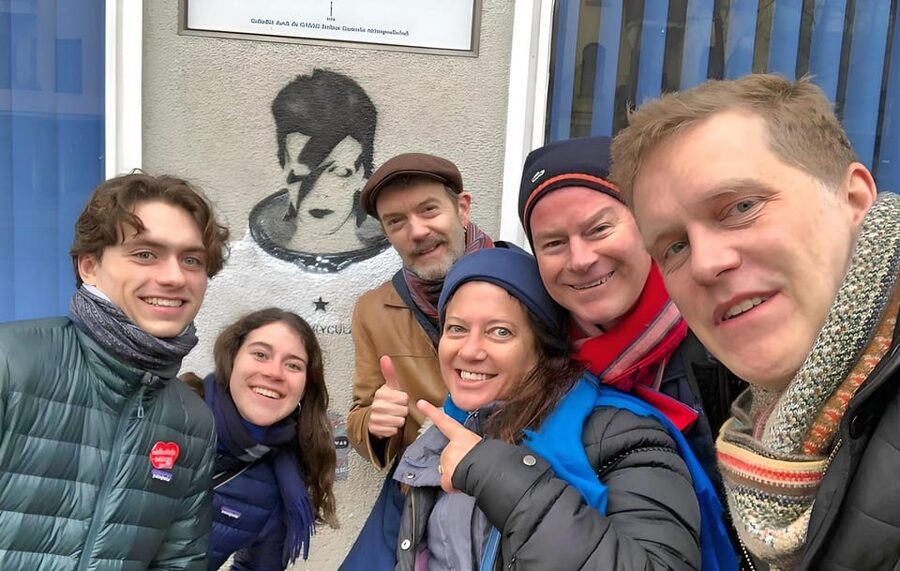
- Hansa Studios brings Low and Heroes into focus, with the recording site tied directly to Bowie’s most important Berlin work.
- Bowie’s former flat and Iggy Pop’s shared apartment offer a more personal look at the artist’s daily life.
- Cold War locations shape the story, including the Berlin Wall, Tränenpalast, Potsdamer Platz, and Topography of Terror.
- Music, photographs, and video clips help connect today’s streets with the Berlin Bowie knew.
- The route crosses much of Berlin, using public transport between sites rather than staying in one neighborhood.
- The tour suits serious fans and curious companions, since the history, art, and social context go well beyond Bowie.
Why Bowie’s Berlin still matters
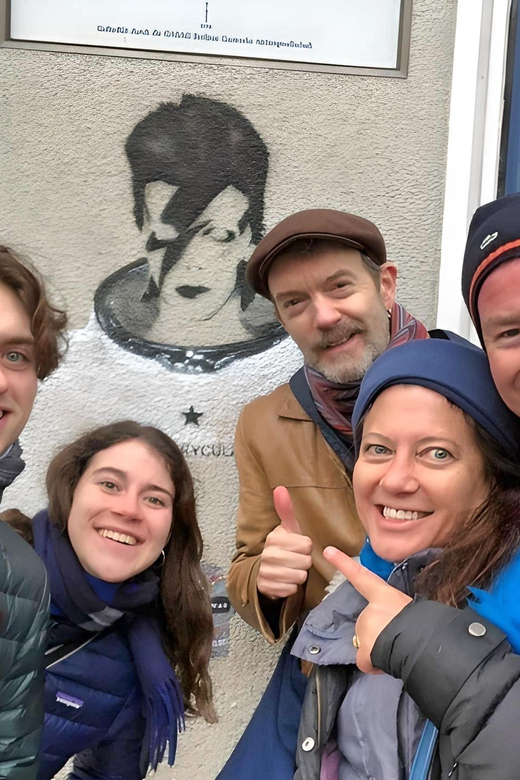
Bowie arrived in West Berlin in 1976, looking for distance from the pressures surrounding his career and personal life. Berlin gave him something very different: an isolated western city surrounded by East Germany, shaped by the Wall, and full of artists, clubs, musicians, and people living outside the usual rules.
That setting matters because the albums usually grouped as the Berlin Trilogy were not made in a vacuum. Low, Heroes, and Lodger grew from collaboration, tension, experimentation, and a city that felt cut off from the rest of the world. The tour explains that setting as you move through places tied to Bowie, Iggy Pop, Brian Eno, recording sessions, nightlife, and Berlin’s divided past.
I especially like that the tour does not reduce Bowie’s Berlin years to a list of addresses. You hear about the city’s politics and culture, then see how those pressures might sit behind the music. The result is useful even if you know the albums well.
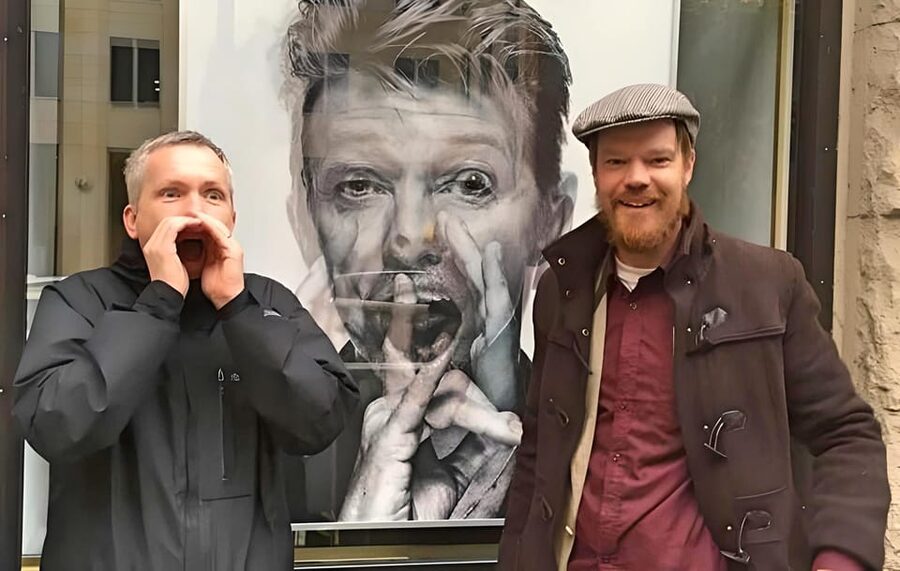
The guides also use recorded music, photographs, and video clips during the walk. That is a practical advantage. A street corner can look ordinary today, while an old image or a few seconds of Heroes can show why the location matters.
Other Berlin experiences to weigh up
- Berlin: Reichstag, Dome and Government District Guided Tour
★ 4.7 · 18,288 reviews - Berlin: Government District around the Reichstag Guided Tour
★ 4.7 · 8,447 reviews - Berlin: Hidden Backyards Guided Walking Tour
★ 4.8 · 5,360 reviews
Starting at Ständige Vertretung
The stated meeting point is Ständige Vertretung, a memorabilia-filled café at Schiffbauerdamm 8. The tour options can vary, so check your booking details for the exact start. Arrive about 10 minutes early, especially if you need to sort out a transit ticket.
This central meeting point places you near several important Berlin themes before the Bowie trail begins. The early part of the route includes Bertolt-Brecht-Platz and the Tränenpalast, or Palace of Tears, giving the guide room to explain Berlin’s political and cultural divisions.
Do not expect every first stop to be a Bowie residence or recording site. Some locations provide the setting around the music. That broader frame is one of the tour’s strengths, but it can surprise anyone expecting three uninterrupted hours of Bowie trivia.
Bertolt-Brecht-Platz and Tränenpalast
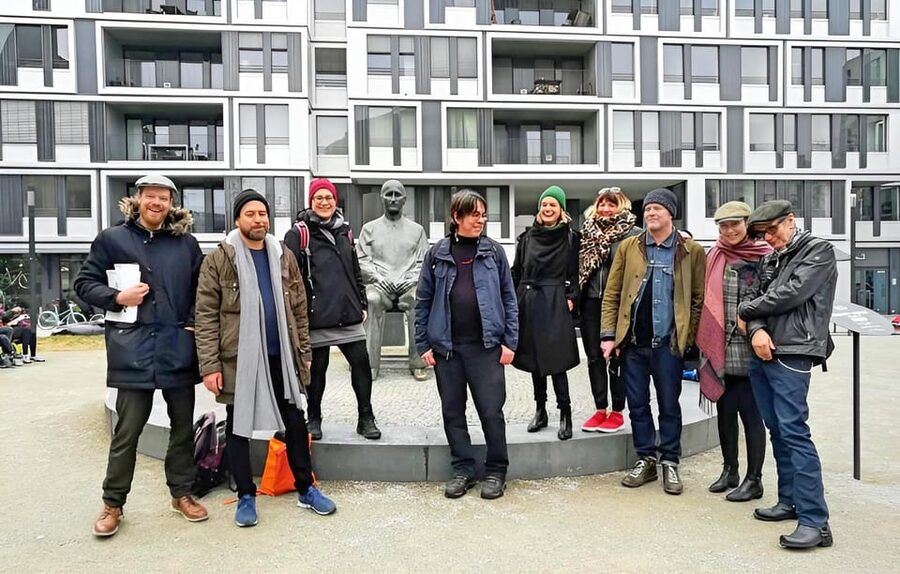
Bertolt-Brecht-Platz connects the tour to Berlin’s theatrical and literary culture. It is a reminder that the city’s creative identity did not begin with rock music. A guide may use this part of the route to show how artists and performers fit into the city’s wider cultural life.
The Tränenpalast adds a more serious note. Its name refers to the emotional farewells that took place at the former border crossing between East and West Berlin. Here, Bowie’s story sits beside the lived reality of a divided city. That contrast gives the tour more weight than a simple celebrity walk.
If your main goal is to see Bowie locations quickly, these opening stops may feel indirect. I would treat them as essential background. Without the border story, the sense of Berlin as an isolated creative outpost is harder to understand.
Anhalter Bahnhof, Martin-Gropius-Bau, and Topography of Terror
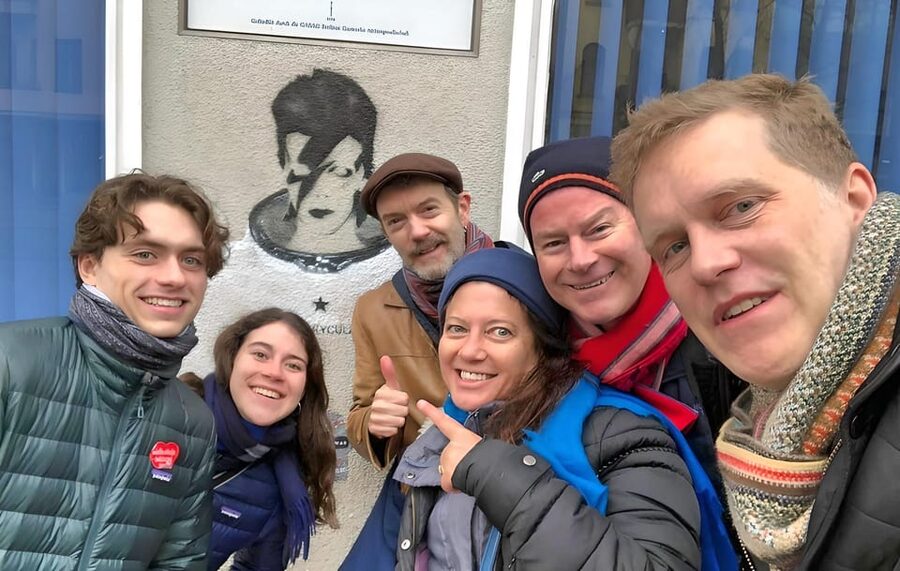
The route continues through sites connected to Berlin’s damaged, divided, and politically charged past. Anhalter Bahnhof recalls a major railway station whose ruined remains now carry a very different mood from the grand transport hub it once was.
Martin-Gropius-Bau and Topography of Terror add further historical context. Topography of Terror documents the institutions of Nazi persecution, so it is not a light sightseeing stop. The tour’s path through these places makes clear that modern Berlin contains several difficult eras at once.
This section may appeal most to you if you want the Bowie story placed inside German history. It can also make the afternoon feel heavier before the music and nightlife locations take over. The guide’s skill matters here. Dan, Lee, and Ronen have been singled out for making the history clear, engaging, and connected to the places around you.
A different sort of day out in Berlin:
- Berlin: 1-Hour City Tour by Boat with Guaranteed Seating
★ 4.3 · 16,993 reviews - Berlin: Boat Tour Along the River Spree
★ 4.4 · 11,252 reviews - Discover Berlin Half-Day Walking Tour
★ 5.0 · 9,624 reviews - Berlin: Hop-on Hop-off Bus Tour with Live Commentary
★ 4.3 · 8,579 reviews
Hansa Studios and the sound of Heroes
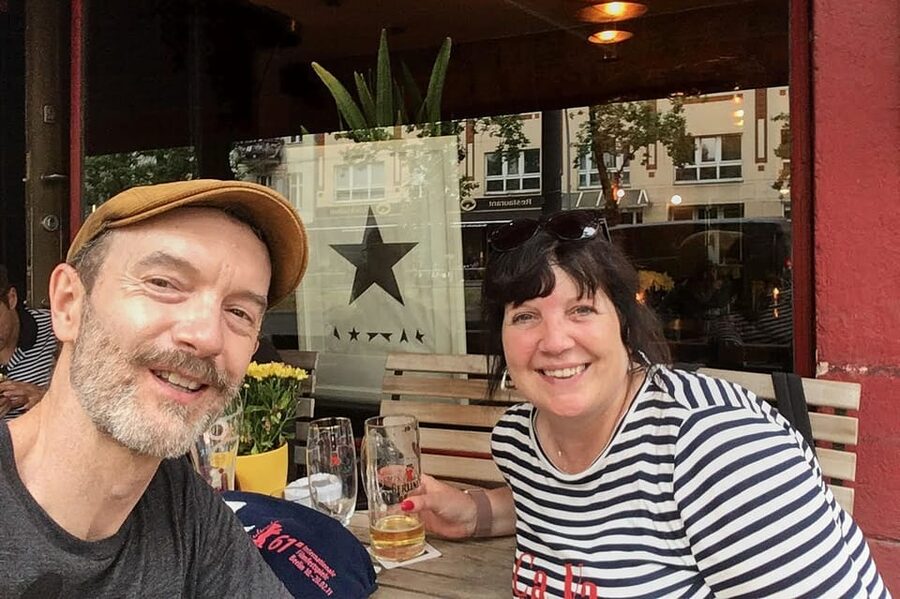
Hansa Studios is the emotional center of the tour for many fans. Bowie recorded key Berlin work here, and the studio is closely linked with the period’s creative peak. The tour takes you by the building and explains what happened there rather than treating it as a generic music landmark.
The exact experience is not a recording session or museum visit. You are seeing the setting from the outside and listening to the story supplied by your guide. That distinction matters when you compare this with a formal studio museum tour.
Still, the location carries real force. Photos, video, and music help turn a building into a working part of the Berlin albums. Guides have played sections of Low and Heroes while explaining the events and places around them. For me, that is far more effective than simply being told that an album was recorded nearby.
The route also helps explain the difference between Bowie’s personal life and his artistic work. You are not just following a famous musician from one address to another. You are seeing how a studio, a city, collaborators, and the Wall all became part of the story.
KaDeWe and West Berlin nightlife
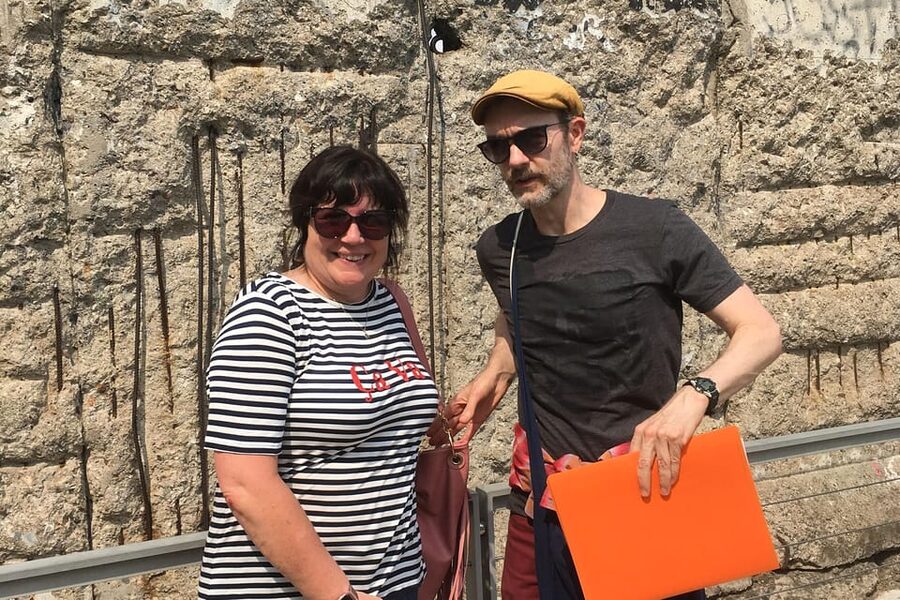
KaDeWe represents another side of West Berlin: commerce, display, and the confident western center of a divided city. Placing it in the route helps show the contrasts Bowie encountered. Berlin could feel grim and cut off, yet it also had famous shops, nightlife, cafes, and a strong sense of independence.
The tour also visits the former Dschungel Club and other places connected with Bowie and Iggy Pop’s social life. Some original venues or interiors have changed, so you should expect historical context rather than a preserved 1970s club experience.
That is not a weakness, but it is worth knowing. The value comes from learning what the site meant then and how the area has changed. A guide with personal enthusiasm can make an ordinary modern frontage meaningful, especially when paired with an old photograph.
Zoo Station and Bowie’s route through the city
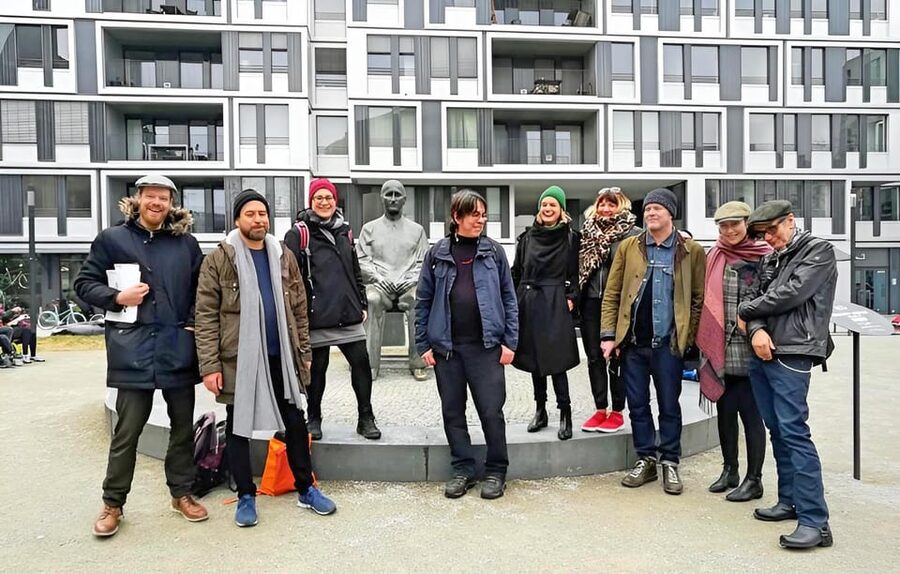
Zoologischer Garten Station, commonly known as Zoo Station, is a fitting point in the story. It was a key part of West Berlin life and gives the tour a strong sense of movement. The name will also be familiar to anyone who connects Bowie with Berlin’s railway imagery and later music.
The station is more than a photo stop. It helps you understand how the tour works. You move through a large city, following a chain of places rather than circling one compact district. Public transport is part of the experience, not an unexpected interruption.
You will need a Berlin transit ticket because some sites are too far apart to walk. A day metro pass is recommended, and the guide can help you buy one at the first station if needed. Buying it ahead of time saves precious minutes during a three-hour tour.
Bowie’s former flat and Neues Ufer Café
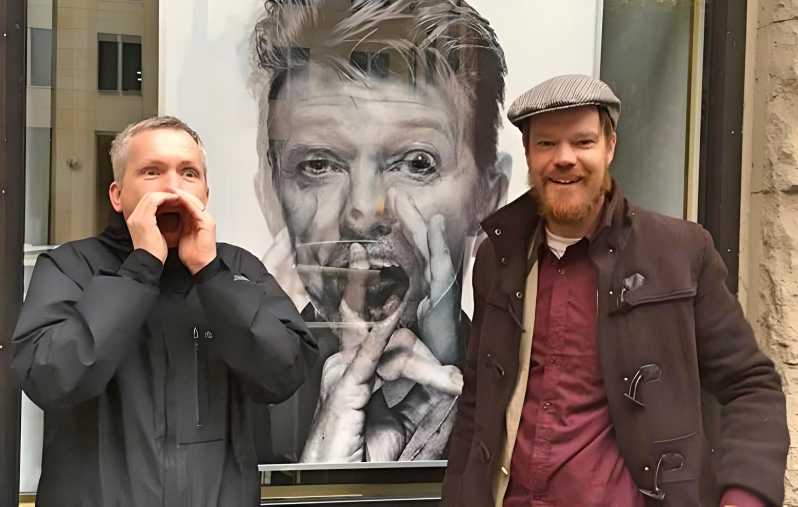
One of the most personal stops is the flat Bowie shared with Iggy Pop. Seeing the building and surrounding neighborhood gives you a sense of Bowie away from the stage and studio. The tour does not turn the apartment into a dramatic shrine. Instead, it uses the address to discuss how he lived in Berlin and why the city suited him at that point.
The former home is also a useful reminder that Bowie’s Berlin was partly ordinary. He was not spending every hour in a recording booth or at a club. He lived in a neighborhood, walked around, and took part in the city’s daily rhythm.
The route ends at or includes Neues Ufer Café, a place associated with Bowie’s Berlin years. Many visitors appreciate ending in a café setting because it gives the story a relaxed final chapter. Exact finishing arrangements can vary, so ask your guide where the tour will end if you need to plan dinner or a train connection.
One useful tip is to leave time after the tour to walk around the neighborhood. A guide has encouraged fans to experience the area at a slower pace, trying to see it as a place where someone might simply live rather than as a collection of famous addresses.
The guides make the difference
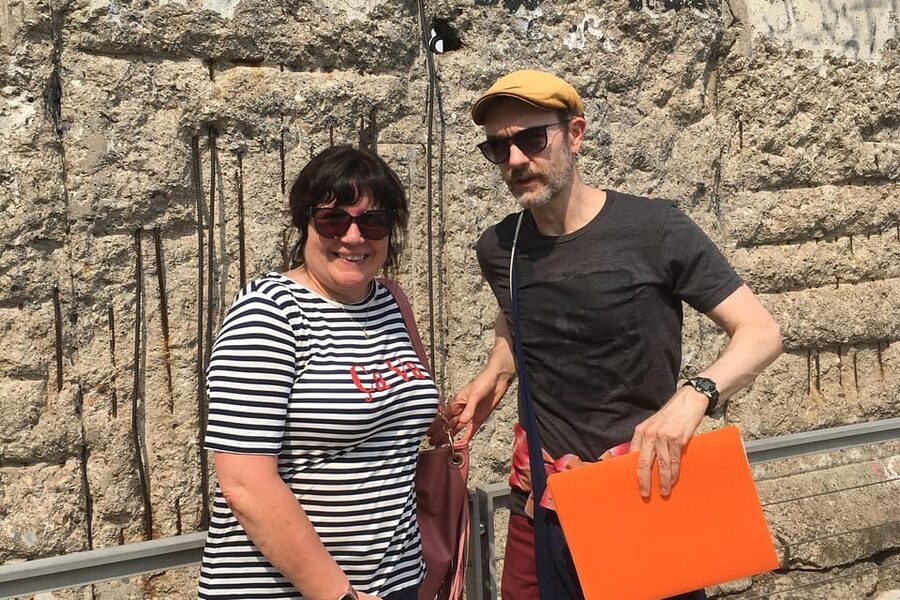
The tour is led in English by a historian, professor, doctoral student, journalist, art critic, or published author. Guide assignments can vary, so you may not receive a particular person. Dan, Lee, Ronen, Martin, Klaus, Rachel, and others are named in the available guide information and have all been associated with strong experiences.
Dan is praised for linking Bowie’s story with German history, music, art, and lesser-known details. Lee is especially noted for his use of photographs, video, and music, along with an energetic style. Ronen has been praised for weaving the locations into one clear story, while Martin is described as friendly, patient, and well prepared.
These differences matter because the route includes serious history as well as music fandom. You want someone who can answer questions, keep the group moving, and explain why a location matters without turning the afternoon into a lecture.
The tour can be private or offered to a small group. A private format may suit you if your party wants to spend extra time on a favorite album or ask detailed questions. A small group can add conversation without the scale of a large city tour.
How much walking and transit to expect
The title calls it a walking tour, but it is really a walking and public transport tour. You will walk between sites, then use trains or buses for longer stretches. One three-hour account describes traveling across Berlin on foot, by train, and by bus.
That variety is useful because it lets you see different districts rather than one narrow Bowie trail. It also means you should wear sturdy, supportive shoes and dress for changeable Berlin weather. The pace can be tiring in cold or wet conditions, and one person cut the tour short because of the weather and an early flight.
The experience is not ideal if you want a seated activity or dislike switching between transport modes. It works best when you are ready to spend an afternoon moving through the city.
Is $135 a fair price?
At $135 per person, this is not a budget walking tour. The price makes the most sense for a private booking or a small group that wants an expert-led, highly focused experience. You are paying for three hours with a specialist guide, not for entrance tickets, meals, or transport.
Public transport and food are extra. Build that into your budget before booking. The tour does not include hotel pickup or drop-off either.
The value improves if you are a serious Bowie fan and would otherwise spend hours locating sites on your own. It also works well for a mixed group: the fan gets the Berlin album story, while companions get Cold War history, architecture, art, and nightlife context.
The price is less convincing for a solo visitor if the booking system requires payment for two people. That has happened to at least one person booking alone and made the tour feel expensive. Check the available group and ticket options carefully before paying.
Free cancellation up to 24 hours before the tour and reserve-now, pay-later booking make it easier to fit into a changing Berlin schedule. Those policies do not lower the price, but they reduce the risk of booking far ahead.
Who should book this tour?
Book it if Low, Heroes, or Lodger are important records in your life and you want places, not just background reading. It is also a good choice if you are curious about how music reflects political pressure and urban life.
You do not need to be a lifelong Bowie expert. Several people joined with family members or partners who were less committed fans and still found the Berlin history and cultural setting rewarding. The guide’s photos and music help bring everyone into the story.
I would book it early in a Berlin stay if possible. The tour teaches you how the transport system works and points out districts you may want to revisit. It can also provide a useful counterpoint to a standard Berlin Wall or city-center tour.
I would skip it if you want a compact route with no public transport, a museum interior at every stop, or a purely chronological biography. The tour is best understood as a moving conversation between Bowie, Berlin, and the city’s difficult past.
Final verdict
This is a strong specialist tour with unusual range. Hansa Studios, Bowie’s former flat, Zoo Station, the former clubs, and Neues Ufer Café give fans tangible places to visit, while the Wall, Tränenpalast, Topography of Terror, and other historical sites explain the city that shaped the music.
I like its use of sound and images, and I value the way the guides connect Bowie to the wider creative life of 1970s Berlin. The main cautions are the $135 price, extra transit costs, changing weather, and the amount of walking and riding between stops.
Book it if you want a personal, place-based look at Bowie’s Berlin and are willing to spend an active afternoon crossing the city. If you do, buy your transit ticket first, wear good shoes, arrive early, and ask where the tour finishes so you can plan the rest of your evening.
FAQ
How long is the David Bowie Berlin tour?
The tour lasts three hours.
What language is the tour conducted in?
The live tour guide speaks English.
Is the tour private or shared?
Private and small-group options are available.
Where does the tour meet?
The stated meeting point is Ständige Vertretung, a memorabilia-filled café at Schiffbauerdamm 8, 10117 Berlin. The exact starting place can depend on the selected option, so check your booking details.
Does the tour include public transport?
No. You need to pay for public transport separately. A Berlin day metro pass is advised, and the guide can help you buy one at the first station if necessary.
Which David Bowie locations are included?
The route includes Hansa Studios, Bowie’s former home, Neues Ufer Café, Zoo Station, the former Dschungel Club, and other sites connected with his Berlin years.
What does the $135 price include?
The price includes a three-hour tour with a historian guide. Food, drinks, public transport, and hotel pickup and drop-off are not included.
Newest Berlin reviews
- Where It All Began: Berlin’s Queer & Trans History Tour★ 4.9 · 6 reviews
- Understanding Kreuzberg: The roots of local (sub)culture★ 4.9 · 11 reviews
- Berlin: guided canoe | kayaktour★ 4.1 · 7 reviews
- Ultimate E-Bike Tour of Berlin with Beer Garden Stop★ 5.0 · 4 reviews
- Private Potsdam City Tour in an authentic vintage van★ 5.0 · 14 reviews
- Warnemünde Shore Excursion: Private Sachsenhausen and Berlin Tour★ 5.0 · 12 reviews
- In the Forbidden City – Potsdam Walking Tour★ 5.0 · 17 reviews
- Private Walking Tour of Potsdam and Sanssouci★ 5.0 · 24 reviews
Walking Tours, compared.


Berlin’s Best: 2 Hour Walking Tour Third Reich and the Cold War
Read our review →
Third Reich Berlin: Hitler and WWII Walking Tour
Read our review →
Browse the lists this tour appears in