

Reviewed · BERLIN COLD WAR TOURS
Stasi Museum GDR History Skip-the-line Private Tour Berlin
The most striking part of this Berlin tour is that you enter the original Stasi headquarters, not a recreated exhibit. Inside, you see the office of Erich Mielke, the Ministry of State Security chief, along with the red briefcase linked to his most sensitive work. The building gives the subject a hard, physical reality.
I like two things right away: the private format, which lets you ask direct questions, and the included public transport tickets, which remove some city-center hassle. The guide also begins at Alexanderplatz, the site of the largest demonstration in East German history in 1989, so the story starts before you reach the museum.
The main drawback is the price, $258.59 per person, which is a serious outlay for a three-hour activity. You also need to arrive exactly on time at the meeting point, since the reserved entry slot and public transport schedule are part of the plan.
Key points to know before booking
- You visit the real Stasi headquarters: The museum occupies the former Ministry of State Security building in Normannenstraße.
- You begin at Alexanderplatz: Your guide sets the political scene at the center of East Berlin before taking you to the museum.
- The tour is private: Only your group participates, making it easier to ask questions and keep the pace personal.
- Two hours are spent inside the museum: You see surveillance technology, ministerial offices, informant material, and Mielke’s office.
- Transport tickets are included: The museum lies outside central Berlin, and two-way public transport tickets are provided.
- Do not confuse the museum with Hohenschönhausen: This is the Stasi Museum, not the former Stasi prison memorial.
Why the original Stasi headquarters matters
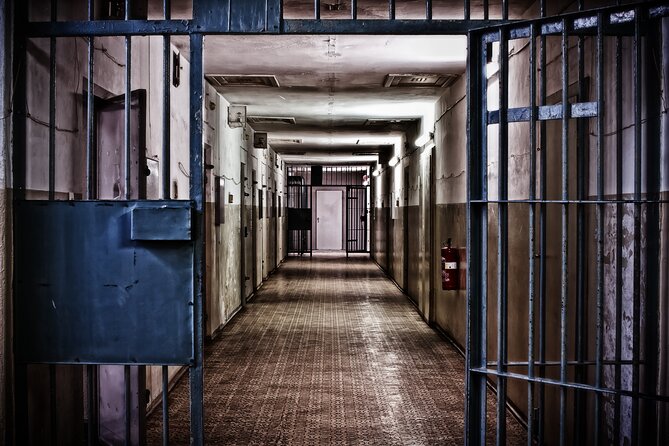
The Stasi Museum is housed in the former headquarters of the Ministry of State Security, commonly known as the Stasi. That detail changes the visit. You are not simply looking at objects in a modern gallery. You are walking through the administrative center of a system that monitored, pressured, and controlled ordinary people in East Germany.
The building helps explain how surveillance became part of daily government. The Stasi did not operate only through dramatic arrests or secret meetings. It also depended on files, informants, office routines, technical devices, and a vast flow of information about citizens.
You can see original spying equipment, including bugs and hidden cameras. These objects may look small and even old-fashioned, but they show the practical side of secret policing. The point is not gadgetry for its own sake. It is understanding how private life could be watched from behind a wall, inside a room, or through a trusted acquaintance.
The museum also explains how informants were recruited. That is one of the more unsettling parts of the subject because it brings the Stasi close to family life, workplaces, friendships, and neighborhoods. You come away with a clearer sense of how fear worked when people could not always tell who was reporting on them.
More Cold War tours in Berlin:
- Berlin: Third Reich and Cold War 2 Hour Walking Tour
★ 4.9 · 6,830 reviews - Berlin’s Best: 2 Hour Walking Tour Third Reich and the Cold War
★ 5.0 · 5,486 reviews - Skip-the-Line: Berlin Wall Museum at Checkpoint Charlie
★ 4.1 · 2,041 reviews
Starting at Alexanderplatz in the former GDR center
You meet your guide in front of the Park Inn by Radisson Berlin Alexanderplatz, at Alexanderplatz 5-7. The precise spot is between the Burger King and T-Mobile store, at the entrance area. Do not go inside the hotel. Hotel staff are not informed about the tour, so waiting outside is important.
Alexanderplatz is a smart place to begin. During the German Democratic Republic, it was a major public square in East Berlin. In 1989, it became the setting for the largest demonstration in GDR history, part of the public pressure that helped bring the regime to an end.
That context gives the tour a useful opening contrast. The Stasi represented state surveillance and control, while the 1989 demonstration showed citizens openly challenging the government. You start in a public space where change became visible, then travel to the offices where the state had worked to prevent that change.
The meeting stop itself is short, listed at about 10 minutes. Arrive early enough to find the exact entrance without rushing. Alexanderplatz is a busy city-center location, and the meeting instructions are specific for a reason.
The journey from Alexanderplatz to Normannenstraße
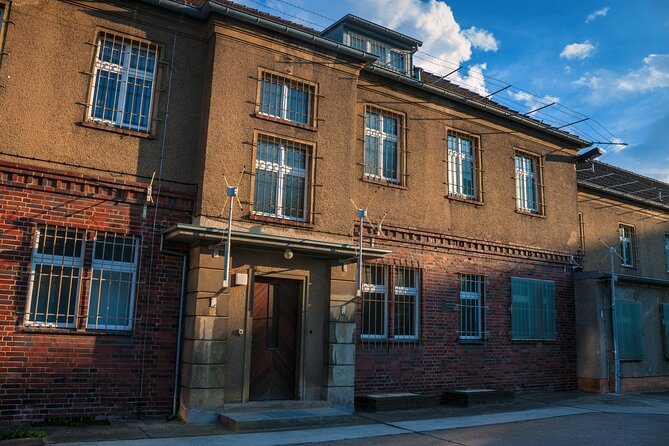
The museum is outside central Berlin, so public transport is part of the experience rather than an afterthought. Your guide accompanies you from Alexanderplatz, and two-way transport tickets are included.
The scheduled section from the meeting point to the museum takes about 50 minutes. That time includes the move from the square to the museum and the transition into the main visit. You should not treat it like a quick walk to a nearby attraction.
I like having the guide handle this part because it connects two very different parts of Berlin. Alexanderplatz is familiar to most visitors, while Normannenstraße is less central and more closely tied to the machinery of the former East German state. The ride gives you time to shift from general Berlin sightseeing to a focused historical visit.
The practical point is simple: stay with the schedule. The tour includes a reserved entry time, and late arrival could affect your admission. Check your email the day before for the operator’s final instructions, then be at the Alexanderplatz meeting point on time.
Two hours inside the Stasi Museum
The main museum visit lasts about two hours. That is enough time for a serious introduction, though visitors with a strong interest in Cold War history may wish they could stay longer.
Your guide leads you through the former headquarters and explains how the Stasi worked. The emphasis is not only on leaders and institutions. You learn how citizens were monitored, how informants were brought into the system, and how information was used to control people.
The museum’s original setting gives the material weight. A hidden camera displayed in a case is interesting. A hidden camera shown within the offices of the agency that used such tools feels more direct. The same is true of the ministerial rooms. They help you see surveillance as an organized government process, not a collection of isolated tricks.
You also visit the office of Erich Mielke, the Stasi minister. His famous red briefcase is displayed there, associated with sensitive information. That is the sort of small, concrete detail that makes a large political story easier to remember.
The museum may appeal most to people who like history with evidence attached. You are not asked to rely only on dates and broad explanations. You can look at the tools, rooms, and working spaces connected to the system.
More skip-the-line tickets in Berlin:
- Skip-the-line Charlottenburg Palace Private Tour & Transfers
★ 5.0 · 6 reviews - Skip-the-line Berlin Cathedral and Old Town Private Tour
★ 4.7 · 4 reviews
What the guide adds to the museum
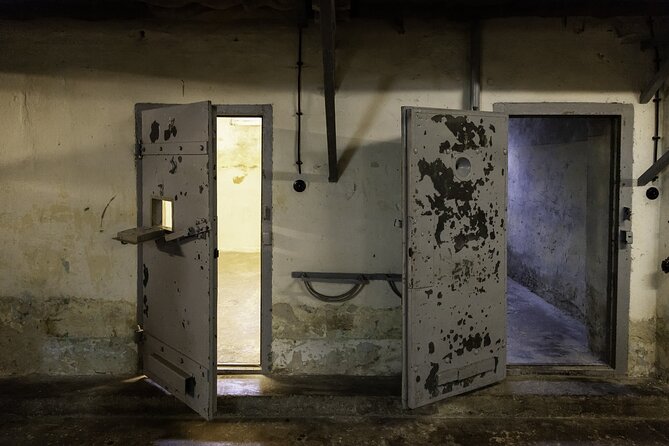
A private guide is especially useful here because the subject can become dense quickly. Terms such as Stasi, GDR, Ministry of State Security, informants, and internal surveillance can blur together if you move through the museum alone.
The guide can connect the displays to the larger story of life in East Berlin before the fall of the Wall. You can ask how the system affected everyday citizens, how informants were used, and why Alexanderplatz mattered in 1989.
The private setup also means only your group participates. That does not guarantee a particular guide style, since guides differ, but it does give you room to ask questions without competing with a large party. If you want to pause over a piece of spying equipment or ask for more background on Mielke, the format is better suited to that than a crowded group tour.
One especially valuable element is lived perspective. The available account of the experience describes a guide who had grown up in East Germany and had personal experience of life under Stasi rule. A guide with that background can explain the subject in human terms rather than presenting it as a distant political chapter. Specific guide names are not provided, so you should not book expecting a particular person.
The museum is not the Hohenschönhausen prison
Berlin has several important Stasi-related sites, and the names can cause confusion. This tour visits the Stasi Museum, officially the Forschungs- und Gedenkstätte Normannenstraße.
It does not visit the Berlin-Hohenschönhausen Memorial, the former Stasi prison. Hohenschönhausen focuses on imprisonment and detention. The Stasi Museum focuses on the Ministry of State Security headquarters, its offices, its surveillance work, and its administrative system.
That difference matters when choosing. If you want to see where the Stasi operated as an organization, this museum is the better match. If your main interest is prison cells, interrogation, and the experience of detainees, you need a different visit.
The tour description is clear about the distinction, but I would still check your booking details before paying. Berlin’s Cold War museums cover different parts of the story, and this experience is specifically about the headquarters and the machinery of surveillance.
Is $258.59 per person good value?

At $258.59 per person, this is not a budget museum visit. The price makes the most sense if you value private guiding, included transport, a reserved entry time, and focused attention on a difficult subject.
You are paying for roughly three hours, including the Alexanderplatz introduction, public transport to Normannenstraße, museum admission, and the return journey. The museum ticket and transport tickets are included. Group discounts are also available, though the actual discount depends on the size of your party and booking terms.
For one person or a couple watching costs, the price may feel high compared with visiting the museum independently. You would need to decide how much the guide’s interpretation is worth to you.
For a small group with a strong interest in 20th-century history, the calculation looks better. A private tour lets your group shape the conversation, and the guide can explain the museum in a way that matches your questions. The value is less about speed and more about avoiding a passive walk through a serious collection.
I would not choose this tour simply to fill a spare hour. The experience asks for attention, and the subject is not light. I would choose it if the Stasi, divided Germany, communism, or life before the Berlin Wall’s fall is a major reason you are in Berlin.
Timing, meeting details, and small practical points
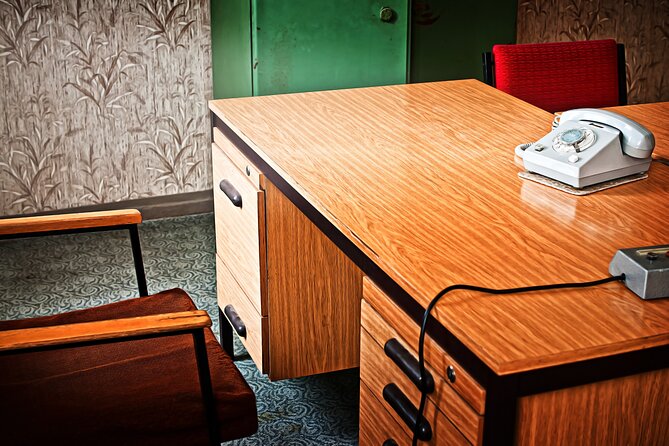
The tour lasts about three hours and begins and ends at Alexanderplatz. The end point is the same general meeting point, so you can plan the rest of your day from central Berlin.
The exact meeting location is in front of the Park Inn by Radisson Berlin Alexanderplatz, between Burger King and the T-Mobile store. Wait outside at the entrance. Do not enter the hotel expecting staff to direct you.
The experience is offered in English and uses a mobile ticket. Confirmation is sent at booking, and the activity is near public transportation. Most people can participate, but the provided information does not give more detailed accessibility specifications.
The skip-the-line feature means you have a reserved time slot rather than simply walking up whenever you wish. That is useful at a museum visit with a fixed schedule, but it also removes flexibility. Arriving late is not a minor inconvenience here. The tour depends on keeping the appointment and transport timing intact.
Free cancellation is available if you cancel at least 24 hours before the start time. Cancellations or changes made less than 24 hours ahead are not accepted for a refund, and cut-off times use Berlin’s local time.
Who will get the most from this tour?
I would recommend it first to people who want history explained rather than simply displayed. The private guide, original offices, technical equipment, and discussion of informants make the experience a good fit for anyone who wants to understand how a surveillance state functioned.
It also suits visitors who prefer a clear plan. You meet in a known central spot, receive transport tickets, travel with the guide, enter at a reserved time, and return to Alexanderplatz.
Families with older teenagers may find it useful if they are ready for serious political history. The museum deals with control, spying, and repression, so it may not suit very young children or anyone looking for a cheerful sightseeing stop.
You should think twice if you have limited interest in Cold War history. The Stasi Museum is focused, and much of its value comes from paying attention to systems, documents, offices, and personal consequences.
Should you book the Stasi Museum private tour?
Book it if you want the former Stasi headquarters, not the former prison, and if personal explanation will help you make sense of the displays. The original offices, hidden cameras, informant system, and Mielke’s red briefcase give the visit plenty of specific detail, while the Alexanderplatz opening connects the museum to the collapse of East Germany in 1989.
Skip it if $258.59 per person feels too steep or if you prefer to explore museums at your own speed. The three-hour schedule is structured, the meeting time matters, and the topic demands concentration.
For history-minded visitors, I think the private format earns its keep more than the skip-the-line label does. The real advantage is having someone beside you who can connect the rooms and objects to the lived experience of East Germany. That makes this a serious, focused Berlin activity rather than a quick museum stop.
FAQ
Where does the tour meet?
You meet in front of the Park Inn by Radisson Berlin Alexanderplatz at Alexanderplatz 5-7, 10178 Berlin, between Burger King and the T-Mobile store.
Should I enter the Park Inn by Radisson?
No. Wait outside at the entrance. The hotel staff are not informed about the tour.
How long does the experience last?
The full activity lasts approximately three hours.
Is transportation to the museum included?
Yes. Two-way public transport tickets are included because the Stasi Museum is outside central Berlin.
Is museum admission included?
Yes. Admission to the Stasi Museum, also called Forschungs- und Gedenkstätte Normannenstraße, is included.
Is this a private tour?
Yes. Only your group participates.
Is the tour offered in English?
Yes. The experience is offered in English.
Is this the same place as the Berlin-Hohenschönhausen Memorial?
No. This tour visits the Stasi Museum in the former Ministry of State Security headquarters. Hohenschönhausen is the former Stasi prison and is a different site.
More history tours in Berlin
- Berlin: World Heritage Cruise to Potsdam
★ 4.5 · 1,435 reviews - Berlin Historical Highlights Walking Tour
★ 4.9 · 657 reviews - Berlin Private Complete History All Day Walking Tour
★ 5.0 · 474 reviews - Berlin: Historic Boat Sightseeing City Center Tour
★ 4.5 · 415 reviews
More museums and galleries in Berlin
- Berlin: Natural History Museum Entrance Ticket
★ 4.6 · 3,382 reviews - Berlin: Museum Island Multiple Museum Entry Ticket
★ 4.4 · 2,007 reviews - Berlin: Interactive DeJa Vu Museum Entrance Ticket
★ 4.1 · 1,338 reviews - Berlin: “Pergamonmuseum. The Panorama” Exhibition Tickets
★ 4.6 · 1,245 reviews
Newest Berlin reviews
- Where It All Began: Berlin’s Queer & Trans History Tour★ 4.9 · 6 reviews
- Understanding Kreuzberg: The roots of local (sub)culture★ 4.9 · 11 reviews
- Berlin: guided canoe | kayaktour★ 4.1 · 7 reviews
- Private Potsdam City Tour in an authentic vintage van★ 5.0 · 14 reviews
- Warnemünde Shore Excursion: Private Sachsenhausen and Berlin Tour★ 5.0 · 12 reviews
- Ultimate E-Bike Tour of Berlin with Beer Garden Stop★ 5.0 · 4 reviews
- In the Forbidden City – Potsdam Walking Tour★ 5.0 · 17 reviews
- Private Walking Tour of Potsdam and Sanssouci★ 5.0 · 24 reviews
Berlin Cold War Tours, compared.


Berlin’s Best: 2 Hour Walking Tour Third Reich and the Cold War
Read our review →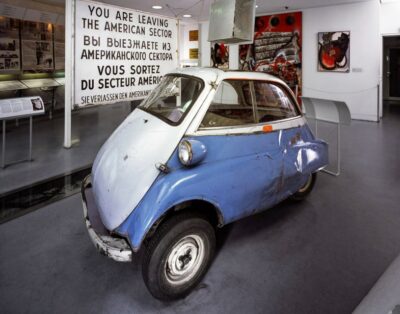
Skip-the-Line: Berlin Wall Museum at Checkpoint Charlie
Read our review →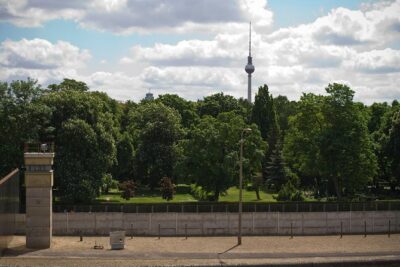
Cold War, Berlin Wall, Spies and the East Side Gallery
Read our review →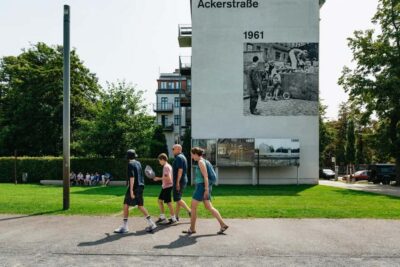

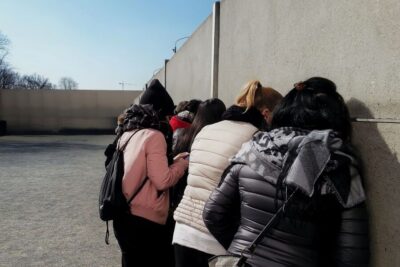
Listening Station Teufelsberg Tour with Transfer
Read our review →Browse the lists this tour appears in