
Reviewed · BERLIN COLD WAR TOURS
Hitler to Stalin – WWII & Cold War Tour (Small Group)
Berlin’s center is a history book you can walk through, and this tour reads its hardest chapters aloud. In 2.5 hours, you move from the Reichstag and Brandenburg Gate to the former Nazi power center, the site of Hitler’s bunker, the Berlin Wall, and Checkpoint Charlie. It is a compact way to connect World War II with the Cold War that followed.
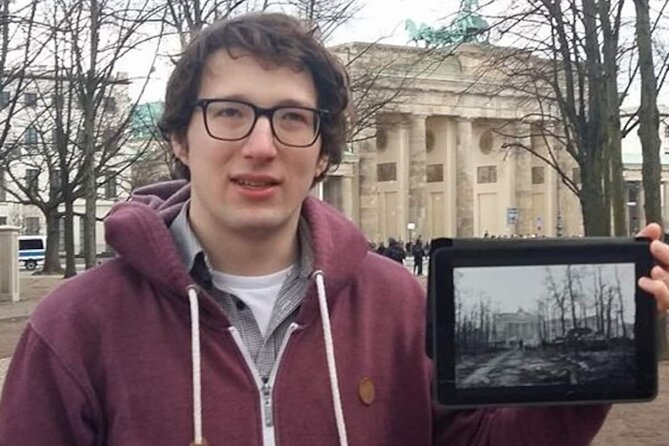
I like the small-group format, which should make it easier to hear the guide and ask questions. I also like the use of then and now photos and maps. They help you picture streets and buildings that were damaged, rebuilt, divided, or erased.
The main consideration is the pace. You cover a lot of ground on foot in a short time, and the subject matter is heavy. Bring good shoes, water, and an umbrella or raincoat because the walk goes ahead in all weather.
Key points at a glance
- A two-era history walk: The tour links Nazi rule, World War II, Berlin’s division, the Berlin Wall, and reunification.
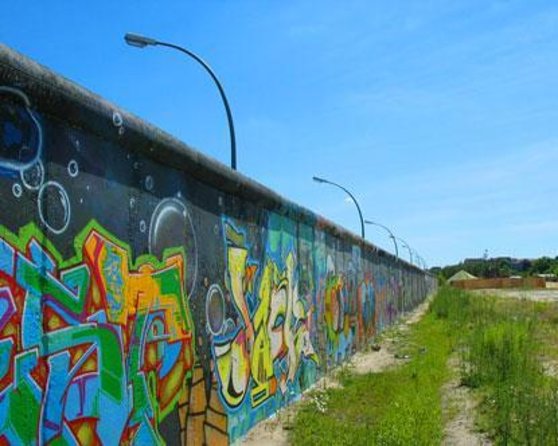
- Major central landmarks: You visit Brandenburg Gate, the Reichstag, the Holocaust Memorial, the Berlin Wall, Checkpoint Charlie, and sites connected with Hitler’s bunker and Gestapo headquarters.
- A guide-led experience: The tour is in English and led by a live guide, with Tom singled out for clear, engaging delivery.
- Photos and maps included: Then-and-now images help you compare today’s Berlin with wartime and Cold War scenes.
- Practical walking tour: It lasts 2.5 hours, starts and ends at Brandenburg Gate, and is wheelchair accessible.
- Flexible booking: The price is $34 per person, with free cancellation up to 24 hours before the start and a reserve-now, pay-later option.
Why this Berlin history walk works
Many Berlin sightseeing walks stick to one period. This one tries to show the chain of events. Nazi dictatorship and World War II changed the city first. The postwar occupation then split Berlin between competing political systems. The Wall made that split physical, and its fall helped lead to German reunification.
That connection is the tour’s main value. You are not simply ticking off famous sites. You are asked to see how one place changed meaning over time. Brandenburg Gate, for example, moves in the story from a symbol caught in the wreckage of war to a marker of unity.
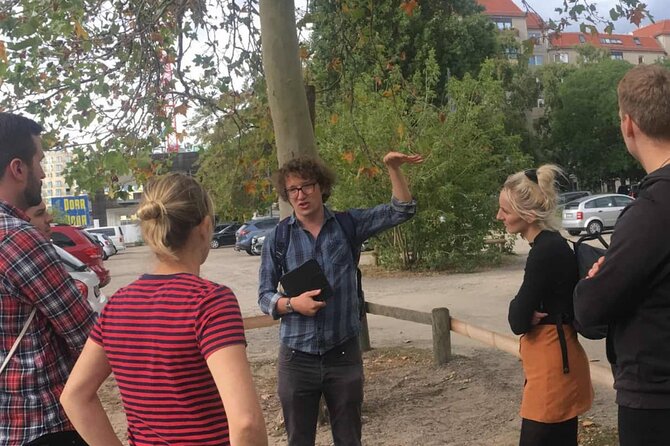
The tour is led by an English-speaking historian, and Tom is one guide specifically associated with the experience. His approach is described as interesting, appropriate, and engaged with the whole group. That matters here. Nazi history calls for care and accuracy, while the Cold War story can become confusing if it is reduced to a list of dates.
At $34 per person, the price is sensible for a 2.5-hour guided walk in central Berlin. You are paying for a live guide, a small group, historical visual aids, and a route joining several important sites. You will not get museum admission or a long indoor break, so the value is highest if you want context while walking rather than a seated presentation.
More Third Reich history tours in Berlin:
- Berlin: Third Reich and Cold War 2 Hour Walking Tour
★ 4.9 · 6,830 reviews - Berlin’s Best: 2 Hour Walking Tour Third Reich and the Cold War
★ 5.0 · 5,486 reviews - Third Reich Berlin: Hitler and WWII Walking Tour
★ 5.0 · 3,301 reviews
Starting at Brandenburg Gate
Meet at the Tourist Center by Brandenburg Gate and look for the blue umbrella. This is a useful starting point because the gate gives you an immediate sense of Berlin’s changing identity.
The route uses the gate to frame the city’s story. It witnessed the years of Nazi power, the destruction of World War II, the division of Berlin, and the period after the Wall fell. Today it is associated with unity, but the tour encourages you to consider the scars behind that polished image.
Starting here also makes practical sense. The meeting point is easy to identify, and the tour returns here at the end. You do not need to work out a second pickup location or arrange transport back across the city.
Give yourself enough time to find the blue umbrella. The supplied details do not specify an exact street corner or starting time, so check your booking information carefully and confirm the available departure time before you set out.
Reading power at the Reichstag
The Reichstag is one of the central stops. Its importance is political as well as architectural. Here, the guide explains how power operated in Germany and how the country’s political story fits into the events around World War II and the Cold War.
You should not expect an interior visit based on the information provided. The value is in understanding the building’s role and setting it within Berlin’s wider political center. The guide can point out how today’s democratic Germany differs from the dictatorship and division that shaped the city in the twentieth century.
This stop is especially useful if you are new to Berlin. The Reichstag is easy to photograph, but a photo alone does not explain its place in the city’s story. The guide’s account gives the building a political purpose rather than treating it as another impressive facade.
The Holocaust Memorial and the cost of Nazi rule
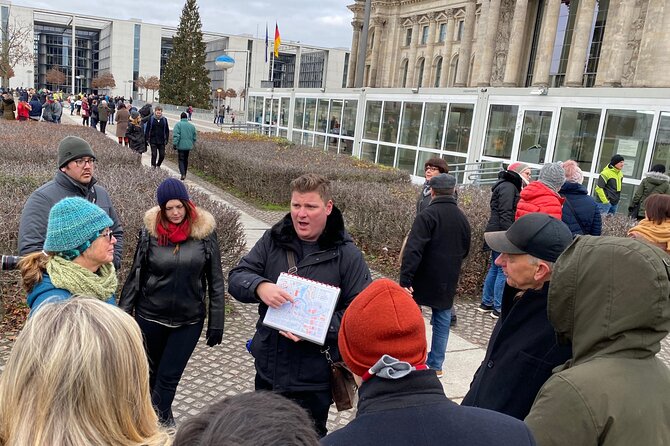
The Memorial to the Murdered Jews of Europe, commonly called the Holocaust Memorial, gives the tour its most reflective stop. The purpose here is not sightseeing in the usual sense. It is a place to consider the scale of the loss caused by Nazi persecution and the lessons Berlin is trying to keep visible.
The tour’s focus on historical connection is important here. You first hear about political power and the machinery of dictatorship, then encounter a memorial devoted to those murdered under that system. That movement from institutions to human cost helps keep the story grounded.
Expect a serious tone. This is not a place for hurried chatter or light entertainment, and the guide’s careful approach matters. The tour description emphasizes honoring Berliners’ endurance and recognizing both human achievement and tragedy. That balance can help you understand the city without turning painful history into spectacle.
More Cold War tours in Berlin:
- Skip-the-Line: Berlin Wall Museum at Checkpoint Charlie
★ 4.1 · 2,041 reviews - Cold War, Berlin Wall, Spies and the East Side Gallery
★ 5.0 · 1,024 reviews - Berlin: Cold War Walking Tour on Berlin Wall Route
★ 4.8 · 437 reviews - Berlin: Cold War Era History Guided Bike Tour
★ 4.8 · 413 reviews
Hitler’s bunker site and the Nazi power center
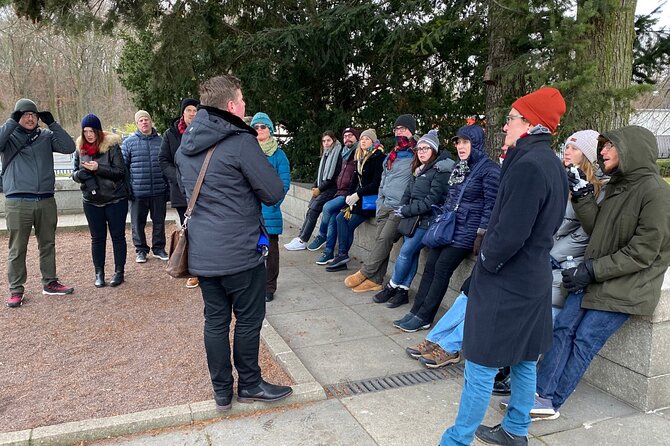
The route includes the site connected with Hitler’s bunker and the former Gestapo headquarters area. These locations help explain how Berlin functioned as the center of Nazi power and repression.
The bunker site is not presented as a preserved attraction. It is important precisely because the physical remains do not offer a dramatic underground visit. A guide can explain what happened here and why the location matters, while helping you avoid the sensational treatment that often surrounds Hitler’s final days.
The Gestapo headquarters site shifts the focus from the regime’s top leadership to its system of terror. Together, these stops show both the decision-making center and the machinery used to enforce Nazi rule. That combination makes the route more useful than a single stop at a bunker marker.
You should expect to learn from the guide rather than from extensive on-site displays. The supplied information does not promise museum exhibits or entry to preserved interiors. The experience is an outdoor walking tour, supported by maps and then-and-now photographs.
Seeing the Berlin Wall as a physical divide
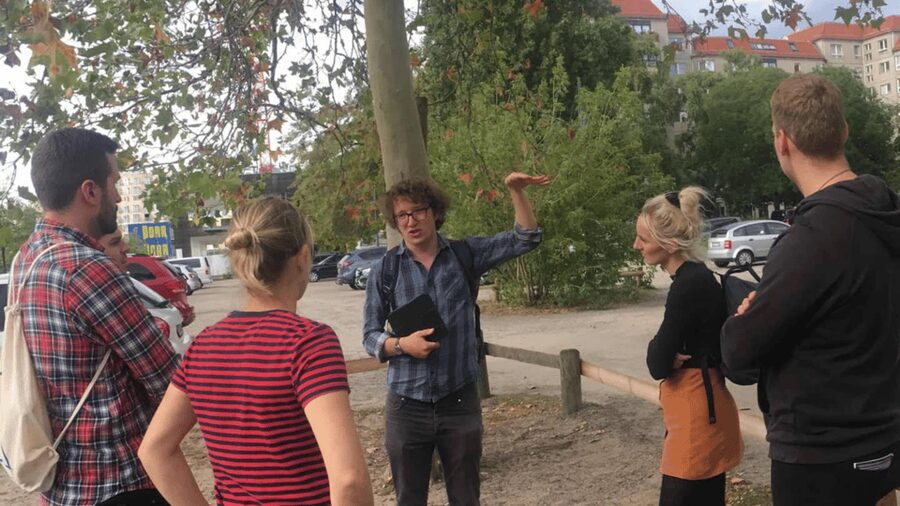
The Berlin Wall section explains how the city moved from wartime defeat to postwar division. After 1945, Berlin became a focal point of tension between opposing political systems. The Wall later turned that political split into a hard physical barrier.
This is where the two halves of the tour connect most clearly. World War II did not end Berlin’s troubles. The aftermath created a divided city, and Berlin became a symbol of the larger Cold War conflict.
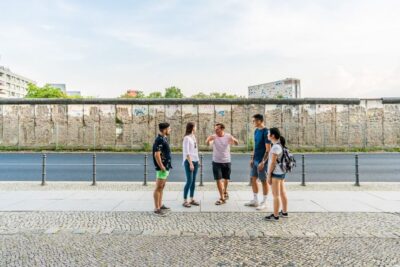
You will view part of the actual Wall, described on the tour as the Iron Curtain. Do not expect every surviving section of the barrier to look the same. Berlin has changed greatly, and many former border areas are now ordinary streets, memorial spaces, or open public areas. That contrast is part of the point.
The guide also covers Berlin’s eventual unification. You get the chance to understand the events that led to division and the later changes that brought the city back together. The route is therefore not frozen in 1945 or 1961. It carries the story through the end of the Cold War.
Checkpoint Charlie and a city under pressure
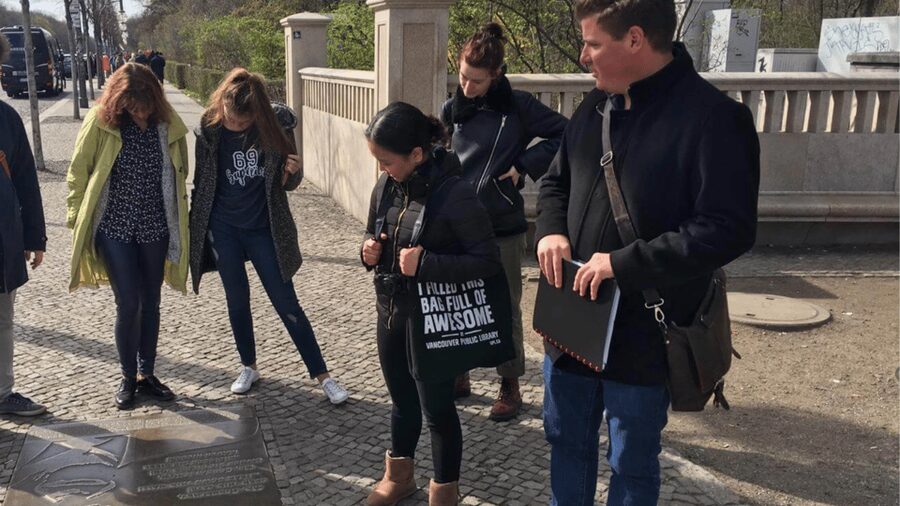
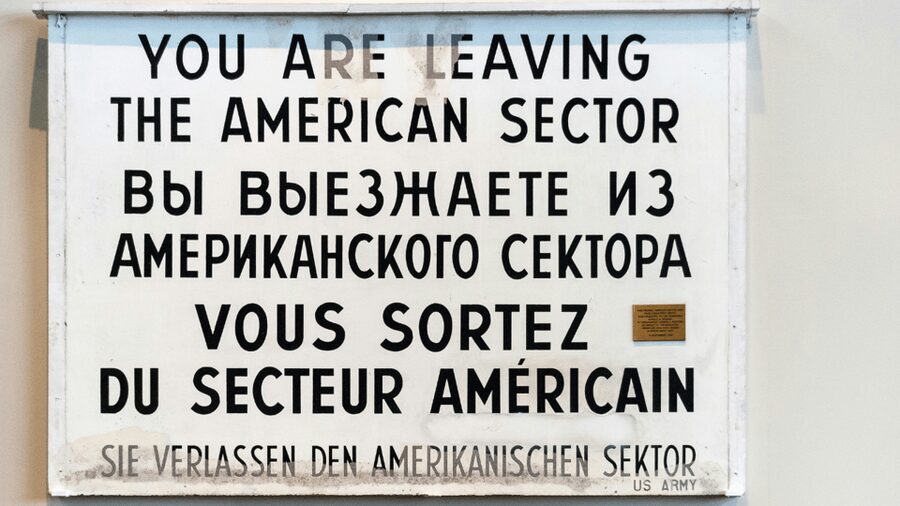
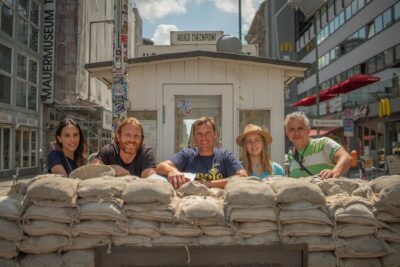
Checkpoint Charlie is one of Berlin’s best-known Cold War landmarks. It represents the divided city in a direct, almost theatrical way, but the guide’s job is to move beyond the familiar sign and guardhouse imagery.
Here, you can consider what it meant for Berliners to live with a border cutting through their city. The stop helps explain the international importance of Berlin’s partition, not just the local inconvenience of crossing from one district to another.
Checkpoint Charlie can be crowded and commercial in present-day Berlin. That is a drawback if you want a quiet or untouched historic setting. A guided explanation helps you separate the current tourist scene from the serious political tension that once centered on this crossing.
The tour’s sequence makes the stop more meaningful. You have already considered the Nazi dictatorship, the war, occupation, and the construction of the Wall. Checkpoint Charlie then becomes part of a longer story about competing governments, restricted movement, and the eventual collapse of division.
Then-and-now photographs make the past visible
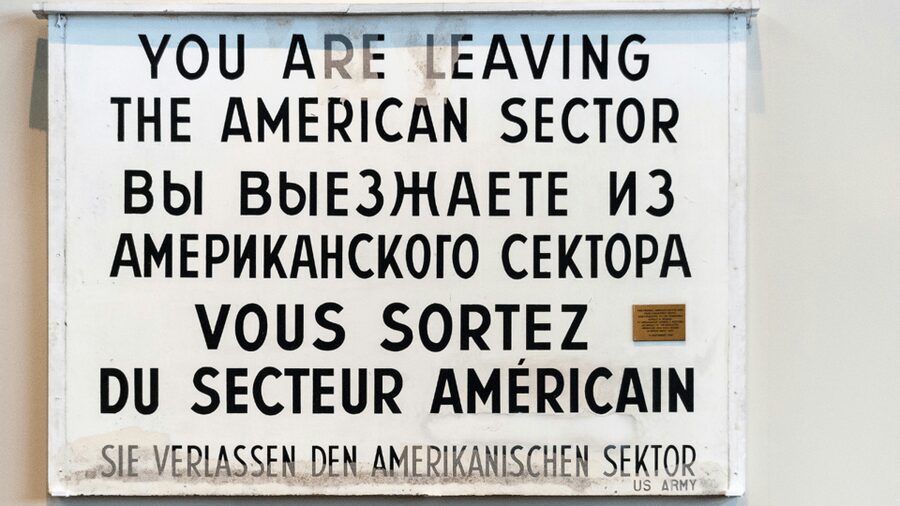
Historical sites do not always look historical. Berlin has rebuilt, cleared, and redesigned much of its center. A modern street may conceal wartime destruction or a former border line.
The included then-and-now photographs and maps are therefore more than extra decoration. They can show you how a street, building, or open area looked during the Nazi period, the war, or the Cold War. This kind of visual comparison is useful when the original structure has vanished.
I find this especially helpful for first-time visitors. You do not need to arrive with a detailed map of wartime Berlin. The guide supplies a visual bridge between the city in front of you and the city that existed before.
The materials also make the tour easier to remember afterward. If you plan to visit museums or memorial sites later, you will have a basic timeline and a clearer sense of where each place fits.
The walking conditions and group experience
The tour lasts 2.5 hours and takes place outdoors. Comfortable walking shoes are essential. Bring water and light snacks, and carry an umbrella or raincoat if the forecast looks poor.
The walk operates rain or shine. Berlin’s weather can change quickly, so a waterproof layer is more useful than hoping for a perfect morning. There is no promise of a long refreshment stop, so take care of food and water before you meet the group.
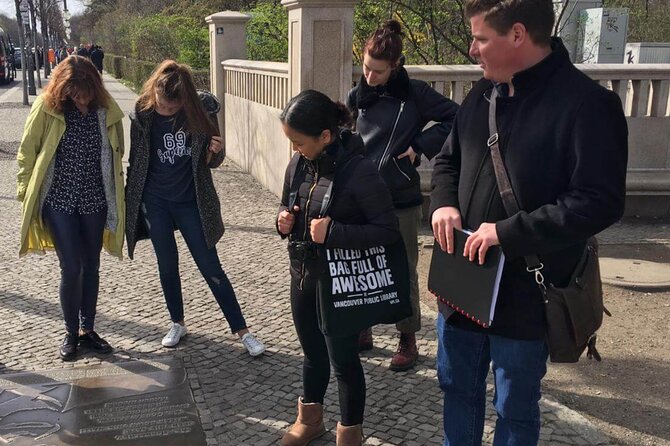
The small-group setup is a real advantage for this subject. You should be able to hear explanations more easily than in a large crowd, and there is a better chance to ask about a detail that catches your attention. The exact group size is not provided, so do not assume it will be a private tour.
The route is wheelchair accessible. Still, because this is a walking tour through central Berlin, it is wise to check the specific route and current conditions when booking if you have mobility needs. The activity description confirms accessibility, but it does not provide a detailed surface or rest-stop plan.
Who will get the most from this tour
This is a strong choice if you want a clear introduction to Berlin’s twentieth-century history and prefer learning outdoors. It suits first-time visitors who want the major sites explained in one connected route.
It also works well for you if you have visited Berlin before but mostly saw the landmarks without context. The photographs, maps, and guide commentary can help tie familiar places together.
The tour may be less suitable if you want long museum visits, private discussion, or a slow pace. It covers many locations in 2.5 hours, so the emphasis is on orientation and explanation rather than extended time at any one memorial.
Families with older children may find the route useful, though the Nazi and Holocaust material is serious. The tour’s careful tone is appropriate, but parents should decide if the subject fits their children.
Booking, cancellation, and final advice
The tour costs $34 per person. Free cancellation is available up to 24 hours before the start, and you can reserve now and pay later. Those terms are helpful if your Berlin schedule is still shifting.
Book this tour if you want a compact, guide-led explanation of how Nazi Berlin became Cold War Berlin, with the story carried through to reunification. The combination of major sites, a small group, visual aids, and a capable guide such as Tom gives you more than a quick walk past famous addresses.
Skip it if you want to spend most of your time inside museums or prefer exploring at your own pace. For everyone else, bring sturdy shoes, water, and an open mind. Meet at the blue umbrella by Brandenburg Gate, and expect Berlin’s most difficult history to be treated as a connected human story rather than a collection of photo stops.
FAQ
How long does the Hitler to Stalin tour last?
The tour lasts 2.5 hours.
Where does the tour start?
It starts at the Tourist Center at Brandenburg Gate. Look for the blue umbrella.
Where does the tour end?
The activity ends back at the meeting point at Brandenburg Gate.
What language is the tour in?
The live tour guide speaks English.
Which Berlin landmarks are included?
The route includes Brandenburg Gate, the Reichstag, the Memorial to the Murdered Jews of Europe, the Berlin Wall, Checkpoint Charlie, the site of Hitler’s bunker, and the former Gestapo headquarters area.
Does the tour cover both World War II and the Cold War?
Yes. It explains Berlin’s role during World War II, the events that led to the city’s division, the Cold War period, and the eventual reunification of Berlin.
Is this a small-group tour?
Yes. It is described as an exclusive small-group tour, though an exact group size is not provided.
Is the tour wheelchair accessible?
Yes, the activity is listed as wheelchair accessible.
What should I bring?
Bring comfortable walking shoes, water, and light snacks. An umbrella or raincoat is recommended in unfavorable weather.
Can I cancel for a refund?
Yes. You can cancel up to 24 hours in advance for a full refund. You can also reserve your place and pay later.
Newest Berlin reviews
- Where It All Began: Berlin’s Queer & Trans History Tour★ 4.9 · 6 reviews
- Understanding Kreuzberg: The roots of local (sub)culture★ 4.9 · 11 reviews
- Berlin: guided canoe | kayaktour★ 4.1 · 7 reviews
- Warnemünde Shore Excursion: Private Sachsenhausen and Berlin Tour★ 5.0 · 12 reviews
- Ultimate E-Bike Tour of Berlin with Beer Garden Stop★ 5.0 · 4 reviews
- Private Potsdam City Tour in an authentic vintage van★ 5.0 · 14 reviews
- In the Forbidden City – Potsdam Walking Tour★ 5.0 · 17 reviews
- Private Walking Tour of Potsdam and Sanssouci★ 5.0 · 24 reviews
Berlin Cold War Tours, compared.
Berlin’s Best: 2 Hour Walking Tour Third Reich and the Cold War
Read our review →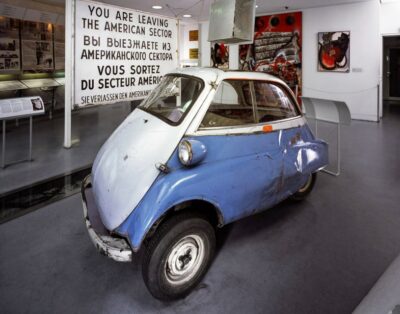
Skip-the-Line: Berlin Wall Museum at Checkpoint Charlie
Read our review →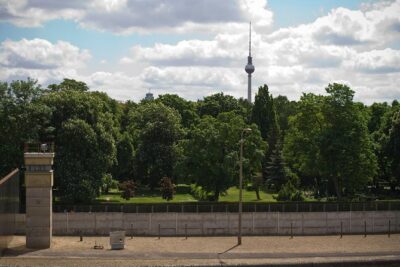
Cold War, Berlin Wall, Spies and the East Side Gallery
Read our review →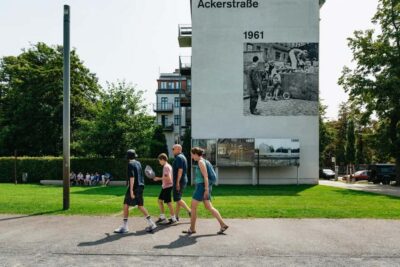

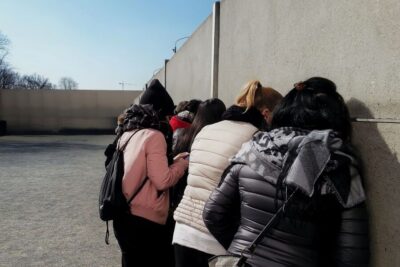
Listening Station Teufelsberg Tour with Transfer
Read our review →Browse the lists this tour appears in