
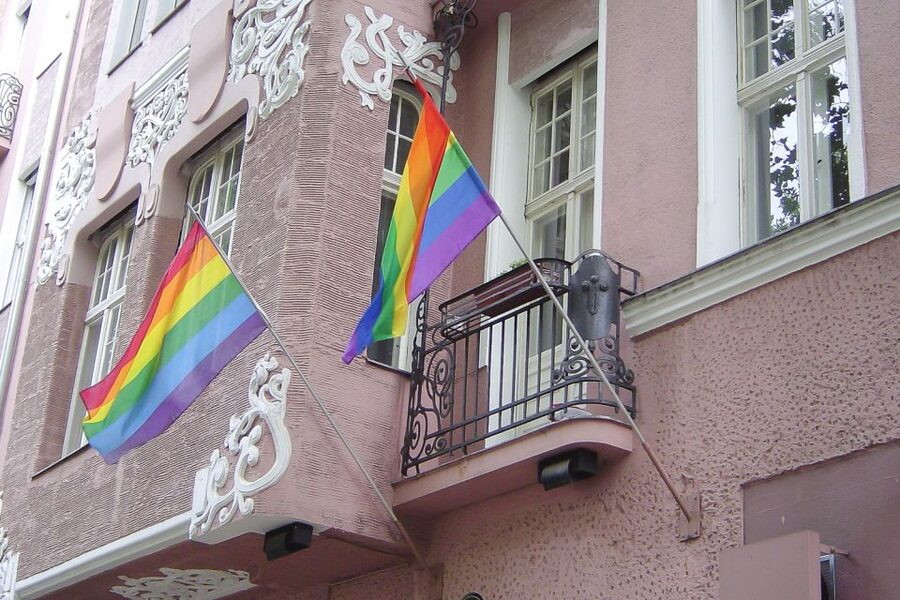
Reviewed · QUEER BERLIN TOURS
Queer Berlin Walking Tour
Berlin’s queer past is not tucked away in a museum. It is written into the streets of Schöneberg, the cabarets once frequented by Marlene Dietrich, the former Eldorado bar, and the paths through the Tiergarten. This 3.5-hour walk also faces the darker chapters, including Nazi persecution and the long shadow of Section 175.
I like the way the tour links personal stories to larger Berlin history, from Friedrich the Great to Christopher Isherwood and Magnus Hirschfeld. I also like that it gives attention to lesbian history, transgender lives, HIV/AIDS memorials, and modern queer politics. The main drawback is simple: this is a long walking tour in all weather, and public transport and entrance fees are not included.
Key points to know before you book
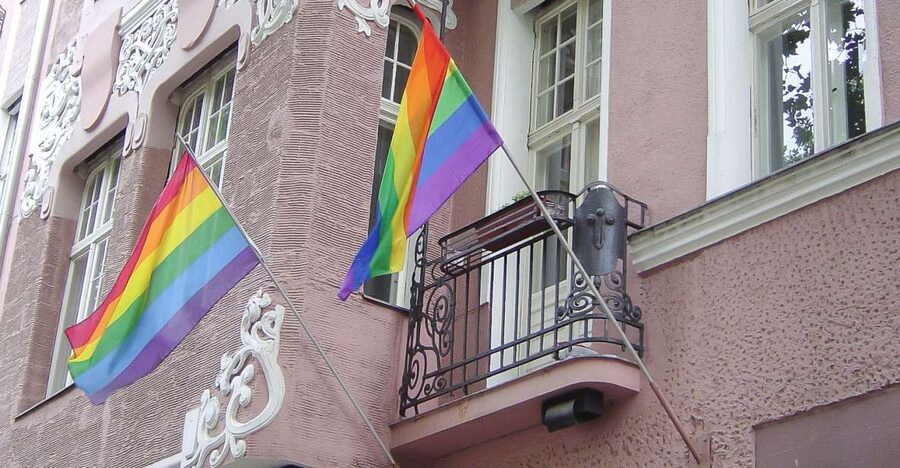
- Schöneberg is the heart of the route: Explore Berlin’s best-known queer neighborhood and its nightlife history.
- The former Eldorado adds a vivid address to the story: Learn about one of the city’s oldest gay and trans bars.
- Magnus Hirschfeld’s work is a major focus: Hear how his Institute for Sexual Science supported queer and transgender people before the Nazis destroyed it.
- The tour does not avoid painful history: Nazi persecution, concentration camps, book burnings, and Section 175 are treated as part of the full story.
- The Tiergarten portion changes the mood: Walk through Berlin’s historic gay meeting place near the former Berlin Wall.
- You get history with room for questions: Past guides such as Tobi, Tom, Finn, Jared, Beth, and Kyle have been praised for clear explanations, humor, patience, and personal insight.
Why this tour gives Berlin a different frame
Berlin is often sold through its grand monuments, museums, and twentieth-century political history. This walk shows how those same periods affected queer people, and how queer people helped shape the city in return.
I like that the tour does not treat LGBTQIA+ history as a small side subject. It connects rulers, artists, medical researchers, nightlife figures, political leaders, and ordinary people. You hear about Friedrich the Great, Marlene Dietrich, Christopher Isherwood, Otto Dix, Magnus Hirschfeld, and former openly gay mayor Klaus Wowereit in one long story.
That range matters. It keeps the tour from becoming a simple list of former bars and memorials. You get the social setting around the places, along with the laws and political forces that made queer life dangerous at some points and unusually open at others.
The tone also appears to balance serious material with entertaining anecdotes. That is useful in Berlin, where a street corner can carry several layers of history. You will hear about nightlife and cabaret, but also about fear, resistance, public support, and the loss caused by Nazi persecution.
More queer history tours in Berlin:
- Berlin: Gay Berlin Out in Schöneberg Walking Tour
★ 4.8 · 281 reviews - Berlin’s Gay, Lesbian, and Queer Scene Small-Group Walking Tour
★ 4.5 · 66 reviews - Where It All Began: Berlin’s Queer & Trans History Tour
★ 5.0 · 27 reviews
Starting in Schöneberg, Berlin’s queer neighborhood
The Schöneberg section is the natural starting point because it gives you a physical sense of Berlin’s long queer identity. The neighborhood is linked with gay and lesbian nightlife, cabaret, artists, and the social networks that formed around bars and clubs.
You can expect to hear about Marlene Dietrich’s connection with the area and about the writers and artists who recorded its nightlife. Christopher Isherwood is especially important here. His observations of Berlin helped create the city’s enduring image as a place of sexual freedom, cabaret, and experimentation.
Otto Dix also enters the story, adding an art-world angle. The point is not simply that famous people passed through Schöneberg. It is that the neighborhood offered a setting where identity, performance, art, and nightlife met in public.
The tour also considers lesbian history, which is often treated as an afterthought on city walks about gay Berlin. That broader approach is one of the best reasons to choose this experience. You are not limited to a narrow story of male nightlife.
The former Eldorado and the city’s nightlife
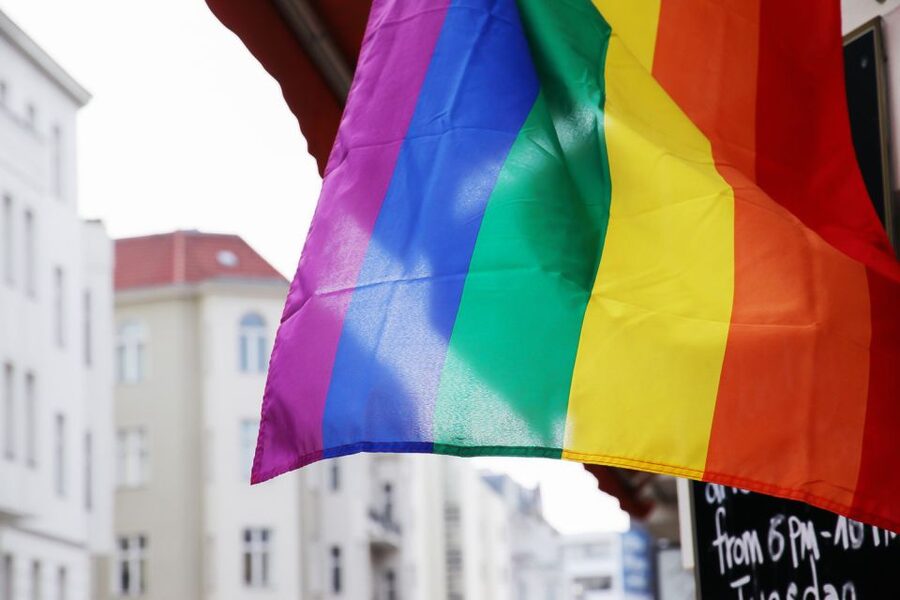
The former Eldorado is one of the route’s most memorable stops because it gives the past a specific address. It was one of Berlin’s oldest gay and trans bars, making it a useful place to discuss the people who found community and self-expression in nightlife.
A former bar site cannot recreate the room that once existed, so keep your expectations in check. You are seeing a location, not entering a preserved historical club. Its value comes from the explanation around it: who gathered there, what the nightlife scene meant, and how unusual such public queer spaces could be.
This is also where the tour’s anecdotes should work well. Berlin’s queer history is not only made of court cases and political speeches. It includes costumes, performers, friendships, coded behavior, public scandal, and the daily search for a place where people could relax.
The nightlife story has a darker side, too. The city could offer freedom and danger at the same time. The guide’s job is to show both without turning the past into a romantic fantasy.
Magnus Hirschfeld and the Institute for Sexual Science
Magnus Hirschfeld is one of the central figures on this walk, and his work gives the tour a strong intellectual and human focus. He helped openly queer and transgender people find assistance and support through his groundbreaking Institute for Sexual Science.
That institute represented an early effort to study sexuality and gender while also serving people who needed practical help. For a modern visitor, it helps explain that organized support and serious research around LGBTQIA+ lives existed in Berlin long before current rights movements.
The story then turns sharply in 1933. The institute was shut down, and its library was destroyed during the Nazi book burnings. This is a powerful reminder that the destruction of queer institutions was not separate from the wider attack on independent thought, science, and minority groups.
The institute no longer functions as a simple attraction you can tour. Instead, the guide uses its story to explain what Berlin lost. I find that more useful than a quick plaque because you learn about the purpose of the institution, the people it served, and the political climate that destroyed it.
Other Berlin experiences to weigh up
- Discover Berlin Half-Day Walking Tour
★ 5.0 · 9,624 reviews - Berlin: Third Reich and Cold War 2 Hour Walking Tour
★ 4.9 · 6,830 reviews - Berlin: Discover Berlin Walking Tour
★ 4.9 · 5,998 reviews - Berlin’s Best: 2 Hour Walking Tour Third Reich and the Cold War
★ 5.0 · 5,486 reviews
Nazi persecution and the memorial
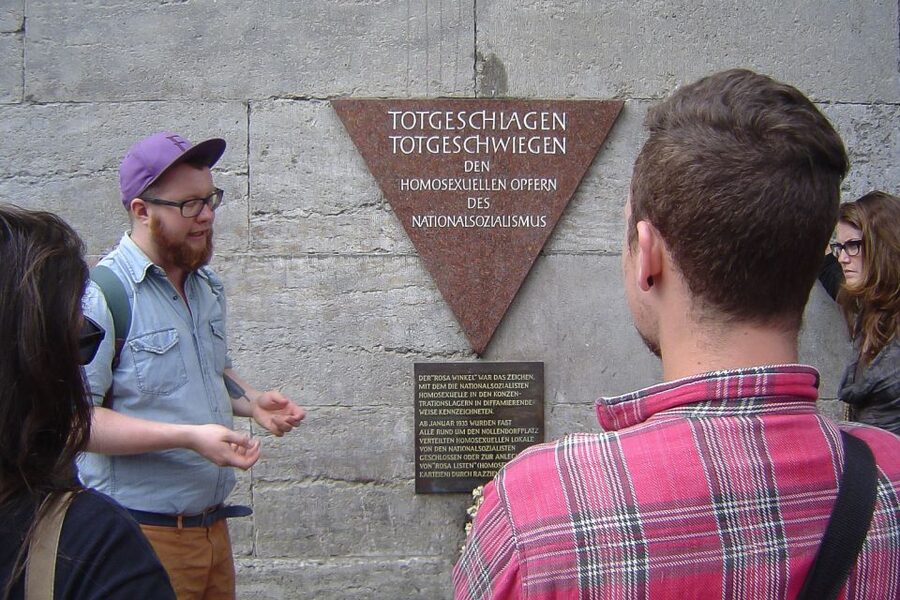
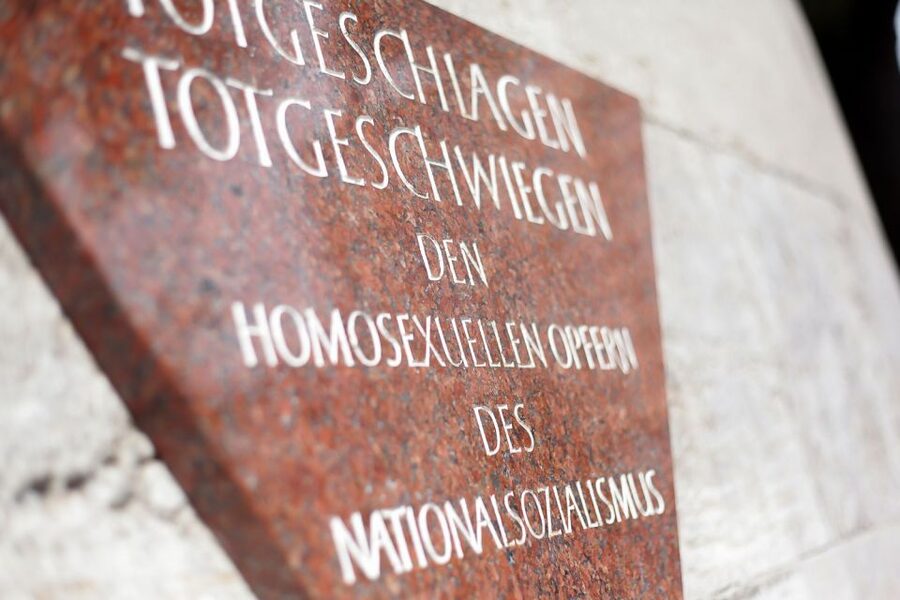
The walk includes a poignant memorial to homosexual people persecuted by the Nazis and sent to concentration camps. This is one of the moments when the tour moves from social history to remembrance.
The subject needs care, and it is valuable that it is part of the main route rather than left out in favor of lighter stories. Nazi persecution of queer people cannot be separated from the broader history of imprisonment, forced identification, violence, and murder under the regime.
You will also hear about the longer legal struggle connected with Section 175, the German penal code provision that criminalized male homosexuality for decades after World War II. That detail prevents a common mistake: assuming that liberation arrived immediately after the fall of Nazi Germany.
The inclusion of Section 175 gives the tour a wider time span. It shows that legal persecution continued into the postwar era, even as Berlin developed a reputation for personal freedom. That contrast is one of the most important ideas in the entire walk.
Through the Tiergarten and under the shadow of the Wall
The route continues through the Tiergarten, described as Berlin’s best-known gay meeting spot. This changes the feel of the tour. You move from neighborhood streets and former nightlife addresses into a large public park with its own long connection to queer social life.
The Tiergarten section also sits near the former Berlin Wall, adding another layer of division to the story. Berlin’s queer history was shaped not just by national laws and social attitudes, but by the split between East and West.
A past tour itinerary has included discussion of the gentrification of the East German gay neighborhood. That topic helps you see queer Berlin as a changing city rather than a fixed historical district. Places that once offered affordable community and nightlife can change as rents, tourism, and redevelopment reshape the city.
One practical point: the route includes plenty of walking. Bring comfortable shoes, keep your bag light, and carry a drink and a small snack. The tour runs in all weather, so check the forecast and dress for the day rather than hoping for perfect conditions.
From Prussian kings to a gay mayor
The tour’s historical range reaches from Friedrich the Great to Klaus Wowereit, Berlin’s former openly gay mayor. That leap across centuries helps show how queer Berlin has never belonged to one era or one social group.
Friedrich the Great raises questions about private identity, public power, and the limits of what can be known about historical figures. The discussion is not just about attaching modern labels to people from the past. It is about how queer lives have been recorded, hidden, interpreted, or ignored.
Klaus Wowereit brings the story into modern public life. His openly gay leadership represents a very different kind of visibility from the secretive or coded lives discussed earlier in the tour. Placing him alongside earlier figures makes the political change easier to understand.
I appreciate this broad structure because it keeps the walk from becoming only a tour of victimhood. Persecution is central, but so are creativity, public life, survival, humor, friendship, and political progress.
Guides, storytelling, and the value of the group
The experience is led in English or German by a live guide. Past guides named in the feedback include Tobi, Tom, Finn, Jared, Beth, and Kyle. You should not assume a particular guide will lead your departure, but the repeated strengths attached to these guides are useful clues about the style: clear explanations, humor, patience, personal touches, and willingness to answer questions.
That last point matters. Queer history often raises questions that do not fit neatly into a prepared speech. The ability to pause and explain a term, a law, or a social custom can make the difference between a tour that feels like a lecture and one that feels like a real conversation.
The group setting can also add value. One past participant joined friends after sleeping late, and the guide helped them reconnect during the route. That suggests some flexibility in handling small problems, though you should still arrive on time and follow the meeting instructions for your booking.
The check-in point can vary by the option you choose. Look for the guide wearing a blue Original Berlin Walks name badge. Since the meeting place is not fixed in the information provided, check your booking details before setting out.
Price, timing, and what you get
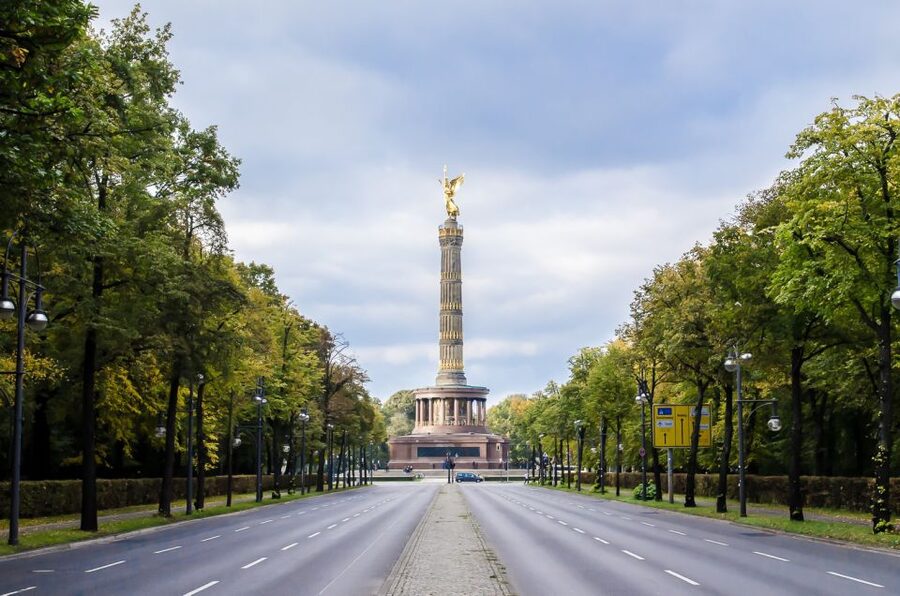
At $23 per person, the tour is reasonably priced for 3.5 hours with an English or German-speaking guide. You are paying mainly for the guide’s research, storytelling, and ability to connect scattered sites into one understandable route.
There are no listed entrance fees included because the experience is primarily an outdoor walking tour. Public transport is also not included if it becomes necessary, so keep a little extra money or a transit ticket available. The exact route and meeting point may vary by booking option.
The length is both a strength and a limitation. Three and a half hours gives the guide time to cover Schöneberg, the Tiergarten, queer nightlife, Magnus Hirschfeld, Nazi persecution, Section 175, and modern Berlin. It also means you need to be ready for a substantial walk with few chances to sit.
The activity offers free cancellation up to 24 hours before departure and allows you to reserve now and pay later. Those policies are helpful if your Berlin schedule is still shifting, but the main decision is whether you want to give half a day to a serious history walk.
Who should book this walk?
I would choose this tour if you want more than nightlife tips. It suits first-time Berlin visitors who want a new way to understand the city, as well as returning visitors who have already seen the main monuments.
It is especially useful if you care about LGBTQIA+ history, social movements, art, literature, gender identity, or the connection between private lives and public laws. You do not need to know Berlin’s queer history in advance. The tour is designed to build the story as you walk.
It is also a good choice for anyone who wants current context alongside older history. The move from cabaret and the Eldorado to the Wall, gentrification, and Klaus Wowereit gives you a sense of change across time.
You may want to skip it if you dislike long walking tours, sensitive subjects, or outdoor activities in poor weather. It is not a bar crawl, a museum visit, or a light sightseeing loop. The tone includes humor, but the route also deals directly with persecution and loss.
Should you book the Queer Berlin Walking Tour?
Book it if you want Berlin explained through the lives of the people who challenged its laws, shaped its nightlife, created support networks, and kept building community after repression. The strongest parts are the Schöneberg addresses, the Eldorado story, Magnus Hirschfeld’s institute, and the direct connection between Nazi persecution and postwar Section 175.
Bring walking shoes, water, a snack, and weather protection. Give yourself the full 3.5 hours, and arrive ready to ask questions. At $23, it offers a useful amount of history for the price, especially if you want a thoughtful view of Berlin that reaches well beyond the usual postcard sights.
FAQ
How long is the Queer Berlin Walking Tour?
The tour lasts 3.5 hours.
How much does the tour cost?
The listed price is $23 per person.
Which languages are available?
The tour is offered in English and German.
What areas does the tour visit?
The route explores Schöneberg and the Tiergarten, Berlin’s best-known gay meeting spot.
Will I see the former Eldorado?
Yes. The tour includes the site of the former Eldorado, one of Berlin’s oldest gay and trans bars.
Does the tour discuss Magnus Hirschfeld?
Yes. You will learn about Magnus Hirschfeld, his Institute for Sexual Science, its support for queer and transgender people, and its destruction during the 1933 Nazi book burnings.
Are public transport and entrance fees included?
No. Public transport, if needed, and entrance fees are not included.
Does the tour run in bad weather?
Yes. The tour runs in all weather, so bring suitable clothing and comfortable walking shoes.
What should I look for at the meeting point?
The meeting point can vary by the option booked. Your guide will be wearing a blue Original Berlin Walks name badge.
Newest Berlin reviews
- Where It All Began: Berlin’s Queer & Trans History Tour★ 4.9 · 6 reviews
- Understanding Kreuzberg: The roots of local (sub)culture★ 4.9 · 11 reviews
- Berlin: guided canoe | kayaktour★ 4.1 · 7 reviews
- Private Potsdam City Tour in an authentic vintage van★ 5.0 · 14 reviews
- Warnemünde Shore Excursion: Private Sachsenhausen and Berlin Tour★ 5.0 · 12 reviews
- Ultimate E-Bike Tour of Berlin with Beer Garden Stop★ 5.0 · 4 reviews
- In the Forbidden City – Potsdam Walking Tour★ 5.0 · 17 reviews
- Private Walking Tour of Potsdam and Sanssouci★ 5.0 · 24 reviews
Queer Berlin Tours, compared.
Berlin’s Gay, Lesbian, and Queer Scene Small-Group Walking Tour
Read our review →
Where It All Began: Berlin’s Queer & Trans History Tour
Read our review →
Street Art & Berlin Gay, Queer, Trans History + Free Gay Map
Read our review →
Queer Berlin Tour: Birthplace of LGBTQ+ Movements
Read our review →Where It All Began: Berlin’s Queer & Trans History Tour
Read our review →
Browse the lists this tour appears in