
Reviewed · QUEER BERLIN TOURS
Berlin’s Gay, Lesbian, and Queer Scene Small-Group Walking Tour
Berlin’s queer story reaches from 19th-century social life to today’s clubs, neighborhoods, memorials, and political culture. This three-and-a-half-hour walking tour connects those chapters across Schöneberg, Tiergarten, Kreuzberg, and central Berlin, rather than treating LGBTQ history as a footnote.
I like two things right away: the small maximum of 15 people, which makes it easier to hear and ask questions, and the way the tour links famous names such as Marlene Dietrich and Klaus Wowereit with actual streets and meeting places. The main caution is that the tour covers a lot of ground, and the pace can feel long in hot weather. The museum portion may also receive less attention if the group is not interested in stopping there.
Key points to know before booking
- A citywide queer history lesson: You move from central Berlin through Kreuzberg and Schöneberg, tracing changes from the 19th century to the present.
- Guides bring visual aids: Finn carried an iPad with images of people and original sites, while other guides, including Mal, Lorna, and Tom, have been praised for lively and informed presentations.
- Südblock is more than a café: This queer-run bar and restaurant is presented as an important community institution in Kreuzberg.
- The club story reaches into modern Berlin: You hear how a famous club grew from the 1990s gay scene into its current all-hours reputation.
- The Schwules Museum adds context: It can help you understand LGBTQ culture beyond the streets, though the amount of time spent there may vary.
- Plan for transport and weather: A Berlin AB day ticket costs about 7 euros and is not included. The tour runs in all weather.
Why this tour matters in Berlin
Berlin is often sold through its grand museums, Cold War landmarks, and nightlife. This tour gives you another way to read the city. Streets, bars, monuments, and neighborhoods become evidence of how queer life has been visible, suppressed, organized, and celebrated at different times.
You are not simply being shown a list of places connected with gay Berlin. The guide explains how people lived within changing laws and social attitudes, and how public figures shaped the city’s identity. The route also makes clear that queer Berlin is not confined to one neighborhood or one kind of nightlife.
That broad reach is the strongest reason to book. You get central Berlin, Kreuzberg, Tiergarten, and Schöneberg in one outing. The price, $24.14 per person, is low for a guided experience lasting roughly three and a half hours, especially when the subject requires historical explanation rather than a quick photo stop.
The value depends on what you want. If you have already studied Berlin’s queer past in detail, you may find some material familiar. One participant who had read the book Gay Berlin felt the tour added less than expected. If the subject is new to you, though, the guide’s explanations, images, and use of original locations give you a useful framework for the rest of your visit.
More queer history tours in Berlin:
- Berlin: Gay Berlin Out in Schöneberg Walking Tour
★ 4.8 · 281 reviews - Queer Berlin Walking Tour
★ 4.7 · 64 reviews - Where It All Began: Berlin’s Queer & Trans History Tour
★ 5.0 · 27 reviews
Starting at Neue Promenade
The tour begins at Neue Promenade 3 in central Berlin at noon. This is a practical starting point because you can reach it by public transport, but you should arrive early and confirm the correct guide before the group leaves.
A previous mix-up at the meeting area involved several guides departing for different tours. The problem was not the subject matter itself, but unclear group identification. To avoid repeating that experience, listen for the guide announcing the queer tour and ask directly if you are unsure. The tour is offered in English, and confirmation arrives when you book.
The small-group limit helps once you are moving. With no more than 15 people, you should be able to hear street-side explanations without standing in a large crowd. Still, this is a city walk, not a private tour, so you will need to stay close to the guide when crossing between stops.
The guide starts by placing queer culture in the longer story of Berlin. That opening matters because it avoids the idea that LGBTQ life appeared only with modern clubs or recent political change. The route instead presents it as part of Berlin for centuries, with periods of openness followed by repression and danger.
Kreuzberg, Südblock, and alternative Berlin
One part of the route takes you through Berlin’s modern alternative district, with Kreuzberg playing a central role. The neighborhood gives the tour a present-day setting after the earlier historical material. Here, queer culture is connected to everyday social spaces, food, nightlife, and community work.
Südblock is a particularly useful stop. It is a queer-run bar and restaurant, but the point is not simply to identify somewhere for a drink. The guide explains how the place functions as a pillar of LGBTQ life, giving you a sense of how community can be built through ordinary public spaces.
You should not expect food or drinks to be included. The tour price covers the professional guide only. Südblock is presented as a stop for context, not as a scheduled meal. If you want to eat or drink there, budget separately and ask the guide how much free time is available.
This is one place where the tour moves beyond famous names. A well-known person can help make a story memorable, but a community venue shows how queer life operates on the ground. I like that balance. You hear about public figures, then see how a local institution supports people in a more direct way.
The club story and Berlin after dark
The itinerary also includes the history of one of Berlin’s most famous clubs. The club’s roots reach back to the 1990s gay scene, while its current reputation is tied to a famously open-ended nightlife culture.
The stop is valuable because it connects two versions of Berlin nightlife. One is the more focused gay club scene of the 1990s. The other is the broader club culture that developed later and became known around the world. The guide uses that change to show how queer spaces can influence the whole city, even when their original identity becomes less narrowly defined.
The tour does not turn into a club crawl. This is a history walk, and food, drinks, and admission to nightlife venues are not included. You hear the story from the outside and in context, with the guide explaining why the club matters.
If you want Berlin nightlife advice, this section may help you understand the city’s club culture, but do not book the tour expecting entry privileges or a late-night outing. The meeting time is noon, and the emphasis is on historical interpretation.
A different sort of day out in Berlin:
- Berlin: Reichstag, Dome and Government District Guided Tour
★ 4.7 · 18,288 reviews - Berlin: 1-Hour City Tour by Boat with Guaranteed Seating
★ 4.3 · 16,993 reviews - Berlin: Boat Tour Along the River Spree
★ 4.4 · 11,252 reviews - Discover Berlin Half-Day Walking Tour
★ 5.0 · 9,624 reviews
Schöneberg, Tiergarten, and Christopher Isherwood
The route continues toward Schöneberg and Tiergarten, home to one of Europe’s oldest and most established LGBTQ neighborhoods. This is one of the most important sections for understanding Berlin’s public queer identity.
Schöneberg is tied to people, businesses, and social networks that helped make queer life visible. The guide also discusses Christopher Isherwood, whose writing about Berlin has shaped how many people picture the city’s queer world. You get a chance to connect literature with real streets rather than treating the author as an isolated cultural reference.
Tiergarten adds another setting. The shift between neighborhoods helps you see that queer Berlin developed through many kinds of spaces, including social districts, public areas, entertainment venues, and places of memory.
The tour also introduces personalities such as Marlene Dietrich and Mayor Klaus Wowereit. Their stories represent different periods and forms of public influence. Dietrich connects Berlin’s queer cultural history with performance and celebrity, while Wowereit reflects a more recent period of political visibility.
The guide’s job here is not simply to name people. The best sessions explain why each person matters and how public identity, private life, politics, and popular culture changed over time. Finn, Mal, Lorna, and Tom have each been singled out for bringing energy and detail to this material. Guides can differ, so the exact tone of your walk will depend on who leads it.
The Schwules Museum and the value of indoor context
The Schwules Museum is included as a way to look more closely at LGBTQ history and culture. A museum visit can add depth to a walking route because street locations alone cannot show every document, image, or personal story.
The museum is especially useful if you want more than a neighborhood overview. It can give you a better sense of the ideas, people, and cultural work behind the places you have seen. For a first-time visitor to the subject, that extra context may make the entire tour easier to follow.
There is a practical qualification. The museum appears in the program, but the amount of attention it receives may not suit everyone. One participant felt the walk itself was strong and considered the museum less essential. Another person was the only one in the group who wanted to visit it. That suggests you should ask the guide early how the museum stop will work and how much time is planned.
If museum admission is not clearly included in your booking details, ask before you go. The supplied tour information lists a professional guide as included, while food, drinks, and the Berlin transport ticket are excluded. It does not give a separate museum admission price.
What the guiding is like
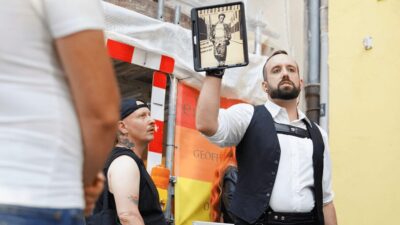
The guide makes or breaks a history walk, and this tour has had several strong names attached to it. Finn has been praised for being friendly, funny, and well prepared, and for carrying an iPad with images of people and original sites. That sort of visual support is useful when a building has changed or a historical figure is unfamiliar.
Mal, Lorna, and Tom have also led highly regarded walks. Tom’s approach has been described as passionate and full of detail, while Lorna was considered a particularly good fit for the subject. Trevor led one session that became confused with a street-art tour, but the issue was the initial group identification, not the quality of his guiding once the correct tour was underway.
The most useful guides mix seriousness with humor. Berlin’s queer past includes joy, creativity, and public achievement, but also discrimination and painful losses. The walk needs both sides. A light tone can keep a long tour enjoyable, but the difficult parts should not be brushed aside.
Several sessions have run longer than the advertised three and a half hours, with one lasting about four and a half. That may be a bonus if you want more detail, but it can also affect your plans for the afternoon. Leave some space afterward rather than scheduling a tight museum visit or train departure.
Price, transport, and physical comfort
At $24.14, the tour is priced below many specialist city walks. I consider it good value if you want a guided introduction to Berlin’s queer past and prefer real locations to a lecture in a room.
The Berlin AB day pass costs about 7 euros and is not included. Your guide can provide it on the day. Since the route covers several parts of Berlin, the ticket is an important extra cost, not a minor detail. Confirm whether you need to buy one before the first movement between areas.
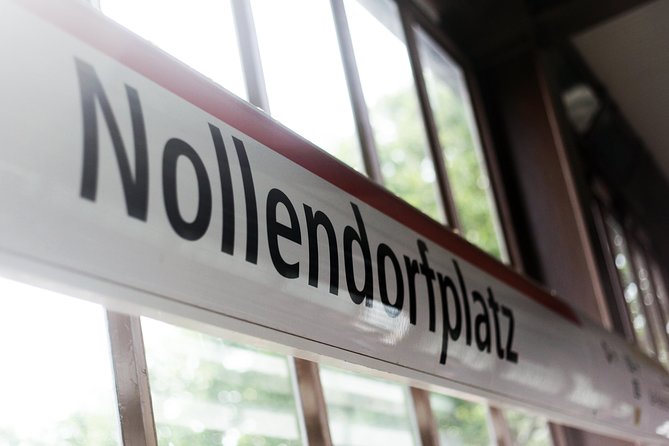
Hotel pickup and drop-off are not included. You begin at Neue Promenade 3 and finish at Nollendorfplatz, 10787 Berlin. That ending is useful because you can continue exploring Schöneberg or make your own way elsewhere, but you must arrange your route back to your hotel.
Wear comfortable shoes and dress for the forecast. The tour runs in all weather, and the walk can feel tiring in strong heat. A water bottle, light rain layer, and shoes suitable for several hours on city streets are sensible choices.
Most people can take part, and service animals are allowed. The activity is near public transportation. The supplied information does not give a detailed accessibility assessment, so contact the provider if you need specific information about walking distances, steps, or museum access.
Who should book this walking tour
I would choose this tour if you want a clear introduction to LGBTQ history in Berlin and prefer a guide who can connect people, neighborhoods, politics, literature, and nightlife. It suits visitors who want more substance than a simple list of bars, and it works well early in a Berlin stay because it gives later sightseeing more context.
It is also a good fit for anyone interested in how a city’s culture changes over time. You will hear about the 19th century, the 1990s club scene, modern political visibility, and the continuing role of community spaces such as Südblock.
You may want a different plan if you dislike long walks, need a tightly timed afternoon, or have already read extensively about Berlin’s queer history. The route can last longer than three and a half hours, and the museum portion may not be central for every group.
Should you book it?
Book this tour if you want Berlin’s queer past presented through actual neighborhoods and places, with a guide adding the connections that a self-guided walk can miss. The combination of Schöneberg, Kreuzberg, Tiergarten, Südblock, the famous club story, and the Schwules Museum gives you a broad view for a modest price.
Before booking, plan for the extra transport ticket, check the meeting point carefully, and arrive ready for a long walk in changing weather. If possible, ask which guide is leading your date and confirm how the museum stop will be handled.
The 4.7 rating from 66 ratings and 92 percent recommendation rate reflect a strong overall experience, but the occasional meeting-point confusion and uneven museum interest are worth keeping in mind. For most first-time visitors seeking an informed, human introduction to queer Berlin, this is a worthwhile use of an afternoon.
FAQ
How long does the tour last?
The advertised duration is approximately three hours and 30 minutes. Some sessions have lasted closer to four and a half hours, so avoid scheduling a tight appointment immediately afterward.
Where does the tour begin and end?
It starts at Neue Promenade 3, 10178 Berlin, Germany, at 12:00 pm. It ends at Nollendorfplatz, 10787 Berlin, Germany.
Is the tour offered in English?
Yes. The tour is offered in English.
Is transportation included?
No. A Berlin Transport AB Zone day ticket costs approximately 7 euros and is not included. The ticket is available from the guide on the day.
Is the Schwules Museum* included?
The museum is part of the planned experience, but the supplied details do not state a separate admission price or guarantee how much time every group will spend there. Ask the guide at the start if the museum is important to you.
Can I cancel for a full refund?
Yes. You can cancel at least 24 hours before the local start time for a full refund. Cancellations or changes made less than 24 hours before the start time are not refunded or accepted.
More Walking Tours in Berlin
- Discover Berlin Half-Day Walking Tour
★ 5.0 · 9,624 reviews - Berlin: Third Reich and Cold War 2 Hour Walking Tour
★ 4.9 · 6,830 reviews - Berlin: Discover Berlin Walking Tour
★ 4.9 · 5,998 reviews - Berlin’s Best: 2 Hour Walking Tour Third Reich and the Cold War
★ 5.0 · 5,486 reviews
Newest Berlin reviews
- Where It All Began: Berlin’s Queer & Trans History Tour★ 4.9 · 6 reviews
- Understanding Kreuzberg: The roots of local (sub)culture★ 4.9 · 11 reviews
- Berlin: guided canoe | kayaktour★ 4.1 · 7 reviews
- Private Potsdam City Tour in an authentic vintage van★ 5.0 · 14 reviews
- Warnemünde Shore Excursion: Private Sachsenhausen and Berlin Tour★ 5.0 · 12 reviews
- Ultimate E-Bike Tour of Berlin with Beer Garden Stop★ 5.0 · 4 reviews
- In the Forbidden City – Potsdam Walking Tour★ 5.0 · 17 reviews
- Private Walking Tour of Potsdam and Sanssouci★ 5.0 · 24 reviews
Queer Berlin Tours, compared.
Where It All Began: Berlin’s Queer & Trans History Tour
Read our review →
Street Art & Berlin Gay, Queer, Trans History + Free Gay Map
Read our review →
Queer Berlin Tour: Birthplace of LGBTQ+ Movements
Read our review →Where It All Began: Berlin’s Queer & Trans History Tour
Read our review →
Browse the lists this tour appears in