

Reviewed · BERLIN STREET ART TOURS
Street Art & Berlin Gay, Queer, Trans History + Free Gay Map
Berlin’s street art and queer past meet on this compact walk led by Gali Jaffe, a trans woman guide who brings personal focus to Berlin’s cultural story. You’ll see art, a distinctive church, Urban Nation, and Schöneberg sites tied to Christopher Isherwood, El Dorado, and Magnus Hirschfeld.
I like the small group of no more than 10 and the way the tour connects places rather than treating each stop as an isolated photo opportunity. I also like the free Berlin Gay Map, which gives you something useful after the two-hour walk. The main drawback is pace: with street art, a gallery, transport, and several historical stops packed into two hours, some subjects receive only a brief look.
Key points at a glance

- A trans woman guide: Gali Jaffe leads the tour in English and brings a personal point of view to Berlin’s queer past.
- Street art first: The walk opens with colorful graffiti and public art in parts of Berlin that see fewer sightseeing groups.
- Urban Nation included: You get a short stop at the Urban Nation Gallery, with some free time to look around.
- Schöneberg’s queer landmarks: The route covers Christopher Isherwood’s former home, the site of El Dorado, and places linked to Magnus Hirschfeld.
- Small and flexible: The group is limited to 10 people, allowing Gali to shape the discussion around your interests.
- Practical extras: The tour starts and ends at Wittenbergplatz, is wheelchair accessible, and includes a free Berlin Gay Map.
Why this tour gives Berlin a different starting point
Many first visits to Berlin begin with palaces, museums, or the Berlin Wall. This walk takes another route. It uses street art and neighborhood streets to introduce the city through the people who made Schöneberg an important center of gay, queer, and trans life.
That approach matters because Berlin’s past is not confined to one museum. It appears in apartment buildings, former clubs, public spaces, and the changing art on city walls. Gali’s route links those pieces together without requiring you to spend half a day in a formal history exhibit.
The tour also has a clear personal element. Gali is a trans woman, and the experience is designed around queer and trans stories rather than adding them as a footnote to a general Berlin walk. If you want a tour that speaks directly to LGBTQ+ history and present-day identity, this focus is a major reason to book.
The setting should feel approachable rather than solemn. You begin with street art, then move toward a church, a gallery, and Schöneberg’s better-known queer landmarks. The mix keeps the outing light while still giving serious subjects their due.
More queer history tours in Berlin:
- Berlin: Gay Berlin Out in Schöneberg Walking Tour
★ 4.8 · 281 reviews - Berlin’s Gay, Lesbian, and Queer Scene Small-Group Walking Tour
★ 4.5 · 66 reviews - Queer Berlin Walking Tour
★ 4.7 · 64 reviews
Starting at Wittenbergplatz and finding your group
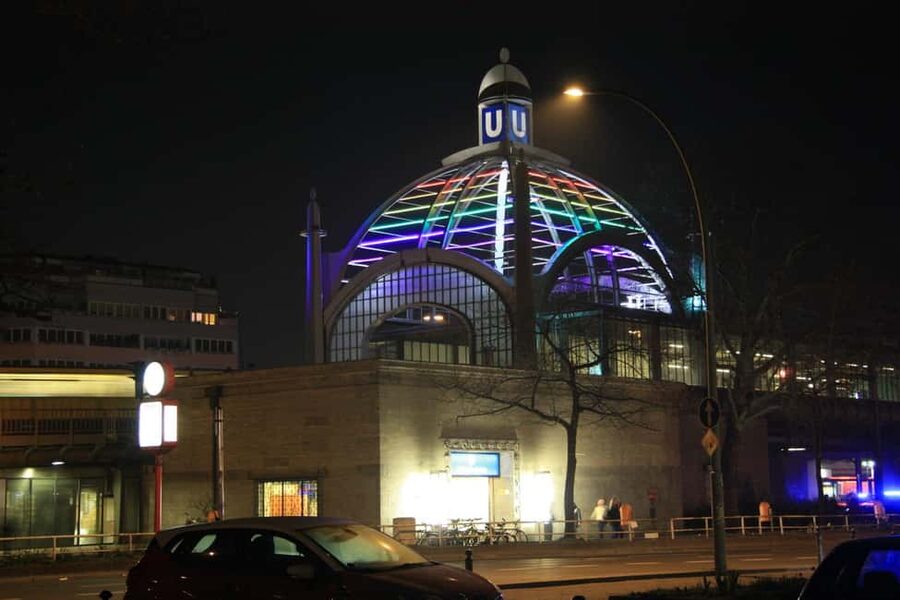
The meeting point is at the entrance to the Wittenbergplatz Underground Station, directly in front of the KaDeWe department store. This is a useful landmark in a busy part of Berlin, but give yourself enough time to find the correct station entrance and guide.
The tour returns to Wittenbergplatz at the end. That makes it easy to continue exploring Schöneberg, browse KaDeWe, or make a simple connection to another part of the city.
You’ll need your own public transport ticket. Two short public transport segments are built into the route, each listed at about five minutes. The ticket is not included, so arrange it before the tour begins. This is a minor extra cost, but it is an important detail to handle in advance.
Street art in less familiar Berlin
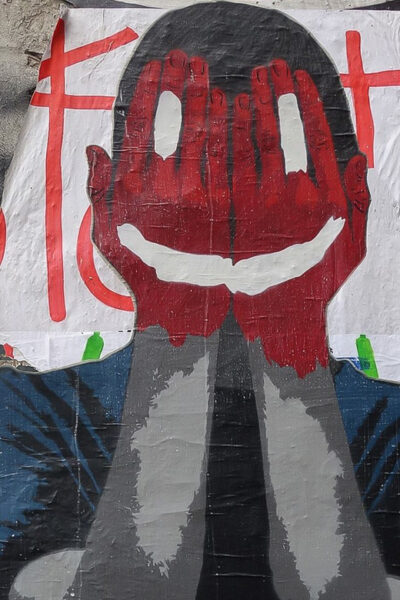
The first main section follows some of Berlin’s most striking street art. The description does not promise a fixed list of murals, and that is sensible in Berlin, where outdoor art can change, disappear, or be painted over. Expect the guide to point out selected works rather than lead you through a permanent open-air museum.
This part works well as an opening because it is visual and easy to enter. You do not need prior knowledge of Berlin art or queer history to start noticing how walls, facades, and public spaces carry messages about identity and city life.
Gali can also adapt the conversation to the group. That personal approach is one of the strongest features of this experience. If your group is especially interested in graffiti, queer artists, local politics, or the way neighborhoods change, say so early.
The tradeoff is that the tour cannot promise the same art on every date. Anyone looking for a precise mural checklist may find the outdoor section less predictable. I see that as part of Berlin’s street art character, but you should book this for interpretation and discovery rather than a guaranteed set of famous paintings.
The unusual church stop
From the street art, the route continues to what is described as one of Berlin’s most unique and interesting churches. The exact church name is not supplied, so you should not book this expecting a specific famous landmark by title.
What matters is the change of mood. After colorful walls and outdoor art, the church offers a different kind of place to read Berlin. Gali uses it as part of the larger walk, giving you a look at a building that may not appear on a standard first-time itinerary.
This is also where the tour’s range becomes clear. It is not only a club-history walk, and it is not only an art outing. You move between religious space, public art, a gallery, and queer social history. That variety is useful if you prefer a tour with several kinds of stops rather than one narrow theme.
More street art tours in Berlin:
- Berlin: City Street Art Guided Walking Tour
★ 4.8 · 886 reviews - Berlin: 3-Hour Street Art Tour
★ 4.7 · 778 reviews - Berlin Street Art Walking Tour – Off The Grid
★ 5.0 · 270 reviews - East Meets West: Berlin Food Culture & Street Art
★ 5.0 · 157 reviews
Twenty minutes at Urban Nation
The Urban Nation Gallery receives about 20 minutes, including guided time and free time. This is a short visit, so think of it as an introduction rather than a full gallery tour.
The stop gives the street art discussion an indoor setting. You can look at art in a more controlled space, then compare that experience with the work seen outside. The change also provides a natural pause during a walking route.
Do not plan on seeing every room in depth. Twenty minutes can pass quickly, especially if the gallery is busy or your group has many questions. Still, the brief stop adds value because it places Berlin’s street art within an organized cultural setting without taking over the entire experience.
If you enjoy art but do not want to spend a full afternoon in a gallery, this balance may suit you. If Urban Nation is your main reason for booking, allow time to return separately, since this tour treats it as one part of a larger story.
Schöneberg, Christopher Isherwood, and El Dorado

The later walking section focuses on Nollendorf and the surrounding Schöneberg area. This is where the tour’s historical thread becomes most specific.
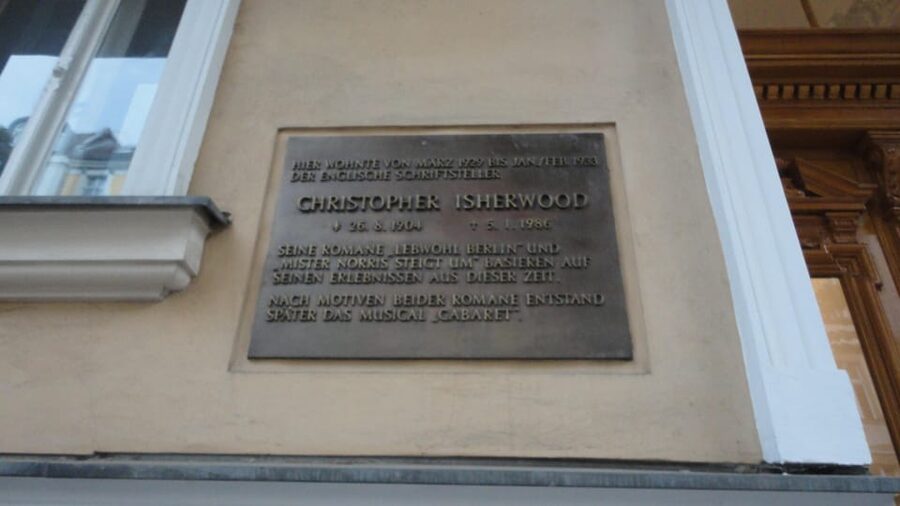
You’ll see the house associated with Christopher Isherwood. Isherwood’s connection gives the neighborhood a literary angle, linking its streets to the international image of 1930s Berlin and to the people who came here seeking a freer social life.
The route also identifies the location of the former El Dorado club. The club is discussed as part of Berlin’s earlier queer nightlife. You should understand that the experience is site-based: you are seeing places and hearing what happened there, not entering a preserved nightclub.
That distinction is important. Modern Berlin has changed many of these streets, and the power of the stop comes from imagining the social world that once occupied them. Gali’s role is to connect the location to the people, institutions, and pressures that shaped it.
The neighborhood walk lasts about 30 minutes and includes guided commentary, sightseeing, and time on foot. Comfortable shoes are a sensible choice, even though the total tour is only two hours.
Magnus Hirschfeld and the Institute for Sexuality
A central subject is Magnus Hirschfeld and his Institute for Sexuality. Hirschfeld is presented as a major figure in the development of early scientific study of sexuality, and the institute is described as the first of its kind.
This part gives the tour more weight than a simple look at nightlife history. You learn about efforts to study and support sexual minorities in a period when doing so required courage and organization. The subject also shows how Berlin’s queer past included medicine, research, advocacy, and public debate, not only clubs and entertainment.
The tour cannot cover every detail of Hirschfeld’s work in a short time. That is one reason the free gay map is useful. You can mark the places that interest you and decide which subjects deserve more reading or a return visit.
I especially like this combination of physical sites and ideas. A building or former club can be memorable, but the discussion of Hirschfeld helps explain why Berlin matters within the wider story of LGBTQ+ rights and identity.
What the small group changes
The group is limited to 10 people. That is a good size for a city walk, particularly one dealing with personal and sometimes sensitive subjects.
A small group makes it easier to hear on ordinary streets and easier to ask questions without interrupting a large crowd. It also gives Gali room to adjust the conversation. The experience is described as personal, and that is more believable with 10 people than with 30.
The guide’s warmth is another important part of the appeal. Gali is praised for making the experience engaging and for tailoring it to the group’s interests. One family with a 16-year-old daughter found the subject accessible and enjoyable, and a group walking through falling snow found that the weather added a memorable mood. Those details suggest a tour that can feel conversational rather than scripted.
Still, personal touring has limits. If you prefer a tightly timed lecture with a large number of facts, this may feel less formal. The value lies in the exchange and the guide’s perspective, not in receiving an exhaustive academic survey.
Price, practical fit, and accessibility

At $57 per person, this is not the cheapest way to spend two hours in Berlin. The price makes more sense if you value a specialist guide, a small group, a focused queer and trans history theme, and a route that combines street art with several less familiar sites.
The free Berlin Gay Map adds practical value. You can use it to keep track of places mentioned during the tour and to plan further exploration after the group returns to Wittenbergplatz.
The tour is in English and is wheelchair accessible. Because the route includes walking and public transport, you may still want to confirm that the planned route on your date fits your own mobility needs. The listed duration is two hours, and the public transport portions are short.
This activity is not suitable for children under 16. The material is best suited to older teenagers and adults who are comfortable discussing gay, queer, and trans history in a direct way.
You can cancel up to 24 hours before the start for a full refund, and you can reserve now and pay later. Those options help if your Berlin schedule is still changing.
Who should book this Berlin walk?
I would recommend it to you if you want more than the standard Berlin checklist. It fits visitors who care about LGBTQ+ history, street art, local neighborhoods, and the personal stories behind well-known cultural movements.
It is also a good choice for someone who has already seen central Berlin’s major sights and wants a shorter outing with a clear theme. The two-hour length makes it easy to fit between museum visits or an evening in Schöneberg.
You may want another tour if your priority is a full museum visit, a long academic lecture, or a fixed list of major monuments. The Urban Nation stop is brief, the church is not identified by name, and the outdoor art can change. This is a guided introduction with room for conversation, not an all-day survey.
Should you book it?
Book this tour if you want a personal, small-group look at Berlin’s queer past joined to street art and neighborhood walking. Gali Jaffe’s perspective, the Schöneberg sites, and the free map give the experience value beyond a basic sightseeing stroll.
Skip it if you are not interested in LGBTQ+ history or if you want a highly structured art tour with long gallery time. For the right audience, though, the mix is strong: colorful public art, a distinctive church, Urban Nation, Isherwood, El Dorado, Hirschfeld, and a useful starting point for seeing Berlin through a different lens.
FAQ
Where does the tour start?
It starts at the entrance to Wittenbergplatz Underground Station, in front of the KaDeWe department store.
Where does the tour end?
The tour ends back at the Wittenbergplatz meeting point.
How long does the tour last?
The tour lasts two hours. Starting times vary, so check availability when booking.
What language is the tour in?
The live tour is conducted in English.
Is public transport included?
Public transport is part of the route, with two short sections of about five minutes each. You need to bring your own public transport ticket.
Is the tour wheelchair accessible?
Yes, the activity is listed as wheelchair accessible.
Is there an age restriction?
The tour is not suitable for children under 16 years old.
More history tours in Berlin
- Berlin: Natural History Museum Entrance Ticket
★ 4.6 · 3,382 reviews - Berlin: World Heritage Cruise to Potsdam
★ 4.5 · 1,435 reviews - Berlin Historical Highlights Walking Tour
★ 4.9 · 657 reviews - Berlin Private Complete History All Day Walking Tour
★ 5.0 · 474 reviews
Newest Berlin reviews
- Where It All Began: Berlin’s Queer & Trans History Tour★ 4.9 · 6 reviews
- Understanding Kreuzberg: The roots of local (sub)culture★ 4.9 · 11 reviews
- Berlin: guided canoe | kayaktour★ 4.1 · 7 reviews
- Private Potsdam City Tour in an authentic vintage van★ 5.0 · 14 reviews
- Warnemünde Shore Excursion: Private Sachsenhausen and Berlin Tour★ 5.0 · 12 reviews
- Ultimate E-Bike Tour of Berlin with Beer Garden Stop★ 5.0 · 4 reviews
- In the Forbidden City – Potsdam Walking Tour★ 5.0 · 17 reviews
- Private Walking Tour of Potsdam and Sanssouci★ 5.0 · 24 reviews
Berlin Street Art Tours, compared.


East Meets West: Berlin Food Culture & Street Art
Read our review →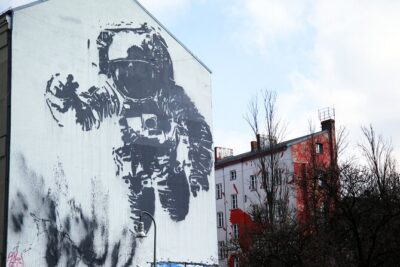


Street Art and Alternative Tour of Berlin in French
Read our review →Browse the lists this tour appears in