
Reviewed · BERLIN NEIGHBORHOOD TOURS
Berlin: Schillerkiez and Rollberg Walking Tour
Berlin’s Schillerkiez and Rollberg walk shows you a side of Neukölln that a standard city tour can easily miss. In 90 minutes, guide Reinhold Steinle connects grand urban changes, neighborhood life, and the story of the famous Captain of Köpenick while walking between two districts with very different reputations.
I like the view of Tempelhofer Feld from Neukölln, since it gives the former airport a local setting rather than treating it as an isolated attraction. I also like the written summary at the end, a useful touch if you want to remember names, facts, and ideas after the walk. The main limitation is that the tour is conducted in German, and it is not suitable for people with mobility impairments.
Key points to know before booking
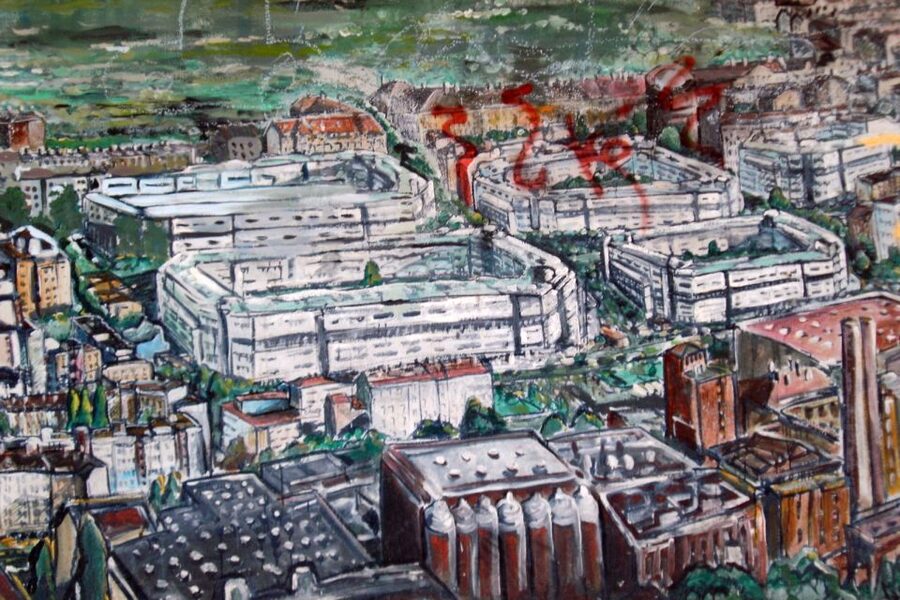
- Schillerkiez grew as an early 20th-century residential district, then changed as the nearby airport opened and later closed.
- Tempelhofer Feld provides the tour’s big open view, seen from the Neukölln side.
- Rollberg offers a sharp contrast, with a reputation that has shifted over recent years.
- Reinhold Steinle leads the walk in German, drawing on detailed local knowledge and personal experience of Schillerkiez.
- The private price is $70 for up to six people, making it best value when shared by a small group.
- A written tour summary and local tips give you something practical to use after the 90 minutes.
Starting at Hermannstraße 221 in Neukölln

The walk begins at Hermannstraße 221, in Berlin’s Neukölln district. This is not a central Berlin sightseeing circuit, so you should book it because you want to understand a neighborhood rather than collect another set of famous landmarks.
That choice is part of the appeal. Schillerkiez and Rollberg are places where the city’s past is visible in streets, housing, changing reputations, and everyday public spaces. You are not simply moving from one postcard view to the next. The guide’s job is to explain why these districts look and feel the way they do.
The tour lasts 90 minutes, a sensible length for an introduction. It is long enough to connect the two neighborhoods but short enough to fit around a larger Berlin day. You should still expect a steady walking experience, since the tour is built around moving through streets rather than standing in one place.
The group is private, with a maximum of six people. That matters here. Neighborhood history works better when you can ask direct questions and follow the thread of a story that interests you. A private group also lets the guide adjust the pace and emphasis more easily than a large public walk.
More neighbourhood tours in Berlin:
- Berlin: Hidden Backyards Guided Walking Tour
★ 4.8 · 5,360 reviews - Berlin: Spree Boat Tour to Müggelsee
★ 4.6 · 1,973 reviews - Berlin: Alternative Bike Tour of Kreuzberg & Friedrichshain
★ 4.7 · 548 reviews
Schillerkiez, a residential district shaped by the airport
The first part of the route introduces the historical origin of Schillerkiez. The district was built at the beginning of the 20th century as a residential area, and its streets still give the tour a clear sense of planned urban living.
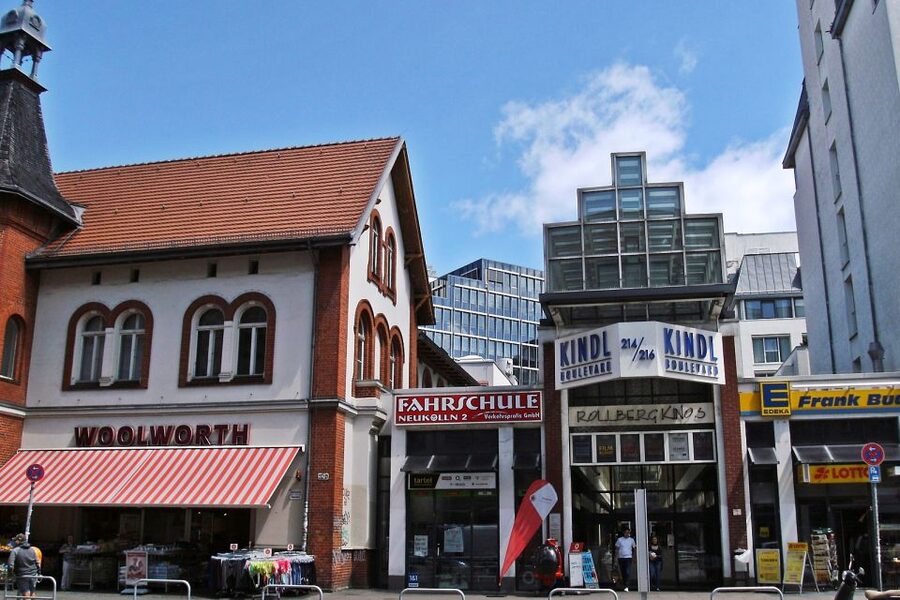
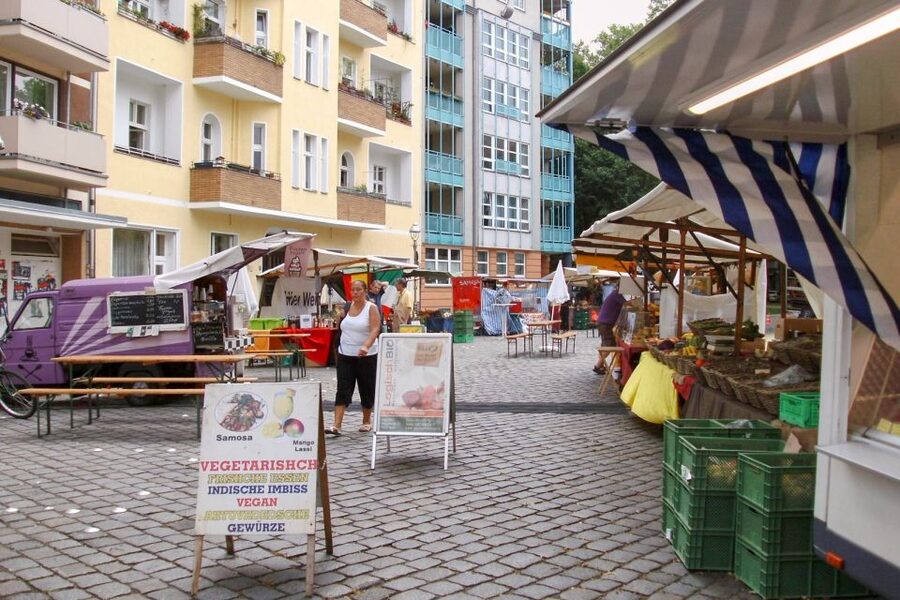
You will walk along the tree-lined Schiller Promenade, where restaurants and cafés now share space with older residential buildings. The important point is not only what you see today. Steinle explains how the area’s identity was tied to the nearby Tempelhofer Feld airport and how the opening and later closure of the airport altered the district.
That connection gives the neighborhood a useful Berlin lesson: places change when the purpose of nearby land changes. An airport can shape traffic, work, noise, movement, and local identity. Once it closes, the same open space takes on another meaning. From Schillerkiez, you can consider those changes while still being in an ordinary residential quarter.
The tour also covers famous residents connected with Schiller Promenade. The available information does not name each one, so you should think of this part as a story-led look at the people and social character tied to the street, not a formal roll call of celebrity homes.
I especially like this section for visitors who have already seen central Berlin. The Brandenburg Gate and Museum Island explain national history on a grand scale. Schillerkiez explains how history works at street level, through housing, local names, and the changing use of space.
Seeing Tempelhofer Feld from the Neukölln side

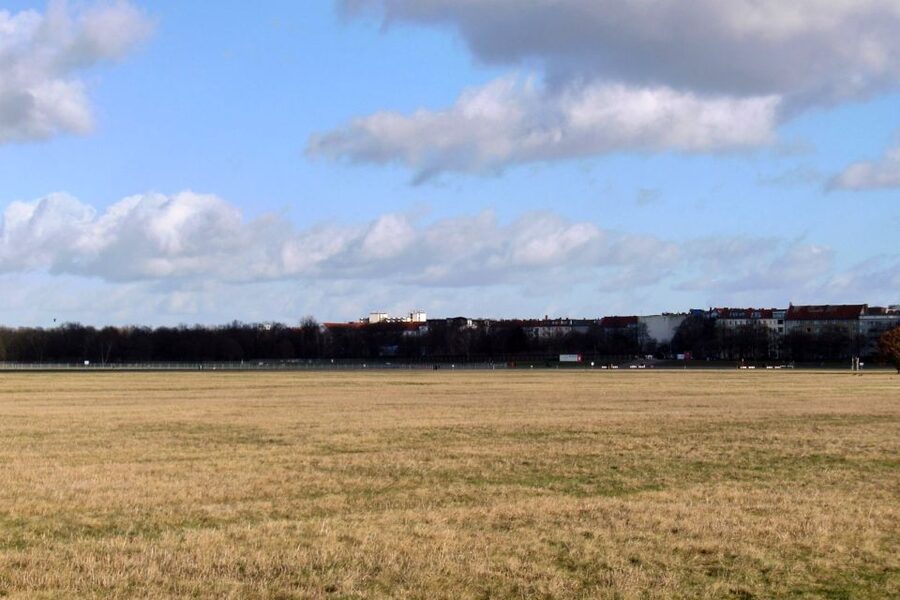
Tempelhofer Feld is one of Berlin’s most distinctive open spaces, and this walk gives you a view of it from the Neukölln point of view. The emphasis is not simply on entering the field or spending time there. Instead, you look toward the giant former airport grounds while learning how they affected the neighborhood beside them.
That viewpoint is useful because it places the field in context. You are looking at a huge area that helped shape the story of Schillerkiez, rather than treating it as an empty patch of city. The airport’s opening and closure become part of a larger explanation of why the local district developed as it did.
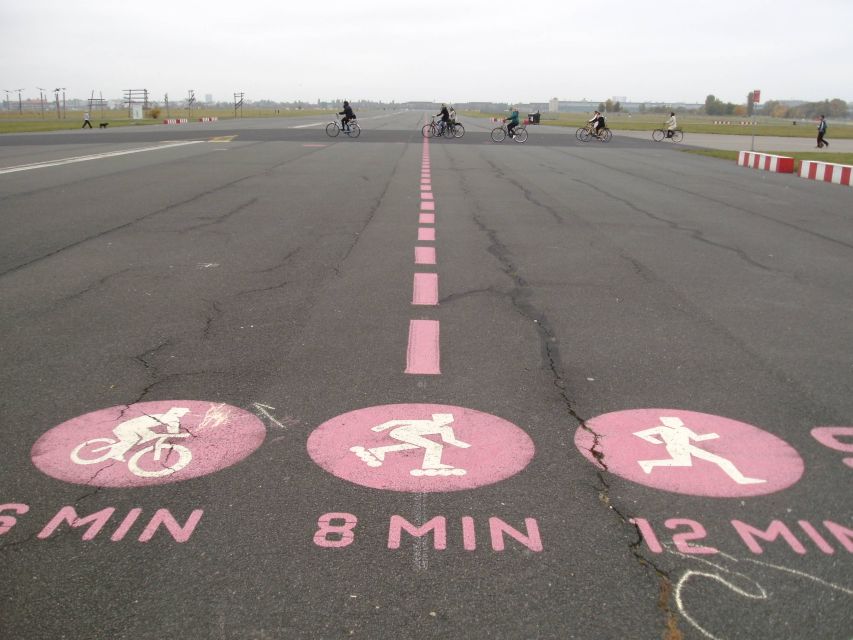
Do not book this tour expecting a long visit inside Tempelhofer Feld. The experience is focused on Schillerkiez and Rollberg, with the field serving as an important visual and historical reference. If you want time for a long walk across the former runways, you will need to plan that separately.
For a first visit to Berlin, this stop adds scale to the route. You see how a major piece of land can sit beside a dense neighborhood, and you get a sense of Neukölln’s position within the wider city.
From Schillerkiez to Rollberg
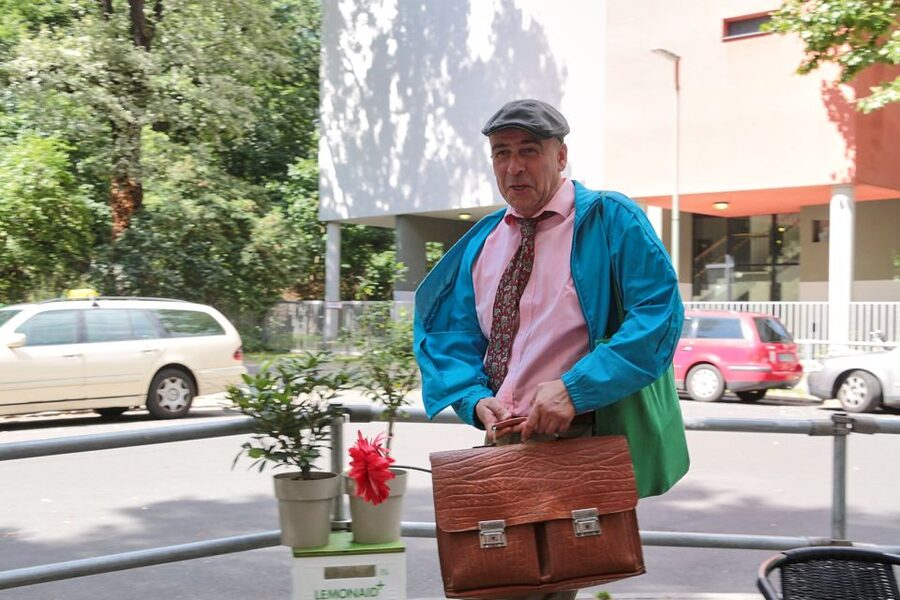
The move to Rollberg creates the tour’s main contrast. Schillerkiez is presented through its residential origins, tree-lined streets, cafés, and connection to Schiller Promenade. Rollberg is introduced through its changing reputation and the way people have viewed the district in recent years.
That contrast keeps the walk from becoming a simple architectural stroll. You are asked to consider how a neighborhood gets labeled, how those labels shift, and how the public image of a district can differ from its full story. The tour does not treat Rollberg as a backdrop. It treats it as a place with a past and a changing present.
Because the walk is private, you can ask Steinle to clarify the points that matter most to you. If you are interested in urban change, he can give more attention to the social side of the district. If you prefer the historical stories, the route also has a strong narrative thread.
The tour information does not provide a precise list of Rollberg stops, so you should not expect a fixed checklist of named buildings. The value is in Steinle’s explanation of the district as you move through it. That makes the walk less predictable than a monument tour, but also more dependent on the guide’s storytelling.
Other Berlin experiences to weigh up
- Discover Berlin Half-Day Walking Tour
★ 5.0 · 9,624 reviews - Berlin: Third Reich and Cold War 2 Hour Walking Tour
★ 4.9 · 6,830 reviews - Berlin: Discover Berlin Walking Tour
★ 4.9 · 5,998 reviews - Berlin’s Best: 2 Hour Walking Tour Third Reich and the Cold War
★ 5.0 · 5,486 reviews
The Captain of Köpenick and a Berlin story
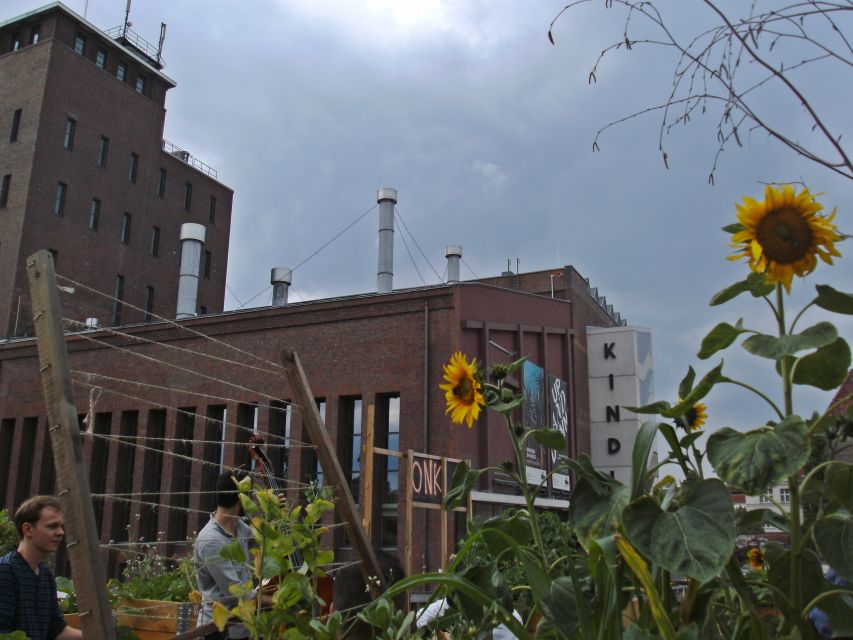
One of the distinctive historical subjects is the Captain of Köpenick and his connection to the Rollberg district. This gives the second half of the walk a memorable figure and a clear story to hold onto.
The Captain of Köpenick is one of Berlin’s best-known local characters, and learning what he had to do with Rollberg gives the district a link to a wider Berlin legend. You do not just hear a famous name and move on. The guide places that figure within the setting of the neighborhood.
This is the kind of detail that can make a short neighborhood walk stick in your mind. Large political history can blur together after several days of museums. A character tied to a specific district, street, or local story is easier to remember when you see the place where the connection matters.
Steinle’s style appears to suit this material. He is described as passionate, friendly, exceptionally well-read, and able to supply anecdotes along with detailed explanations. He also lived in Schillerkiez for many years, which gives the first part of the tour a personal connection to the area.
That does not mean the walk is a substitute for a formal academic lecture. It means you can expect a human-scale account, with local detail and stories that are not always found in a standard guidebook.
What Reinhold Steinle adds to the walk
The guide makes a big difference on a neighborhood tour. Without a strong narrator, Schillerkiez and Rollberg could become a pleasant walk with scattered facts. Reinhold Steinle brings the route together through local history, anecdotes, and explanation of how the districts have changed.
His connection to Schillerkiez is particularly useful. Someone who lived in the area for many years can speak about its past and present with more texture than a guide who only knows the main tourist points. The tour is still a structured experience, but it has room for an authentic local view.
The reviews of the guide are unusually consistent in their praise of his detail, passion, and ability to show parts of Berlin that do not appear in ordinary guidebooks. One German-language review describes the tour as excellent rather than merely very good, with individual attention, anecdotes, and points worth seeing. Another calls the walk a highlight of a Berlin stay because it offered an honest view of the district’s past and present.
Those comments match what you should want from this particular format: not a rehearsed list of facts, but a guide who can explain why the neighborhood matters. A 2024 booking also singled out Steinle’s passion and said the tour was among the visitor’s favorites.
The tradeoff is language. The live tour is in German, and the written summary at the end is best understood as a supplement rather than a replacement for the spoken experience. If you do not understand German, this is not a practical choice unless someone in your private group can translate.
Why the written summary matters
At the end of the tour, you receive a written summary of the most important content. This is more useful than it may sound. A neighborhood tour can introduce many names, dates, local stories, and changes in a short period, and it is easy to forget the details by dinner.
The summary gives you a way to review the main points later. You can use it to remember the connection between Schillerkiez and Tempelhofer Feld, the changes in Rollberg, and the story of the Captain of Köpenick.
It also helps if you want to explain the walk to friends or family who did not join you. The tour is not only a 90-minute outing. It leaves you with a compact record of what you learned.
Steinle also offers tips for further ventures and places worth seeing. Since the route takes place outside the usual central circuit, these suggestions may help you decide what to explore next in Neukölln or elsewhere in Berlin. The information provided does not name those additional places, so treat the advice as something to discuss with the guide during or after the walk.
Price, group size, and overall value
The cost is $70 per private group of up to six people. With six participants, that works out to about $11.67 per person, which is a strong price for a private 90-minute walk. With two people, the cost is $35 each. If you book alone, the full $70 feels less like a budget tour and more like paying for personal access to a local guide.
The value depends heavily on your group size and your interest in neighborhood history. You are not paying for food, transport, hotel pickup, or a long sightseeing package. You are paying for Steinle’s time, a focused route, local explanation, a written summary, and suggestions for what to see next.
For a group of friends or family members who can share the fee, the arrangement makes good sense. It also works for repeat Berlin visitors who have already covered the main sights and want a more specific look at Neukölln.
The tour includes no food or drink, so plan around the walk. Schillerkiez has restaurants and cafés along the route, but the activity does not include a stop or meal. That gives you flexibility, though you should not expect refreshments as part of the booking.
Free cancellation is available up to 24 hours before the start, and you can reserve now and pay later. These policies are helpful if your Berlin schedule is still shifting, but the real decision is whether the German-language neighborhood focus suits your plans.
Who should book this Neukölln walk?
I would recommend this tour to you if you want local history, urban change, and stories tied to real streets. It is especially well suited to people who have already seen Berlin’s major landmarks and now want to understand how a residential district and a less celebrated neighborhood fit into the city’s story.
It also suits small private groups. Six friends can share the price and ask questions without the pressure of a large tour. Couples and solo visitors can still enjoy the personal format, but the per-person cost is higher.
You should have a working understanding of German, since German is the stated tour language. You should also be comfortable walking through two neighborhoods for 90 minutes. The experience is not suitable for people with mobility impairments, and no hotel pickup or drop-off is provided.
Should you book the Schillerkiez and Rollberg walk?
Book it if you want a thoughtful, German-language neighborhood tour led by someone with a personal connection to Schillerkiez. The strongest reasons are the Tempelhofer Feld viewpoint, the contrast between Schillerkiez and Rollberg, and Reinhold Steinle’s detailed use of local stories.
Skip it if you need English, want a central Berlin landmark tour, or prefer a route with a clearly published list of monuments and stops. This is a focused walk about place, reputation, and memory. Shared among several people, the $70 private-group price is especially attractive, and the written summary makes the short tour more useful after you leave Neukölln.
FAQ
Where does the tour meet?
The meeting point is Hermannstraße 221, 12049 Berlin, in Neukölln.
How long does the walking tour last?
The tour lasts 90 minutes.
What language is the tour conducted in?
The live tour is conducted in German.
Is the tour private?
Yes. It is offered as a private group experience for up to six people.
What is included in the price?
The price includes the guide, a written summary of the most important content at the end of the tour, and tips from the guide for further places to see.
Is the tour suitable for people with mobility impairments?
No. The experience is listed as not suitable for people with mobility impairments.
Newest Berlin reviews
- Where It All Began: Berlin’s Queer & Trans History Tour★ 4.9 · 6 reviews
- Understanding Kreuzberg: The roots of local (sub)culture★ 4.9 · 11 reviews
- Berlin: guided canoe | kayaktour★ 4.1 · 7 reviews
- Private Potsdam City Tour in an authentic vintage van★ 5.0 · 14 reviews
- Warnemünde Shore Excursion: Private Sachsenhausen and Berlin Tour★ 5.0 · 12 reviews
- Ultimate E-Bike Tour of Berlin with Beer Garden Stop★ 5.0 · 4 reviews
- Potsdam Highlights – Private sightseeing tour by minibus★ 5.0 · 3 reviews
- In the Forbidden City – Potsdam Walking Tour★ 5.0 · 17 reviews
Berlin Neighborhood Tours, compared.

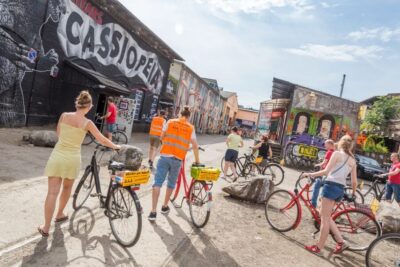
Alternative Bike Tour of Kreuzberg & Friedrichshain
Read our review →
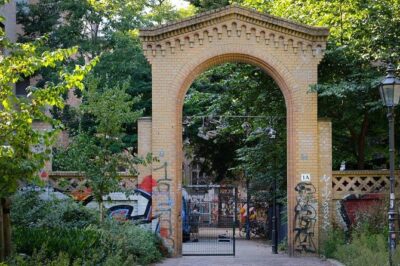
Berlin Off-the-Beaten-Path Walking Tour: Kreuzberg, Mitte and Friedrichshain
Read our review →

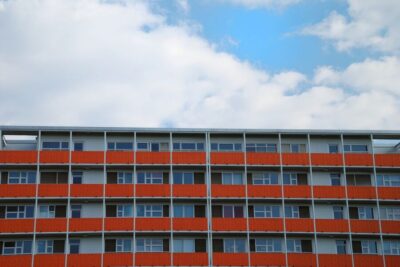
Hansaviertel “The City of Tomorrow” Guided Tour
Read our review →Browse the lists this tour appears in