

Reviewed · BERLIN NEIGHBORHOOD TOURS
Berlin: Prenzlauer Berg District Guided Walking Tour
Prenzlauer Berg is best understood on foot, where a Jewish cemetery, old water tower, former East Berlin streets, cafés, and newly polished apartment blocks sit within the same neighborhood. This 2.5-hour walking tour explains how the district changed from a rough working-class area into one of Berlin’s most sought-after addresses.
I like the route’s mix of major sights and smaller details, especially Mauerpark and the Wasserturm. I also like that the guide discusses present-day housing, prosperity, and changing local character instead of treating Berlin as a museum frozen in the past. The main drawback is simple: you walk for two and a half hours, and food and drinks are not included.
Key points
- Prenzlauer Berg beyond the postcard: See how old East Berlin, Jewish heritage, creative culture, and new wealth meet in one district.
- Mauerpark with context: Visit the park known for its Sunday flea market and live music, while learning how the area developed.
- A useful architectural route: Take in the Wasserturm, Kollwitzplatz, Rykestraße Synagogue, Oderberger Straße pool, and Messel House.
- A guide-led conversation: Ask about Berlin’s history, urban planning, politics, and daily life rather than simply collecting photographs.
- Good value at $23: The tour lasts 2.5 hours and covers a wide area that would be easy to pass through without understanding.
- English or German: You can choose a live tour in either language, with the meeting point dependent on the option booked.
Why Prenzlauer Berg rewards a walking tour
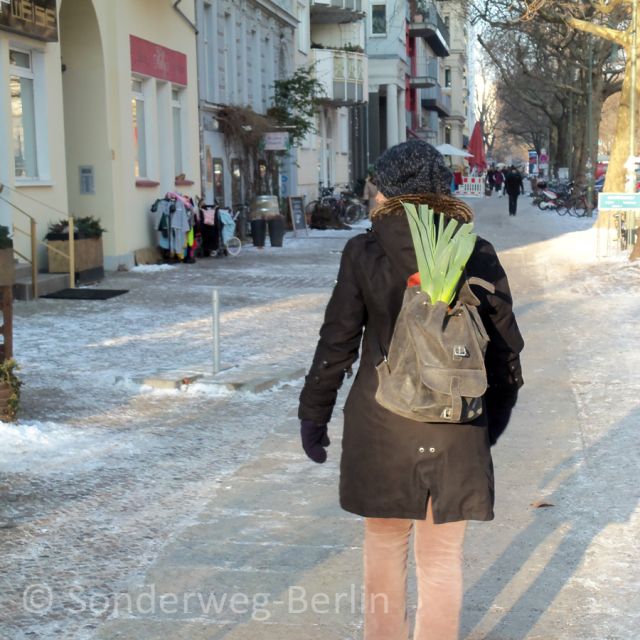
Prenzlauer Berg is not Berlin’s grandest district. It has no Brandenburg Gate or famous museum entrance. Its appeal comes from layers: nineteenth-century streets, wartime damage, life under East German rule, post-1989 change, and the steady arrival of wealthier residents.
That makes it a strong choice if you have already seen central Berlin and want a more local view. You are not just moving from one landmark to the next. You are watching the character of a neighborhood shift from street to street.
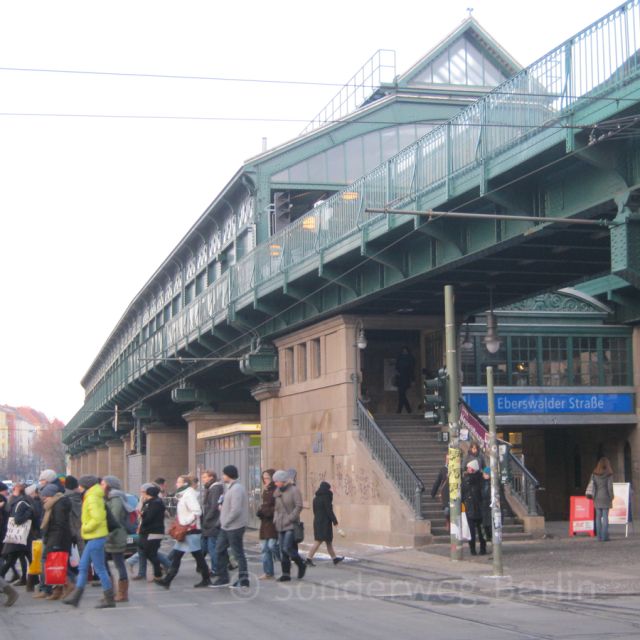
The tour goes both east and west of Schönhauser Allee, the district’s main artery. That matters because Prenzlauer Berg can feel like two different places. One side gives you major roads, old apartment blocks, and transport links. The other leads toward quieter streets, courtyards, public buildings, parks, and places tied to Jewish and East German history.
I would not book this as your only Berlin activity if you want a general introduction to the city. I would book it after a broad city tour, or early in a longer stay when you want to understand where Berliners live and how urban change looks at ground level.
More neighbourhood tours in Berlin:
- Berlin: Hidden Backyards Guided Walking Tour
★ 4.8 · 5,360 reviews - Berlin: Spree Boat Tour to Müggelsee
★ 4.6 · 1,973 reviews - Berlin: Alternative Bike Tour of Kreuzberg & Friedrichshain
★ 4.7 · 548 reviews
Schönhauser Allee and the Wasserturm
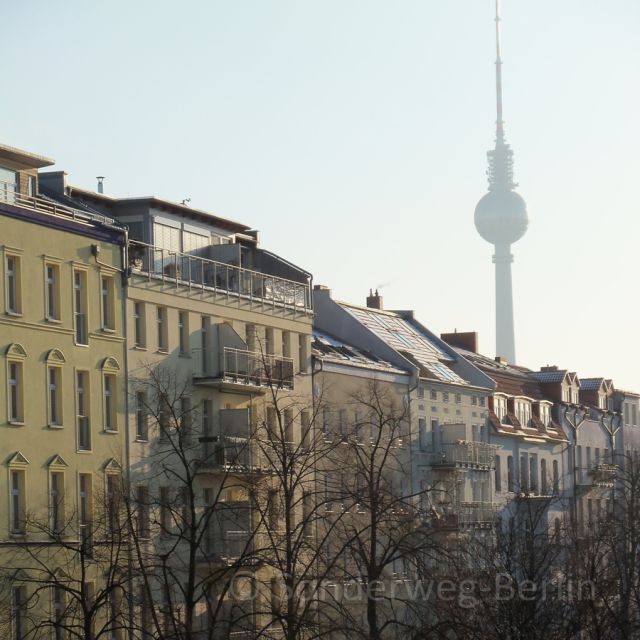
The walk includes Schönhauser Allee, the street that helps organize Prenzlauer Berg. It is a useful place to discuss the district because it connects different periods of Berlin’s growth and gives the tour a clear spine.
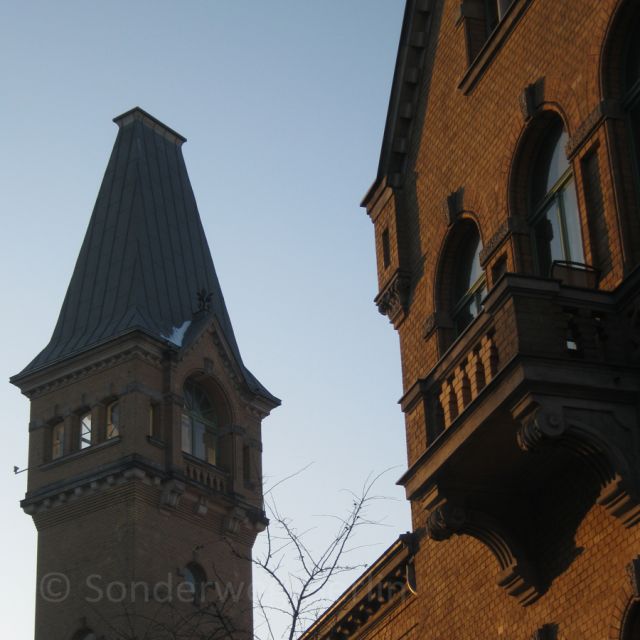
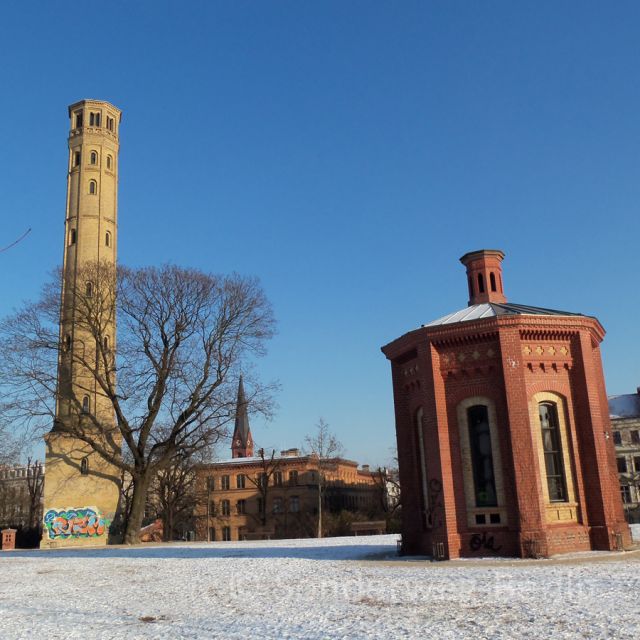
The Wasserturm, or Water Tower, is one of the area’s most recognizable landmarks. It is not just a photogenic old structure. It helps place Prenzlauer Berg in the story of a growing industrial city that needed new infrastructure for its expanding population.
A guide can make a practical difference here. Without context, you might see the tower, take a picture, and move on. With an explanation of the district’s development, the structure becomes a clue to how Berlin expanded beyond its historic core.
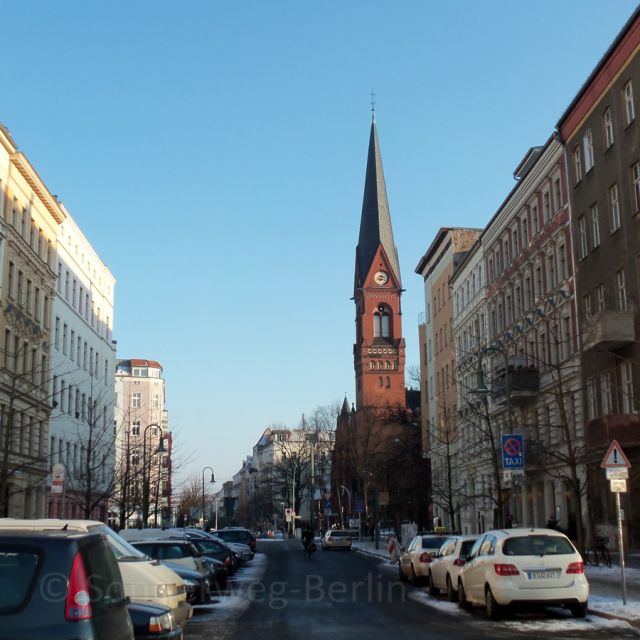
The route also gives you a chance to look closely at the surrounding streets. Prenzlauer Berg is known for its nineteenth-century apartment buildings, but the tour’s purpose is not simply to admire façades. It is to connect architecture with residents, work, politics, and the changing cost of living.
The Jewish Cemetery on Schönhauser Allee
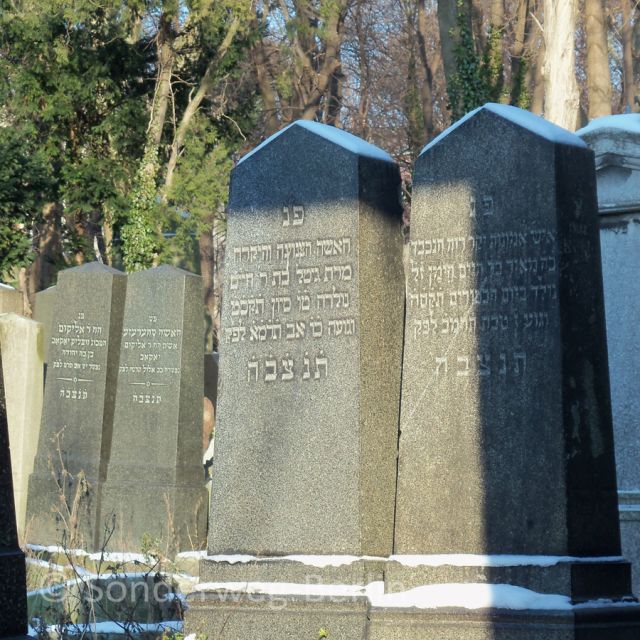
The Jewish Cemetery on Schönhauser Allee adds a serious historical stop to an otherwise lively neighborhood walk. It gives the tour a chance to address Berlin’s Jewish past and the lasting marks left by the city’s twentieth-century upheavals.
You should expect this part of the walk to be more reflective than the park and shopping streets. It is not a quick photo stop. The cemetery helps you see that Prenzlauer Berg’s history is not only about cafés, renovated buildings, and creative culture.
The value here is the connection between a specific site and the wider history of Berlin. A guide can explain why the cemetery matters, then place it beside the district’s later changes. That combination keeps the past from feeling detached from the streets you are walking through.
If you prefer tours that spend most of their time on light entertainment, this stop may feel weightier. I consider that a strength, but it is worth knowing that the experience is not designed as a purely casual neighborhood stroll.
Kollwitzplatz and the polished side of Prenzlauer Berg
Kollwitzplatz is one of the places where Prenzlauer Berg’s newer identity comes into focus. It is associated with attractive streets, social life, and the district’s more prosperous present.
The important question is not simply whether the square is pleasant. It is what the square reveals about change. Prenzlauer Berg has moved from a district with a harder edge to one known for its fashionable reputation and high demand.
That shift is a central theme of the tour. You hear about the older character of the area alongside its present prosperity and diversity. This gives you a better way to judge the neighborhood than a simple label such as trendy or historic.
I especially like this part for visitors who want to understand gentrification in real terms. You see the finished result, but the guide can help you think about who benefited, what changed, and what may have been lost. The tour does not present the district as either perfect or ruined. It treats it as a place still in motion.
Other Berlin experiences to weigh up
- Berlin: Reichstag, Dome and Government District Guided Tour
★ 4.7 · 18,288 reviews - Berlin: Government District around the Reichstag Guided Tour
★ 4.7 · 8,447 reviews - Berlin: 1-Hour Boat Tour with Bilingual Live Guide
★ 4.7 · 3,629 reviews - Berlin: Sights and Highlights Bike Tour with a Local Guide
★ 4.8 · 2,698 reviews
Mauerpark, from border zone to Sunday meeting place
Mauerpark is one of the route’s most recognizable stops. Today it is known for its Sunday flea market and live music, but its setting also connects to Berlin’s divided past.
The park is a good example of how Berlin reuses difficult spaces. A place associated with the former division of the city has become a public gathering point. On a Sunday, the flea market and music give the area a festive feel. On another day, you may encounter a quieter version of the park, depending on the schedule and season.
Do not assume that the flea market or live performances are guaranteed during every tour. The information provided identifies them as famous features of Mauerpark, not as included events. The walking tour’s main promise is interpretation of the area, not a shopping trip or concert.
This stop works well for people who like to connect history with ordinary city life. Instead of seeing the Berlin Wall story only at formal memorials, you can consider how former border spaces now function as parks, meeting places, and markets.
Bernauer Straße and the Messel House
The walk continues along Bernauer Straße to see the Messel House. Bernauer Straße is closely associated with Berlin’s division and reunification, so this section adds another layer to the route.
The Messel House gives the tour an architectural point of interest along the street. It also reinforces the broader method of the walk: buildings and public spaces are used as evidence of the neighborhood’s past.
I value this kind of stop because it breaks up the tour’s better-known sights. You are not only following a checklist of famous Berlin locations. You are learning to notice how a particular building or street fits into the district’s larger story.
The exact level of detail will depend on the guide and the group. Past tours have included guides with strong backgrounds in museums and history. Tobias, named in several past bookings, was praised for answering questions about Berlin, urban planning, politics, and local life. Do not assume he will lead every departure, but his approach gives you an idea of the tour’s potential depth.
Rykestraße Synagogue and Oderberger Straße pool
The grand synagogue on Rykestraße is another important stop. Along with the Jewish Cemetery, it gives the walk a clear focus on Jewish life and memory in Prenzlauer Berg.
The synagogue is also a reminder that the district cannot be reduced to its newer creative identity. Its streets contain institutions and buildings tied to communities that shaped Berlin long before the current wave of cafés, shops, and renovated apartments.
The public pool on Oderberger Straße offers a different kind of insight. Public buildings reveal how a neighborhood served daily life, not just how it looked from the outside. The pool helps widen the tour beyond monuments and political history.
I like the contrast between these two stops. One carries religious and historical weight. The other reflects public services and local routines. Together, they show how a neighborhood is made from institutions as much as from architecture.
What the guide adds to the experience
This tour depends heavily on the guide. The route contains plenty to see, but the value comes from the explanations between the stops.
You can ask questions about Berlin’s history, residents, urban planning, politics, and current changes. That makes the walk more flexible than a scripted sightseeing circuit. A small group may allow a more personal exchange, while a larger group can feel less intimate. One past booking had about 40 people, and the guide still managed to involve the group, but group size can vary.
Several past departures were led by Tobias, whose museum and history background was specifically noted. Other comments describe guides as funny, passionate, and good at making the subject easy to follow. The consistent strength is not a single performance trick. It is the effort to explain Prenzlauer Berg as a living district rather than a collection of stops.
You should come with a few questions of your own. Ask how the area changed after reunification, what happened to its former residents, or how Berlin’s housing pressures affect Prenzlauer Berg. The tour is especially useful when you treat it as a conversation.
Is $23 good value for 2.5 hours?
At $23 per person, I consider this a solid value for Berlin. You receive a live guided walk lasting two and a half hours, with several notable sites and a sustained explanation of one of the city’s most interesting districts.
The price makes more sense when you compare it with the time involved. You are not paying for one viewpoint or a single admission. You are paying for a route that connects the Wasserturm, Jewish Cemetery, Mauerpark, Bernauer Straße, Messel House, Rykestraße Synagogue, Oderberger Straße pool, and Kollwitzplatz.
Food and drinks are not included, so plan around the walk. The activity is not presented as a tasting tour, and you should not expect café stops to be part of the price.
The tour also has free cancellation up to 24 hours before the start, and you can reserve now and pay later. The meeting point varies by the option booked, so check that detail before setting out. German and English departures are available, and starting times depend on the selected date.
Who should book this walk?
I would recommend it to you if you enjoy history that connects directly to streets and buildings. It is a good match for repeat visitors to Berlin, since one past participant had visited the city many times and wanted something more in-depth than a river trip or museum.
It also suits curious first-time visitors who have already seen the main central sights. You will get more from it if you want to understand how Berlin works today, not just photograph its best-known monuments.
The walk may be less suitable if you have limited mobility or dislike extended walks, since the activity lasts 2.5 hours and includes several separate areas. The supplied details do not specify accessibility arrangements, so ask before booking if that is important for you.
Winter is possible. One past participant enjoyed the tour in winter, but conditions can affect any outdoor walk. Wear sensible shoes and dress for the weather. That is practical advice, not a special feature of the tour.
My call: book it for context, not just sights
Book this tour if you want Prenzlauer Berg explained rather than simply visited. The strongest parts are the range of subjects, the mix of major landmarks and ordinary public buildings, and the chance to ask a guide about Berlin’s past and present.
I would choose it for a second or third day in Berlin, or for a longer stay when you have time to move beyond the historic center. At $23, it offers a lot of guided time for the cost.
Skip it if you want a short, tightly focused attraction visit, a food tour, or guaranteed access to the Mauerpark flea market and live music. Choose it if you want to walk through a changing district and understand why Prenzlauer Berg feels both rooted in Berlin’s past and pulled toward its future.
FAQ
How long does the Prenzlauer Berg walking tour last?
The tour lasts 2.5 hours.
How much does the tour cost?
The listed price is $23 per person.
Which languages are available?
The live guide is available in German and English.
What sights are included?
The route includes the Jewish Cemetery on Schönhauser Allee, the Wasserturm, Kollwitzplatz, Mauerpark, Bernauer Straße, the Messel House, Rykestraße Synagogue, and the public pool on Oderberger Straße.
Is food included?
No. Food and drinks are not included in the activity.
Does the tour include the Mauerpark flea market?
Mauerpark is included as a stop, and it is famous for its Sunday flea market and live music. The supplied details do not state that the flea market or performances are guaranteed during every tour.
Where does the tour meet?
The meeting point may vary depending on the option booked.
Can I cancel for a full refund?
Yes. You can cancel up to 24 hours in advance for a full refund.
Do I have to pay when I reserve?
No. The reserve now and pay later option lets you book your place without paying at the time of reservation.
More Walking Tours in Berlin
- Discover Berlin Half-Day Walking Tour
★ 5.0 · 9,624 reviews - Berlin: Third Reich and Cold War 2 Hour Walking Tour
★ 4.9 · 6,830 reviews - Berlin: Discover Berlin Walking Tour
★ 4.9 · 5,998 reviews - Berlin’s Best: 2 Hour Walking Tour Third Reich and the Cold War
★ 5.0 · 5,486 reviews
Newest Berlin reviews
- Where It All Began: Berlin’s Queer & Trans History Tour★ 4.9 · 6 reviews
- Understanding Kreuzberg: The roots of local (sub)culture★ 4.9 · 11 reviews
- Berlin: guided canoe | kayaktour★ 4.1 · 7 reviews
- Private Potsdam City Tour in an authentic vintage van★ 5.0 · 14 reviews
- Warnemünde Shore Excursion: Private Sachsenhausen and Berlin Tour★ 5.0 · 12 reviews
- Ultimate E-Bike Tour of Berlin with Beer Garden Stop★ 5.0 · 4 reviews
- In the Forbidden City – Potsdam Walking Tour★ 5.0 · 17 reviews
- Private Walking Tour of Potsdam and Sanssouci★ 5.0 · 24 reviews
Berlin Neighborhood Tours, compared.

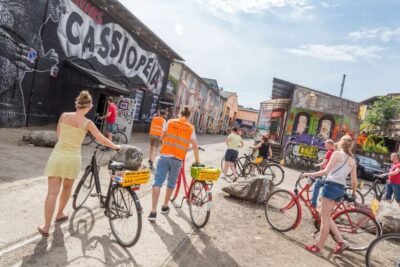
Alternative Bike Tour of Kreuzberg & Friedrichshain
Read our review →
Berlin Off-the-Beaten-Path Walking Tour: Kreuzberg, Mitte and Friedrichshain
Read our review →
Hansaviertel “The City of Tomorrow” Guided Tour
Read our review →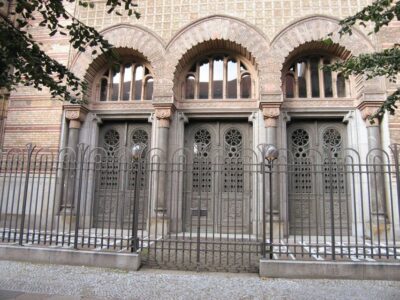
Browse the lists this tour appears in