
Reviewed · BERLIN NEIGHBORHOOD TOURS
Berlin: City-West Walking Tour with a Real Berliner
Berlin’s City-West is best understood on foot, where grand shopping streets, Cold War memories, and everyday Berlin life meet. This two-hour walk follows a local guide from Wittenbergplatz along Kurfürstendamm to Savignyplatz, with stops at KaDeWe, the Europa-Center, Kaiser Wilhelm Memorial Church, and the Zoologischer Garten area.
I like the small group limit of 10, which gives you a better chance to ask questions than on a large coach tour. I also like the personal angle: guides such as Carlo explain what it meant to live in West Berlin when the city was divided. The main drawback is pace. Two hours covers a lot, so this is an overview rather than a deep visit inside every sight.
- Start at Wittenbergplatz: Meet at the Tauentzienstrasse exit of the U-Bahn station, beside one of West Berlin’s best-known shopping areas.
- See KaDeWe and the Europa-Center: Two major symbols of Berlin’s postwar western city center.
- Walk the length of Kurfürstendamm: Learn how this grand avenue changed from the golden twenties through the Cold War.
- Pause at Kaiser Wilhelm Memorial Church: A striking reminder of wartime destruction and postwar Berlin.
- Finish at Savignyplatz: End among one of City-West’s most appealing squares, with food ideas for later.
- Choose your language: Tours are offered in German, English, or Italian, with free cancellation up to 24 hours before the start.
Why Berlin’s west tells a different story
Many first-time visitors head straight for Museum Island, the Brandenburg Gate, or the former government quarter. Those places matter, but City-West gives you another Berlin: commercial, stylish, western-looking, and shaped by the strange politics of a divided city.
The walk begins at Wittenbergplatz, in an area that quickly shows why West Berlin became a major center of life during the Cold War. The western half of the city was surrounded by East Germany, yet it remained tied to the West. Shops, cinemas, offices, cafés, and transport links helped make this part of town feel like a capital in its own right.
Your guide connects the buildings to that larger story. Instead of seeing a department store, a church, or a busy street as isolated sights, you learn how they fit into the life of a city that was once an island of freedom behind the Iron Curtain.
That local perspective is the heart of the experience. The tour is not only about dates and architecture. It is also about daily life, changing neighborhoods, Berlin food, and the way the city developed into a center of culture, art, tolerance, lifestyle, and creative work.
Wittenbergplatz and KaDeWe: starting in the shopping district
Meet your guide at the Wittenbergplatz U-Bahn station, using the Tauentzienstrasse exit. Look for the guide holding a Get Your Guide, You in Berlin flag. This is a practical meeting point, with an easy connection to the U-Bahn and plenty of activity around it.
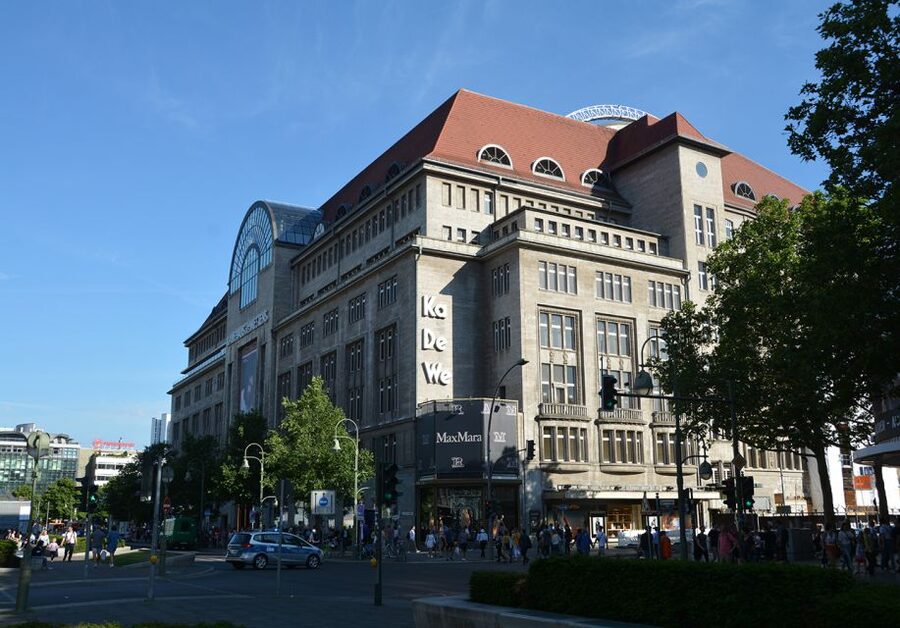
The first major stop is KaDeWe, short for Kaufhaus des Westens. It is described as continental Europe’s biggest department store, and its scale helps explain the importance of the area. KaDeWe is not simply a place to shop. It became one of the clearest symbols of West Berlin’s connection to the consumer world of Western Europe.
I like this opening because it gives you a quick sense of the city’s divided identity. Berlin’s political story can seem abstract when you only hear about borders and governments. A huge department store, set along an important shopping avenue, makes the contrast more concrete. The western city was also selling a way of life.
The stop is primarily an outdoor guided visit and sightseeing point, so do not expect a long shopping break built into the route. If you want to browse inside KaDeWe or visit its food offerings, plan to return later. The two-hour walk has a fixed route and several other stops ahead.
More neighbourhood tours in Berlin:
- Berlin: Hidden Backyards Guided Walking Tour
★ 4.8 · 5,360 reviews - Berlin: Spree Boat Tour to Müggelsee
★ 4.6 · 1,973 reviews - Berlin: Alternative Bike Tour of Kreuzberg & Friedrichshain
★ 4.7 · 548 reviews
The Europa-Center and the changing face of City-West
From KaDeWe, the route continues toward the Europa-Center. This building is another major marker of the western city center, close to Breitscheidplatz and the Kaiser Wilhelm Memorial Church.
The Europa-Center helps frame the postwar growth of West Berlin. Along with KaDeWe and Kurfürstendamm, it belongs to the commercial core that gave the western half of the city its own sense of scale and purpose. Your guide explains how this part of Berlin developed into a center of public life during the division of Germany.
This is also where the walk begins to connect several time periods. The tour looks back to the golden twenties, when Berlin had a reputation for nightlife, art, and modern city life. It then moves through wartime destruction, postwar rebuilding, and the Cold War years. That broad sweep is useful if you are still trying to place Berlin’s many eras in order.
I would not choose this tour expecting a detailed architectural study of the Europa-Center. Its value is as a landmark in a larger story. The guide’s explanation turns a familiar high-rise and shopping district into evidence of how West Berlin presented itself to the world.
Kurfürstendamm and the golden twenties
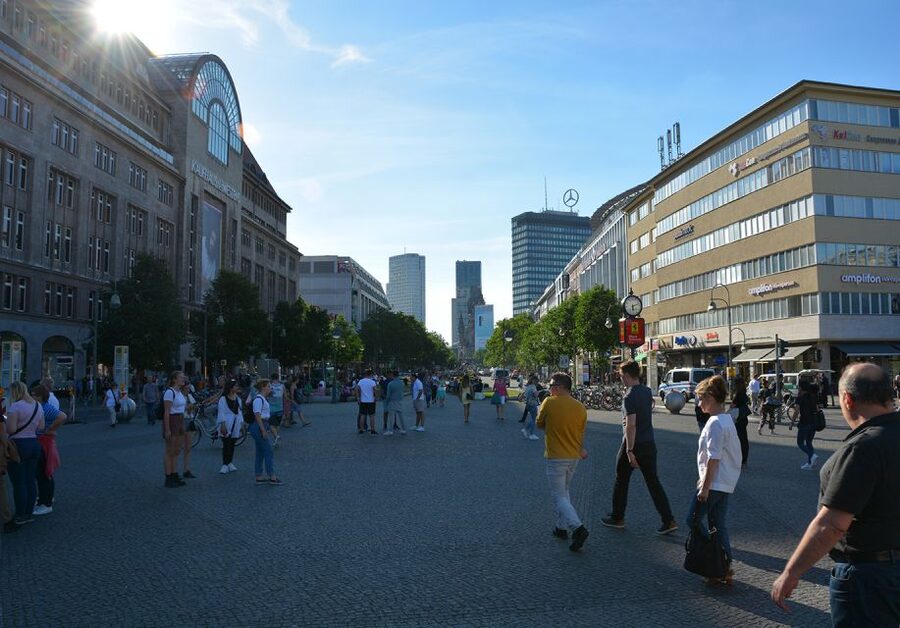
Kurfürstendamm, often called Ku’damm, is the central avenue of the walk. It is broad, famous, and closely tied to Berlin’s public image. Walking along it lets you see how City-West combines shopping, transport, hotels, entertainment, and daily city traffic.
The tour places the avenue in the context of Berlin’s golden twenties. That period gave the city a reputation for nightlife, experimentation, art, and modern urban culture. You will hear how the area around Ku’damm developed into one of Berlin’s key social and commercial centers.
The most useful part is the comparison across time. The avenue was not always simply a shopping street, and it did not stop changing after the twenties. Its role shifted through the Nazi period, the war, postwar reconstruction, and the years when West Berlin served as a political and cultural outpost of the Federal Republic.
Your guide also talks about the everyday reality of living in West Berlin during the city’s division. This is where the tour can feel more personal than a standard list of sights. A native Berliner can explain the atmosphere of a place that was politically isolated yet known for its open lifestyle and creative energy.
The walk takes place outdoors and in active city streets. You will see traffic, shops, and pedestrians rather than a quiet historic district. That is part of the point, but it may not suit you if you want a slow architectural tour with long pauses at each building.
Kaiser Wilhelm Memorial Church at Breitscheidplatz
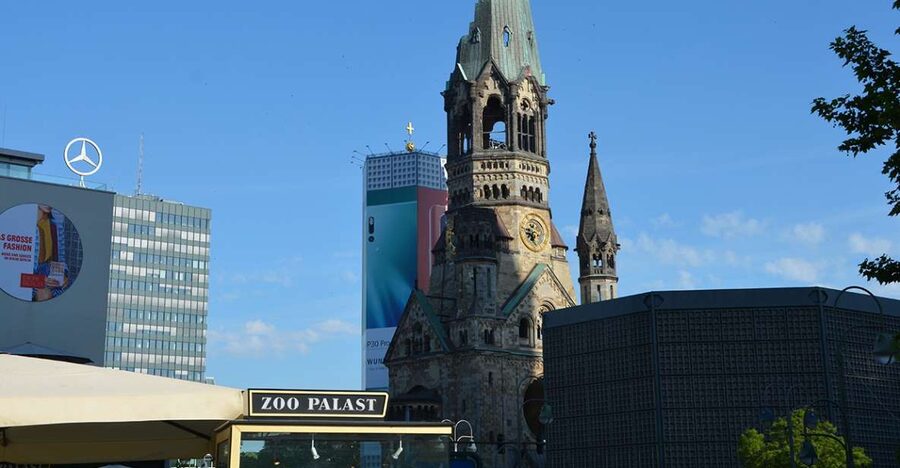
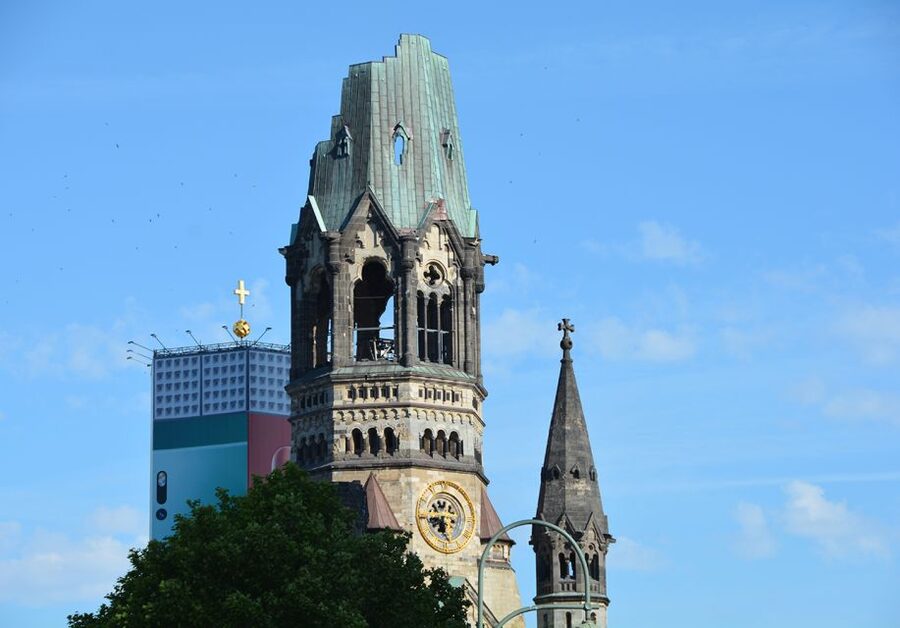
The Kaiser Wilhelm Memorial Church is one of Berlin’s most recognizable landmarks. Its damaged tower and modern additions make the effects of war visible in the middle of a busy square.
The stop works well because it combines a physical sight with a difficult question: how should a city remember destruction while continuing to live and rebuild? The church is not presented only as an old monument. It is part of the modern City-West setting, surrounded by shops, transport, and public life.
Breitscheidplatz also shows why this area became such an important center of West Berlin. It sits at the meeting point of major streets, commercial buildings, and public routes. The square is busy, so your guide’s explanation helps you focus on the historical details instead of simply taking a quick photograph and moving on.
Keep in mind that the supplied tour details promise guided sightseeing, not a full interior visit or a special admission program. If you want to spend time inside the church, check how much free time you have before or after the walk. The tour’s main purpose is to explain the church’s place in Berlin’s wider story.
Other Berlin experiences to weigh up
- Berlin: 1-Hour City Tour by Boat with Guaranteed Seating
★ 4.3 · 16,993 reviews - Berlin: City Sightseeing Hop-On Hop-Off Bus Tour
★ 4.1 · 4,233 reviews - Potsdam: City and Castles Tour
★ 4.7 · 3,721 reviews - Berlin: 1-Hour City Sightseeing Cruise
★ 4.4 · 2,210 reviews
Zoologischer Garten and the Cold War city center
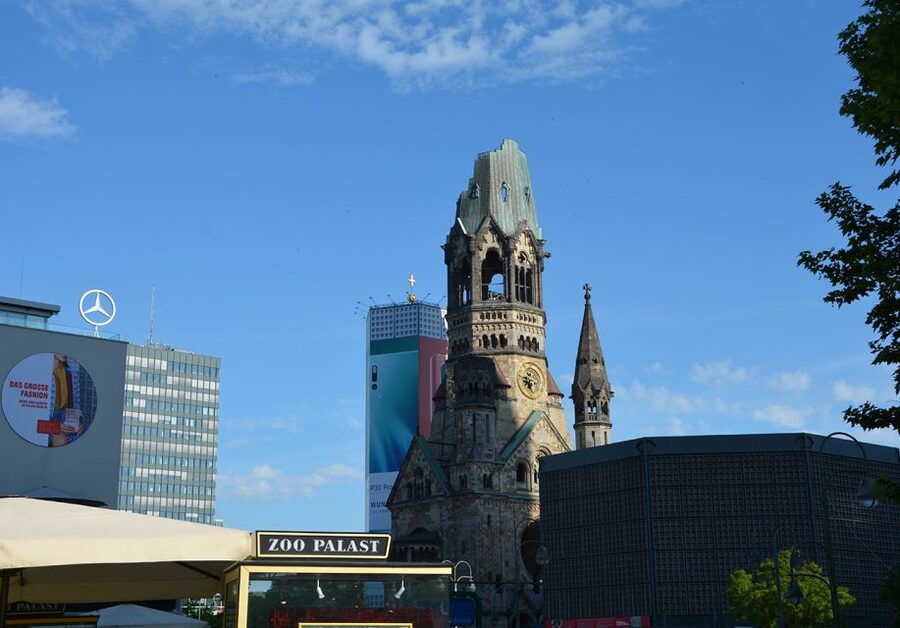
The route continues toward the area around Zoologischer Garten, one of Berlin’s major traffic centers. Even if you are mainly interested in history, this stop matters because transport helped shape City-West’s role.
A major station and busy transport area bring together commuters, visitors, shoppers, and people moving across the city. During the division, this part of West Berlin became a focal point for public life. The guide explains why the area developed into the center of the western half of Berlin and how its location affected the way people experienced the divided city.
This section should help you get your bearings. Berlin is spread out, and it is easy to treat City-West and the historic center as unrelated areas. Seeing the connections on foot gives you a clearer mental map. You can better understand why Ku’damm, Breitscheidplatz, the Europa-Center, and Zoologischer Garten belong to one urban story.
The stop may be less visually dramatic than the memorial church. Its value comes from context. You are learning how a transport hub can shape a city, especially when the city is cut in two and one side must function as a political and economic center.
Savignyplatz: a calmer finish with food ideas
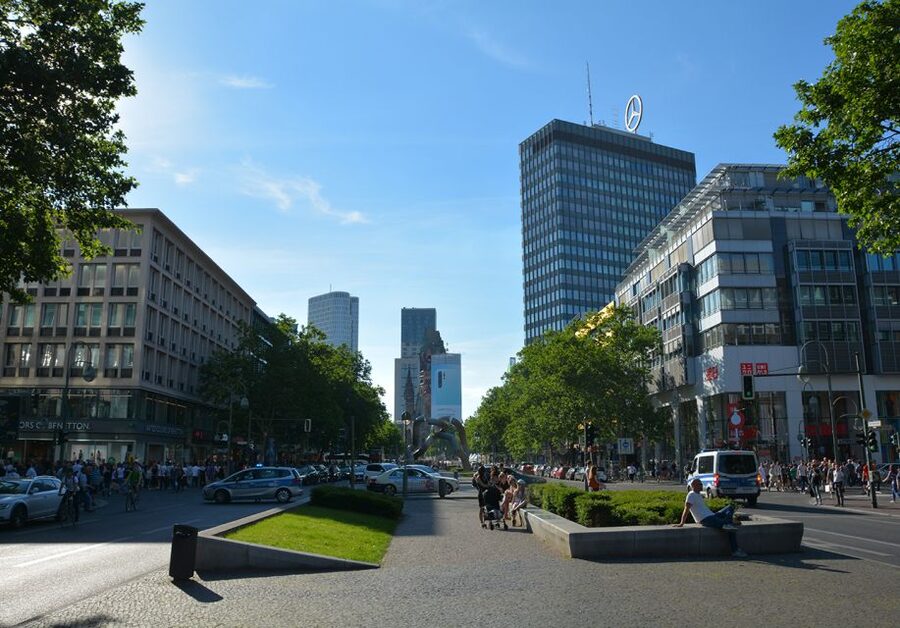
The tour ends at Savignyplatz, at 10629 Berlin. Reaching this square after the larger avenues gives the walk a useful change of mood. Instead of finishing at another major landmark, you end in an area associated with restaurants, cafés, and local city life.
This is also where the guide can point you toward typical Berlin food in the western part of the city. The information provided does not name specific restaurants, so you should treat these as practical suggestions rather than a planned tasting stop. You will need to buy food separately.
I like ending here because it gives you somewhere to continue the day. After two hours of history and walking, you can sit down, eat, and think over what you have seen. It also means the tour does not finish in the middle of a major transport interchange, where you might simply rush off to the next sight.
Savignyplatz is not the headline attraction of the route, but it helps show the side of Berlin that a monument-only tour can miss. City-West is not just about Cold War symbols and grand avenues. It is also about where people meet, eat, and spend ordinary evenings.
What the two-hour format gives you
At $43 per person, this tour sits in the range of a paid small-group city walk rather than a basic free orientation walk. The value depends on how much you want from a guide. If you only need directions and photographs, the price may feel high. If you want a clear explanation of West Berlin’s role, local stories, and food tips, the cost is easier to justify.
The group limit of 10 is important here. City-West has traffic, noise, and many visual distractions. A smaller group makes it easier to hear the guide and ask about details that catch your attention. Several bookings have been handled as very small groups, including walks that effectively became private tours when only one person booked.
The two-hour length is also sensible for a first look. You cover the main route without giving up a whole morning or afternoon. The tradeoff is that you will not have time for long interior visits, extensive shopping, or a detailed stop at every address.
One especially useful tip comes from a summer booking: an evening start can work well because daylight lasts late and the streets may feel cooler for walking. The exact starting time depends on availability, so check the offered times before booking. The guide can also stop for water or a restroom break if needed, according to the tour information.
Guide style, languages, and group fit
The walk is led by a professional, certified, multilingual guide in German, English, or Italian. Carlo is named in several bookings, and the comments about him consistently point to an easygoing, professional style, strong preparation, and a willingness to answer questions.
That personal contact matters most on the Cold War portion. A local guide can give the district more texture than a written timeline. You can ask how the city felt, how people used the western center, and why this part of Berlin became so important.
I would recommend the tour to first-time visitors who want to understand Berlin’s western half before exploring it on their own. It also suits repeat visitors who have seen the central landmarks and want a different side of the city.
The walk may be less satisfying if you want a museum-heavy experience, a long architectural lecture, or a food tour with included tastings. Food advice is part of the conversation, but meals are not included. You should also wear suitable walking clothes because the tour runs in all weather and on public holidays.
The route is wheelchair accessible, which makes it a practical choice for many visitors. Still, the tour takes place on active city streets and lasts two hours, so consider your own comfort with outdoor walking.
Should you book this City-West walk?
Book it if you want Berlin explained through its western neighborhoods, not just a checklist of famous monuments. The best reasons are the small group, the local angle, the Cold War stories, and the way the route links shopping, transport, memory, and everyday life.
Skip it if your main goal is to enter several buildings, shop at KaDeWe, or spend a long time inside the Kaiser Wilhelm Memorial Church. Those activities are not the center of this experience.
For most visitors, I would place this tour early in a Berlin stay. It helps you understand the city’s geography and gives you practical ideas for food and later sightseeing. At $43, it is a fair buy when you value a live guide and a focused two-hour introduction to City-West.
FAQ
Where does the Berlin City-West walking tour begin?
Meet at Wittenbergplatz U-Bahn station, at the Tauentzienstrasse exit. Look for the guide holding a Get Your Guide, You in Berlin flag.
Where does the tour finish?
The walk finishes at Savignyplatz, 10629 Berlin, Germany.
How long does the walking tour last?
The tour lasts two hours.
Which languages are available?
The live guide can conduct the tour in German, English, or Italian.
How large is the group?
The tour is limited to 10 participants. Some dates may have only a few participants, depending on bookings.
Is the tour wheelchair accessible?
Yes, the activity is listed as wheelchair accessible. It takes place outdoors and runs in all weather conditions and on public holidays, so wear suitable clothing.
More Walking Tours in Berlin
- Discover Berlin Half-Day Walking Tour
★ 5.0 · 9,624 reviews - Berlin: Third Reich and Cold War 2 Hour Walking Tour
★ 4.9 · 6,830 reviews - Berlin: Discover Berlin Walking Tour
★ 4.9 · 5,998 reviews - Berlin’s Best: 2 Hour Walking Tour Third Reich and the Cold War
★ 5.0 · 5,486 reviews
Newest Berlin reviews
- Where It All Began: Berlin’s Queer & Trans History Tour★ 4.9 · 6 reviews
- Understanding Kreuzberg: The roots of local (sub)culture★ 4.9 · 11 reviews
- Berlin: guided canoe | kayaktour★ 4.1 · 7 reviews
- Ultimate E-Bike Tour of Berlin with Beer Garden Stop★ 5.0 · 4 reviews
- Private Potsdam City Tour in an authentic vintage van★ 5.0 · 14 reviews
- Warnemünde Shore Excursion: Private Sachsenhausen and Berlin Tour★ 5.0 · 12 reviews
- In the Forbidden City – Potsdam Walking Tour★ 5.0 · 17 reviews
- Private Walking Tour of Potsdam and Sanssouci★ 5.0 · 24 reviews
Berlin Neighborhood Tours, compared.
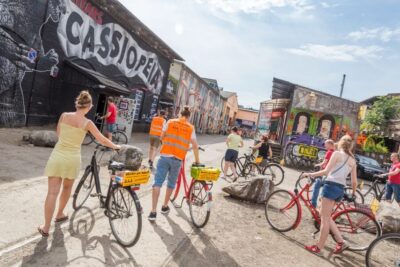
Alternative Bike Tour of Kreuzberg & Friedrichshain
Read our review →
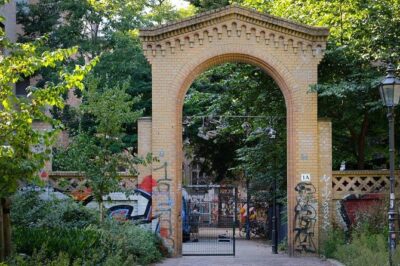
Berlin Off-the-Beaten-Path Walking Tour: Kreuzberg, Mitte and Friedrichshain
Read our review →
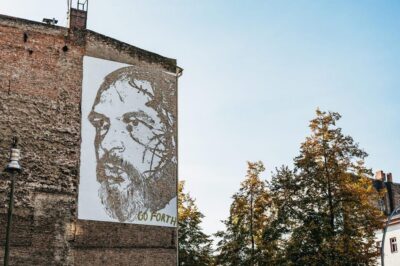
Hansaviertel “The City of Tomorrow” Guided Tour
Read our review →Browse the lists this tour appears in