
Reviewed · KREUZBERG TOURS
Kreuzberg Walking Tour: Immigrants, Artists & Hipsters
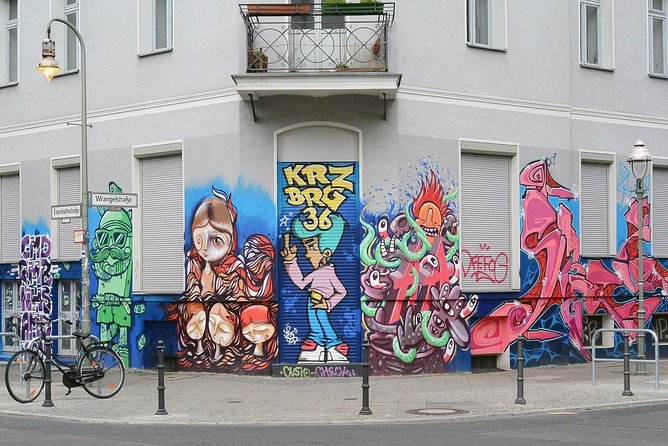
Kreuzberg is where Berlin’s past and present rub against each other. On this three-hour tour, you cross Oberbaumbrücke, trace the old Cold War border, see Wall remains, and move through Turkish markets, street art, abandoned lots, and the creative district known as SO36. Peter and Ronan bring a thoughtful local voice to the story.
I like the small-group format, which keeps the tour conversational rather than scripted, and I like that it treats food, graffiti, housing, and politics as part of the same neighborhood story. The main drawback is the price: at $153.85 per person, you still pay extra for public transport, food, and an optional bicycle.
Key points at a glance
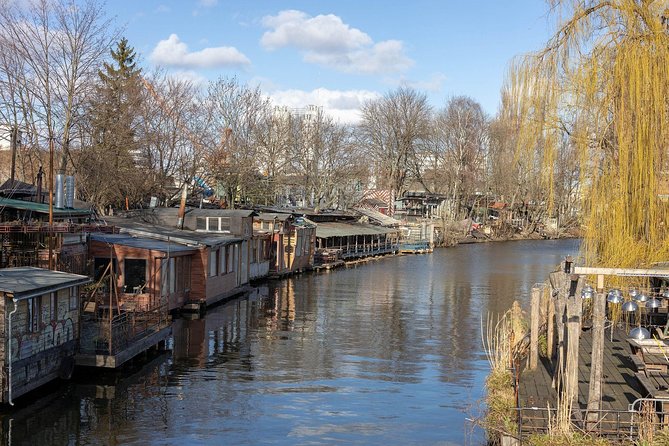
- Cold War Kreuzberg: Learn how a neglected border district became one of Berlin’s best-known creative quarters.
- Oberbaumbrücke opening: Begin with one of Berlin’s most handsome bridges and a useful view of the district.
- SO36 and street art: See how migration, protest, music, and graffiti shaped Kreuzberg’s public face.
- Turkish food and markets: Stop around shops and colorful stalls, with food such as fried spinach and cheese gözleme available to buy.
- Markthalle 9 and Görlitzer Park: Pair a 120-year-old market hall with one of Kreuzberg’s most recognizable parks.
- Small-group discussion: The tour is designed for close contact with an art historian, with a maximum of six listed for the small-group format.
Kreuzberg from border zone to creative quarter
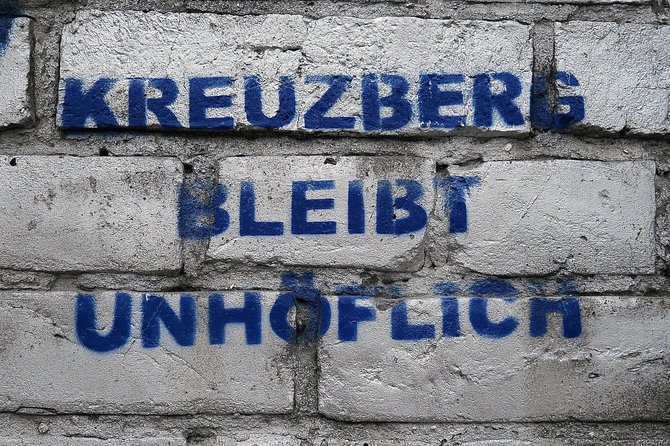
Kreuzberg is not a polished postcard district. That is the point. Its appeal comes from layers: Cold War neglect, immigrant life, squats and abandoned buildings, punk and rock culture, graffiti, new businesses, and current arguments over development.
Your guide begins by explaining how this part of Berlin changed after 1989. During the Cold War, sections of Kreuzberg sat beside the Wall and were treated as a rough edge of West Berlin. The border made the area hard to reach and unattractive to large investors. That isolation helped produce a strong local culture, but it also left many buildings and plots of land in poor condition.
After the Wall fell, Kreuzberg changed quickly. Artists, musicians, students, immigrants, and later well-funded newcomers all helped shape the district. The tour does not present this shift as a simple success story. You get a chance to consider what was gained, what was lost, and who can still afford to live here.
That balance is one of the best reasons to book this experience. You are not just being shown photogenic murals and fashionable shops. You are given the reasons those things appeared here in the first place.
More Kreuzberg tours in Berlin:
- Kreuzberg: Culinary Food Tour
★ 4.5 · 770 reviews - Berlin: Kreuzberg Guided Walking Evening Tour
★ 4.7 · 555 reviews - Berlin: Alternative Bike Tour of Kreuzberg & Friedrichshain
★ 4.7 · 548 reviews
Starting across Oberbaumbrücke
The meeting point is at Schlesische Str. 18, in the Kreuzberg area. From there, the route begins with a walk across Oberbaumbrücke, a distinctive bridge linking Kreuzberg and Friedrichshain.
This is a smart starting point. The bridge helps you understand the old division between the two districts, while its towers and red-brick details provide a memorable first view. It also gives the guide a natural place to explain how the former border shaped movement through Berlin.
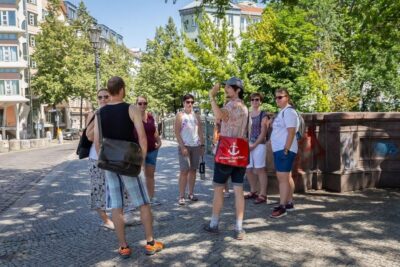
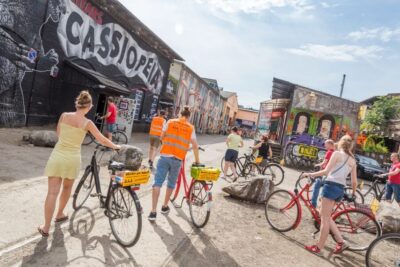
The tour can be taken on foot or by bicycle. The walking version keeps the pace slower and allows more time to notice streets, walls, courtyards, shops, and public art. The bicycle option covers more ground while remaining within Kreuzberg, but the rental costs an additional €10 per person.
I would choose walking if you care most about conversation and small details. Choose the bicycle option if you want to see more of the district during the three-hour time limit. Either way, you will use public transport several times because some important points are too far apart to reach on foot.
SO36 and the old Kreuzberg edge
The route continues through the main parts of SO36. The name refers to an old postal district, but it has become shorthand for one of Kreuzberg’s most famous cultural areas.
Here, your guide explains the neighborhood’s rough past and the quick changes now reshaping it. This is the section where the tour connects politics with everyday streets. You may hear about migration, protest, music, housing, redevelopment, and the role of people who made use of empty buildings when formal investment stayed away.
Kreuzberg’s links with musicians are also part of the story. Rock legends spent time in Berlin during the Cold War, drawn partly by the city’s unusual atmosphere and its distance from ordinary West German life. The point is not celebrity sightseeing. Instead, the music connection helps explain why Kreuzberg became associated with independence, experimentation, and life outside the mainstream.
I especially like this approach because it avoids treating old Kreuzberg as a costume. The district was not simply an edgy playground. It was home to people dealing with hard economic conditions, political tension, and limited space.
Berlin Wall remains and creative reuse
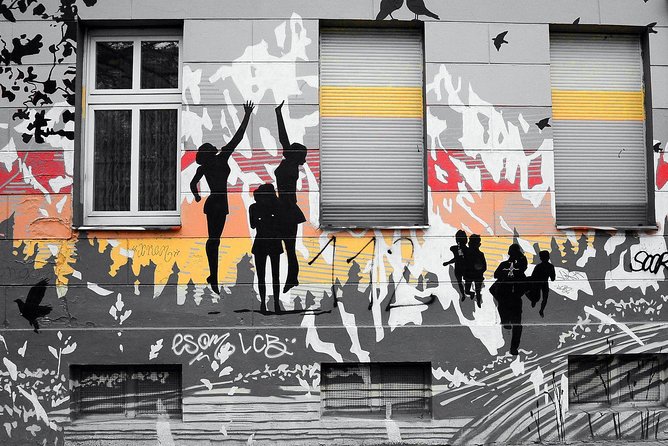
The Wall is no longer the full barrier that once cut through Berlin, but sections and traces remain. Your guide uses these remains to show how the border affected Kreuzberg’s streets and residents.
You will also look at abandoned buildings and empty plots that found new uses. In Kreuzberg, a neglected space might become a workshop, cultural venue, garden, community project, or artist’s site. The specific examples can depend on the day and route, but the larger lesson is clear: people often made their own places when official plans left gaps.
This is useful context for understanding present-day Berlin. A creative use of an empty site may look charming now, but it can also be part of a longer dispute about ownership, rent, and development. The tour gives you room to consider both sides instead of presenting every mural or converted building as an automatic improvement.
Bring comfortable shoes for the walking version. The route includes streets, parks, markets, and public transport connections, so it is not a single-site museum visit.
Other Berlin experiences to weigh up
- Discover Berlin Half-Day Walking Tour
★ 5.0 · 9,624 reviews - Berlin: Third Reich and Cold War 2 Hour Walking Tour
★ 4.9 · 6,830 reviews - Berlin: Discover Berlin Walking Tour
★ 4.9 · 5,998 reviews - Berlin’s Best: 2 Hour Walking Tour Third Reich and the Cold War
★ 5.0 · 5,486 reviews
Why graffiti matters in Kreuzberg
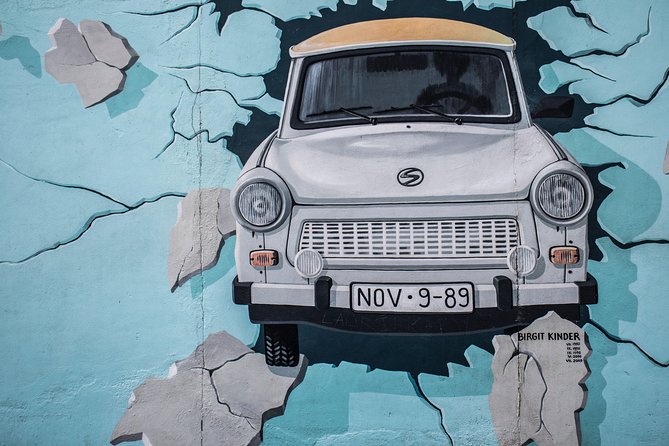
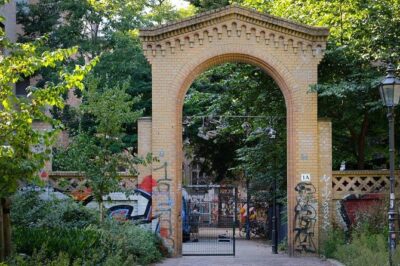
Street art here is more than decoration. It can mark territory, make political claims, honor a local figure, criticize developers, or simply turn a blank wall into a public canvas.
Your art historian guide explains how graffiti and street art help create Kreuzberg’s visual identity. This is where a guide can add real value. Without context, you might see only colorful walls. With context, you can start asking who made the work, who it addresses, and why it belongs in this particular place.
The tour does not promise a fixed collection of murals, and street art changes over time. That is part of the experience. Paint is covered, buildings are altered, and new work appears. I would not book this tour expecting a formal gallery tour with a guaranteed list of artists. Book it if you want to understand how art functions in the district’s public life.
The small group matters here. With a maximum of six listed for the small-group tour, you have a better chance to ask about a piece or pause for a short discussion. The booking information also allows up to eight people per booking and lists a maximum of ten for the activity, so confirm the group arrangement when you reserve.
Görlitzer Park and a slower view of Kreuzberg

Görlitzer Park offers a change of pace. After the streets and Wall history, you get a more open setting and a chance to see how local public space works.
The guide uses the park to discuss the neighborhood’s daily life rather than treating it as a scenic stop alone. Kreuzberg is best understood by moving between its public spaces, business streets, old buildings, and shared green areas. A park can reveal just as much about a district as a famous landmark.
Do not expect a long rest stop or a private picnic. The tour lasts about three hours, and the park is one part of a wider route. Still, it helps break up the walking and gives you a different view of the area.
Markthalle 9 and Turkish Kreuzberg
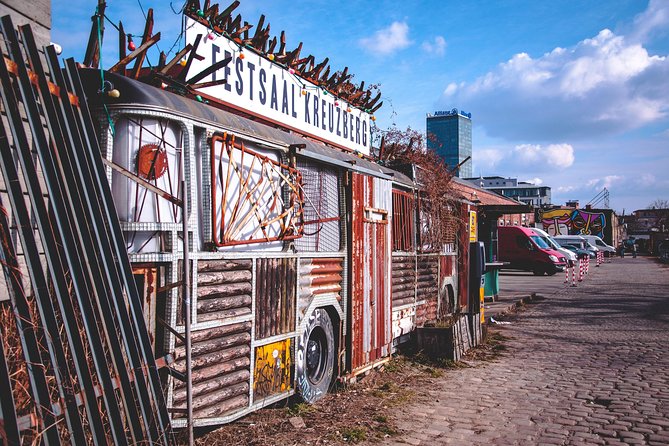
Markthalle 9 is a 120-year-old market hall and one of the tour’s most appealing food stops. Its age links it to the older city, while its present use reflects Berlin’s changing food culture.
The tour then moves through the Turkish culture that has shaped Kreuzberg for decades. Shops, flower sellers, spices, and colorful markets make this part of the route especially good for your senses. You may have the chance to buy snacks such as deep-fried spinach and cheese gözleme.
Food is not included, so bring some euros or another accepted payment method if you want to sample something. The tour price covers the guide, not meals or drinks. That is a small but important distinction when comparing this experience with food tours.
I like that food here is treated as part of local life, not just a tasting exercise. Turkish businesses and markets are central to Kreuzberg’s identity. A snack gives you a direct connection to the neighborhood, but the larger value comes from learning why these shops and markets are here.
Riverside development and Kreuzberg’s next chapter
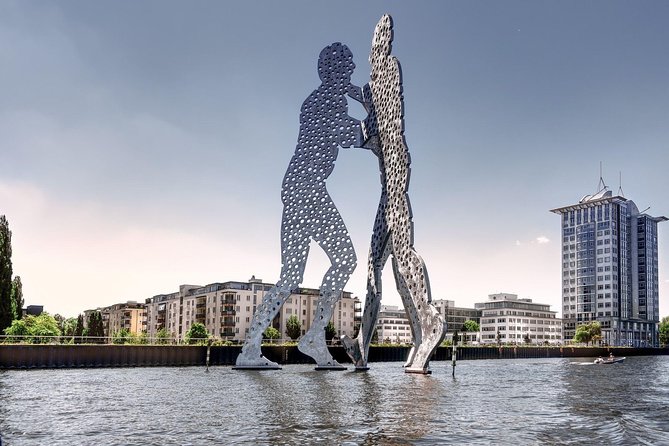
The tour ends with a discussion of controversial development plans along the river. This closing topic ties together nearly everything you have seen: the old border, empty land, creative uses, new investment, housing pressure, and the question of who gets to shape Berlin.
There is no simple answer. Riverside construction can bring new homes, offices, public spaces, and improved access. It can also change the character of the district and place more pressure on people who helped build its culture.
Ending with this issue is a good choice because it leaves you thinking beyond the past. Kreuzberg is not a preserved historical district. It is still changing, and the choices being made now will decide what remains accessible and distinctive.
One possible ending has been the Friedrichshain-Kreuzberg Museum, according to the tour information and guide experience. If that museum is part of your route, it gives the neighborhood story a useful final setting. Since routes can vary, ask your guide what the day’s final stop will be.
The guides and the small-group style
The tour is led by a professional art historian. Peter is praised for his local knowledge, friendly manner, and practical suggestions for enjoying the rest of Berlin. Ronan is described as patient and easy to talk with, especially when discussions move into difficult questions about what Kreuzberg represents.
Those details matter because this is a discussion-led tour. You are not simply moving from one photo stop to another. The best parts depend on asking questions and allowing time for the guide to connect history with what you see.
The small group is a major advantage. A group of six or fewer can stop without causing a traffic jam, and you can ask about subjects such as graffiti, Turkish migration, gentrification, music, or the Wall. The broader capacity information allows for groups of up to ten, so the exact number may vary.
This is a good choice for first-time Berlin visitors who want a break from the historic center. It also suits people who already know Berlin and want a more local, less familiar side of the city. One person who had lived in Berlin for three years found the tour offered new ways to understand Kreuzberg. That is a useful sign for repeat visitors.
Is $153.85 a fair price?
At $153.85 per person, this is an expensive neighborhood walk. The price becomes easier to justify if you value a private-feeling small group, an art historian, and a serious conversation about Berlin’s social and political changes.
Still, the costs do not stop at the booking price. You will pay for public transport during the route, food and drinks, and €10 if you choose the bicycle option. There is no hotel pickup or drop-off.
I would compare this with the cost of piecing together the day yourself. You could walk through Kreuzberg for free, buy food at a market, and visit public streets and parks without a guide. What you cannot easily reproduce is the connection between those places: why the Wall matters here, how immigrant businesses shaped the district, why graffiti carries political weight, and how new development affects the area.
For a budget-conscious visitor, the price may be too high. For someone who wants a focused introduction with room for questions, it can be worthwhile.
Practical details before you book
The tour is offered in English and lasts about three hours. Confirmation is provided at booking, and the meeting point is Schlesische Str. 18, 10997 Berlin. The endpoint is listed simply as Berlin, so do not assume you will finish at your hotel or at the starting point.
You should be comfortable using public transport several times. Most people can participate, but children must be accompanied by an adult. The route is near public transportation, which helps, but the combination of walking, transit, parks, and markets means you should dress for the weather.
The cancellation rule is straightforward: cancel at least 24 hours before the local start time for a full refund. Cancellations or changes made less than 24 hours ahead are not refunded or accepted.
Who should book this Kreuzberg tour?
I would book this tour if you want Berlin explained through ordinary streets, local businesses, public art, and current arguments rather than only through grand monuments. It is especially useful for first-time visitors who have already seen the central sights, repeat visitors seeking a different district, and anyone interested in migration, urban change, or contemporary art.
I would skip it if you want a cheap food crawl, a relaxed sightseeing ride, or a fixed museum itinerary. The food is optional, the bicycle costs extra, and the tour asks you to think about complicated issues.
For the best value, choose the walking version if conversation matters most, bring money for a snack and public transport, and ask for Peter or Ronan if guide availability allows. If Kreuzberg’s mix of history, street art, Turkish culture, and contested development sounds more interesting than another checklist of landmarks, this is a strong way to spend three hours.
FAQ
How long does the Kreuzberg Walking Tour last?
The tour lasts approximately three hours.
In which language is the tour offered?
The tour is offered in English.
Where does the tour start?
The meeting point is Schlesische Str. 18, 10997 Berlin, Germany.
Where does the tour end?
The endpoint is listed as Berlin, Germany. Hotel drop-off is not included.
Is this a walking-only tour?
You can take the tour on foot, or choose the bicycle option. The bicycle version covers more ground but remains within Kreuzberg.
How much does bicycle rental cost?
Optional bicycle rental costs €10 per person.
Are public transport costs included?
No. You need to use public transport several times, and those costs are not listed as included.
Is food included?
No. Food and drinks are not included unless specifically stated. You may buy items such as deep-fried spinach and cheese gözleme during the route.
What is the cancellation policy?
You can cancel up to 24 hours before the experience start time for a full refund. Cancellations or changes made less than 24 hours before the start are not accepted or refunded.
Newest Berlin reviews
- Where It All Began: Berlin’s Queer & Trans History Tour★ 4.9 · 6 reviews
- Understanding Kreuzberg: The roots of local (sub)culture★ 4.9 · 11 reviews
- Berlin: guided canoe | kayaktour★ 4.1 · 7 reviews
- Private Potsdam City Tour in an authentic vintage van★ 5.0 · 14 reviews
- Warnemünde Shore Excursion: Private Sachsenhausen and Berlin Tour★ 5.0 · 12 reviews
- Ultimate E-Bike Tour of Berlin with Beer Garden Stop★ 5.0 · 4 reviews
- In the Forbidden City – Potsdam Walking Tour★ 5.0 · 17 reviews
- Private Walking Tour of Potsdam and Sanssouci★ 5.0 · 24 reviews
Kreuzberg Tours, compared.
Alternative Bike Tour of Kreuzberg & Friedrichshain
Read our review →
Berlin Off-the-Beaten-Path Walking Tour: Kreuzberg, Mitte and Friedrichshain
Read our review →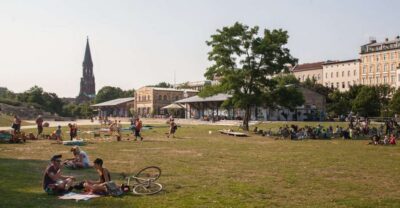
Kreuzberg Berlin: Off the Beaten Track PRIVATE Walking Tour
Read our review →
Experience the Alternative Kreuzberg on a Bike Tour
Read our review →Browse the lists this tour appears in