
Reviewed · BERLIN THIRD REICH TOURS
Hitler’s Berlin – the rise and fall (Small Group)
Hitler’s Berlin is not a sightseeing stroll with a few dramatic stories added on. It is a serious walk through the center of power, persecution, resistance, and defeat, linking the Reichstag, Holocaust Memorial, Führerbunker site, and former Gestapo headquarters. The route shows how close together these places are, and how much of Berlin’s Nazi story unfolded within a compact part of the city.
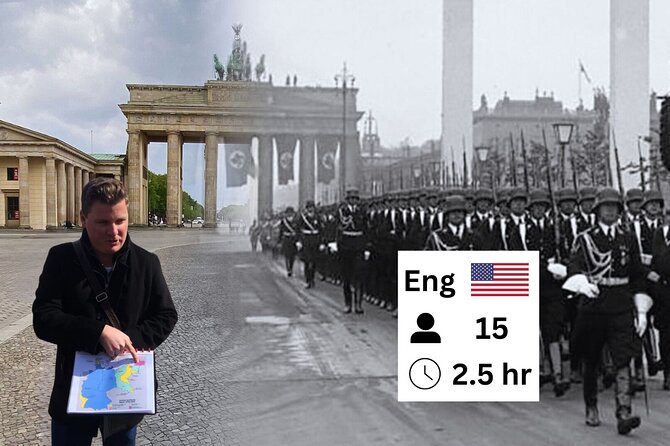
I like the small maximum group of 15, which gives you a fair chance to ask questions and keep up with the guide. I also like the use of Then & Now photographs and historic maps, especially when modern Berlin has erased or rebuilt the original scene. The main drawback is that the tour packs a lot into two and a half hours, so you need to listen closely and accept that some stops receive only a few minutes.
Key points to know before booking
- The route connects major Nazi-era sites, beginning at the Brandenburg Gate and ending at the Topography of Terror.
- The subject is serious and carefully handled, covering Nazi persecution, the Holocaust, wartime destruction, resistance, and postwar remembrance.
- Guides may include Scott, Jochen, Johan, Matt, or Roshana, with the strongest praise focused on clear explanations, thoughtful discussion, and the ability to answer questions.
- Historic maps and Then & Now images help you understand places that have been demolished, rebuilt, or deliberately left unmarked.
- The walk is compact but information-heavy, and you should wear comfortable shoes and dress for rain, wind, or cold.
- At $54.44 per person, the price is fair if you want a guided historical framework rather than a simple walk past monuments.
Starting at the Brandenburg Gate
The meeting point is Pariser Platz beside the Brandenburg Gate. This is a useful starting place because the gate is not just Berlin’s best-known monument. It also sits at the edge of the government district, where the tour can begin explaining how democracy gave way to dictatorship.
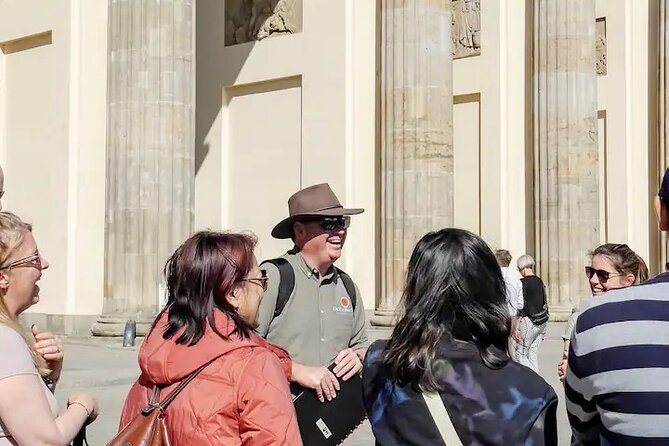
The guide’s job here is to establish the political setting before the tour moves into memorials and military history. You learn how the Nazi Party gained power through elections, political maneuvering, and the collapse of democratic safeguards, then how Hitler became Führer.
That opening matters. Without it, the rest of the walk can feel like a series of grim locations. With it, the Reichstag, government buildings, and memorials become part of a connected story about power and public responsibility.
Guides including Scott, Jochen, Matt, Roshana, Johan, and others have been praised for making a difficult subject understandable without treating it lightly. The best version of this tour depends heavily on the guide, so expect a presentation with plenty of spoken detail rather than a quick photo stop.
More Third Reich history tours in Berlin:
- Berlin: Third Reich and Cold War 2 Hour Walking Tour
★ 4.9 · 6,830 reviews - Berlin’s Best: 2 Hour Walking Tour Third Reich and the Cold War
★ 5.0 · 5,486 reviews - Third Reich Berlin: Hitler and WWII Walking Tour
★ 5.0 · 3,301 reviews
Sinti and Roma victims at the first memorial
The first formal stop is the Memorial to the Sinti and Roma Victims of National Socialism. You spend about 10 minutes here learning about the persecution and murder of Roma and Sinti people under the Third Reich.
This is an important early stop because it widens your understanding of Nazi racial policy. The Holocaust did not target only Jewish people, although Jewish victims were the largest ethnic group persecuted and murdered by the regime. The guide explains the social theories and racial categories that helped create the machinery of persecution.
A short stop can still carry considerable weight. You will not get a full museum visit here, but you will get a clear reminder that Nazi persecution affected several communities. That broader context makes the later discussion at the Holocaust Memorial more meaningful.
The Reichstag and the collapse of democracy
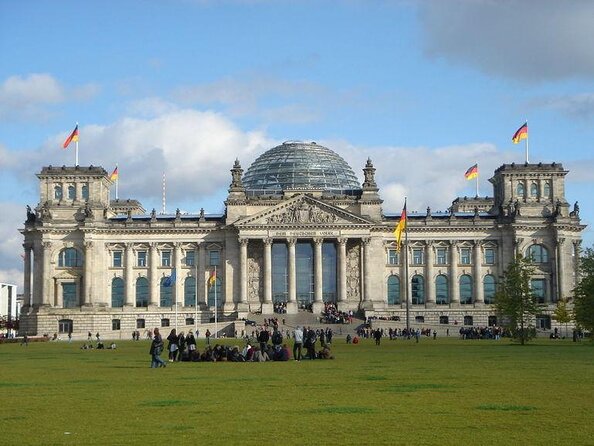
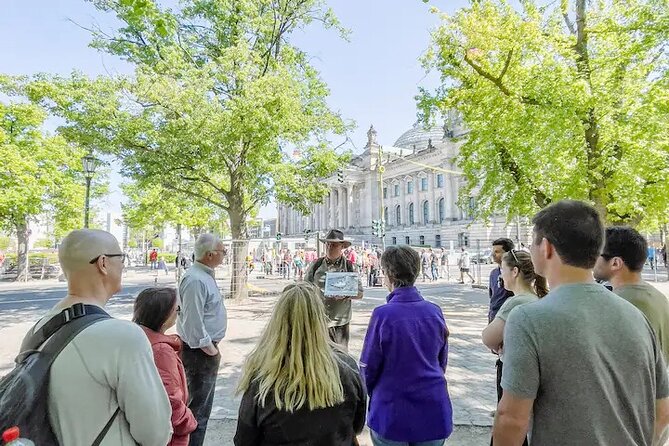
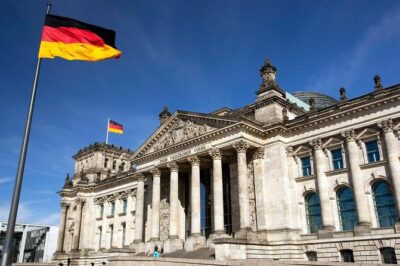
At the Reichstag, Germany’s parliament building, the guide returns to the political rise of the Nazis. You learn how the party was elected into power and how Hitler moved from political leader to dictator.
The value of this stop is its location. You are not hearing about political change in an abstract classroom. You are standing beside the building associated with German parliamentary government while discussing how that system was weakened and ultimately destroyed.
The planned stop lasts around 15 minutes. That is enough for a focused explanation, but not enough for every detail of the Nazi seizure of power. If you want a long political lecture, you may find the pace brisk. If you want a clear outline that connects later sites, the timing works well.
This is also where the guide can respond to your questions. The group format is small enough for discussion, although you should expect a lot of information in a short time. One useful tip from the tour experience is to stay near the guide and listen carefully, particularly when traffic and city noise rise around you.
The Soviet Memorial and the Battle of Berlin
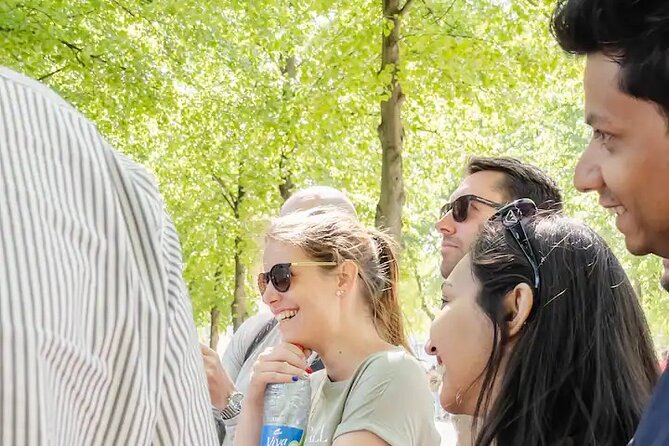
The Soviet Memorial in the Tiergarten brings the tour into the final phase of the war. The discussion focuses on the Battle of Berlin, the brutal fighting that brought the Nazi regime to its end, and the way those events have been remembered since 1945.
This stop adds a military and postwar layer to the walk. Earlier stops explain how the regime gained power and persecuted people. Here, you confront the violence of its final collapse and the human cost of the battle for the city.
The memorial itself also raises questions about remembrance. A monument can honor the dead, express political power, and shape how later generations understand victory and defeat. The guide uses the site to explain both the fighting and the difficult process of remembering it.
Plan on about 15 minutes. The tour does not provide a long pause for quiet reflection at every location, so take a moment for yourself if the group moves on before you are ready.
A different sort of day out in Berlin:
- Berlin: Reichstag, Dome and Government District Guided Tour
★ 4.7 · 18,288 reviews - Berlin: 1-Hour City Tour by Boat with Guaranteed Seating
★ 4.3 · 16,993 reviews - Berlin: Boat Tour Along the River Spree
★ 4.4 · 11,252 reviews - Discover Berlin Half-Day Walking Tour
★ 5.0 · 9,624 reviews
The Holocaust Memorial and the scale of Nazi murder
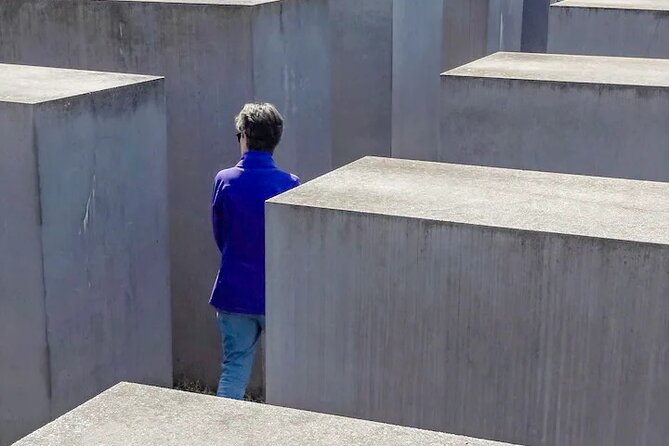
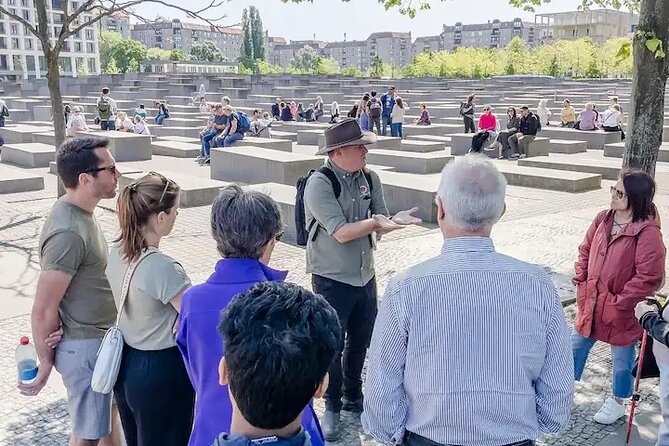
The Memorial to the Murdered Jews of Europe is the emotional center of the route. The field of concrete blocks is one of Berlin’s most recognizable modern memorials, but the guide helps you consider more than its appearance.
You discuss the Jewish victims of the Nazi regime and the meaning of the memorial. The layout can feel disorienting as you move among the blocks, and that changing sense of space gives the site much of its force. The guide does not simply tell you what to think. You have an opportunity to discuss how the memorial works and what it may communicate.
The planned time here is about 15 minutes. That may feel short, particularly if you want to walk farther into the memorial or visit the underground information center, which is not listed as part of this tour. You should think of this as a guided outdoor visit, not a complete Holocaust museum experience.
Still, the stop is valuable because the earlier discussion of racial ideology and government power leads directly here. The tour builds its argument step by step rather than presenting the Holocaust as an isolated event.
The monument to homosexual victims
The Monument to Homosexuals Persecuted Under National Socialism receives about five minutes. That is brief, but it introduces another group targeted by the Nazi state.
The guide explains the persecution of homosexual people and places the memorial within the wider pattern of Nazi control over private life and identity. You should not expect a long lecture at this stop. Its purpose is to make sure this part of the story is not left out.
Because the walk covers several victim groups, it avoids reducing the period to one narrow narrative. The short timing is the trade-off. You gain breadth, but you will need a longer museum visit if you want detailed treatment of each community.
The Führerbunker site and Hitler’s final days
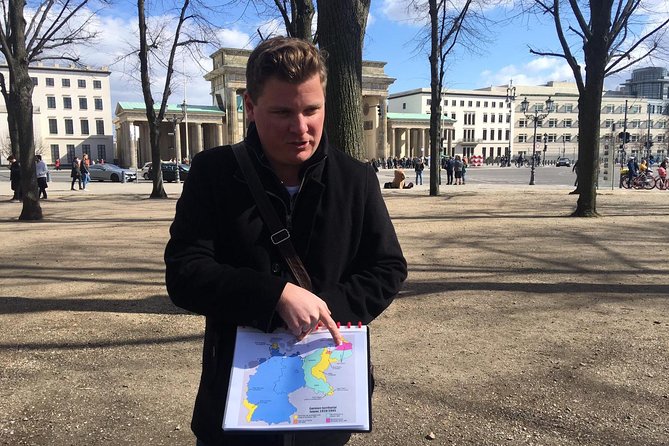
The former Führerbunker is one of the tour’s most anticipated stops, although there is no intact bunker interior to visit. The guide discusses the location where Hitler spent his final days during the Second World War and explains the site’s place in the final collapse of the regime.
This is a good example of why historic maps and Then & Now photographs matter. Modern Berlin does not present the bunker as a preserved attraction. You need the guide to explain what stood here and how the site changed after the war.
The stop lasts around 15 minutes. Expect context rather than spectacle. The tour does not turn the bunker into a shrine or a dramatic movie set. Instead, it treats the location as evidence of the regime’s end and as a place where historical memory has been deliberately handled with care.
That approach is one of the tour’s strengths. The focus remains on decisions, consequences, and victims, not on glamorizing Hitler.
Johann Georg Elser and resistance to the regime
At the Johann Georg Elser Memorial, the tour shifts toward resistance. You learn about Elser’s attempt to assassinate Hitler and about the efforts of others who opposed the Nazi regime.
This stop is especially useful because it complicates the idea that all Germans supported Hitler or remained passive. Resistance took many forms, and people who opposed the regime faced enormous danger. Elser’s story gives the tour a personal scale after several stops focused on governments, armies, and mass persecution.
You spend around 15 minutes here. Guides often use this kind of stop to invite questions about courage, political opposition, and the limits of individual action under dictatorship.
If resistance history interests you, pay close attention. The tour does not treat opposition as a simple heroic subplot. The broader point is that resistance existed, but it was difficult, fragmented, and often deadly.
The Aviation Ministry and surviving Nazi-era architecture
The former Aviation Ministry was built in 1936 to house the German Ministry of Aviation under Hermann Göring. At the time of construction, it was the largest office building in Europe.
The planned stop is only about five minutes, so this is mainly an exterior explanation. The building offers a physical reminder of how much Nazi power depended on offices, ministries, paperwork, and administration. Dictatorship was not only rallies and speeches. It also required vast systems of government work.
This stop can be easy to overlook if you are focused only on memorials. I find it useful precisely because it brings the story back to ordinary architecture and state machinery. A large government office can look unremarkable today, yet it once housed a central part of the regime.
The Topography of Terror and the end of the walk
The walk ends at the Topography of Terror, located on Niederkirchnerstraße. The site was once home to the Gestapo headquarters, along with other security and police offices connected to Nazi persecution.
You spend roughly 20 minutes here, with time for a break, tea or coffee, and the use of restrooms. This practical pause is welcome because the tour is information-heavy and conducted outdoors. It also gives you a chance to continue exploring the Topography of Terror afterward if you choose.
The ending makes sense. The tour begins with the rise of political power and closes at a place tied directly to repression and terror. It leaves you near public transport connections, but you should ask your guide for the best route to your next destination.
Pace, group size, and guide style
The tour lasts about two hours and 30 minutes, though some groups have gone longer when questions keep the discussion moving. That extra time can be a benefit if you enjoy conversation, but do not schedule a tight appointment immediately afterward.
The maximum group size is 15. That is small enough for personal attention without the price of a private tour. You may still find yourself in a group of around 10 or 11 people, and the experience depends on everyone being able to hear and stay engaged.
Several guides have received especially strong praise. Scott is described as engaging, articulate, and able to adjust the discussion to the group. Jochen is noted for presenting the rise of the Nazi Party in a clear and informed way. Matt brings energy to the subject, while Roshana has been praised for her strong explanations. Johan has also led an insightful version of the walk.
The guide’s voice matters in central Berlin. One useful caution is that city noise can make parts of the explanation hard to hear, especially if the guide does not use a microphone. Stay close, ask for repetition when needed, and do not feel obliged to pretend you heard every sentence.
Is $54.44 a fair price?
At $54.44 per person, this is not the cheapest way to see Berlin’s central monuments. You can walk past many of these sites on your own for free. The price pays for the structure, explanation, historical photographs, maps, and the chance to ask questions as the route unfolds.
I think the value is good if you want help making sense of what you see. The route covers several memorials and political sites that can otherwise feel disconnected. A self-guided walk can show you the buildings, but it may not explain how elections, racial policy, bureaucracy, war, resistance, and remembrance fit together.
The value is weaker if you prefer long periods of quiet reflection or detailed museum visits. Several stops last only five to 15 minutes, and food and drinks are not included. You will also need to pay attention throughout because the guide covers a lot of material.
Practical advice for the walk
Wear comfortable shoes. The route is not described as strenuous, but you will be on your feet and walking across different surface types. A moderate level of fitness is recommended.
Dress for the weather. The tour operates in all conditions, and Berlin can feel cold or wet even when the forecast looks manageable. Bring a layer and rain protection if needed.
Allow more than two and a half hours in your day. The official duration is approximate, and questions may extend the tour. The final stop includes a break, but food and drinks are your responsibility.
This is a serious subject. The tour discusses genocide, persecution, war, dictatorship, and death. It is suitable for history-minded adults and families with older children or teenagers who can handle the material. One family group found the guide particularly effective with a teenager, but the tone remains educational rather than light entertainment.
Free cancellation is available up to 24 hours before the start time. Changes made inside that period are not accepted, and a cancellation for poor weather or failure to meet the minimum group size may lead to a new date or full refund.
Should you book Hitler’s Berlin?
Book it if you want a focused introduction to Nazi Berlin, prefer a small group, and value a guide who can connect places to events. The route covers an unusually concentrated set of sites, from the Reichstag and Holocaust Memorial to the Führerbunker location and the former Gestapo headquarters.
Skip it if you want to spend long periods inside museums, dislike outdoor walking, or prefer to explore silently at your own pace. For most visitors with a serious interest in twentieth-century history, the combination of compact routing, personal discussion, and strong guide presentation makes the $54.44 worthwhile.
Go prepared to listen, ask questions, and think carefully about what you are seeing. This is not a cheerful city tour, but it is a useful and responsible way to understand how Berlin remembers one of its darkest periods.
FAQ
Where does the tour start?
The tour starts at the Brandenburg Gate on Pariser Platz, 10117 Berlin.
Where does the tour finish?
The tour ends at the Topography of Terror on Niederkirchnerstraße 8, 10963 Berlin.
How long does the tour last?
The tour lasts approximately two hours and 30 minutes. The actual finish may run longer if the group has many questions.
What language is the tour offered in?
The tour is offered in English.
How large is the group?
The tour has a maximum of 15 participants.
What sites are included?
The walk includes the Memorial to the Sinti and Roma Victims of National Socialism, the Reichstag, the Soviet Memorial in the Tiergarten, the Holocaust Memorial, the monument to homosexual victims, the Führerbunker site, the Johann Georg Elser Memorial, the former Aviation Ministry, and the Topography of Terror.
Are admission tickets included?
The listed stops have no admission charge. The tour is primarily an outdoor walking experience, and no separate paid attraction entry is included.
Should I bring food or drinks?
Food and drinks are not included. The tour includes an opportunity for a tea or coffee break and restroom use at the Topography of Terror.
What happens if I need to cancel?
You can cancel up to 24 hours before the experience for a full refund. Cancellations or changes made less than 24 hours before the start time are not accepted for a refund.
Newest Berlin reviews
- Where It All Began: Berlin’s Queer & Trans History Tour★ 4.9 · 6 reviews
- Understanding Kreuzberg: The roots of local (sub)culture★ 4.9 · 11 reviews
- Berlin: guided canoe | kayaktour★ 4.1 · 7 reviews
- Private Potsdam City Tour in an authentic vintage van★ 5.0 · 14 reviews
- Warnemünde Shore Excursion: Private Sachsenhausen and Berlin Tour★ 5.0 · 12 reviews
- Ultimate E-Bike Tour of Berlin with Beer Garden Stop★ 5.0 · 4 reviews
- In the Forbidden City – Potsdam Walking Tour★ 5.0 · 17 reviews
- Private Walking Tour of Potsdam and Sanssouci★ 5.0 · 24 reviews
Berlin Third Reich Tours, compared.
Berlin’s Best: 2 Hour Walking Tour Third Reich and the Cold War
Read our review →
Third Reich Berlin: Hitler and WWII Walking Tour
Read our review →
Berlin Third Reich Sites: Half-Day Walking Tour
Read our review →
Guided Bike Tour of the Berlin Wall and Third Reich
Read our review →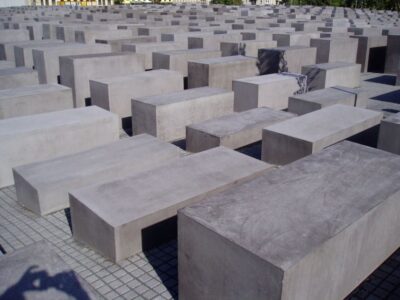
Hitler’s Germany: Berlin During the Third Reich & WWII
Read our review →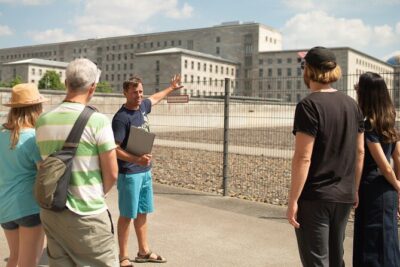
Private Walking Tour Berlin Third Reich Hitler and World War II
Read our review →Browse the lists this tour appears in