
Reviewed · BERLIN WALL TOURS
Berlin: The Wall Museum East Side Gallery Ticket
Berlin’s Wall Museum puts Berlin’s Cold War story right beside one of its most powerful surviving symbols: the East Side Gallery. In 13 themed rooms, you follow the city from the postwar years to the Wall’s construction, daily life in divided Berlin, and its dramatic fall.
I like the multimedia format, which brings films and interviews into a subject that can feel dry in a textbook. I also like the East Side Gallery location, since you can connect the indoor displays with a real stretch of the Wall outside.
The main drawback is that the museum’s presentation may not suit everyone. One recent visitor called it very informative and a great experience, while another found the presentation very poor. Give yourself time to judge the material at your own pace rather than expecting a polished guided tour.
Key points to know
- Thirteen themed rooms: Follow Berlin’s Cold War story through films, documents, interviews, and artifacts.
- Next to the East Side Gallery: Pair the museum with the largest remaining section of the Berlin Wall.
- Skip-the-line entry: Your ticket saves time at the entrance, leaving more of your day for the exhibits.
- Several languages: Host or greeter support is available in German, English, Spanish, and Italian.
- Flexible booking: You can cancel up to 24 hours ahead for a full refund and reserve without paying immediately.
- One-day validity: Check the available starting times when you book.
Starting at Mühlenstraße 78-80

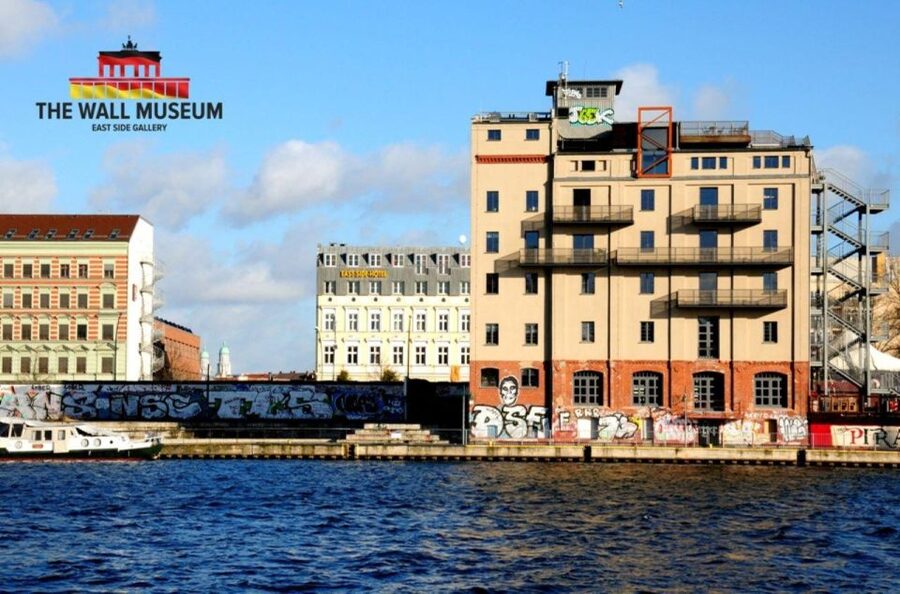
The Wall Museum is at Mühlenstraße 78-80, next to the East Side Gallery. Look for the Mühlenspeicher building on the second floor, beside the Pirates Restaurant.
That address matters because the East Side Gallery is not a small monument tucked inside a quiet museum quarter. It is a long outdoor stretch of the former Wall, and the museum sits directly alongside it. You can make the museum the main stop, or use it as the indoor part of a longer visit to the murals.
Your ticket includes skip-the-line entry. That is useful on a busy day, especially if you have planned other stops in Berlin. It does not mean you are joining a timed guided walk through the building. The visit is built around your own pace, with a host or greeter available in German, English, Spanish, or Italian.
The museum is listed as wheelchair accessible. For exact details about the route inside, you can confirm arrangements when booking, but the stated accessibility makes this a more practical choice for many visitors than an outdoor-only Wall visit.
More East Side Gallery tours in Berlin:
- Berlin: 2.5-Hour East Side Boat Cruise with Commentary
★ 4.4 · 2,016 reviews - Berlin: East Side Gallery Spree Cruise in a Solar Catamaran
★ 4.0 · 1,039 reviews - Cold War, Berlin Wall, Spies and the East Side Gallery
★ 5.0 · 1,024 reviews
The postwar city before the Wall
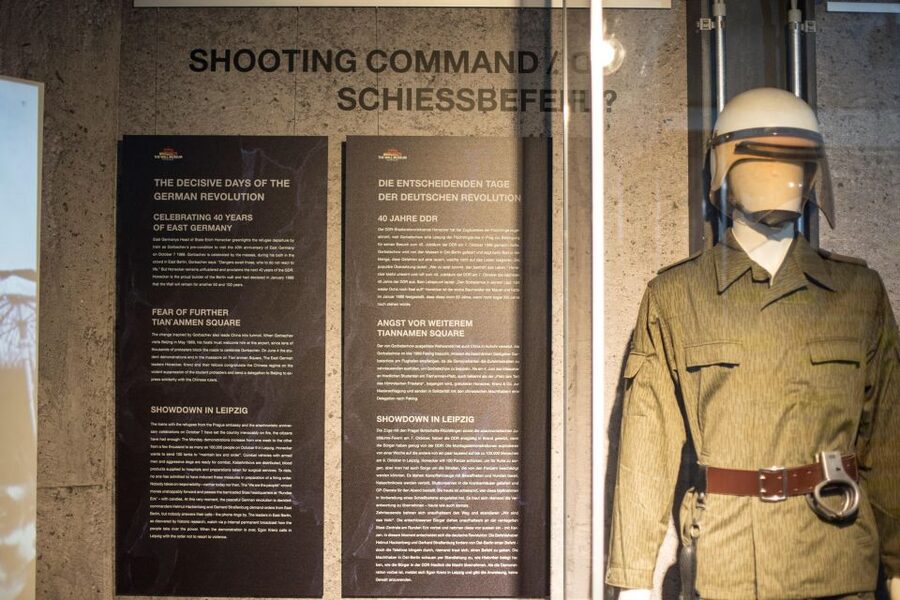
The museum begins with Berlin after the Second World War. That opening matters because the Wall did not appear out of nowhere. To understand the split streets, checkpoints, and families separated by concrete, you first need a sense of the damaged and divided city that came before it.
The displays use film, documents, and artifacts rather than relying on text alone. I find that mix helpful when a subject covers several decades. A document can show the official side of events, while an interview can give the period a more personal scale.
You can expect the first rooms to provide background rather than a quick photo opportunity. If you already know Berlin’s postwar story, you may move through this section quickly. If the Cold War is new to you, it gives you the basic frame needed for the rooms that follow.
This is one reason I would not treat the museum as a quick stop for a single famous Wall image. The value is in the sequence. The exhibits build from the city’s situation after the war toward the decision to seal the border.
The Wall goes up in 1961
The 1961 construction of the Wall is one of the central moments in the museum. The experience shows how a divided city became a city physically cut apart, not simply separated by political systems and competing loyalties.
Film footage is particularly useful here. A wall can look like a fixed object when you see it today, but moving images help you understand the shock of its arrival. The museum’s material asks you to consider how quickly normal streets, routes, and relationships could be changed.
This section should interest first-time visitors and anyone who wants more than the familiar painted panels outside. The East Side Gallery shows the Wall as a surviving structure covered in artwork. The museum helps explain why that structure was built and what it meant before it became a memorial.
The presentation may feel heavy at points, and that is appropriate to the subject. Still, the museum’s style is not guaranteed to work for everyone. The overall score is 4.1 from 292 ratings, with praise for the information and at least one sharply negative response to the presentation. Keep that variation in mind if you prefer highly polished museum design.
Life inside a divided Berlin
The middle part of the visit focuses on what life was like in the divided city. This is where the subject moves beyond dates and construction. The Wall affected movement, family life, work, identity, and the basic feeling of living in a city split by a border.
Interviews are valuable here because they bring individual experience into the story. You may find that a short personal account tells you more about separation than a long block of explanatory text. Documents and artifacts add a second layer, showing how official decisions shaped ordinary life.
The 13-room layout gives each theme its own space. You do not have to absorb everything at once, and you can pause when a film or interview catches your attention. That makes the ticket a better fit for visitors who prefer to read and watch independently instead of following a guide’s fixed rhythm.
You should also allow for different levels of interest within your group. Someone who has studied the Cold War may want to focus on the visual material, while someone encountering the subject for the first time may need more time with the background. A self-paced visit makes that easier.
More Berlin Wall tours in Berlin:
- Skip-the-Line: Berlin Wall Museum at Checkpoint Charlie
★ 4.1 · 2,041 reviews - THE WALL: asisi Panorama Berlin Ticket
★ 4.5 · 580 reviews - Berlin: Guided Bike Tour of the Berlin Wall and Third Reich
★ 4.7 · 499 reviews - Berlin: Cold War Walking Tour on Berlin Wall Route
★ 4.8 · 437 reviews
Films, documents, and artifacts together
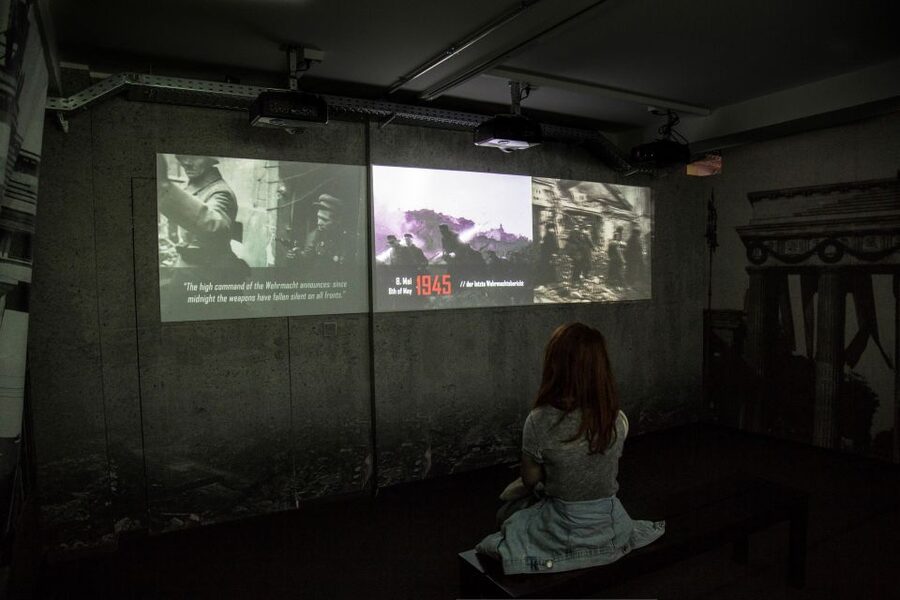
The museum’s strongest feature is the way it uses several types of evidence in one visit. Films show events and atmosphere. Interviews give the story a human voice. Documents and artifacts provide physical reminders that this was not just a political dispute on a map.
I like this approach because the Berlin Wall can otherwise become too familiar as a tourist image. The painted concrete, famous photographs, and souvenir shops are easy to remember. The indoor displays restore some of the weight behind those images.
Do not expect every room to have the same impact. Multimedia museums depend on presentation as much as content, and the negative comment about the presentation suggests that some visitors may find the design uneven. If you enjoy quiet, traditional museums with beautifully arranged objects, this may not be your ideal stop.
For many people, though, the mix makes the visit easier to follow. You can read a document, watch a film, then look at an artifact connected to the same period. That change of format helps maintain attention during a subject that covers years of political tension.
Connecting the museum with the East Side Gallery
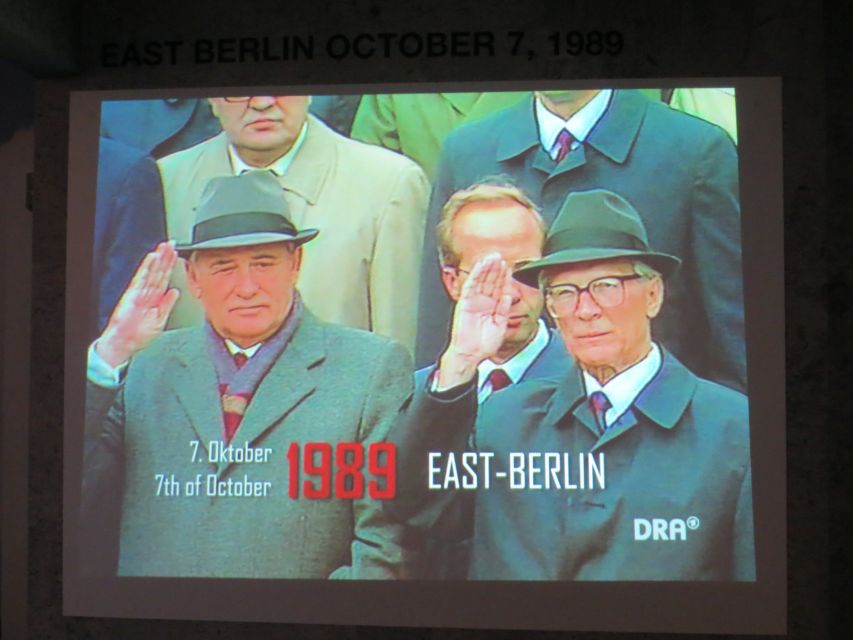
The museum’s location gives you a natural two-part visit. Start indoors to learn the story, then walk along the East Side Gallery and see the surviving Wall in person. Or begin outside, look at the murals, and use the museum to fill in the history behind the concrete.
The East Side Gallery is described as the largest section of the Berlin Wall still standing. Its painted surface is now one of Berlin’s best-known public art areas, but the museum reminds you that the Wall existed first as a barrier, not as an art display.
This pairing is more useful than seeing either stop alone. Outside, you get scale and physical presence. Inside, you get context through films, interviews, and historical material. Plan enough time for both if you want the full effect, although the ticket itself is valid for one day and can fit neatly into a flexible Berlin schedule.
The immediate area also makes the museum easy to combine with other sightseeing. You are not committing to a full-day guided excursion or transport across the city. The main effort is finding the Mühlenspeicher entrance and reaching the second floor beside the Pirates Restaurant.
Is the $14 ticket good value?
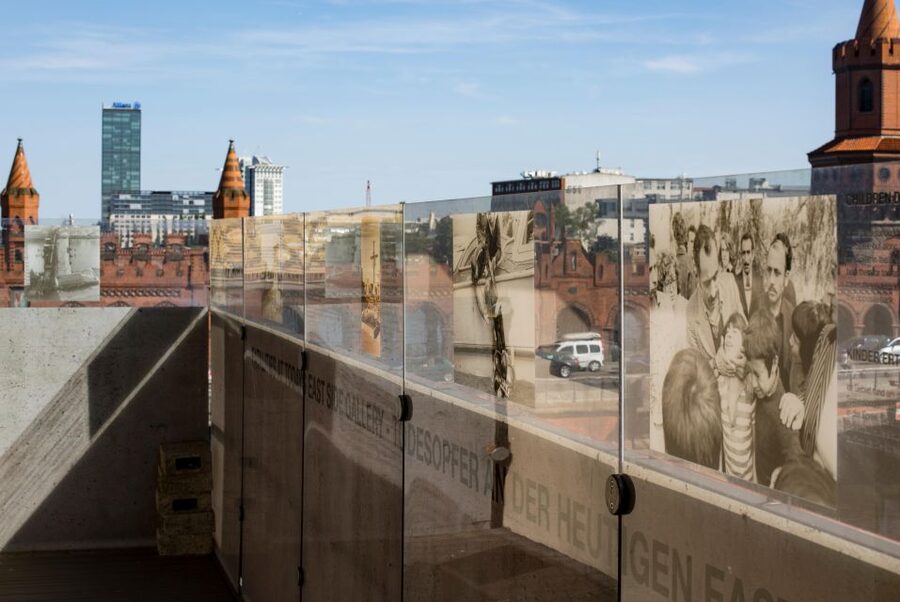
At $14 per person, this is a moderate museum ticket rather than a major splurge. Its value depends on how much time you give it and how interested you are in Berlin’s recent past.
I think the price works best when you combine the museum with the East Side Gallery. You are not paying only for a room of objects. You are getting an indoor explanation of the Wall’s story beside an important surviving section of the Wall itself.
The skip-the-line feature adds practical value, though it is not the main reason to book. If the entrance is quiet, the time saved may be small. On a busy day, it can help you keep your plans moving, particularly if you have a museum reservation or another timed activity later.
The ticket also includes useful flexibility. You can reserve now and pay later, and cancellation is free up to 24 hours before the visit. That is helpful when your Berlin plans are still shifting.
I would not buy this ticket only because you want a quick photograph of the Wall. You can see the East Side Gallery from outside. Buy it because you want the added story, the indoor material, and the chance to spend time with the subject beyond the murals.
How much time should you allow?
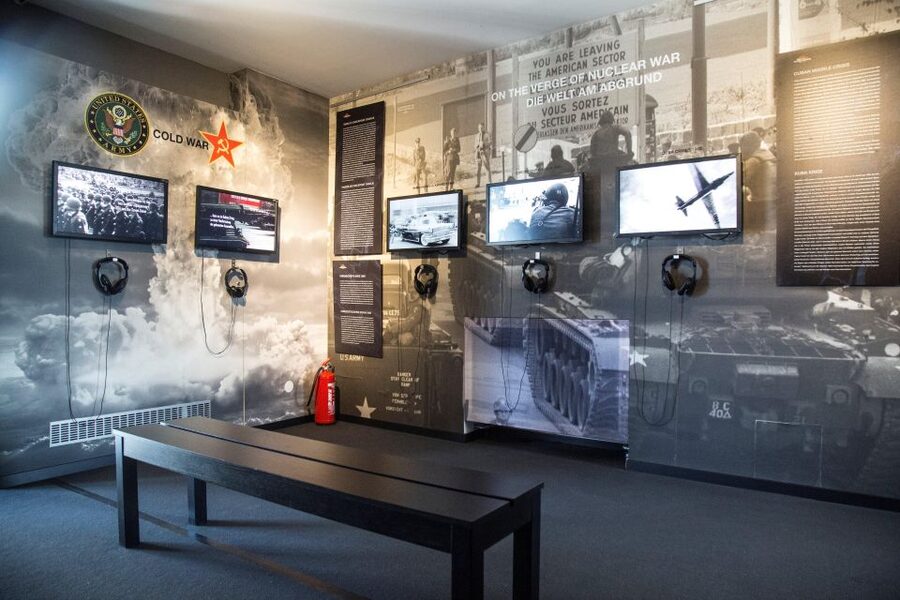
The ticket is valid for one day, and starting times are available according to the booking calendar. The supplied details do not give a fixed visit length, so I would avoid building an exact timetable around a short stop.
The 13 rooms suggest a visit with enough flexibility for pauses. You may move quickly through familiar material, while films and interviews can make certain rooms take longer. If you want to read the documents and watch the media carefully, allow a generous part of your day rather than squeezing it between two fixed appointments.
The museum also works well as one stop within a broader East Side Gallery outing. You can visit the indoor exhibits, step outside to see the Wall, and continue along the gallery at your own pace.
Who will get the most from this visit?
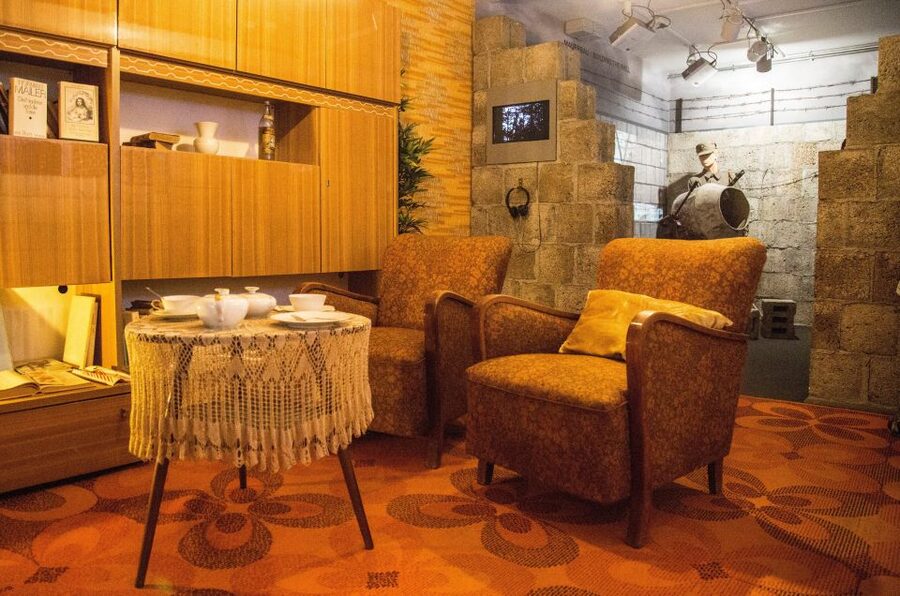
I would recommend the museum to first-time Berlin visitors who want a clear introduction to the Wall. The chronological path, from postwar Berlin to the Wall’s construction and fall, gives you a useful foundation.
It also suits families and mixed-age groups better than a long lecture may. Films and artifacts offer different ways into the subject, though the emotional material may be more suitable for older children and teenagers than for very young ones.
History fans will appreciate the chance to see documents and interviews rather than only public art. The museum is also a sensible choice on a rainy day, since it gives you an indoor activity directly beside an outdoor landmark.
You may want to skip it if you have already spent several hours at other Berlin Wall museums and want something entirely different. You may also be disappointed if you expect a large, modern exhibition with flawless presentation in every room.
Practical details before you book
The experience is offered in German, English, Spanish, and Italian. A host or greeter can assist in those languages, but the supplied details do not identify individual guides by name or promise a guided tour.
The meeting point is Mühlenstraße 78-80 in Berlin, at Mühlenspeicher on the second floor, next to the Pirates Restaurant. Check the entrance details before setting out, since the museum is part of a larger area associated with the East Side Gallery.
You can cancel up to 24 hours in advance for a full refund. The reserve-now, pay-later option lets you hold a place without paying immediately, which is useful if your Berlin schedule is not settled.
The overall rating is 4.1 from 292 reviews. The most consistent positive point in the supplied comments is the information: one verified booking described it as really informative and a great experience, while another German-language comment called it worth a visit. The negative comment about the presentation is a fair warning to keep your expectations focused on the subject matter, not on a perfect museum production.
Should you book the Wall Museum?
Book it if you want to understand the Berlin Wall as more than a painted remnant. The 13 themed rooms, multimedia material, and position beside the East Side Gallery create a useful indoor-and-outdoor combination.
At $14, it is a reasonable choice for a visitor interested in Berlin’s Cold War story, especially with skip-the-line entry and flexible cancellation. I would pair it with time outside at the East Side Gallery and avoid rushing through the films and interviews.
Skip it if you only want a quick look at the murals or if you strongly prefer traditional museum displays. For everyone else, this is a practical, focused way to put Berlin’s most famous surviving Wall section into human and historical context.
FAQ
Where is the Wall Museum located?
It is at Mühlenstraße 78-80, 10243 Berlin, Germany. The entrance is next to the East Side Gallery, in the Mühlenspeicher building on the second floor, beside the Pirates Restaurant.
What does the ticket include?
The ticket includes skip-the-line entry to the Wall Museum at East Side Gallery.
How many rooms does the museum have?
The museum has 13 themed rooms.
What can I see inside the museum?
You can see films, interviews, documents, and artifacts about Berlin after the war, the Wall’s construction in 1961, life in the divided city, and the Wall’s fall.
Is the museum available in English?
Yes. Host or greeter support is available in German, English, Spanish, and Italian.
Is the museum wheelchair accessible?
Yes, the experience is listed as wheelchair accessible.
How long is the ticket valid?
The ticket is valid for one day. Available starting times can be checked when booking.
Can I cancel the booking?
Yes. You can cancel up to 24 hours in advance for a full refund. You can also reserve now and pay later.
More museums and galleries in Berlin
- Berlin: Natural History Museum Entrance Ticket
★ 4.6 · 3,382 reviews - Berlin: Museum Island Multiple Museum Entry Ticket
★ 4.4 · 2,007 reviews - Berlin: Interactive DeJa Vu Museum Entrance Ticket
★ 4.1 · 1,338 reviews - Berlin: “Pergamonmuseum. The Panorama” Exhibition Tickets
★ 4.6 · 1,245 reviews
Newest Berlin reviews
- Where It All Began: Berlin’s Queer & Trans History Tour★ 4.9 · 6 reviews
- Understanding Kreuzberg: The roots of local (sub)culture★ 4.9 · 11 reviews
- Berlin: guided canoe | kayaktour★ 4.1 · 7 reviews
- Private Potsdam City Tour in an authentic vintage van★ 5.0 · 14 reviews
- Warnemünde Shore Excursion: Private Sachsenhausen and Berlin Tour★ 5.0 · 12 reviews
- Ultimate E-Bike Tour of Berlin with Beer Garden Stop★ 5.0 · 4 reviews
- In the Forbidden City – Potsdam Walking Tour★ 5.0 · 17 reviews
- Private Walking Tour of Potsdam and Sanssouci★ 5.0 · 24 reviews
Berlin Wall Tours, compared.
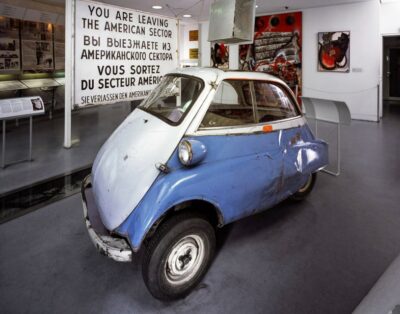
Skip-the-Line: Berlin Wall Museum at Checkpoint Charlie
Read our review →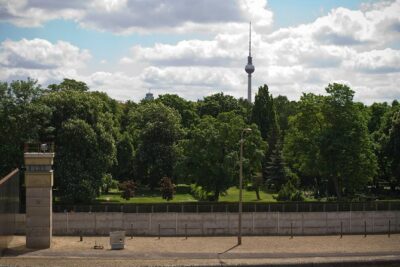
Cold War, Berlin Wall, Spies and the East Side Gallery
Read our review →
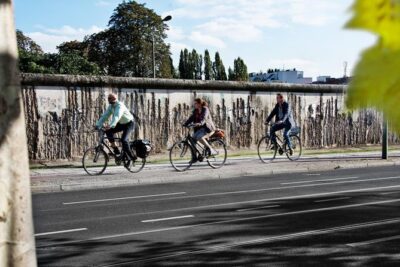
Guided Bike Tour of the Berlin Wall and Third Reich
Read our review →
Cold War, Berlin Wall, Spies and the East Side Gallery
Read our review →Browse the lists this tour appears in