
Reviewed · SACHSENHAUSEN CONCENTRATION CAMP TOURS
Sachsenhausen Memorial: Walking Tour from Berlin
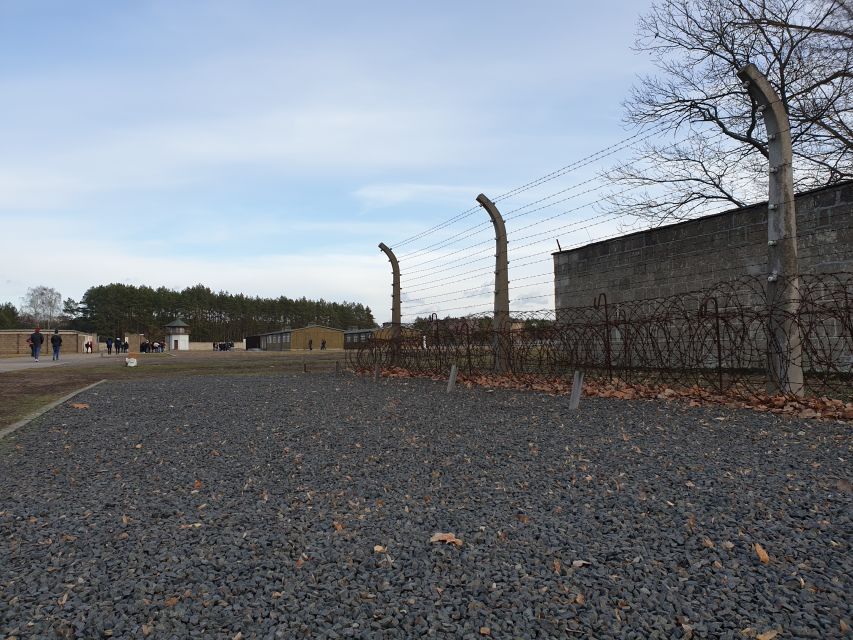
Sachsenhausen is not a casual sightseeing stop. Built in 1936 as a model concentration camp near the Nazi capital, it lets you see how architecture, forced labor, punishment, and propaganda worked together. I like the three-hour guided visit and the way the tour connects the site to the wider Nazi camp system. I also like the chance to hear the subject explained by guides such as Fabio, Soleil, Lorenzo, and Andrea, who are praised for clear, humane storytelling.
The main drawback is the pace. You spend about six hours away from central Berlin, with a lot of walking and no meal stop. You must also buy your own ABC transport ticket and bring €3 in cash for the memorial donation. This is serious history, not a quick photo stop.
Key points to know before booking
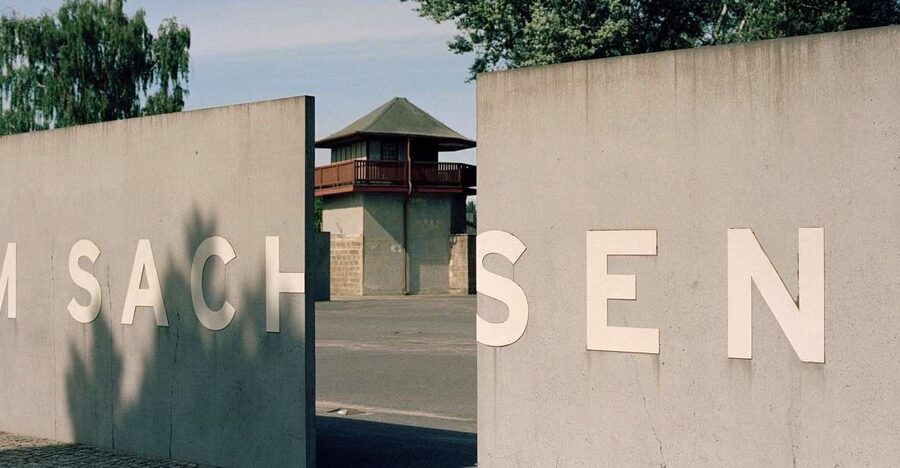
- Sachsenhausen was designed as an SS model camp: The layout itself helped enforce control and submission.
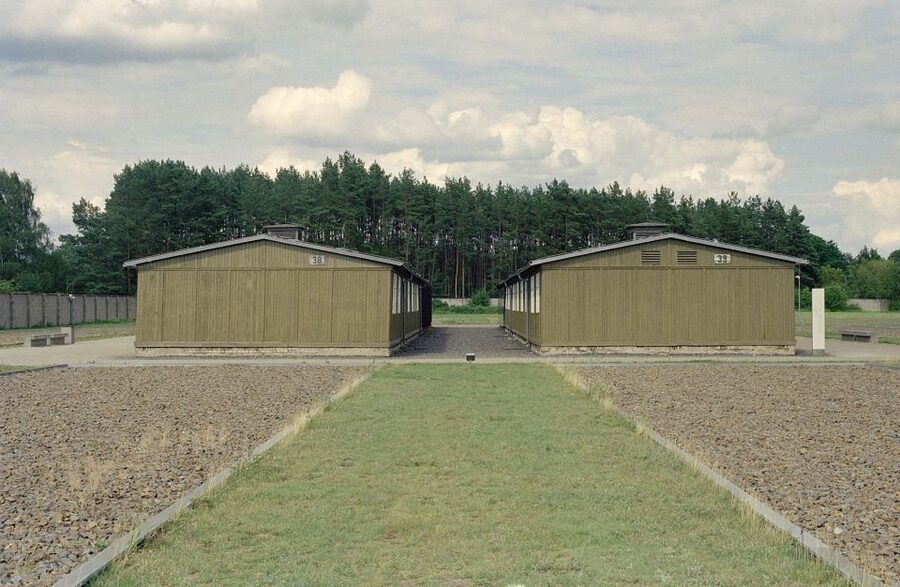
- Three hours inside the memorial gives the visit weight: You see Tower A, the roll-call square, barracks, the former kitchen, and Station Z.
- The S-Bahn trip is part of the experience: You travel from Berlin to Oranienburg, then continue on foot to the memorial.
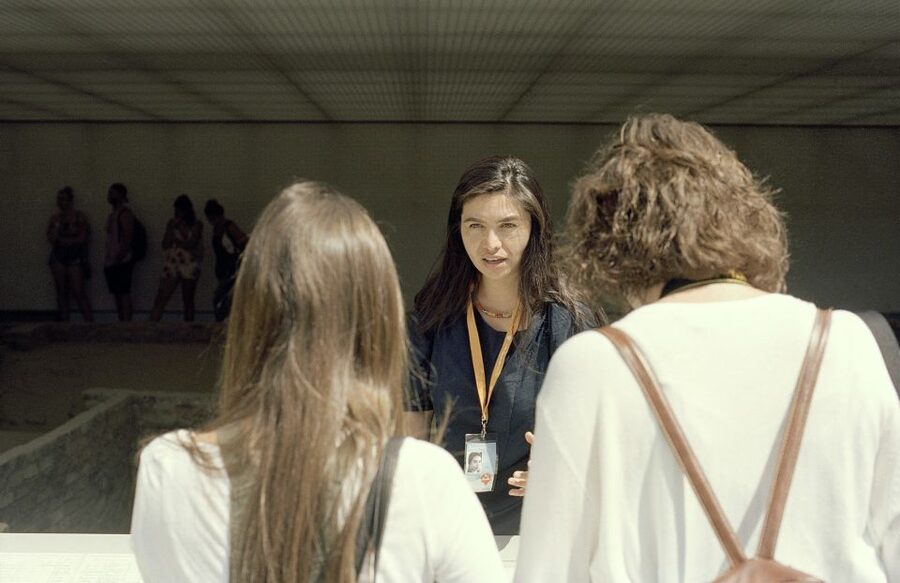
- Guides are the tour’s strongest feature: Fabio, Soleil, Lorenzo, and Andrea are praised for empathy, detail, and clear storytelling.
- The practical demands are real: Bring comfortable shoes, food, weatherproof clothing, a transport ticket, and €3 cash.
- The $511 price changes meaning with group size: For six people, it works out to about $85 per person before transport costs. For one or two people, it is a costly private-style outing.
Why Sachsenhausen deserves a full half-day
I would not squeeze Sachsenhausen between two major Berlin museums. The site needs time, and the subject deserves attention rather than a rushed walk past a few buildings.
Sachsenhausen opened in 1936, when the Nazi regime was building a system of camps for imprisonment, forced labor, and murder. It was located close to Berlin and used as a model for the design and operation of other concentration camps. Political opponents were among the first prisoners. Later, Sinti and Roma, Jews, prisoners of war, Jehovah’s Witnesses, and others were imprisoned there.
More than 40,000 people died at Sachsenhausen under brutal conditions. The number alone is hard to grasp, so the guide’s job matters. You need the dates, systems, and personal accounts to understand how ordinary routines were turned into tools of terror.
The visit also covers the camp’s later use under Soviet occupation. After the war, Sachsenhausen became a special camp where former Nazis, political opponents, and civilians were detained. Thousands died from hunger and disease. That second chapter is important because it keeps the site from being treated as a single-period story.
More Sachsenhausen memorial visits from Berlin:
- Berlin: Sachsenhausen Concentration Camp Tour in English
★ 5.0 · 5,711 reviews - Berlin: Sachsenhausen Concentration Camp Memorial Tour
★ 4.7 · 3,716 reviews - Sachsenhausen Concentration Camp Bus Tour in English from Berlin
★ 5.0 · 1,962 reviews
From Berlin to Oranienburg by S-Bahn
The tour begins at a Berlin meeting point that depends on the option you book. Arrive at least 15 minutes early. The group will most likely take a train departing five minutes after the official start time, and the guide cannot wait for late arrivals.
The ride to Oranienburg takes about 40 minutes. You need a Berlin public transport ticket covering zones ABC, and that cost is not included. A 24-hour ABC ticket is recommended, so buy it before meeting the group rather than trying to sort it out on the platform.
This train ride is simple, but it affects the day in two ways. First, it makes the memorial easy to reach without arranging a separate car or taxi. Second, the trip creates a clear break from central Berlin. You leave the city’s museums, cafés, and busy streets behind and spend the day focused on a place where the Nazi regime built a system of control close to its own capital.
Some organization around the transport may feel a little loose. The departure is time-sensitive, and the route involves several stages, so I would keep your ticket ready and stay close to the guide. Do not treat the starting time as approximate.
The walk from Oranienburg to the memorial
From Oranienburg, the group continues toward Sachsenhausen. The schedule allows about 20 minutes on foot at this stage, with a guided orientation in Oranienburg listed as part of the route.
You should wear shoes that can handle several hours of walking. This is not a tour where you spend most of the day sitting in a coach or indoors. The memorial grounds are large, and the guide moves between several important areas.
Bring water and food for the train journey. You cannot eat on the memorial grounds, and there is no lunch stop during the activity. A sandwich eaten before or after the site visit is the practical solution. Since the tour runs in all weather, a rain jacket and suitable layers matter more than stylish clothing.
Tower A and the roll-call square
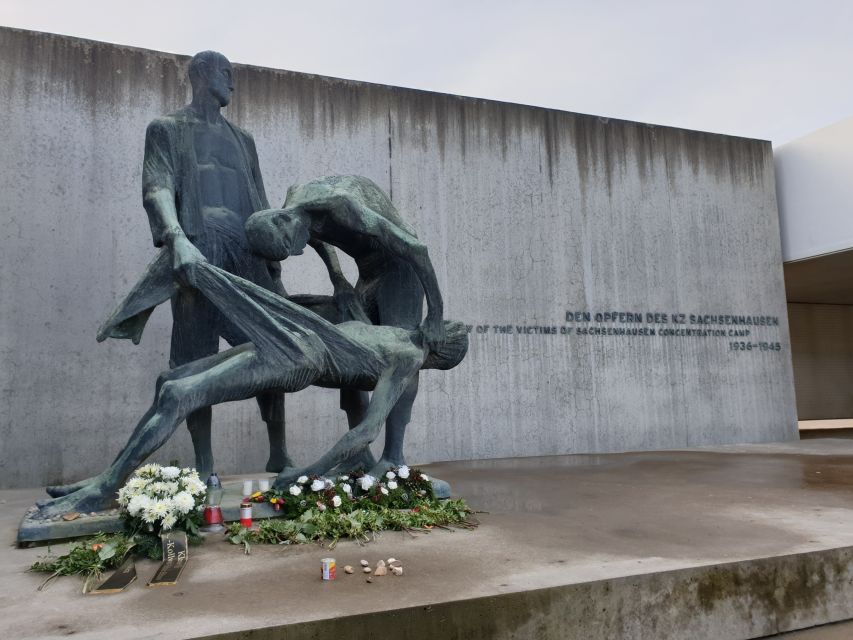
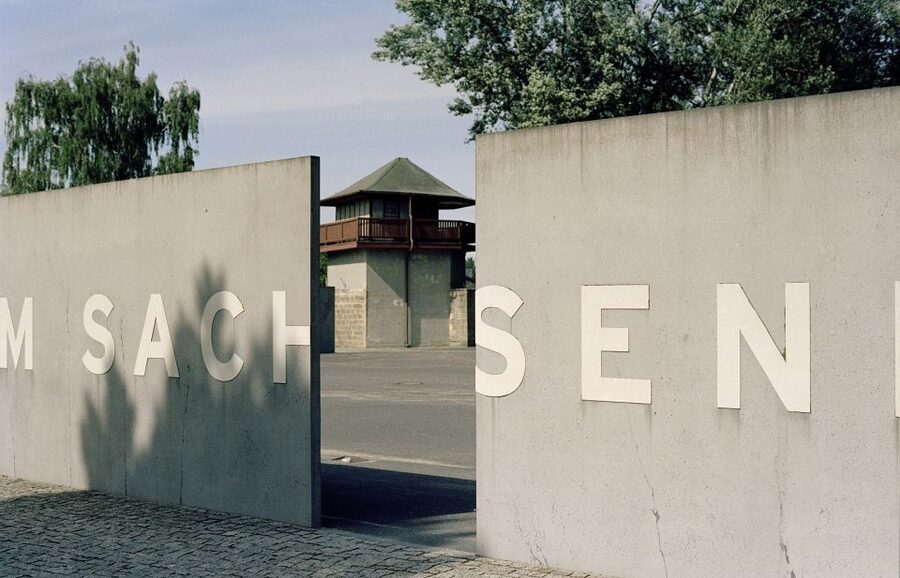
The guided walk inside Sachsenhausen begins with some of the site’s defining spaces, including Tower A and the roll-call square. These areas help you understand how the camp was planned and watched.
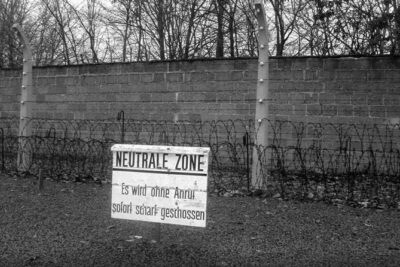
The camp’s architecture was not neutral. The Nazis designed Sachsenhausen to place prisoners under constant SS authority. Sightlines, entrances, walls, guard positions, and the arrangement of the grounds all served control. The physical layout made it clear who had power and who did not.
A good guide does more than point at a gate. The explanation connects the structure to daily life, punishment, roll calls, forced labor, and fear. This is where the tour’s guided format earns its price. Without context, a large open area can seem empty. With context, the same space becomes part of a carefully built system.
The roll-call square also helps explain the relentless routine imposed on prisoners. The tour covers the way prisoners were assembled, controlled, and punished, along with the wider role of SS discipline.
Other Berlin experiences to weigh up
- Discover Berlin Half-Day Walking Tour
★ 5.0 · 9,624 reviews - Berlin: Third Reich and Cold War 2 Hour Walking Tour
★ 4.9 · 6,830 reviews - Berlin: Discover Berlin Walking Tour
★ 4.9 · 5,998 reviews - Berlin’s Best: 2 Hour Walking Tour Third Reich and the Cold War
★ 5.0 · 5,486 reviews
Barracks, prison rooms, and forced labor
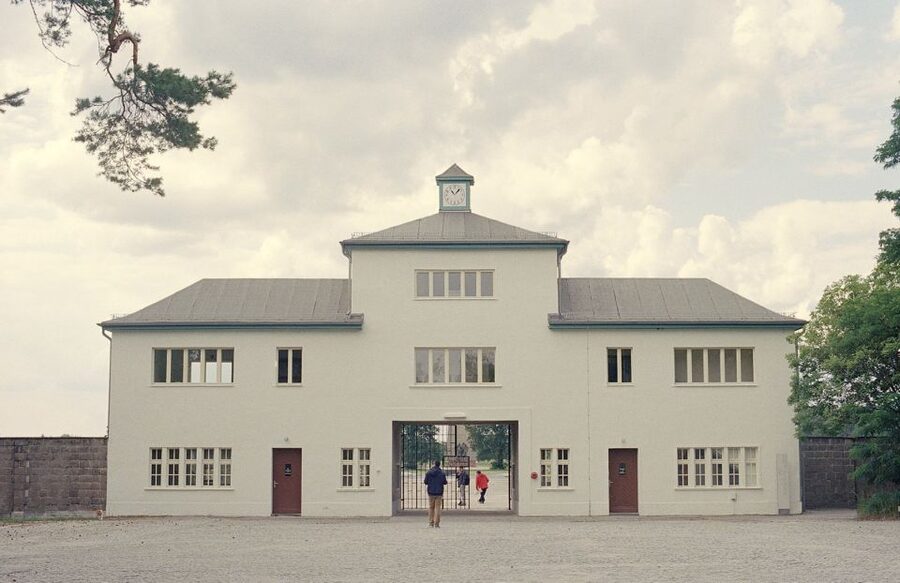
The walk continues through areas linked to imprisonment and forced labor. The guide explains how the camp operated, how prisoners were treated, and how labor supported the Nazi system.
The tour also addresses the role of private industry. That point is especially useful because it shows that the camp system was not separate from the wider economy. Prisoners were exploited as a source of labor, and businesses benefited from that exploitation.
You will also hear about resistance and the ways prisoners tried to survive or oppose the system. The focus is not only on Nazi policy from above. It includes the choices, risks, and limited options faced by people imprisoned inside the camp.
The former prison barracks and medical experimentation rooms add another difficult layer. They show how detention, punishment, and abuse were built into the camp’s operation. This portion can be emotionally heavy, so allow yourself time to listen rather than trying to hurry through.
The former kitchen and its museum displays
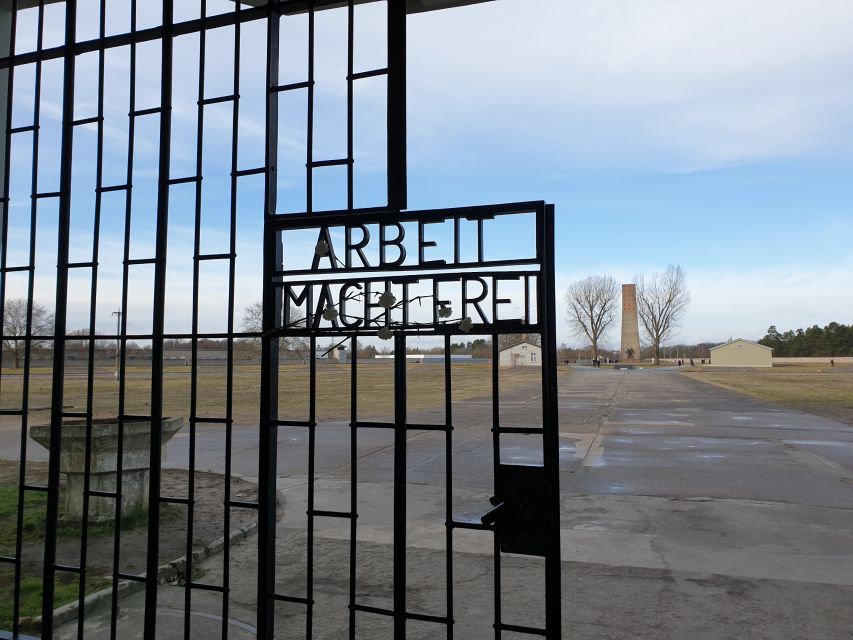
The former kitchen now houses a museum area. It is one of the places where the site’s material remains and historical explanation come together.
I find museum spaces especially useful at a memorial like this because they can provide names, documents, images, and survivor testimony alongside the buildings. The tour uses historical research and survivor accounts to explain daily life, not just major political events.
The kitchen also helps you think about the practical machinery of the camp. Nazi terror depended on schedules, supplies, rules, records, labor assignments, and layers of authority. The horror was carried out through a system of daily tasks, not only through moments of open violence.
Your guide may give more detail than you could absorb from labels alone. Fabio is praised for making the subject feel present through his storytelling. Soleil is praised for a warm and empathetic approach, while Lorenzo is noted for detailed explanations of dates and events. Andrea is also praised for a lively and precise presentation. The guide assigned to your group may differ, but the activity provides live guiding in French, Italian, or English, depending on the option selected.
Station Z and the camp’s killing system
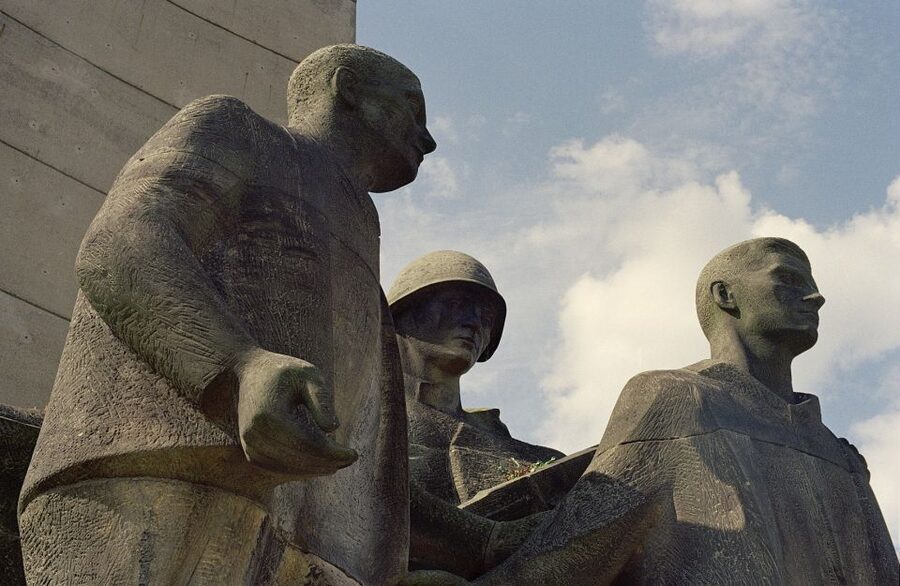
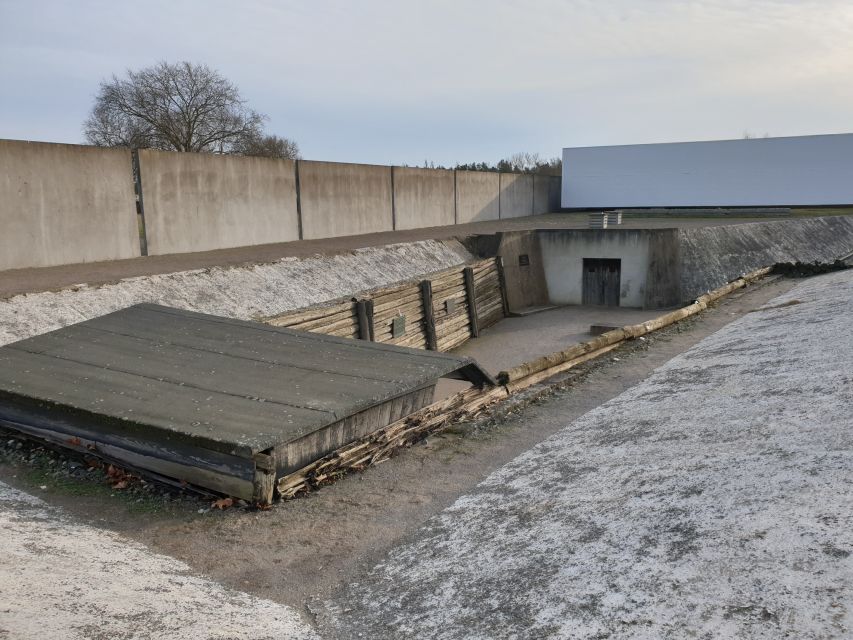
Station Z is among the most difficult parts of the visit. The name refers to the area where the crematoriums and gas chamber once stood.
This is not a place to approach as a dramatic attraction. The value lies in learning how Sachsenhausen fit into the larger machinery of Nazi persecution and extermination. The guide explains what happened at the site and how it related to the camp’s other functions.
The tour also covers Nazi propaganda and the camp’s use as a training center for SS guards. Those details show why Sachsenhausen mattered beyond its own perimeter. It was a model SS concentration camp, and the methods developed or demonstrated there influenced the wider camp network.
The guide’s tone is important here. The strongest parts of this activity appear to come from guides who handle the subject with care instead of turning it into spectacle. You should expect direct information, survivor testimony, and difficult facts. You should not expect entertainment.
The final months and Sachsenhausen after 1945
The tour discusses the death marches at the end of the war. As Allied forces approached, prisoners were forced away from the camp under brutal conditions. This gives the final stage of the Nazi period its own focus rather than ending the story at liberation.
You also learn about the memorial’s postwar history under Soviet occupation. Sachsenhausen continued to function as a special camp, holding former Nazis, political opponents, and civilians. Hunger and disease killed many people there.
This later period can be easy to miss if you visit without a guide. The site is closely associated with Nazi crimes, but its history did not stop in 1945. Including the Soviet special camp period gives you a fuller understanding of how the grounds were used and remembered under changing political systems.
How the $511 price works in practice
The listed price is $511 per group of up to six people. That is a high total for a walking tour, but it looks different when shared. With six people, the cost is about $85 per person, before the ABC transport ticket and the €3 memorial donation for each participant.
For a couple, the same fixed group price is much harder to justify. If you are booking a private group or want a guide in a particular language, the cost may still make sense because the tour includes transport guidance, a long visit, and expert interpretation at a difficult site. If you are traveling alone or on a tight budget, you may want to compare it with other ways to reach the memorial.
The main value is not entry to a building. It is the guided explanation of how Sachsenhausen was designed, operated, and connected to the wider Nazi system. The site itself is free to visit apart from the required €3 donation, so you are paying mainly for the guide, structure, transport coordination, and historical context.
Group details need a close look. The activity describes small groups, while another description allows groups of up to 25 people. A private group is available. Check the exact option before paying, especially if you want a smaller party or a particular language.
Who should book this experience
I would recommend this tour if you want a serious historical visit and prefer to have difficult material explained as you go. It suits you if you are interested in Nazi Germany, memorials, political history, human rights, or the way institutions can turn cruelty into routine.
It is also a good choice if you do not want to plan the train route and the site visit yourself. The guide meets you in Berlin, travels with you to Oranienburg, leads the walk, and returns with the group afterward.
You should think twice if you want a light half-day outside the city, dislike walking, or need a flexible schedule. The tour lasts six hours, begins promptly, operates in all weather, and has no meal break. The subject matter can also be upsetting. That is not a flaw in the memorial, but it is a real part of the experience.
Practical details that can make the day easier
Bring these items:
- Comfortable walking shoes
- Food and drinks for the train journey
- A valid ABC public transport ticket
- €3 in cash for the required memorial donation
- Clothing suitable for rain, cold, heat, or changing weather
Smoking, alcohol, drugs, and nudity are not permitted. After the guided portion, you may stay longer at the memorial and continue exploring on your own, then make your own way back if you choose. Otherwise, the group returns to Berlin together, with drop-off points listed at Potsdamer Platz and Friedrichstraße.
Free cancellation is available up to 24 hours before the activity, and you can reserve now and pay later. Those policies help if your Berlin schedule is still shifting, but they do not change the need to arrive early on the day.
Should you book Sachsenhausen from Berlin?
Book it if you want Sachsenhausen explained rather than simply visited. The three-hour walk, the site’s connection to Nazi planning and SS training, and the discussion of its Soviet-era use give you much more than a quick look at a former camp.
The best reason to choose this experience is the guide. Names such as Fabio, Soleil, Lorenzo, and Andrea come up for their empathy, precision, and strong storytelling. The weaker point is the price for a small party, along with the long day, transport costs, and demanding subject.
For six people, the group rate can be fair. For one or two, compare the cost carefully. If the price works for you and you are ready for a long, serious day, this is a worthwhile way to visit one of the most important memorial sites near Berlin.
FAQ
How long does the Sachsenhausen tour take?
The full activity lasts about six hours. This includes the journey from Berlin to Oranienburg, walking time, about three hours at the memorial, and the return journey.
How do I get to Sachsenhausen from Berlin?
You travel with the group by S-Bahn from Berlin to Oranienburg. The train ride takes about 40 minutes, followed by a walk toward the memorial. You need your own ABC public transport ticket.
What transport ticket should I buy?
A 24-hour public transport ticket for Berlin zones ABC is recommended. The ticket is not included in the tour price.
Is food included?
No. Bring your own food and drinks. The activity has no lunch stop, and eating is not permitted at the memorial site. Food for the train journey is recommended.
Is there a required memorial donation?
Yes. Each participant must pay €3 in cash at the meeting point. The full amount is donated to the Sachsenhausen Memorial.
Which languages are available?
Live guiding is available in French, Italian, and English. The exact language depends on the option you book, so check it carefully before confirming.
Newest Berlin reviews
- Where It All Began: Berlin’s Queer & Trans History Tour★ 4.9 · 6 reviews
- Berlin: guided canoe | kayaktour★ 4.1 · 7 reviews
- Understanding Kreuzberg: The roots of local (sub)culture★ 4.9 · 11 reviews
- Private Potsdam City Tour in an authentic vintage van★ 5.0 · 14 reviews
- Warnemünde Shore Excursion: Private Sachsenhausen and Berlin Tour★ 5.0 · 12 reviews
- Ultimate E-Bike Tour of Berlin with Beer Garden Stop★ 5.0 · 4 reviews
- In the Forbidden City – Potsdam Walking Tour★ 5.0 · 17 reviews
- Private Walking Tour of Potsdam and Sanssouci★ 5.0 · 24 reviews
Sachsenhausen Concentration Camp Tours, compared.
Sachsenhausen Concentration Camp Tour in English
Read our review →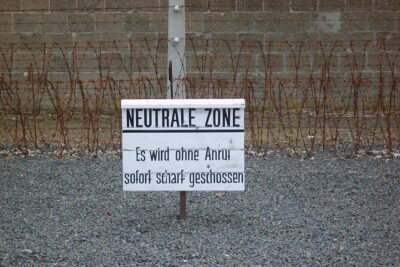
Sachsenhausen Concentration Camp Memorial Tour
Read our review →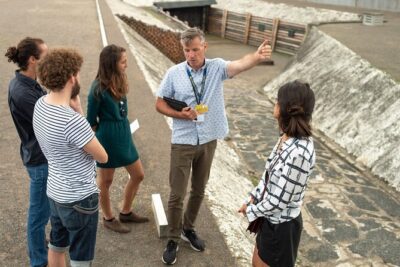
Sachsenhausen Concentration Camp Bus Tour in English from Berlin
Read our review →Sachsenhausen Concentration Camp Tour in English
Read our review →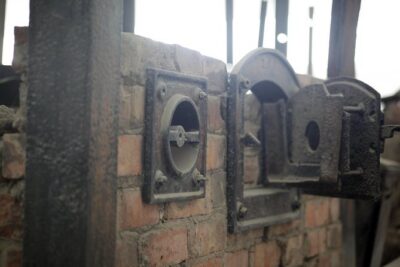
Sachsenhausen Concentration Camp Memorial Tour (Max. 15 Guests)
Read our review →
Sachsenhausen Concentration Camp and Potsdam Tour
Read our review →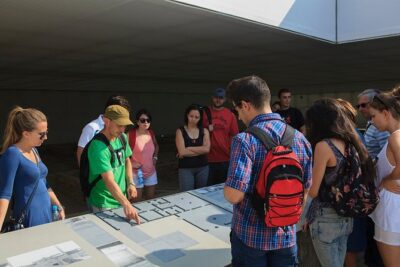
Visita en español al campo de concentración Sachsenhausen
Read our review →Browse the lists this tour appears in