
Reviewed · SACHSENHAUSEN CONCENTRATION CAMP TOURS
Sachsenhausen Concentration Camp Bus Tour in English from Berlin
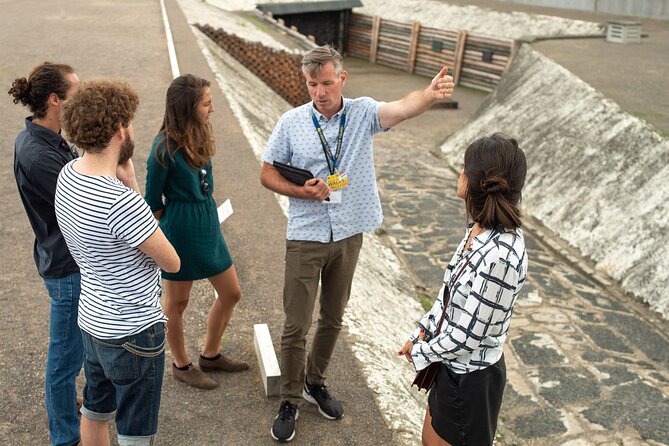
Sachsenhausen is not a sightseeing stop you check off in an hour. It is a stark memorial where the scale of Nazi persecution becomes easier to grasp through the camp layout, surviving buildings, and individual stories. This four-hour tour gives you a guided introduction before walking through the site, including Tower A, the commandant’s house, infirmary barracks, and the former Soviet special camp.
I like the direct coach service from central Berlin, which saves you the train connection and makes the trip simple. I also like the care many guides bring to the subject. Hannah, Rebecca, Ariel, Irish Paul, Maria, Joseph, and others are praised for clear explanations and a respectful tone. The main drawback is time: this is an express visit, and you may not have enough time to read every personal account in the museum.
Key points to know before booking
- A four-hour history lesson: You travel from Friedrichstraße to Oranienburg, tour the memorial, and return to central Berlin in about half a day.
- A serious, licensed guide: Guides such as Rebecca, Hannah, Ariel, Maria, and Irish Paul explain the Nazi camp system and the later Soviet special camp.
- Main memorial sights included: Expect Tower A and its Arbeit Macht Frei gate, the commandant’s house, infirmary barracks, and the central camp grounds.
- Small-group coach transport: The tour uses an air-conditioned bus, with a stated maximum of 28 people.
- Bring food and water: Snacks and drinks are not supplied, and there is no hotel pickup.
- Plan for walking and strong emotions: A moderate fitness level is needed, and the visit can be upsetting.
Why Sachsenhausen needs more than a quick stop
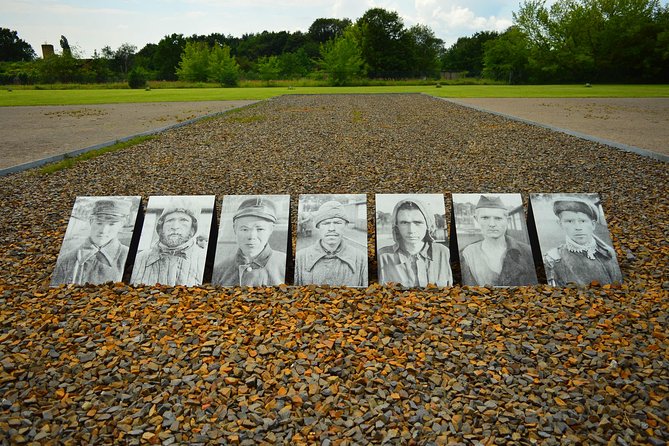
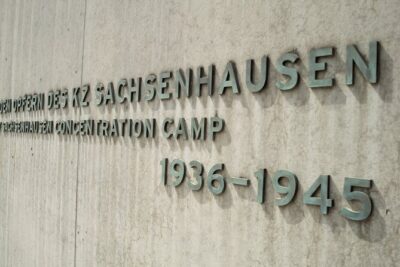
Sachsenhausen operated from 1936 to 1945 and became a model for the Nazi concentration camp system. Around 35,000 people died during those years. After the war, the Soviet authorities used the site as a special camp from 1945 to 1950, and another 12,500 people died there.
That second chapter matters. Without a guide, you could easily leave with only a partial picture of the site. This tour explains how the camp changed over time, who controlled it, and how the same grounds were used after the Nazi period.
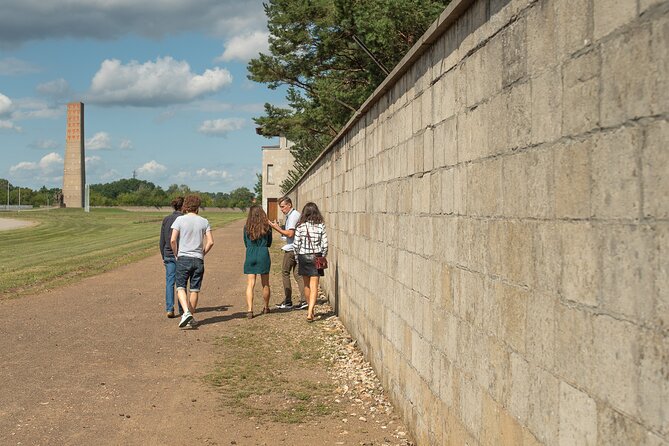
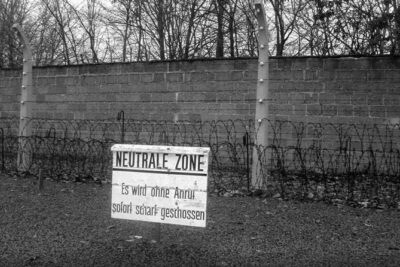
The setting is also important. Sachsenhausen is outside Berlin in Oranienburg, not in the city centre. You are not simply entering a museum building. You are walking across a former camp complex, seeing the distances between buildings, and learning how the design supported control and surveillance.
I find that context especially useful here. A guide can point out what the camp was intended to show, what it concealed, and how local people may have encountered the camp system. That broader frame helps you understand Sachsenhausen as part of a larger political and social system, not as an isolated place of cruelty.
More Sachsenhausen memorial visits from Berlin:
- Berlin: Sachsenhausen Concentration Camp Tour in English
★ 5.0 · 5,711 reviews - Berlin: Sachsenhausen Concentration Camp Memorial Tour
★ 4.7 · 3,716 reviews - Berlin: Sachsenhausen Concentration Camp Tour in English
★ 4.8 · 1,889 reviews
Meeting at Friedrichstraße and riding to Oranienburg
The tour begins at Reichstagufer 17 near Friedrichstraße station at 10:00 am. Arrive at least 15 minutes early. The meeting point is in central Berlin and is close to public transport, but you should still allow time to find the exact departure spot.
From there, an air-conditioned coach takes you to Oranienburg. The ride is more than a transfer. Your guide begins explaining the Nazi rise to power, the camp system, and the role of Oranienburg before you arrive. Several guides are praised for giving this background clearly, which is useful because the memorial makes more sense once you know what led to its creation.
The coach is a real advantage over arranging the trip alone. You do not need to work out the train route, find the memorial from the station, or keep checking the time. The guide can also use the journey to explain local context and answer questions.
The tradeoff is flexibility. A self-guided train trip lets you set your own pace and spend longer with the exhibits. This organized trip gives you a smoother route and a clear structure, but you follow the group’s schedule.
Entering through Tower A and the camp gate
At Sachsenhausen, the tour moves into the memorial grounds. One of the key points is Tower A, the main entrance, where the words Arbeit Macht Frei remain visible on the gate.
This is a powerful place to begin, but it should not be treated as a dramatic photo stop. The value comes from understanding what the gate represented, how prisoners entered the camp, and how Nazi propaganda used language to disguise forced labor and mass violence.
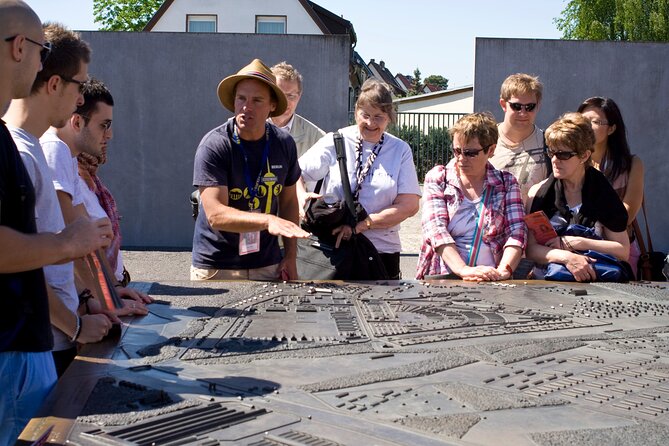
The guide then helps you read the camp layout. You see the remains and reconstructed areas as part of a planned system, rather than as unrelated ruins. The broad grounds require walking, so sturdy shoes and clothing suited to the weather make sense.
One useful detail from the experience is that the pace can vary by guide and group. Ariel is praised for allowing time to see the main areas while explaining them. Other comments describe the tour as brisk, with little time to stop at each individual story. If you prefer a slow museum visit, that difference matters.
The commandant’s house and the machinery of control
The commandant’s house helps show the contrast between the people who ran the camp and those imprisoned there. Your guide explains how the camp was organized and how authority operated within it.
This part of the tour is valuable because it moves beyond a list of atrocities. You learn how daily control was built into the site, from the buildings to the routines imposed on prisoners. The physical arrangement becomes evidence of a system designed to isolate, exploit, punish, and kill.
Guides including Joseph and Campbell are praised for adding political and social background, including the rise of the Nazis and life in Berlin before the war. That preparation makes the camp easier to place in time. You are not only learning what happened inside the fence. You are also examining how such a system developed.
The subject is heavy, and the strongest guides handle it without turning the visit into a performance. Rebecca, Hannah, Irish Paul, and Mikhail are all singled out for a calm, respectful presentation. Their approach suits the memorial, where restraint is more useful than theatrical language.
A different sort of day out in Berlin:
- Berlin: Reichstag, Dome and Government District Guided Tour
★ 4.7 · 18,288 reviews - Berlin: 1-Hour City Tour by Boat with Guaranteed Seating
★ 4.3 · 16,993 reviews - Berlin: Boat Tour Along the River Spree
★ 4.4 · 11,252 reviews - Discover Berlin Half-Day Walking Tour
★ 5.0 · 9,624 reviews
Infirmary barracks and individual lives
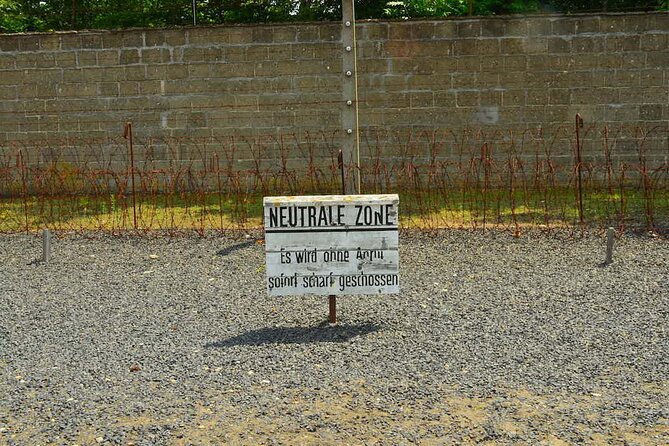
The infirmary barracks are among the most difficult areas. The tour explains that medical experimentation took place there during the war. You also learn about the conditions prisoners faced and the ways the infirmary formed part of the wider camp system.
This is where the limits of a four-hour tour become clear. The memorial contains individual accounts and personal information that can give the history a human scale. A guide can explain the main facts, but you may not have enough time to read every panel or follow every life story in detail.
I would treat the guided visit as an introduction, not as the final word. Listen closely during the walk, then use any remaining time to read the displays that matter most to you. If personal testimonies are your main reason for visiting, an independent visit may suit you better because you can set the pace.
Still, the guide adds something a book or display cannot. You can ask about a building, a date, or a term as it comes up. The best guides also connect separate parts of the memorial so the site does not feel like a series of disconnected stops.
The Soviet special camp, 1945 to 1950
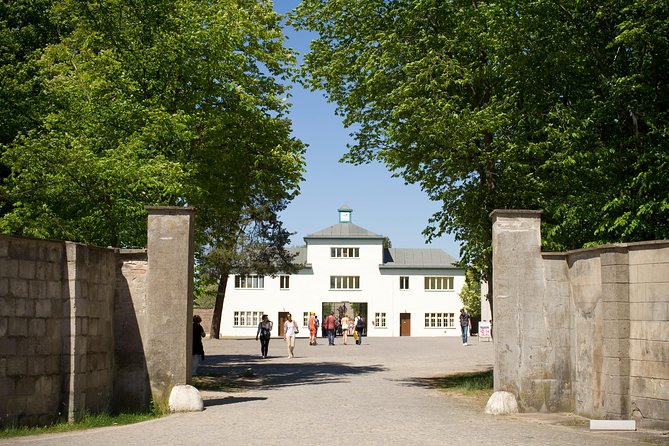
A major strength of this experience is its attention to the postwar period. After the Nazi camp closed, the Soviets used Sachsenhausen as a special camp from 1945 to 1950. About 12,500 people died during that period.
That chapter can be missed if you visit without preparation. The site is closely associated with Nazi Germany, but the later use of the camp adds another layer to its story. Your guide explains what changed, what remained, and what life was like for those held there after the war.
This does not blur the two systems together. It shows how the same place can carry several painful chapters, each requiring careful explanation. The added context is one reason I think the tour offers more than a basic introduction to Nazi camp history.
How the guides shape the experience
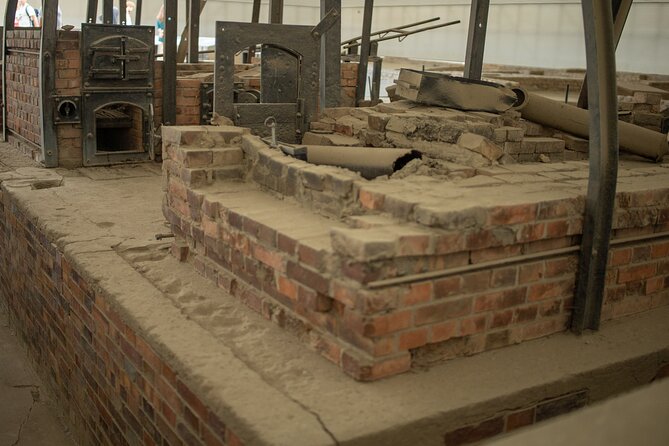
The company uses licensed guides trained by the memorial authority, and the guide is the biggest variable in the day. The names praised in the supplied feedback include Hannah, Rebecca, Ariel, Maria, Joseph, Irish Paul, Mikhail, Mikhal, Jamie S, Campbell, Klaus, Georgia, and Joshua.
The repeated strength is clear explanation combined with restraint. Rebecca is praised for answering questions thoroughly and handling the subject with care. Hannah is described as both warm and well prepared, with a personal family story connected to escape from Nazi Germany. Ariel is praised for a strong pace and an engaging delivery, even in cold weather.
Irish Paul is noted for explaining the war from beginning to end, while Maria is praised for giving more historical detail than some people had received at other camp sites. These individual styles can shape how much you take away from a difficult visit.
There is one important warning. One experience felt rushed, with too much attention given to the limited time and not enough to the facts. That seems to be the exception rather than the rule, but it shows why you should book this as a guided overview, not a slow research visit.
What the $68.77 price includes
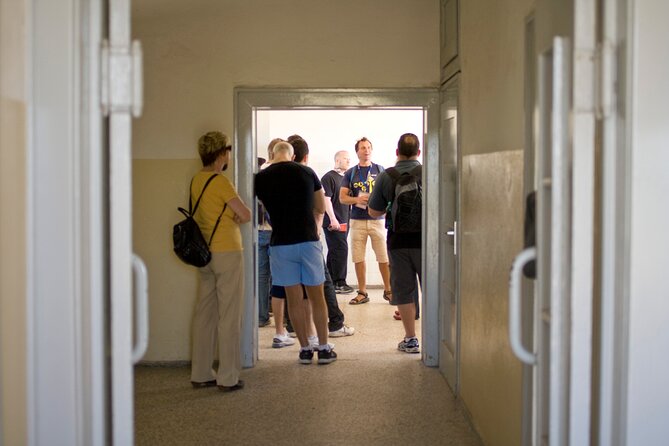
At $68.77 per person, the tour is not the cheapest way to reach Sachsenhausen. You are paying for the coach, driver, licensed guide, memorial admission, a group visit, and the return trip to central Berlin. A €3 donation per person to the memorial is also included.
The value depends on what you need. If you want a simple transport plan, historical preparation, and a guide who can explain the site as you walk, the price is reasonable for a half-day outing. The direct bus also saves you the time and uncertainty of arranging the journey yourself.
If you already know the subject well and want hours with the museum displays, the price is less attractive. You could take the train and control your own schedule. The tour earns its cost through convenience and interpretation, not through a long, leisurely stay at each exhibit.
The group size is listed as a maximum of 28 people, while the tour is also promoted as a group no larger than 25. Either way, this is not a private tour. You may need to stay close to the guide, especially in outdoor areas where it can be hard to hear.
Walking, weather, and emotional preparation
You need a moderate level of fitness. The memorial grounds are spread out, and the visit involves walking between several areas. The experience is not recommended for people with limited mobility or walking impairments.
Weather can change the feel of the visit. One account describes walking through snow and cold, which made the site even more severe. You should dress for outdoor conditions rather than assuming this is mainly an indoor museum visit.
Bring water and a snack. Food and drinks are not included. The tour lasts about four hours, and the schedule does not promise a meal break.
You should also give yourself some emotional room after the visit. The memorial covers imprisonment, death, medical abuse, forced labor, and postwar detention. Some people find the final areas especially difficult, and that reaction is normal. The guides aim to present the subject with respect, but no guide can make the material easy.
Is this tour right for you?
Book this tour if you want a well-organized introduction to Sachsenhausen without arranging the transport yourself. It suits first-time visitors to the memorial, families with older children, and anyone who wants the political background explained before reaching the site.
It is also a good choice if you value a guide who can answer questions and connect the Nazi and Soviet periods. The strongest guides, including Rebecca, Hannah, Ariel, Maria, Joseph, and Irish Paul, appear to add real value through clear and careful storytelling.
Choose an independent visit instead if you want to read every display, spend long periods with individual testimonies, or move at your own pace. The express format is the main weakness. You will see the principal areas, but you may leave wishing for more time.
For most visitors, I would book it with realistic expectations. This is a serious, guided overview that makes a difficult site easier to understand. It is not a complete study of every prisoner’s story, and it should not pretend to be one.
FAQ
Where does the Sachsenhausen tour begin?
The tour begins at Reichstagufer 17, near Friedrichstraße station in Berlin.
What time does the tour start?
The scheduled start time is 10:00 am. You should arrive at least 15 minutes before departure.
How long does the experience last?
The tour lasts approximately four hours, including transport to Sachsenhausen, the memorial visit, and the return to central Berlin.
Is transport included?
Yes. An air-conditioned coach, driver, and return transport to the central Berlin meeting point are included.
Is hotel pickup available?
No. Hotel pickup and drop-off are not included. You must reach the Friedrichstraße meeting point yourself.
Is the memorial entrance included?
Yes. Admission to the Sachsenhausen Memorial is included, along with a €3 donation per person to the memorial.
Is the tour conducted in English?
Yes. The tour is offered in English.
How large is the group?
The stated maximum is 28 people. The tour is also described as a small group with no more than 25 people, so the exact size may vary.
Should I bring food and drinks?
Yes. Food and drinks are not included, so bring a snack and something to drink.
Is the tour suitable for people with limited mobility?
The tour requires a moderate level of physical fitness and is not recommended for people with limited mobility or walking impairments.
Newest Berlin reviews
- Where It All Began: Berlin’s Queer & Trans History Tour★ 4.9 · 6 reviews
- Berlin: guided canoe | kayaktour★ 4.1 · 7 reviews
- Understanding Kreuzberg: The roots of local (sub)culture★ 4.9 · 11 reviews
- Private Potsdam City Tour in an authentic vintage van★ 5.0 · 14 reviews
- Warnemünde Shore Excursion: Private Sachsenhausen and Berlin Tour★ 5.0 · 12 reviews
- Ultimate E-Bike Tour of Berlin with Beer Garden Stop★ 5.0 · 4 reviews
- In the Forbidden City – Potsdam Walking Tour★ 5.0 · 17 reviews
- Private Walking Tour of Potsdam and Sanssouci★ 5.0 · 24 reviews
Sachsenhausen Concentration Camp Tours, compared.
Sachsenhausen Concentration Camp Tour in English
Read our review →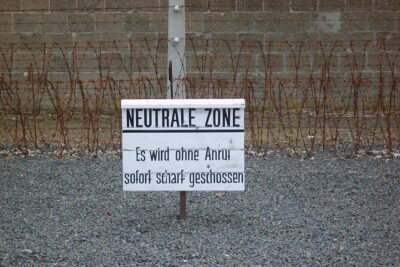
Sachsenhausen Concentration Camp Memorial Tour
Read our review →Sachsenhausen Concentration Camp Tour in English
Read our review →
Sachsenhausen Concentration Camp Memorial Tour (Max. 15 Guests)
Read our review →
Sachsenhausen Concentration Camp and Potsdam Tour
Read our review →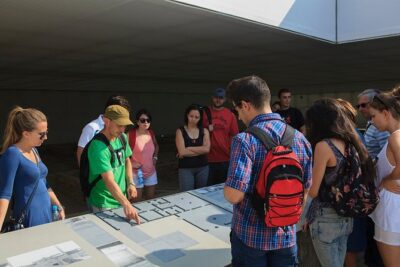
Visita en español al campo de concentración Sachsenhausen
Read our review →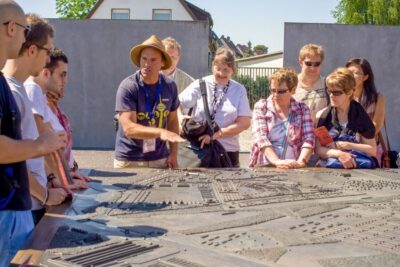
Sachsenhausen Concentration Camp Bus Tour in English
Read our review →Browse the lists this tour appears in