
Reviewed · CHARLOTTENBURG PALACE TOURS
Charlottenburg: 2-Hour City Walking Tour
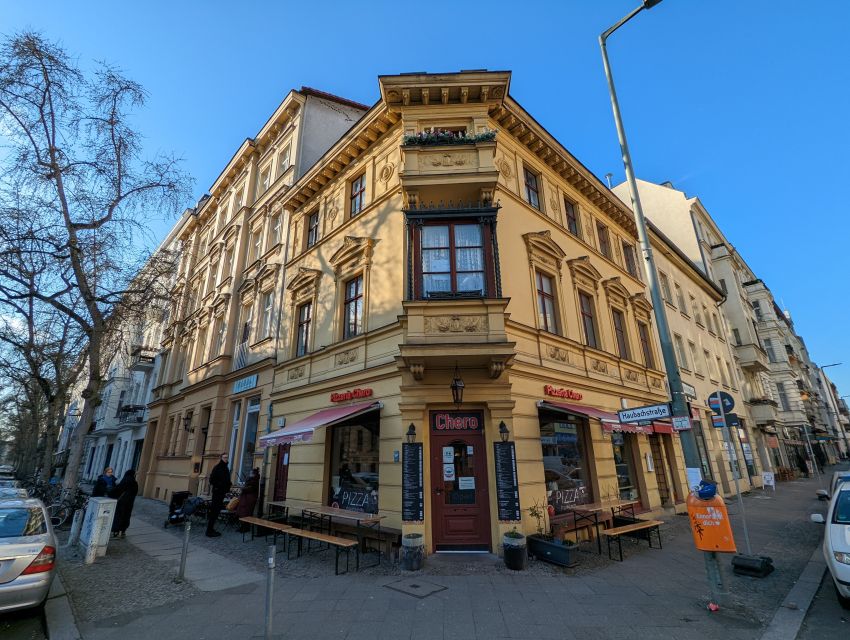
Charlottenburg is more than a palace stop. This two-hour walk connects the grand Prussian world with old village streets, working-class Berlin, cafés, corner shops, and the everyday city you might otherwise miss. I especially like the route’s 800-year sweep and its focus on places outside the usual central Berlin circuit.
I also like the guide’s reported balance of solid history and easy storytelling. The route reaches the old village square, the 1786 schoolhouses, Heinrich Zille’s former subjects, and Klausener Kiez before finishing at Charlottenburg Palace. The main consideration is simple: the tour is conducted in German, and museums, food, drinks, and hotel transfers are not included.
Key points at a glance
- Charlottenburg Town Hall to Charlottenburg Palace: Begin at the civic center of one of Berlin’s prosperous districts and finish beside its grandest royal building.
- A village inside a capital city: See the medieval core and learn how a small settlement became a major Berlin neighborhood.
- History beyond royal glamour: The route includes working-class subjects linked to artist Heinrich Zille, old schoolhouses, and pre-war housing.
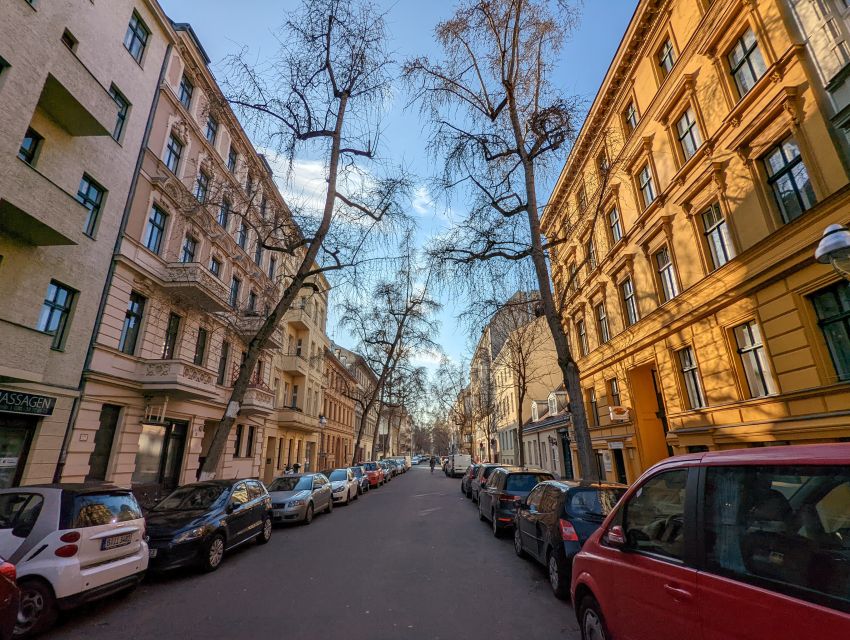
- Klausener Kiez in daily life: Pass cafés, thrift stores, and corner shops in one of Charlottenburg’s most appealing local areas.
- A German-speaking museum expert: Expect historical facts, urban-planning context, and answers to questions rather than a simple parade of sights.
- A useful two-hour format: At $23 per person, the walk gives you a focused introduction without taking half a day.
Why this Charlottenburg walk is worth your time
Berlin has no shortage of grand tours. Many keep to the Brandenburg Gate, the Reichstag, Museum Island, or the Berlin Wall. This route takes a different tack. It treats Charlottenburg as a complete urban story, not just the address of a palace.
That matters because Charlottenburg can feel like several places at once. You have the old village nucleus, Prussian royal ambition, 18th-century planning, pre-war apartment blocks, local shopping streets, and polished museums. In two hours, the guide links those pieces so you can understand how the neighborhood grew.
I like this kind of walking tour for a first or second day in Berlin. You get enough context to read the streets around you, yet the route does not ask you to spend the entire afternoon indoors. It also suits repeat visitors who have already seen central Berlin and want a more local side of the city.
The price is $23 per person. That is fair value if you want a live guide who can explain why the streets look the way they do, rather than simply point out buildings. You are paying for interpretation and structure. You are not paying for palace admission, museum entry, lunch, or transport.
More Charlottenburg Palace tours in Berlin:
- Berlin: Charlottenburg Palace Entry Ticket
★ 4.4 · 2,076 reviews - Charlottenburg Palace with an excursion to Potsdam
★ 5.0 · 23 reviews - Berlin: BRLO Charlottenburg Tasting Session
★ 4.9 · 8 reviews
Starting at Charlottenburg Town Hall
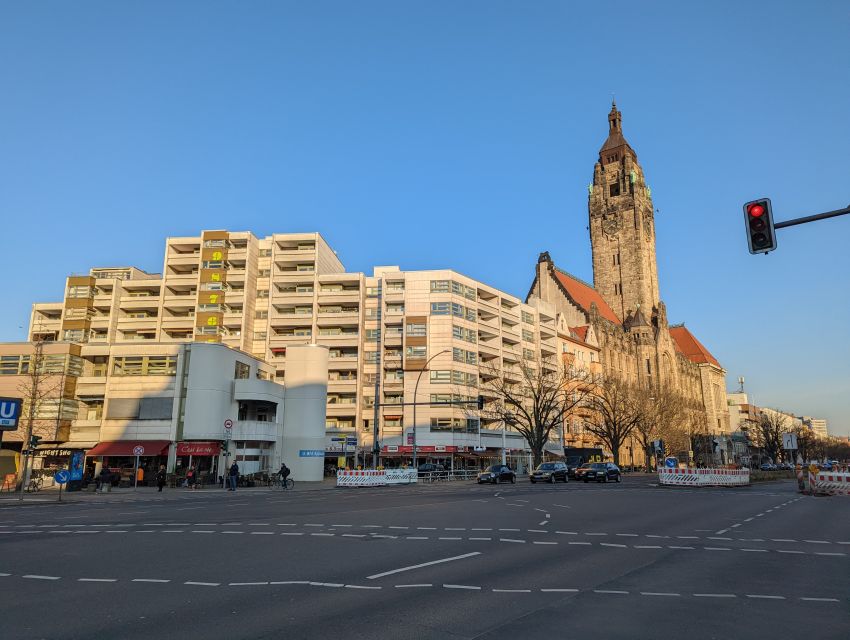
Meet the guide in front of the main entrance to Rathaus Charlottenburg, or Charlottenburg Town Hall. This is a practical starting point because it places you at the civic heart of the district rather than dropping you straight at the palace gates.
The town hall represents Charlottenburg’s former status as one of Germany’s most prosperous communities. That opening gives the tour a useful angle. Instead of beginning with royal spectacle, you begin with local government, wealth, and the people who shaped the district beyond the palace.
Your guide is described as a professional museum expert and leads the walk in German. The strongest feedback centers on broad historical knowledge, clear explanations, a friendly manner, and a comfortable pace. That combination is important on a city walk. Facts are useful only when you can follow them while moving through real streets.
The tour is designed to answer questions, so bring them. If you want more than dates and names, ask how the district changed, why certain housing styles remain common, or how royal planning affected ordinary residents.
Finding the medieval village beneath modern Berlin
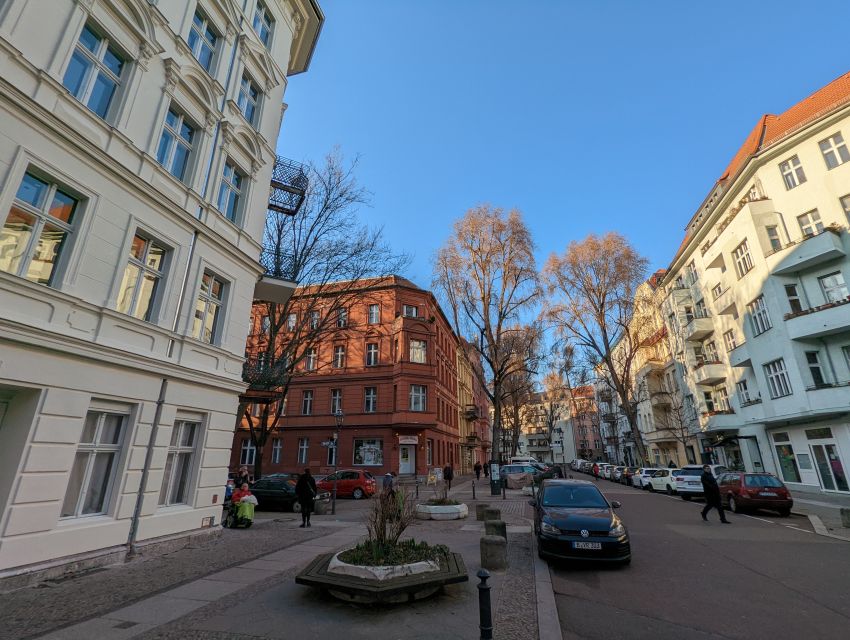
From the town hall, the route moves toward Charlottenburg’s old village square. This is one of the most interesting transitions on the walk. Berlin often feels like a modern capital built in broad layers, but here you get a glimpse of the much smaller settlement that came first.
The old village area helps explain the district’s shape. Before Charlottenburg became associated with palaces, museums, and elegant streets, it had a medieval nucleus and a local community. The guide places that early settlement within the wider story of Prussian power and Berlin’s growth.
You should not expect a preserved medieval town in the style of Rothenburg or Quedlinburg. The value is in seeing fragments of an older pattern within a living neighborhood. The tour is about urban change, so the contrast between old and new is part of the point.
That makes this section especially useful for anyone interested in city planning. You are not simply looking at attractive façades. You are learning why a district contains village remnants, planned streets, public buildings, and later housing side by side.
Heinrich Zille and the working-class city
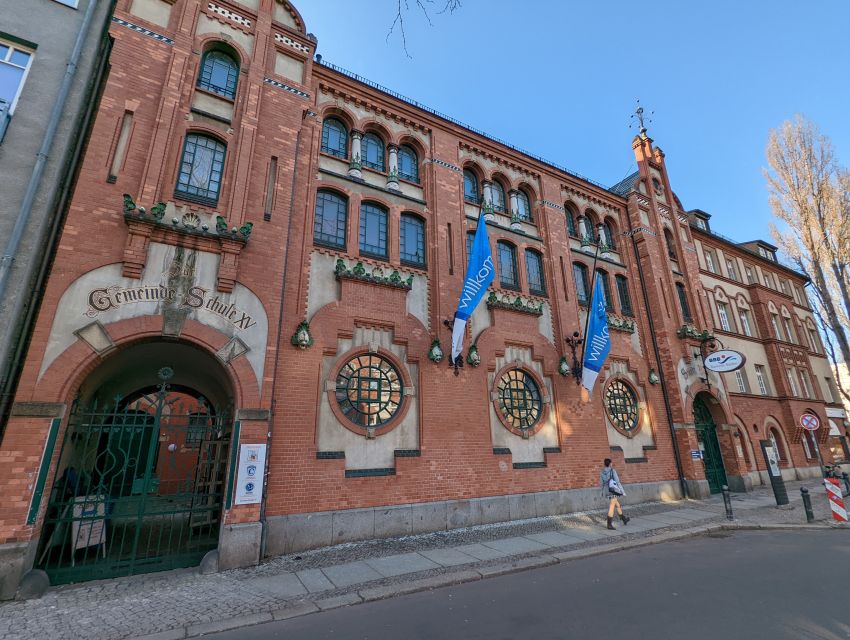
Near the historic Stadtbad, the guide introduces the world captured by Heinrich Zille. Zille was famous for affectionate, often ironic drawings of Berlin’s working class. This stop adds social history to a route that could otherwise lean heavily toward palaces and wealthy residents.
The detail is valuable because it changes how you look at the neighborhood. Charlottenburg was not only a place of grand villas and royal connections. It also had ordinary workers, crowded lives, humor, hardship, and the informal street scenes that Zille turned into art.
I like this part because it gives the walk a human scale. Buildings can tell you about money and power, but artists often show how people actually lived. The guide’s job here is to connect a place with the social world behind it.
The historic Stadtbad also broadens the architectural story. Public facilities reveal a different side of city development than palaces or private houses. You get a sense of how Berlin’s neighborhoods served residents, not just rulers and wealthy families.
More two-hour experiences in Berlin:
- Berlin: Third Reich and Cold War 2 Hour Walking Tour
★ 4.9 · 6,830 reviews - Berlin’s Best: 2 Hour Walking Tour Third Reich and the Cold War
★ 5.0 · 5,486 reviews - Berlin: 2-Hour Lake Oberhavel Cruise from Tegel
★ 4.4 · 577 reviews - Berlin 2-Hour Segway Tour
★ 4.6 · 238 reviews
Luisenkirche and the logic of 18th-century planning
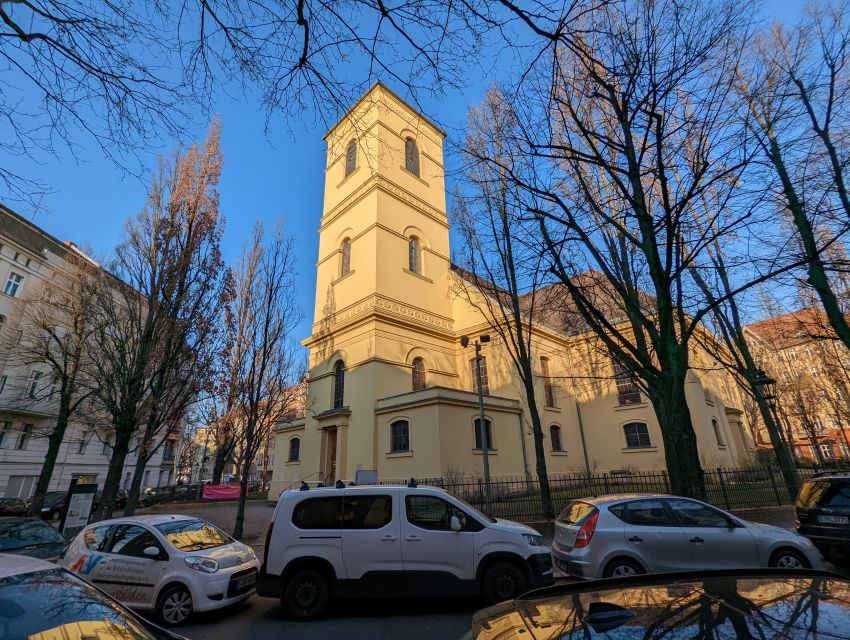
The route continues toward Luisenkirche, where the focus turns to architectural history and 18th-century urban planning. This is where the tour’s expert-led format earns its keep.
A church can be attractive on its own, but the guide helps you read the setting around it. Look for the relationship between the church, streets, housing, and public space. The point is not simply that one building is old. It is that its position reflects decisions about how a growing district should function.
The walk includes examples of housing that still shape Berlin’s cityscape. That phrase may sound broad, but the practical benefit is clear: you learn to recognize the building patterns you will see across the city. Berlin’s character often comes from repeated housing forms rather than a single famous monument.
This stop should appeal to anyone who likes architecture but does not want a technical lecture. The information is presented while you walk, with the guide explaining facts in an engaging and manageable way. A two-hour tour cannot cover every design detail, but it can teach you what to notice.
The 1786 schoolhouses and pre-war Berlin
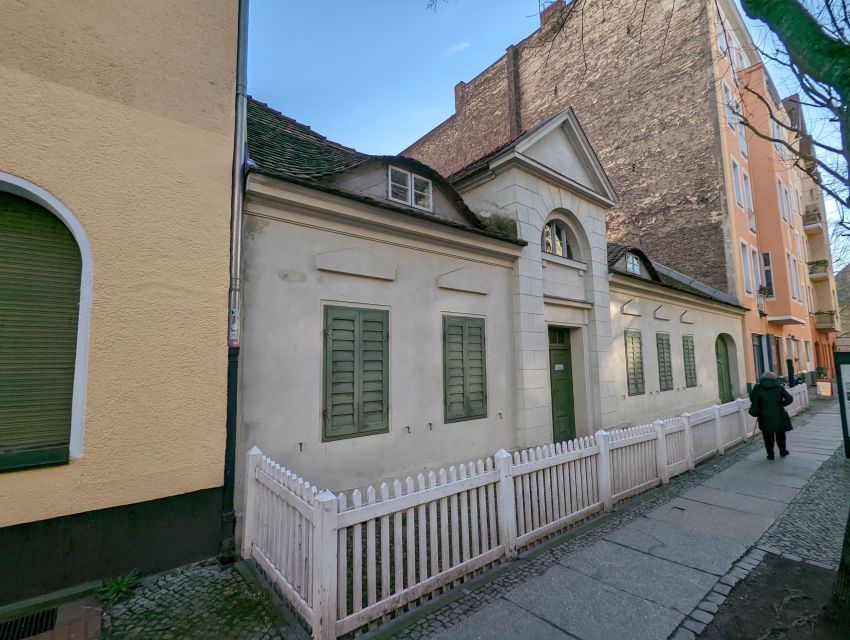
One of the more specific details on the route is the preserved schoolhouse dating from 1786. This is the kind of sight that many independent walkers would pass without understanding.
An old school building brings the neighborhood’s past down to an everyday level. It points to education, public services, and the way a city invested in its residents. Alongside the royal palace and grand avenues, it reminds you that urban history is also made of classrooms, local streets, and ordinary institutions.
The tour also highlights notable examples of pre-war urban development. That gives you a chance to compare different stages of Charlottenburg’s growth. The guide can explain how the district moved from village roots through planned expansion and into the built form that still defines much of Berlin.
I would pay attention here to the housing details rather than rushing toward the next landmark. The route’s strength is its sequence. A schoolhouse, an apartment street, a church, and a royal building each tell part of the same story.
Klausener Kiez: cafés, shops, and local rhythm
At the corner of Nehringstraße and Christstraße, the walk reaches Klausener Kiez, one of the more appealing sections for seeing Charlottenburg as a lived-in neighborhood.
The word Kiez refers to a local district or neighborhood, and this area is presented through its daily life. You pass cafés, thrift stores, and corner shops where residents mingle. There is no museum ticket or grand ceremonial entrance here. That is precisely why the stop matters.
I like having this local stretch in the itinerary. It gives you a break from formal history and lets you see how Charlottenburg functions now. If you are choosing where to return for a coffee or a slower wander, this section may be more useful than a quick list of monuments.
Do not expect the tour to turn into a shopping session. Food and drinks are not included, and the guide keeps the group moving. Still, you can note the cafés and shops for later. The route offers a quick introduction to the neighborhood, not extended free time.
The corner of Nehringstraße and Christstraße also helps link the older material to the present. A district can preserve historic buildings while remaining practical, social, and ordinary. That mixture is one of the best reasons to take this walk.
Villa Oppenheim and Schlossstraße
The route then brings you to Villa Oppenheim and the magnificent Schlossstraße, now home to world-class museums. This section returns to Charlottenburg’s grander side, but it does so with more context than you would have at the palace alone.
Villa Oppenheim adds another layer to the district’s social and architectural story. Its presence helps show how Charlottenburg attracted wealth and status beyond the royal court. Schlossstraße, meanwhile, points toward the institutions and cultural buildings that give the area its polished public face.
Museum visits are not part of the tour. That is worth keeping clear when planning your day. You see the buildings and learn about their place in Charlottenburg, but you will need separate tickets and time if you want to go inside.
This arrangement works well for people who prefer to choose museums after receiving some context. The guide can help you understand what you are looking at, then you can decide later which interior deserves your time.
Finishing at Charlottenburg Palace
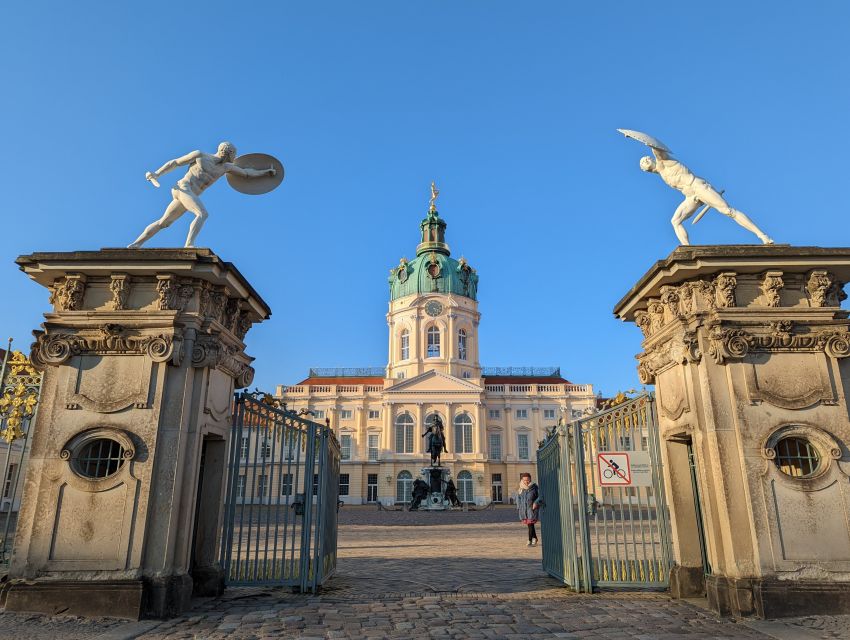
The final stop is Charlottenburg Palace, the district’s grandest sight and former Prussian power center. Arriving here at the end gives the whole route a strong finish.
The palace is lined with magnificent dome-topped Stüler buildings, creating the formal setting associated with Charlottenburg’s royal image. After seeing the village square, working-class history, local shops, and housing, you reach the architecture that made the neighborhood famous.
That order is smart. If the palace came first, it would be easy to reduce Charlottenburg to royal glamour. Ending here lets you see it as one part of a much longer story. The palace is important, but it did not erase the village, the public institutions, or the local neighborhood around it.
There is no museum visit included, so plan a separate palace visit if you want to see the interiors. The walking tour ends with the exterior setting and historical explanation. You can then continue independently, depending on your schedule and interests.
Pace, language, and practical comfort
The walk lasts two hours, a useful length for fitting around a museum visit or another Berlin plan. It is long enough to cover several distinct areas but short enough to avoid turning the day into a single exhausting activity.
Wear comfortable shoes and dress for the weather. The tour runs rain or shine, so a weather check before leaving is sensible. You will be outdoors for the full experience, and the value of the route depends on being willing to keep walking through changing conditions.
The tour is wheelchair accessible. If access needs are important to your planning, confirm the current route details when booking, but the activity information specifically identifies it as accessible.
The live tour language is German. This is the single biggest booking consideration. If you understand German well, the format should suit you, especially if you enjoy asking questions. If you do not, this is not the right choice unless you are comfortable following a German-language explanation.
There is no hotel pickup or drop-off. You make your own way to Rathaus Charlottenburg, and food and drinks are also your responsibility. Those omissions help keep the $23 price reasonable, but they mean you should allow time to reach the meeting point and perhaps plan a café stop afterward.
Who will enjoy this tour most
I would choose this walk if you want Berlin history at neighborhood level. It suits people who have seen the main central sights and want a calmer, more local route, as well as first-time visitors who prefer a district-based introduction.
It is also a good match for architecture fans, urban-history readers, and anyone curious about how royal planning shaped ordinary city streets. The route includes enough famous material to feel substantial, but it does not spend the entire time on postcard landmarks.
The German-language format makes it best for German speakers. The guide’s style, based on the available feedback, is friendly, structured, lively, and willing to answer questions. The pace is described as appropriate rather than hurried, which helps when the subject matter includes many dates and building types.
I would skip it if you want palace interiors, museum admission, food tasting, or a tour in English. Those are not part of the experience. I would also avoid booking it if you dislike walking outdoors in uncertain weather.
Should you book it?
Book this Charlottenburg walk if you want a focused, affordable explanation of how a Berlin neighborhood developed from medieval village to Prussian center and modern urban district. The best parts are the clear historical links, the local Klausener Kiez section, the 1786 schoolhouses, and the final approach to the palace.
At $23, it offers good value for a two-hour guided introduction, especially if you ask questions and continue exploring afterward. Choose it with confidence if German is comfortable for you and you want more than a palace photograph. Choose another option if you need English, included museum entry, or a longer palace visit.
FAQ
How long does the Charlottenburg walking tour last?
The tour lasts two hours.
What is the price of the tour?
The price is $23 per person.
Where does the tour meet?
Meet the guide in front of the main entrance to Rathaus Charlottenburg.
Where does the tour end?
The tour ends at Charlottenburg Palace, near the dome-topped Stüler buildings.
What language is the tour conducted in?
The live tour guide speaks German.
Is the tour wheelchair accessible?
Yes, the activity is identified as wheelchair accessible.
Are museum visits included?
No. Museum visits are not included in the tour.
Is food or drink included?
No. Food and drinks are not included.
Does the tour include hotel pickup and drop-off?
No. Hotel pickup and drop-off are not included.
What should I bring?
Bring comfortable shoes and clothing suited to the weather. The tour takes place rain or shine.
More Walking Tours in Berlin
- Discover Berlin Half-Day Walking Tour
★ 5.0 · 9,624 reviews - Berlin: Discover Berlin Walking Tour
★ 4.9 · 5,998 reviews - Berlin: Hidden Backyards Guided Walking Tour
★ 4.8 · 5,360 reviews - Third Reich Berlin: Hitler and WWII Walking Tour
★ 5.0 · 3,301 reviews
Newest Berlin reviews
- Where It All Began: Berlin’s Queer & Trans History Tour★ 4.9 · 6 reviews
- Understanding Kreuzberg: The roots of local (sub)culture★ 4.9 · 11 reviews
- Berlin: guided canoe | kayaktour★ 4.1 · 7 reviews
- Private Potsdam City Tour in an authentic vintage van★ 5.0 · 14 reviews
- Warnemünde Shore Excursion: Private Sachsenhausen and Berlin Tour★ 5.0 · 12 reviews
- Ultimate E-Bike Tour of Berlin with Beer Garden Stop★ 5.0 · 4 reviews
- In the Forbidden City – Potsdam Walking Tour★ 5.0 · 17 reviews
- Private Walking Tour of Potsdam and Sanssouci★ 5.0 · 24 reviews
Charlottenburg Palace Tours, compared.
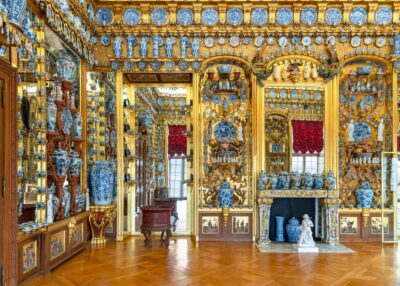
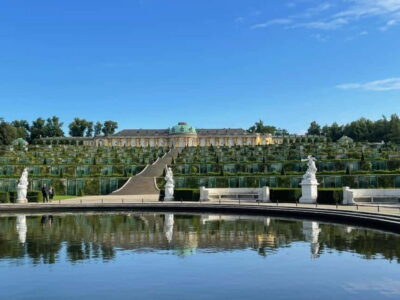
Charlottenburg Palace with an excursion to Potsdam
Read our review →

Skip-the-line Charlottenburg Palace Private Tour & Transfers
Read our review →Browse the lists this tour appears in