
Reviewed · BERLIN WALL TOURS
Berlin Wall: Small Group Guided Tour
The most moving part of this Berlin Wall walking tour is that it begins at Bornholmer Straße, the first border crossing where East and West Berliners met when the Wall fell. From there, you walk through former border ground, see traces that are easy to miss, and hear how one concrete barrier split families and daily life.
I like the small group limit of 12 people, since it gives you room to ask questions. I also like the personal angle. Guides including Marcus, Katrine, Markos, and Steffen have brought family or first-hand memories of divided Berlin into the walk. The main consideration is language: this tour is conducted in German, and the pace covers about 2.5 hours on foot in all weather.
Key points to know before you book
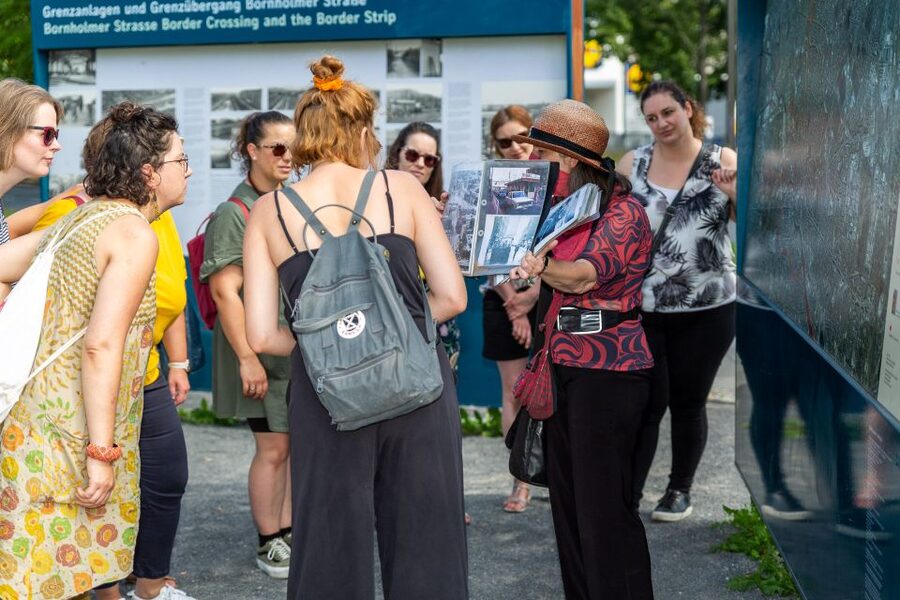
- Start at Bornholmer Straße: Begin at the former crossing where Berliners from East and West first celebrated together on November 9, 1989.
- Walk the former death strip: See Wall remains, border traces, and the unusual line of cherry trees planted along the old divide.
- Small group, maximum 12: A compact group makes it easier to hear the guide and ask detailed questions.
- Mauerpark and Gleim Tunnel: Visit lively public spaces that carry very different memories of the old border.
- German-language storytelling: Guides such as Marcus, Katrine, Markos, and Steffen have been praised for humor, personal experience, and keeping younger participants engaged.
- Good value at $24: For 2.5 hours with a live guide and a route through several Wall sites, the price is modest, though food and drinks are extra.
Starting where the Wall first opened at Bornholmer Straße
Bornholmer Straße is not just a convenient meeting point. It gives the tour a powerful opening scene.
On the night the Berlin Wall fell, this was the first crossing where large numbers of East and West Berliners met. People gathered, celebrated, and crossed into a newly changing city. Starting here helps you see the Wall as a real border that once controlled ordinary movement, not just as a line on a history map.
You meet the guide at the Berlin Bike Tours office. The location is easy to reach. The tram stop Björnsonstraße is about a minute away, and Bornholmer Straße S-Bahn station is roughly two minutes on foot. Trains serving the station include the S1, S2, S8, S25, and S85. Schönhauser Allee, with S-Bahn and U-Bahn connections, is about a 10-minute walk.
That easy public transport access matters because this is a walking tour, not a coach excursion. You do not spend the opening part finding a distant meeting point or waiting for a bus. You arrive near the former border and begin with the place itself.
More Berlin Wall tours in Berlin:
- Skip-the-Line: Berlin Wall Museum at Checkpoint Charlie
★ 4.1 · 2,041 reviews - Cold War, Berlin Wall, Spies and the East Side Gallery
★ 5.0 · 1,024 reviews - THE WALL: asisi Panorama Berlin Ticket
★ 4.5 · 580 reviews
Reading the Wall where little remains
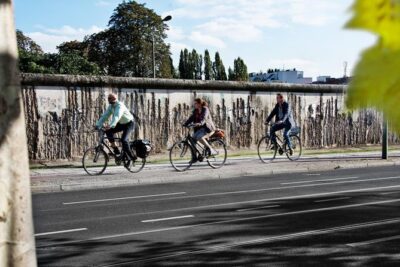
One of the tour’s useful lessons is that the Berlin Wall is not always visible as a long concrete barrier. In many places, the physical structure has gone. What remains can be a strip of pavement, a change in ground level, a memorial marker, or a line that only makes sense once someone points it out.
Your guide explains how these traces are documented and how the former border can still be followed through the city. That turns the walk into a lesson in observation. You are not simply stopping at famous slabs of Wall and taking photographs. You are learning how to spot the less obvious evidence of the border.
This is especially valuable for first-time visitors who may expect a continuous wall. Berlin removed many sections after reunification, and the city now requires some explanation to make the old route clear. A guide gives you the missing map.
The walk also puts human stories beside the physical evidence. You hear about families separated by the Wall and the practical limits placed on people who lived only a short distance apart. Personal stories can make the political history easier to grasp, particularly if you are visiting Berlin with teenagers or with someone who knows little about the Cold War.
The cherry trees and the old death strip
The former death strip is one of the route’s most unusual features. This was the open zone between sections of the border system, designed to make escape difficult and visible. Today, parts of it have been changed, built over, or returned to public use.
The cherry trees give this section a different mood. Their history is tied to Japan, and the trees grew along the former Wall line as a symbol of friendship and peace. Your guide explains their connection to the former border and the way the planting changed how this hard, guarded space looked.
The contrast is the point. A place once shaped by watchtowers, fences, and fear now has trees and walking paths. That does not erase what happened there, but it makes the change in Berlin easier to see.
Expect a walking route rather than a sequence of indoor exhibits. If you want a full museum treatment of Wall history, this tour will not replace a longer visit to Berlin’s formal memorial centers. It does something different: it puts the history under your feet and links separate sites into one route.
The Ulbrichtkurve and the mechanics of division
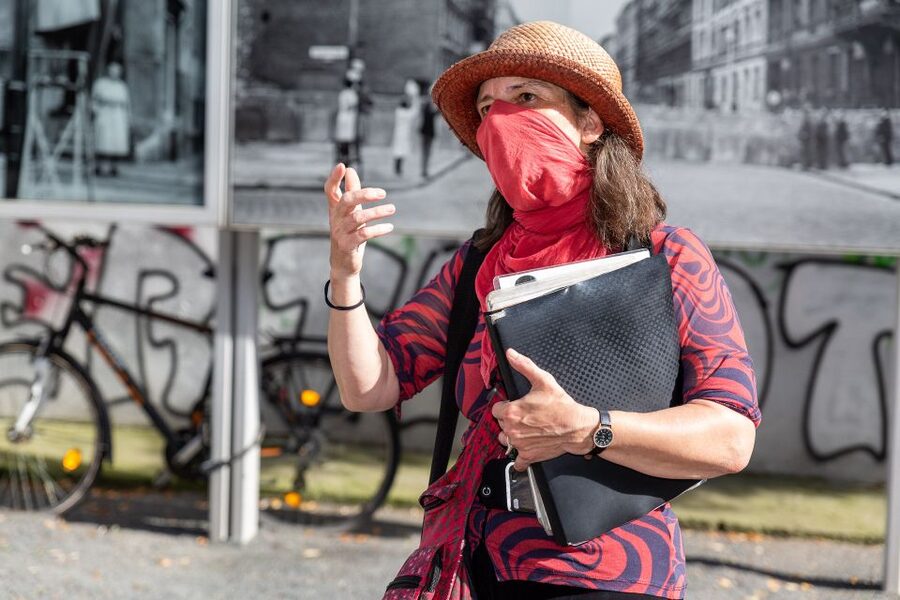
The tour includes the well-known Ulbrichtkurve. The name refers to a bend in the Wall route associated with Walter Ulbricht, the East German leader during the period when the Wall was built and strengthened.
This stop helps explain that the border was not a simple straight line drawn across a blank city. It followed streets, railway areas, buildings, curves, and existing urban features. The route could be awkward and irregular, which is one reason a walking guide adds value. A map alone will not always show why a particular section looked the way it did.
You will hear about how the border worked and how the city changed around it. The most useful part is often the connection between policy and daily movement. A border decision made by a government affected where people could work, visit relatives, shop, and travel.
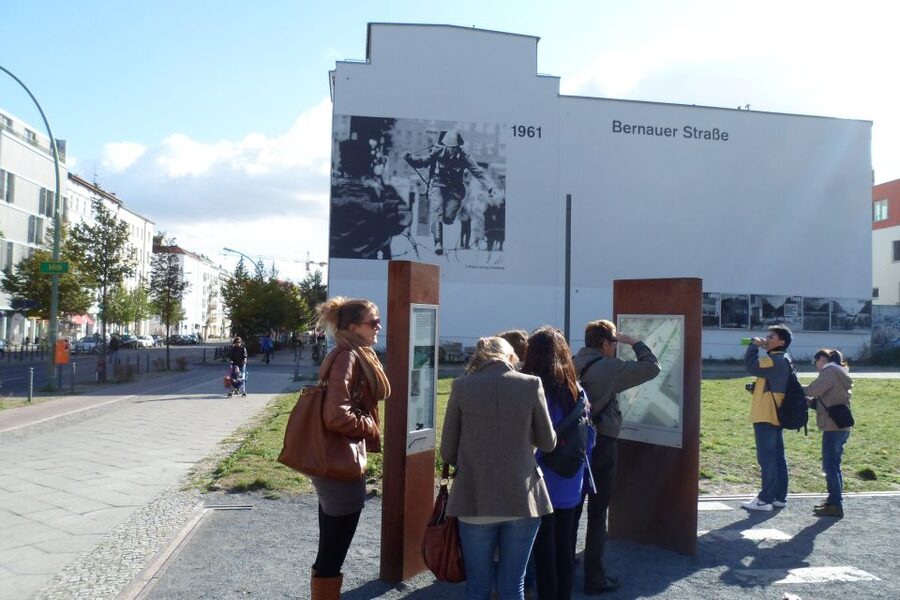
The guide-led format also gives you a chance to pause over questions. Marcus, for example, has been singled out for explaining the Wall from Bornholmer Straße toward Bernauer Straße and for sharing his own experience of life when the Wall was in place. Katrine has also led the walk with memories of growing up and socializing in East Berlin before the Wall fell. Guide assignments can change, so you should not book expecting one particular person, but the personal approach is an important part of the experience.
Other Berlin experiences to weigh up
- Berlin: Reichstag, Dome and Government District Guided Tour
★ 4.7 · 18,288 reviews - Berlin: Government District around the Reichstag Guided Tour
★ 4.7 · 8,447 reviews - Berlin: Hidden Backyards Guided Walking Tour
★ 4.8 · 5,360 reviews - Berlin: 1-Hour Boat Tour with Bilingual Live Guide
★ 4.7 · 3,629 reviews
Crossing the Schwedter Steg near Mauerpark
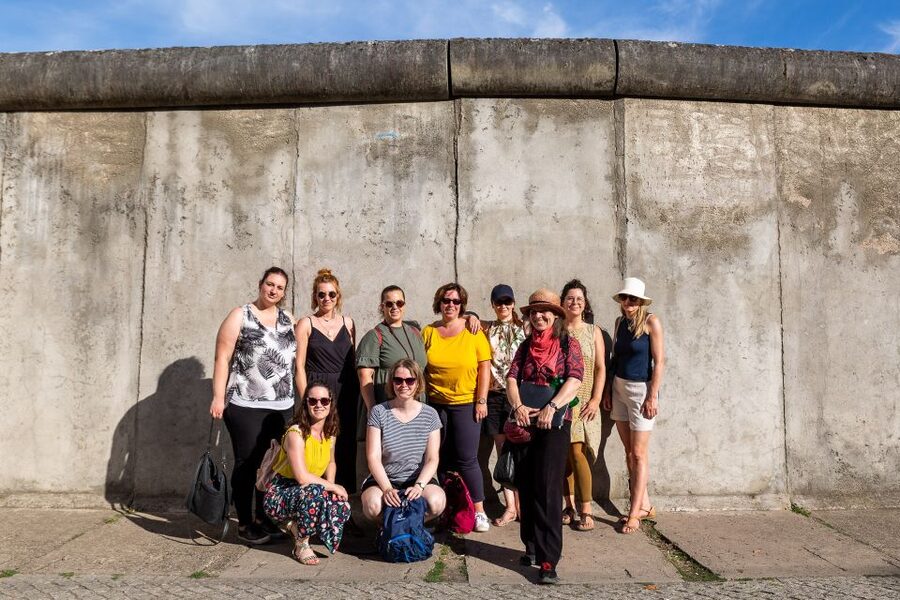
The Schwedter Steg Bridge near Mauerpark brings the old border into a more modern public setting. You cross above an area that once formed part of the divided city, then continue toward Mauerpark.
Mauerpark is now one of Berlin’s best-known social and cultural spaces. It is a place for people to gather, relax, and take part in public life. Its present-day energy can make the former border feel far away, which is exactly why the stop works. The guide connects today’s park with the controlled, restricted space that occupied this area before reunification.
This section is also a useful break from memorial-heavy sightseeing. Berlin’s Wall sites can be emotionally demanding, especially when you are hearing about escape attempts, separated families, and deaths at the border. Moving through a public park lets you see how the city has reclaimed former border land for ordinary use.
The tour description includes time for a coffee stop along the way. Food and drink are not included, so bring money for your own coffee if you want one. The stop is best viewed as a chance to rest and continue the conversation, not as a formal meal break.
Gleim Tunnel and Berlin’s changing public spaces
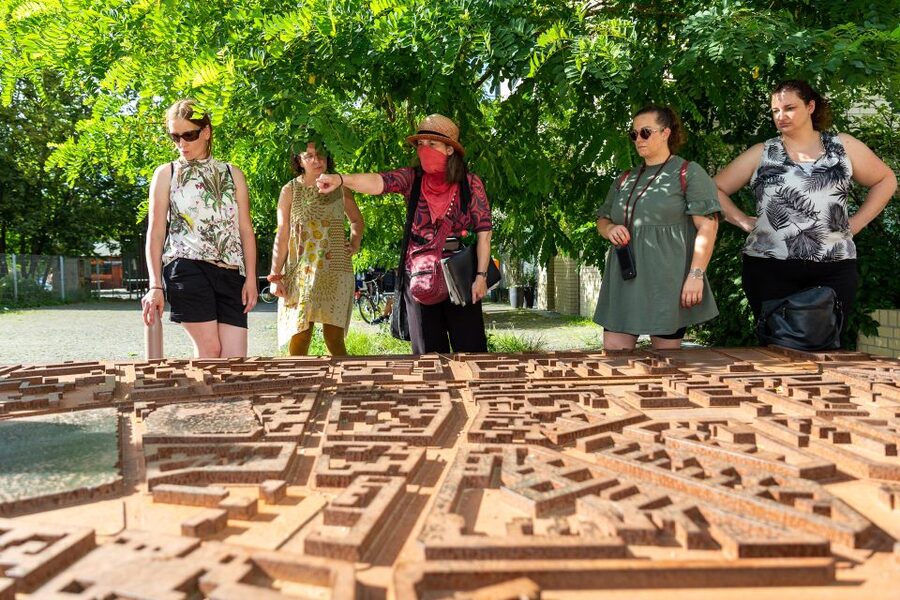
The Gleim Tunnel adds another layer to the route. This passage is near Mauerpark and is known for a large annual party. It is an unusual inclusion because it shows how places connected to Berlin’s divided past can also become part of the city’s present social life.
Your guide uses the tunnel and surrounding area to explain the old border setting. The party connection adds a lighter detail without turning the history into a sideshow. Berlin often puts serious memory and everyday entertainment close together, and this stop reflects that mix.
I would pay attention to how the guide handles the change in tone. The strongest guides keep the humor and local stories useful, rather than letting them distract from the history. Markos has been especially effective with mixed-age groups, including keeping a 13-year-old engaged for the full walk while also offering suggestions for other things to do in Berlin.
That can matter if you are traveling with children or teenagers. A two-and-a-half-hour history walk is a long stretch for a young visitor, but a guide who explains places through stories and current city life has a better chance of holding attention.
Finishing near the ghost stations
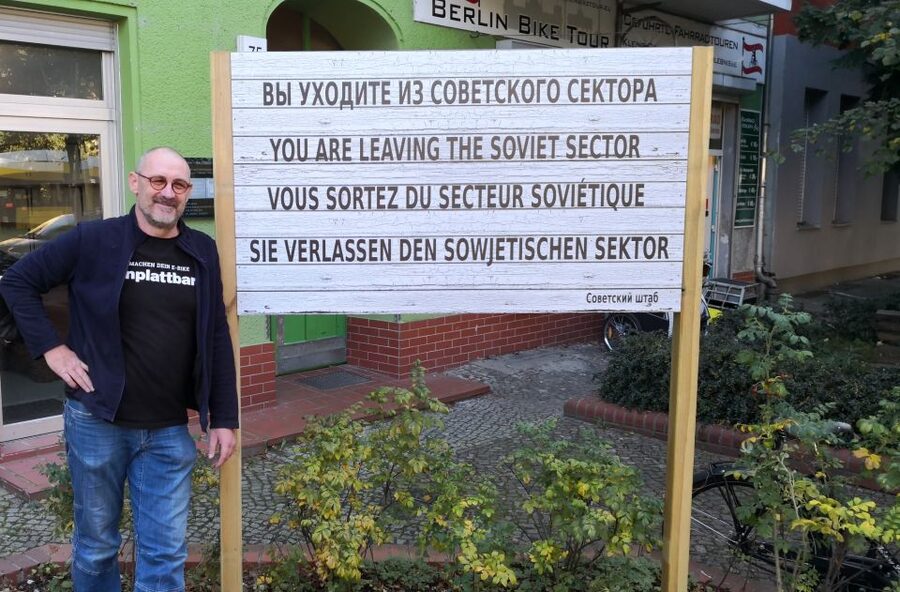
The route is described as ending at Nordbahnhof, a former ghost station. During Berlin’s division, some S-Bahn and U-Bahn stations in East Berlin were closed to trains from the West and heavily guarded. Trains passed through without stopping, creating the eerie category known as ghost stations.
Nordbahnhof gives the walk a fitting final subject because the Wall was not only a visible fence. It also controlled transport, routes, and access below the streets. A station could remain in place yet be removed from ordinary city life.
There is one practical point to clarify before booking. The route description says the walk ends at Nordbahnhof, while the meeting information says the activity ends back at the original meeting point. Those details do not fully match, so confirm the end location with the operator if your next appointment depends on it.
How much walking and what the weather means
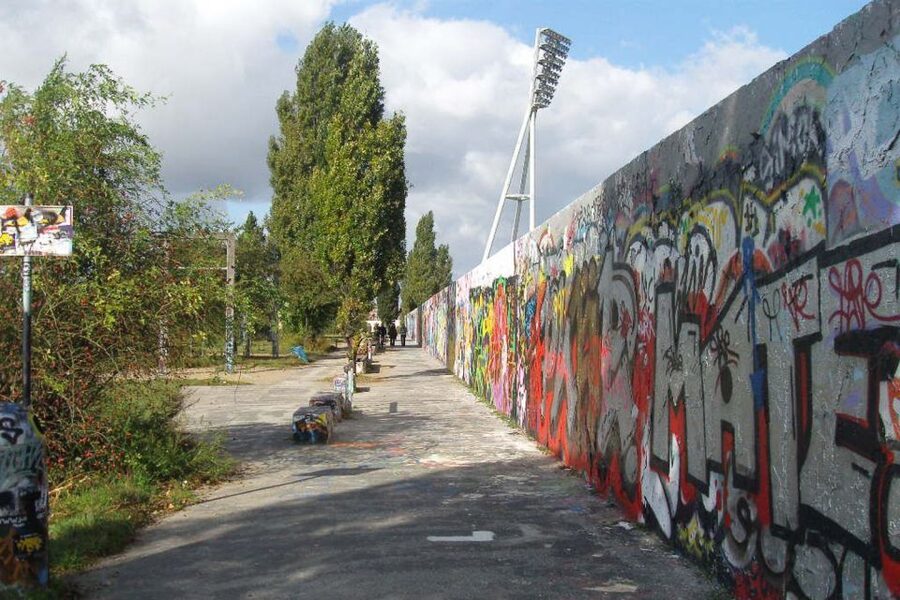
The tour lasts about 2.5 hours and takes place outdoors. You should expect steady walking, standing at several points, and time spent listening in public spaces.
There is no weather exception listed. The tour runs in rain, and rain ponchos are provided when needed. Wear shoes suitable for city walking and dress for the forecast. On a cold or wet day, the open former border areas can feel much less comfortable than a museum.
That weather policy has both a benefit and a drawback. You get the same physical route rather than a last-minute substitute, but poor weather can make a long outdoor history walk tiring. If the forecast looks unpleasant, use the flexible booking terms carefully. The published information says cancellation is free up to 24 hours in advance, but it also gives a three-day cancellation deadline for groups of three or more. Check the exact terms attached to your booking.
The tour requires at least two participants. If that minimum is not reached, the operator can cancel at short notice and notify you. The maximum group size is 12, which is small enough for conversation without guaranteeing a private tour.
Is $24 good value for Berlin?
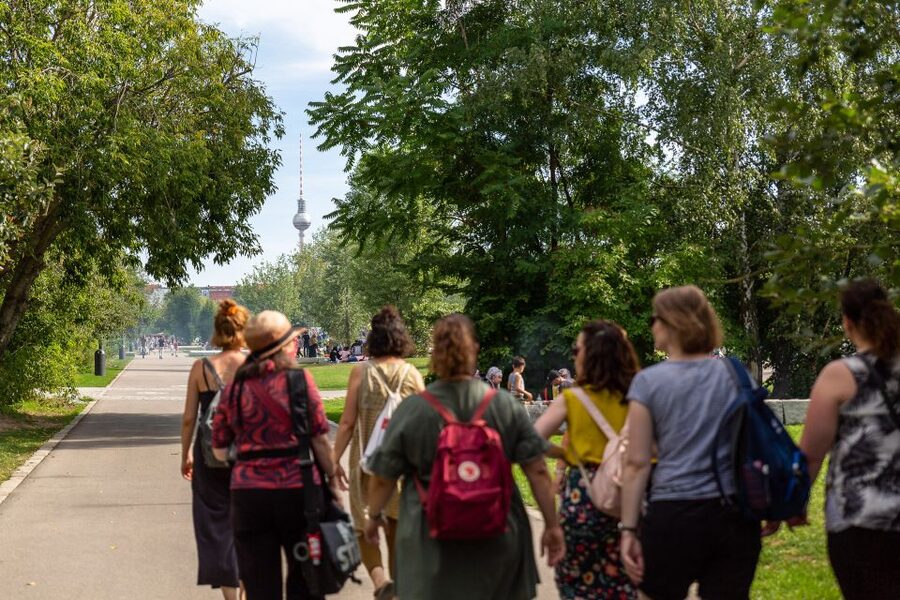
At $24 per person, this is a fairly priced way to spend half a day learning Berlin’s Wall story. The cost includes the live guide and any necessary rain poncho. Food and drinks are not included.
The value comes from the route and the interpretation. You could walk through the same districts on your own, but you might miss the less visible Wall traces, misunderstand the death strip, or fail to connect Bornholmer Straße, the cherry trees, Ulbrichtkurve, Schwedter Steg, Mauerpark, and Nordbahnhof into one story.
A small group also improves the value. With up to 12 people, you are not part of a huge crowd straining to hear. Several guide-led walks have run longer than the advertised 2.5 hours, reaching about three hours, so allow some flexibility if you have a timed reservation afterward.
The main limitation is the German-only format. If you do not understand German comfortably, the personal stories and historical explanations will be difficult to follow. The tour’s strongest feature is spoken storytelling, so language ability matters more here than it would on a self-guided route with written signs.
Who will get the most from this walk?
I would choose this tour if you want Berlin’s Wall history explained through places rather than only through museum displays. It suits adults who want context, families with older children, and visitors who prefer a focused route with time for questions.
It is also a good fit if you have already seen the best-known Wall paintings and want to understand the wider border system. Bornholmer Straße, the former death strip, the cherry trees, and the ghost station give you a broader view of how division shaped the city.
You may want a different option if you need an English-language tour, have trouble walking outdoors for several hours, or want a tour centered mainly on preserved Wall art. You should also leave extra time around the walk because the exact finish point needs confirmation and some tours have lasted close to three hours.
The most highly praised qualities are the guides’ personal stories, their ability to answer questions, and their use of humor without losing the subject. Steffen, for example, has been appreciated for adding stories and humor to a walk that lasted about three hours. That human touch is what turns a route through ordinary streets into a meaningful history lesson.
Should you book the Berlin Wall Small Group Guided Tour?
Book it if you want a German-language, outdoor history walk with a small group and a guide who can explain what is no longer visible. The price is sensible, the starting point is easy to reach, and the route links major Wall locations with less obvious traces.
Skip it if you need English, dislike walking in uncertain weather, or prefer a museum with extensive indoor exhibits. If you do book, wear practical shoes, allow up to three hours, bring money for a coffee, and confirm the end location. For German-speaking visitors who want the Berlin Wall treated as part of the living city, this is a strong use of $24.
FAQ
Where does the Berlin Wall walking tour begin?
The tour begins at the Berlin Bike Tours office near Bornholmer Straße. The tram stop Björnsonstraße is about one minute away, and Bornholmer Straße S-Bahn station is about two minutes away on foot.
How long does the tour last?
The stated duration is 2.5 hours. One described walk lasted about three hours, so allow some extra time if you have another booking afterward.
What language is the tour conducted in?
The live tour guide speaks German. German is the only language listed for this activity.
How many people can join the group?
The group can include a maximum of 12 participants. At least two participants are required for the tour to operate.
What places does the route visit?
The route includes Bornholmer Straße, the former death strip, the cherry trees along the old Wall line, the Ulbrichtkurve, the Schwedter Steg Bridge, Mauerpark, Gleim Tunnel, and Wall memorial areas.
Does the tour operate in the rain?
Yes. The tour takes place in all weather. Rain ponchos are provided when necessary.
Are food and drinks included?
No. Food and drinks are not included. You may have an opportunity to stop for coffee during the walk.
Where does the tour end?
The route description says it ends at Nordbahnhof, a former ghost station. The meeting information says the activity ends back at the meeting point, so confirm the final location before booking transport afterward.
Can I cancel the tour for a refund?
The published terms state that you can cancel up to 24 hours in advance for a full refund. They also specify a three-day cancellation deadline for tours with groups of three or more people, so check the exact cancellation terms for your reservation.
Newest Berlin reviews
- Where It All Began: Berlin’s Queer & Trans History Tour★ 4.9 · 6 reviews
- Understanding Kreuzberg: The roots of local (sub)culture★ 4.9 · 11 reviews
- Berlin: guided canoe | kayaktour★ 4.1 · 7 reviews
- Private Potsdam City Tour in an authentic vintage van★ 5.0 · 14 reviews
- Warnemünde Shore Excursion: Private Sachsenhausen and Berlin Tour★ 5.0 · 12 reviews
- Ultimate E-Bike Tour of Berlin with Beer Garden Stop★ 5.0 · 4 reviews
- In the Forbidden City – Potsdam Walking Tour★ 5.0 · 17 reviews
- Private Walking Tour of Potsdam and Sanssouci★ 5.0 · 24 reviews
Berlin Wall Tours, compared.

Skip-the-Line: Berlin Wall Museum at Checkpoint Charlie
Read our review →
Cold War, Berlin Wall, Spies and the East Side Gallery
Read our review →
Guided Bike Tour of the Berlin Wall and Third Reich
Read our review →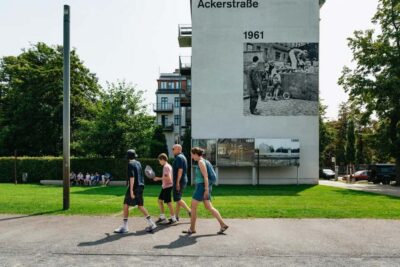
Browse the lists this tour appears in