
Reviewed · BERLIN WALL TOURS
Berlin Wall History Small Group Cycling Tour
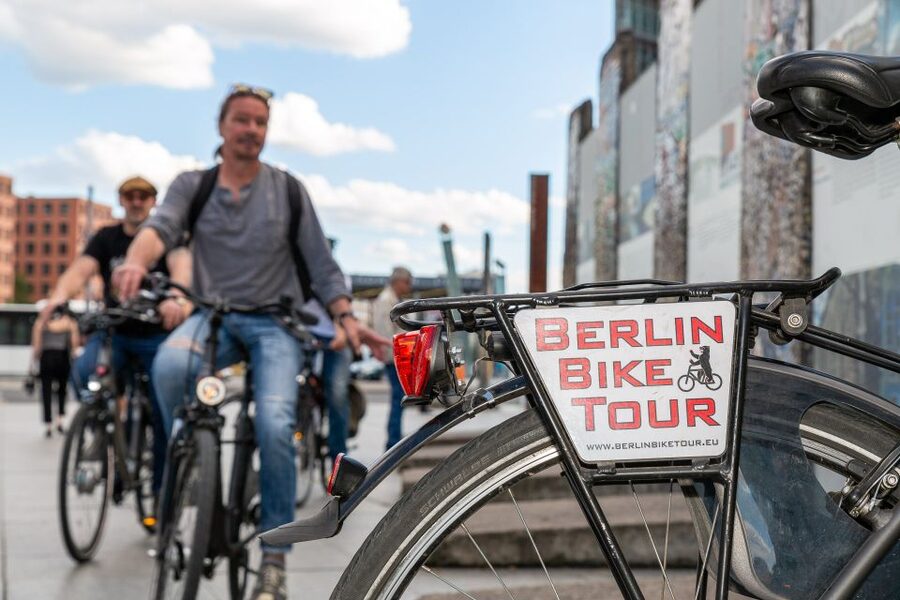
The Berlin Wall is easier to understand when you follow its old route instead of seeing isolated scraps in the city center. This four-hour bicycle tour begins at Bornholmer Straße, where East Germans first crossed into West Berlin on November 9, 1989, then traces the former border toward Checkpoint Charlie.
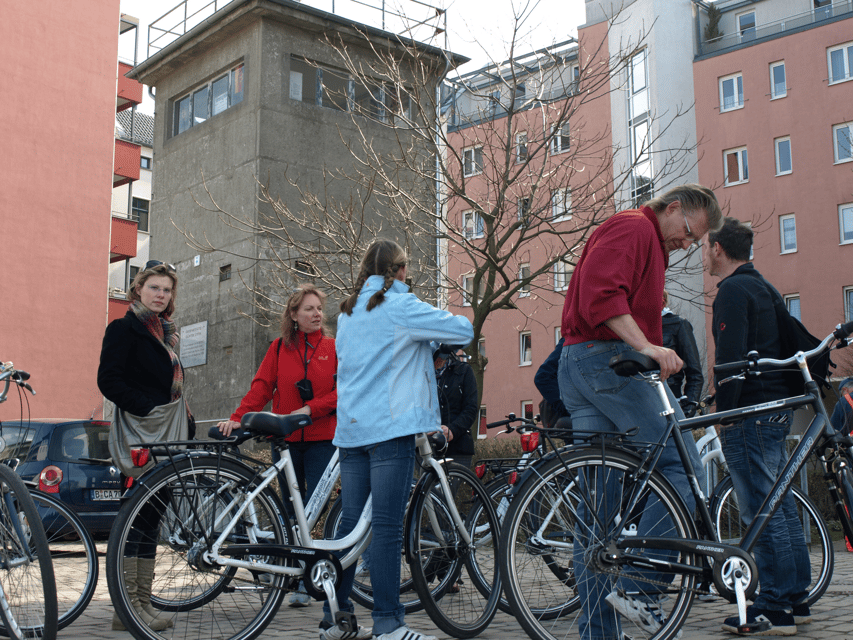
I like the small group size, limited to eight people, and the way the route links famous sights with quieter places such as the Invaliden Graveyard and the Parliament of Trees. I also like that the tour gives you a bicycle, a guide, and a steady historical thread rather than a string of disconnected photo stops.
The main consideration is language: the live tour is in German. You also need to be comfortable cycling for four hours in all weather. Rain ponchos are provided when needed, but the tour is not a good fit if you want a short, indoor-focused history experience.
Key points at a glance
- Start where the Wall first fell: Begin at Bornholmer Straße, the first border crossing opened to East German citizens on November 9, 1989.
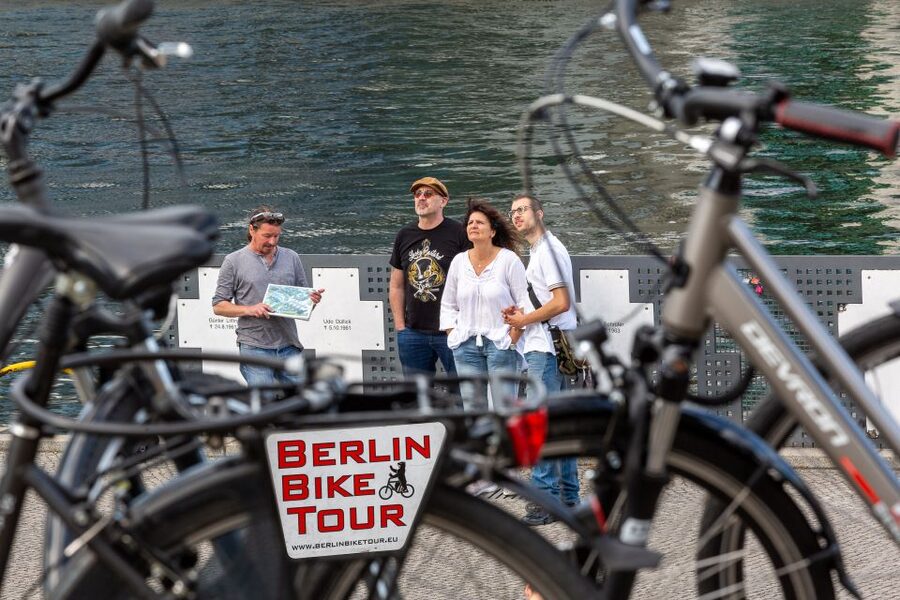
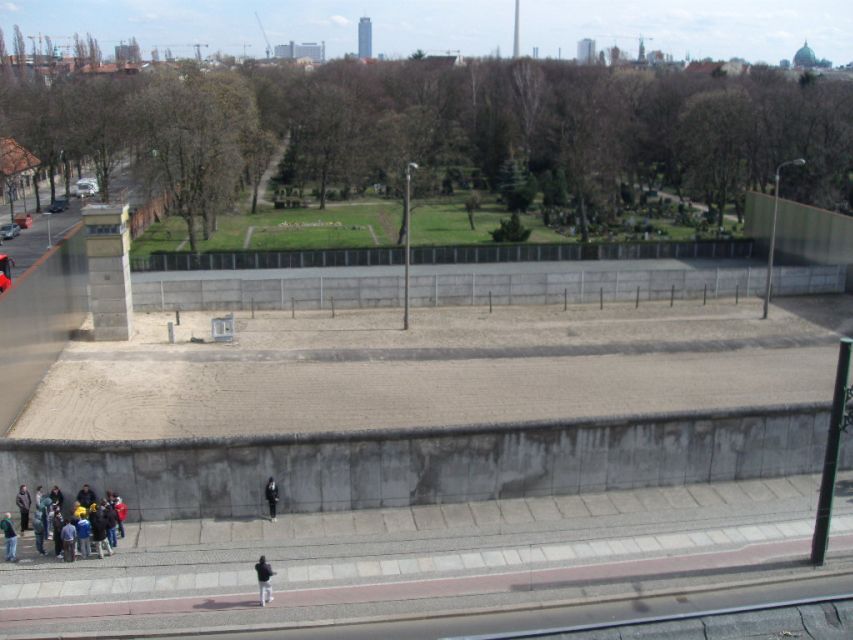
- Cycle through the former Death Strip: See a remaining watchtower, Wall traces, and the open spaces that once separated East and West Berlin.
- Connect memorials with everyday city life: The route includes Bernauer Straße, Mauerpark, the Invaliden Graveyard, and quiet streets rarely covered by a standard bus tour.
- Cover major Berlin sights by bicycle: Ride past Brandenburg Gate, Potsdamer Platz, Checkpoint Charlie, Museum Island, and the Friedrichstadt Palace.
- Keep the group personal: With three to eight participants, you can expect a more direct exchange with the guide than on a large group excursion.
- Plan for a German-language ride: The history is central to the experience, so basic German or a companion who can translate will help.
Starting at Bornholmer Straße, where the border opened
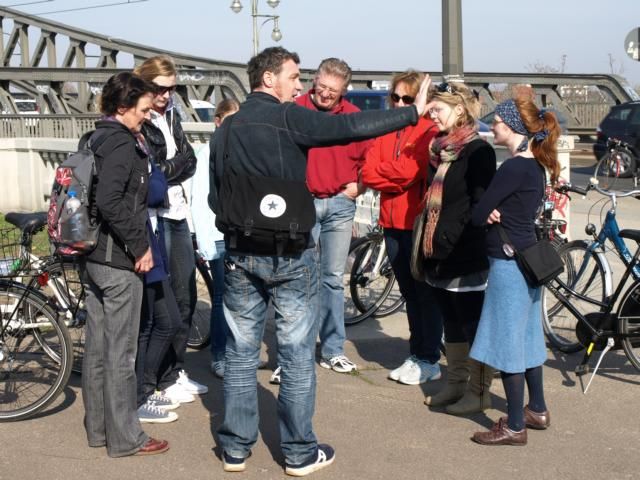
You meet at 75 Bornholmer Straße, a practical starting point with very good public transport connections. The Björnsonstraße tram stop is about one minute away, and Bornholmer Straße S-Bahn station is about two minutes on foot. Schönhauser Allee is also within walking distance, though it takes about ten minutes.
The tour begins on the Square of November 9, 1989. This is not just a convenient meeting place. It marks the point where the first East German citizens crossed the Wall after a confused press announcement turned into one of the most important moments of the Cold War.
I like beginning here because the story starts with a human event rather than a general lecture about geopolitics. You can connect the date to a real border crossing and then follow the route outward by bicycle. The guide also explains the cherry trees along Bornholmer Straße, a small but memorable detail about how the former border zone changed after reunification.
This opening area helps you understand one of the tour’s strengths. Berlin’s Wall story is not confined to a single preserved section. It runs through streets, parks, rail lines, memorial grounds, and ordinary neighborhoods. A bicycle makes it possible to follow those fragments in order.
More Berlin Wall tours in Berlin:
- Skip-the-Line: Berlin Wall Museum at Checkpoint Charlie
★ 4.1 · 2,041 reviews - Cold War, Berlin Wall, Spies and the East Side Gallery
★ 5.0 · 1,024 reviews - THE WALL: asisi Panorama Berlin Ticket
★ 4.5 · 580 reviews
Mauerpark and the last traces of the Death Strip
From Bornholmer Straße, the ride continues through Mauerpark. The name means Wall Park, and its open space occupies part of the former border zone. Here you begin to see how quickly a fortified frontier can disappear from daily life, even when its memory remains.
The route includes an original watchtower and part of the former Death Strip. The surviving sections are important because most of the Wall itself is gone. You are not simply looking at a famous painted slab in central Berlin. You are seeing elements of the border system that once included walls, patrol areas, watchtowers, and controlled crossings.
The tour also follows rabbit images painted on the ground. These references to rabbits are a striking reminder of the land that existed between the barriers. Small details like this give the ride texture without turning every stop into a formal museum visit.
Mauerpark can feel more open and relaxed than the Wall’s original purpose suggests. That contrast is part of the lesson. You are moving through a public space that once represented confinement and division. The bicycle route lets you notice that change at street level, where the old border meets modern Berlin.
Bernauer Straße and Berlin’s clearest Wall memorial
Bernauer Straße is one of the most important stops on the ride. The Wall Memorial here preserves a larger section of the former border area and presents the history in a more organized way than scattered remains elsewhere in town.
You can expect to see Wall memorials, remnants of the border zone, and the places where the division cut through homes and streets. The site makes the physical arrangement easier to grasp. Instead of seeing only a single wall panel, you get a sense of the space between East and West and the barriers that controlled movement.
This is where the tour’s bicycle format pays off. You arrive after following the route from Bornholmer Straße, so the memorial is part of a sequence rather than a stand-alone attraction. The guide can explain how this section fits into the wider line of the Wall and why Bernauer Straße remains such a strong place for remembrance.
Allow yourself time to listen closely here. Four hours sounds generous, but the route covers many locations. If you prefer long museum visits and detailed reading at every memorial, the pace may feel brisk. If you want a broad, connected picture of the Wall, the moving format works well.
Chausseestraße, the ghost station, and controlled movement
The ride then reaches Chausseestraße, where you see a former border crossing and learn about a ghost station. During Berlin’s division, some subway and rail stations in East Berlin were closed to passengers when lines from West Berlin passed through. Trains could move through, but people could not use the stations normally.
That idea is hard to picture until you stand near one of these former stations. The city’s transport system continued to function, yet the border changed where people could stop, walk, and cross. This is one of the less obvious parts of Berlin’s Cold War story, and it adds depth to the tour beyond the familiar images of guards and concrete walls.
Chausseestraße also helps show that the Wall was not only a structure on the city edge. It entered transport networks and daily routines. A route that connects border crossings with a ghost station gives you a better feel for the many ways division shaped Berlin.
More bike tours in Berlin:
- Berlin: Sights and Highlights Bike Tour with a Local Guide
★ 4.8 · 2,698 reviews - Berlin Highlights 3-Hour Bike Tour
★ 5.0 · 948 reviews - Berlin City Bike Tour with Beer Garden Stop
★ 5.0 · 917 reviews - Berlin Highlights: 3-Hour Bike Tour
★ 4.9 · 809 reviews
The Invaliden Graveyard and Invalidenstraße crossing
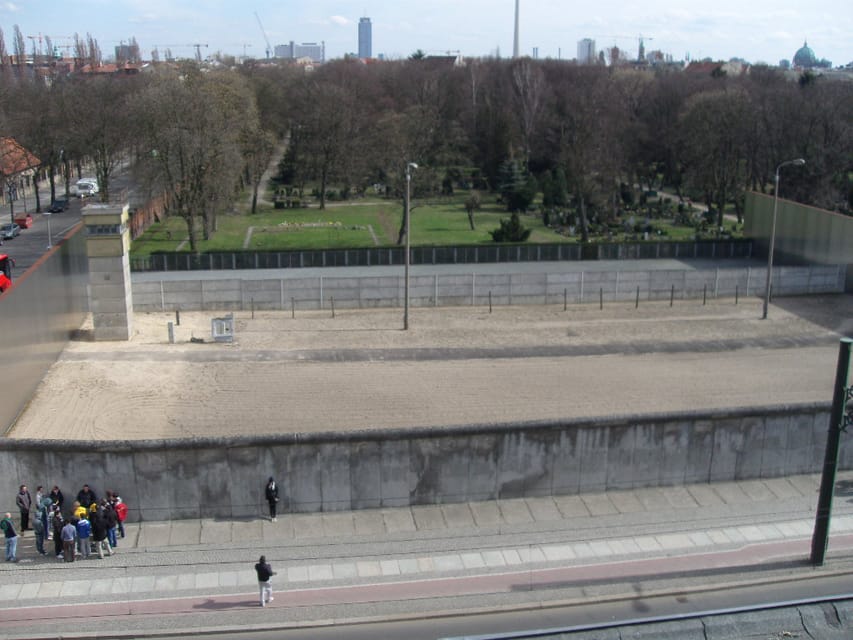
The Invaliden Graveyard offers another change of mood. This historic cemetery lies near the former border, and the tour uses it to show how the Wall passed through a place of remembrance and burial. You also see the former border crossing at Invalidenstraße.
I like this section because it is quieter than Brandenburg Gate or Checkpoint Charlie. The cemetery adds a solemn setting without requiring a separate museum visit. It also reminds you that the old border cut through established parts of Berlin, not just empty ground.
At Invalidenstraße, the guide connects the surrounding streets to the former crossing system. These details matter because the Wall’s presence was often felt through permits, guards, barriers, and restricted movement rather than through the concrete barrier alone.
Do not expect every remnant to be dramatic. Some stops are marked by small traces or open spaces, and you may need the guide’s explanation to understand what you are seeing. That is a drawback only if you want a constant line of intact Wall. For historical context, it is a strength.
Along the Government Quarter to the Parliament of Trees
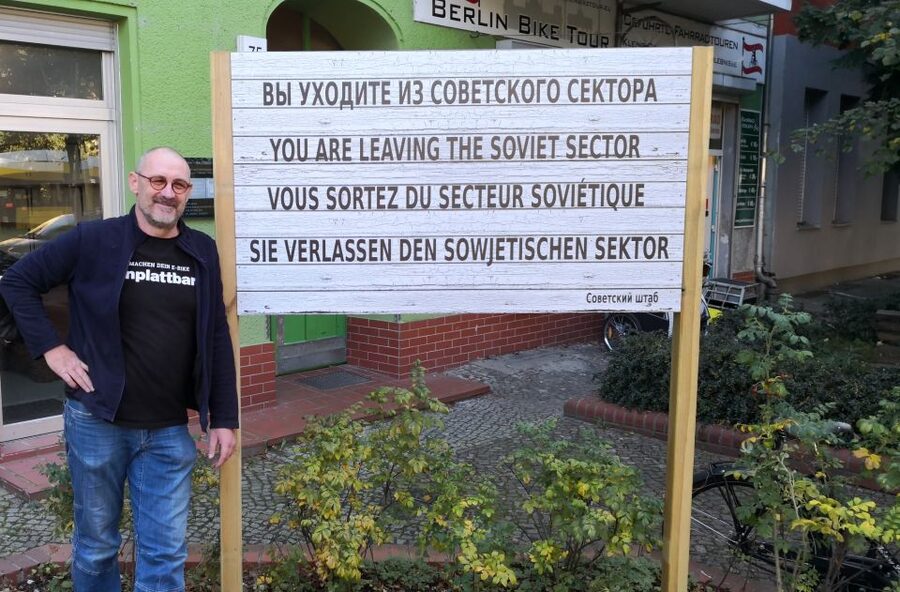
The route continues toward the Government Quarter and the Parliament of Trees. Cycling through this area lets you connect the old border with the political center of reunified Germany.
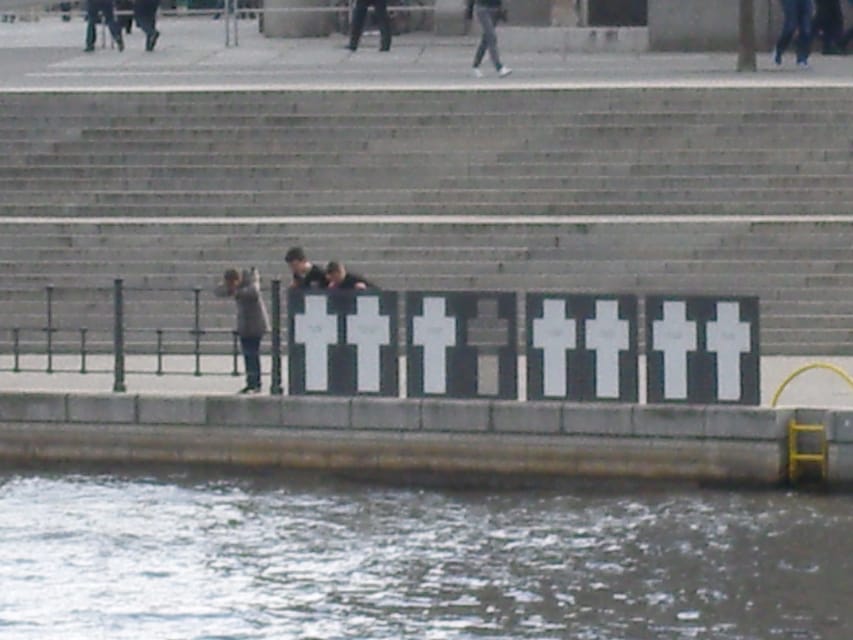
The Parliament of Trees is a memorial made from trees and other elements connected to the former Wall border. It offers a more reflective stop than the city’s busiest landmarks. You can pause to consider how the former Death Strip has been marked and remembered rather than simply erased.
This stretch also shows why the tour is more than a list of famous attractions. You are riding through areas that now serve government, culture, transport, and public life. The contrast between present-day Berlin and the restricted border that once ran here is one of the ride’s most useful themes.
Brandenburg Gate, Potsdamer Platz, and Checkpoint Charlie
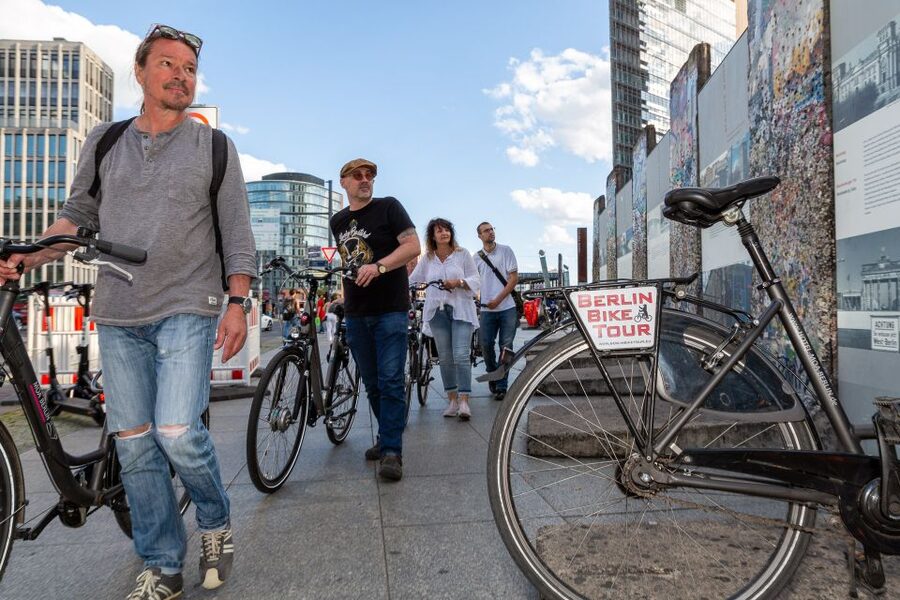
The tour then reaches Berlin’s major central sights. Brandenburg Gate is perhaps the city’s best-known symbol, but its location beside the former border gives it extra weight. During the division, the gate stood in a restricted zone near the Wall. Today, it is one of Berlin’s most open and recognizable public spaces.
From there, the route includes Potsdamer Platz. Before the Wall, this was a busy central area. During the city’s division, much of the surrounding zone became an empty border space. Modern architecture now fills the area, so a guide is especially helpful in pointing out what has vanished.
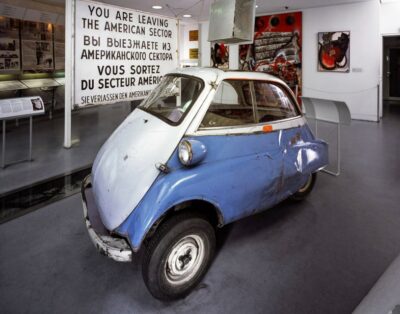
Checkpoint Charlie is the most recognizable former crossing on the itinerary. It attracts plenty of attention, photographs, and nearby commercial activity. You should expect a busy central stop rather than a quiet memorial. Its value on this tour comes from understanding its role within the larger route, not from spending a long time at the checkpoint itself.
Seeing Checkpoint Charlie after starting at Bornholmer Straße is useful. The two crossings bookend the story of November 1989 and the divided city. One marks the first opening that allowed East Germans through, while the other is linked to the heavily watched border between East and West.
Friedrichstraße and the Palace of Tears
The final central section includes the Tränenpalast on Friedrichstraße, translated as the Palace of Tears. This former border facility was a departure point where people said goodbye when crossing between East and West. Its nickname comes from the emotional scenes associated with those departures.
The stop brings the story down to a personal scale. The Wall divided governments and neighborhoods, but it also separated families, friends, and everyday journeys. The Tränenpalast helps you think about the emotional cost of controlled movement.
The ride also passes the Friedrichstadt Palace, Museum Island, the New Synagogue, and the Old Berlin Post Office. These sights broaden the experience beyond Cold War remains. You see how the Wall route passes through several layers of Berlin, from imperial and religious landmarks to modern political buildings and former border sites.
The activity ends back at the original meeting point. That return matters when planning the rest of your day. You are not left at Checkpoint Charlie or Friedrichstraße with a bicycle to return, and you can use the nearby S-Bahn or tram connections after the tour.
What the small group and bicycle format add
The group is limited to eight people, with a minimum of three participants. That size is a real advantage for a history-heavy ride. You can hear the guide more easily, ask questions, and stay together on city streets without the slow movement of a large crowd.
The route also uses quieter streets where possible, including sections through central Berlin. One detailed account of the experience praised the relaxed organization and the way the guide led the group through calmer streets even in the center. That matters if you are concerned about spending four hours in traffic.
The bicycle is included, as are fees and a rain poncho if needed. You do not need to arrange a rental before arriving. Food and drink are not included, so eat beforehand and bring what you need for the ride, as long as it is not a large bag or luggage.
The tour runs in all weather. Bring sunglasses, a sun hat, and a camera on bright days, but prepare for rain as well. The practical message is simple: dress for the forecast and do not assume that light rain cancels the ride.
Guide style and language
The tour is conducted in German. This is the most important booking consideration. If you understand German, the format offers a direct way to hear the stories and ask questions. If you do not, you should not book it expecting an English-language explanation.
Two guide names connected with highly positive experiences are Marcus and Kathrin. Marcus was praised for taking care of the group, explaining a great deal of Berlin history, and leading people to parts of the city they might otherwise miss. Kathrin was noted for personal insights and a strong command of the subject.
Those comments point to the human side of this tour. The route has plenty of historical material, but the guide determines how clearly the pieces connect. A good guide can turn a watchtower, a former crossing, or a patch of open ground into a readable part of the city’s story.
The overall rating is 4.9 from 149 reviews, with repeated praise for informative, relaxed guiding and strong Cold War context. I would still put the German-language point first. A highly rated tour is not much help if you cannot follow the central explanations.
Is $36 a fair price for four hours?
At $36 per person, this is a good-value way to cover a large section of Berlin. The price includes the bicycle, guide, and fees, and the tour lasts four hours. You are also covering many places that would take considerable planning to connect on your own.
The value is strongest if you want context. You could visit Brandenburg Gate, Checkpoint Charlie, and parts of the Wall independently, but you would have to research the former border route and work out the connections between the sites. This tour provides that structure while moving you through the city.
The cost is less attractive if you only want a quick look at preserved Wall sections. A walking tour or museum visit may suit you better if cycling is not appealing. You should also account for food and drink, since neither is included.
Free cancellation up to 24 hours before the start gives you some flexibility, and you can reserve now and pay later. Those terms are useful if your Berlin schedule is still changing, but the central decision remains the same: are you happy with a four-hour German-language bicycle ride in any weather?
Who should book this Berlin Wall ride?
I would choose this tour if you want to understand how the Wall moved through the whole city rather than see one famous fragment. It suits adults and older children who can cycle for four hours and stay interested through a mix of memorials, streets, open spaces, and major landmarks.
It is especially useful early in a Berlin visit. The route gives you a citywide frame for later museum visits, including the places you may want to revisit on foot. It also helps you recognize that the Wall story includes transport, cemeteries, government areas, parks, and family separation, not only military barriers.
You may want another option if you need English, dislike cycling, have large luggage with you, or prefer a slow pace at each memorial. Large bags and luggage are not allowed, and the tour continues in rain with a poncho supplied when necessary.
Should you book it?
Book this tour if you want a well-connected view of Berlin’s Wall history and can follow German. The small group, included bicycle, four-hour route, and stops at both major sights and quieter memorials make $36 a sensible price.
Skip it if your priority is an English-language tour, a short indoor visit, or a guaranteed dry outing. For the right rider, though, the route from Bornholmer Straße to Checkpoint Charlie gives Berlin’s divided past a clear shape, one pedal stroke at a time.
FAQ
How long is the Berlin Wall cycling tour?
The tour lasts four hours. Check availability for the available starting times.
Where does the tour start?
You meet at 75 Bornholmer Straße, Berlin 10439, at the Square of November 9, 1989.
Where does the tour end?
The activity ends back at the meeting point on Bornholmer Straße.
How many people are in the group?
The group has a minimum of three participants and a maximum of eight.
Is the tour conducted in English?
No. The live tour guide language is German.
Is a bicycle included?
Yes. A bicycle, fees, and a city guide are included. A rain poncho is provided when necessary.
What happens if it rains?
The tour operates in all weather. On rainy days, you are given a rain poncho.
More history tours in Berlin
- Berlin: Natural History Museum Entrance Ticket
★ 4.6 · 3,382 reviews - Berlin: World Heritage Cruise to Potsdam
★ 4.5 · 1,435 reviews - Berlin Historical Highlights Walking Tour
★ 4.9 · 657 reviews - Berlin Private Complete History All Day Walking Tour
★ 5.0 · 474 reviews
Newest Berlin reviews
- Where It All Began: Berlin’s Queer & Trans History Tour★ 4.9 · 6 reviews
- Understanding Kreuzberg: The roots of local (sub)culture★ 4.9 · 11 reviews
- Berlin: guided canoe | kayaktour★ 4.1 · 7 reviews
- Private Potsdam City Tour in an authentic vintage van★ 5.0 · 14 reviews
- Warnemünde Shore Excursion: Private Sachsenhausen and Berlin Tour★ 5.0 · 12 reviews
- Ultimate E-Bike Tour of Berlin with Beer Garden Stop★ 5.0 · 4 reviews
- In the Forbidden City – Potsdam Walking Tour★ 5.0 · 17 reviews
- Private Walking Tour of Potsdam and Sanssouci★ 5.0 · 24 reviews
Berlin Wall Tours, compared.
Skip-the-Line: Berlin Wall Museum at Checkpoint Charlie
Read our review →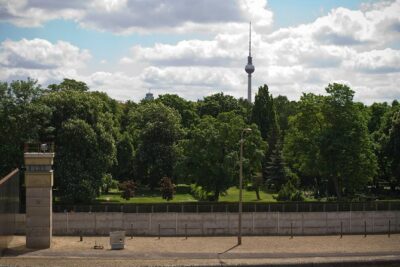
Cold War, Berlin Wall, Spies and the East Side Gallery
Read our review →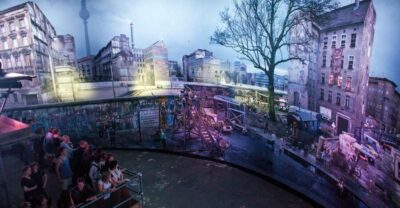
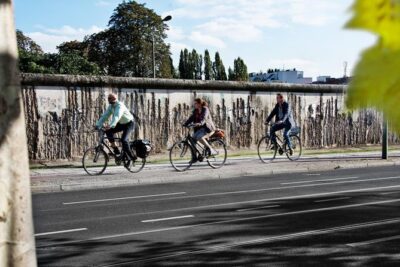
Guided Bike Tour of the Berlin Wall and Third Reich
Read our review →
Browse the lists this tour appears in