
Reviewed · HISTORICAL TOURS
Charité Hospital Walking Tour: Exploring Berlin’s Medical History
Berlin’s Charité hospital is more than an old medical institution. It is a place where scientific breakthroughs, political pressure, war, and human courage all meet. This two-hour walking tour brings those stories to life at monuments, historic buildings, and canal-side sites around the hospital.
I like the tight route and small group limit, which keep the experience focused rather than sprawling. I also like the way it connects famous scientists such as Robert Koch and Rudolf Virchow with harder subjects, including medical abuse under the Third Reich and escape attempts from East Berlin. The main drawback is clear: you do not go inside buildings where clinical or university work takes place, so this is an outdoor history walk rather than a hospital interior tour.
Key points to know before booking
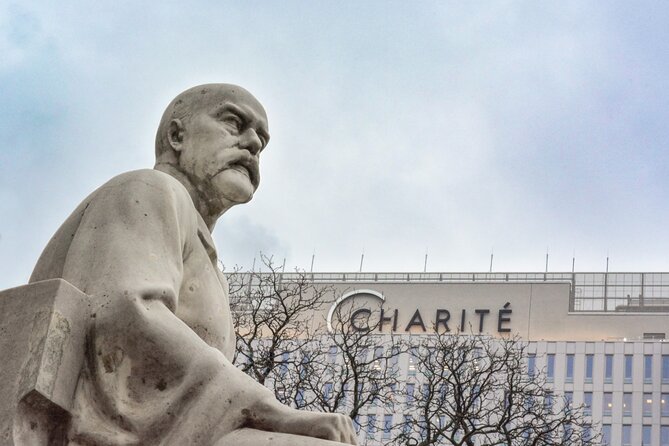
- Robert Koch’s monument opens the story: Learn how Charité began and how Koch’s work on tuberculosis, anthrax, and cholera changed medicine.
- Six stops, about 20 minutes each: The pacing gives you a useful introduction without taking up a full day.
- The Tieranatomisches Theater is a highlight: This surviving 18th-century academic building reveals how animal diseases were studied before modern science.
- Medical history here is not presented as pure triumph: The tour addresses Nazi-era abuses, ethical failures, and doctors who resisted them.
- The final stop adds Cold War history: At Humboldthafen, you hear about East Berliners who tried to swim to the West.
- The $30.12 price buys context, not admission: All listed stops are free, and the fee covers the guide and organization of the walk.
Why Charité makes such an unusual Berlin walk
Berlin has plenty of tours about kings, walls, spies, and war. Charité offers a different route into the city’s past. Medicine here is tied to government, religion, class, war, public health, and scientific ambition.
The hospital was established in the 18th century and is described as the oldest hospital in Berlin. Over time, its doctors and researchers helped shape modern medicine. The tour uses that setting to explain not only discoveries, but also the damage caused when medicine is placed in the service of ideology.
That balance matters. You are not simply collecting names and dates. You are asked to think about how medical knowledge develops, who receives care, and what happens when doctors abandon basic ethics.
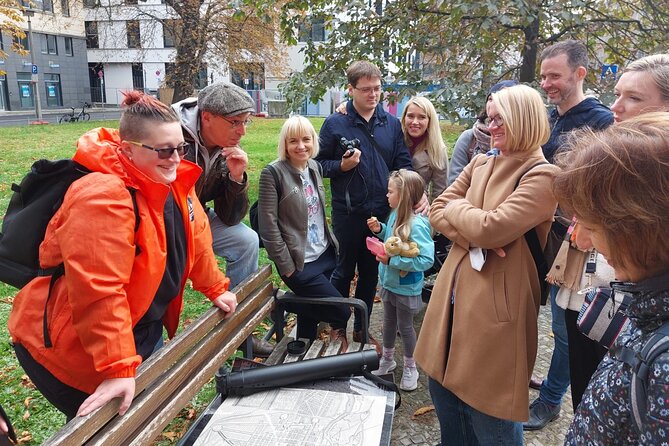
The group can include no more than 15 people. That is a useful size for a walking tour with several stops. You should be able to hear the guide without the group spreading too far along city streets, while still retaining the easy feel of a public tour rather than a private appointment.
The experience is offered in English and lasts about two hours. Each of the six stops is planned for roughly 20 minutes, giving the walk a clear rhythm. You will not spend long enough at any one place to become overloaded with technical detail.
More history tours in Berlin:
- Berlin: Natural History Museum Entrance Ticket
★ 4.6 · 3,382 reviews - Berlin: World Heritage Cruise to Potsdam
★ 4.5 · 1,435 reviews - Berlin Historical Highlights Walking Tour
★ 4.9 · 657 reviews
Robert Koch-Platz: where the hospital story begins
The meeting point is Robert-Koch-Platz, at 10115 Berlin. The opening stop explains why Charité was established in the 18th century and how the institution developed into a major center of medical work.
The monument to Robert Koch gives the guide an immediate way into the scientific story. Koch received the Nobel Prize and identified the causes of tuberculosis, anthrax, and cholera. Those discoveries helped change the way doctors understood infectious disease.
The tour also covers a less comfortable part of Koch’s career: his role in the first pharmaceutical scandal in medical history. That detail prevents the stop from becoming a simple celebration of a famous scientist. You get both the breakthrough and the warning that scientific reputation does not erase professional mistakes.
I find this a strong opening because it makes the subject accessible. You do not need a background in biology. The focus is on what changed, why it mattered, and how medical progress can carry consequences as well as benefits.
The monument itself is an outdoor stop, so allow for ordinary city conditions. There is no admission fee for this part of the walk.
Tieranatomisches Theater and medicine before modern science
The second stop is the Tieranatomisches Theater, an 18th-century neoclassical building described as the oldest surviving academic building in Berlin. Its original purpose was tied to veterinary study and the examination of animal disease.
This is one of the tour’s most distinctive locations. Berlin has many historic buildings, but a former anatomical theater gives you a more specific look at how education and medical research once worked. The setting helps you picture a period when doctors and veterinarians were still trying to understand disease without the tools and systems used today.
The guide explains how diseases were treated before the arrival of modern scientific medicine. That comparison is valuable because it shows how uncertain treatment could be. The point is not to laugh at earlier doctors, but to understand the limits of their evidence and methods.
You should also keep expectations in check. The tour does not include admission to the building, and the supplied details do not promise an interior visit. You will learn about the site and its role from outside, with the guide providing the context that turns a historic façade into part of the medical story.
Rudolf Virchow and the rise of social medicine
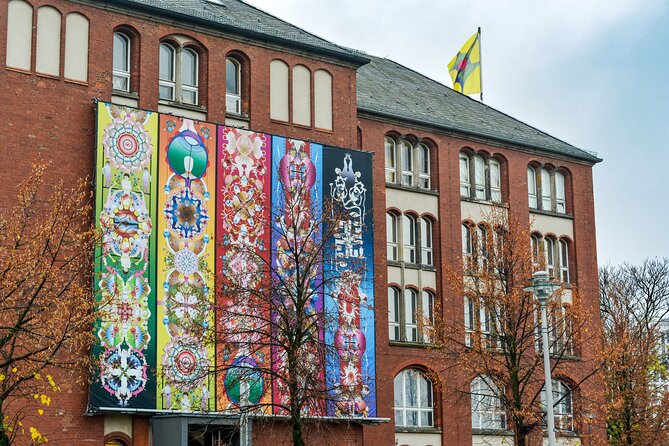
At the monument to Rudolf Virchow, the subject shifts from individual discoveries to a wider view of public health. Virchow is presented as the father of modern pathology and the founder of social medicine.
That combination is important. Pathology examines disease and its effects on the body, while social medicine asks how living conditions and society affect health. The stop gives you a chance to see medicine as more than a doctor treating one patient at a time.
Virchow’s story also fits Berlin particularly well. The city’s medical past is connected to crowded urban life, public institutions, and debates about responsibility. Even without entering a lecture hall or hospital ward, you can see how medical thought expanded beyond the examination room.
This part may appeal most to you if you like the ideas behind medical history. It is less about a dramatic building and more about how doctors began to connect disease with the conditions people faced.
The stop lasts about 20 minutes, enough for a concise explanation. If you want an extended academic lecture on Virchow, this walk may feel brief. If you want a clear introduction while exploring central Berlin on foot, the timing works well.
Other Berlin experiences to weigh up
- Discover Berlin Half-Day Walking Tour
★ 5.0 · 9,624 reviews - Berlin: Third Reich and Cold War 2 Hour Walking Tour
★ 4.9 · 6,830 reviews - Berlin: Discover Berlin Walking Tour
★ 4.9 · 5,998 reviews - Berlin’s Best: 2 Hour Walking Tour Third Reich and the Cold War
★ 5.0 · 5,486 reviews
Albrecht von Graefe and the story of eye medicine
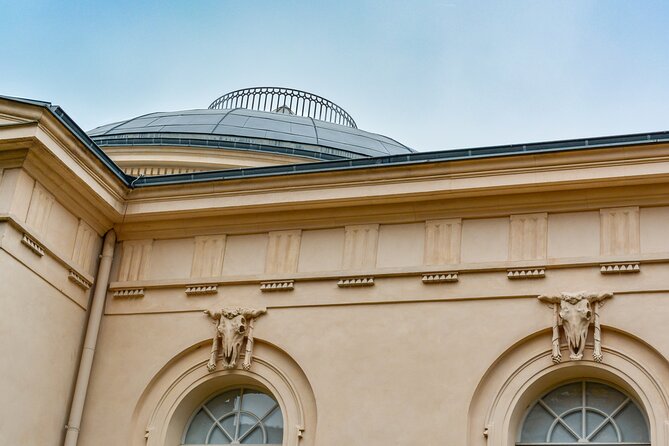
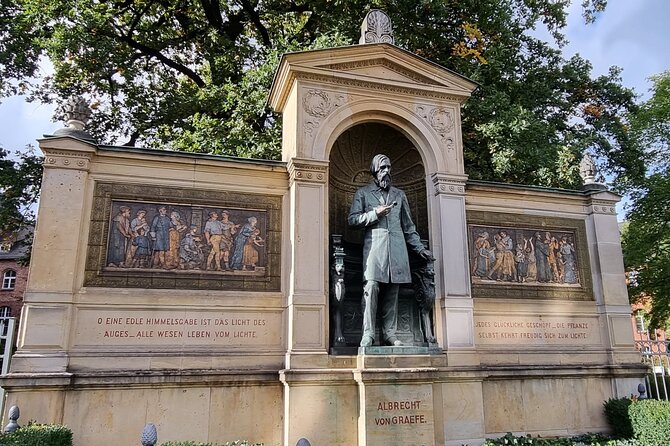
The monument to Albrecht von Graefe introduces another major medical figure. He was a groundbreaking ophthalmologist, and his monument was the first in Berlin dedicated to a scientist.
That fact gives this stop two stories in one. You hear about von Graefe’s work in eye medicine, but you also learn how Berlin began publicly honoring scientists. Monuments reveal what a city chooses to remember, and this one marks a shift in the status of medical research.
The stop broadens the tour beyond infectious disease and public health. By including ophthalmology, the walk shows that Charité’s importance was spread across several medical fields.
As with the other monuments, this is an outdoor explanation rather than a visit to a working medical facility. The value comes from the guide’s ability to connect the statue, the scientist, and the changing role of medicine in Berlin.
Charité Campus Mitte: beauty beside difficult memory
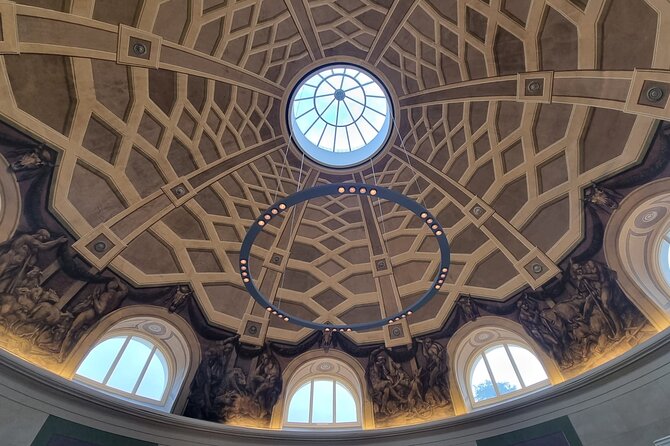
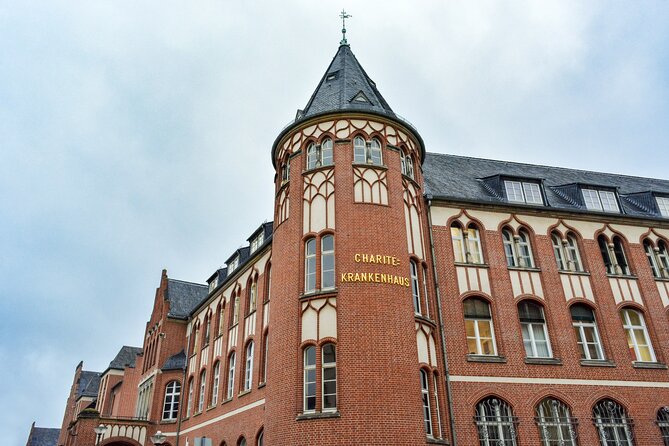
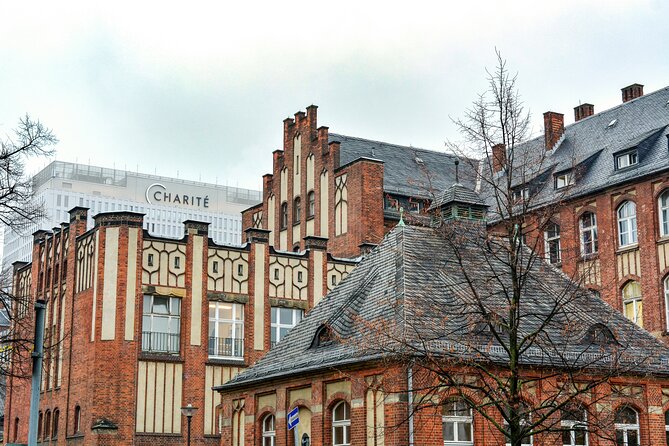
The Charité Campus Mitte is likely to be the most visually memorable section of the walk. The campus has a neogothic red-brick character, giving the route a strong sense of place even though you do not enter buildings used for clinical or university operations.
The history here is more troubling. You learn how some doctors abused medicine during the Third Reich, while others continued helping people without discrimination until the final days of World War II.
This is exactly the kind of subject that benefits from a guide. A plaque or building façade cannot explain the moral choices made inside an institution during dictatorship. The tour places the hospital in that larger period and shows that medical workers did not all respond in the same way.
You should expect a serious tone at this stop. The subject is not treated as a decorative footnote to Berlin’s past. It asks you to consider how professional authority can be misused, and how individual decisions still matter under a brutal government.
The red-brick architecture provides a striking setting, but the real reason to pay attention is the contrast between the institution’s scientific reputation and the harm carried out in the name of medicine. That tension gives the walk more substance than a simple parade of famous doctors.
Humboldthafen and the Cold War chapter
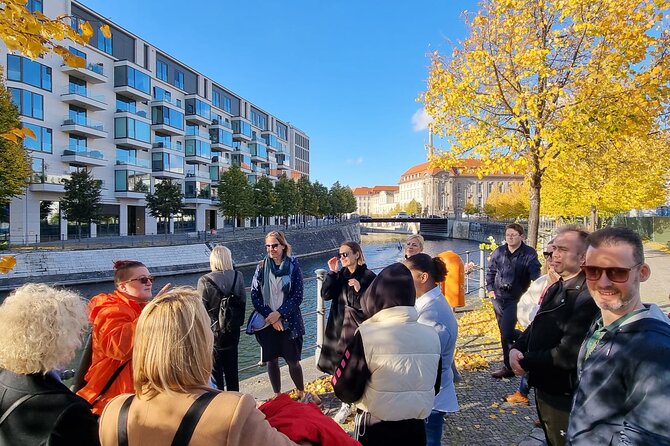
The final stop takes you to the area by the Humboldthafen canal, near Alexanderufer. The tour ends about a 10-minute walk from Berlin Central Station, which is useful if you plan to continue sightseeing or catch a train afterward.
Here the focus moves into the socialist era and the period after the Berlin Wall fell. Just outside the Charité campus, several East Berliners attempted to escape to the West by swimming across the city canal.
This is a powerful change of scale. The earlier stops focus on scientific ideas and institutional history. The canal brings the story back to ordinary people making dangerous choices under political pressure.
You also hear about life in the hospital during the socialist era and after reunification. The supplied details do not promise a detailed account of every decade, so expect an overview rather than a full study of East German medicine. Still, this final chapter helps show that Charité’s story did not end with the Second World War.
Ending by the canal is practical as well as meaningful. The route finishes in a central area, close to the main station, rather than returning you to the starting point. Plan your onward route before the walk begins, especially if you need to collect luggage or meet a train.
What the $30.12 price really covers
The price is $30.12 per person. All fees and taxes are included, as is the guide. The listed stops do not require admission charges, so you are mainly paying for interpretation, route planning, and the chance to connect scattered sites into one coherent story.
That can be good value if you would otherwise walk past the monuments and campus without understanding them. The tour covers infectious disease, veterinary medicine, pathology, ophthalmology, Nazi-era medicine, socialism, and Cold War escape attempts in two hours. A guide gives those subjects an order and a human connection.
It is less attractive if you want entry to historic interiors. No visits are included to buildings where clinical or university operations take place. You are paying for an outdoor walking experience, not access to hospital wards, laboratories, or academic rooms.
The current rating is 5 out of 5 from 26 ratings, with 100 percent recommending the experience. One especially useful comment praises the guide’s strong storytelling and the way the walk links medical history with current issues. That is the quality to look for here: clear stories, not a string of difficult names.
Timing, meeting point, and practical comfort
The walk lasts approximately two hours and is offered in English. Since the tour is outdoors and requires movement between six locations, wear comfortable shoes and dress for the weather.
The starting point is Robert-Koch-Platz, 10115 Berlin. The ending point is Alexanderufer, 10117 Berlin, by the Humboldthafen canal. You will not finish where you began, so check the route to your next destination before setting out.
The tour is near public transportation, and most people can participate. Service animals are allowed. The maximum group size is 15, which should help keep the guide’s explanations audible and make it easier to ask a question.
Confirmation is provided at booking. Free cancellation is available up to 24 hours before the start time for a full refund. Changes or cancellations within 24 hours are not accepted for a refund, and the walk requires good weather. If poor weather causes cancellation, you are offered another date or a full refund.
Who will get the most from this Charité walk?
I would choose this tour if you have an interest in science, public health, ethics, or Berlin’s political past. It also works well for anyone who has already seen the major central Berlin sights and wants a more specialized subject.
The experience suits you if you prefer a short guided walk to a large museum visit. The route is compact, the group is limited, and the six stops give you a clear introduction without taking over your day.
It may not suit you if you want an indoor hospital tour, a hands-on medical exhibition, or a long academic treatment of each scientist. The pace is necessarily brisk, with about 20 minutes per stop.
Families with older children may find the variety helpful, but the Nazi-era abuses and Cold War escape stories require a willingness to discuss serious subjects. The walk is not just about impressive discoveries. It asks you to think about responsibility.
Should you book it?
Book this Charité Hospital Walking Tour if you want to understand how Berlin’s medical institutions connect with science, dictatorship, socialism, and everyday life. At $30.12, it offers solid value for a focused two-hour route, especially with a small group and an English-speaking guide.
Skip it if your priority is entering hospital buildings or seeing working medical collections. The best reason to book is the storytelling: Robert Koch’s discoveries, Virchow’s social medicine, von Graefe’s eye research, wartime choices, and canal escapes all become part of one walk through Berlin.
FAQ
How long does the Charité Hospital Walking Tour last?
The tour lasts approximately two hours.
What language is the tour offered in?
The tour is offered in English.
How much does the tour cost?
The listed price is $30.12 per person.
Where does the tour begin?
The tour begins at Robert-Koch-Platz, 10115 Berlin, Germany.
Where does the tour end?
The tour ends at Alexanderufer, 10117 Berlin, by the Humboldthafen canal. It is about a 10-minute walk from Berlin Central Station.
How many stops are included?
The route includes six stops: Robert Koch’s monument, the Tieranatomisches Theater, Rudolf Virchow’s monument, Albrecht von Graefe’s monument, Charité Campus Mitte, and the Humboldthafen area.
Are admission fees included?
All fees and taxes are included. The tour does not include visits to buildings where clinical or university operations take place.
How large is the group?
The tour has a maximum of 15 travelers.
Can I cancel for a full refund?
Yes. You can cancel at least 24 hours before the start time for a full refund. If poor weather cancels the experience, you are offered another date or a full refund.
Newest Berlin reviews
- Where It All Began: Berlin’s Queer & Trans History Tour★ 4.9 · 6 reviews
- Understanding Kreuzberg: The roots of local (sub)culture★ 4.9 · 11 reviews
- Berlin: guided canoe | kayaktour★ 4.1 · 7 reviews
- Private Potsdam City Tour in an authentic vintage van★ 5.0 · 14 reviews
- Warnemünde Shore Excursion: Private Sachsenhausen and Berlin Tour★ 5.0 · 12 reviews
- Ultimate E-Bike Tour of Berlin with Beer Garden Stop★ 5.0 · 4 reviews
- In the Forbidden City – Potsdam Walking Tour★ 5.0 · 17 reviews
- Private Walking Tour of Potsdam and Sanssouci★ 5.0 · 24 reviews
Historical Tours, compared.


Berlin Private Complete History All Day Walking Tour
Read our review →



Small group Potsdam: A Journey Through History and Palaces
Read our review →Browse the lists this tour appears in