
Reviewed · BERLIN THIRD REICH TOURS
Nazi Berlin and the Jewish Community Tour
Berlin’s hardest history is spread across ordinary streets, train routes, damaged buildings, and small memorials rather than one single museum. This three-hour tour connects those pieces, moving from Hitler’s rise and Nazi control to German resistance, Jewish life, deportation, and the rescue work of Otto Weidt. The route makes the city’s history feel connected, not boxed into separate exhibits.
I like two things here. First, the tour includes less familiar subjects, such as Varian Fry’s escape network and Operation T4, the Nazi program that targeted disabled people. Second, it ends at the Otto Weidt Workshop for the Blind, where the story becomes personal and human. The main consideration is pace: you cover several districts by public transport in three hours, so this is a focused introduction rather than a slow museum day.
- Operation T4 headquarters: Learn where the SS planned the sterilization and murder of tens of thousands of disabled people.
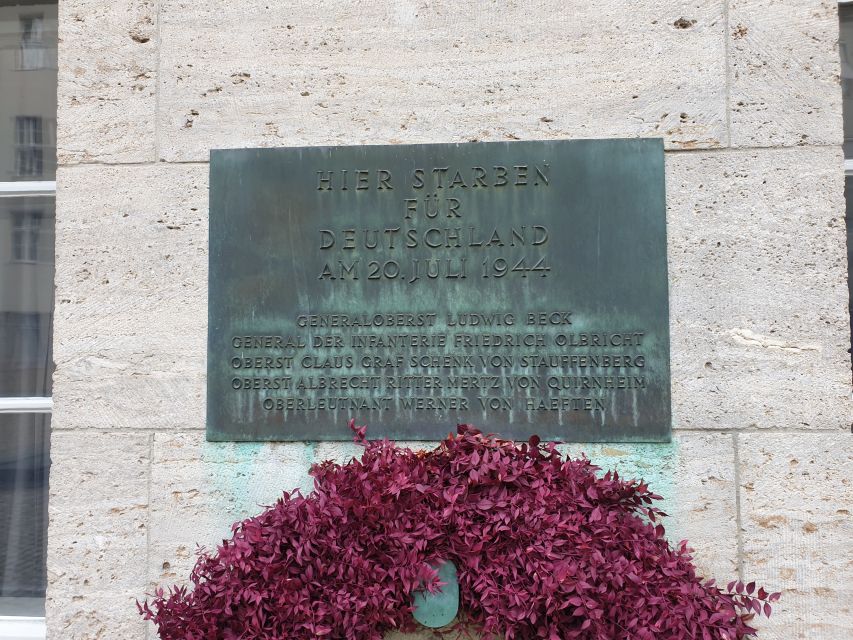
- German Resistance Memorial: Visit the site linked to Operation Valkyrie and the July 1944 attempt to remove Hitler.
- Varian Fry memorial: Hear how the American journalist helped more than 3,000 persecuted people escape Nazi-occupied Europe.
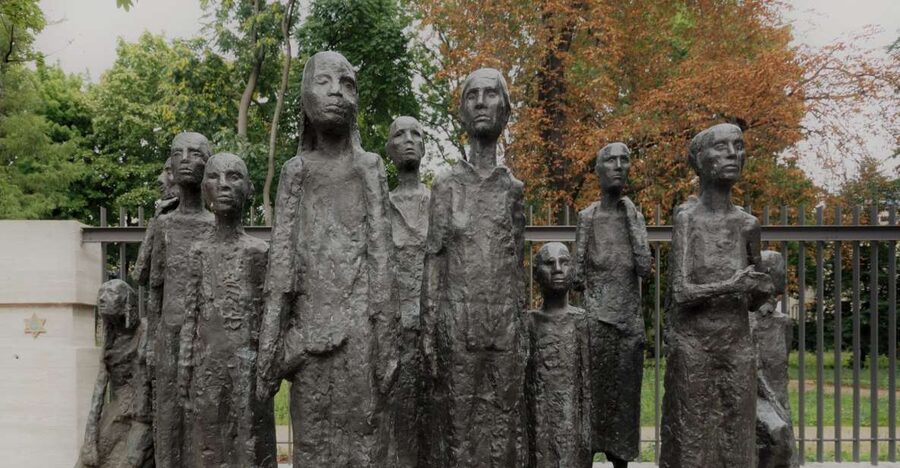
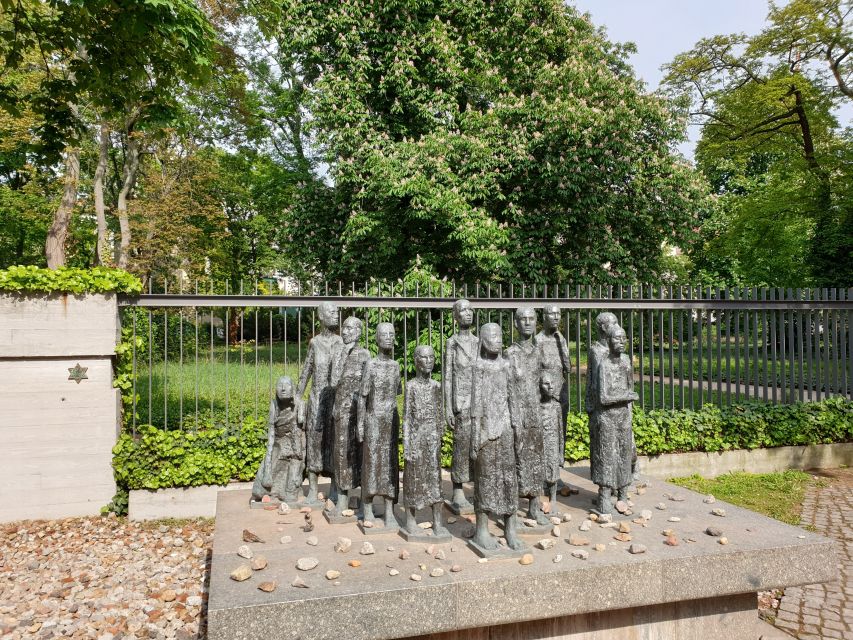
- Jewish Berlin: See the New Synagogue, the oldest Jewish cemetery, and traces of the community before deportation.
- Otto Weidt’s workshop: Finish with the story of a man who protected Jewish workers and hid some of them.
- Practical format: The tour costs $27 per person, lasts three hours, and requires an AB public transport ticket.
Why This Three-Hour Route Matters
I find this tour useful because it refuses to tell Nazi Berlin as one simple story. You learn about dictatorship, but also about the systems that made persecution possible, the people who resisted, and the individuals who tried to protect others.
The route also links two periods that are often treated separately. The first half focuses on Nazi rule, war, resistance, and surrender. The second half turns toward Berlin’s Jewish community, showing what existed before the Nazis and what was destroyed through forced labor and deportation.
That change in focus matters. The Jewish community was not created or defined by the Nazi period. The New Synagogue and the cemetery point to a much longer presence in Berlin, while the deportation story shows how quickly a settled community was stripped of rights and then removed.
The tour is offered in French or Italian. If Lorenzo is your guide, you can expect a serious, well-prepared presentation with an engaging manner. The supplied feedback specifically praises him as a professional who makes the subject accessible without losing its weight.
Hitler’s Rise and the Machinery of Dictatorship
The tour begins with the political conditions that allowed Hitler to take power in 1933. The important point is that dictatorship did not appear by magic. Your guide explains how Nazi rule became possible and how authority was organized through institutions, threats, and obedience.
This opening gives you a framework for the rest of the route. Instead of seeing wartime ruins as isolated sights, you can connect them to the government system that produced persecution and war.
You also hear about the command center of Operation T4. This is one of the tour’s most important subjects because it shows that Nazi mass murder was not limited to the battlefield or to concentration camps. The program involved the planned sterilization and killing of tens of thousands of disabled citizens.
The location is especially useful as a stop because it explains how paperwork, medical language, and state offices were used to carry out violence. You are not simply hearing that crimes happened. You are shown how a modern government organized them.
More Jewish history tours in Berlin:
- Path of Resistance: Berlin’s Hidden Holocaust Stories
★ 5.0 · 33 reviews - Private Tour: Jewish Heritage Walking Tour of Berlin
★ 5.0 · 29 reviews - Jewish Berlin: Walking tour The Old Jewish Quarter (private 3 Hours tour)
★ 5.0 · 27 reviews
German Resistance at the Memorial
The German Resistance Memorial is another major stop, with about 20 minutes of guided attention. It is tied to Operation Valkyrie, the plan to use Germany’s reserve army to remove Hitler from power.
The memorial honors Germans who opposed and fought against Nazism. That broader purpose is important. Resistance was not limited to one failed plot, and the story is not only about famous military officers. The site gives you a chance to consider the many forms opposition could take under a dictatorship.
You should expect a serious stop rather than a long museum visit. The 20-minute timing means your guide will focus on the main people and events. If you want every detail of the resistance story, you will need a separate visit later. For a short walking and transport tour, this is a sensible introduction.
The route also passes historic buildings that still show scars from World War II combat. These traces help you picture the final period of the war and the events leading to Germany’s surrender in May 1945. Berlin’s surviving damage can be visually striking, but the guide’s explanation is what gives it meaning.
Varian Fry and the Human Side of Escape
One of the less expected subjects is Varian Fry, the American journalist who helped more than 3,000 persecuted people escape Nazi-occupied Europe. His escape network included major cultural figures such as painter Marc Chagall, philosopher Hannah Arendt, and writer Heinrich Mann.
This stop broadens the story beyond German institutions. You see that escape depended on people who were willing to take risks, create routes, find documents, and move those under threat. It also reminds you that the people being persecuted were not anonymous figures. They were artists, writers, thinkers, workers, neighbors, and families.
The Varian Fry memorial is not presented as a grand attraction. That is part of its value. Berlin often asks you to notice small markers and understand their connection to a much larger story.
Anhalter Bahnhof and the Journey Through the City
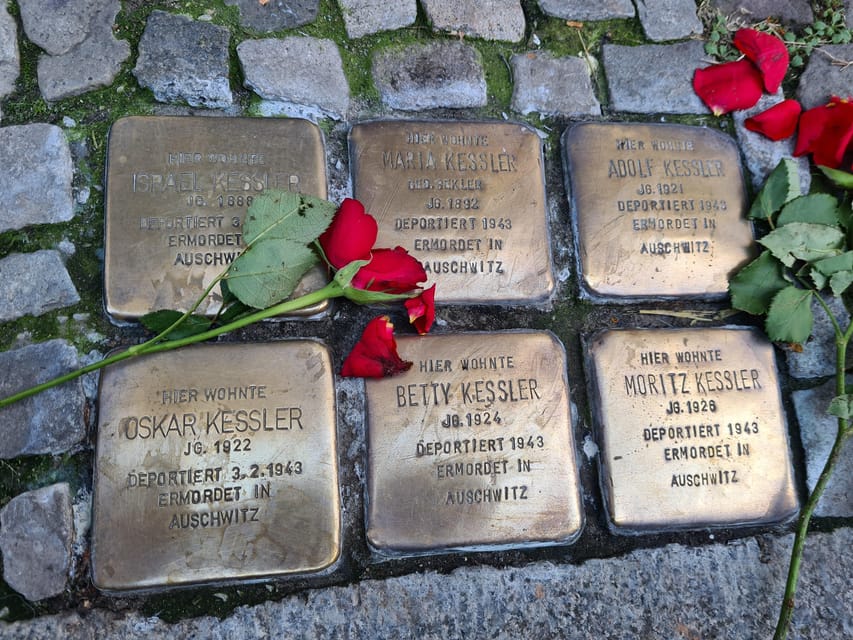
Anhalter Bahnhof is included as a guided stop of about 10 minutes. The tour then uses public transport to reach the Jewish district, with the transport portions taking about 10 minutes each in the listed schedule.
You should bring a valid AB all-day ticket. It is not included in the $27 tour price, so add that cost before comparing the experience with other Berlin activities. Using public transport is practical here because the route covers different parts of the city. It also lets you experience Berlin as a connected historical setting rather than as a series of attractions beside one another.
The schedule is fairly tight. A short stop, a transport connection, and another guided explanation follow one another. Wear comfortable shoes and keep your belongings easy to manage. You will want to listen while moving, not spend time sorting out tickets or bags.
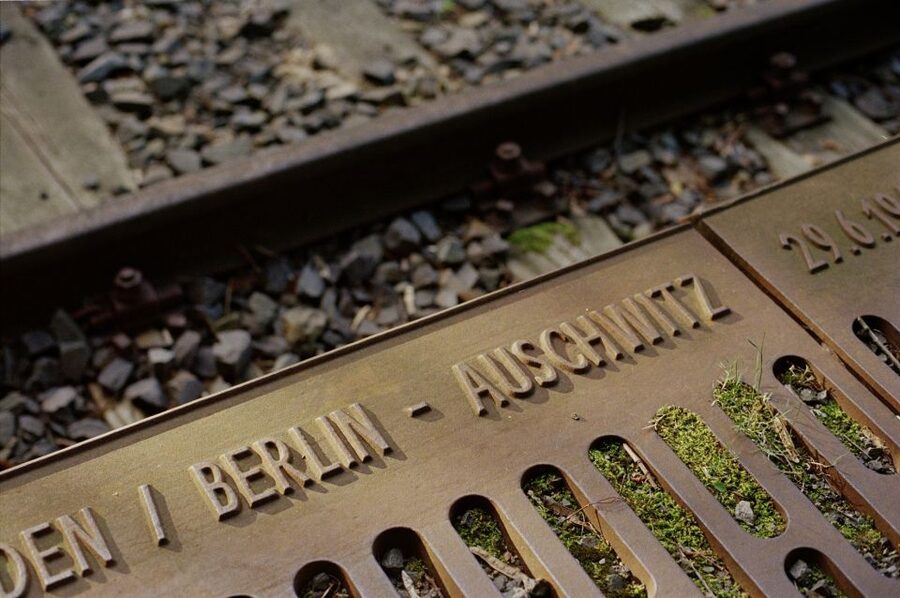
Anhalter Bahnhof also fits the tour’s wider theme. Transport was central to the Nazi system of deportation, while railway stations and damaged infrastructure help explain the physical scale of wartime Berlin. Your guide supplies the link between the place and the historical events.
More Third Reich history tours in Berlin:
- Berlin: Third Reich and Cold War 2 Hour Walking Tour
★ 4.9 · 6,830 reviews - Berlin’s Best: 2 Hour Walking Tour Third Reich and the Cold War
★ 5.0 · 5,486 reviews - Third Reich Berlin: Hitler and WWII Walking Tour
★ 5.0 · 3,301 reviews - Berlin: Third Reich, Hitler, and WWII Walking Tour
★ 4.9 · 1,133 reviews
Berlin’s Jewish Community Before Deportation
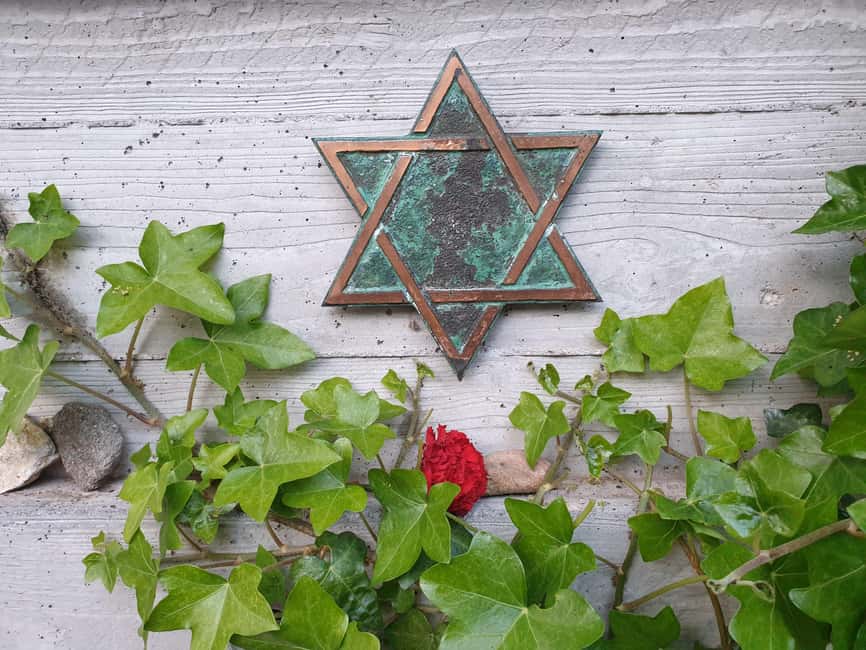
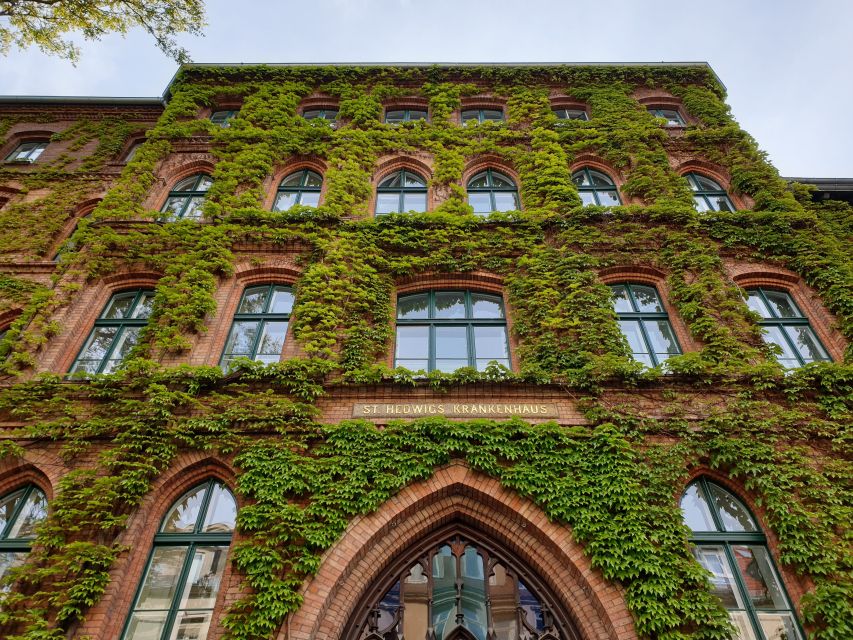
The second half of the tour takes you into the historic district of the Jewish community. Here you see the oldest Jewish cemetery and the New Synagogue, whose golden dome is one of the city’s most recognizable religious landmarks.
The New Synagogue dates from the 19th century. It is worth seeing not just for its architecture, but because it points to the size, confidence, and long presence of Jewish life in Berlin before Nazi rule.
This part of the route corrects a common mistake in Holocaust history: beginning the story only when persecution starts. Your guide explains the longer relationship between Jewish residents and Christian Berliners, then shows how Nazi policy changed daily life through exclusion, forced labor, and deportation.
The tour does not treat the Jewish community as a vanished footnote. The cemetery, synagogue, and district help you understand that Jewish Berlin was an established part of the city. The Nazi destruction was not the removal of an outsider population. It was the attack on neighbors and citizens who had lived in Berlin for generations.
The New Synagogue stop is listed at about 15 minutes, followed by another 20-minute guided section. That gives your guide enough time to explain the main sites, but not enough for a full architectural or religious tour. If the synagogue is a priority for you, check what is open separately on another day.
Forced Labor, Deportation, and Personal Choices
The tour explains the mechanisms of forced labor and the deportation of Berlin’s Jews during World War II. This is where the route becomes especially useful for understanding how persecution moved from laws and public pressure into daily control.
Forced labor was not an abstract policy. It shaped where people could work, how they were treated, and how the state controlled their movement. Deportation then turned that control into removal from the city.
A guide can make these systems easier to follow because the details are spread across different places. You move from religious and community sites to the institutions and routes that helped the Nazis control people. The result is a clearer picture of how discrimination became organized persecution.
This material is difficult. The tour deals with murder, forced labor, disability persecution, deportation, and wartime destruction. You should choose it because you want a serious historical experience, not a light sightseeing outing.
Otto Weidt’s Workshop for the Blind
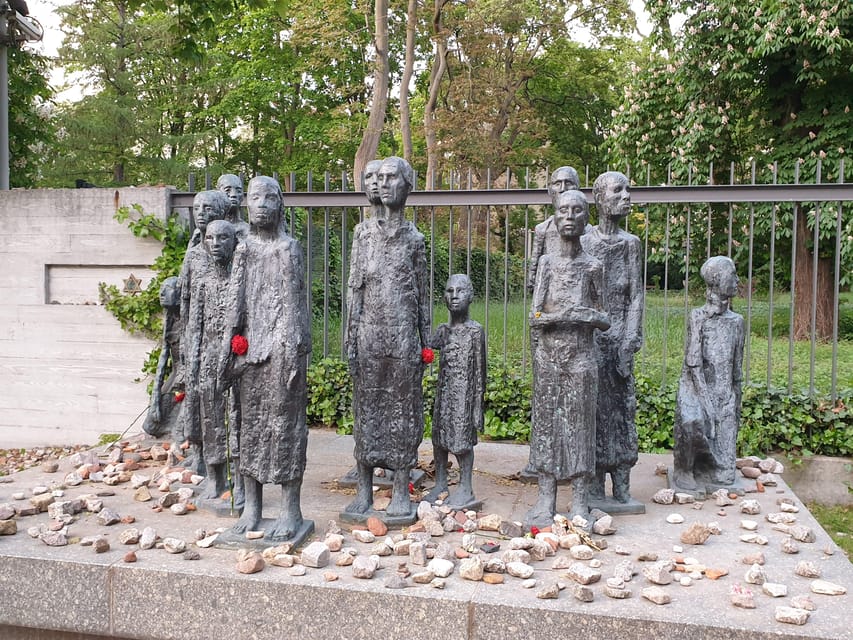
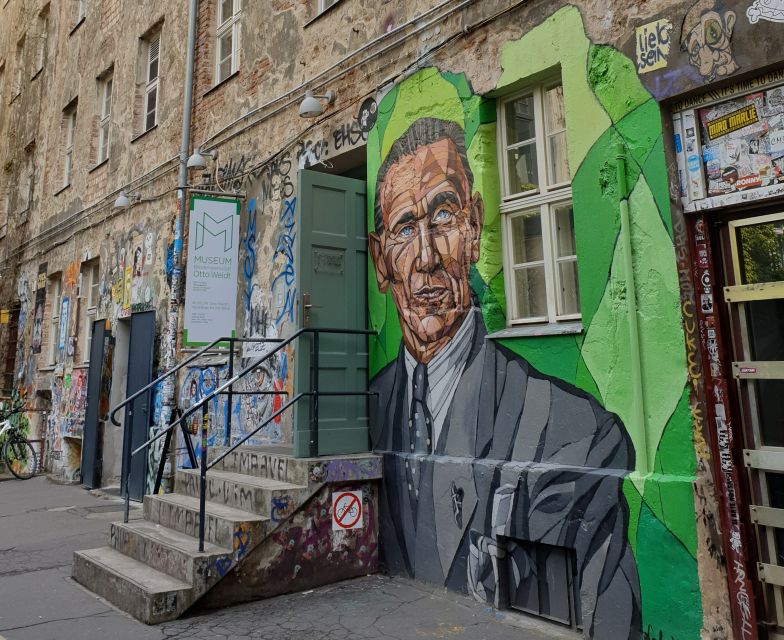
The final stop is the Museum Blindenwerkstatt Otto Weidt, also called the Otto Weidt Workshop for the Blind. The guided visit lasts about 15 minutes, though the museum itself offers a subject that can hold your attention longer if you return independently.
Otto Weidt was recognized as a Righteous Among the Nations for protecting his Jewish workers from persecution and deportation. As the danger increased, he found hiding places for some of them. One hiding place was located on the premises that now contain the museum.
I like ending here because the story narrows from government policy to personal decisions. You see how one person used his workplace and limited room to help people under threat. It does not erase the scale of Nazi crimes, but it shows that individual choices still mattered.
The museum also gives the tour a human finish. After hearing about offices, commands, transport, and mass persecution, you end with a workplace and the people connected to it. That change can make the earlier material easier to process.
The stop is short, so listen closely. If this story interests you most, consider returning when you have more time. The guided route gives you the essential context, while a separate visit would allow a slower look at the museum.
Price, Pace, and Practical Value
At $27 per person, this is a good-value introduction to several difficult parts of Berlin’s history. The price includes the guide but not the AB public transport ticket. You are paying for interpretation and route planning, not admission to a long list of major museums.
I would compare this price with the value of your time. In three hours, you cover Nazi political history, Operation T4, German resistance, wartime damage, Jewish Berlin, deportation, and Otto Weidt’s rescue work. Doing that alone would require planning several locations and working out the transport between them.
The tradeoff is depth. Each stop receives a short explanation, often 10 to 20 minutes. You will get a strong framework, but you will not study every memorial or museum in detail.
The tour is wheelchair accessible, which is useful given the use of public transport and several different sites. Still, confirm the meeting point for your selected option and keep the AB ticket requirement in mind. The starting location may vary, while the activity ends back at the meeting point.
Free cancellation is available up to 24 hours in advance, and you can reserve while paying later. Those policies help if your Berlin schedule is still changing.
Who Should Book This Tour?
I would choose this tour if you want Berlin history explained in French or Italian and prefer a guide to connect sites across the city. It suits first-time visitors who want a serious orientation before visiting museums on their own.
It is also a strong choice if you want more than the usual Nazi-era landmarks. The inclusion of Varian Fry, Operation T4, the German Resistance Memorial, and Otto Weidt gives the route a wider moral and political range.
You may want another option if you need long museum visits, dislike public transport, or prefer to focus on architecture and general sightseeing. The subject matter is heavy, and the schedule leaves little room for lingering.
FAQ
How long does the Nazi Berlin and Jewish Community Tour last?
The tour lasts three hours. Starting times depend on availability and the option you book.
Which languages are available?
The live guide is available in French or Italian.
Is public transport included?
No. You need to bring an AB public transport ticket, and the ticket is not included in the tour price.
What places are included?
The route includes Nazi headquarters sites, the German Resistance Memorial, Anhalter Bahnhof, the New Synagogue, the historic Jewish district, the oldest Jewish cemetery, and the Otto Weidt Workshop for the Blind.
Is the tour wheelchair accessible?
Yes, the activity is listed as wheelchair accessible.
Can I cancel for a full refund?
Yes. You can cancel up to 24 hours in advance for a full refund. You can also reserve now and pay later.
Should You Book It?
Book this tour if you want a compact but serious explanation of how Nazi power, persecution, resistance, Jewish life, and rescue fit together in Berlin. The $27 price is fair for a three-hour guided route, especially when you consider the planning involved in reaching these sites yourself.
Go in with comfortable shoes, an AB ticket, and enough emotional energy for difficult material. If Lorenzo is guiding, expect a professional and engaging presentation in Italian. Most important, do not treat this as a quick checklist of monuments. The value is in the connections your guide draws between them.
Newest Berlin reviews
- Where It All Began: Berlin’s Queer & Trans History Tour★ 4.9 · 6 reviews
- Understanding Kreuzberg: The roots of local (sub)culture★ 4.9 · 11 reviews
- Berlin: guided canoe | kayaktour★ 4.1 · 7 reviews
- Private Potsdam City Tour in an authentic vintage van★ 5.0 · 14 reviews
- Warnemünde Shore Excursion: Private Sachsenhausen and Berlin Tour★ 5.0 · 12 reviews
- Ultimate E-Bike Tour of Berlin with Beer Garden Stop★ 5.0 · 4 reviews
- In the Forbidden City – Potsdam Walking Tour★ 5.0 · 17 reviews
- Private Walking Tour of Potsdam and Sanssouci★ 5.0 · 24 reviews
Berlin Third Reich Tours, compared.

Berlin’s Best: 2 Hour Walking Tour Third Reich and the Cold War
Read our review →
Third Reich Berlin: Hitler and WWII Walking Tour
Read our review →

Berlin Third Reich Sites: Half-Day Walking Tour
Read our review →
Guided Bike Tour of the Berlin Wall and Third Reich
Read our review →
Hitler’s Germany: Berlin During the Third Reich & WWII
Read our review →
Private Walking Tour Berlin Third Reich Hitler and World War II
Read our review →Browse the lists this tour appears in