
Reviewed · QUEER BERLIN TOURS
Queer Berlin Tour: Birthplace of LGBTQ+ Movements
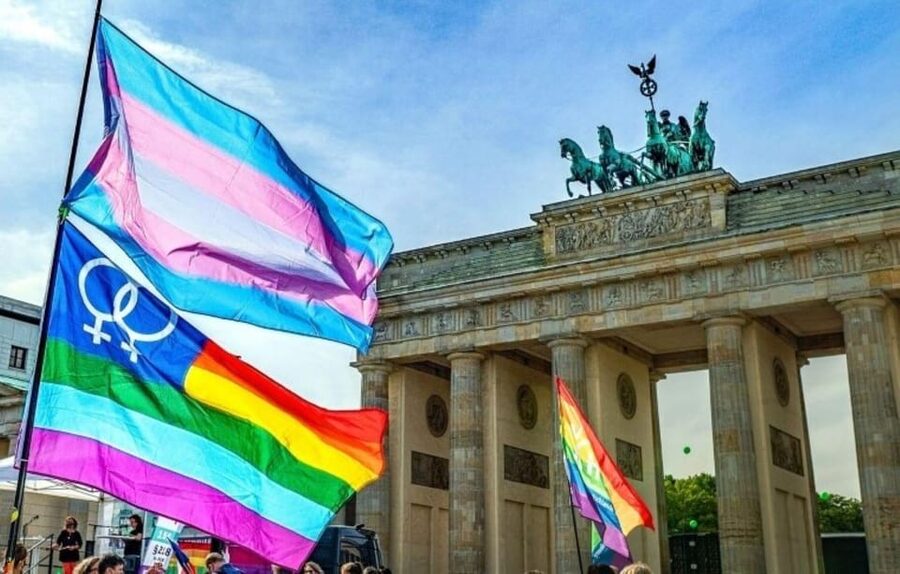
Berlin’s queer story is not tucked into one museum. It runs through Schöneberg’s bars, Weimar cabarets, Nazi persecution, Cold War East Berlin, and the city’s modern streets. This three-hour walk connects those pieces, with stops linked to Magnus Hirschfeld, Christopher Isherwood, Marlene Dietrich, David Bowie, and Romy Haag.
I especially like the small-group format and the way guides such as Dan and Justin use personal perspective, music, photographs, and sharp storytelling. I also like that the route goes beyond famous sights to former clubs, a rent-boy dive, and the site of Hirschfeld’s Institute for Sexual Science. The main drawback is simple: this is a fairly long city walk, and metro fares are not included.
Key points to know before you book
- Magnus Hirschfeld’s former institute: Learn about the doctor and activist who helped shape early gay rights work and research into sexuality.
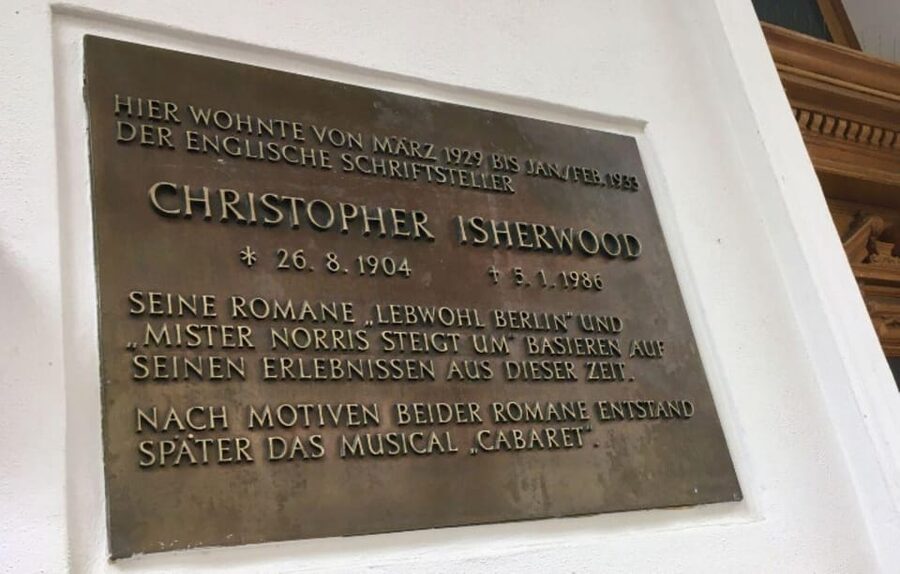
- Schöneberg’s cabaret past: See places tied to El Dorado, Christopher Isherwood, Marlene Dietrich, and Berlin’s Weimar-era nightlife.
- A personal guide makes the difference: Dan and Justin have led especially engaging versions of the tour, with music, images, humor, and lived experience.
- The route crosses several eras: The walk moves from early emancipation efforts to Nazi persecution, postwar club culture, Bowie’s Berlin, and Cold War East Berlin.
- Walking and public transport matter: Plan for three hours on foot, plus metro fare connected with the route.
- A strong choice for first-time queer Berlin visitors: You get major sights such as the Tiergarten and Alexanderplatz alongside less obvious local addresses.
Why this walk matters in Berlin
Berlin became an important center of LGBTQ+ life long before the city marketed itself as a nightlife capital. The tour shows you how that happened, but it also makes clear how fragile those gains were.
In the early 20th century, Berlin had doctors, artists, performers, activists, and club owners building spaces where queer people could meet openly. Schöneberg became known for its bars and clubs, including venues that welcomed gay men, lesbians, transgender people, and the wider cabaret crowd. This was not a simple story of freedom. Police pressure, social prejudice, and political danger were always close by.
The walk also brings the Nazi period into the picture without treating it as a footnote. The Institute for Sexual Science was closed in 1933, and its library was burned. Gay men were persecuted, imprisoned, and killed under the Nazi regime. The route connects that violence with the later rebirth of Schöneberg, reminding you that today’s freedoms came after a long break and a hard fight.
That mix is what gives the tour weight. You are not just looking at old buildings. You are learning why certain streets mattered, who used them, and how quickly a city’s attitude toward queer life could change.
More queer history tours in Berlin:
- Berlin: Gay Berlin Out in Schöneberg Walking Tour
★ 4.8 · 281 reviews - Berlin’s Gay, Lesbian, and Queer Scene Small-Group Walking Tour
★ 4.5 · 66 reviews - Queer Berlin Walking Tour
★ 4.7 · 64 reviews
Starting around Nollendorfplatz and Schöneberg
Nollendorfplatz is a fitting place to begin. Schöneberg was Berlin’s best-known queer district, and the area still carries that association. The tour uses the neighborhood as a starting point for stories about bars, clubs, artists, and the people who made Berlin a center of queer culture.
The phrase world’s first gay ghetto is used for Schöneberg in the tour description. It refers to the concentration of queer social life in this part of the city, not to a sealed or legally defined district. That distinction matters. Schöneberg was a neighborhood where queer people found community and nightlife, but it was also part of a wider city and never free from danger.
You will hear about legendary lesbian bars as well as male-oriented clubs. That wider scope is important because many popular accounts of Berlin’s queer past focus too heavily on gay men and cabaret. The route aims to show more than one kind of queer life, even though the most detailed stories center on the famous clubs and personalities of the 1920s, 1930s, and later decades.
The exact pickup point depends on the option you choose, so check your booking details before setting out. Since this is a walking tour, comfortable shoes are a sensible choice.
Hirschfeld, science, and the first emancipation movement
One of the most meaningful stops is the site associated with Magnus Hirschfeld’s Institute for Sexual Science. Hirschfeld was a doctor, sex researcher, and early gay rights activist. He coined the term transsexualism and helped create a place where sexuality and gender could be studied with more care than was common at the time.
The institute also offered practical support and advocacy. Its work challenged the idea that queer people should be treated simply as criminals or moral failures. The tour explains this in the setting where the institute once operated, which gives the story more force than a short biography in a museum label.
Hirschfeld also co-authored Anders als die Andern, or Different from the Others, in 1919. The film is described as the first pro-gay film in the world. Its purpose was not just entertainment. It pushed back against laws and attitudes that harmed gay men, and it used cinema to make a public argument for tolerance.
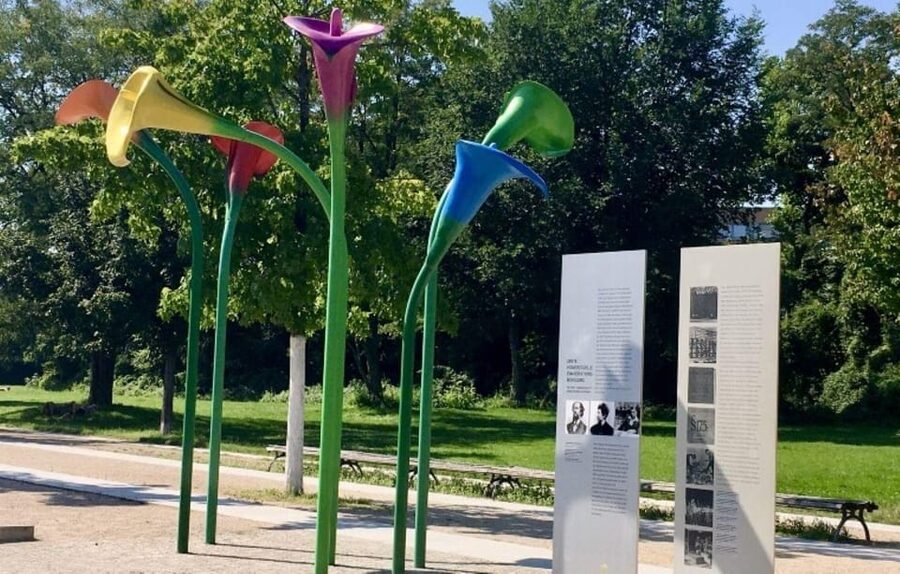
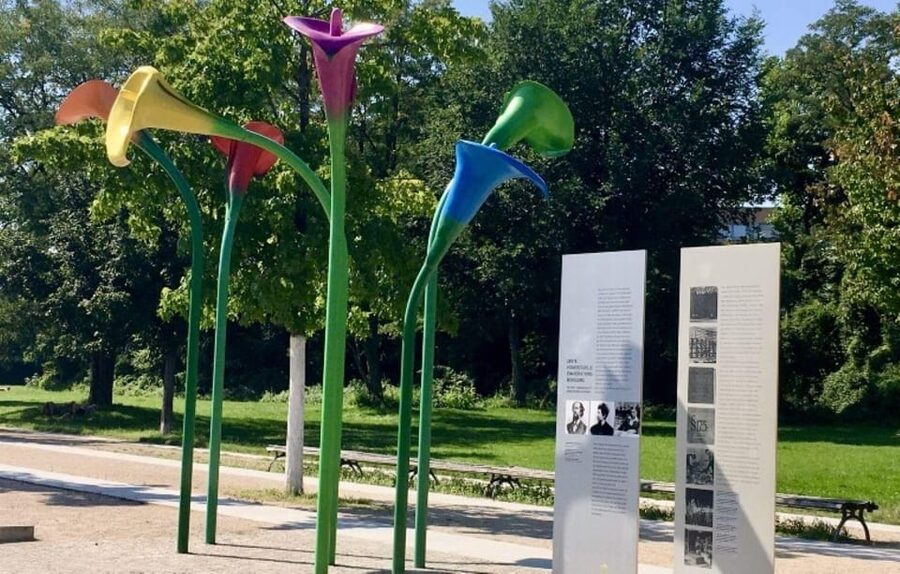
You will also visit the colorful Memorial to the First Homosexual Emancipation Movement. This stop gives you a chance to think about the scale of Hirschfeld’s work and the people who came before today’s LGBTQ+ organizations. I like this part of the tour because it joins science, politics, art, and activism instead of treating them as separate subjects.
The hard turn comes in 1933, when the Nazis closed the institute and burned its library. The loss was both physical and intellectual. Books, records, and research disappeared, and the people who relied on the institute faced a much more dangerous city.
From Christopher Isherwood to El Dorado
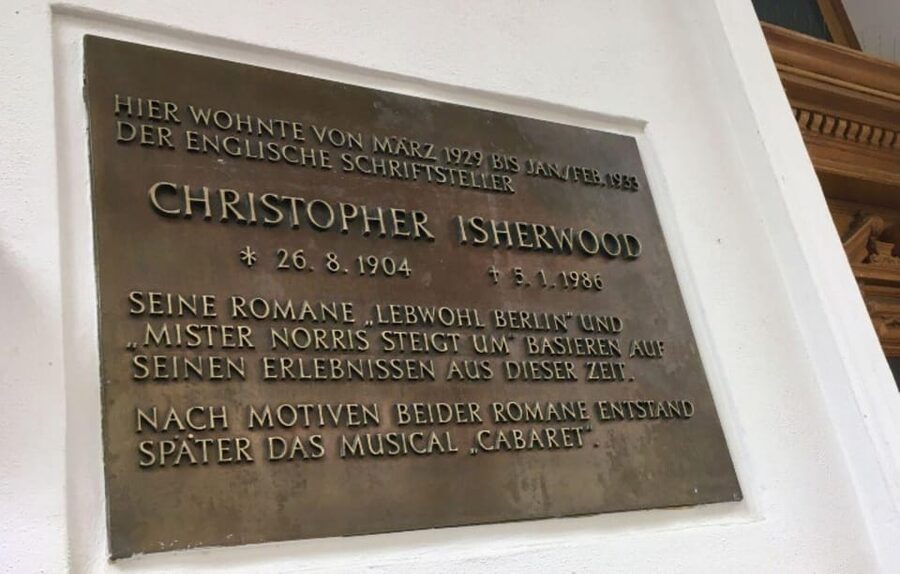
Schöneberg’s nightlife stories give the walk its theatrical side. You will see the former flat of Christopher Isherwood, the British writer whose experiences in Weimar Berlin helped inspire the musical Cabaret.
The point is not to pretend that Isherwood’s life was a complete picture of Berlin. His writing filtered the city through his own experience, and the musical later shaped that material for a much wider audience. Still, his former home provides a useful doorway into the clubs, apartments, and friendships that made 1920s Berlin so compelling to outsiders.
The route passes former nightclubs and a rent-boy dive that remains gay-run. That kind of stop helps you understand how queer life was not limited to grand cabarets. Some spaces were glamorous, while others were rough, discreet, or commercial. You get a more ordinary picture of the neighborhood, not just the famous names.
Outside the former El Dorado Cabaret, you will hear about one of Berlin’s best-known nightlife venues. Marlene Dietrich performed there, and the club attracted figures from very different corners of society. One notable regular was Ernst Röhm, the openly gay head of the Nazi Sturmabteilung, also known as the Brown Shirts.
Röhm’s story is uncomfortable and useful. His position did not protect him from the Nazi leadership’s political calculations. He was executed during the Night of the Long Knives in 1934, a purge also described as a moral purge. The tour uses his life to show that Nazi persecution was not a simple story of a uniformly hidden or uniformly accepted queer population. Power, politics, class, and personal relationships all affected who was exposed and who was targeted.
A different sort of day out in Berlin:
- Berlin: Reichstag, Dome and Government District Guided Tour
★ 4.7 · 18,288 reviews - Berlin: 1-Hour City Tour by Boat with Guaranteed Seating
★ 4.3 · 16,993 reviews - Berlin: Boat Tour Along the River Spree
★ 4.4 · 11,252 reviews - Discover Berlin Half-Day Walking Tour
★ 5.0 · 9,624 reviews
The Tiergarten memorial and Nazi persecution
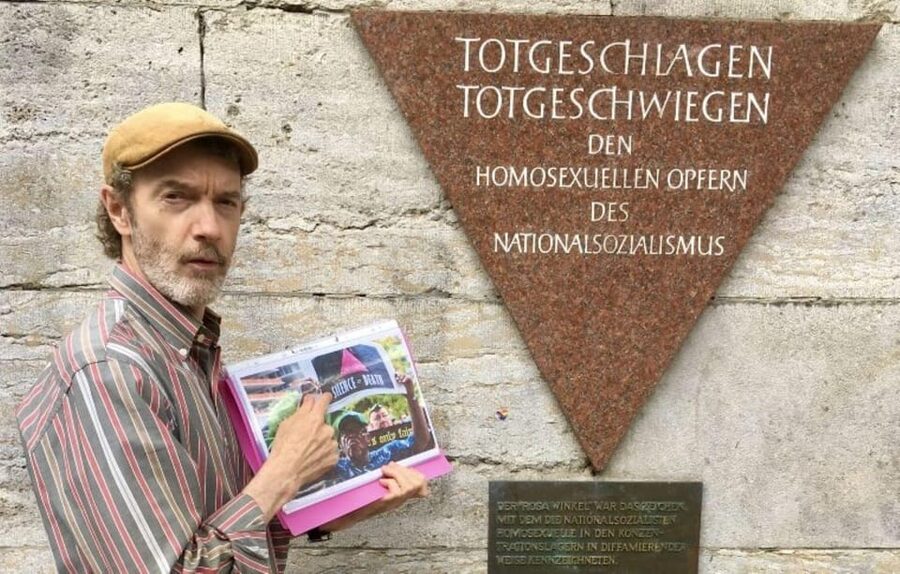
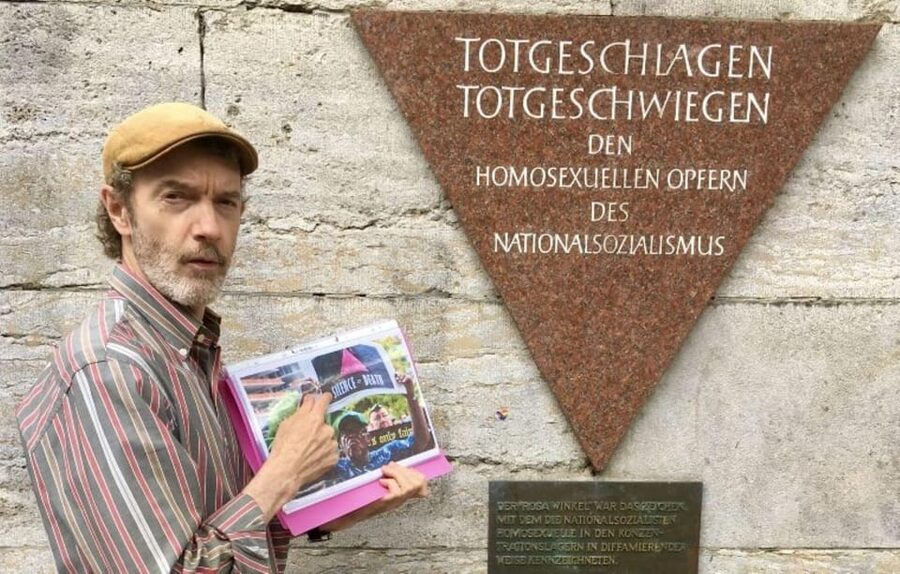
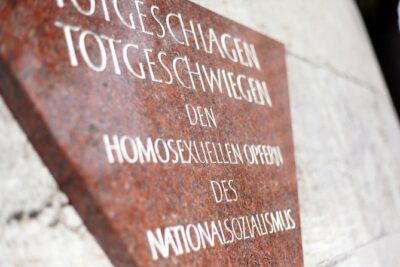
The Memorial to Homosexuals Persecuted Under Nazism in the Tiergarten adds a quieter moment to the route. Its location near Berlin’s major monuments makes an important point: queer history is part of the city’s central public story, not a side subject for a niche audience.
The memorial is colorful, but the subject is grave. You will learn about the persecution of gay men and the broader suffering of queer people under the Nazi regime. The supplied tour information specifically refers to the genocide of homosexuals, so expect direct treatment of this period rather than a softened version.
This section may be difficult, particularly after the lively stories about cabaret and club life. That contrast is intentional. Berlin’s queer culture did not simply fade away after the Weimar period. It was attacked, its institutions were destroyed, and many people were forced into silence or worse.
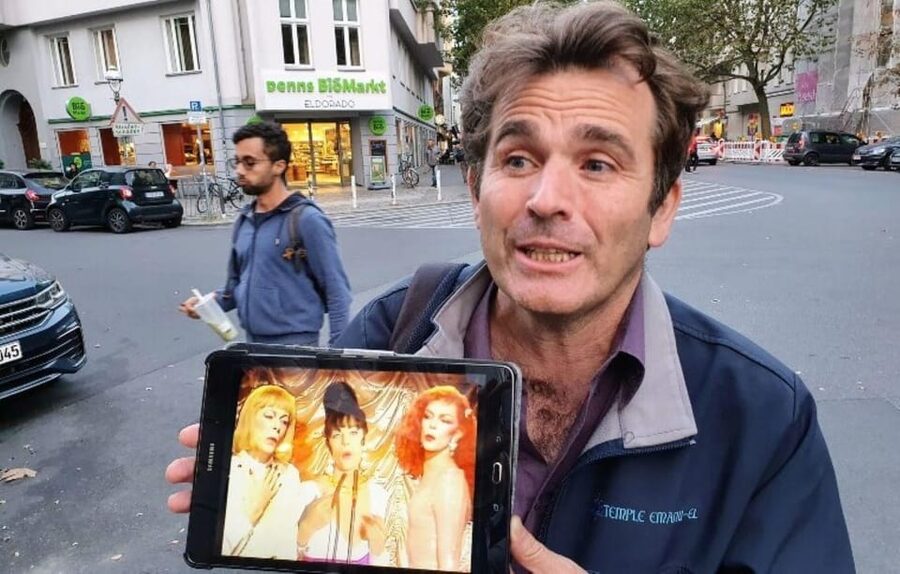
The tour does not appear to be built around entering museums or exhibitions. Instead, the guide makes the streets and memorials the classroom. That keeps the pace moving, but it also means the quality of the explanation matters greatly. Dan is described as using a lively soundtrack, images, and personal stories. Justin has been praised for combining detailed queer history with comparisons familiar to American visitors.
Postwar Schöneberg and Chez Romy Haag
After the war, Schöneberg became a gay center again, though the route does not present this rebirth as automatic. New clubs and performers helped rebuild queer nightlife, and the district developed a reputation that lasted into the 1970s and beyond.
A major stop in this part of the story is Chez Romy Haag. Romy Haag was a transgender actress, singer, and dancer whose nightclub became one of the defining queer venues of 1970s Berlin. The club also became part of David Bowie’s Berlin story. Haag and Bowie met there and began an affair, a relationship connected with Bowie’s song Heroes.
This is the sort of personal detail that makes a city walk memorable. You are not only hearing that Bowie lived in Berlin. You are seeing the nightclub world that surrounded him and learning about the people who helped shape that period.
The tour gives Romy Haag proper attention rather than using her only as a footnote to Bowie. That is a welcome choice. Berlin’s queer culture was created by performers, club owners, activists, and regulars, not just by internationally famous visitors.
Unter den Linden and Alexanderplatz
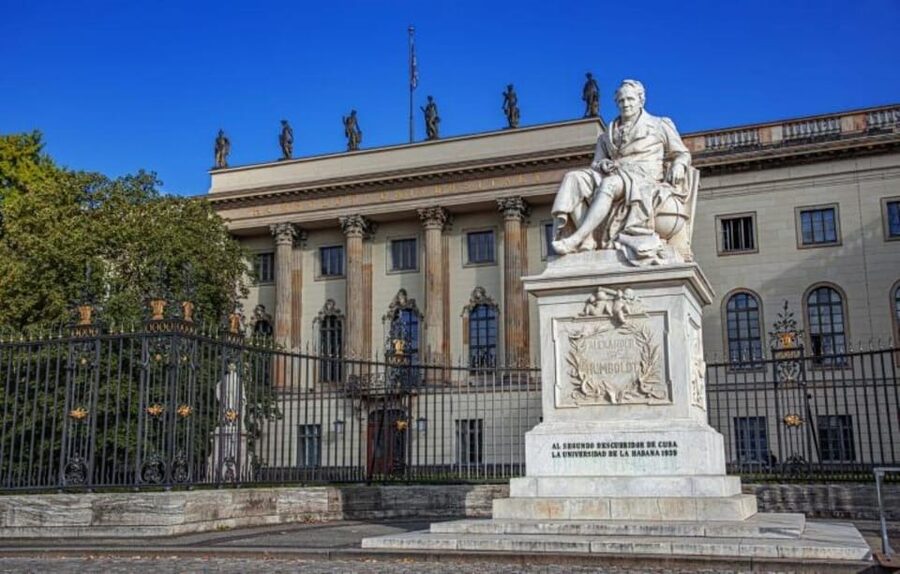
The route then broadens beyond Schöneberg. On Unter den Linden, you will hear about earlier gay Berliners including Frederick the Great, the Prussian king, and Alexander von Humboldt, the explorer and naturalist. The focus is on how they concealed or managed their sexuality in public life.
These stories widen the timeline. Berlin’s queer past did not begin with Weimar cabaret, and it did not end with the Nazi period. The tour places famous historical figures alongside the activists and performers you have already encountered.
The final major area is Alexanderplatz, the center of Cold War East Berlin. Here the subject shifts to the lives of gay men and lesbians behind the Iron Curtain. The experience does not treat East and West Berlin as identical. Political systems shaped queer life differently, but neither side offers a simple story of freedom.
This last stretch also gives the tour a stronger citywide shape. You move from Schöneberg’s nightlife to central Berlin monuments and then to Alexanderplatz, a part of the city many visitors see only as a transport hub or sightseeing stop. The route ends by bringing the story into present-day Queer Berlin.
The tradeoff is distance. A route that covers Schöneberg, the Tiergarten, Unter den Linden, and Alexanderplatz cannot be a short neighborhood stroll. If you tire easily or have mobility concerns, contact the provider before booking. Metro fare is not included, and public transport may be part of moving between sections of the route.
Guide style, group size, and the $153 price
At $153 per person, this is not a cheap general-interest city walk. The price makes more sense if you want a focused subject, a specialist guide, and a private or small-group setting rather than a large public tour.
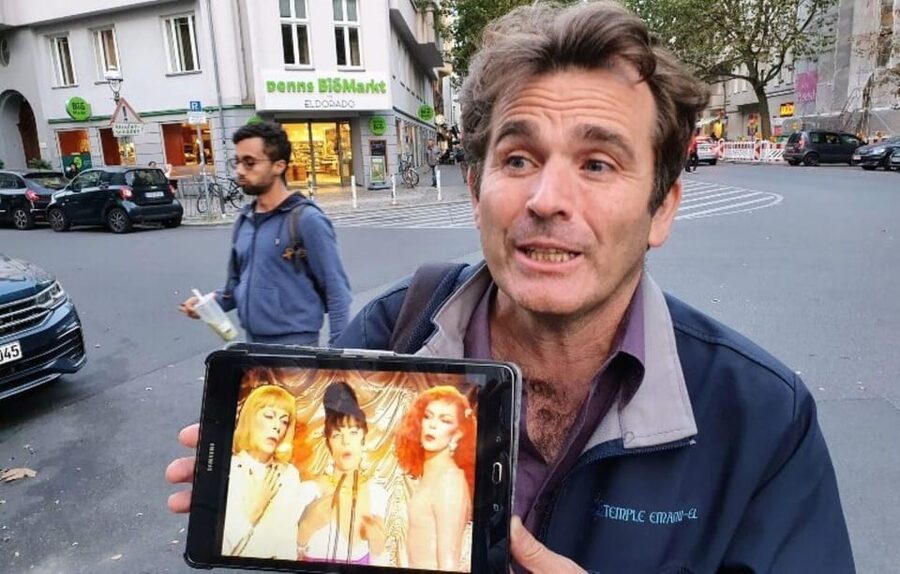
The strongest reports about the experience point to the guides. Dan leads with humor, music, photographs, and personal memories of Berlin before the Wall came down. Justin brings detailed knowledge of queer history and can compare Berlin’s past with familiar American examples. Both styles suit a subject that needs context, not just dates and names.
Small groups matter here. They allow room for questions about sensitive subjects and make it easier to pause at an ordinary street corner or former club site. One practical improvement would be to introduce everyone at the beginning, especially in an intimate group where conversation is part of the experience.
The tour is offered in English and German. It lasts three hours, and private or small-group options are available. You can cancel up to 24 hours in advance for a full refund, and the reserve now, pay later option keeps the booking flexible.
Who should take this tour?
I would choose this walk if you want Berlin’s LGBTQ+ past placed at the center of your visit rather than added as a short themed stop. It suits visitors interested in social history, cabaret, music, gender studies, activism, Nazi persecution, Cold War Berlin, or the city’s club culture.
It is also a strong choice if you have already seen Berlin’s standard monuments and want a route that gives them a different frame. The tour includes major public places, but its best moments come from connecting them with former clubs, apartments, and less obvious addresses.
You do not need to know the full story of Hirschfeld, Isherwood, Haag, or Bowie before you arrive. The guide supplies the context. Still, the subject matter is broad, and the three-hour format cannot give every figure equal attention. If you want an academic tour focused only on one period, this may feel too wide-ranging.
Should you book it?
Book this tour if you want a personal, story-led introduction to Berlin’s queer past, especially in a small group with Dan, Justin, or another expert guide. The combination of Schöneberg clubs, Hirschfeld’s institute site, Isherwood’s flat, the Tiergarten memorial, Bowie’s Berlin, and Cold War East Berlin gives you far more than a nightlife walk.
Skip it if you dislike walking, want a conventional sightseeing route, or prefer to explore queer Berlin independently at night. At $153, the value rests on the guide and the depth of the subject. For visitors who care about LGBTQ+ history and want the city’s streets to carry the story, that focus makes the price reasonable.
FAQ
How long does the Queer Berlin Tour last?
The tour lasts three hours.
Which languages are available?
The tour is offered in English and German.
Is this a walking tour?
Yes. You should be prepared to walk through Schöneberg, the Tiergarten, Unter den Linden, and Alexanderplatz. Contact the provider ahead of time if you have mobility concerns.
Does the price include metro fare?
No. Metro fare is not included.
Is the tour private or shared?
Private and small-group options are available.
What places and people are covered?
The route includes Nollendorfplatz, Schöneberg, the Memorial to Homosexuals Persecuted Under Nazism, the former site of Magnus Hirschfeld’s Institute for Sexual Science, the Memorial to the First Homosexual Emancipation Movement, Unter den Linden, and Alexanderplatz. It also covers figures and places connected with Christopher Isherwood, Marlene Dietrich, Romy Haag, David Bowie, and Ernst Röhm.
Newest Berlin reviews
- Where It All Began: Berlin’s Queer & Trans History Tour★ 4.9 · 6 reviews
- Understanding Kreuzberg: The roots of local (sub)culture★ 4.9 · 11 reviews
- Berlin: guided canoe | kayaktour★ 4.1 · 7 reviews
- Private Potsdam City Tour in an authentic vintage van★ 5.0 · 14 reviews
- Warnemünde Shore Excursion: Private Sachsenhausen and Berlin Tour★ 5.0 · 12 reviews
- Ultimate E-Bike Tour of Berlin with Beer Garden Stop★ 5.0 · 4 reviews
- Potsdam Highlights – Private sightseeing tour by minibus★ 5.0 · 3 reviews
- In the Forbidden City – Potsdam Walking Tour★ 5.0 · 17 reviews
Queer Berlin Tours, compared.
Berlin’s Gay, Lesbian, and Queer Scene Small-Group Walking Tour
Read our review →
Where It All Began: Berlin’s Queer & Trans History Tour
Read our review →
Street Art & Berlin Gay, Queer, Trans History + Free Gay Map
Read our review →Where It All Began: Berlin’s Queer & Trans History Tour
Read our review →
Browse the lists this tour appears in