
Reviewed · BERLIN SIGHTSEEING TOURS
Berlin Sightseeing Musical-Historical Walking Tour
Berlin’s story is told here through music as well as monuments. You walk from the Alte Nationalgalerie past Museum Island, Gendarmenmarkt, Checkpoint Charlie, Potsdamer Platz, the Holocaust Memorial, Brandenburg Gate, and the Reichstag while headphones link each place to music from the 18th century to hip-hop.
I like the route’s broad sweep and its unusual sound-based approach. I also like that the guide provides headphones and commentary in English, German, or Russian, so you can focus on the city instead of juggling a phone. The main drawback is clear: this may feel more like an audio tour with a human guide leading the way than a traditional, conversation-heavy walking tour.
Key points at a glance
- Music links the centuries: Hear how classical works, modern music, and Berlin’s political story connect.
- Nine major central sights: The route covers Museum Island, Gendarmenmarkt, Potsdamer Platz, Brandenburg Gate, and more.
- Headphones are central: Commentary and music play through the supplied audio system as you walk.
- Three hours on foot: Wear proper walking shoes and expect a small break along the way.
- The group moves in rain or shine: Some stops depend on the weather, so dress for Berlin’s conditions.
- Best for independent-minded walkers: You get a guide and route support, but not necessarily constant personal discussion.
Berlin told through a soundtrack
This tour takes a simple idea and gives it a full city route: Berlin can be understood not only by looking at its buildings, but also by listening to the sounds connected with them.
The subject ranges from classical oratorios in the 18th century to hip-hop in the 21st century. That span matters. Berlin has passed through royal power, intellectual life, war, division, reunification, and modern urban culture. Music gives the guide another way to connect those changes.
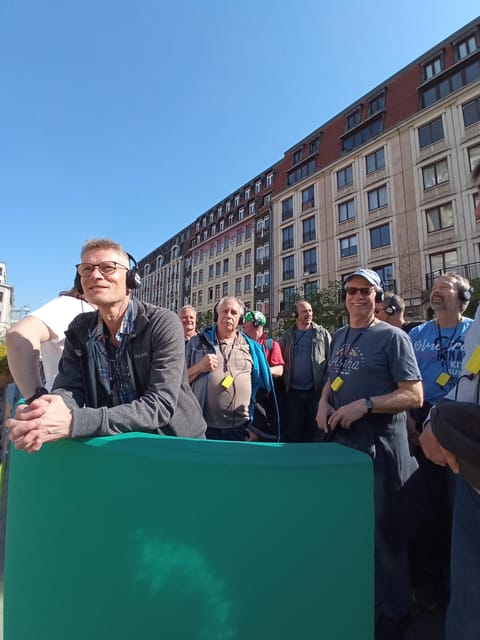
You will use headphones for an audio guide mixed with music. This means the experience is designed around listening while walking, not standing for long talks at every monument. I see that as a plus if you enjoy a carefully paced story and want to keep moving. It is less ideal if you want to ask frequent questions or have a long exchange with the guide at each stop.
The live guide remains important, but mainly as the person who leads the route and keeps the group together. A 3-out-of-5 assessment described the human guide as more of a signpost than a traditional storyteller, with a technical issue causing frustration during that outing. That is useful information to keep in mind. The audio format is the heart of the tour, so the quality and reliability of the headphones matter.
More sightseeing tours in Berlin:
- Berlin: 1-Hour City Tour by Boat with Guaranteed Seating
★ 4.3 · 16,993 reviews - Explore Berlin: See All The Iconic Sights & Some Hidden Gems
★ 5.0 · 4,429 reviews - Berlin: City Sightseeing Hop-On Hop-Off Bus Tour
★ 4.1 · 4,233 reviews
Starting at the Alte Nationalgalerie
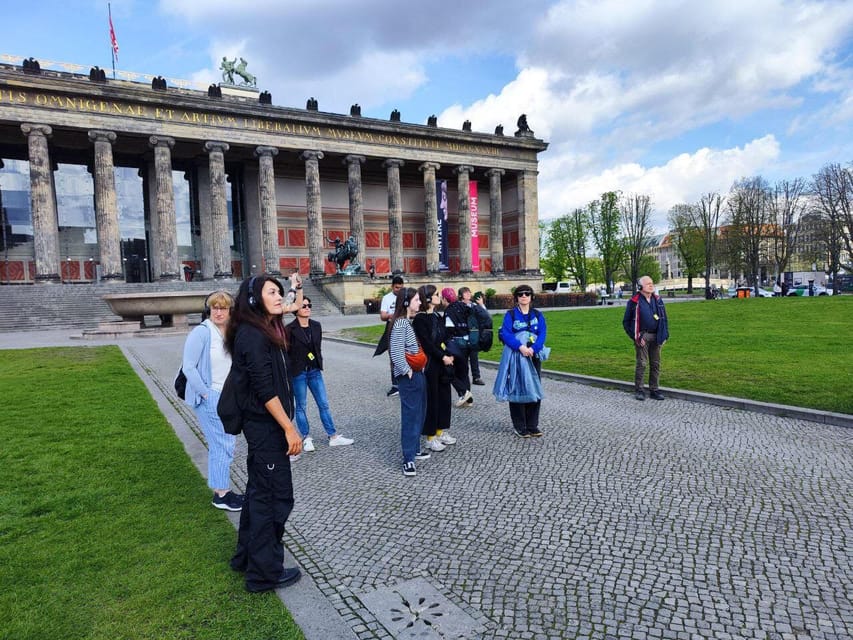
Meet your guide in front of the entrance to the Alte Nationalgalerie, on Museum Island. Arrive 10 to 15 minutes early, with your ticket ready on your phone or printed. The guide will hold a headphone sign, which should make the meeting point easier to spot.
The Alte Nationalgalerie is a sensible starting place because it puts you in the middle of Berlin’s museum district from the first minute. You do not begin with a long transfer or a neighborhood far from the main sights. Instead, the tour starts among major cultural buildings and quickly sets its theme of art, music, and public history.
At the beginning, expect the guide to distribute or organize the headphone system. Since the audio equipment is central to the experience, use this time to make sure you can hear clearly. If something is not working, speak up early rather than waiting until the group is several blocks away.
Museum Island and the Berliner Dom
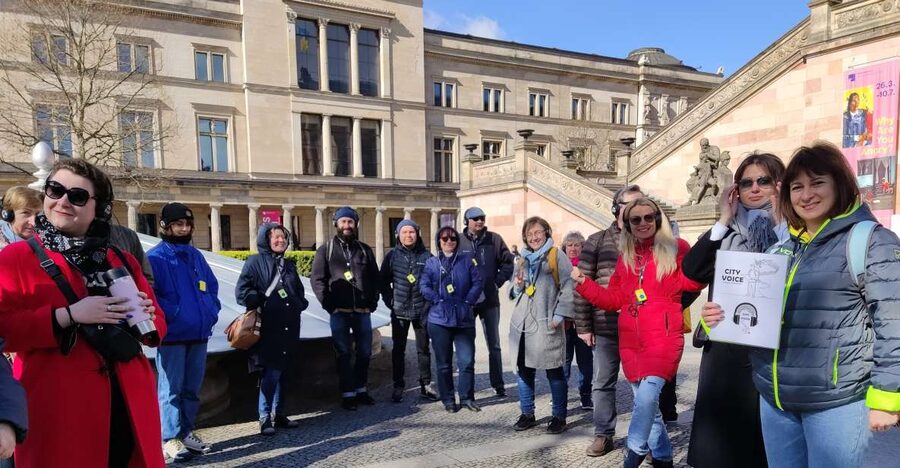
The first substantial section is Museum Island, with about 20 minutes for guided viewing and walking. This part of central Berlin brings together major museums and the Berliner Dom, the large cathedral that gives the area much of its visual weight.
You will not be spending hours inside the museums. Instead, the value here is the setting and the way the guide frames Berlin as a city where art, power, religion, and public culture meet. The musical commentary can give the buildings an extra layer, especially if you enjoy hearing how a place feels as much as learning dates and names.
This is also an easy beginning for the walk. The route starts with major sights close together, so you can settle into the headphone format before the longer sequence of stops. Bring patience if the city is crowded or noisy. Outdoor audio tours depend on being able to hear the commentary over traffic and other people.
Humboldt University and the city’s intellectual voice

The walk continues to Humboldt University of Berlin, with about 20 minutes for sightseeing and commentary. The university adds an intellectual note to the route and helps broaden the tour beyond famous photo stops.
The point is not simply to admire another handsome building. The location lets the tour consider ideas, education, and the role of culture in public life. That fits the larger question at the center of the experience: how can music help explain historical change?
I like this stop because it keeps the tour from becoming a checklist of monuments. You are moving through a city where institutions matter, not just grand facades. Still, the value depends on the audio explanation. If you prefer detailed architectural facts or a conventional university tour, this section may feel brief.
More history tours in Berlin:
- Berlin: Natural History Museum Entrance Ticket
★ 4.6 · 3,382 reviews - Berlin: World Heritage Cruise to Potsdam
★ 4.5 · 1,435 reviews - Berlin Historical Highlights Walking Tour
★ 4.9 · 657 reviews - Berlin Private Complete History All Day Walking Tour
★ 5.0 · 474 reviews
Gendarmenmarkt in a 30-minute pause
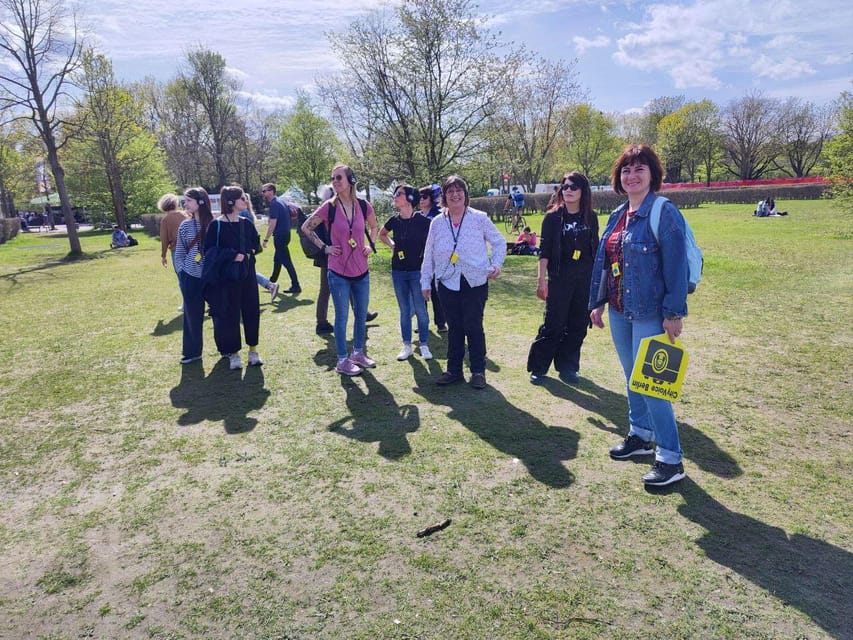
Gendarmenmarkt receives the longest scheduled stop, about 30 minutes. It is a natural place to slow down because the square brings together major architecture in a compact setting.
You will have more time here to look around, listen, and take in the scale of the space. The tour’s musical theme should work well in a square like this, where formal buildings and public ceremony can be connected to the sounds of earlier eras.
This is also one of the better moments to check your comfort. The full activity lasts three hours, and the route continues through several central districts. Use the small break mentioned in the tour details, adjust your shoes, and drink water if you have brought some. Food and drinks are not included, so plan accordingly.
The Trabi Museum and Berlin’s divided past
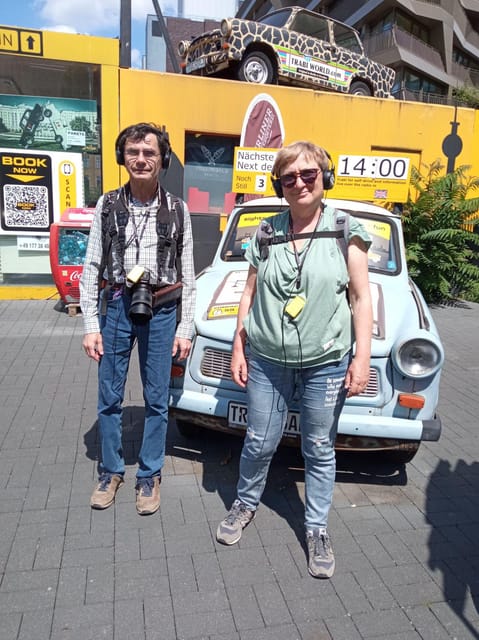
The route then reaches the Trabi Museum for about 20 minutes. The Trabant, often called the Trabi, is closely associated with everyday life in East Germany. Its presence gives the tour a more ordinary, human scale after the grand public spaces of Museum Island and Gendarmenmarkt.
This stop is especially useful because Berlin’s story is not only about kings, cathedrals, universities, and government buildings. It also includes consumer life, borders, scarcity, identity, and the objects people used in daily life.
The information provided describes this as a guided sightseeing stop, but it does not say that museum admission is included. Do not assume you will have a full indoor museum visit as part of the $40 price. The route may use the location as part of the outdoor walk, and you should confirm the exact access details when booking if entering the museum matters to you.
Potsdamer Platz and the modern city
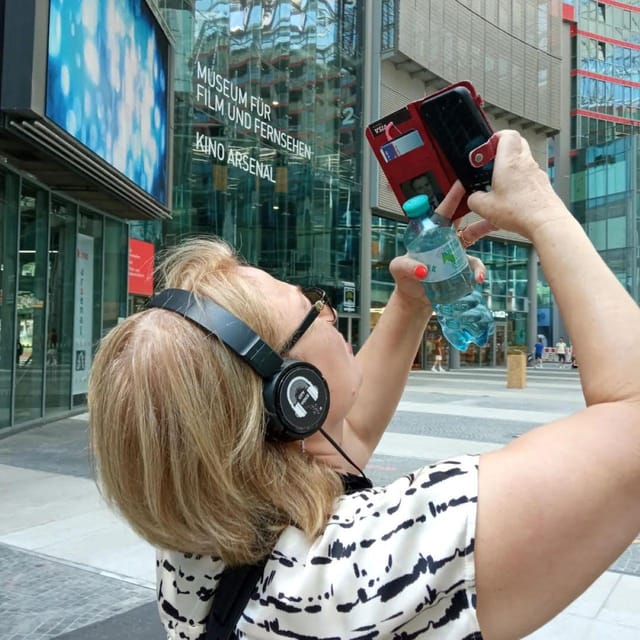
Potsdamer Platz gets another 20-minute stop. The square is an important contrast to the older parts of the route. Its modern architecture and urban energy help show how quickly Berlin can change from one block to the next.
The music theme makes sense here too. The tour moves from earlier styles and historical events toward the 20th and 21st centuries, giving you a chance to hear Berlin’s modern voice. You may find this section particularly interesting if you like the connection between popular music, city life, and political change.
Do not expect a slow architectural tour of every building. The activity is moving at a steady pace, and the audio material is shared with the group through headphones. Think of Potsdamer Platz as one part of a larger city story, not a standalone visit.
Checkpoint Charlie and the weight of division
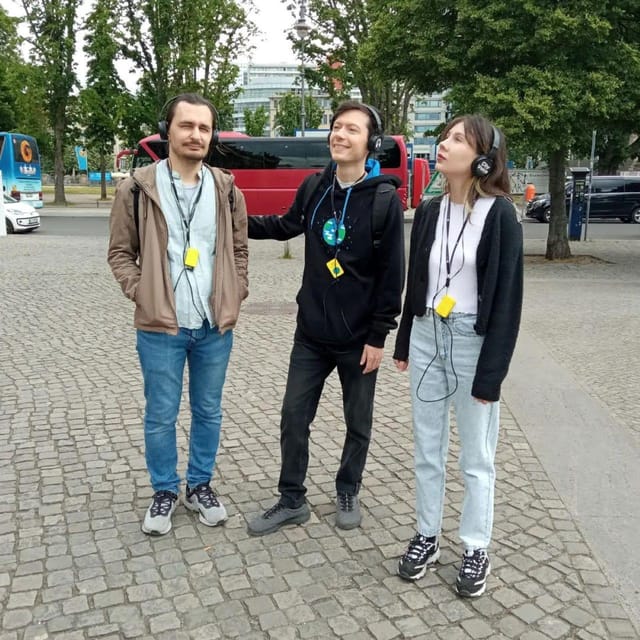
Checkpoint Charlie is included among the central sights named for the experience, and it belongs naturally between the Trabi Museum, Potsdamer Platz, and the later memorial sites.
The location gives the route a direct connection to Berlin’s divided years. It is a place where the city’s political history becomes physical: borders, restricted movement, and the separation of neighborhoods and families are easier to grasp when you are standing in the middle of the former divided city.
The supplied stop list does not assign a separate time to Checkpoint Charlie, so do not expect a long, independent segment there. Its role appears to be part of the wider route rather than a full museum visit. That is fine if you want a broad introduction, but you may want a separate visit if you hope to study the site in detail.
The Holocaust Memorial requires attention
The Memorial to the Murdered Jews of Europe, often called the Holocaust Memorial, receives about 20 minutes. This is one of the most serious stops on the route, and it deserves quiet attention rather than a quick photo.
The memorial’s open field of concrete blocks creates a powerful physical experience, but the tour’s music-based format needs to be handled with care here. Listen to the historical context, respect the purpose of the site, and give yourself room to think. The headphones may make the stop feel personal, but they can also make it easy to treat the place as just another audio chapter. It is not.
The 20-minute timing gives you an introduction, not a full study. If this memorial is a major reason for your visit to Berlin, set aside more time on another day for the information center and a slower visit.
Brandenburg Gate and the city’s public stage
Brandenburg Gate follows with about 20 minutes. This is one of Berlin’s most recognizable landmarks and a key place for understanding the city’s changing public identity.
The gate has been connected with royal power, division, political ceremony, and reunification. In the context of this tour, it also works as a broad stage for the sounds and events that have shaped Berlin over time.
You will probably appreciate reaching this point after walking through the memorial area. The route places a symbol of public unity near one of the city’s most serious reminders of persecution and loss. That contrast is part of what gives the walk its value.
Expect people, traffic, and city noise around Brandenburg Gate. The headphones help, but stay alert while moving between stops. The guide’s role as a route leader is useful here, since this is a busy central area.
The Reichstag and the final stretch
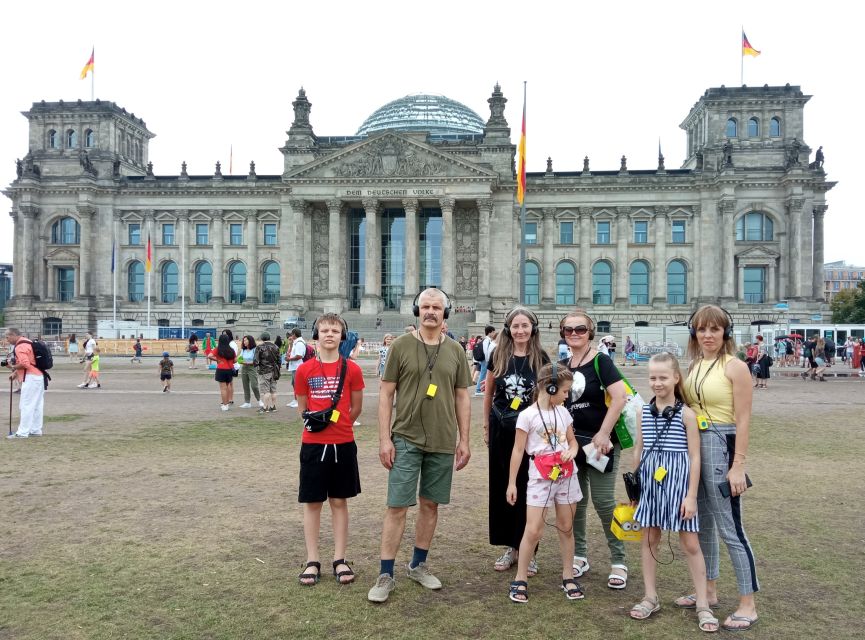
The Reichstag is the final major sightseeing stop, with about 20 minutes. As Germany’s federal parliament building, it brings the tour back to government and the country’s modern political life.
The stop is primarily an exterior sightseeing and commentary experience according to the supplied details. There is no statement that the tour includes entry to the Reichstag dome or interior, so do not book this expecting a parliament visit. The building still carries plenty of meaning from the outside, especially after the route has moved through Berlin’s monarchy, divided past, memorials, and reunification symbols.
The listed finish is at White Crosses, while the meeting information also says the activity ends back at the meeting point. Those details do not line up perfectly. Confirm the exact end location before setting a tight dinner reservation or transport connection.
What $40 gets you
At $40 per person, the tour’s value rests on three things: the central route, the music programming, and the convenience of a guide-led walk with headphones.
You are not paying for a series of museum admissions, food, hotel pickup, or private transportation. Those are not included. You are paying for a three-hour introduction to a large group of major Berlin sights, with an audio experience intended to tie them together.
I think the price is fair for you if you want structure on your first day in Berlin and enjoy learning through music. The route covers enough ground that planning it yourself would take time, especially if you want commentary at each stop. The value drops if you expect a small, highly personal tour with constant conversation.
The 4.6 rating shown for the experience comes from 10 reviews, so treat it as a useful signal rather than a guarantee. The specific 3-out-of-5 feedback is the most important caution: the guide may function mainly as a signpost, and technical problems can affect the experience. Check that the audio is working at the start and tell the guide promptly if it is not.
Who should book this walk
I would choose this tour if you enjoy music, want a broad first look at central Berlin, and prefer an organized route to wandering alone. It also suits people who like connecting places with moods and historical themes instead of receiving only dates and architectural labels.
It may work well for a mixed group because the route includes famous sights, political history, modern city design, and popular culture. The English, German, and Russian options also make it easier for different members of a group to follow the material.
This is not the right pick for wheelchair users, since the activity is specifically listed as unsuitable for them. It is also not recommended for people over 70, and anyone with mobility concerns should take that seriously. You will walk for three hours, with only a small break, and the tour runs rain or shine.
Wear comfortable shoes and practical clothes. Some locations depend on the weather, and Berlin can make an outdoor walk feel very different from one hour to the next. Since food and drinks are not included, carry what you need for the three-hour route.
Should you book it?
Book this tour if the idea of hearing Berlin’s story through music appeals to you more than a standard monument-by-monument walk. The route is ambitious, the sights are major, and the audio format gives the city a distinct voice.
Skip it if you want a guide who talks continuously, answers many personal questions, or takes you inside museums and monuments. For the best fit, think of this as a music-led city walk with a live route leader, not a traditional private tour. Confirm the end point and check the headphones at the start, and you will know exactly what kind of Berlin experience you are buying.
FAQ
How long does the Berlin musical-historical walking tour last?
The activity lasts three hours. Starting times vary, so check availability when booking.
Where does the tour begin?
The guide meets you in front of the entrance to the Alte Nationalgalerie on Museum Island.
How early should I arrive?
Arrive 10 to 15 minutes before the scheduled start. The guide will hold a headphone sign.
Which languages are available?
The live guide and audio guide are available in English, German, and Russian.
Are headphones included?
Yes. Headphones are included, and they play an audio guide mixed with music.
Does the tour include food, drinks, or hotel pickup?
No. Food, drinks, pickup, and drop-off are not included.
Is the walking tour suitable for wheelchair users?
No. The activity is listed as unsuitable for wheelchair users and people over 70 years old.
More Walking Tours in Berlin
- Discover Berlin Half-Day Walking Tour
★ 5.0 · 9,624 reviews - Berlin: Third Reich and Cold War 2 Hour Walking Tour
★ 4.9 · 6,830 reviews - Berlin: Discover Berlin Walking Tour
★ 4.9 · 5,998 reviews - Berlin’s Best: 2 Hour Walking Tour Third Reich and the Cold War
★ 5.0 · 5,486 reviews
Newest Berlin reviews
- Where It All Began: Berlin’s Queer & Trans History Tour★ 4.9 · 6 reviews
- Understanding Kreuzberg: The roots of local (sub)culture★ 4.9 · 11 reviews
- Berlin: guided canoe | kayaktour★ 4.1 · 7 reviews
- Private Potsdam City Tour in an authentic vintage van★ 5.0 · 14 reviews
- Warnemünde Shore Excursion: Private Sachsenhausen and Berlin Tour★ 5.0 · 12 reviews
- Ultimate E-Bike Tour of Berlin with Beer Garden Stop★ 5.0 · 4 reviews
- In the Forbidden City – Potsdam Walking Tour★ 5.0 · 17 reviews
- Private Walking Tour of Potsdam and Sanssouci★ 5.0 · 24 reviews
Berlin Sightseeing Tours, compared.

1-Hour City Tour by Boat with Guaranteed Seating
Read our review →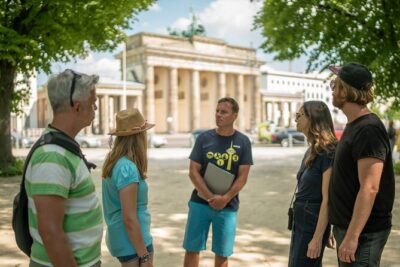
Explore Berlin: See All The Iconic Sights & Some Hidden Gems
Read our review →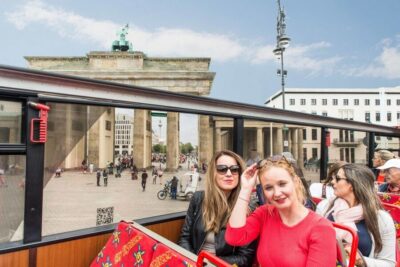
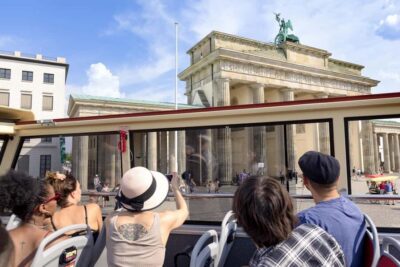
Hop-On Hop-Off Sightseeing Bus with Boat Options
Read our review →
Sights and Highlights Bike Tour with a Local Guide
Read our review →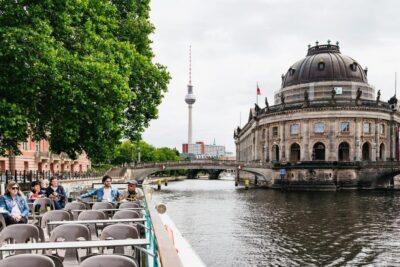

Sightseeing Tour in Classic Volkswagen T1 Samba Bus
Read our review →
Browse the lists this tour appears in