Reviewed · PRIVATE
Private Tour of David Bowie’s West-Berlin
David Bowie’s West Berlin was a city of studios, railway stations, late-night bars, and divided streets. This private tour connects those places, from Hansa Studios, where much of the Berlin Trilogy took shape, to the Schöneberg apartment Bowie called home between 1976 and 1978. I like the way it uses Where Are We Now? as a route map, and I like that it shows both the Bowie places and the huge changes Berlin has made since the 1970s.
You get a private guide, a small group of no more than eight, and a mix of walking and public transport. The main drawback is simple: this is a three-hour look from the outside, not an inside tour of recording rooms or Bowie’s former flat. The tour also requires a moderate level of fitness, and train tickets, drinks, and other personal costs are not included.
Key points at a glance
- Hansa Studios is the musical centerpiece: See the building where Bowie recorded much of his Berlin Trilogy and photograph its famous window animation.
- The route follows Where Are We Now?: Potsdamer Platz, KaDeWe, and other Berlin locations gain extra meaning through Bowie’s 2012 song.
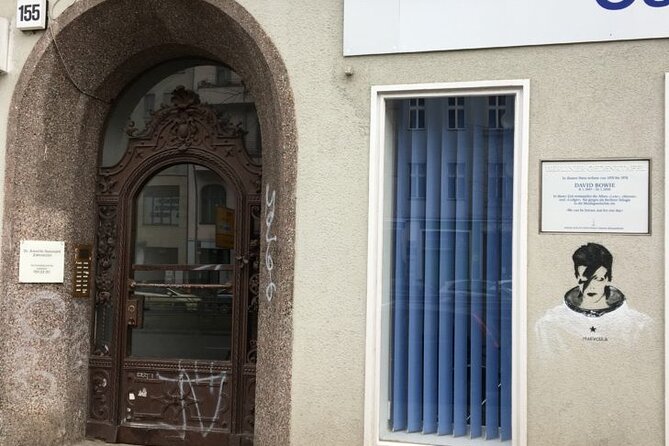
- You visit Bowie’s former home: The tour ends at Hauptstraße 155, the building where he lived from 1976 to 1978.
- The Dschungel survives only as a location: The legendary club is gone, but you can still see the address tied to Bowie’s nights out.
- The tour mixes neighborhoods and trains: You walk between key sites, then use Berlin’s public transport to connect central and western stops.
- Martin can add wider context: His tours also cover architecture, the Holocaust, German culture, and custom history themes, making this more than a music-only outing.
Why Bowie’s West Berlin still makes a strong tour theme
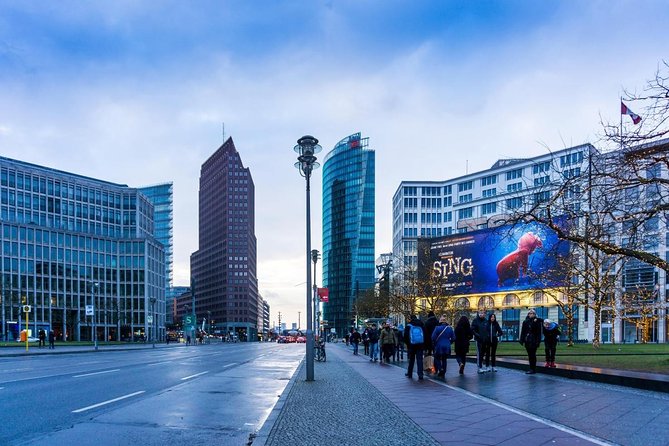
The best thing about this experience is that it does not treat Bowie’s Berlin as a museum exhibit. You move through ordinary streets and transport hubs, then connect them to a period when the city felt cut off, strange, creative, and full of sharp contrasts.
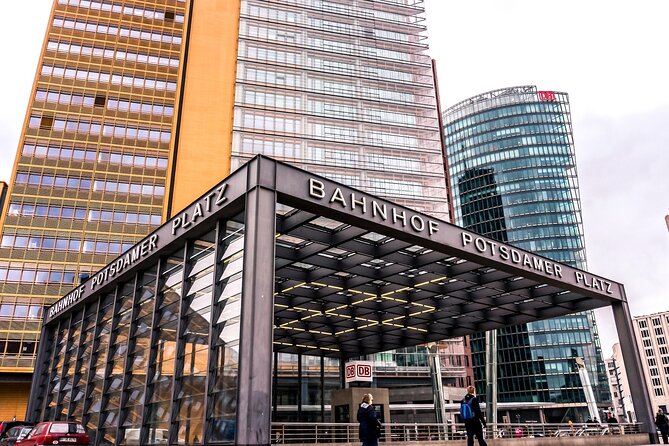
That contrast matters. Potsdamer Platz is now one of Berlin’s most recognizable modern squares, but its past is much less polished. It shifted from an important urban center to a wasteland divided by the Berlin Wall, then returned as a major city hub. Bowie referred to it in Where Are We Now?, so the stop gives you a quick lesson in how much Berlin has changed.
I like that the route is built around real places rather than general stories about Bowie. You see where he recorded, where he shopped, where he went out, and where he lived. I also like the private format. With up to eight people, you can ask questions and steer the conversation toward music, city planning, the Cold War, or Bowie’s daily life.
Guide Martin is a particularly useful fit if you want more than a fan’s tour. He also leads tours on architecture and the Holocaust, and he has built custom routes around German history. That range matters because Bowie’s West Berlin is tied closely to the city’s divided past and its changing streets.
Other Berlin experiences to weigh up
- Berlin: Private Reichstag and Glass Dome Tour
★ 4.8 · 2,226 reviews - Berlin Private Complete History All Day Walking Tour
★ 5.0 · 474 reviews - Private Walking Tour Berlin Third Reich Hitler and World War II
★ 5.0 · 360 reviews
Potsdamer Platz and the city Bowie remembered
The route begins at the Deutsche Kinemathek on Mauerstraße 79, with Potsdamer Platz listed as the first main stop. Confirm the exact meeting instructions when you book, since the square and the listed meeting address are different points in central Berlin.
Allow about 15 minutes at Potsdamer Platz. That is enough time to take in the setting and talk through its changing role, but not enough for a long architectural visit. The point here is orientation: you see the place Bowie referenced and begin comparing the West Berlin of the 1970s with the modern city around you.
This stop works best if you enjoy urban change. It is less satisfying if you expect a preserved Bowie landmark. There is no admission fee, and you are looking at a public square rather than entering a dedicated attraction.
From here, the route heads toward Hansa Studios. That connection gives the tour its strongest rhythm. You begin with the city Bowie remembered, then move toward the rooms where he made the music associated with that period.
Hansa Studios, the essential Bowie stop
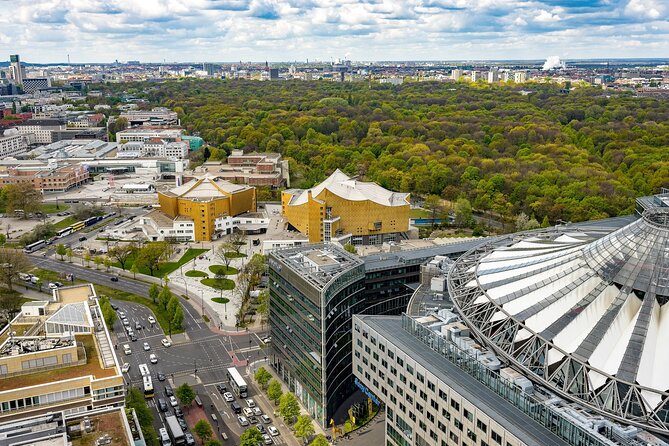
Hansa Studios is the tour’s main musical anchor. Bowie recorded much of the Berlin Trilogy here, and the building remains an important address for anyone interested in Low, Heroes, and Lodger. The tour allows about 20 minutes at the studio.
You should be clear about what that means. The experience is an exterior visit, so you will photograph the building rather than walk through the recording rooms. One window includes a striking GIF animation of Bowie, which gives the stop a bit of visual character and makes it more than a plain address on a street.
For many people, this will be the most valuable part of the tour. The music is so tied to the idea of Berlin that seeing the actual studio helps turn a famous recording location into a physical part of the city. You can also ask Martin about Bowie’s work and the surrounding area without being limited to a fixed audio guide.
The short time here keeps the tour moving, but it may leave serious fans wanting more. If you hope to enter Hansa Studios or see original equipment, this tour does not promise that. It is a place-based visit, not a studio tour.
Zoo Station and the shadow of Christiane F.
After Hansa Studios, you board the train toward City West and stop at Bahnhof Zoologischer Garten, usually called Zoo Station. The visit takes about 15 minutes.
Zoo Station has a strong link to the world around Christiane F., the book and film about a young person caught in West Berlin’s drug scene. Bowie’s music forms part of the film’s soundtrack, and the association helped tie him to a darker picture of the city. The station itself has changed since that era, which is part of the point.
This is not a theatrical re-creation of 1970s West Berlin. You see a functioning transport hub and hear how the station fit into the cultural story. That makes the stop brief but useful, especially if you are interested in how music, film, and urban life overlapped.
The train journey is also part of the experience. Rather than seeing every location as a separate photo stop, you follow the same broad city connections that make West Berlin feel like a collection of distinct districts. Your ticket is not included, so budget for public transport during the tour.
A different sort of day out in Berlin:
- Berlin: Reichstag, Dome and Government District Guided Tour
★ 4.7 · 18,288 reviews - Berlin: 1-Hour City Tour by Boat with Guaranteed Seating
★ 4.3 · 16,993 reviews - Berlin: Boat Tour Along the River Spree
★ 4.4 · 11,252 reviews - Discover Berlin Half-Day Walking Tour
★ 5.0 · 9,624 reviews
KaDeWe, groceries, and Bowie’s everyday Berlin
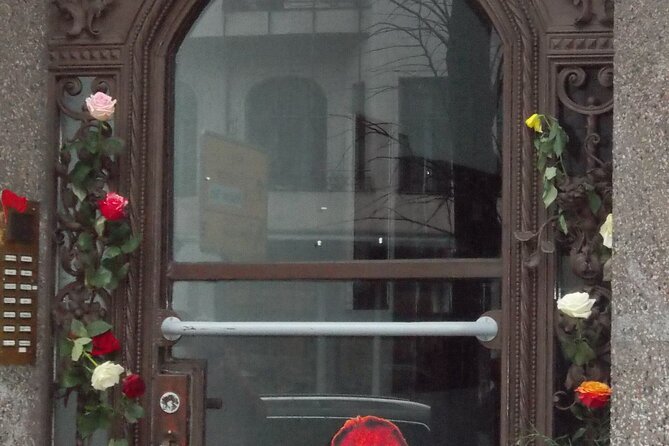
The stop at Kaufhaus des Westens, better known as KaDeWe, takes about 15 minutes. Bowie reportedly used the department store for groceries, and it is one of the locations linked to Where Are We Now?
That detail gives the tour a welcome change of scale. Hansa Studios is about music and artistic work. KaDeWe is about ordinary life: buying food, moving through a department store, and living in the city rather than performing in it.
You do not pay admission for the stop, and the tour does not include shopping time. If you want to browse the store or buy food, plan to return later. The short visit is designed for context and a look at the landmark, not a full department-store experience.
I find this kind of stop useful because it avoids turning Bowie into a figure who existed only in studios and clubs. His Berlin life also involved errands, familiar shops, and repeat habits. That human detail helps the tour feel grounded.
The Dschungel site, where the club is gone
At Nürnberger Strasse 53, you see the former location of the Dschungel, one of Bowie’s regular hang-outs. The club no longer exists, but the address remains, and the tour allows about 15 minutes here.
This is a stop for imagination. There is no preserved interior and no club visit, so you need to be comfortable with absence. Martin can explain what the place meant in Bowie’s West Berlin, while you look at what occupies the site now.
I like the honesty of a stop such as this. Cities erase their nightlife quickly, and a famous venue may survive only through an address and the stories connected to it. That makes the visit less dramatic than Hansa Studios, but it says something important about time and urban change.
You may find this stop less rewarding if you want original Bowie artifacts or a place that looks as it did in the 1970s. It works best when you enjoy seeing the gap between a cultural memory and the present-day city.
Neues Ufer and the optional drink
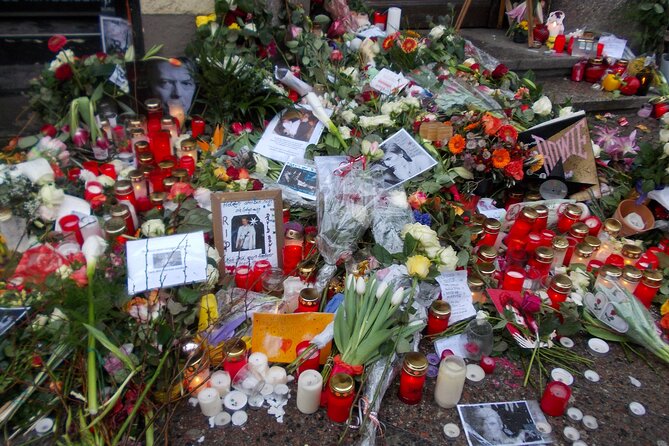
The tour also visits Neues Ufer, formerly called Anderes Ufer, a local gay bar where Bowie spent time and often had a nightcap. It was open around the clock in the period associated with him, which helps explain its place in his routine.
The stop takes about 10 minutes. Having a drink is optional, and you can choose to return after the tour for one. Drinks are not included, so this is an extra rather than part of the tour price.
This is one of the more personal locations on the route. It connects Bowie to the social life of West Berlin, not just to his work. It also gives you a chance to end the tour in a place with an ongoing identity, rather than at a location that has disappeared.
The short stop means you should not expect a long bar visit during the scheduled route. If you want to sit down, order a drink, and spend time there, plan to do so afterward.
Hauptstrasse 155, Bowie’s former home
The final stop is Hauptstrasse 155 in Schöneberg, where Bowie lived from 1976 to 1978. This is also where the tour ends.
The building is not presented as a museum. You see the exterior of the turn-of-the-century building and the ledge where fans often leave flowers, candles, and other small tributes. That detail makes the stop feel personal, even though you cannot enter the apartment.
Ending here is a sensible choice. After seeing studios, stations, shops, clubs, and bars, you finish at the place connected to Bowie’s home life. The route moves from public Berlin to a residential address, giving the afternoon a quiet close.
Respect the building as someone’s home. The experience is about looking from the outside and understanding the address, not treating it as a public attraction. The end point is near the tour’s final stop, so you can continue exploring Schöneberg afterward if you wish.
What the private format adds
The price is $285.07 per group of up to eight people. That means the value depends heavily on your party size. For a group of six to eight, the cost per person can be reasonable for three hours with a private guide. For one or two people, it becomes a much more expensive way to visit mostly free public locations.
The private format does offer real benefits. You do not have to follow a large group, and you can ask Martin to spend more time on the music, Berlin architecture, the Holocaust, or the city’s cultural life. One custom tour was even adapted around a student’s history curriculum, which suggests that the guide can adjust the emphasis when you explain your interests in advance.
That flexibility is more important here than admission savings. Almost every stop is free to view, and the tour does not include tickets or drinks. You are paying for the route, interpretation, local context, and the chance to connect several scattered places in one afternoon.
The experience is booked an average of 59 days ahead, so popular dates may fill early. Confirmation arrives at booking, and free cancellation is available up to 24 hours before the start time. Service animals are allowed, and the route stays near public transportation, but you should be ready for walking, stairs, and train connections.
Who will get the most from this tour
You should consider booking if Bowie is a major reason you are visiting Berlin, especially if you want to connect the songs with real streets. It also suits people who enjoy the city’s Cold War history, architecture, nightlife, and social changes.
You may also like it if you prefer a flexible private tour to a fixed group excursion. Martin’s background across music, German culture, architecture, and the Holocaust gives you room to ask broader questions.
This is less suitable if you need indoor attractions, museum collections, or a detailed recording-studio tour. It is also not the best value for a solo visitor on a tight budget, since the price is per group rather than per person and the public sites are free.
Should you book David Bowie’s West Berlin?
Book it if you want a thoughtful route through Bowie’s daily and creative life, not a series of celebrity photo opportunities. Hansa Studios and Hauptstrasse 155 are the emotional high points, while Potsdamer Platz, Zoo Station, KaDeWe, the Dschungel site, and Neues Ufer give the story a wider Berlin setting.
For the best value, share the tour with several people and tell Martin before the start what interests you most. Music fans will get the clearest reward, but the tour can also work for anyone curious about how West Berlin changed from Bowie’s era to the city you see today.
FAQ
How long is the David Bowie’s West Berlin tour?
The tour lasts approximately three hours.
How many people can join the private tour?
The private tour is for your group only, with up to eight people.
Where does the tour start?
The listed meeting point is the Deutsche Kinemathek at Mauerstrasse 79, 10117 Berlin. Potsdamer Platz is the first main stop, so confirm the exact meeting details when booking.
Where does the tour end?
The tour ends at Hauptstrasse 155 in Berlin, near David Bowie’s former home.
Does the tour enter Hansa Studios or Bowie’s former home?
The supplied details describe exterior visits. You can photograph Hansa Studios and view the building at Hauptstrasse 155, but entry is not included.
Are public-transport tickets and drinks included?
No. Guiding services are included, but tickets, drinks, coffee, and tea are not included. Having a drink at Neues Ufer is optional.
What is the cancellation policy?
You can cancel up to 24 hours before the local start time for a full refund. Changes or cancellations made less than 24 hours before the start time are not accepted for a refund.
Newest Berlin reviews
- Where It All Began: Berlin’s Queer & Trans History Tour★ 4.9 · 6 reviews
- Understanding Kreuzberg: The roots of local (sub)culture★ 4.9 · 11 reviews
- Berlin: guided canoe | kayaktour★ 4.1 · 7 reviews
- Private Potsdam City Tour in an authentic vintage van★ 5.0 · 14 reviews
- Warnemünde Shore Excursion: Private Sachsenhausen and Berlin Tour★ 5.0 · 12 reviews
- Ultimate E-Bike Tour of Berlin with Beer Garden Stop★ 5.0 · 4 reviews
- In the Forbidden City – Potsdam Walking Tour★ 5.0 · 17 reviews
- Private Walking Tour of Potsdam and Sanssouci★ 5.0 · 24 reviews
Private, compared.


Berlin Private Complete History All Day Walking Tour
Read our review →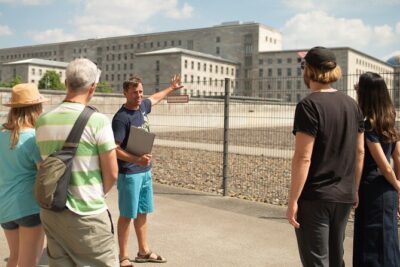
Private Walking Tour Berlin Third Reich Hitler and World War II
Read our review →
Private Berlin: Iconic Sights and Hidden Gems Walking Tour
Read our review →
Berlin Private Half-Day Walking Tour: Discover the German Capital’s History
Read our review →
Private Walking Tour: World War 2 and Cold War Sites in Berlin
Read our review →
The History of Berlin: WWII PRIVATE Walking Tour With Locals
Read our review →