
Reviewed · MUSEUMS
Berlin: Tickets to the Computer Games Museum
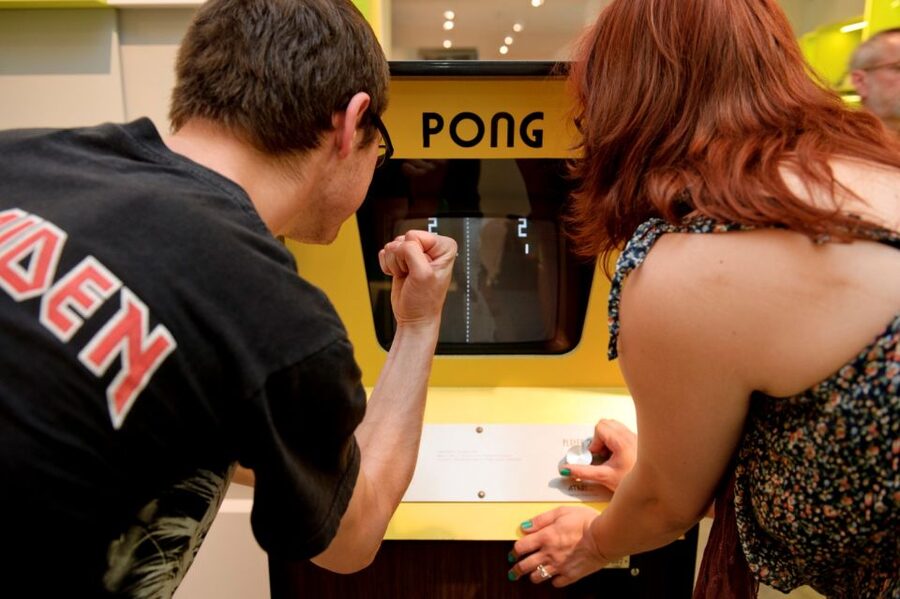
Berlin’s Computer Games Museum turns seven decades of gaming into a hands-on visit. You can see the legendary Pong machine, study consoles from the Commodore era to PlayStation, then actually play many of the machines rather than simply viewing them behind glass.
I like the playable exhibits, which make this more than a museum of old hardware. I also like the range, from early arcade cabinets and Game & Watch devices to 3D games, movement games, and unusual installations such as the Giant Controller.
The main drawback is size. Some people race through the museum in 30 minutes, while others spend several hours waiting for popular machines and reading the displays. The arcade area can get crowded, and the collection leans more toward classic games than current releases.
Key points at a glance
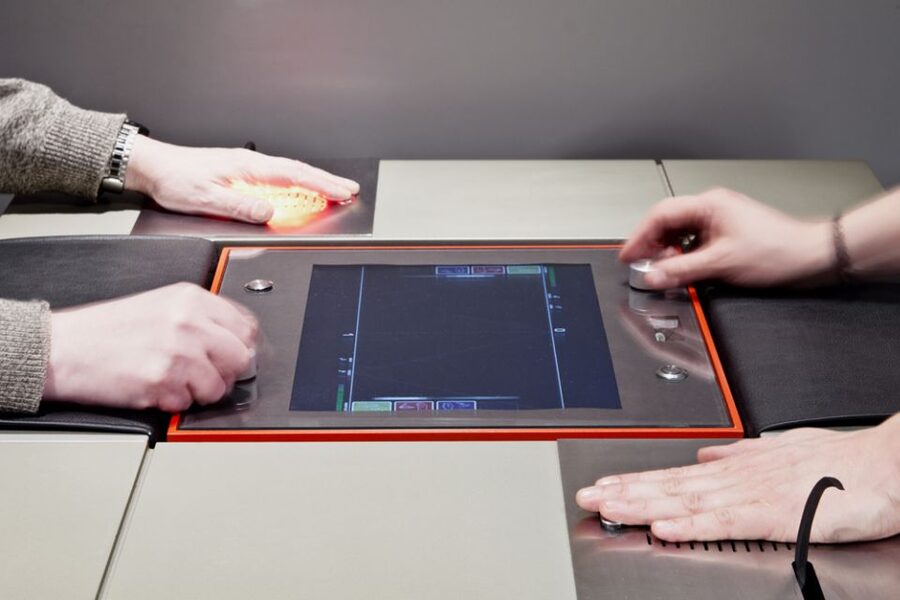
- Pong and PainStation: Test the famous Pong setup, then try PainStation if you are comfortable with its physical penalties for missed shots.
- 300-plus exhibits: Follow computer gaming from early machines to modern 3D and movement-based games.
- A playable Wall of Hardware: See familiar systems such as Commodore, Game & Watch, and PlayStation in one chronological display.
- Classic arcade corner: Play coin-operated favorites including Donkey Kong, Space Invaders, and Pacman.
- Family-friendly nostalgia: Parents can revisit Atari, Mario, and other childhood favorites while younger visitors see how much gaming has changed.
- One ticket, two exhibitions: Admission covers the permanent collection and the special exhibition for one day.
What the Berlin Computer Games Museum is really like
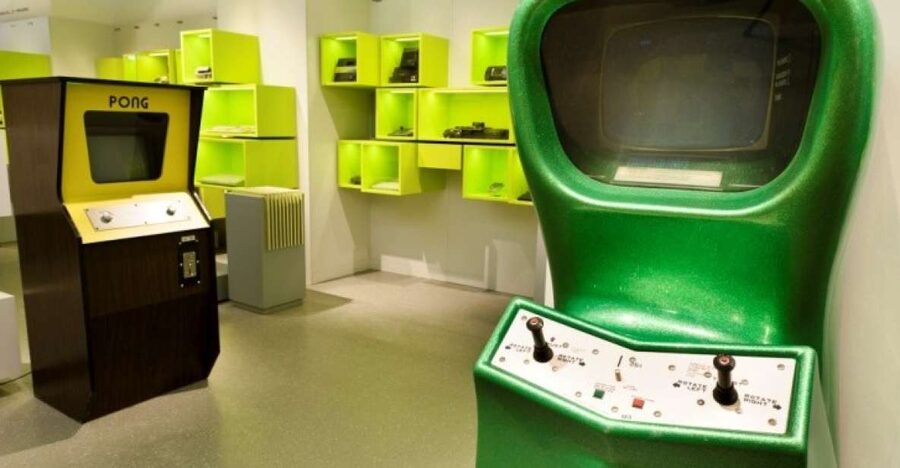
The Computer Games Museum is not a quiet hall of locked display cases. It is built around interaction. You are encouraged to press buttons, take a turn, compare old controls with new ones, and see how games changed as technology moved forward.
That approach gives the museum its appeal. A label explaining Pong is useful, but playing Pong yourself tells you more about the game’s simple timing and unforgiving design. A child used to fast modern graphics may find early games surprisingly basic. An adult who grew up with Atari or Sega may suddenly remember exactly how those machines felt.
The museum presents more than 300 exhibits covering roughly 60 to 70 years of computer gaming development. The exact count and time span are described slightly differently in the available information, but the point is clear: this is a broad history of gaming, not a display focused on one console or one decade.
You receive access to the permanent exhibition and any special exhibition on the same ticket. There is no guide included, so you set your own pace. That works well if you want to linger over a favorite machine, though visitors who prefer a detailed explanation at every stop may want to ask about a guided tour. One visitor noted that guided tours were available for a small extra charge, but confirm current arrangements before booking.
More museums and galleries in Berlin:
- Berlin: Natural History Museum Entrance Ticket
★ 4.6 · 3,382 reviews - Skip-the-Line: Berlin Wall Museum at Checkpoint Charlie
★ 4.1 · 2,041 reviews - Berlin: Museum Island Multiple Museum Entry Ticket
★ 4.4 · 2,007 reviews
Starting at Karl-Marx-Allee 93a
The museum is at Karl-Marx-Allee 93a in Berlin. That address matters because this is a dedicated museum visit, not a temporary arcade tucked into another attraction. You can plan it as a focused stop in your Berlin day, with the freedom to stay for a short visit or several hours.
The ticket is listed at about $22 per person. I consider that fair if you plan to play several machines and read the historical displays. It is less attractive if you only want a quick look at old consoles and leave after half an hour.
The one-day ticket includes both the permanent exhibition and special exhibitions, so you are not paying separately for those sections. It also lets you return to the displays during the valid day if your plans allow, though the supplied details do not promise a re-entry policy, so ask staff if that matters to you.
The museum is wheelchair accessible. Transfers are not included, and the ticket does not include a guide. You make your own way to the museum and explore independently.
The Wall of Hardware, from Commodore to PlayStation
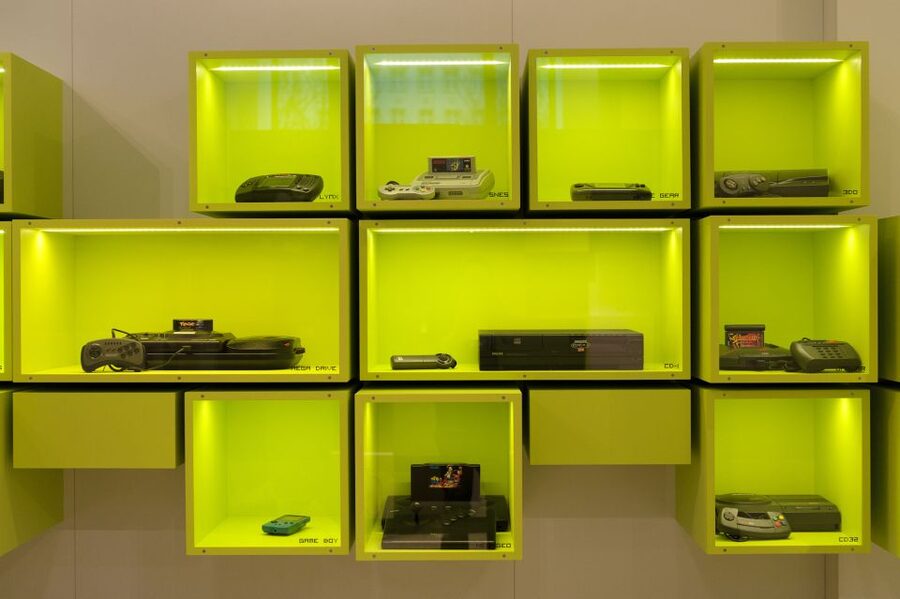
One of the easiest places to understand the museum’s purpose is the Wall of Hardware. It gathers machines from different generations so you can compare the shape, controls, and style of gaming hardware over time.
You will find systems associated with the Commodore era, Nintendo’s Game & Watch, and the PlayStation generation. The display works best when you slow down and look at how much changed between each step. Early devices often focused on one simple function. Later consoles supported larger game worlds, more complex controls, and stronger graphics.
This section also gives parents a useful way to explain their own childhood gaming to children. Instead of saying games used to be simpler, you can point to the actual machines. The contrast between an old handheld and a later console becomes clear within seconds.
The collection includes Atari, Sega, Xbox, PlayStation, and other familiar names according to the experiences described by past visitors. The balance is strongest for retro fans and people interested in the development of home gaming. If you mainly want current consoles and recent blockbuster titles, you may find the modern side less extensive.
The arcade corner with Donkey Kong and Space Invaders
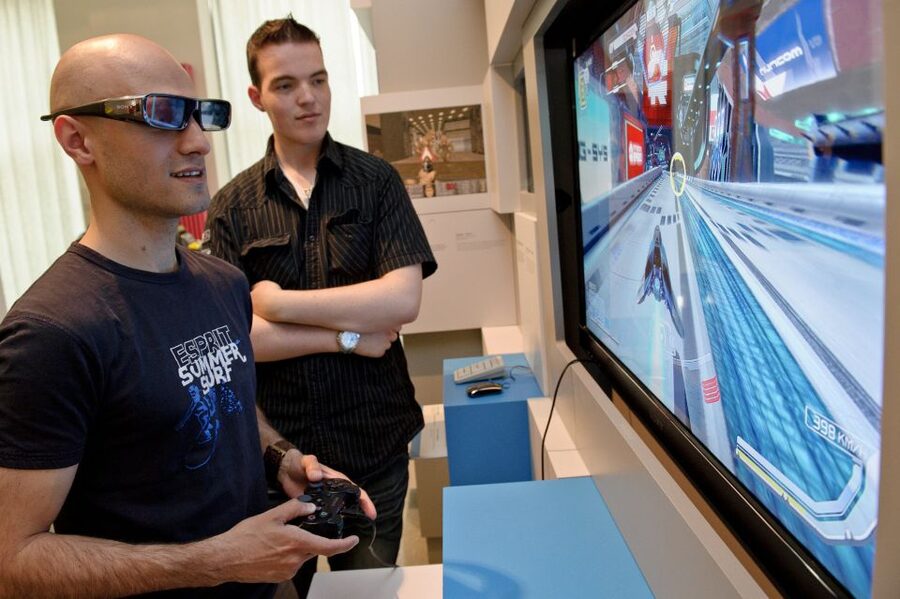
Around the hardware displays, you reach a small arcade area with coin-operated machines. This is where the museum becomes noisy, social, and competitive.
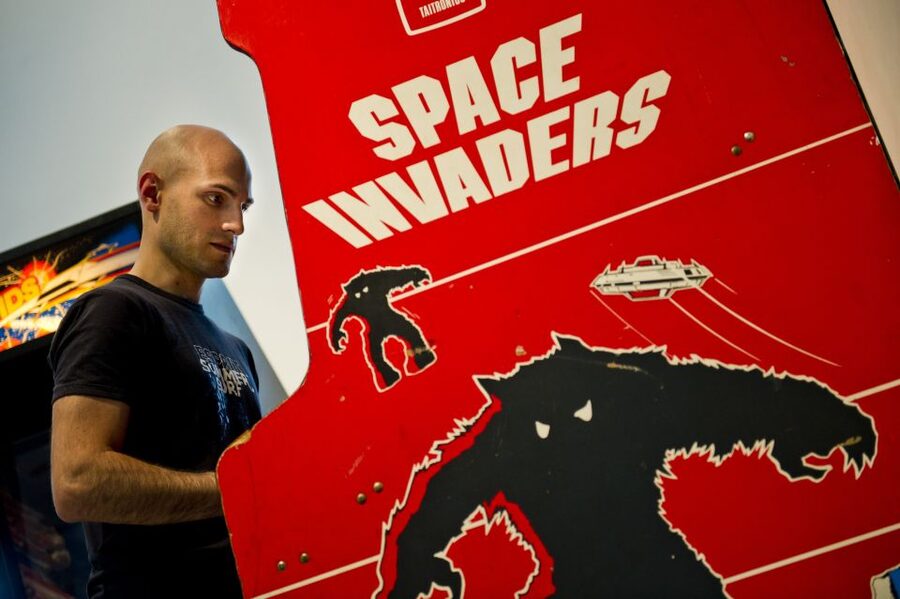
Expect classics such as Donkey Kong and Space Invaders, along with Pacman and other familiar titles. The machines are part of the attraction, not just decoration. You can take a turn and see how the original controls feel.
The arcade is small, which is both good and bad. It keeps the experience focused, but popular cabinets can draw a crowd. If you arrive when the area is busy, you may need to wait. One practical approach is to look around the historical displays first, then return to the arcade instead of standing beside one machine.
The museum has enough playable systems to keep children occupied, but you should not expect every game to be available at once. One account described roughly 20 to 30 consoles and computers available to play, along with the arcade cabinets. That is a useful guide to the scale: plenty of hands-on options, but not an enormous gaming hall.
Other Berlin experiences to weigh up
- Berlin: Berlin Story Bunker Entry Ticket
★ 4.6 · 6,759 reviews - Berlin: Illuseum Berlin Entrance Ticket
★ 4.1 · 3,970 reviews - Berlin: Madame Tussauds Admission Ticket
★ 4.6 · 3,941 reviews - Potsdam: Sanssouci Palace and Prussian Palaces Entry Ticket
★ 4.5 · 2,101 reviews
The 52 game milestones
The museum also traces gaming through 52 highlighted titles. These milestones include Pacman, Bomb Jack, and Grand Theft Auto IV, showing how game design moved from compact arcade challenges to larger and more complex experiences.
This section gives structure to the visit. Without it, a room full of old consoles could feel like a collector’s storage space. With the milestones, you can follow changes in controls, storytelling, graphics, and the way games were played.
You do not need to know every title to enjoy this part. Recognizing a favorite game adds a personal connection, but unfamiliar titles still show how designers worked within the limits of their time. A game that looks simple today may have been important because it introduced a new control system, visual style, or kind of challenge.
The museum includes both well-known classics and later titles, but its strongest emotional pull remains the older material. People who played games in the 1980s and 1990s will find the most direct nostalgia here. Younger visitors may need a little context to understand why a simple screen once held so much attention.
Pong, the Giant Controller, and PainStation
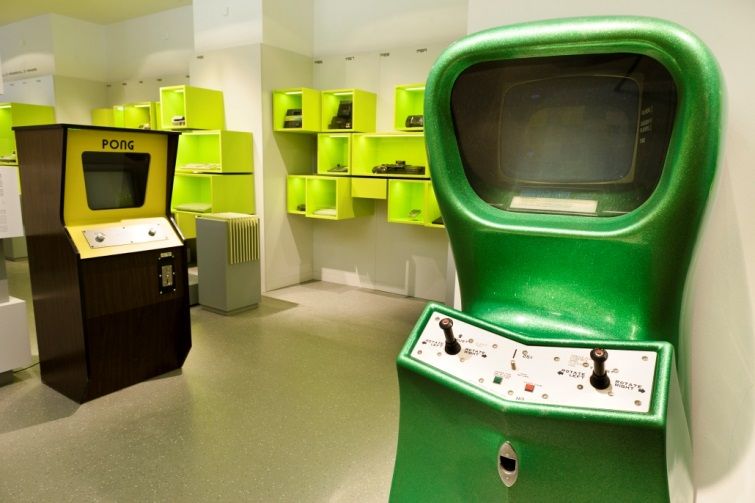
The unusual interactive pieces are among the museum’s best reasons to visit. The legendary Pong machine gives you a direct connection to one of gaming’s earliest widely known arcade experiences.
The Giant Controller turns the act of playing into a physical group activity. Instead of holding a small controller, you operate a much larger version, making the basic mechanics visible and slightly comic.
PainStation is the exhibit that attracts the most curiosity. It is a Pong-style game in which missed balls can trigger physical penalties, including shocks or hits. You should only try it if you are comfortable with that idea. The point is not advanced gameplay. It is an example of interactive art that makes failure part of the machine’s design.
These exhibits help the museum move beyond a simple timeline. They ask what games are, how players respond to rules, and how technology can affect the body as well as the screen. You may find them more memorable than a standard console display because they turn the visitor into part of the exhibit.
3D, movement games, and handheld play
The museum also covers 3D gaming through a 3D television and a handheld 3DS. These displays show another stage in the search for more depth and realism.
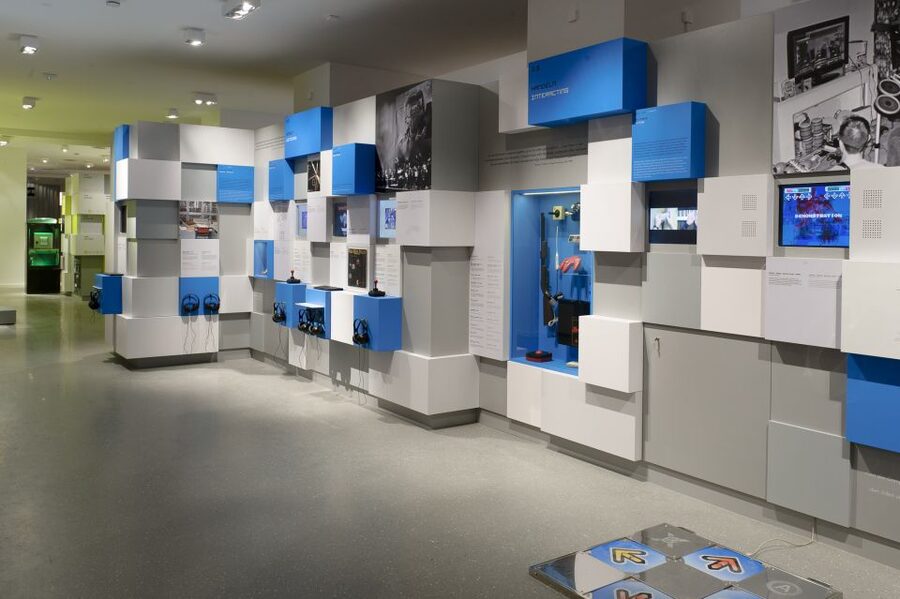
You can also find dance and movement games. They are useful reminders that gaming has never been only about sitting with a controller. Motion-based play changed the way people shared games, especially in family and group settings.
A museum staff member may be able to explain access to some demonstrations. One visitor specifically noted a timed virtual reality demonstration, including a 1994 example, and advised asking at reception about a free timed ticket. Since availability can change, ask when you arrive rather than assuming every 3D or VR feature runs continuously.
This part of the visit is worthwhile for visitors who already know the classic machines and want to see how gaming moved toward motion, depth, and physical participation. Still, the overall collection remains more retro than modern, so do not book this expecting a large showcase of current VR or new-release games.
How long should you allow?
The official duration is one day because your ticket is valid for one day, not because most people need a full day inside. Time depends on your habits.
You might see the main displays and play a few machines in about 30 minutes. That is possible if you move quickly and the arcade is quiet. It is not the best way to visit, since the museum’s value comes from comparing systems and trying more than one type of game.
Allowing one to two hours gives you time to read the key displays and play several classics. Families may need longer because children tend to stop at every playable station. A dedicated fan could spend close to four hours, especially if machines are busy and you want to return to favorites.
The best plan is to treat the museum as a flexible stop rather than a timed tour. You are not following a guide or a fixed group. If you have only an hour, focus on the Wall of Hardware, the arcade, and the interactive art. If you have more time, follow the 52 milestones and try the 3D or movement exhibits.
Who will enjoy it most?
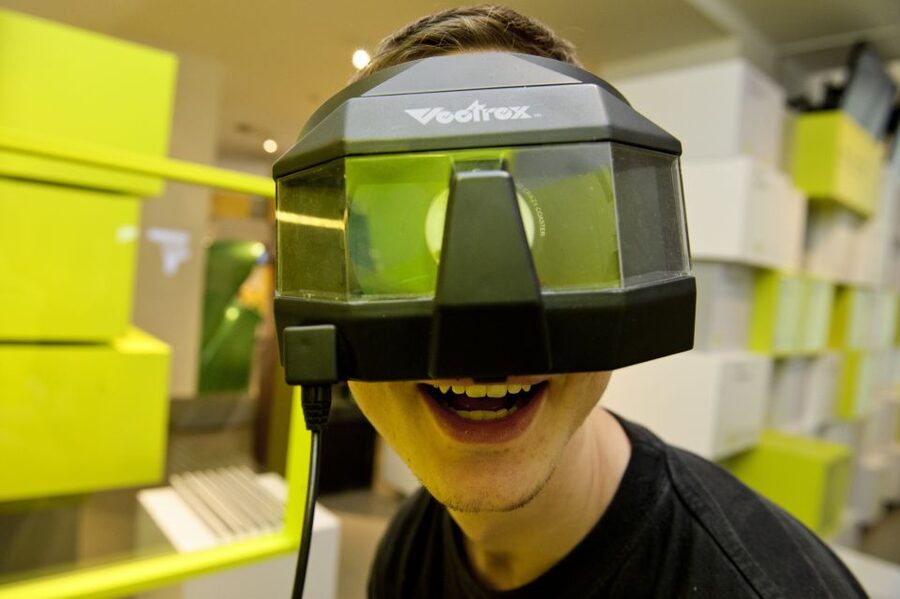
This is an easy choice for people who grew up with arcade games, Atari, Nintendo, Sega, or early PlayStation. The nostalgic appeal is strong, but you do not need to be a serious gamer.
Families often get the most from the visit because different generations can compare experiences. Parents may recognize the Atari era or Mario, while children may know the Nintendo DS and newer systems. One family found that the children enjoyed seeing early devices from around 2007, while the adults enjoyed recognizing the machines from their own youth.
It also suits adults who want a museum that is active rather than purely visual. You can spend time with the technology without needing to read every panel. The hands-on design makes it approachable for visitors who might not normally choose a technical museum.
You should think twice if your main interest is the newest gaming hardware. The collection includes later examples such as Grand Theft Auto IV, 3D games, and modern console generations, but the strongest emphasis is on earlier gaming and the story of how the medium developed.
Crowds may also affect your visit. The arcade area can become packed, and children may gather around the most popular machines. If you want a calm, careful look at every cabinet, allow extra time or visit when the museum is less busy.
Practical details before you book
The meeting point is the Computer Games Museum Berlin, Karl-Marx-Allee 93a, 10243 Berlin. The ticket includes the permanent exhibition and special exhibitions, but not transfers or a guide.
You can cancel up to 24 hours before the visit for a full refund. A reserve-now-and-pay-later option is also listed, which can help if your Berlin schedule is still changing.
The activity is wheelchair accessible. Starting times and availability should be checked before booking, since the ticket is valid for one day and the booking system may show specific entry options.
Bring patience for the playable machines. The museum is more enjoyable when you accept that you may need to wait for Pacman, Space Invaders, or another popular cabinet. If a machine is occupied, use that time to read the related display instead of treating the wait as wasted time.
Should you book the Computer Games Museum?
Book it if you want a playable history of gaming, especially if your interests run from Pong and arcade cabinets through Atari, Commodore, Nintendo, and PlayStation. The $22 price makes sense when you stay for at least an hour or two and try several exhibits.
Families, retro fans, and curious adults are the best match. You will get less from it if you want a large modern gaming convention or a museum devoted mainly to current VR.
My practical advice is to plan enough time for the arcade, do not skip the Wall of Hardware, and ask at reception about any timed 3D or VR demonstrations. The museum is compact, but its hands-on design can turn a short visit into a surprisingly long contest with your childhood favorites.
FAQ
Where is the Computer Games Museum in Berlin?
It is located at Karl-Marx-Allee 93a, 10243 Berlin.
What does the ticket include?
The ticket includes admission to the permanent exhibition and special exhibitions.
How much does admission cost?
The listed price is $22 per person.
How long is the ticket valid?
The ticket is valid for one day.
Is a guide included?
No. A guide is not included with the ticket.
Are transfers included?
No. Transfers are not included.
Can I cancel the booking?
Yes. You can cancel up to 24 hours in advance for a full refund.
Can I reserve now and pay later?
Yes. A reserve-now-and-pay-later option is available.
Is the museum wheelchair accessible?
Yes. The activity is wheelchair accessible.
Can I play the games?
Yes. The museum includes numerous interactive exhibits and playable machines, including Pong, Pacman, Donkey Kong, Space Invaders, and other classic games.
Newest Berlin reviews
- Where It All Began: Berlin’s Queer & Trans History Tour★ 4.9 · 6 reviews
- Understanding Kreuzberg: The roots of local (sub)culture★ 4.9 · 11 reviews
- Berlin: guided canoe | kayaktour★ 4.1 · 7 reviews
- Warnemünde Shore Excursion: Private Sachsenhausen and Berlin Tour★ 5.0 · 12 reviews
- Ultimate E-Bike Tour of Berlin with Beer Garden Stop★ 5.0 · 4 reviews
- Private Potsdam City Tour in an authentic vintage van★ 5.0 · 14 reviews
- In the Forbidden City – Potsdam Walking Tour★ 5.0 · 17 reviews
- Private Walking Tour of Potsdam and Sanssouci★ 5.0 · 24 reviews
Museums, compared.

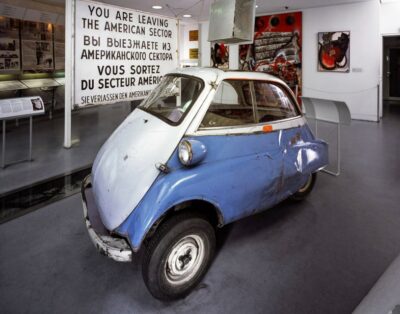
Skip-the-Line: Berlin Wall Museum at Checkpoint Charlie
Read our review →

“Pergamonmuseum. The Panorama” Exhibition Tickets
Read our review →
East Side Gallery Spree Cruise in a Solar Catamaran
Read our review →
Cold War, Berlin Wall, Spies and the East Side Gallery
Read our review →
Browse the lists this tour appears in