Reviewed · TICKETS
Berlin: Berlin Story Bunker Entry Ticket
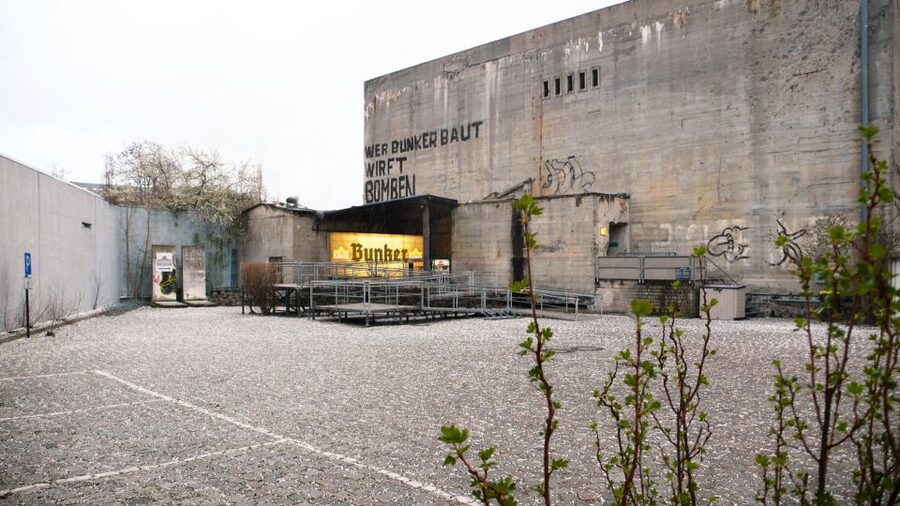
The Berlin Story Bunker puts you inside a real Second World War bunker for a long, serious look at Berlin’s past. Its main exhibition follows Hitler’s life, the rise of National Socialism, the war, and the collapse of the regime, then widens the view to cover more than 800 years of Berlin history. The setting is part of the lesson, not just a backdrop.
I like the chronological layout, which helps you connect political events with the city around you. I also like the freedom to move at your own speed, using the audio guide for a clear overview while stopping to read the large number of panels, photographs, and short films. The main drawback is the sheer amount of material. Two hours is a rushed visit, and the bunker can feel warm, intense, and tiring.
Key points to know before you go
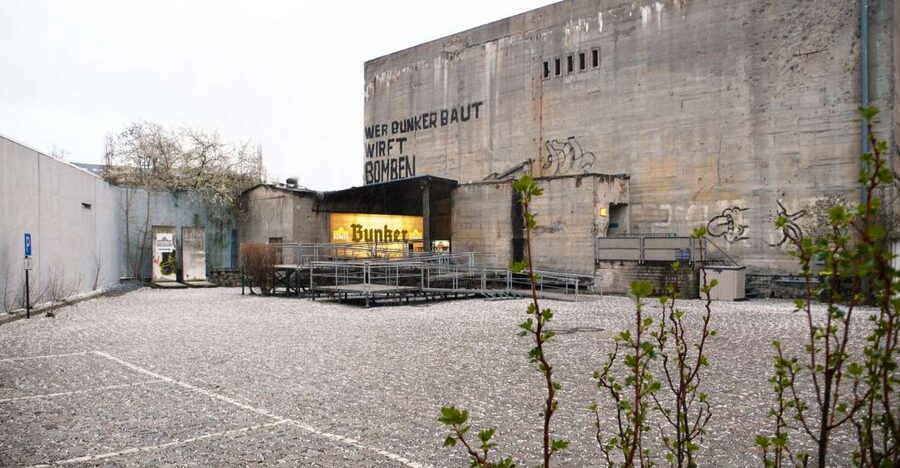
- A real wartime bunker: The exhibition is housed in the Berlin Story Bunker near Anhalter Bahnhof and includes preserved bunker areas.
- About 50 display stations: Expect large installations, photographs, films, newspaper pages, posters, and extensive written material.
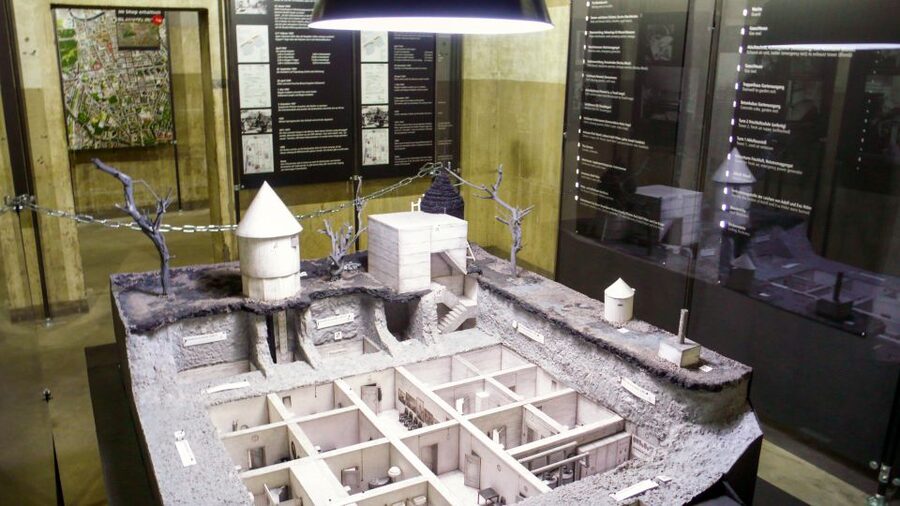
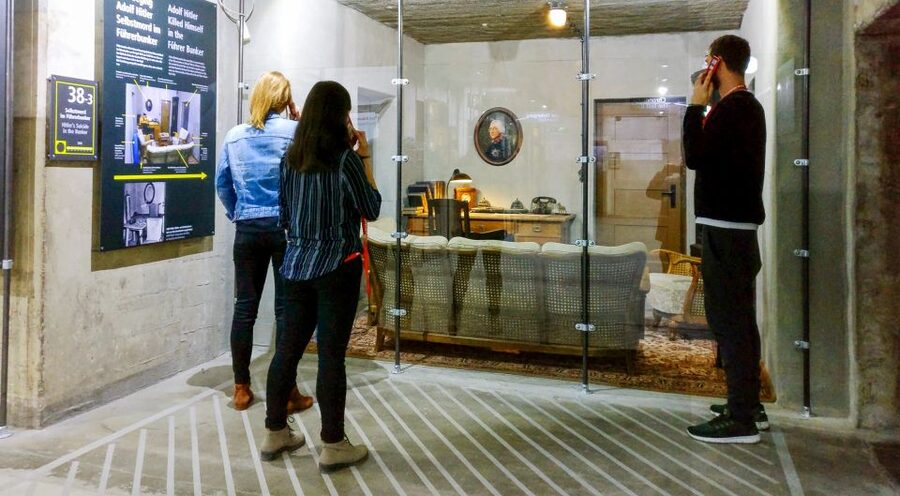
- A full-scale Führerbunker replica: The lower section includes a model of Hitler’s bunker and helps explain the final days of the Nazi regime.
- Audio in 11 languages: Choose German, English, Spanish, French, Italian, Danish, Dutch, Russian, Hebrew, Portuguese, or Ukrainian.
- Plan three to four hours: You can move faster, but careful readers may need most of a day.
- No photography inside: Cameras, video recording, and photography are not allowed, partly out of respect for the subject matter.
Entering the Berlin Story Bunker near Anhalter Bahnhof
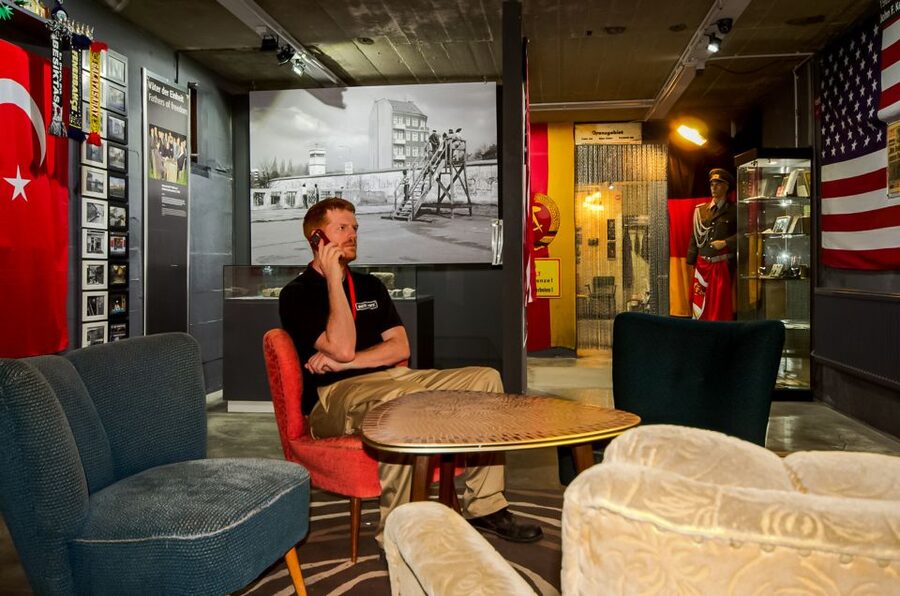
The ticket office is at Schöneberger Str. 23a, 10963 Berlin, close to Anhalter Bahnhof and Potsdamer Platz. You skip the ticket line with a prebooked entry, then begin a self-guided visit through the bunker.
The attraction combines two connected ideas. One section tells Berlin’s story across more than 800 years. The main focus, however, is the period of National Socialism and the Second World War, with Hitler’s life and political rise used as the central thread.
That arrangement matters. You are not simply looking at wartime objects in isolation. The exhibition first gives you political and social background, then shows how dictatorship took hold, how propaganda and racism shaped daily life, and how Berlin became the center of Nazi power.
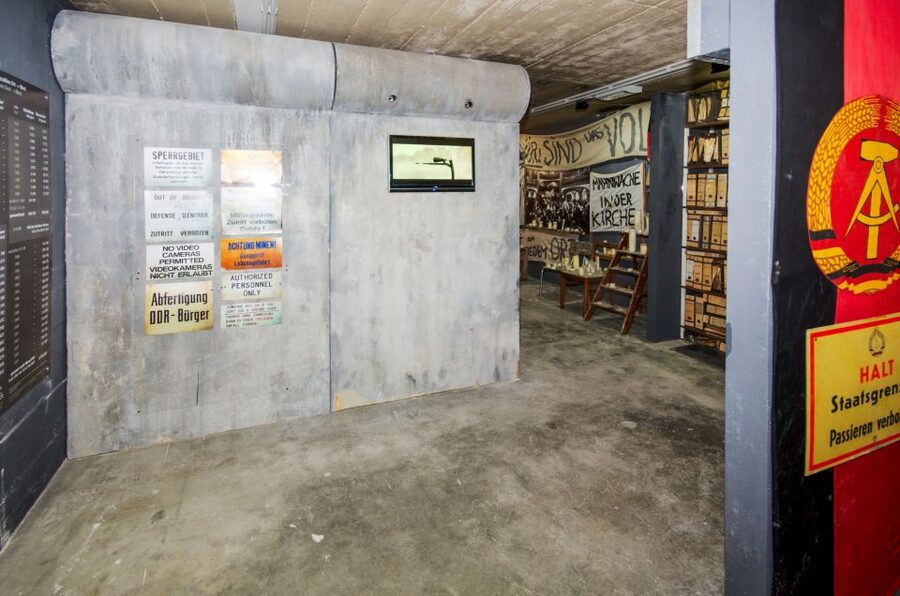
The bunker itself gives the visit a weight that a normal gallery would not have. Concrete rooms, limited natural light, and the underground setting make the subject feel close and physical. At the same time, the spaces are generally large, and fans provide air circulation. I did not find the setting automatically claustrophobic, but anyone uneasy in enclosed places should know what to expect.
Other Berlin experiences to weigh up
- Berlin: Illuseum Berlin Entrance Ticket
★ 4.1 · 3,970 reviews - Berlin: Madame Tussauds Admission Ticket
★ 4.6 · 3,941 reviews - Berlin: Natural History Museum Entrance Ticket
★ 4.6 · 3,382 reviews
How the 50 stations tell Berlin’s story
The exhibition is arranged in a largely chronological order, which is one of its strongest features. You move through sections that connect the city’s imperial period, the First World War era, the political crisis that helped Hitler gain power, the Nazi dictatorship, the Second World War, and the later division of Germany.
Large display panels carry much of the detail. You will see photographs, posters, newspaper material, short film sequences, and installations that explain how Berlin functioned as the political center of the regime.
This is not a museum where a few famous objects do all the work. Much of the experience comes from reading and listening. The written material is available in German and English, while the audio guide adds narration in several languages.
The amount of text is both a strength and a limitation. If you want a clear outline of Berlin’s wartime history, you can use the audio guide and keep moving. If you want dates, names, political context, and details about the city, you can stop at nearly every panel and spend hours here.
Some displays contain graphic photographs. They are relevant to the subject and are presented as part of an honest account of Nazi rule, but they can be upsetting. I would prepare younger children before coming, even though one family found the exhibition understandable for an 11-year-old with an interest in history.
Hitler’s rise, rule, and final days
The central story follows Hitler from childhood through his political rise and dictatorship to his death. This gives the exhibition a clear human timeline, but the purpose is not to celebrate his biography. The material places his career within the machinery of National Socialism, showing the violence, racism, and repression that defined the regime.
You will find a great deal about the rise of the Nazis and the reasoning behind their success. The exhibition also asks difficult questions rather than presenting the period as a simple sequence of battles and dates.
That is important in Berlin. The city was not only the place where the war ended. It was the center of political power from which the dictatorship directed persecution and war. The displays help you connect the decisions made in Berlin with their wider consequences.
The final sections focus on the collapse of the regime and the last days in the bunker. The model of the Führerbunker gives you a visual reference for the underground headquarters associated with Hitler’s final days. It is not a surviving room that you can enter. It is a full-scale replication and model display intended to show the layout and atmosphere of that setting.
You should not expect a museum packed with original artifacts at every turn. The power here comes more from the bunker environment, documents, photographs, film, and carefully ordered explanations. If you prefer objects you can examine in glass cases, this may feel text-heavy. If you want a detailed account of how the Nazi period developed, it offers far more than a quick memorial stop.
Using the audio guide without rushing
An audio guide is included with admission. It is available in German, English, Spanish, French, Italian, Danish, Dutch, Russian, Hebrew, Portuguese, and Ukrainian.
The device gives you a useful overview of each section. I would listen to the introduction and the main explanations first, then pause often to read the boards. The audio is best used as a framework, not as a replacement for the exhibition.
There is a practical trick worth knowing. The device can be operated by entering numbered sections, but entering a number incorrectly may jump to another track. The next button can be easier once you have reached the right area.
Some people will move through the rooms quickly while listening. I would resist that temptation. The exhibition contains far more written material than the audio guide can cover, and the displays often add names, images, and context that give the narration more meaning.
If you have limited time, choose one approach. Listen carefully and accept that you will not read everything, or use the audio guide lightly and focus on the written panels. Trying to do both in 90 minutes will leave you rushing near the end.
A different sort of day out in Berlin:
- Berlin: Reichstag, Dome and Government District Guided Tour
★ 4.7 · 18,288 reviews - Berlin: 1-Hour City Tour by Boat with Guaranteed Seating
★ 4.3 · 16,993 reviews - Berlin: Boat Tour Along the River Spree
★ 4.4 · 11,252 reviews - Discover Berlin Half-Day Walking Tour
★ 5.0 · 9,624 reviews
How long should you allow?
The official validity is one day, and that is useful because the exhibition can easily fill a large part of your schedule. A quick orientation visit may take around two hours. A careful visit commonly needs three to four hours, and readers who stop at every panel may need five or six hours.
Several practical factors affect your timing:
- Two hours: Enough for a brisk route and the main story, but not every panel.
- Three to four hours: A sensible target for most people who want to listen, read, and see the main installations.
- Five to six hours: Reasonable if you study the documents and photographs closely.
- A second visit: Possible under the one-day ticket validity if you want to return to sections you passed too quickly.
Wear comfortable shoes. There are stairs and a lot of standing, although chairs are available in several places. Bring water, since the visit can run much longer than planned. A cafe and toilets are available on site.
The bunker may feel warm, especially when you are moving slowly through crowded display areas. It is not described as suitable for people with mobility impairments, so check your own needs before booking.
What the experience feels like emotionally
This is not a light museum stop to fit between shopping and dinner. The setting, subject matter, and unfiltered photographs create a serious mood.
The exhibition does not soften the crimes of the Nazi regime. It addresses fascism, racism, persecution, and war directly. That honesty is one of its most valuable qualities, but it also means you should give yourself time afterward rather than rushing straight into another attraction.
The bunker setting adds to the sense of dread, especially in the sections connected with the final days of the war. Yet the display is not designed only to shock. The timeline and explanatory panels aim to show how the dictatorship grew and how ordinary political conditions were exploited.
A personal guide is not part of the standard ticket. This is a self-guided experience, although occasional special encounters or guided talks may occur. One visitor described meeting the museum founder, who explained his own experience of the Berlin Wall. Another praised Sergio, a guide who explained the difficult subject in simple terms during a guided visit. Those moments are not guaranteed, so plan on using the audio guide.
Is the $21 ticket good value?
At $21 per person, this is not the cheapest museum entry in Berlin. Still, the value is strong if you are willing to spend several hours inside.
You receive admission to a large exhibition in a genuine bunker setting, an audio guide in 11 languages, and access to installations, films, photographs, posters, and the Führerbunker replica. If you spend three or four hours here, the cost compares well with many shorter paid attractions.
The value drops if you only want a quick look at a bunker. This is primarily a history exhibition, and the amount of reading is part of what you are paying for. You are not buying a short photo opportunity or a theatrical reconstruction.
I would book it for a day when you have room to slow down. The reserve-now, pay-later option and free cancellation up to 24 hours before entry give you some flexibility, but the main planning decision is time. Do not place it in a tight schedule before a timed museum or evening train.
Who will get the most from this visit?
I recommend it most to people who want to understand Berlin’s role in the Nazi period rather than simply see a famous location. It suits adults, serious history students, and families with older children who can handle difficult images and long periods of reading.
It is also useful if you want a single place to organize the major events of Berlin’s history. The chronological route helps you build a mental map before visiting other sites connected with the war, the Berlin Wall, and the postwar division of the city.
You may want to choose another attraction if you dislike audio guides, long text panels, enclosed spaces, or graphic historical photographs. It is also a poor fit for anyone needing step-free access.
For first-time visitors to Berlin, I would pair this with outdoor sites on another day. The bunker is intense. Fresh air and open city streets afterward are welcome.
Practical details for a smoother visit
The last entrance is at 5:30 PM, so arrive well before then. A late arrival leaves too little time for an exhibition that rewards patience.
Photography and video recording are prohibited inside. Cameras are not allowed, so put them away and treat the displays as a place for attention rather than social-media documentation.
The audio guide is included, and the wide language range makes this a good choice for international families and mixed-language groups. Chinese is not among the listed audio options, so check the German and English panel translations if you need another language.
There is no need to follow a fixed group. You can move slowly, skip a section, sit down, or return to a panel. That freedom is a major advantage over a tightly timed tour, especially when the subject matter needs thought.
Should you book the Berlin Story Bunker?
Book it if you want a serious, detailed account of Berlin under National Socialism, presented in a real wartime bunker with enough material to occupy half a day. The chronological layout, language options, audio guide, and Führerbunker replica make it easy to follow, even if your background knowledge is limited.
Do not book it expecting a small, interactive attraction with lots of original objects and a quick finish. Bring comfortable shoes, allow at least three hours if possible, and be ready for disturbing images and a great deal of reading.
For anyone trying to understand how Berlin became the center of Nazi power and how that regime ended, this is a worthwhile stop. At $21, it offers good value when you give it the time it demands.
FAQ
Where is the Berlin Story Bunker?
The ticket office is at Schöneberger Str. 23a, 10963 Berlin, near Anhalter Bahnhof and Potsdamer Platz.
How long is the ticket valid?
The ticket is valid for one day.
How long should I spend inside?
Allow at least two hours for a quick visit. Three to four hours is better, while careful readers may need five or six hours.
Is an audio guide included?
Yes. An audio guide is included with admission.
Which languages are available for the audio guide?
The audio guide is available in German, English, Spanish, French, Italian, Danish, Dutch, Russian, Hebrew, Portuguese, and Ukrainian.
Is photography allowed inside?
No. Photography, cameras, and video recording are not allowed inside.
Is the attraction suitable for people with mobility impairments?
The experience is not considered suitable for people with mobility impairments. It also includes stairs and a lot of walking.
What is the latest entry time?
The last entrance is at 5:30 PM.
Is there a Führerbunker replica?
Yes. The exhibition includes a full-scale replication and model of Hitler’s Führerbunker.
Can I cancel the booking?
You can cancel up to 24 hours in advance for a full refund. A reserve-now, pay-later option is also available.
Newest Berlin reviews
- Where It All Began: Berlin’s Queer & Trans History Tour★ 4.9 · 6 reviews
- Understanding Kreuzberg: The roots of local (sub)culture★ 4.9 · 11 reviews
- Berlin: guided canoe | kayaktour★ 4.1 · 7 reviews
- Private Potsdam City Tour in an authentic vintage van★ 5.0 · 14 reviews
- Warnemünde Shore Excursion: Private Sachsenhausen and Berlin Tour★ 5.0 · 12 reviews
- Ultimate E-Bike Tour of Berlin with Beer Garden Stop★ 5.0 · 4 reviews
- In the Forbidden City – Potsdam Walking Tour★ 5.0 · 17 reviews
- Private Walking Tour of Potsdam and Sanssouci★ 5.0 · 24 reviews
Tickets, compared.


Sanssouci Palace and Prussian Palaces Entry Ticket
Read our review →