
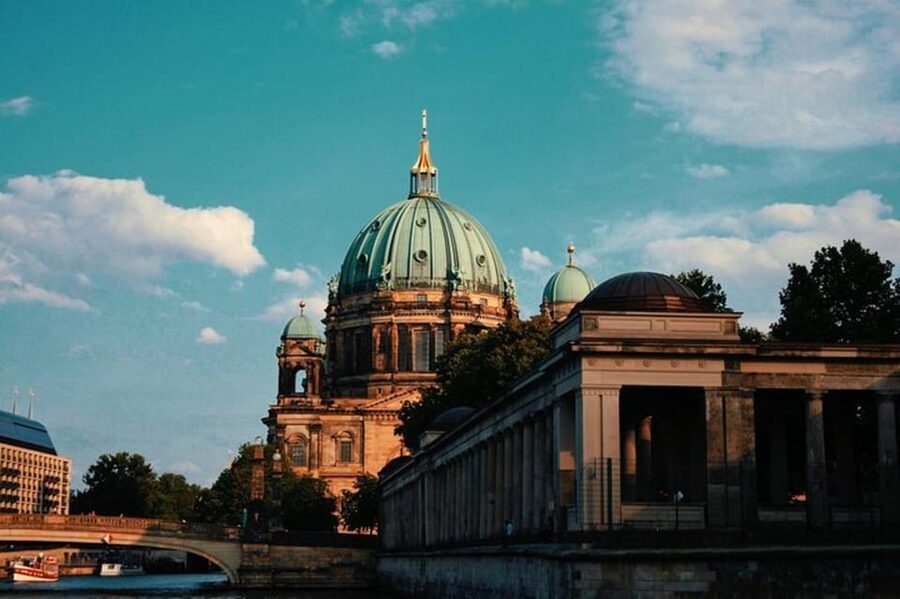
Reviewed · BERLIN SIGHTSEEING TOURS
Berlin : Must-see attractions Walking Tour
Berlin’s past is packed into this three-hour walk, from the Cold War division at the Berlin Wall to the reunification symbol of Brandenburg Gate and the difficult history addressed at the Holocaust Memorial. You also get a close look at Checkpoint Charlie, the Reichstag, and the city streets linking them.
I like the private format, since you can ask questions without competing with a large group. I also like the flexible approach: Pierre has helped late-arriving guests reach the meeting point by phone, adjusted the route, and allowed extra time for sights that mattered most to them. The main drawback is that three hours is a tight window for several major stops, and food or drinks are not included.
Key points to know before booking
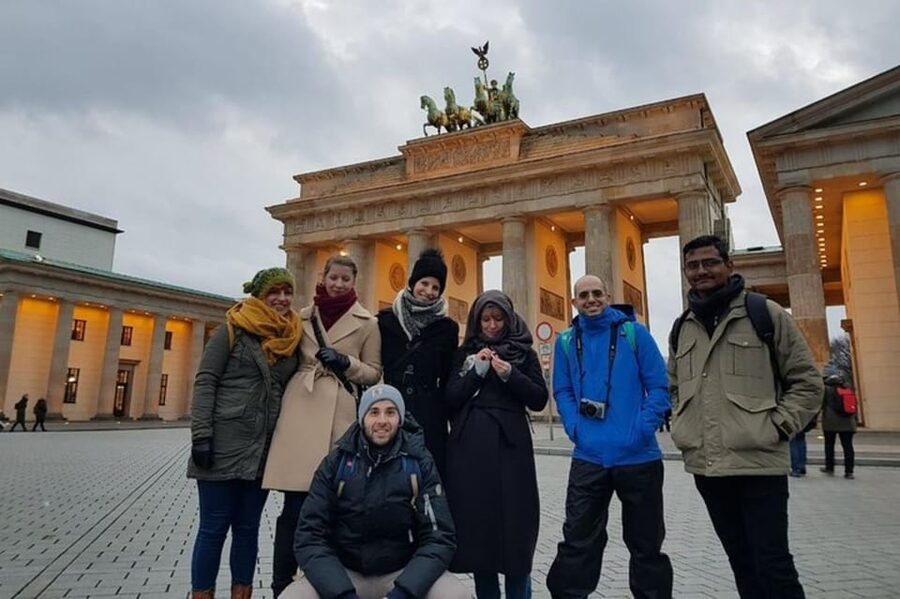
- Berlin’s major landmarks in three hours: The route covers the Berlin Wall, Brandenburg Gate, Reichstag, Checkpoint Charlie, and Holocaust Memorial.
- A genuinely private group: No one else is added to your group, giving you more control over questions and pace.
- Flexible guiding: You can ask to see other points of interest, and the tour can be adjusted around your interests.
- Strong language choice: Guides may lead the tour in English, French, Spanish, Italian, or German.
- Useful first-day orientation: Your guide can suggest other things to do in Berlin after the walk.
- Public transport can help connect the route: Transport is included, except under certain selected options.
Starting at Meliá Berlin on Friedrichstraße
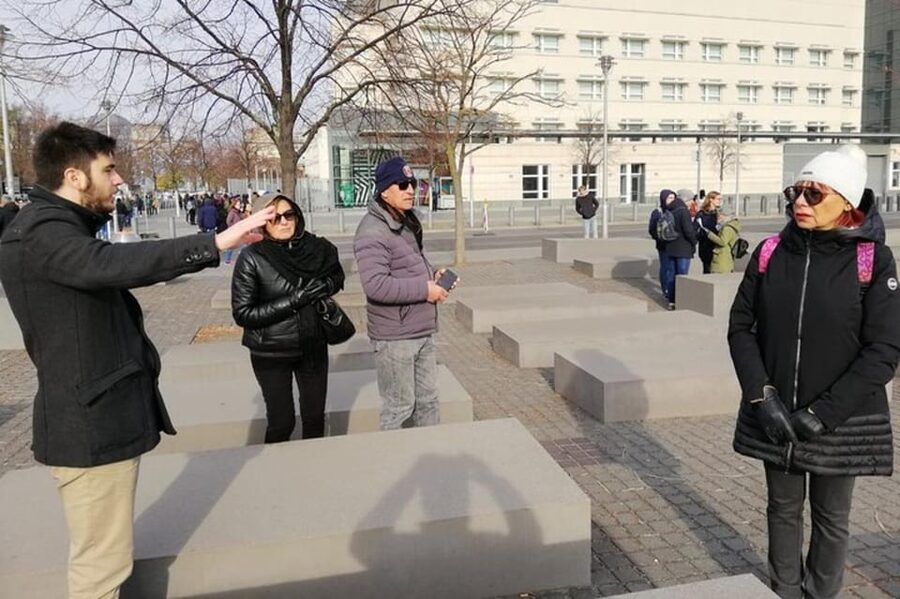
The tour begins at Friedrichstraße 103, in front of Meliá Berlin. This is a useful central meeting point, but give yourself time to find the exact place before the start. If you arrive late, call the guide rather than simply trying to catch up. Pierre has already shown he will guide delayed guests by phone toward the meeting point.
That small detail matters. A private guide can often react to a late arrival more easily than a large scheduled group, though you should not treat flexibility as permission to arrive late. The advertised duration is three hours, and the route has several serious stops to cover.
You begin with your own group rather than joining a crowd. That changes the feel of the experience. You can stop the guide to ask why a place matters, request more detail about the Cold War, or shift attention toward another part of Berlin that interests you. The tour is not only a checklist of famous buildings. It is also a chance to get your bearings and ask what to do next.
More sightseeing tours in Berlin:
- Berlin: 1-Hour City Tour by Boat with Guaranteed Seating
★ 4.3 · 16,993 reviews - Explore Berlin: See All The Iconic Sights & Some Hidden Gems
★ 5.0 · 4,429 reviews - Berlin: City Sightseeing Hop-On Hop-Off Bus Tour
★ 4.1 · 4,233 reviews
The Berlin Wall and the city’s divided past
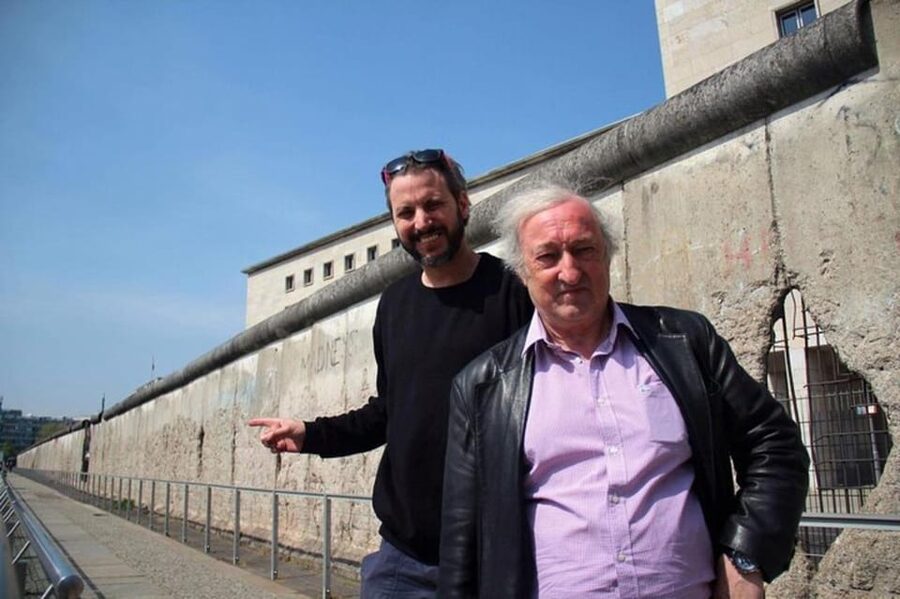
The Berlin Wall is the right place to begin because it gives the rest of the walk a clear frame. Your guide explains why the wall was built, how it divided Berlin during the Cold War, and how it eventually fell.
The value here is the connection between physical remains and political history. A wall can look like a simple strip of concrete if you do not know what it meant. With explanation, it becomes a reminder of a city split between opposing political systems and of the lives shaped by that division.
Expect a guided visit rather than a long museum session. The three-hour schedule means the guide needs to keep the story moving. If the Wall is the part of Berlin you most want to understand, tell your guide early. The private setup gives you a better chance of spending more time on this subject than you would on a fixed large-group route.
The Wall also introduces one of the tour’s useful themes: Berlin is not a city where history sits in one separate quarter. Important events are woven through ordinary streets, central squares, government buildings, and memorials. Your guide helps connect those locations as you walk.
Brandenburg Gate and the meaning of German unity
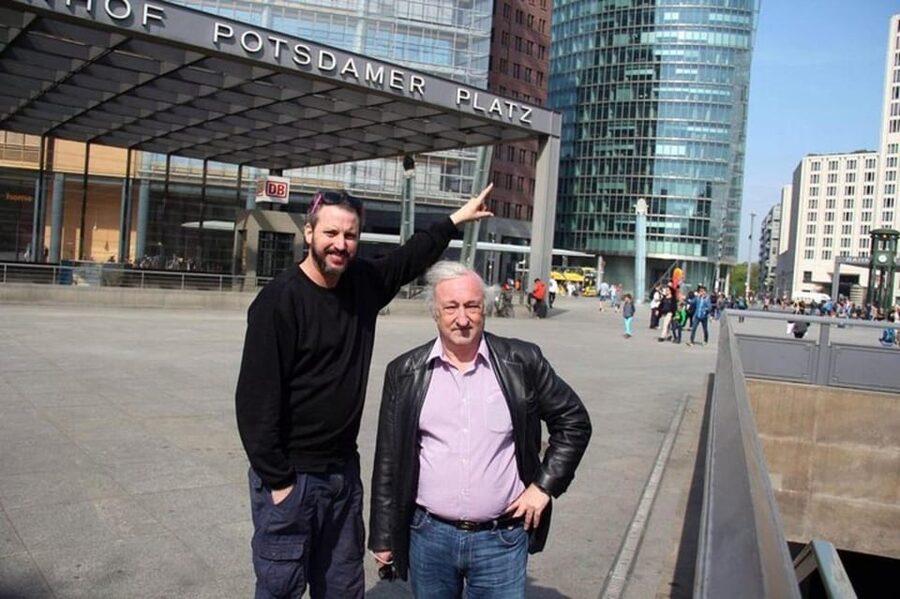
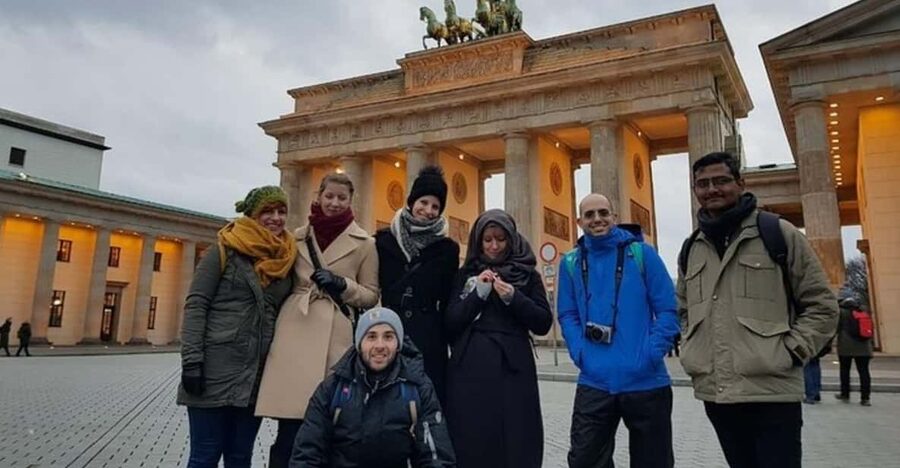
Brandenburg Gate is one of Berlin’s most recognizable sights, with its neoclassical design and long connection to the city’s political story. Your guide explains the gate’s history and why it became a symbol of German unity.
This is one of the stops where a guide adds real value. You can admire the architecture on your own, but the larger meaning is less obvious from the stonework alone. The gate has taken on different roles through Berlin’s changing political eras, and its place in the modern city is tied closely to reunification.
The stop also gives you a visual change from the more somber subject of the Wall. Berlin’s story is not only about division and dictatorship. It also includes political change and the creation of a modern capital. A good guide will help you hold those ideas together without turning the walk into a string of disconnected facts.
Because this is a popular sight, the area can feel busy at times. The private group helps in one practical way: you can hear your guide directly instead of relying on a voice carried across a large crowd. Still, the experience is primarily an outdoor visit. If you want to go inside attractions, ask about ticket help before the tour or during the booking process. Assistance with arranging desired visits is included, but entrance tickets themselves are not listed as part of the tour.
The Reichstag and Berlin as a modern capital
The Reichstag brings the story into present-day government. Your guide discusses the building and Berlin’s role as the capital of modern Germany.
This stop works well after Brandenburg Gate because it shifts from a symbol of unity to the functioning political center of the country. You get to consider how Berlin changed from a divided Cold War city and the capital of the Nazi Third Reich into a modern national capital.
Do not assume the walk includes entry to the Reichstag. The information provided describes a guided visit and help booking tickets for desired visits, but it does not include admission. If seeing the interior is important to you, ask the tour team about arranging it. The three-hour walk should be treated mainly as an outdoor sightseeing and history experience unless you select or arrange an additional visit.
The Reichstag is also a good place to ask your own questions. You might want to know how the building fits into Germany’s political past, or how the city’s public spaces reflect its changing identity. A private guide can adjust the explanation to your interests instead of delivering the same speech to every group.
Other Berlin experiences to weigh up
- Discover Berlin Half-Day Walking Tour
★ 5.0 · 9,624 reviews - Berlin: Third Reich and Cold War 2 Hour Walking Tour
★ 4.9 · 6,830 reviews - Berlin: Discover Berlin Walking Tour
★ 4.9 · 5,998 reviews - Berlin’s Best: 2 Hour Walking Tour Third Reich and the Cold War
★ 5.0 · 5,486 reviews
Checkpoint Charlie and Cold War Berlin
Checkpoint Charlie adds another concrete location to the Cold War story. Your guide explains its role as a former crossing point between East and West Berlin.
Like the Wall, this stop is most useful when you understand the events behind the name. On its own, a famous checkpoint can seem like a photo stop. With context, it becomes part of the system that controlled movement through a divided city.
Checkpoint Charlie also shows the value of having a guide who can separate historical importance from tourist presentation. The stop is widely known, but the history is the reason to include it. Ask questions if you want to understand how it relates to the Wall and to Berlin’s wider division.
The route includes both political landmarks and memorial spaces, so the mood changes often. Some visitors will appreciate that range. Others may find the pace emotionally demanding, especially when the tour moves from Cold War sites to the Holocaust Memorial and the Nazi period. The guide’s role is important here, and the private setting lets you pause for a question or request a quieter explanation.
The Holocaust Memorial and confronting the Nazi past
The Memorial to the Murdered Jews of Europe is one of the most serious stops on the route. Your guide discusses Berlin’s role as the capital of the Nazi Third Reich and explains the memorial’s place in the city.
This is not a stop to rush through. The memorial asks you to think about mass murder and the way Germany remembers it in the center of its capital. Your guide provides historical context, helping you connect the site to the broader story of Berlin rather than treating it as another landmark for photographs.
The tour does not promise an extended museum visit, and no food or drinks are included. Plan this section as a guided outdoor memorial visit. If you prefer to spend extra time here, say so. The route is customizable, and the private group gives you more say over where the tour’s attention goes.
I appreciate that the route includes this difficult history alongside the city’s famous architectural and political sights. Berlin is not presented as a postcard city with the uncomfortable parts edited out. The walk asks you to see how remembrance, government, Cold War division, and reunification all exist in the same central area.
How the private format changes the experience

The strongest feature here is not simply the list of sights. It is the way a private guide can shape the three hours around your questions.
The tour is described as exclusive, with no one else in your group. That means you can ask for clarification without slowing down a large party. You can also tell the guide if you want more history, more architectural detail, or suggestions for the rest of your stay.
The experience is available in English, French, Spanish, Italian, and German. Pierre has been praised for exceptional English and for taking time to explain places clearly. Bastian is another named guide associated with a strong city-focused tour, with enough information to keep the time moving quickly.
The guide can also suggest other activities in Berlin. This makes the walk especially useful early in your visit. You can ask what deserves a longer visit, which sights need advance tickets, and how to use the rest of your time. The tour team can help book tickets for desired visits, but you should confirm exactly what is included before assuming admission is covered.
Timing, transport, and the real value of $44
At $44 per person, the tour is not the cheapest way to look at Berlin’s landmarks. Its value depends on how much you want from the guide rather than how many sights you can photograph.
For the price, you receive three hours of private guiding, customization, and help understanding several important parts of Berlin. You also receive public transport as part of the walking tour, except when a selected option says otherwise. That can make the route more practical than a walk that tries to connect every stop only on foot.
The cost makes more sense for couples, families, or small groups who would otherwise book several separate activities. A large family or group can spread the private guide cost across several people, while a solo visitor should think more carefully about the per-person price.
There is no included meal, drink, or stated entrance ticket. Budget for those separately. If you want to enter the Reichstag or another paid site, ask about ticket arrangements before you book or at the start of the tour.
Three hours is enough for an overview, not a full study of Berlin. You will see the main locations and receive a connected explanation, but you will not have unlimited time at every stop. Tell the guide your priorities at the beginning. That is the simplest way to get good value.
Who will get the most from this Berlin walk
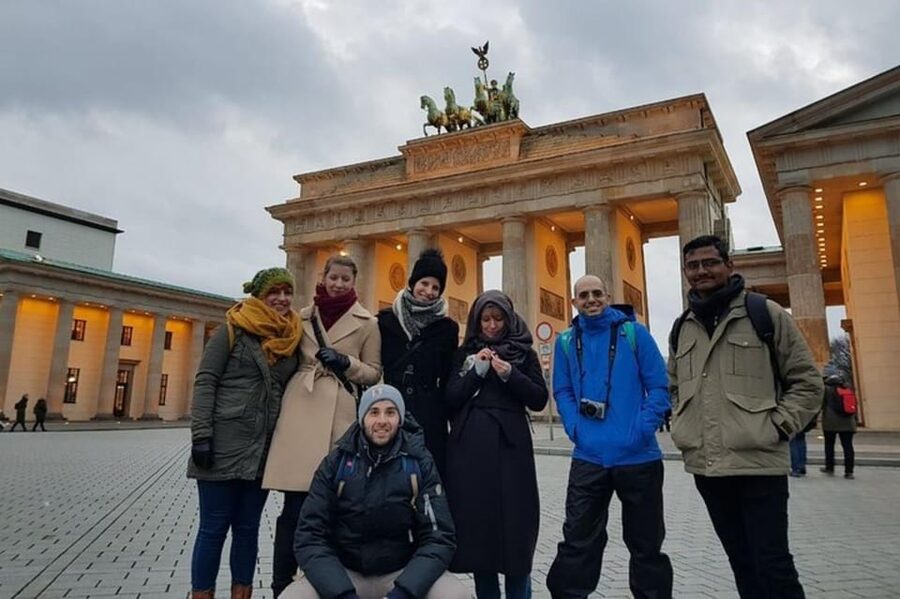
I would choose this tour if you are visiting Berlin for the first time and want the city’s central sights explained in one organized outing. It is also a good fit if you prefer asking direct questions instead of listening to a fixed script.
Families and mixed-interest groups may benefit from the private format. One person can ask about the Wall, another can focus on architecture, and someone else can request advice for later in the trip. The multilingual guiding is useful for groups that do not all prefer English.
This is less suitable if you want long indoor visits, a food experience, or a slow photographic walk. The route is built around outdoor landmarks and historical explanation. It is also not ideal for someone who wants to explore only one site in depth, since five major stops compete for the same three hours.
The route is listed as wheelchair accessible, which is an important practical advantage. Still, because the experience moves through several city locations and may use public transport, ask the operator for route-specific details if you have particular mobility requirements.
Booking flexibility and practical planning
You can cancel up to 24 hours in advance for a full refund, and you can reserve now while paying later. Those terms help if your Berlin schedule is still taking shape.
Check the available starting times before booking. The tour lasts three hours, so plan enough time afterward if you have a timed visit or dinner reservation. Since the meeting point and return point are both Friedrichstraße 103, you finish where you started.
Wear comfortable walking shoes and bring water, since the tour is built around walking and public spaces. Food and drinks are not included, so plan a snack before or after the walk. Most important, arrive at Meliá Berlin with the meeting point clearly marked on your phone.
Should you book this tour?
Book it if you want a private, adaptable introduction to Berlin’s central history, especially the Wall, reunification, the Nazi period, and the city’s modern political role. The strongest reasons are the one-to-one access to the guide, the ability to adjust the route, and the practical advice for the rest of your visit.
Skip it if your priority is entering several attractions, eating during the tour, or spending a full morning at one museum or memorial. At $44 per person, you are paying for explanation, flexibility, and local orientation rather than admissions.
For a first or second day in Berlin, I think the format makes sense. Tell your guide what matters most, ask about ticketed sights before you arrive, and use the three hours as a foundation for exploring the city on your own.
FAQ
Where does the tour begin?
The tour begins in front of Meliá Berlin at Friedrichstraße 103.
Where does the tour end?
The tour returns to Friedrichstraße 103.
How long does the walking tour last?
The tour lasts three hours.
Is this a private tour?
Yes. The tour is private and exclusive, with no one else added to your group.
Which sights are included?
The route includes the Berlin Wall, Brandenburg Gate, Reichstag, Checkpoint Charlie, and the Memorial to the Murdered Jews of Europe.
Can the tour be customized?
Yes. The tour can be customized around your interests, and you can ask the guide about other points of interest.
Which languages are available?
Guiding is available in English, French, Spanish, Italian, and German.
Is public transport included?
Walking and public transport are included, except when you select an option that states otherwise.
Newest Berlin reviews
- Where It All Began: Berlin’s Queer & Trans History Tour★ 4.9 · 6 reviews
- Understanding Kreuzberg: The roots of local (sub)culture★ 4.9 · 11 reviews
- Berlin: guided canoe | kayaktour★ 4.1 · 7 reviews
- Private Potsdam City Tour in an authentic vintage van★ 5.0 · 14 reviews
- Warnemünde Shore Excursion: Private Sachsenhausen and Berlin Tour★ 5.0 · 12 reviews
- Ultimate E-Bike Tour of Berlin with Beer Garden Stop★ 5.0 · 4 reviews
- In the Forbidden City – Potsdam Walking Tour★ 5.0 · 17 reviews
- Private Walking Tour of Potsdam and Sanssouci★ 5.0 · 24 reviews
Berlin Sightseeing Tours, compared.

1-Hour City Tour by Boat with Guaranteed Seating
Read our review →
Explore Berlin: See All The Iconic Sights & Some Hidden Gems
Read our review →
Hop-On Hop-Off Sightseeing Bus with Boat Options
Read our review →
Sights and Highlights Bike Tour with a Local Guide
Read our review →

Sightseeing Tour in Classic Volkswagen T1 Samba Bus
Read our review →
Browse the lists this tour appears in