
Reviewed · SACHSENHAUSEN CONCENTRATION CAMP TOURS
Berlin: Sachsenhausen Concentration Camp Memorial Tour
Sachsenhausen is not a sightseeing stop in the usual sense. It is a place of memory, cruelty, and difficult questions, reached by the same general rail route that many prisoners were forced to take. The five-hour tour brings you from Alexanderplatz to the memorial with a guide who explains the setting before you arrive.
I like the guided train journey, since it removes much of the worry about finding the right station and gives you useful context before the visit. I also like the chance to see the prisoner barracks, punishment cells, Station Z, and Soviet memorial in one organized visit. The main drawback is the amount of walking outdoors, often on exposed ground, and the subject matter is emotionally heavy.
Key points
- Travel from Alexanderplatz by train: Your guide helps with the route, but you must buy an ABC-zone ticket separately.
- See the main memorial sites: The tour covers Tower A, Barracks 38 and 39, punishment cells, the infirmary, prisoner kitchen, Station Z, and the Soviet memorial.
- Expect about three hours at the camp: The full experience lasts five hours, including the journey from Berlin and back.
- Guides vary by departure: Peter, Walid, Richard, Felipe, Amelia, and Paul are among the guides praised for clear explanations and respectful handling of the subject.
- Stay longer if you wish: At the end, you can return to Berlin with the guide or continue exploring Sachsenhausen on your own.
- Dress for the weather: Comfortable shoes, snacks, and warm clothing are sensible, especially in winter.
Why Sachsenhausen Is Worth Your Time in Berlin
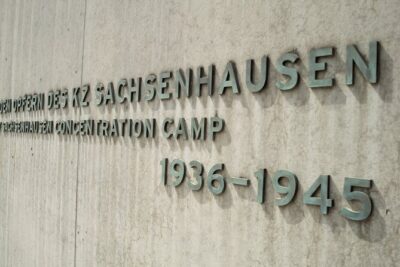
Sachsenhausen was a concentration camp created by Nazi Germany in 1936. It was used to imprison political opponents, Jews, prisoners of war, and other groups targeted by the Nazi regime. The camp was also designed as a model for the concentration camp system, making its layout and operation important to understanding how that system worked.
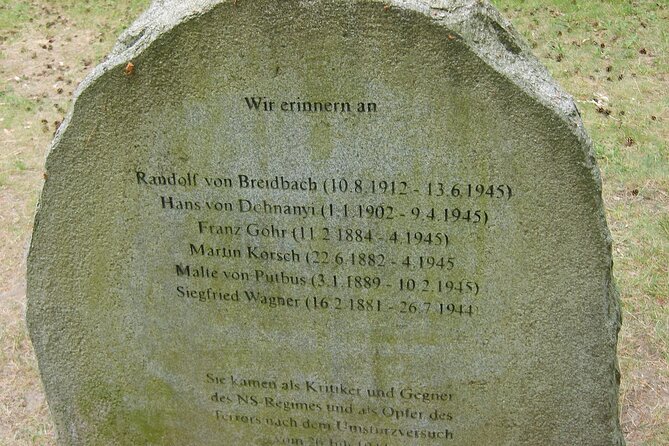
The memorial does not present a single, simple story. It includes surviving structures, reconstructed buildings, empty spaces, museum displays, and monuments placed at different times for different political reasons. You are not just looking at one period. You are also seeing how the site was remembered and interpreted after the war.
That is one reason I prefer visiting with a guide. Without context, the open grounds and partial remains can be hard to read. A guide connects the buildings to the people who were imprisoned there and explains how the Nazi camp operated.
The subject is grim, and the tour does not try to make it comfortable. Still, the guides are expected to handle it with care. Peter, Walid, Richard, Felipe, Amelia, and Paul have each been singled out for clear explanations, strong historical context, and respectful presentation. Your guide depends on the departure, but the experience is designed to be led in English, Spanish, German, French, or Italian.
More Sachsenhausen memorial visits from Berlin:
- Berlin: Sachsenhausen Concentration Camp Tour in English
★ 5.0 · 5,711 reviews - Sachsenhausen Concentration Camp Bus Tour in English from Berlin
★ 5.0 · 1,962 reviews - Berlin: Sachsenhausen Concentration Camp Tour in English
★ 4.8 · 1,889 reviews
Meeting at Alexanderplatz and Taking the Train North
The meeting point is beside the World Time Clock at Alexanderplatz. Look for the guide wearing Buendía accreditation. Alexanderplatz is a practical place to meet because it is easy to reach by public transport, but it can be busy, so give yourself time to locate the clock and your group.
The train journey is part of the value here. This is not a private coach trip with the transport hidden in the background. You travel by public train from central Berlin toward Sachsenhausen, and the guide stays with the group. During the journey, you get an introduction to the camp’s origins, its role in the Nazi system, and what you will see on arrival.
You need to purchase an ABC-zone train ticket before the activity. It is not included in the 21 dollar tour price. You can buy the ticket from a station machine or online through the Berliner Verkehrsbetriebe website.
This detail matters. Several guides, including Peter, Felipe, and Walid, have been praised for checking that people had the right tickets and helping groups manage the return journey. That takes away a common source of stress, especially if you are unfamiliar with Berlin’s fare zones.
Still, do not arrive without the ticket. The tour price includes the 3 euro entrance fee to the memorial, but not the train fare. Keep your ticket available during the trip.
Arriving at Tower A and the Main Gate
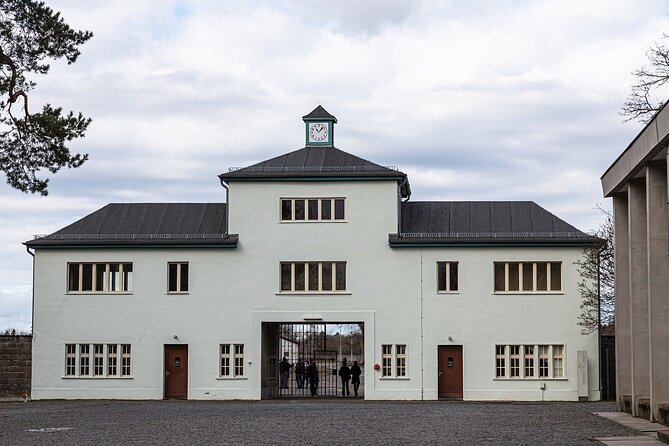
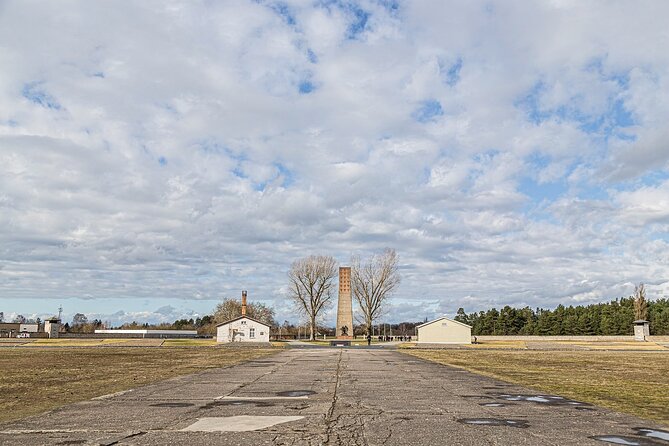
The visit begins at Tower A, the main entrance to Sachsenhausen. The gate carries the notorious Arbeit macht Frei sign, a phrase used by the Nazis to create the false impression that forced labor could lead to freedom.
This is a powerful first stop because it introduces the deliberate use of language and architecture in the camp system. The gate is not merely an entrance. It was part of the system of control and humiliation.
From here, the guide helps you understand the camp’s layout. The open central area and surviving structures can feel stark. Much has been lost, removed, or reconstructed, so the explanation is essential. You will spend time outside, and the site can be especially cold in winter. Wear a proper coat and shoes with good support.
The ground is not ideal for anyone with limited mobility. The experience is not suitable for wheelchair users or people with mobility impairments. Even for able-bodied visitors, expect a lot of walking and standing.
Barracks 38 and 39: Personal Life Inside the Camp
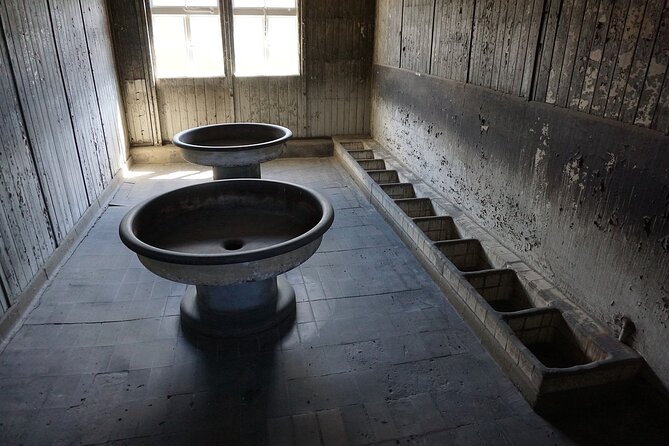
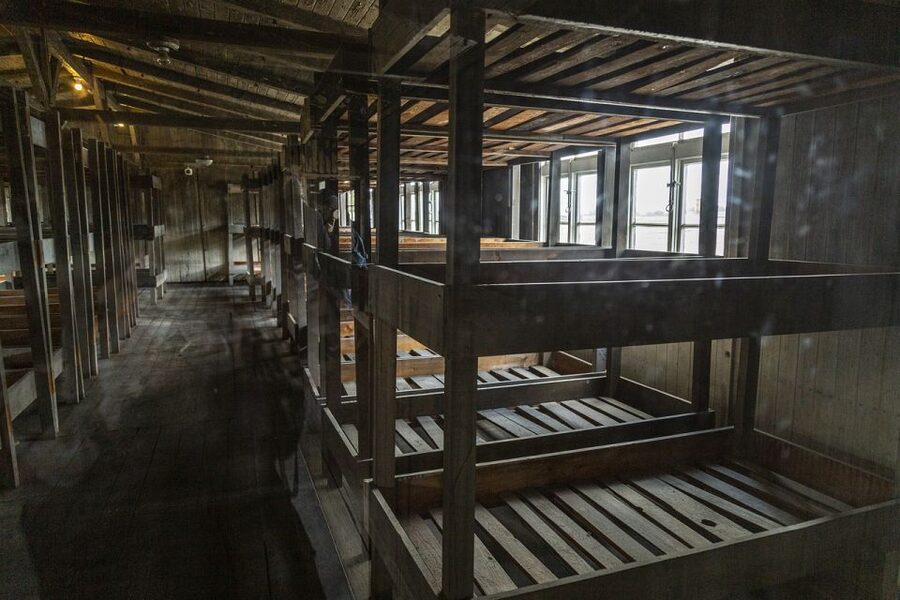
Barracks 38 and 39 were used to hold Jewish prisoners. The buildings show how cramped and controlled daily life was. Barracks 38 now contains a museum focused on the lives of Jewish prisoners and the conditions they faced.
This section helps move the visit away from broad numbers and political labels. You see how the camp affected people in the routines of sleeping, eating, washing, working, and trying to survive. The displays give the guide material to explain the human side of the camp without turning the visit into a series of abstract dates.
The buildings also make clear how little privacy prisoners had. The cramped conditions were not an accident. Space, movement, and access to basic needs were all controlled.
I find this one of the most useful parts of the tour for visitors who want more than a general account of Nazi Germany. The guide can explain what the barracks were used for and how that fitted into the wider camp system. You have time to look at the museum displays, but the visit remains part of a larger walking route.
A different sort of day out in Berlin:
- Berlin: Reichstag, Dome and Government District Guided Tour
★ 4.7 · 18,288 reviews - Berlin: 1-Hour City Tour by Boat with Guaranteed Seating
★ 4.3 · 16,993 reviews - Berlin: Boat Tour Along the River Spree
★ 4.4 · 11,252 reviews - Discover Berlin Half-Day Walking Tour
★ 5.0 · 9,624 reviews
Punishment Cells and the Machinery of Control
The tour also includes the original punishment cells. These were used to detain prisoners for minor offenses. Their presence shows how the camp’s rules were enforced and how easily ordinary behavior could become grounds for punishment.
This stop is less about a single dramatic object and more about the system around it. The concentration camp was governed through fear, arbitrary discipline, forced labor, and violence. Punishment cells help you understand how control reached into even small details of daily life.
Your guide will explain the function of these spaces and place them within the camp’s operation. This is where a strong guide makes a real difference. Richard, for example, has been praised for explaining difficult facts clearly while keeping a respectful tone. Peter and Paul have also been noted for answering questions without losing sight of the seriousness of the place.
You should feel free to ask questions, but remember that the group may include people with different levels of background knowledge and different emotional responses. A thoughtful question is welcome. A casual or jokey approach is not appropriate here.
The Infirmary, Morgue, and Former Prisoner Kitchen
The route includes the infirmary and morgue, where you learn about medical experiments carried out on prisoners. This is one of the hardest parts of the visit because it deals directly with the abuse of people who were already being held captive.
The guide’s role is especially important here. You need enough detail to understand what happened, but the presentation should not become sensational. The strongest approach is factual, measured, and tied to the structure of the camp and the people imprisoned there.
The former prisoner kitchen now serves as a museum. It presents important points in the camp’s history and gives you another way to understand the organization of daily life. Food, labor, discipline, and survival were all connected in the camp system.
This section can feel more accessible than the outdoor remains because museum displays provide objects and explanations to focus on. At the same time, you should not expect a light or easy museum visit. The entire memorial asks you to pay attention to what happened and how ordinary systems were used to support mass persecution.
Station Z and the Site of Executions
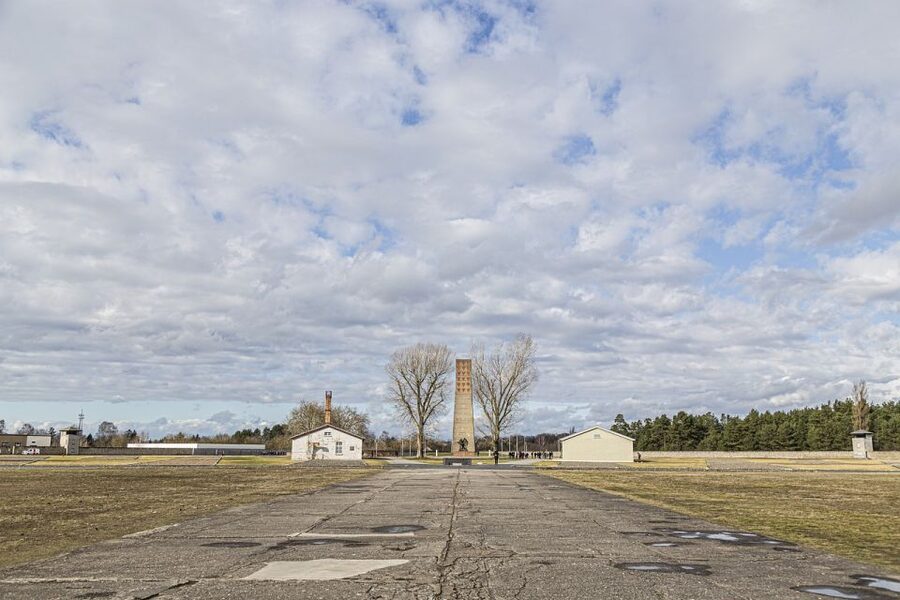
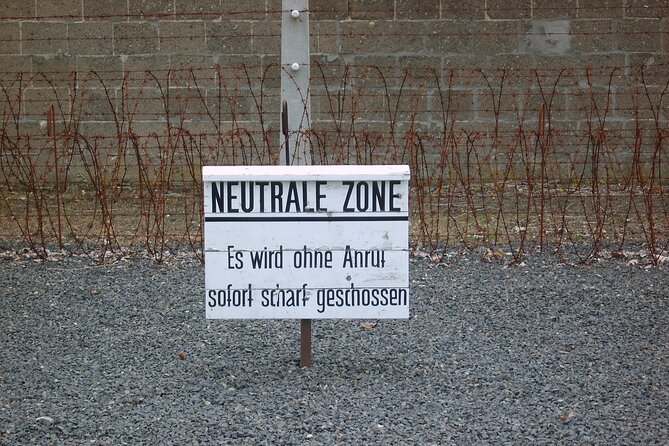
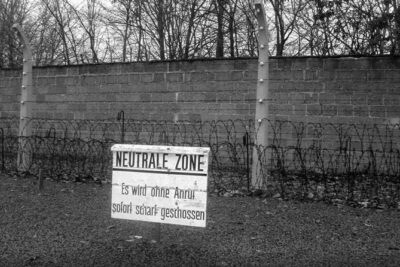
Station Z is one of the most disturbing parts of Sachsenhausen. It was the area where many executions took place. Only remains survive, but the site carries the weight of what occurred there.
A guide can help you understand both the physical evidence and the limits of what remains. You will not see a complete building in the way you might at a conventional museum. The absence itself is part of the experience, and the explanation helps you read the site without inventing details that are no longer visible.
This is often the point where the visit becomes especially emotional. Give yourself permission to be quiet. You do not need to rush to the next stop or find the perfect reaction.
The guide may keep the group moving according to the schedule, but you should have some time to take in the site. If you need a pause, say so. The tour is organized, yet guides such as Amelia, Richard, and Walid have been praised for being attentive to the group and treating the subject with care.
The Soviet Memorial and Sachsenhausen After 1945
The final major stop is the Soviet memorial built in 1961. It reflects the camp’s later history and the way Sachsenhausen was presented and remembered during the period of Soviet influence in East Germany.
This is a valuable part of the itinerary because the story does not end in 1945. The memorial itself has changed over time, and different monuments represent different political periods and interpretations. Seeing the Soviet memorial alongside the former camp helps you understand that remembrance is shaped by the time in which it takes place.
Your guide will compare the various monuments and explain how they relate to the site. That wider view is one of the tour’s strengths. You are not simply shown a list of buildings. You are encouraged to think about prisoners, perpetrators, liberation, memorial design, and postwar politics.
This also helps correct common misunderstandings about the camp and the Nazi period. A careful guide can separate what is documented from later assumptions and show how the memorial has been used to communicate history.
How Much Time You Get and What Happens After the Tour
The full activity lasts about five hours. The journey from Berlin takes up part of that time, while the main visit at Sachsenhausen takes several hours. One recent group described spending roughly three hours at the site, which gives you a sense of the pace.
At the end, you have two choices. You can return to Berlin by train with the guide, or stay longer and continue exploring the memorial by yourself. The guide can help you with the return route.
I like this choice because not everyone wants the same ending after a visit like this. You may want to go back to central Berlin and have some quiet time. Or you may feel that the organized route moved quickly and want to study more displays on your own.
If you stay, make sure you understand the train route back and keep track of the time. If you return with the guide, you have the reassurance of traveling with someone who already knows the connections.
Price, Group Value, and Practical Comfort
At 21 dollars per person, this is a good value if you want historical guidance and help with the train journey. The entrance fee of 3 euros is included, and you receive a guided visit rather than simply arriving at the memorial on your own.
The price does not include the ABC train ticket. That extra cost is important to factor in, but it is also the only major transport detail you need to arrange yourself. Buying the ticket in advance keeps the meeting point from becoming a scramble.
The main tradeoff is that this is a group tour. You will move at the guide’s pace, and you will not have unlimited time at every display. In return, you get a planned route through a large and emotionally demanding site, plus historical explanation during the journey.
Bring snacks. The tour lasts five hours, and the memorial visit involves walking outdoors. You should also use a restroom when you have the chance, since the day is structured around the route and group movement.
Comfortable shoes are essential. In cold weather, dress more warmly than you think you need. Several winter visits have taken place in bitter conditions, and the open grounds offer little shelter.
Who Should Choose This Sachsenhausen Tour
I would choose this tour if you want a clear introduction to Sachsenhausen and Nazi Germany’s camp system without arranging the route yourself. It suits first-time visitors to the memorial, history-focused visitors, students, and anyone who wants a guide to explain the different buildings and monuments.
It is also useful if Berlin’s public transport system feels confusing. The guide meets you at Alexanderplatz, travels with you, checks the train arrangements, and can help you return afterward.
This is not a good choice if you want a casual half-day outing or dislike walking. It is also not suitable for wheelchair users or people with mobility impairments. The material is painful, and you should not book it simply because you feel you must fit another attraction into your schedule.
Give the memorial proper attention. You may leave feeling sad, angry, thoughtful, or unsettled. That is not a flaw in the experience. It is part of confronting the place honestly.
Should You Book It?
Book this Sachsenhausen tour if you want the memorial explained with care and structure. The guide-led train journey, the five-hour schedule, the included entrance fee, and the option to stay longer make it practical for a first visit.
I would especially recommend it for anyone who values clear historical context. Guides such as Peter, Walid, Richard, Felipe, Amelia, and Paul have been praised for being organized, respectful, and willing to answer questions. Your guide will vary, but the format gives you a strong chance to understand more than you would by walking through alone.
Skip it if you need a light day, have difficulty walking, or prefer to explore entirely on your own. For most visitors who are prepared for the subject, this is a serious and worthwhile use of five hours in Berlin.
FAQ
Where does the Sachsenhausen tour meet?
The meeting point is next to the World Time Clock at Alexanderplatz. Your guide will wear Buendía accreditation.
How long does the experience last?
The activity lasts five hours, including the train journey between Berlin and Sachsenhausen and the guided memorial visit.
Is the train ticket included in the tour price?
No. You must buy an ABC-zone train ticket separately before the activity. Tickets are available from station machines or online through the Berliner Verkehrsbetriebe website.
Is the entrance fee to Sachsenhausen included?
Yes. The 3 euro entrance fee to the Sachsenhausen Concentration Camp Memorial is included.
Which languages are available?
The tour is available in Spanish, English, German, French, and Italian.
Can I stay at the memorial after the guided tour?
Yes. You can either return to Berlin by train with the guide or stay longer to explore the memorial at your own pace.
What should I bring?
Bring comfortable shoes and snacks. Warm clothing is also sensible, particularly during colder months, since part of the visit takes place outdoors.
Is the tour suitable for wheelchair users?
No. The activity is not suitable for wheelchair users or people with mobility impairments.
Newest Berlin reviews
- Where It All Began: Berlin’s Queer & Trans History Tour★ 4.9 · 6 reviews
- Berlin: guided canoe | kayaktour★ 4.1 · 7 reviews
- Understanding Kreuzberg: The roots of local (sub)culture★ 4.9 · 11 reviews
- Private Potsdam City Tour in an authentic vintage van★ 5.0 · 14 reviews
- Warnemünde Shore Excursion: Private Sachsenhausen and Berlin Tour★ 5.0 · 12 reviews
- Ultimate E-Bike Tour of Berlin with Beer Garden Stop★ 5.0 · 4 reviews
- In the Forbidden City – Potsdam Walking Tour★ 5.0 · 17 reviews
- Private Walking Tour of Potsdam and Sanssouci★ 5.0 · 24 reviews
Sachsenhausen Concentration Camp Tours, compared.
Sachsenhausen Concentration Camp Tour in English
Read our review →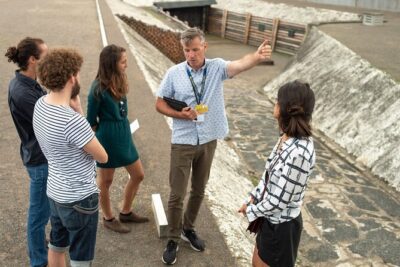
Sachsenhausen Concentration Camp Bus Tour in English from Berlin
Read our review →Sachsenhausen Concentration Camp Tour in English
Read our review →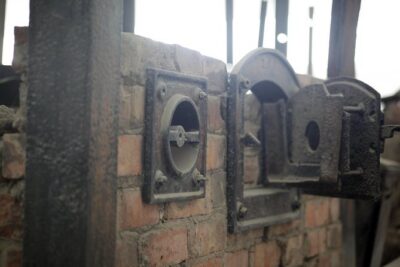
Sachsenhausen Concentration Camp Memorial Tour (Max. 15 Guests)
Read our review →
Sachsenhausen Concentration Camp and Potsdam Tour
Read our review →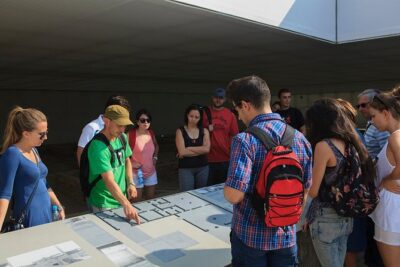
Visita en español al campo de concentración Sachsenhausen
Read our review →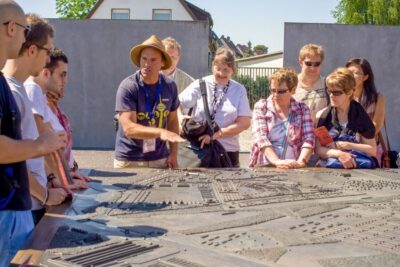
Sachsenhausen Concentration Camp Bus Tour in English
Read our review →Browse the lists this tour appears in