
Reviewed · MUSEUMS
Berlin: Interactive DeJa Vu Museum Entrance Ticket
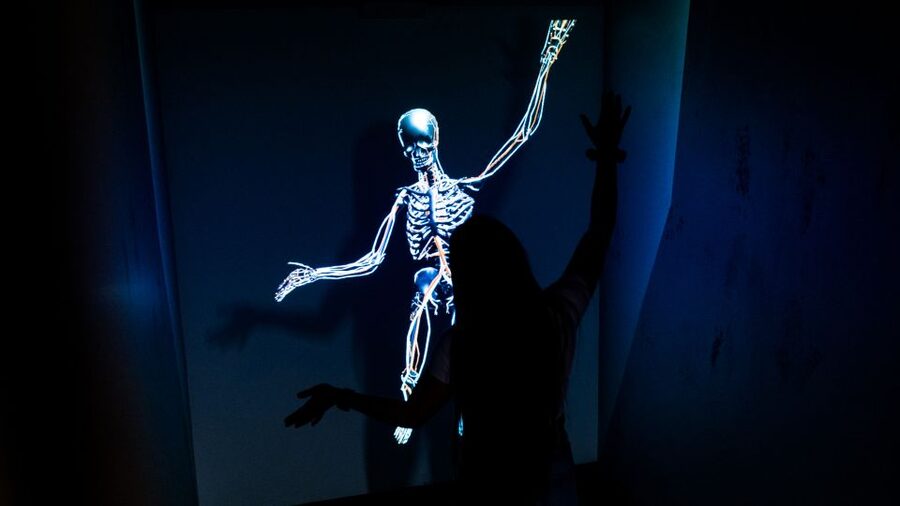
The DeJa Vu Museum turns you into part of the artwork. Your eyes misjudge size, depth, color, and perspective while you test hands-on puzzles, step into projector rooms, and pose in mirror spaces only 300 meters from Berlin’s Fernsehturm. Oleg Shupliak’s portraits add an artful twist: look closely and one face becomes another image.
I like the mix of interactive puzzles and strong photo settings. The Beuchet-Stuhl, Dark Room, Interactive Sandbox, kaleidoscopes, Starroom, and Abyss each give you something to do, not just something to look at. The main drawback is pacing: the advertised visit lasts 1.5 hours, but some people finish in about 30 minutes, and small rooms can create waits when the museum is busy.
Key points at a glance
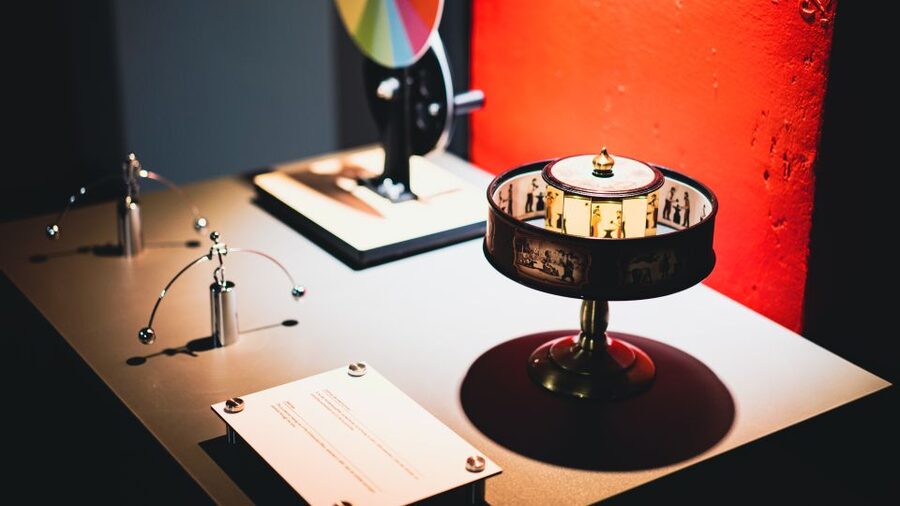
- Two floors of optical illusions: Move through galleries, puzzles, projection spaces, and mirror rooms at your own pace.
- Oleg Shupliak’s double-image portraits: Study paintings that reveal more than one subject and guess who or what you see.
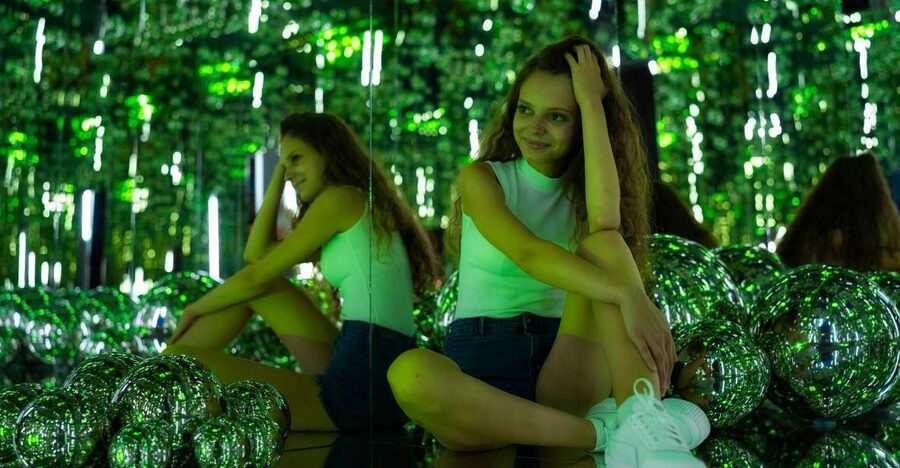
- Photo-friendly rooms: The Starroom, Abyss, and colorful kaleidoscopes give you unusual settings for photos and videos.
- Hands-on exhibits: Try the Beuchet-Stuhl, Dark Room, Interactive Sandbox, and other displays rather than simply viewing them.
- Central Berlin location: Find the entrance near Alexanderplatz, around 300 meters from the Fernsehturm.
- Best for families and friends: The puzzles and visual tricks work especially well for children, teenagers, and small groups.
What the DeJa Vu Museum is really about
This is not a traditional art museum where you quietly walk past framed works. It is an activity built around visual tricks. You become part of the illusion, test what your eyes tell you, and often need to move around an exhibit before its trick makes sense.
That makes the museum easy to enjoy with children, teenagers, or friends. You can compare what each person sees, try to solve a puzzle, and take turns posing in a room. I like this social side because it gives the visit a clear purpose beyond taking a few photos.
The educational value is simple but useful. The exhibits show how easily your eyes can misread scale, distance, light, and perspective. You do not need a background in art or science to understand the point. The museum lets you see the mistake first, then work out how the illusion affects you.
The setting near Alexanderplatz also matters. You can fit the museum into a sightseeing day without making a special trip across Berlin. The entrance is roughly 300 meters from the Fernsehturm, making it a practical option before or after time at the square.
More museums and galleries in Berlin:
- Berlin: Natural History Museum Entrance Ticket
★ 4.6 · 3,382 reviews - Skip-the-Line: Berlin Wall Museum at Checkpoint Charlie
★ 4.1 · 2,041 reviews - Berlin: Museum Island Multiple Museum Entry Ticket
★ 4.4 · 2,007 reviews
Starting with the gallery spaces
Your visit begins in gallery areas spread across two floors. These spaces introduce the museum’s general idea before you reach the more theatrical rooms. Expect a mix of art, visual puzzles, and displays that ask you to look closely or take part.
The first few exhibits help you adjust to the museum’s style. Some tricks may be quick to understand, while others reward a second look. If you rush from one display to the next, you may miss the small change that makes an image or object work.
I would give yourself permission to pause. Look from more than one angle, read any available instructions, and let other people try the exhibit before deciding you have seen everything. The museum is more satisfying when you treat each display as a small problem rather than a sequence of decorations.
The two-floor layout gives the visit some variety, but it is not a huge museum. The listed duration is 1.5 hours, which is a sensible amount of time for a relaxed visit with photos. If you move quickly, you may need far less time. One reported visit took about 30 minutes to pass through all the rooms, so your pace and the crowd will make a real difference.
Oleg Shupliak’s portraits reward a second look
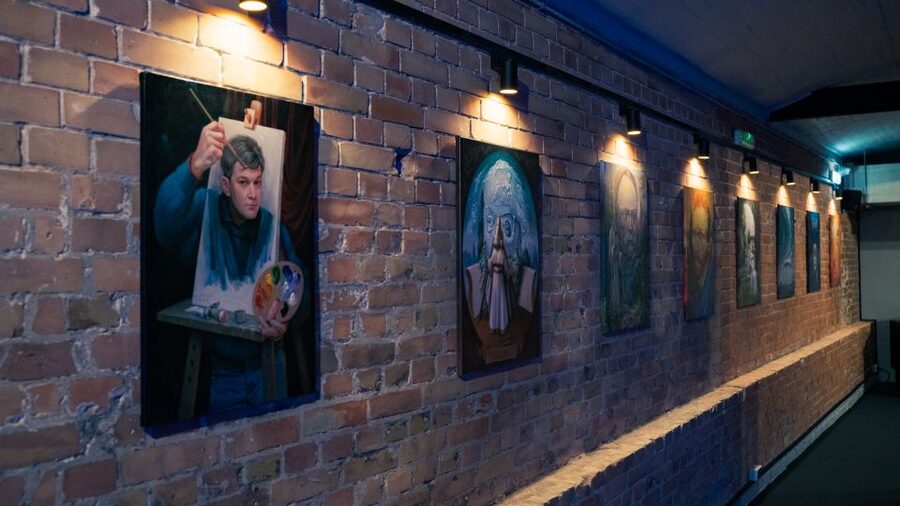
The art gallery by Oleg Shupliak provides the museum’s most thoughtful section. Shupliak is known here for portraits that contain another image within the main image. A face may also suggest a person, object, or scene once you step back and let the separate shapes join together.
The pleasure comes from guessing. First, look at the portrait as a whole. Then study the hair, clothing, shadows, and background. You may notice a second subject that was invisible at first glance.
This gallery gives the visit a useful change of pace. The mirror rooms and interactive displays are made for movement and photos, while the portraits ask you to stand still and examine the details. I like having both kinds of experience in the same museum.
Do not expect a long traditional painting collection. The appeal is the visual trick in each image, not the number of works. If you enjoy spotting hidden pictures and discussing what you see with your group, this section can hold your attention longer than a quick pass through the gallery.
The Beuchet-Stuhl, Dark Room, and Interactive Sandbox
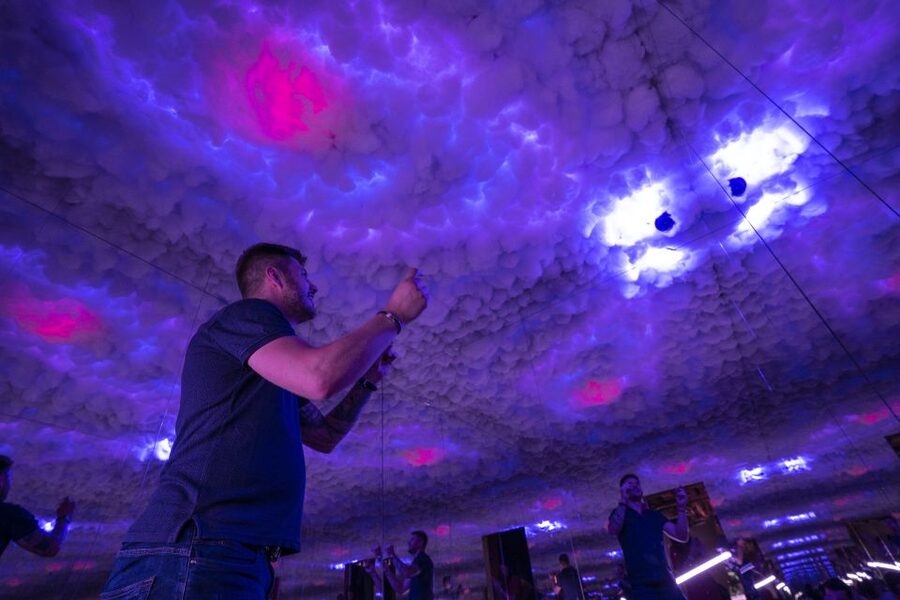
The hands-on exhibits are the heart of the outing. The Beuchet-Stuhl is a classic perspective trick that changes how a seated person appears in relation to a chair. It is the sort of display that makes sense through participation, so be ready to take a turn rather than simply watch.
The Dark Room shifts the mood. Light, visibility, and perception become the focus, giving you a different kind of challenge from the brighter gallery displays. The experience depends on what you can see and how your eyes respond to the room, so it works best when you do not hurry through it.
The Interactive Sandbox adds another tactile element. It is a good choice for families because it invites direct play and experimentation. Children may spend more time here than adults expect, while older visitors can use it to see how changes in the surface affect the visual result.
There are many other interactive displays beyond these three. The exact amount of time you spend at each depends on your group. With children, you may stop often and repeat the activities. With adults who mainly want photos, the route can be much quicker.
Other Berlin experiences to weigh up
- Berlin: Berlin Story Bunker Entry Ticket
★ 4.6 · 6,759 reviews - Berlin: Illuseum Berlin Entrance Ticket
★ 4.1 · 3,970 reviews - Berlin: Madame Tussauds Admission Ticket
★ 4.6 · 3,941 reviews - Potsdam: Sanssouci Palace and Prussian Palaces Entry Ticket
★ 4.5 · 2,101 reviews
Projector rooms put you inside the artwork
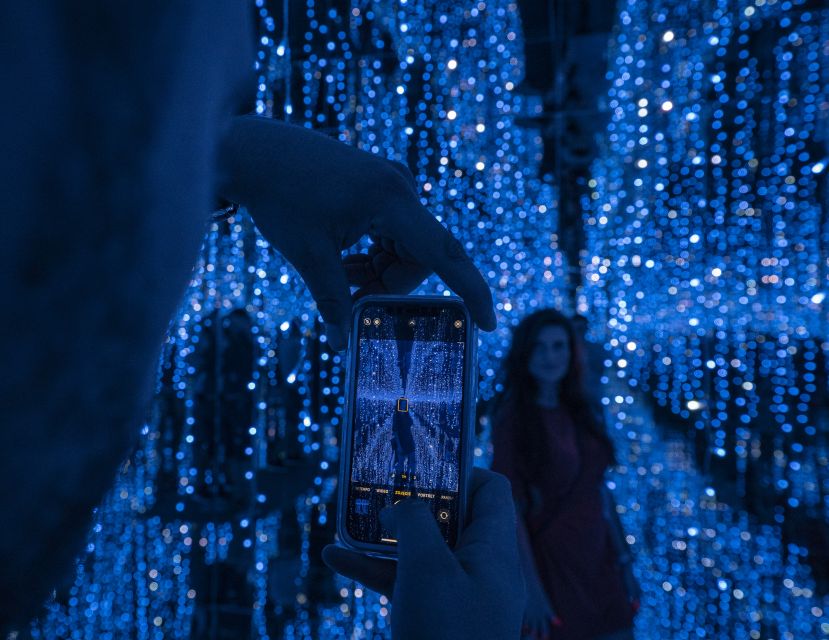
The projector rooms make you the focus of the illusion. Instead of standing outside a picture, you enter a space where projected images and your position combine to create the effect.
These rooms are especially good for group photos. One person can pose while others watch the image change, then you can swap places. The fun comes from seeing the same room work differently depending on where you stand.
The projector areas also show why this museum is best with at least one other person. A friend or family member can take the photo, explain what they see, and help you find the right position. Solo visitors can still enjoy the exhibits, but the social element is less strong.
Keep your phone ready, but do not let photography take over the whole visit. Some illusions make their point quickly in a picture, while others are more enjoyable when you experience them directly. A few well-chosen photos will be more memorable than trying to record every room.
Mirror rooms, kaleidoscopes, and the best photo stops
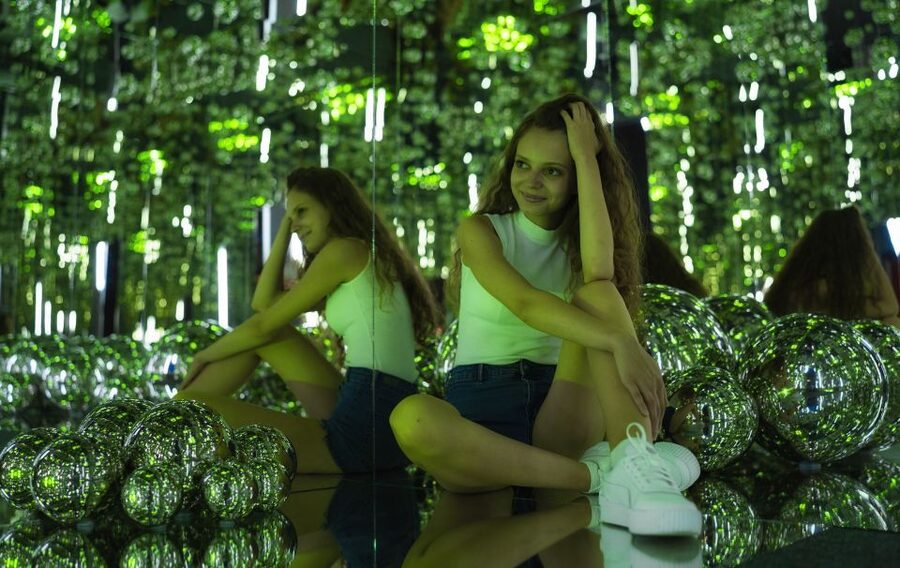
The themed mirror rooms provide the museum’s biggest visual impact. The Starroom and Abyss use mirrors and lighting to create a sense of space that is far larger or stranger than the room itself. They are designed for photos, but they also work as short perception experiments.
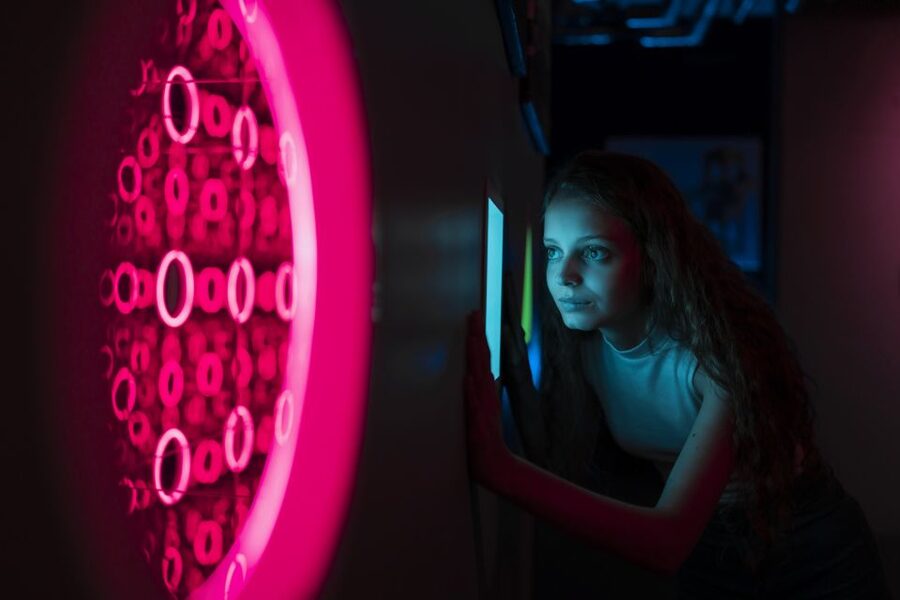
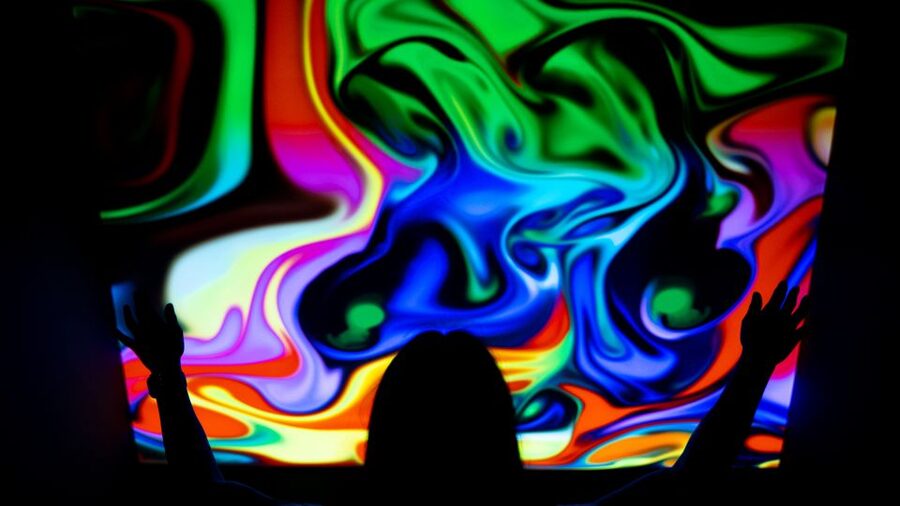
Colorful kaleidoscope displays offer another strong photo setting. Patterns shift, repeat, and multiply, giving you images that look more elaborate than the physical display. If you are visiting with children or teenagers, these rooms may become the most popular part of the museum.
The photo experience has one practical catch: small rooms can only handle a limited number of people comfortably. If the museum is busy, you may wait for your turn. One account specifically noted long waits on weekends because some rooms hold only two people.
For that reason, timing matters. A quiet weekday afternoon may let you enjoy each room without rushing. A busy weekend can change the rhythm into waiting, entering, taking a few pictures, and moving on. If your schedule is flexible, choose a less crowded starting time after checking availability.
How long should you allow?
The official duration is 1.5 hours, and that is a reasonable target if you plan to try the activities, study the paintings, and take photos. I would not build an entire day around the museum. It is better used as a compact activity between other central Berlin sights.
Your actual visit may be shorter. Some people can pass through the rooms in around 30 minutes, especially if they skip repeat attempts and spend little time on the portraits. Families and photo-focused groups may take longer because they stop at nearly every activity.
The museum can also help on a rainy day. It gives you an indoor plan close to Alexanderplatz and can fill an hour or two without requiring a long journey. Just remember that the shorter visit reports mean the value depends partly on how actively you take part.
Is the $17 price good value?
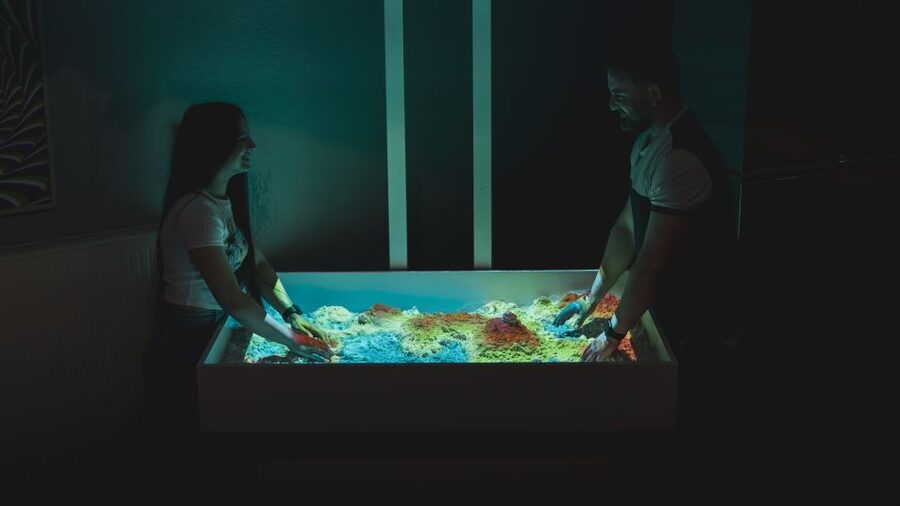
At $17 per person, the museum is reasonably priced for a central Berlin activity, especially if you use the interactive displays and stay close to the full 1.5 hours. The price compares well with an ordinary short attraction because you are paying for both the exhibits and the chance to participate in them.
The value is weaker if you only want a fast photo stop. A 30-minute visit gives you less time for the admission cost, particularly if you skip the puzzles and move through the gallery quickly. Families should also multiply the price across each person, then decide if the children will actually try the hands-on activities.
I see the best value for friends, families, and teenagers who will pose, solve, repeat, and compare. The visit becomes less about looking and more about playing with perception. That active approach can make $17 feel fair.
The ticket also offers practical flexibility. You can reserve now and pay later, and cancellation is available up to 24 hours in advance for a full refund. Check the available starting times when you book, since the visit has a set duration and room capacity can affect the pace.
Who should choose this museum?
I would recommend it most strongly to families with children, teenagers, and groups of friends. The exhibits are easy to understand, the rooms create natural photo opportunities, and the puzzles give everyone something to try.
It also suits a rainy-day plan near Alexanderplatz. You do not need to commit to a full-day museum visit, and the central meeting point makes it easy to combine with other sights in the area.
Art lovers may enjoy the Oleg Shupliak gallery, though this is not a conventional fine-art museum. The paintings are included because of their visual tricks and double readings. If you prefer long wall text, a large historical collection, or quiet galleries, the experience may feel light.
People with mobility impairments should note that the activity is listed as unsuitable for them. It is also not suitable for people with epilepsy. Pets, food, drinks, alcohol, and drugs are not allowed inside.
Language support and the visit atmosphere
A host or greeter is available in English, German, Polish, Spanish, and French. No named guide is provided, and this is primarily a self-directed museum visit rather than a guided tour with a fixed story.
That format suits the exhibits. You can move at your own speed and spend more time on a puzzle that interests you. It also means you should not expect a guide to explain every illusion or lead you from room to room.
The atmosphere will depend heavily on timing. At a quiet time, you can enjoy each room comfortably and take your photos without pressure. At a busy weekend time, the smaller spaces may lead to waits, particularly where only two people can enter at once.
Should you book the DeJa Vu Museum?
Book it if you want a short, playful Berlin activity near Alexanderplatz, especially with children, teenagers, or friends. The best parts are the hands-on displays, Oleg Shupliak’s double-image paintings, and the mirror rooms that give you unusual photos.
Think twice if you dislike waiting, want a large museum, or expect a full 1.5 hours of substantial content without participating. Choose a quieter time if possible, allow about 1.5 hours but stay flexible, and treat the museum as an interactive break rather than a major cultural stop. At $17, it is a good fit for an active group that enjoys visual tricks and does not mind a little silliness.
FAQ
Where is the DeJa Vu Museum in Berlin?
The entrance is near Alexanderplatz, roughly 300 meters from the Fernsehturm.
How long does the visit last?
The stated duration is 1.5 hours. Your visit may be shorter if you move quickly through the rooms. One reported visit took about 30 minutes.
What can I see inside the museum?
You can see interactive exhibits, mirror rooms, puzzles, projector rooms, colorful kaleidoscopes, and an art gallery by Oleg Shupliak.
Which interactive exhibits are included?
Named exhibits include the Beuchet-Stuhl, Dark Room, and Interactive Sandbox, along with many other interactive displays.
Can I take photos and videos?
Yes. The museum includes colorful kaleidoscopes, themed mirror rooms such as the Starroom and Abyss, and projector rooms that are suitable for photos and videos.
Is the museum suitable for children?
Yes. The interactive displays and puzzles are particularly suitable for children and teenagers. The experience is designed for people of all ages.
What languages are available?
The host or greeter support is available in English, German, Polish, Spanish, and French.
Can I cancel my booking?
You can cancel up to 24 hours in advance for a full refund. A reserve now and pay later option is also available.
Newest Berlin reviews
- Where It All Began: Berlin’s Queer & Trans History Tour★ 4.9 · 6 reviews
- Understanding Kreuzberg: The roots of local (sub)culture★ 4.9 · 11 reviews
- Berlin: guided canoe | kayaktour★ 4.1 · 7 reviews
- Private Potsdam City Tour in an authentic vintage van★ 5.0 · 14 reviews
- Warnemünde Shore Excursion: Private Sachsenhausen and Berlin Tour★ 5.0 · 12 reviews
- Ultimate E-Bike Tour of Berlin with Beer Garden Stop★ 5.0 · 4 reviews
- In the Forbidden City – Potsdam Walking Tour★ 5.0 · 17 reviews
- Private Walking Tour of Potsdam and Sanssouci★ 5.0 · 24 reviews
Museums, compared.
Skip-the-Line: Berlin Wall Museum at Checkpoint Charlie
Read our review →
“Pergamonmuseum. The Panorama” Exhibition Tickets
Read our review →
East Side Gallery Spree Cruise in a Solar Catamaran
Read our review →
Cold War, Berlin Wall, Spies and the East Side Gallery
Read our review →
Browse the lists this tour appears in