
Reviewed · BERLIN NEIGHBORHOOD TOURS
Berlin: Classical concerts in Köpenick Palace – Aurora Hall
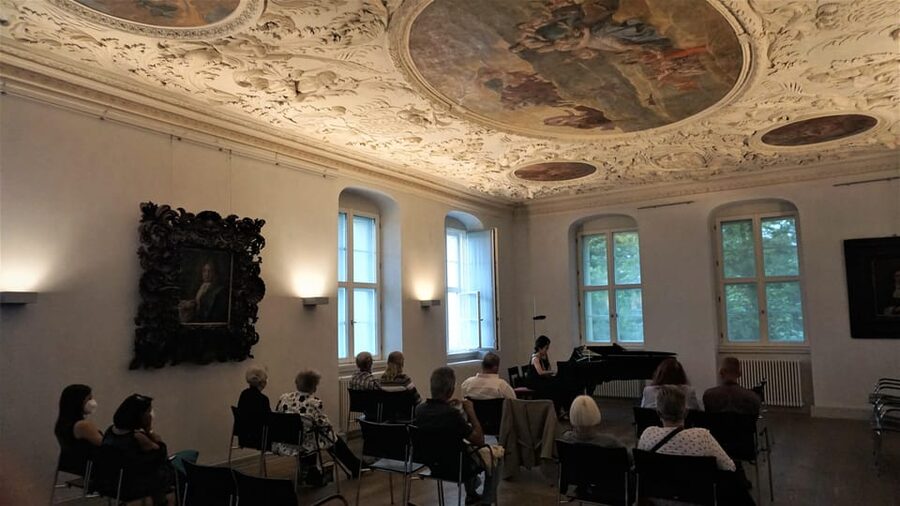
Köpenick Palace gives a classical concert a setting with real character: the Aurora Hall, inside a historic Berlin palace. I like the mix of music and museum access, and I like the program range, which includes Mozart, Bach, Schubert, opera, early music, and piano four hands.
The main caution is comfort. One confirmed report described excessive heat in the hall with no cooling, and another customer reported a paid event that did not take place. Those issues may not define every concert, but they are good reasons to check the date and current arrangements before you go.
Key points to know before booking
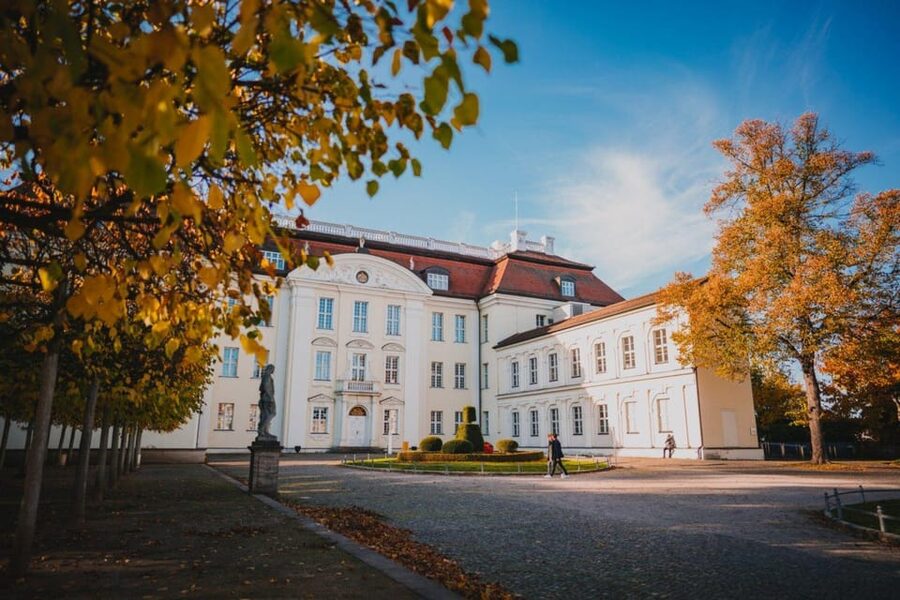
- Aurora Hall setting: Your 90-minute concert takes place inside Köpenick Palace, not in a standard modern concert venue.
- Programs change by date: You can choose among Mozart, Bach, Schubert, opera duets, violin sonatas, harpsichord, guitar, and more.
- Strong music value: The $33 price includes the concert and free museum admission.
- Named performers: Artists include soprano Inês Pinto, baritone Stephen Barchi, violinist Marianne Boettcher, and pianist Maria-Magdalena Pitu-Jokisch.
- A practical comfort note: A past concert was reported as excessively hot, with no refrigeration or air conditioning in the hall.
- Flexible booking: Cancellation is allowed up to 24 hours before the event for a full refund, and reserve-now, pay-later booking is available.
Why a palace concert feels different
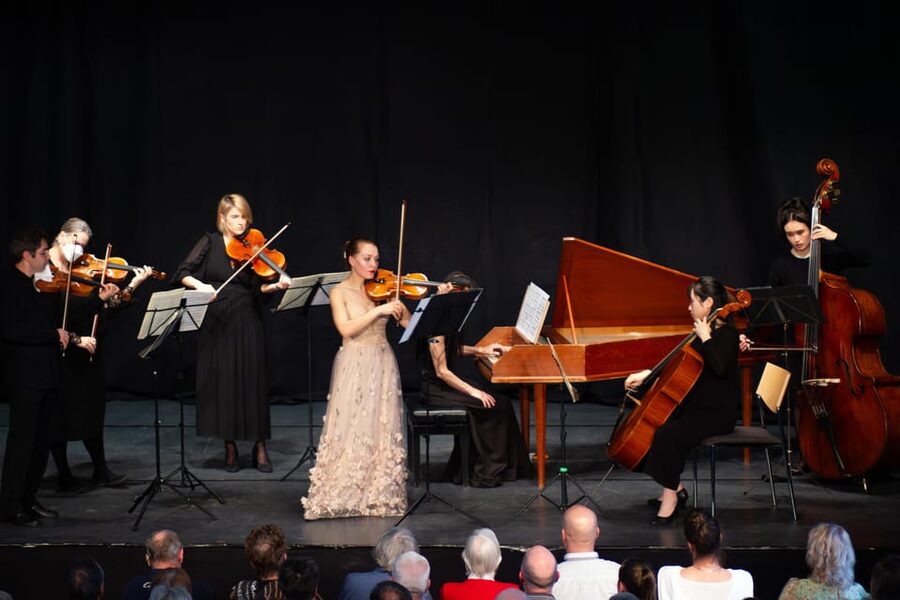
A concert in Köpenick Palace offers two experiences in one. You come for the music, then spend time with the museum collection included in your ticket. That makes the outing feel more substantial than a short performance followed by an immediate trip back to your hotel.
The Aurora Hall is the focus of the evening. You are not simply attending a concert in an anonymous auditorium. The palace setting gives the program a sense of occasion, especially for music from the 18th and 19th centuries. Mozart, Bach, and Frederick the Great all fit naturally with an old royal residence, while opera and Romantic songs bring a more theatrical mood.
The concert lasts 90 minutes. That is long enough for a proper musical program but short enough to fit into a busy Berlin day. I would plan this as an evening or afternoon cultural stop, with time before or afterward for the museum.
The available information does not give a fixed seating plan, orchestra size, or reception format. You should therefore think of this as a focused concert booking rather than a full palace tour with a guide and several scheduled stops.
More neighbourhood tours in Berlin:
- Berlin: Hidden Backyards Guided Walking Tour
★ 4.8 · 5,360 reviews - Berlin: Spree Boat Tour to Müggelsee
★ 4.6 · 1,973 reviews - Berlin: Alternative Bike Tour of Kreuzberg & Friedrichshain
★ 4.7 · 548 reviews
Choosing the right date and program
The most important booking decision is not simply the date. It is the type of music you want to hear. The schedule includes intimate vocal recitals, solo piano, chamber music, early music, and larger-sounding sacred repertoire.
Here is what each program offers.
February 15: Pure Romance, Romantic Duets
Soprano Inês Pinto and alto Kristina Naudé perform with pianist Beatrice Wehner-Schaller. The title points to a vocal evening built around Romantic duets, so this is a good choice if you prefer expressive voices and close musical conversation rather than a purely instrumental recital.
The soprano and alto pairing should give the program a clear contrast in vocal color. Since the listing does not provide the individual works, you should not book this expecting a particular famous aria. Book it for the broad Romantic mood and the duet format.
March 8: Mozart Piano Works, Complete Performance 2
Maria-Magdalena Pitu-Jokisch plays the second program in a complete performance series devoted to Mozart’s piano works. A series like this rewards listeners who enjoy hearing the development of a composer’s ideas across several works.
You do not need to attend another part of the series to understand this concert, but regular Mozart listeners may enjoy following the programs. The event is also a sensible choice for anyone who wants an uncluttered piano recital in a historic room.
More live music in Berlin:
- Berlin: Classical Concert at Kaiser Wilhelm Memorial Church
★ 4.6 · 387 reviews - Berlin: Classical concerts at the Bode Museum Berlin
★ 4.3 · 26 reviews
March 22: Mozart songs, arias, and duets
Mezzo-soprano Yuri Mizobuchi and baritone Stephen Barchi share the vocal work, with Graham Cox at the piano. This is one of the most varied programs on the schedule, since it combines songs, operatic arias, and duets.
I would choose this date if you want a taste of Mozart’s vocal writing without committing to a full opera. Two voices can also give the concert more variety than a solo recital. The presence of piano rather than a full orchestra keeps the scale intimate and suited to the hall.
March 29: The Seven Last Words of the Savior on the Cross
The Mozart Ensemble Berlin performs this serious sacred work. The title signals a reflective program rather than a light concert of familiar tunes.
This may suit you if you prefer chamber music with a solemn religious theme. It is less likely to be the best pick for a casual introduction to classical music, especially if you want a lively mix of styles. The program is also a reminder that not every date here has the same mood or level of theatricality.
April 3: The Music Book of Frederick the Great
Susanne Ehrhardt plays recorders, joined by Yuko Tomeda on harpsichord. The program connects directly with the palace setting through music associated with Frederick the Great.
The recorder and harpsichord combination offers a smaller, more historically styled sound than a piano recital. It is a particularly appealing option if you like early music or want the concert to feel tied to the building around you. The event title refers to a music book, but the available details do not specify the exact pieces.
April 4: Mozart Piano Works, Complete Performance 3
Naoko Fukumoto takes over for the third Mozart piano program. This is another good date for listeners who want solo keyboard music and a concentrated look at Mozart’s piano writing.
Because this is part of a numbered series, check the program details when booking if you want to know which works appear on this specific date. The supplied schedule identifies the series and performer but not a full work list.
April 5: Piano magic for four hands
Naoko Fukumoto and Maria-Magdalena Pitu-Jokisch share one piano. Four-hand piano music has a special appeal because two performers create a fuller sound from a single keyboard, with both musicians working in close physical and musical coordination.
This is probably the most accessible date for someone who enjoys piano but wants something less formal than a solo recital. It also makes a nice choice for couples or friends attending together, since the format has a built-in sense of exchange and play.
April 6: Classical violin sonatas
Violinist Annegret Pieske performs with pianist Victoria Litsoukova. A violin sonata recital places the two instruments on equal footing, with the piano doing far more than simply providing background support.
Choose this date if you like chamber music and want to hear the relationship between violin line and piano texture. As with the other programs, the individual sonatas are not listed in the supplied information, so check the current program before booking if a specific composer matters to you.
May 1: Schubert Potpourri
Baritone Stephen Barchi returns, this time with Maria-Magdalena Pitu-Jokisch at the piano. A potpourri suggests a varied selection rather than one long, continuous work.
This is a good fit if you enjoy art song and want a program with changing pieces and moods. The baritone voice can bring weight and warmth to Schubert, while the piano carries much of the emotional detail. The exact selection is not given, so consider this a Schubert-themed recital rather than a guaranteed performance of a particular song.
May 10: Bach Violin Sonatas 2
Marianne Boettcher plays violin with Yuko Tomeda on harpsichord. This pairing is a strong match for the palace setting and for listeners who prefer precise, intimate Baroque chamber music.
The number 2 indicates another part in a series. You can attend this concert on its own, but listeners already following the Bach sonatas may appreciate the continuing format. The harpsichord gives the performance a different character from the modern piano used on several other dates.
May 17: Piano music to dream to
Maria-Magdalena Pitu-Jokisch performs a solo piano program with a deliberately calm title. This is the date I would pick for a quiet, restful concert rather than a dramatic vocal evening.
The phrase points to a gentle atmosphere, but the exact composers and works are not provided. If you need a program built around a particular piece, confirm the details first. If you mainly want 90 minutes of piano music in a historic hall, this is the clearest match.
May 31: Iberian sounds
Soprano Inês Pinto performs with guitarist Márcio Silva. The combination of voice and guitar suggests a lighter, more direct sound than the piano-backed vocal programs.
This could be a refreshing choice if you want music with a clear regional identity and a more unusual accompaniment. The title gives you the broad theme, but not the exact composers or languages. Some content is presented in its original language, so do not assume every vocal selection will be translated.
The museum admission adds real value
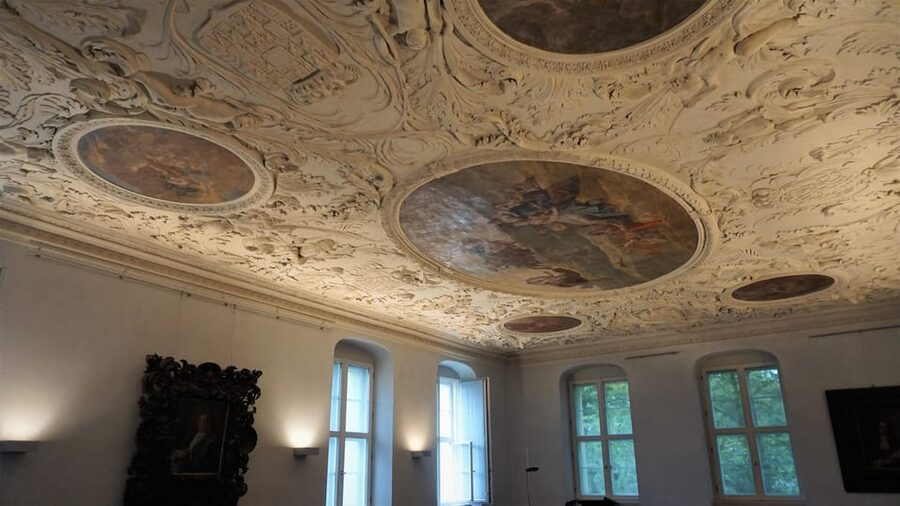
At $33 per person, the ticket is easier to justify because museum admission is included. The concert itself is the main event, but the museum gives you a reason to arrive early or stay afterward rather than treating the palace as a backdrop only.
I would allow extra time for the museum, even though the concert lasts 90 minutes. The exact museum hours and access details are not supplied here, so check them for your date. Admission is included, but that does not automatically mean every museum area will be open at every concert time.
This combination works especially well for a first visit to Köpenick Palace. You get music, art, and a historic interior in one outing. It also helps the price compare favorably with a standalone classical concert, though the value depends on how much of the museum you can actually visit.
Artists and the scale of the music
The schedule gives you a chance to hear both established names and recurring performers across different programs. Maria-Magdalena Pitu-Jokisch appears in several settings: solo piano, Mozart piano works, four-hand piano, Schubert, and the gentle piano program. That makes her one of the central musical figures in the series.
Stephen Barchi appears in both Mozart’s vocal program and the Schubert recital. Inês Pinto appears in the Romantic duets and the Iberian program, but with different musical partners. Yuko Tomeda performs both harpsichord programs, one with recorder and one with violin.
This variety matters. You are not buying the same concert repeated under different titles. The performers and instruments change from date to date, and so does the atmosphere. The schedule ranges from one pianist alone to paired voices, violin and piano, recorder and harpsichord, and voice with guitar.
The concert information does not identify a host, spoken introduction, or language for announcements. Some musical content is in its original language. If you need translations or program notes, check what is provided on your selected date rather than assuming they are included.
Comfort, sound, and practical expectations
The most important comfort warning comes from a concert held in warm conditions. A confirmed report described the hall as excessively hot because it had no cooling. That may have been a seasonal or date-specific problem, but it is worth taking seriously when choosing a summer-style outfit or a warm-weather concert.
No general dress code is given. I would choose neat, comfortable clothing and avoid anything that will become unpleasant if the hall is warm. The available details also do not specify seat type, legroom, coat storage, or whether refreshments are sold.
Audio recording is not allowed. That is standard for many classical concerts, but remember it before you reach for your phone. Alcohol and drugs are also prohibited.
The venue is wheelchair accessible. If you need a particular seat position or assistance, confirm the arrangements before booking, since accessibility does not tell you how seating is allocated.
Booking flexibility and one serious caution
You can cancel up to 24 hours in advance for a full refund. Reserve-now, pay-later booking is also offered, which helps if your Berlin plans are still shifting.
There is one important reliability concern to keep in mind. A German customer reported that a paid event did not take place and that no response had arrived at the time of the complaint. That is a serious issue, even though it does not establish that concerts are routinely cancelled.
For that reason, I would save your confirmation, check the event status close to the date, and avoid building an expensive nonrefundable dinner or train connection around the concert alone. This is simple precaution, not a reason to dismiss the entire series.
Who will enjoy the Aurora Hall concerts
I would recommend these concerts to you if you like classical music but want a shorter, more personal program than a large symphony performance. The 90-minute length is easy to fit into a day, and the range of dates lets you choose a style that suits you.
The series is also a good match if you are interested in Berlin beyond the best-known central sights. Köpenick Palace gives the concert a different setting from the major downtown venues, while the museum admission adds another layer to the visit.
You should compare the dates carefully if you are new to classical music. A Mozart aria program, four-hand piano recital, or Iberian voice-and-guitar evening may feel more approachable than the serious sacred program on March 29. A Bach violin sonata or recorder and harpsichord recital may appeal most to listeners who already enjoy early music.
Should you book it?
Yes, if you want a reasonably priced concert in a historic palace and you are willing to choose the program carefully. The $33 ticket, 90-minute performance, and included museum admission make this a solid cultural outing, especially for fans of Mozart, Bach, Schubert, opera, or chamber music.
I would book the specific date for its music, not simply because it is in a palace. Check the current event status before setting out, and keep the heat warning in mind during warm weather. If you want a large orchestra, a guaranteed famous masterpiece, or a fully guided palace tour, this may not be the right choice.
For a focused evening of music with a strong sense of place, the Aurora Hall concerts are worth considering.
FAQ
Where do the concerts take place?
The concerts take place in the Aurora Hall at Köpenick Palace in Berlin.
How long is the concert?
Each concert lasts 90 minutes.
How much does the experience cost?
The listed price is $33 per person.
Is museum admission included?
Yes. Free museum admission is included with the concert ticket.
Which kinds of music are offered?
The schedule includes Mozart piano works, Mozart songs and arias, Romantic duets, Bach violin sonatas, Schubert, violin sonatas, recorder and harpsichord music, four-hand piano, and Iberian music.
Are the programs performed by named artists?
Yes. The schedule names performers including Inês Pinto, Kristina Naudé, Maria-Magdalena Pitu-Jokisch, Stephen Barchi, Marianne Boettcher, Yuko Tomeda, and others.
Is the venue wheelchair accessible?
Yes, the activity is listed as wheelchair accessible.
Can I cancel my booking?
Yes. You can cancel up to 24 hours in advance for a full refund. Reserve-now, pay-later booking is also available.
Newest Berlin reviews
- Where It All Began: Berlin’s Queer & Trans History Tour★ 4.9 · 6 reviews
- Berlin: guided canoe | kayaktour★ 4.1 · 7 reviews
- Understanding Kreuzberg: The roots of local (sub)culture★ 4.9 · 11 reviews
- Private Potsdam City Tour in an authentic vintage van★ 5.0 · 14 reviews
- Warnemünde Shore Excursion: Private Sachsenhausen and Berlin Tour★ 5.0 · 12 reviews
- Ultimate E-Bike Tour of Berlin with Beer Garden Stop★ 5.0 · 4 reviews
- In the Forbidden City – Potsdam Walking Tour★ 5.0 · 17 reviews
- Private Walking Tour of Potsdam and Sanssouci★ 5.0 · 24 reviews
Berlin Neighborhood Tours, compared.

Alternative Bike Tour of Kreuzberg & Friedrichshain
Read our review →
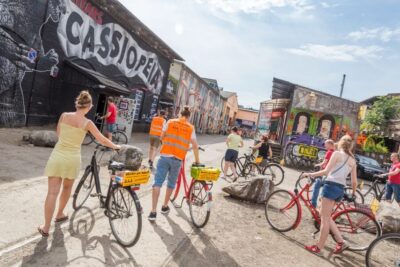
Berlin Off-the-Beaten-Path Walking Tour: Kreuzberg, Mitte and Friedrichshain
Read our review →


Hansaviertel “The City of Tomorrow” Guided Tour
Read our review →Browse the lists this tour appears in