
Reviewed · MUSEUMS
Berlin: Disgusting Food Museum Entry Ticket and Tasting
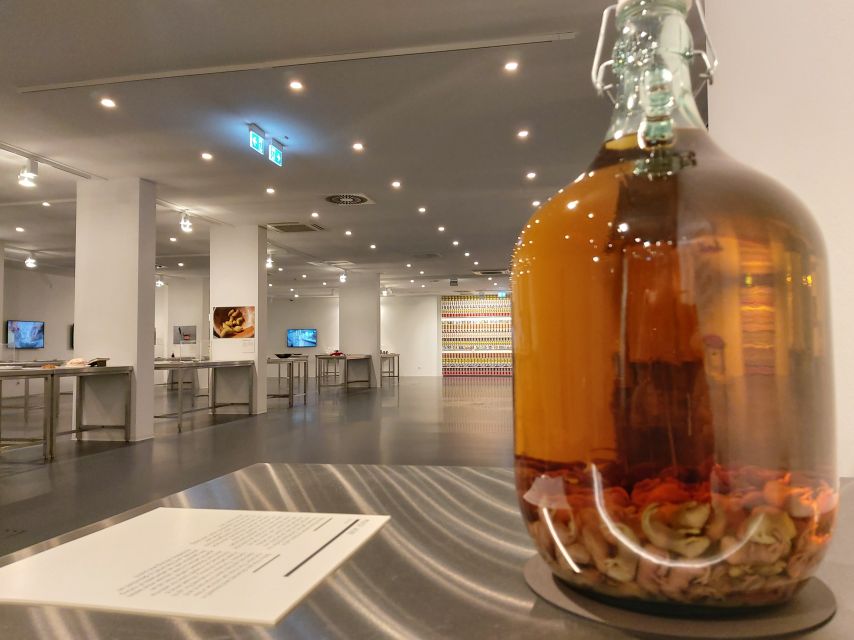
Berlin’s Disgusting Food Museum puts mouse wine, mite cheese, stinky fish, and worms on display, then asks you to taste a few of them. It is part museum, part social experiment, and part conversation about why one person’s favorite dish can be another person’s nightmare.
I like the wide range of food cultures on show and the way the exhibits move past cheap shock value into questions about food production and nutrition. I also like that the ticket includes samples at the Tasting Bar. The main drawback is clear: some displays and tastings may be uncomfortable, so this is not a relaxed food tour for everyone.
Key points
- More than 90 food exhibits: See unusual foods from around the world, including mouse wine, mite cheese, stinky fish, and worms.
- Tasting Bar samples: Test a few small samples rather than committing to a full meal.
- Food with a serious purpose: Think about culture, food production, nutrition, and what people may eat in the future.
- A compact visit: The museum is not huge, but the presentation gives you plenty to consider.
- All-ages tasting experience: The activity is designed for a broad age range, though some content may be unsettling.
- Practical access: The museum is wheelchair accessible, and your ticket is valid only for the date and time you book.
Berlin’s strangest museum starts with a simple question
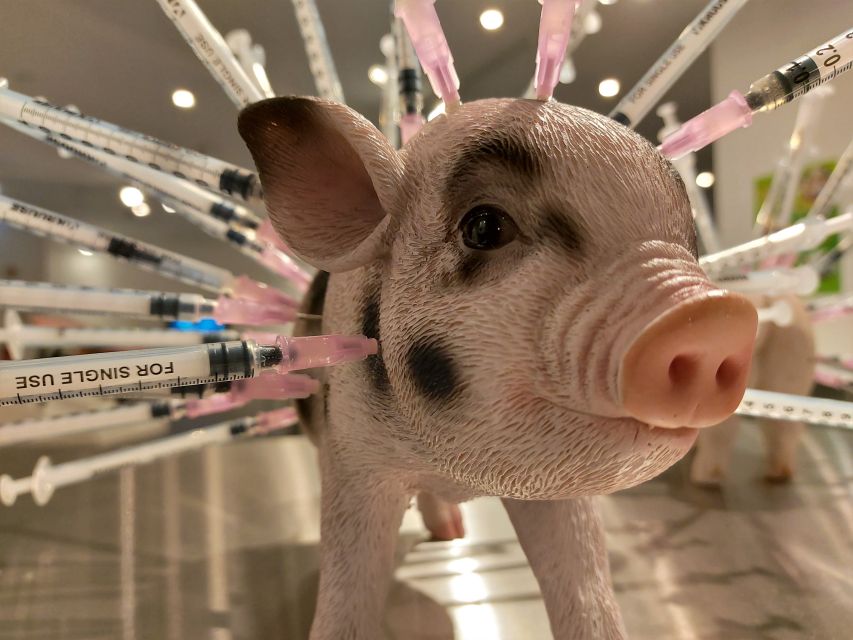
What makes food disgusting? The answer changes from place to place. A food that causes a strong reaction in Germany may be prized elsewhere, while familiar local dishes can seem deeply odd to someone from another culture.
That idea gives the museum more substance than its title first suggests. You are not simply walking past gross-out objects. You are looking at the habits, customs, farming methods, preservation techniques, and personal memories that shape your idea of a proper meal.
The collection includes more than 90 foods from around the world. Some are unusual because of their ingredients. Others are shocking because of their smell, preparation, or cultural meaning. Mouse wine, mite cheese, stinky fish, and worms are among the examples presented.
I like this starting point because it makes the experience personal. You may arrive certain that one food is impossible to eat, then remember that someone else could say the same about a dish you consider perfectly normal.
More food tours in Berlin:
- Berlin Center Food Tour with 8+ Authentic Local Tastings
★ 5.0 · 1,227 reviews - Kreuzberg: Culinary Food Tour
★ 4.5 · 770 reviews - Berlin: Mitte Culinary Food Tour
★ 4.5 · 447 reviews
More than 90 exhibits, from mite cheese to mouse wine
The exhibition is the heart of the visit. You move through displays that introduce food habits many people would reject at first glance. The museum uses these examples to show how flexible human diets can be.
Mite cheese is a good example of the museum’s approach. The idea may be hard to accept if you have grown up with cheese as a clean, familiar product. Yet the exhibit encourages you to think about why certain forms of aging and fermentation are accepted in one place but rejected in another.
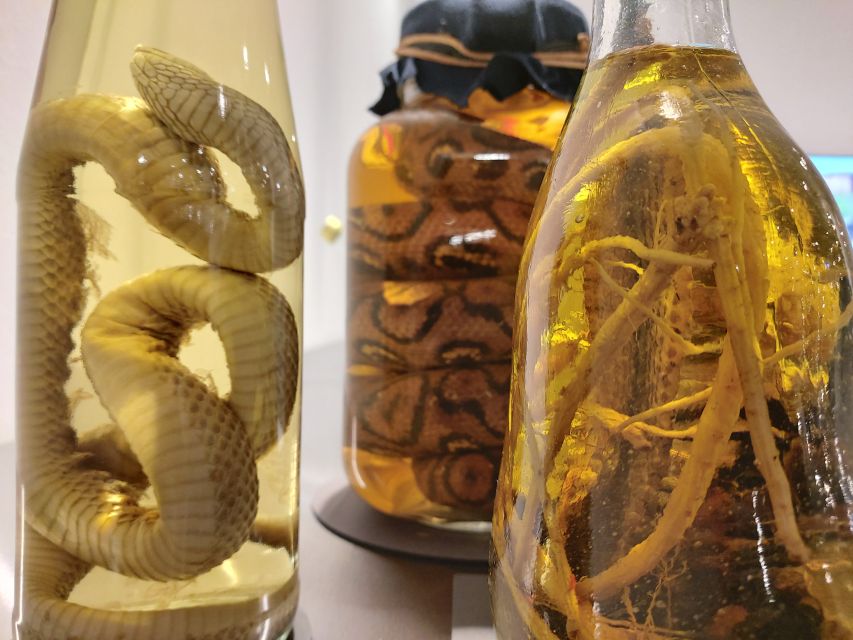
Mouse wine creates a different kind of reaction. It is the sort of item that catches your eye quickly, but the larger point is not just its unusual ingredient. It asks you to consider how food and drink can carry local traditions that seem strange when viewed from the outside.
Stinky fish and worms add smell and texture to the subject. The museum’s own description warns that some of the content may make you uncomfortable, and you should take that seriously. The experience is built around strong reactions, not around a mild display of quirky snacks.
The collection is not enormous in the way a major Berlin museum can be. One useful description of it is compact but well presented. That matters because you can take in the main displays without spending an entire day, while still having enough material to start a conversation afterward.
The Tasting Bar turns the subject into a challenge
The museum ticket includes small samples at the Tasting Bar. This is where the visit becomes more than a visual exhibition.
You can see strange food in a case and decide that it looks unpleasant. Tasting it is a different test. The sample gives you a direct way to compare expectation with reality, though the point is not to force yourself to swallow something you cannot handle.
The tasting is described as suitable for all ages, but that does not mean every sample will appeal to every age group or every stomach. Children may enjoy the sense of adventure, while some adults may prefer to watch. I would treat the tasting as optional in spirit, even though it is included in the ticket.
Bring a credit card, which is listed as something to have with you. The provided information does not give a full sample menu, so you should not book with the expectation of one specific item. The selection may include small portions connected to the museum’s wider subject, but the exact offering is not specified.
A useful way to approach the bar is to set your own limit. Try one sample, compare reactions with your companions, and remember that the museum’s purpose is curiosity rather than endurance. You do not earn extra cultural credit for making yourself miserable.
The best part is the conversation about normal food
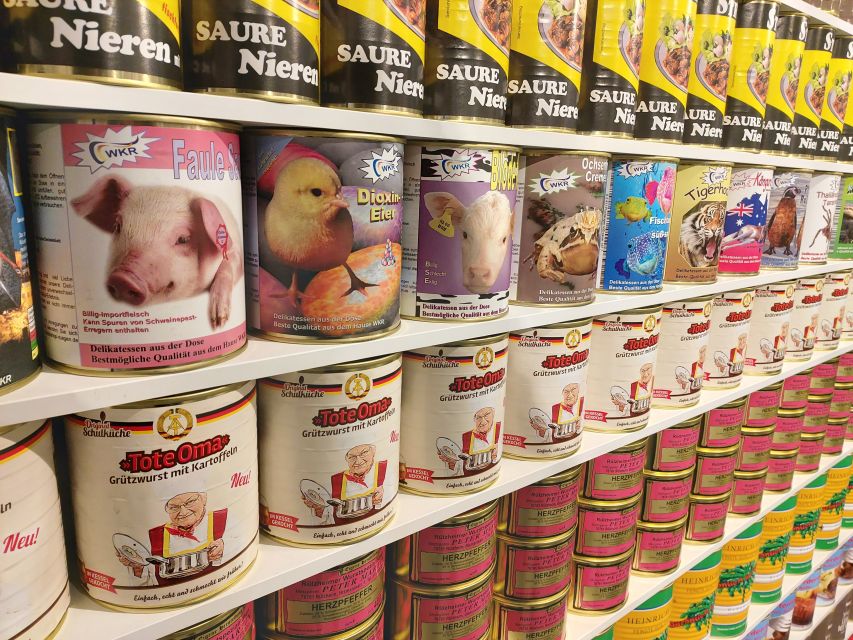
The displays raise questions that stay with you after the tasting. Why do people accept some animal products but reject others? How does food production affect the choices available to us? Which foods might become more common in the future?
These questions give the museum a practical edge. Food is not just a matter of taste. It connects to resources, farming, industry, tradition, and personal ethics. The museum invites you to ask how food is produced, what happens when people favor one type of food over another, and what future diets may look like.
I especially like this part because it makes the museum useful even if you skip the more challenging samples. You can still examine your own food preferences and notice how much of taste is learned.
The experience also encourages discussion. You may find yourself comparing a food on display with something you eat at home, or arguing about whether an ingredient seems disgusting because of its taste, its appearance, its origin, or simply because it is unfamiliar.
That is the museum’s strongest idea: disgust is not always a fixed biological response. Much of it is shaped by culture and habit.
More museums and galleries in Berlin:
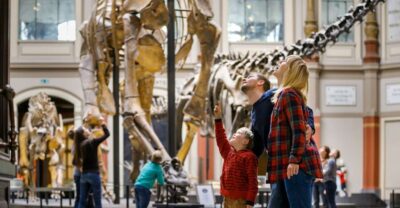
- Berlin: Natural History Museum Entrance Ticket
★ 4.6 · 3,382 reviews - Skip-the-Line: Berlin Wall Museum at Checkpoint Charlie
★ 4.1 · 2,041 reviews - Berlin: Museum Island Multiple Museum Entry Ticket
★ 4.4 · 2,007 reviews - Berlin: Interactive DeJa Vu Museum Entrance Ticket
★ 4.1 · 1,338 reviews
A compact visit with a clear purpose
The museum is not described as huge, and that is worth keeping in mind when judging the price. At $20 per person, this is not an all-day attraction in the usual museum sense. You are paying for a focused exhibition, the chance to see more than 90 food examples, and small tasting samples.
I see the price as reasonable if you enjoy unusual museums or want an activity that gives you something to talk about. It is less convincing if you are looking for hours of galleries, detailed historical displays, or a full meal.
The stated duration is one day because the ticket is valid on the date and time booked, but the experience itself is better thought of as a short, focused stop within a Berlin day. You do not need to build your entire schedule around it.
That compact size can be a benefit. You can fit the museum around other plans, and the subject is different enough from Berlin’s usual historical sights to break up a day of monuments and galleries. The drawback is that visitors expecting a large institution may finish sooner than expected.
The presentation seems to be a major part of the value. The exhibits are arranged to make the foods memorable, while the questions about nutrition and production keep the visit from being just a collection of shock objects.
Who will enjoy the museum most
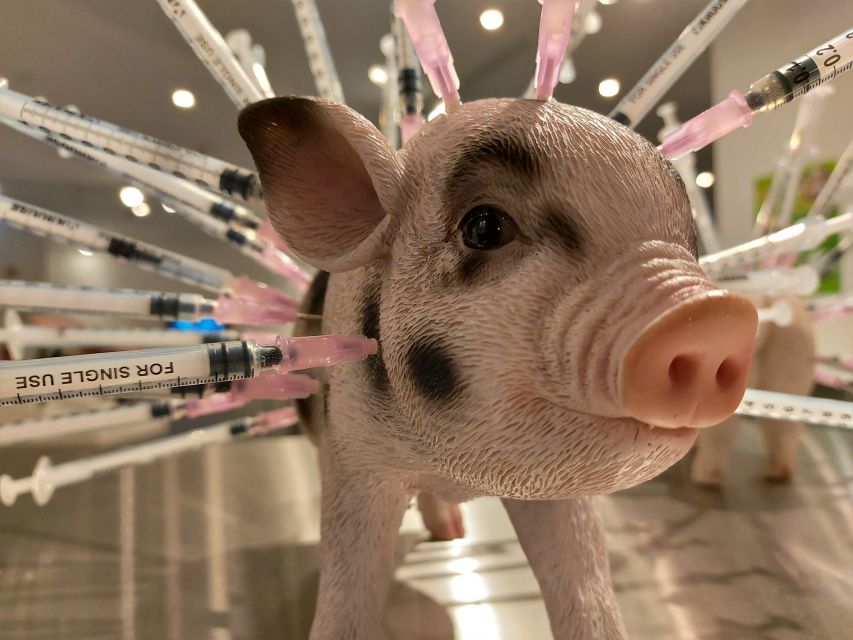
This experience suits curious eaters, families with older children, couples looking for an unusual outing, and anyone who enjoys museums that ask for a reaction. It can also work well for groups because the tasting gives people an easy reason to compare opinions.
It is a good choice if you like cultural differences presented through daily life. Food is one of the quickest ways to see how societies vary, and the museum uses extreme examples to make that point easy to grasp.
You may also enjoy it if you like ethical questions about eating. The sections on food production, personal preference, and future nutrition offer more than a parade of odd ingredients.
I would think twice if you are sensitive to strong food imagery, unusual animal products, or intense smells. The information specifically notes that some content may be uncomfortable. That warning is not a minor footnote here. Discomfort is part of the design.
For younger children, the all-ages tastings may sound appealing, but parents should use their judgment. The museum does not promise that every display or sample will be gentle or familiar.
Practical details for planning your visit
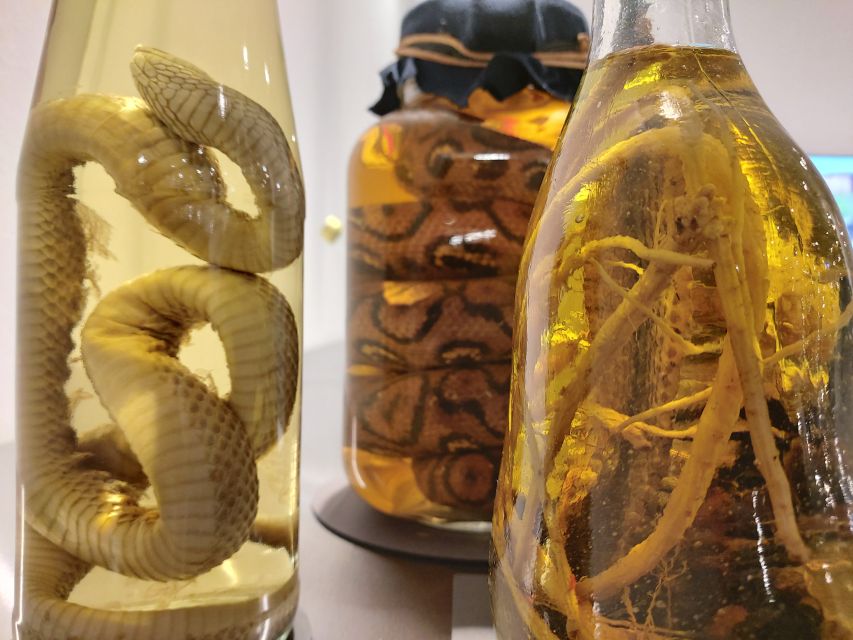
Your entry and tastings are valid for the date and time you book. You start at the Disgusting Food Museum Berlin, and transportation is not included, so you need to make your own way there.
Check the available starting times before you choose a slot. Since the ticket is time-specific, do not treat it like an open-entry pass that can be used whenever you happen to be nearby.
The museum is wheelchair accessible, which makes it a practical option for visitors who need step-free access. The available information does not provide further details about the building or facilities, so you may want to confirm any specific access needs before booking.
Free cancellation is available up to 24 hours in advance for a full refund. You can also reserve now and pay later, which helps if your Berlin schedule is still changing.
The activity information does not name a guide, and this is presented as a museum entry and tasting rather than a guided walking tour. You should therefore expect the exhibits and Tasting Bar to carry the experience, not a named guide leading a group through each section.
What recent visitors found especially strong
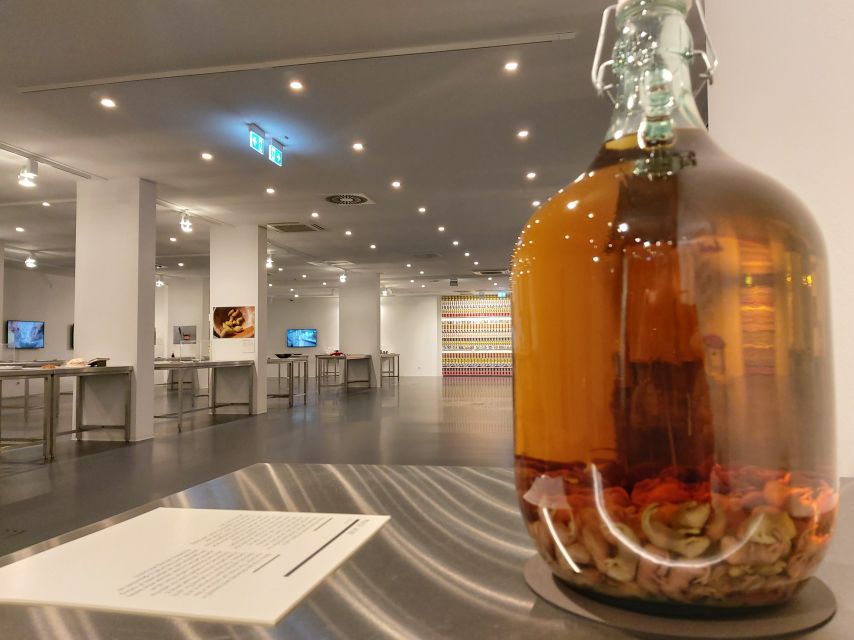
The most praised feature is the presentation. One German visitor described the museum as not very large but liked the scope and the way the exhibits were arranged. That is a useful description for setting expectations: you get a focused collection, not a sprawling institution.
The same comment pointed to occasional samples and the stand where you can try some items. This supports the idea that the tasting is an important part of the visit, not just an extra line in the ticket details.
The atmosphere can be intense. Another short description called it exciting and strong in smell. That may be a compliment if you want a sensory challenge, but it is also a warning for anyone sensitive to odors.
The most demanding feature appears to be the Hall of Fame challenge. One visitor said completing it was hard but felt like something you should try. The available information does not explain the exact rules or contents, so I would not promise a particular challenge. Still, if you enjoy testing your limits, ask about it when you arrive.
The overall rating is 4.4 from 204 reviews, which points to a generally well-received experience but not universal approval. That feels right for a museum built around personal reactions. Some people will find it fascinating, while others will decide that the food displays and smells are more than they want from a day in Berlin.
How to get the most from the tasting
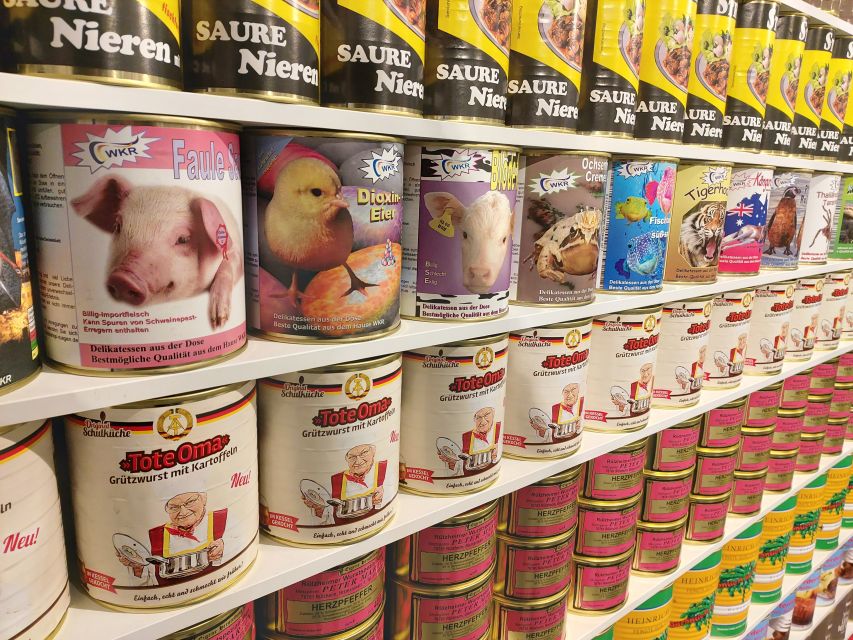
Go in with curiosity, not bravado. The goal is to understand your reaction, not to prove that you can eat the most alarming item in the room.
Read the exhibit information before tasting. Context can change the experience, especially when a food seems unpleasant at first glance. Learning how another culture uses it may make the sample easier to approach.
Give yourself time to consider the questions about food production and the future of nutrition. The museum works best when you pause between the jokes and the shock. Its subject can be funny, but it also touches on serious choices about what people eat and why.
If you are visiting with children or friends, agree that nobody has to try every sample. That keeps the activity playful and avoids turning a museum visit into a contest.
Should you book the Disgusting Food Museum?
Book it if you want an unusual Berlin stop with a clear theme, a hands-on tasting element, and questions that extend beyond the exhibits. At $20, the value is strongest for people who enjoy cultural comparisons, food debates, and sensory experiences.
Skip it if you want a traditional museum, a large collection, or a calm food-themed outing. The smells and content may be uncomfortable, and the museum is compact.
For most curious visitors, I would make room for it as a short, memorable break from Berlin’s major sights. Go ready to laugh, react, and rethink what you call disgusting.
FAQ
How much does entry to the Disgusting Food Museum cost?
The listed price is $20 per person. The ticket includes museum entry and small samples at the Tasting Bar.
What foods can I see at the museum?
The museum presents more than 90 foods from around the world. Examples include mouse wine, mite cheese, stinky fish, and worms.
Are tastings included with the ticket?
Yes. Your entry ticket includes small disgusting samples at the Tasting Bar.
Is the experience suitable for all ages?
The tastings are described as being for all ages. However, some exhibition content may be uncomfortable, so parents and visitors should use their own judgment.
Is the museum wheelchair accessible?
Yes. The activity is listed as wheelchair accessible.
Can I cancel my booking?
Yes. You can cancel up to 24 hours in advance for a full refund. Reserve now and pay later is also available.
Newest Berlin reviews
- Where It All Began: Berlin’s Queer & Trans History Tour★ 4.9 · 6 reviews
- Understanding Kreuzberg: The roots of local (sub)culture★ 4.9 · 11 reviews
- Berlin: guided canoe | kayaktour★ 4.1 · 7 reviews
- Private Potsdam City Tour in an authentic vintage van★ 5.0 · 14 reviews
- Warnemünde Shore Excursion: Private Sachsenhausen and Berlin Tour★ 5.0 · 12 reviews
- Ultimate E-Bike Tour of Berlin with Beer Garden Stop★ 5.0 · 4 reviews
- In the Forbidden City – Potsdam Walking Tour★ 5.0 · 17 reviews
- Private Walking Tour of Potsdam and Sanssouci★ 5.0 · 24 reviews
Museums, compared.
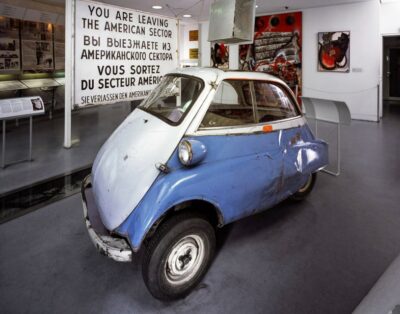
Skip-the-Line: Berlin Wall Museum at Checkpoint Charlie
Read our review →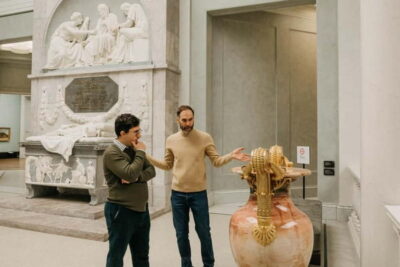
“Pergamonmuseum. The Panorama” Exhibition Tickets
Read our review →
East Side Gallery Spree Cruise in a Solar Catamaran
Read our review →
Cold War, Berlin Wall, Spies and the East Side Gallery
Read our review →
Browse the lists this tour appears in