
Reviewed · SACHSENHAUSEN CONCENTRATION CAMP TOURS
Visita en español al campo de concentración Sachsenhausen
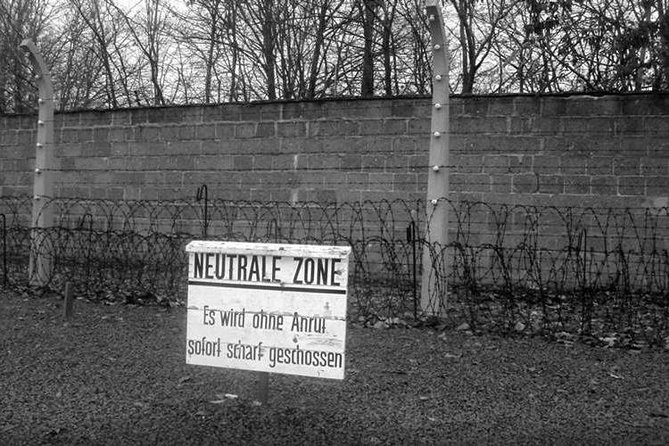
Sachsenhausen is not a sightseeing stop in the usual sense. It is a memorial built around the remains of a Nazi concentration camp, and the experience asks you to pay attention, listen carefully, and sit with difficult facts. The Spanish-language guide gives the visit structure, context, and a human scale that can be hard to find when walking through the grounds alone.
I like the way the tour covers more than the entrance and the famous gate. You visit the execution area, barracks, kitchen, armory, casino, command center, and Tower A, while guides such as Alberto, Vicent, Micaela, Edu, Jorge, and Eduardo have been praised for clear explanations and patience. I also like that the group meets in central Berlin and is guided through the transport and arrival process.
The main drawback is time. The full outing lasts about five hours, but the visit inside Sachsenhausen is roughly three hours, and one person felt that another 45 minutes would have helped. The pace may also feel tight if you are traveling with children or need extra time at each memorial display.
Key points to know before booking
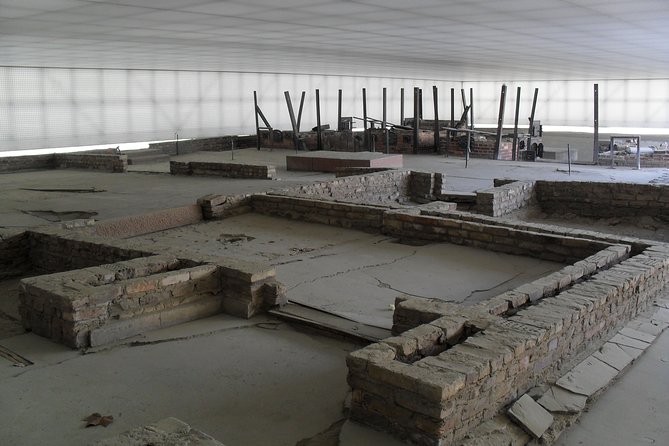
- Three hours inside Sachsenhausen: The guided visit includes the former entrance, Tower A, command center, barracks, kitchen, armory, casino, and execution area.
- Spanish explanations throughout: The guide explains prison life, Nazi policy, and the camp’s wider wartime setting in Spanish.
- Central Berlin meeting point: Meet at Pariser Platz 4 at 9:00 a.m., then travel out to Oranienburg.
- Bring an ABC transport ticket: This is not included, so buy your Berlin-Brandenburg public transport ticket before the tour.
- Prepare for exposed, serious conditions: The tour operates in all weather, and much of the memorial is outdoors.
- A well-rated but emotionally demanding visit: The experience carries a 4.9 rating from 1,170 reviews, with 99 percent recommending it.
Why Sachsenhausen deserves a full morning
Sachsenhausen sits in Oranienburg, outside central Berlin. Its distance from the city matters. The camp is not a quick museum stop you can squeeze between a palace and a shopping street. You need the morning, the transport connection, and enough emotional energy to take in what you are seeing.
The site is also large enough that a guide adds real value. The remains are spread across open ground, and some areas are represented by foundations, reconstructed buildings, or memorial markers rather than a complete camp frozen in time. Without context, you may see a gate, barracks, and empty spaces without fully understanding how they worked together.
This Spanish-language visit helps connect those pieces. Your guide explains where prisoners entered, where guards operated, how daily routines were imposed, and how the camp was organized. That matters because the physical remains alone cannot explain the system that used them.
The tone should be respectful rather than theatrical. The most successful guides described in the supplied feedback, including Alberto, Vicent, Micaela, Francisco, Edu, Jorge, and Eduardo, were praised for speaking clearly, answering questions, and presenting the subject with care. Guide assignments can change, so you should not book expecting one particular person, but the recurring strength is the attention given to historical explanation.
More Sachsenhausen memorial visits from Berlin:
- Berlin: Sachsenhausen Concentration Camp Tour in English
★ 5.0 · 5,711 reviews - Berlin: Sachsenhausen Concentration Camp Memorial Tour
★ 4.7 · 3,716 reviews - Sachsenhausen Concentration Camp Bus Tour in English from Berlin
★ 5.0 · 1,962 reviews
Meeting at Pariser Platz at 9:00 a.m.
The tour begins at Pariser Platz 4, beside one of Berlin’s most recognizable central landmarks. Arriving early is sensible. A 9:00 a.m. start leaves little room for getting lost, buying a ticket, or dealing with a delayed connection.
The tour includes guidance from Berlin to Sachsenhausen, but you must bring your own ABC transport ticket. This is an important practical detail. The ABC fare covers the zone needed to reach Oranienburg, so do not assume that the tour price includes every part of the journey.
The group can contain up to 30 people. That is not a private visit, but it is still small enough for a guide to keep the group together and handle questions. Some groups have been divided between two guides, with two leaders meeting participants at the start and then taking separate groups onward.
You should expect a mixture of travel time, walking, and outdoor standing. Wear shoes that can handle a long visit and clothing suitable for the forecast. The memorial operates in all weather, and the cold can be especially harsh. One winter visitor specifically warned that you should dress warmly, and that advice is worth taking seriously.
Entering through the former camp gate
The first part of the site visit focuses on the former entrance and the camp’s main organizational areas. Tower A is one of the key landmarks, and the entrance helps set the tone for the rest of the visit.
A guide can explain how the gate functioned, how control was imposed, and how prisoners encountered the camp as they arrived. This is also where the visit shifts from a general lesson about Nazi Germany to a direct encounter with a specific place.
You may notice that not every part of the original camp survives in the same form. Some buildings remain, some spaces are marked, and other areas are presented through museum material and memorial installations. That can feel less visually dramatic than a preserved fortress or palace, but it is part of the truth of the site. The empty spaces are not empty of meaning.
The guide’s role is especially important here. A well-paced explanation can prevent you from treating the entrance as simply another historic structure. It shows how architecture, rules, surveillance, and forced routines shaped prison life.
Barracks, kitchen, armory, and daily prison life
The visit continues through the former camp grounds and includes the barracks and kitchen. These areas help you understand the ordinary mechanics of imprisonment: where people were housed, how food was handled, and how daily life was controlled.
The word ordinary needs care here. Nothing about the prisoners’ existence was normal, but examining the daily routine can make the history easier to grasp. A guide can move the focus beyond dates and political figures and explain what the camp meant for the people forced to live there.
The armory, command center, and casino add another layer. These were part of the camp’s institutional structure, and seeing them together helps you understand the separation between those who controlled the camp and those imprisoned inside it. Your guide can explain how the site functioned as a system rather than a collection of isolated buildings.
This is one reason I would not recommend treating Sachsenhausen as a self-guided photo stop. The buildings need explanation, and the hardest facts are not always visible. The Spanish commentary helps you ask questions in your strongest language and follow the connection between individual places.
The pace can be a concern. You will not have unlimited time to linger in every room or read every panel. If you prefer to study each display at length, a guided schedule may feel restrictive. One person felt that another 45 minutes would have allowed a closer look. That is a fair criticism, particularly for adults who want to read every historical detail.
A different sort of day out in Berlin:
- Berlin: Reichstag, Dome and Government District Guided Tour
★ 4.7 · 18,288 reviews - Berlin: 1-Hour City Tour by Boat with Guaranteed Seating
★ 4.3 · 16,993 reviews - Berlin: Boat Tour Along the River Spree
★ 4.4 · 11,252 reviews - Discover Berlin Half-Day Walking Tour
★ 5.0 · 9,624 reviews
The execution area and the hardest part of the visit
The execution area is among the most difficult stops. This is not a place for dramatic storytelling or casual photography. The value of the stop lies in understanding what happened there and why the memorial preserves the location.
Your guide’s tone matters greatly. The strongest feedback repeatedly praised guides for being respectful, clear, and serious without losing sight of the people involved. Francisco was singled out for telling the history with passion, while Eduardo was praised for preparing the group emotionally with detailed explanations from the beginning.
Expect the subject matter to be upsetting. You may find the visit physically quiet but mentally intense. That contrast is part of the experience. The grounds can appear open and still, yet the guide’s account places those spaces within the violence of the Nazi regime.
If you are bringing children, think carefully about their age and ability to handle the material. Children are allowed to participate, and most people can take part, but the content is not light. One criticism concerned the difficulty of keeping children to an adult schedule, especially when the group is being moved from place to place.
Three hours at the memorial, five hours overall
The published duration is about five hours, with around three hours spent at the memorial itself. The remaining time is used for the journey from Berlin and the organization of the group.
That balance is sensible for a first visit. Sachsenhausen is far enough from central Berlin that transport takes a meaningful part of the morning, but three hours gives you a guided route through the main areas. You should not expect a relaxed, all-day museum visit.
The tour’s organization appears to be one of its useful features. Participants are met in central Berlin, given instructions for the journey, and accompanied through the visit. Several guides have been praised for punctuality, clear timing, and helping the group avoid getting lost.
Still, organized timing has two sides. A guide keeping the group together means the schedule works, but it can also feel strict. One negative account described being watched closely for time and choosing not to stop in some places to avoid falling behind. If you prefer to move entirely at your own speed, you may find the structure frustrating.
The endpoint is listed as Sachsenhausen Memorial and Museum in Oranienburg. The tour description presents the outing as round-trip from Berlin, but the practical details specifically require you to arrive at the central meeting point and bring your own ABC transport ticket. Confirm the return arrangement when booking so you know how the final journey is handled.
What the 34.58 dollar price really covers
At $34.58 per person, the price is reasonable if you want a Spanish-speaking guide and help organizing the journey from central Berlin. You are paying for the guide, local guidance, and a structured visit through a site that can be difficult to understand alone.
The price does not include food, drinks, or the ABC transport ticket. Plan for those costs separately. There is no indication of a meal break, so eat before meeting the group or bring something suitable for the journey.
Value depends on what you need. If you already speak German or English well and are comfortable planning public transport, you could visit the memorial independently and spend longer at individual displays. If Spanish is your preferred language, the guide can make the historical material easier to follow and the morning simpler to manage.
The rating of 4.9 from 1,170 reviews, with 99 percent recommending the experience, reflects strong satisfaction with the guiding and organization. It does not make the subject easier, and it should not be read as a promise that every guide will match your personal style. Still, it suggests that the service has a consistent record of delivering a serious, well-run visit.
Who will get the most from this tour
I would choose this experience if you want the historical explanation in Spanish and prefer not to work out the journey to Oranienburg by yourself. It also suits first-time visitors who want a clear route through the major areas without wondering which buildings or memorials matter most.
It is a good match for:
- Spanish-speaking adults who want detailed historical context
- Visitors with only one Berlin morning available for Sachsenhausen
- People who prefer a guide to explain the site rather than read every subject alone
- Families with older children who can manage serious material and a fixed schedule
- Anyone who wants to ask questions in Spanish during the visit
I would think twice if you need a slow, self-directed museum visit. You may also want a different plan if you are sensitive to cold, uncomfortable standing outdoors, or traveling with young children who need frequent breaks.
Most people can participate, and service animals are allowed. The site is near public transportation, but the visit still involves travel and movement around a large memorial area. Dress for the weather, not for a short city-center stroll.
How to prepare for a respectful visit
Read a little about Sachsenhausen before you go, but do not try to turn the morning into a test of dates and names. A basic understanding of Nazi Germany and concentration camps will help, but the guide will provide the wider setting.
Bring your ABC transport ticket, water, and weather-appropriate clothing. Food and drinks are not included, so plan ahead. Since the outing begins early and may run for about five hours, a small snack can make the journey easier.
Give yourself room afterward. The memorial can leave you quiet and unsettled, and that is a normal response to a place like this. Avoid scheduling a noisy activity immediately after if you know you prefer time to process difficult material.
The best approach is simple: listen, ask respectful questions, and do not rush the memorial. The guide may keep the group moving, but you can still give the important stops your full attention.
Should you book the Spanish Sachsenhausen tour?
Book it if clear Spanish explanations, a central Berlin meeting point, and a guided route through the major camp areas matter to you. The price is fair for the guide and structure, and the experience covers much more than the entrance gate. The strongest guides bring patience, historical detail, and a respectful tone to a difficult subject.
Skip it if you want complete freedom to set your own pace or spend a long time reading every display. In that case, an independent visit may suit you better, provided you are ready to arrange the transport and research the site yourself.
For most Spanish-speaking visitors, I would choose the tour. Sachsenhausen is too important to approach casually, and the right guide can help you understand not only what remains, but also what those buildings and empty spaces meant to the people imprisoned there.
FAQ
Where does the tour begin?
The tour begins at Pariser Platz 4, 10117 Berlin, Germany, at 9:00 a.m.
How long does the experience last?
The full experience lasts approximately five hours. About three hours are spent visiting the Sachsenhausen memorial and museum.
Is the tour conducted in Spanish?
Yes. The experience is designed for Spanish speakers, with a Spanish-language guide explaining the camp and its history.
Is public transportation included?
No. You must bring a purchased ABC public transport ticket. Food and drinks are also not included.
What areas of Sachsenhausen are visited?
The guided visit includes the armory, entrance, casino, command center, Tower A, execution area, barracks, and kitchen, along with indoor and outdoor areas of the former camp.
Can I cancel for a full refund?
Yes. You can cancel at least 24 hours before the scheduled start time for a full refund. Cancellations or changes made less than 24 hours before the start are not accepted for a refund.
Newest Berlin reviews
- Where It All Began: Berlin’s Queer & Trans History Tour★ 4.9 · 6 reviews
- Understanding Kreuzberg: The roots of local (sub)culture★ 4.9 · 11 reviews
- Berlin: guided canoe | kayaktour★ 4.1 · 7 reviews
- Private Potsdam City Tour in an authentic vintage van★ 5.0 · 14 reviews
- Warnemünde Shore Excursion: Private Sachsenhausen and Berlin Tour★ 5.0 · 12 reviews
- Ultimate E-Bike Tour of Berlin with Beer Garden Stop★ 5.0 · 4 reviews
- Potsdam Highlights – Private sightseeing tour by minibus★ 5.0 · 3 reviews
- In the Forbidden City – Potsdam Walking Tour★ 5.0 · 17 reviews
Sachsenhausen Concentration Camp Tours, compared.
Sachsenhausen Concentration Camp Tour in English
Read our review →
Sachsenhausen Concentration Camp Memorial Tour
Read our review →
Sachsenhausen Concentration Camp Bus Tour in English from Berlin
Read our review →Sachsenhausen Concentration Camp Tour in English
Read our review →
Sachsenhausen Concentration Camp Memorial Tour (Max. 15 Guests)
Read our review →
Sachsenhausen Concentration Camp and Potsdam Tour
Read our review →
Sachsenhausen Concentration Camp Bus Tour in English
Read our review →Browse the lists this tour appears in