
Reviewed · MUSEUMS
Berlin’s Gallery Scene
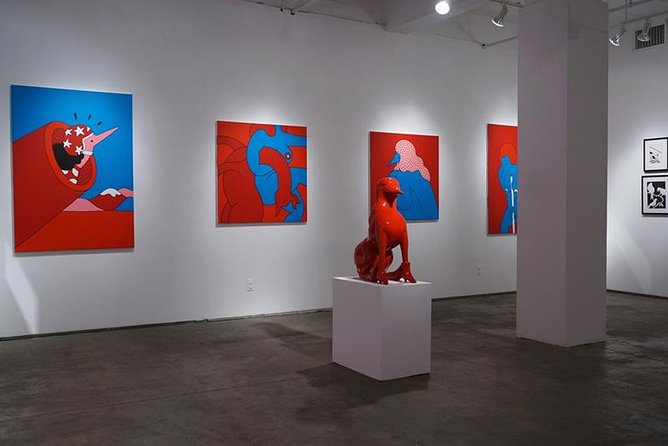
Berlin’s gallery world is tucked into old schools, former industrial spaces, and unassuming doors across Mitte and Potsdamer Straße. This private three-hour walk helps you find those spaces while explaining how Berlin became a major art center after the fall of the Wall. The setting is part of the lesson, not just a route between galleries.
I like the access to a professional art historian and the chance to see several changing exhibitions in one outing. I also like the private format, which lets your group focus on the art that catches your eye. The main drawback is that gallery programs change, and KW Institute is closed on Tuesdays, so the exact route can shift.
Key points about Berlin’s gallery walk
- Berlin after 1989: Learn how the city’s post-Wall energy helped attract artists, galleries, and creative projects.
- Four gallery districts and stops: The route includes KW Institute, Auguststrasse, Potsdamer Straße, and Galerie Eigen & Art.
- A real art historian guide: Guides such as Justin and Laureline have led the tour, bringing background on artists, buildings, and German art.
- Private group value: The $330 price covers your whole group, up to 10 people, rather than charging each person separately.
- Changing exhibitions: The art you see depends on current shows and major events, so no two visits are guaranteed to be identical.
- One important extra cost: KW Institute admission is not included and costs €10 for adults or €6 for seniors and students.
Why Berlin’s gallery scene is worth your morning
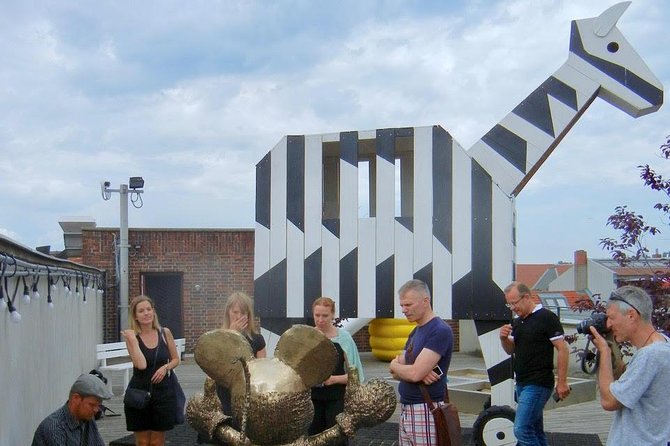
Berlin is not a city where all the important art sits behind one grand museum façade. Some of its most interesting exhibition spaces occupy former schools, converted buildings, and plain-looking rooms scattered through central neighborhoods. That can be thrilling, but it can also be hard to decode on your own.
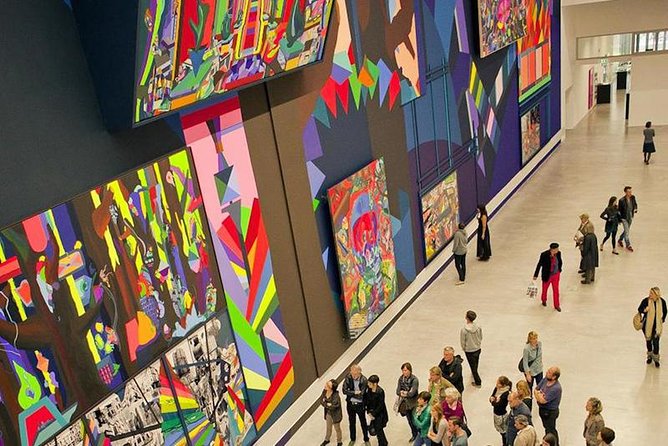
This tour gives you a way into that system. Instead of simply pointing out paintings, the guide explains why Berlin became such a draw for artists after 1989. The fall of the Wall changed the city’s physical and social makeup, and the tour connects that turning point to the galleries and creative spaces you visit.
You will spend about three hours walking and looking. The route is centered on Berlin’s Mitte area, with additional stops around Potsdamer Straße. It is a good fit if you want more than a museum visit and would like to understand how the city’s art world operates in relation to its buildings and neighborhoods.
The tour is private, with your own group of up to 10 people. That matters in a gallery. You can ask why a work is installed in a certain room, how a current exhibition fits into German art, or why a former school has become a gallery. You are not tied to the interests of a larger bus group.
More museums and galleries in Berlin:
- Berlin: Natural History Museum Entrance Ticket
★ 4.6 · 3,382 reviews - Skip-the-Line: Berlin Wall Museum at Checkpoint Charlie
★ 4.1 · 2,041 reviews - Berlin: Museum Island Multiple Museum Entry Ticket
★ 4.4 · 2,007 reviews
KW Institute begins the art conversation
The visit to KW Institute for Contemporary Art is planned for about 40 minutes. KW is one of Germany’s major contemporary art institutions, but it works differently from a traditional museum. It has no permanent collection of its own. Instead, it functions as a place for temporary exhibitions, artist studios, events, and current cultural projects.
That makes KW a strong opening stop. You are not looking at a fixed sequence of famous objects. You are seeing what the institution has chosen to present at that moment, which gives the guide room to explain how contemporary art is produced and shown today.
The changing program is also the first thing to keep in mind. The quality and appeal of your visit depend partly on what is on view when you book. The tour description does not promise a particular artist or exhibition, and the route may change for major art events.
Admission to KW is extra. Adults pay €10, while seniors and students pay €6. Since the tour price does not include this ticket, add it to your budget before booking. On Tuesdays, KW is closed, and the tour operates as a walking portion only. That is the clearest day-specific limitation.
Auguststrasse puts art inside old schoolrooms
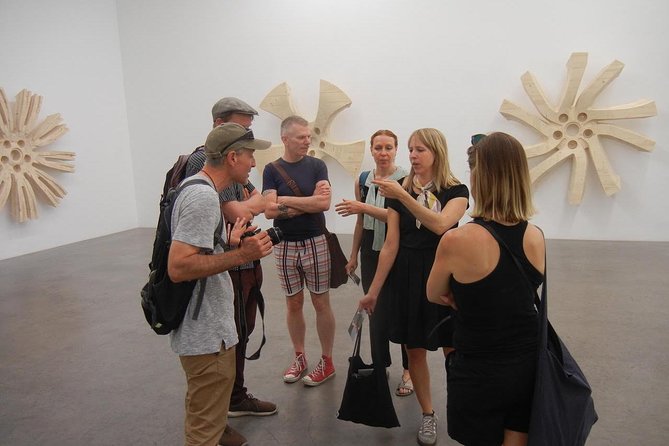
The Auguststrasse stop lasts about 30 minutes and includes Michael Fuchs Galerie. The gallery uses the former assembly hall and two classrooms of a former Jewish girls’ school. That setting gives the stop a strong sense of place without turning the building into a mere backdrop.
The gallery presents contemporary art and classical modernist works through changing solo and group exhibitions. That mix can help you compare newer artistic ideas with earlier modern movements, though the exact works depend on the current show.
This is one of the tour’s most useful features: you are not moving through anonymous white rooms alone. You are learning how buildings in Berlin acquire new cultural roles. The former school’s past and present functions give the guide a natural way to discuss the city’s history, memory, and changing use of space.
Admission here is free. You should still expect to walk between stops and stand for parts of the visit. If you prefer a tour built around one long museum visit with plenty of seating, this format may feel more active.
Potsdamer Straße shows the newer gallery side
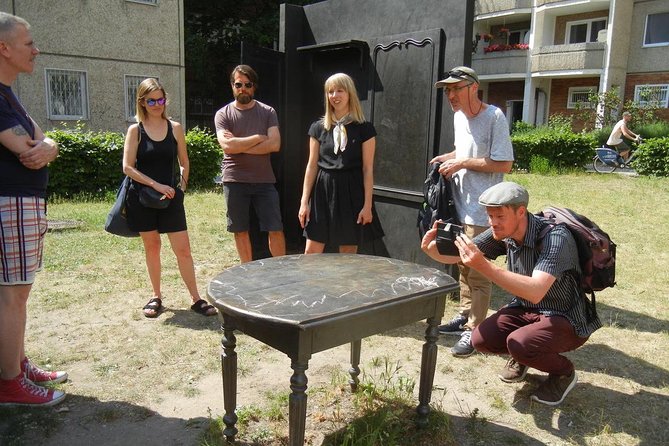
The Potsdamer Straße section includes Esther Schipper, a contemporary art gallery, with about 20 minutes allocated to the stop. This is a shorter visit, but it adds another type of gallery to the route.
The point is not simply to count exhibition rooms. It is to see how different galleries present current art and how their programs fit into Berlin’s broader art economy. The guide can help you compare an institutional space such as KW with commercial galleries that represent artists and mount temporary shows.
You also visit Galerie Eigen & Art for about 20 minutes. This gallery is located in a former school and presents temporary exhibitions by international contemporary artists. Like the Auguststrasse stop, the building matters. You get another example of Berlin’s habit of turning older structures into places for new creative work.
Both stops have free admission. The short time at each means you should not expect a full lecture on every artist or a long examination of every work. Instead, these visits work as focused snapshots. I see that as a strength if you want variety, but a weakness if you prefer to study one exhibition at length.
A different sort of day out in Berlin:
- Berlin: Reichstag, Dome and Government District Guided Tour
★ 4.7 · 18,288 reviews - Berlin: 1-Hour City Tour by Boat with Guaranteed Seating
★ 4.3 · 16,993 reviews - Berlin: Boat Tour Along the River Spree
★ 4.4 · 11,252 reviews - Discover Berlin Half-Day Walking Tour
★ 5.0 · 9,624 reviews
Galerie Giti Nourbakhsch and Berlin’s gallery network
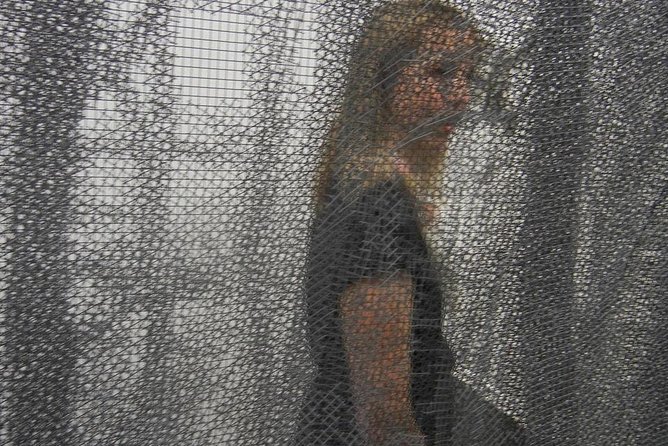
The itinerary also includes Galerie Giti Nourbakhsch, a Berlin gallery associated with the gallery district around Potsdamer Platz. Giti Nourbakhsch was among the founding members of Berlin Gallery Weekend, an important sign of her role in the city’s commercial art network.
The stop is planned for about 20 minutes. Admission is not included, and the details provided do not give a separate ticket price. As with the other galleries, the current exhibition will shape what you see.
This stop helps broaden the tour beyond individual artworks. You get a look at the people and gallery networks that helped make Berlin a major art destination. The tour is not only about spotting attractive or challenging pieces. It also explains the systems that allow artists, dealers, institutions, and events to work together.
The guide makes the difference
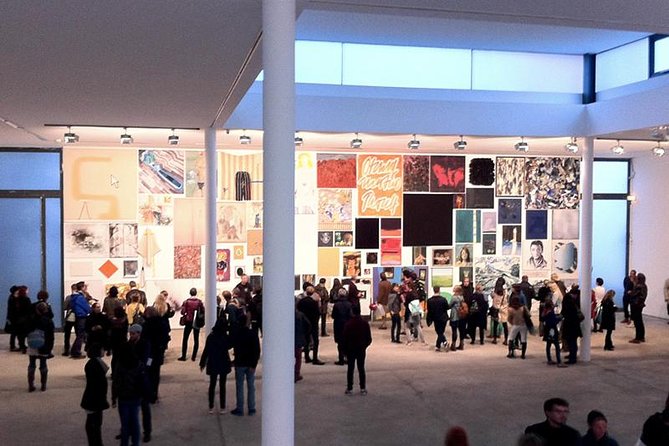
A strong art guide can turn a pleasant gallery walk into a useful way to understand Berlin. This experience is led by a professional art historian, and past guides named in the tour material include Justin and Laureline.
Justin has led groups through a broad range of Berlin galleries and also included highlights from the Neues Museum on one occasion. Laureline has been praised for preparing carefully, explaining artists and artworks with clarity, and connecting the galleries to the historic center of former East Berlin. The tour information does not guarantee a particular guide, so you should treat those names as examples of the kind of background available, not as a promise.
The guide’s role is especially valuable when contemporary art feels difficult or overly abstract. You do not need to arrive with a list of artists or a working knowledge of German art. The guide can give you the historical frame, explain the purpose of an institution, and help you look at a work without reducing it to a simple right or wrong answer.
You may also find that the best part is the discussion between stops. A walk through Mitte can reveal how the city’s history sits alongside its current cultural life. The art is the main subject, but the streets and buildings keep the experience tied to Berlin.
What $330 means for your group
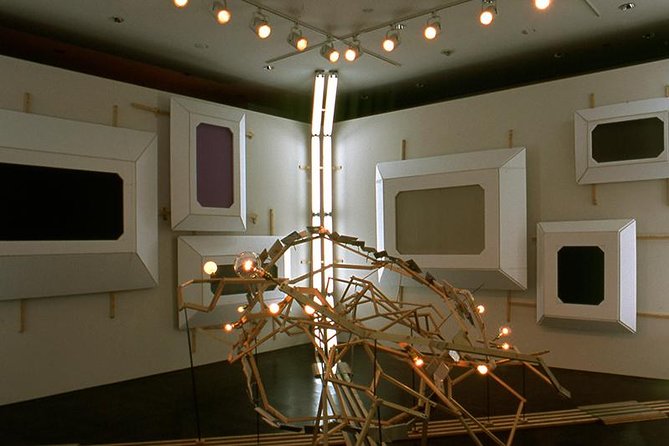
The price is $330 per group, with up to 10 people. That works out to $33 per person if your group is full. For two people, it becomes $165 per person, so the value depends heavily on group size.
The price includes a private tour and professional art historian guide. It does not include KW Institute admission, food, or drinks. The other listed gallery admissions are free, while Galerie Giti Nourbakhsch is marked as not included without a separate price.
For a full group, the cost is reasonable for a private specialist tour. You are paying for route planning, context, and personal attention rather than just transport or a fixed audio guide. For a couple, it is a more serious expense, and you should be sure that contemporary art is a central interest before booking.
Pickup is offered, though the listed meeting point is Schöneberger Ufer 65 in Berlin. The end point is listed simply as Berlin, so you should confirm the exact pickup and finishing details when your booking is confirmed. The tour is near public transportation, which makes reaching the starting area practical.
Timing, walking, and changes to expect
The tour runs in the morning or afternoon and lasts about three hours. A morning departure could work well before a longer museum visit, while an afternoon tour may fit nicely after sightseeing in central Berlin.
The route is not completely fixed. It may change based on current gallery shows and major art events. That flexibility is useful in a city where exhibitions open, close, and move through their schedules. It also means you should not book this expecting every named stop to look exactly as described on the day.
The walking portion matters. You will move between several galleries in central neighborhoods, and you should allow time to walk, enter buildings, and adjust to the pace of each exhibition. Most people can participate, and the tour is near public transportation.
If Tuesday is your only available day, check carefully before booking. KW Institute is closed that day, so the walking portion continues without the KW visit. You may still get a useful neighborhood and gallery walk, but you will not receive the full listed stop sequence.
Free cancellation is available when you cancel at least 24 hours before the experience start time. Changes or cancellations made later are not accepted for a refund.
Who will get the most from this tour
I would choose this tour if you want to understand Berlin’s art scene rather than simply visit a famous museum. It suits people who enjoy current exhibitions, unusual buildings, and conversations about why art is made and shown in particular places.
It is also a smart first art activity in Berlin. The guide can help you learn which institutions and galleries deserve more of your time during the rest of your stay. The tour’s range gives you a useful starting point before you decide if you want a full afternoon at a museum or a return visit to a particular gallery.
You do not need to be an art expert. The guide supplies the background, and the private format gives you room to ask basic questions. If you already know Berlin’s gallery scene well, the value will depend on how current the exhibitions are and how much fresh context your guide adds.
I would be more cautious if you want a conventional sightseeing walk. This is not a general tour of Berlin’s main monuments, and the focus stays on contemporary art, gallery spaces, and the city’s cultural development after 1989.
Should you book Berlin’s Gallery Scene?
Book it if you want a personal introduction to Berlin’s art world, especially if the idea of finding exhibitions in former schools and less obvious city spaces appeals to you. The private format, professional art historian, and several changing galleries give you more context than a casual gallery stroll.
The best value comes with a larger group, since the $330 fee covers up to 10 people. Add the KW admission fee, confirm the current route, and avoid Tuesday if visiting KW matters to you. If your schedule is flexible and contemporary art is high on your list, this is a focused way to see why Berlin became such an important art center.
FAQ
How long does Berlin’s Gallery Scene last?
The tour lasts approximately three hours.
How much does the tour cost?
The price is $330 per group for up to 10 people.
Is this a private tour?
Yes. Only your group participates in the activity.
Who leads the tour?
A professional art historian leads the tour. Guides named in the tour information include Justin and Laureline, but a specific guide is not guaranteed.
Which galleries are included?
The planned stops include KW Institute for Contemporary Art, Michael Fuchs Galerie on Auguststrasse, Esther Schipper on Potsdamer Straße, Galerie Eigen & Art, and Galerie Giti Nourbakhsch.
Is admission included?
Admission to KW Institute is not included. It costs €10 for adults and €6 for seniors and students. Admission at Michael Fuchs Galerie, Esther Schipper, and Galerie Eigen & Art is free. Galerie Giti Nourbakhsch is listed as not included.
Does the tour operate on Tuesdays?
The tour operates on Tuesdays as a walking portion only because KW Kunst-Werke Berlin is closed that day.
Can I cancel for a full refund?
Yes. You must cancel at least 24 hours before the experience start time to receive a full refund.
Newest Berlin reviews
- Where It All Began: Berlin’s Queer & Trans History Tour★ 4.9 · 6 reviews
- Understanding Kreuzberg: The roots of local (sub)culture★ 4.9 · 11 reviews
- Berlin: guided canoe | kayaktour★ 4.1 · 7 reviews
- Warnemünde Shore Excursion: Private Sachsenhausen and Berlin Tour★ 5.0 · 12 reviews
- Ultimate E-Bike Tour of Berlin with Beer Garden Stop★ 5.0 · 4 reviews
- Private Potsdam City Tour in an authentic vintage van★ 5.0 · 14 reviews
- In the Forbidden City – Potsdam Walking Tour★ 5.0 · 17 reviews
- Private Walking Tour of Potsdam and Sanssouci★ 5.0 · 24 reviews
Museums, compared.
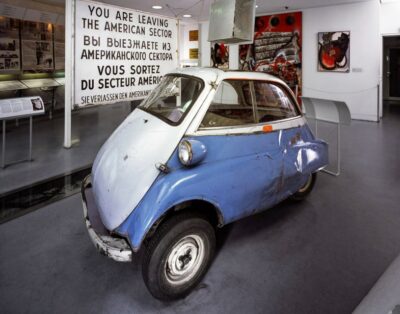
Skip-the-Line: Berlin Wall Museum at Checkpoint Charlie
Read our review →
“Pergamonmuseum. The Panorama” Exhibition Tickets
Read our review →
East Side Gallery Spree Cruise in a Solar Catamaran
Read our review →
Cold War, Berlin Wall, Spies and the East Side Gallery
Read our review →
Browse the lists this tour appears in