
Reviewed · SACHSENHAUSEN CONCENTRATION CAMP TOURS
The Memorial Tour: Visit to Sachsenhausen Concentration Camp (licensed guide)
Sachsenhausen is not a light sightseeing stop. It is a place of punishment, forced labor, execution, and remembrance, and the original buildings make that history hard to keep at a distance. A guided visit helps you understand what you are seeing rather than simply walking among empty structures.
I like the small maximum group of 15, which gives you room to ask questions. I also like that guides such as Paul, Aaron, and Stephen help with the train journey, explain the Third Reich before arrival, and keep the visit factual and respectful.
The main drawback is the amount of walking and the emotional weight. You also need an ABC public transport ticket, bus fare, and your own food and drinks, so the advertised price is not the full cost of the day.
Key points to know before you book
- Sachsenhausen is about 30 kilometers north of Berlin, outside Oranienburg.
- The tour begins at 10:00 a.m. outside Hopfingerbräu on Ebertstraße, beside Brandenburg Gate.
- The group is limited to 15 people, with an English-speaking licensed guide.
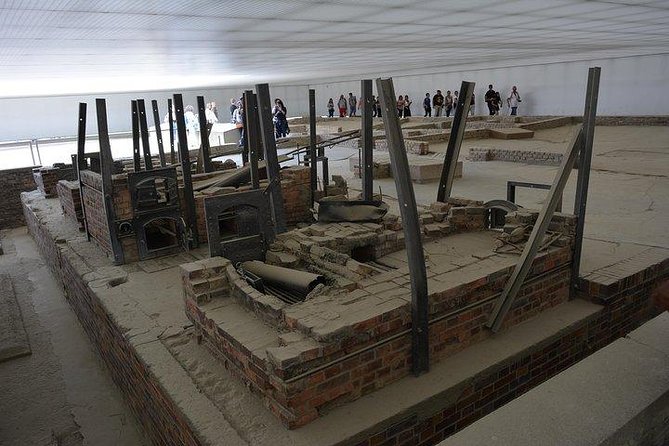
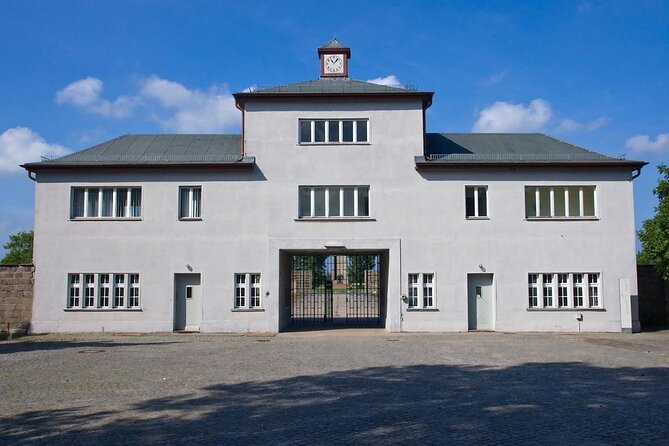
- The visit covers Tower A, the roll-call area, Station Z, the prison, infirmary buildings, former kitchen, and a barracks block.
- Allow for several hours of walking, including the route between Oranienburg station and the memorial.
- The $41.12 price includes admission, but not the €4.70 ABC ticket, bus fare, meals, or drinks.
Why Sachsenhausen deserves a full morning
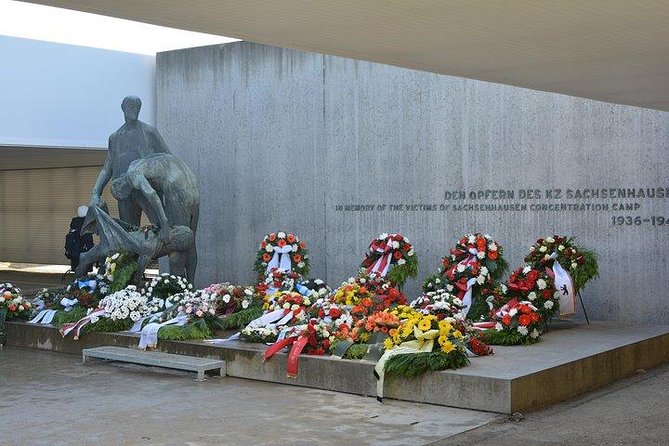
A visit to Sachsenhausen asks more from you than a normal Berlin attraction. You are not just looking at architecture or museum displays. You are trying to understand how a concentration camp operated, how prisoners were controlled, and how ordinary spaces were turned into tools of terror.
The memorial includes original structures, preserved foundations, exhibitions, and marked locations connected with the camp. That physical evidence matters. A guide can explain the purpose of a building, then give you time to look at the walls, rooms, and open areas without rushing you from one photo stop to the next.
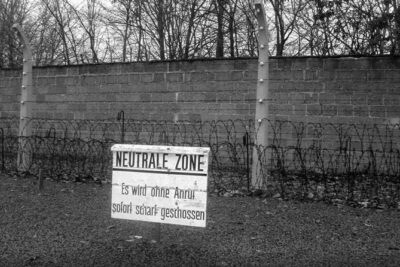
The camp was not designed primarily as an extermination camp, but that does not make the visit less serious. The site includes a purpose-built execution facility at Station Z, prison rooms, medical buildings, and areas connected with the daily control and punishment of prisoners. The tour places these parts within the wider system used by the Nazi regime.
I recommend setting aside the rest of your day for something quieter. The visit is informative, but it can also leave you tired and unsettled. That is a normal response to the subject matter.
More Sachsenhausen memorial visits from Berlin:
- Berlin: Sachsenhausen Concentration Camp Tour in English
★ 5.0 · 5,711 reviews - Berlin: Sachsenhausen Concentration Camp Memorial Tour
★ 4.7 · 3,716 reviews - Sachsenhausen Concentration Camp Bus Tour in English from Berlin
★ 5.0 · 1,962 reviews
Meeting beside Brandenburg Gate at 10:00 a.m.
The starting point is outside Hopfingerbräu at Ebertstraße 24, next to Brandenburg Gate. This is a practical meeting place in central Berlin and is easy to connect with by public transport.
Arrive early enough to find the guide and sort out your transport ticket. The tour requires an ABC ticket, which covers the relevant Berlin and surrounding fare zones. The stated cost is €4.70 per person if you do not already hold a suitable travel pass. Bus fare is also listed separately, so ask the guide for help before the journey begins.
That small piece of assistance can make a real difference. The route involves public transport to Oranienburg and then a walk to the memorial. One guide, Paul, has been praised for helping the group buy train tickets and explaining the trip before the visit. This is useful if Berlin’s fare zones are unfamiliar to you.
The ride from central Berlin to the camp area takes about an hour according to the tour details shared by participants. From Oranienburg station, you may walk roughly a mile to the memorial, or use the local bus if the timing works. If you miss the bus, allow around 20 minutes for the walk from the station, plus time to make the return connection later.
The journey to Oranienburg sets the context
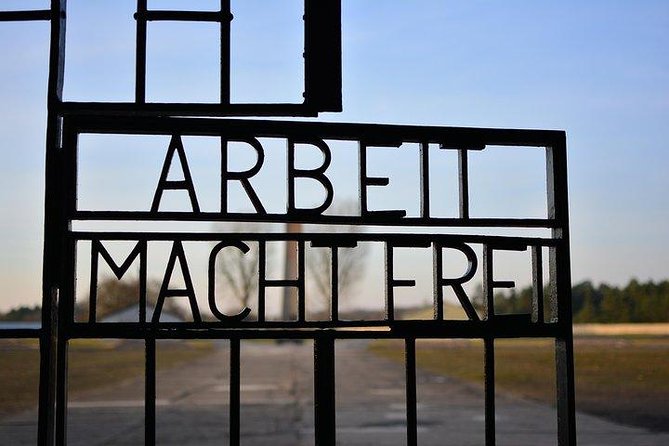
The train ride is not dead time. A good guide uses it to explain prewar Germany, the rise of the Third Reich, and the role of concentration camps within the Nazi system. That preparation helps you recognize the meaning of the structures once you arrive.
This is one of the strongest reasons to choose a guided visit instead of going alone. You can read museum panels by yourself, but you may not know which details deserve closer attention or how each area fits into the wider history. Guides Paul, Aaron, and Stephen have been singled out for clear explanations, patience with questions, and a calm manner when the subject becomes difficult.
The guide also gives you a chance to ask questions before entering the memorial. That can be easier than trying to speak while standing in front of a painful exhibit. The tone is factual and respectful rather than theatrical.
Do not expect the journey to feel like a tour of Berlin’s usual sights. The train and walk are simply the route to the memorial. Wear good walking shoes and bring a layer of clothing. One account describes a cold wind during the visit, and the open camp area can feel exposed in poor weather.
Tower A and the camp entrance
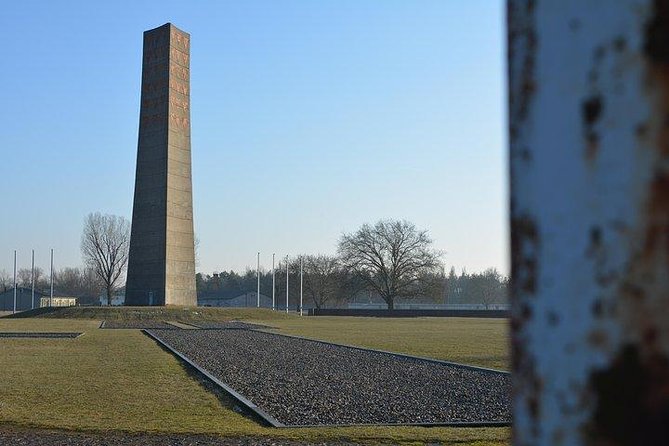
Tower A is the main entrance into the camp compound. It is one of the first places where the design of the site becomes clear. The entrance was not simply a doorway. It controlled movement, framed the camp, and helped impose the feeling that prisoners were entering a closed world.
Your guide begins to explain the arrangement of the compound here. The information is more useful when connected to the space in front of you. You can see how the entrance related to the roll-call area and the prisoner blocks, rather than treating each surviving building as an isolated object.
Take time to look around, but do not expect a long pause for personal photography at every point. This is a memorial site, and the guide may give the group quiet time instead of filling each minute with commentary.
Other Berlin experiences to weigh up
- Berlin: Reichstag, Dome and Government District Guided Tour
★ 4.7 · 18,288 reviews - Berlin: Government District around the Reichstag Guided Tour
★ 4.7 · 8,447 reviews - Berlin: Hidden Backyards Guided Walking Tour
★ 4.8 · 5,360 reviews - Berlin: 1-Hour Boat Tour with Bilingual Live Guide
★ 4.7 · 3,629 reviews
The roll-call area and former barracks
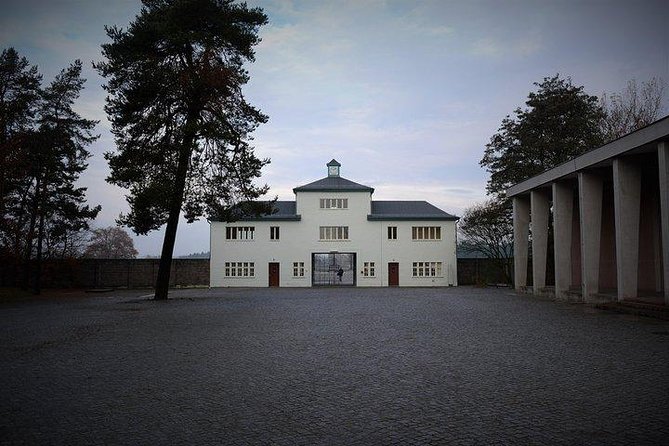
The roll-call area helps show the routine control imposed on prisoners. It was a central open space where people could be assembled and counted. The scale of the area and the surrounding layout make the system feel organized and deliberate.
From here, the former prisoner barrack block gives you a more direct sense of daily living conditions. Some buildings and structures are original, while other parts of the site are presented through remains, reconstruction, or museum interpretation. A guide helps you understand which is which and what each area was used for.
The camp is large enough that you need to keep moving for much of the visit. You will spend time outdoors, cross broad open areas, and stop at several separate buildings. If you have limited stamina, tell the guide early. The activity is listed as accessible for people with limited mobility, but the total distance and length of the visit still deserve attention.
Station Z and the execution facility
Station Z is among the most difficult stops. It was a purpose-built execution facility, and its presence makes clear that the camp was not only a place of detention and forced labor. It was also a site where people were deliberately killed.
The guide’s role is especially important here. A respectful explanation can help you understand the function of the facility without turning the stop into spectacle. You may want to move slowly, ask questions, or simply remain quiet.
This is not a place for casual sightseeing. The tour treats it as part of the memorial’s central purpose: to confront documented crimes and remember the people who suffered there. If you are visiting with children or teenagers, consider in advance how much historical detail they can handle. The supplied information does not set an age limit, and most participants can take part, but the content is serious.
The pathology and infirmary buildings
The pathology building, infirmary buildings, and mortuary cellar show another side of camp life. They point to the treatment of illness, injury, death, and the abuse of medical settings within the camp system.
These areas can be hard to interpret without guidance. Empty rooms do not tell you enough by themselves. The guide explains the function of the buildings and places what you see within the wider experience of prisoners.
Allow your attention to move at its own pace. You do not need to read every panel or ask a question at every stop. The tour covers many subjects in a limited period, so it is sensible to note the names of exhibits or areas you want to revisit on your own.
The former kitchen and indoor exhibitions
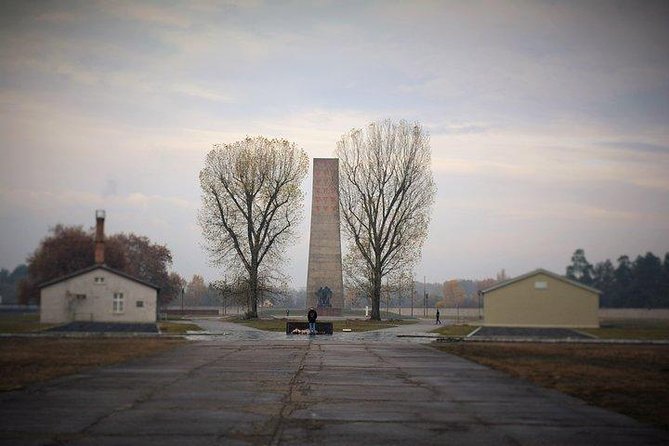
The exhibition in the former camp kitchen offers a different kind of evidence. Instead of only looking at outdoor structures, you get more museum-based material and a clearer chance to follow the camp’s administration and daily systems.
This stop can provide a pause from the open grounds, though it remains emotionally demanding. Read the displays carefully, and listen to the guide’s explanation of how the kitchen fitted into the camp’s operation.
The tour does not require you to choose between a guide and the exhibitions. The best use of the time is to let the guide identify the important points, then spend your own minutes with the displays that speak most strongly to you.
The SS and Gestapo Prison
The SS and Gestapo Prison is another major part of the visit. It shows that imprisonment within the camp could take different forms, with a separate system for punishment and detention.
The building helps you see the camp as more than a collection of prisoner barracks. There were layers of authority, surveillance, confinement, and discipline. A well-prepared guide can connect these spaces to the wider Nazi system without losing sight of the people who were held there.
This is also a useful point for questions. The guide can clarify how the prison differed from the wider camp and explain terms that may otherwise blur together during a long day of information.
How the small group changes the experience
The maximum group size is 15. That is small enough for the guide to keep people together without making the visit feel like a crowded march from stop to stop.
A small group also makes questions easier. Guides Paul and Aaron have been praised for answering questions throughout the tour, while Stephen has been described as especially strong at presenting difficult material with care. These names are not a guarantee that you will receive a particular guide, but they give you an idea of the standard of personal attention this experience aims for.
One practical note: guides may not always wear a clear uniform. Paul has been described as easy to work with but not always immediately identifiable because of casual clothing. Look for the Birchys Berlin Tours meeting arrangement and confirm you have the right person before departure.
The atmosphere can vary by group. If you want a quiet, reflective visit, say so. If you have questions about the Third Reich, the camp system, or a particular building, ask. This tour works best when you take part rather than simply follow silently.
Price, extra costs, and overall value
The listed price is $41.12 per person. It includes admission to the memorial, which makes it a fair price for a five-hour experience with a licensed guide and a small group.
It is not an all-inclusive day. You need an ABC ticket, priced at €4.70 per person if you do not already have the correct travel pass. Bus fare, food, and drinks are also excluded. These costs are not large compared with the tour price, but you should budget for them before leaving Berlin.
The real value is the combination of transport help, historical preparation, and on-site explanation. If you visit alone, you can still see the memorial and its exhibits, but you will need to manage the route and decide how to organize the site yourself. The guide saves time and gives structure to a place that can be hard to process.
The experience requires about five hours, with roughly three hours at the memorial itself. That is a substantial portion of your day, but a shorter visit would feel rushed. You need time for the journey, walking, buildings, exhibits, questions, and quiet pauses.
Who should book this memorial tour
I would choose this tour if you want a serious historical visit with transport assistance from central Berlin. It suits adults, history students, and families with older children who are ready for difficult material.
It is especially useful if you prefer to ask questions as you go. The small group and English-language format allow more conversation than a large coach tour. The tour also works well for first-time visitors to Sachsenhausen who want help identifying the most important areas.
Think twice if you dislike group schedules, cannot walk for several hours, or want a light half-day activity. The site is open to the weather, the subject is painful, and the walking does not end at the memorial entrance. Bring comfortable shoes, water, and clothing suited to changing conditions.
English is the advertised language. If you expect a different language, confirm the arrangement before booking. One German-speaking participant reported being placed with an English guide and then using an audio guide while following the group, so language details are worth checking in advance.
Should you book the Sachsenhausen tour?
Book it if you want the memorial explained with care, need help with public transport, and value a small group over a self-guided visit. The strongest parts are the guide’s preparation on the train, the personal attention, and the chance to connect individual buildings with the Nazi camp system.
Do not book it expecting entertainment or an easy day out. This is a somber memorial visit, with long periods of walking and material that may stay with you afterward. For many people, that seriousness is exactly why the tour matters.
Free cancellation is available up to 24 hours before the 10:00 a.m. start time. If the minimum group size is not reached, the operator may offer another date or a full refund.
FAQ
Where does the tour begin?
It begins at 10:00 a.m. outside Hopfingerbräu, Ebertstraße 24, 10117 Berlin, next to Brandenburg Gate.
How long does the experience last?
The full experience takes about five hours. Around three hours are allocated to the Sachsenhausen memorial itself.
How far is Sachsenhausen from Berlin?
The memorial is about 30 kilometers north of Berlin, on the outskirts of Oranienburg.
Is public transport included?
No. You need an ABC ticket if you do not already have a suitable travel pass. The stated cost is €4.70 per person, and bus fare is also not included.
Is admission to the memorial included?
Yes. The entry or admission fee is included in the tour price.
What language is the tour offered in?
The tour is offered in English. If you need another language, confirm the arrangement before booking.
How large is the group?
The maximum group size is 15 people.
What areas of Sachsenhausen are visited?
The tour covers Tower A, the roll-call area, the pathology and infirmary buildings, the mortuary cellar, Station Z, the former camp kitchen exhibition, the SS and Gestapo Prison, and a former prisoner barrack block.
Is the tour suitable for people with limited mobility?
The activity is listed as accessible for people with limited mobility, and most people can participate. However, you should still consider the several hours of walking and the route between Oranienburg station and the memorial.
What happens if I need to cancel?
You can cancel up to 24 hours before the start time for a full refund. Cancellations or changes made less than 24 hours before the start are not refunded or accepted.
Newest Berlin reviews
- Where It All Began: Berlin’s Queer & Trans History Tour★ 4.9 · 6 reviews
- Understanding Kreuzberg: The roots of local (sub)culture★ 4.9 · 11 reviews
- Berlin: guided canoe | kayaktour★ 4.1 · 7 reviews
- Private Potsdam City Tour in an authentic vintage van★ 5.0 · 14 reviews
- Warnemünde Shore Excursion: Private Sachsenhausen and Berlin Tour★ 5.0 · 12 reviews
- Ultimate E-Bike Tour of Berlin with Beer Garden Stop★ 5.0 · 4 reviews
- In the Forbidden City – Potsdam Walking Tour★ 5.0 · 17 reviews
- Private Walking Tour of Potsdam and Sanssouci★ 5.0 · 24 reviews
Sachsenhausen Concentration Camp Tours, compared.
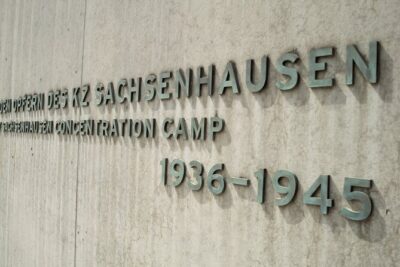
Sachsenhausen Concentration Camp Tour in English
Read our review →
Sachsenhausen Concentration Camp Memorial Tour
Read our review →
Sachsenhausen Concentration Camp Bus Tour in English from Berlin
Read our review →Sachsenhausen Concentration Camp Tour in English
Read our review →
Sachsenhausen Concentration Camp Memorial Tour (Max. 15 Guests)
Read our review →
Sachsenhausen Concentration Camp and Potsdam Tour
Read our review →
Visita en español al campo de concentración Sachsenhausen
Read our review →Browse the lists this tour appears in