
Reviewed · SACHSENHAUSEN CONCENTRATION CAMP TOURS
Private Sachsenhausen Concentration Camp Memorial Tour
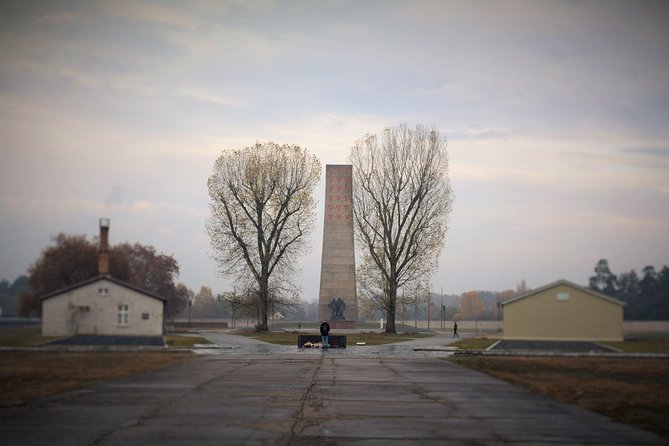
Sachsenhausen is not a sightseeing stop in the usual sense. It is a place for slow looking, careful listening, and honest history. This private tour takes you through the former camp with a licensed guide, linking the buildings and grounds to the growth of Nazi rule and the Second World War. Tower A, Station Z, and the former prisoner barracks give the visit a clear shape.
I like the private format because you can ask questions without holding back a larger group, and you can take a quiet moment when the subject becomes difficult. I also like that guides such as Aaron, Paul, and Julian have been praised for placing the camp within the wider story of Germany, rather than presenting disconnected facts. The main drawback is practical: public transport and private transport are not included, so you must get to the meeting point and travel to the memorial as part of the day.
Key points to know before you book
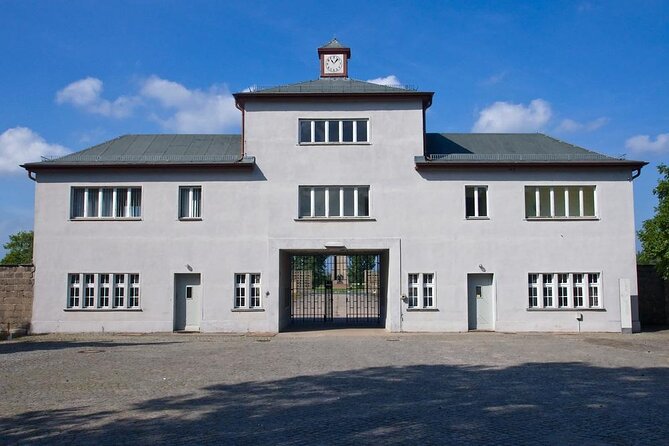
- The tour covers the camp’s major surviving locations: Tower A, the infirmary and pathology building, Station Z, the former kitchen, the SS and Gestapo Prison, and former prisoner barracks.
- A licensed memorial guide leads the visit: Guides are trained by the camp’s Memorial Foundation, with Aaron, Paul, and Julian named in past feedback.
- The private group limit is five people: You get a more personal pace and can shape questions around your interests.
- The memorial portion is listed as three hours: The full experience lasts about six hours, including the wider day’s arrangements.
- You meet at Academy of Arts: The starting point is Pariser Platz 4, near Berlin’s central sights, and the activity ends back there.
- The price is $390.50 per group: For five people, that works out to about $78 per person before transport costs.
Why Sachsenhausen needs a guided visit
Sachsenhausen was the first purpose-built German concentration camp under the Nazi regime. That fact matters because the site was planned as part of a wider system, not thrown together as a temporary holding place. Its layout, buildings, and changing prisoner population help you see how persecution developed from political repression into a vast system of imprisonment, forced labor, and murder.
A good guide does more than point out walls and foundations. You need someone who can explain how the camp began, how it changed, and how the people held there came from different nationalities and prisoner groups. The tour is designed to connect those changes with the tightening dictatorship of the 1930s and the effect of the war.
I find that approach especially useful at a memorial site. Without context, you can leave with a series of grim images but little sense of how the system functioned. With a guide, the buildings become evidence of policy, administration, punishment, and human suffering.
The subject is difficult, and the tour does not try to make it comfortable. That is appropriate. Still, the private setting gives you room to ask for clarification, pause, or spend time alone at parts of the grounds. One account specifically valued having quiet time in some sections while the guide remained available for explanation.
More Sachsenhausen memorial visits from Berlin:
- Berlin: Sachsenhausen Concentration Camp Tour in English
★ 5.0 · 5,711 reviews - Berlin: Sachsenhausen Concentration Camp Memorial Tour
★ 4.7 · 3,716 reviews - Sachsenhausen Concentration Camp Bus Tour in English from Berlin
★ 5.0 · 1,962 reviews
From Pariser Platz to the memorial grounds
The day begins at the Academy of Arts, Pariser Platz 4, in central Berlin. This is a convenient central meeting point, close to major sights and easy to identify. The tour does not include private transport or public transport tickets, so your travel budget should include the cost of getting to the memorial and returning to the meeting point.
The advertised experience lasts about six hours, while the memorial visit itself is listed at three hours. That distinction is useful when planning your Berlin schedule. Do not treat this as a quick side trip that fits neatly between two central attractions. Allow much of the day for the full experience.
The private arrangement also means only your own group participates. For a family, a pair of friends, or a small group with a strong interest in wartime history, this can make the day feel less rushed. You can ask follow-up questions about Nazi Germany, the prisoner groups, or the memorial’s present-day meaning without waiting for a large group to move along.
The tour ends back at the original meeting point. One useful detail from past experience is that the guide may help you understand the best way back, including the various modes of transport. That is not the same as hotel pickup, so be clear about where you are meeting and what transport you need.
Tower A, the entrance to Sachsenhausen
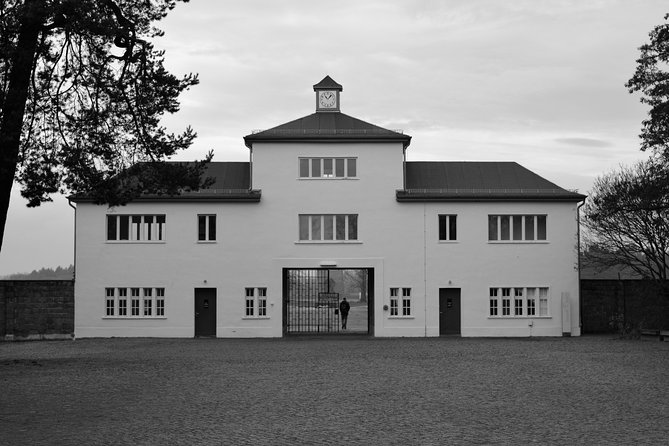
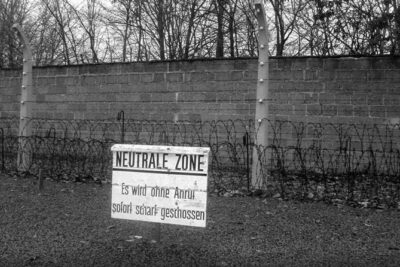
Tower A is the main entrance and a natural starting point for understanding the camp. Entering through the principal gateway gives the tour a strong physical beginning. You are not simply walking into a museum room. You are crossing into a former camp whose entrance controlled movement, visibility, and access.
Here, your guide can establish how the camp was organized and how the Nazi authorities used architecture and routine to impose control. The entrance also helps you understand the difference between the camp as a planned institution and the isolated buildings you will see later.
This is where a private tour earns its keep. If your group wants more political background, the guide can spend extra time explaining the rise of dictatorship. If you already know that part, you can move toward the camp’s daily operation and prisoner experience.
The infirmary and pathology building
The camp infirmary and pathology building reveal the medical side of the system. The buildings are important not because they offer a simple story of care, but because they help show how medicine and administration could be tied to imprisonment and abuse.
The subject can be hard to absorb. I would not rush through this section, but I would also not expect every detail to be presented in a way that feels easy. The guide’s role is to explain what the buildings meant within the camp, while giving you enough time to process what you are seeing.
This is one reason to choose a private visit over a standard group walk. You can ask a direct question, step back for a moment, or tell the guide that you need a slower pace. The private format cannot remove the emotional weight of the site, but it can give you more control over how you encounter it.
Other Berlin experiences to weigh up
- Berlin: Private Reichstag and Glass Dome Tour
★ 4.8 · 2,226 reviews - Berlin Private Complete History All Day Walking Tour
★ 5.0 · 474 reviews - Private Walking Tour Berlin Third Reich Hitler and World War II
★ 5.0 · 360 reviews - Private Berlin: Iconic Sights and Hidden Gems Walking Tour
★ 5.0 · 292 reviews
Station Z and the mechanics of murder
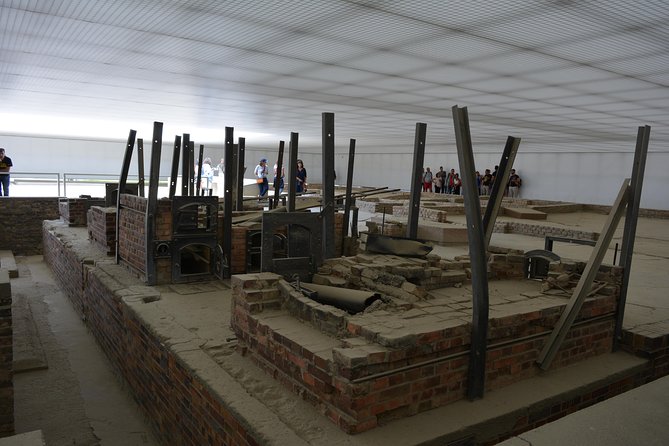
Station Z was the purpose-built execution facility. It is among the most sobering parts of the visit, and the guide will place it within the larger system of Nazi persecution and killing.
You should expect this stop to be stark. The value of a guide here is not dramatic storytelling. It is accuracy, restraint, and clear explanation. The tour aims to show how the camp developed over time and how its functions changed as Nazi rule expanded and the war intensified.
If you are visiting Sachsenhausen as part of a wider Holocaust education trip, this stop can help connect the physical site with the larger history you are studying. One family described the tour as a powerful way to begin that kind of journey, especially because the guide could explain difficult material to teenagers in a clear way.
The former camp kitchen exhibition
The exhibition in the former camp kitchen offers another way to understand daily camp life and administration. A kitchen sounds ordinary, but within a concentration camp, food, labor, records, and control were never ordinary matters.
This section can balance the more immediately shocking parts of the grounds. It helps you consider the systems that kept the camp operating, as well as the prisoners forced to live within them. Your guide can tie the exhibition to the changing prisoner population, nationalities, and policies that shaped Sachsenhausen.
I like having an exhibition included in the route because it gives you more than open grounds and empty structures. It provides material to study and helps turn the visit from a quick look at ruins into a fuller account of how the camp worked.
The SS and Gestapo Prison
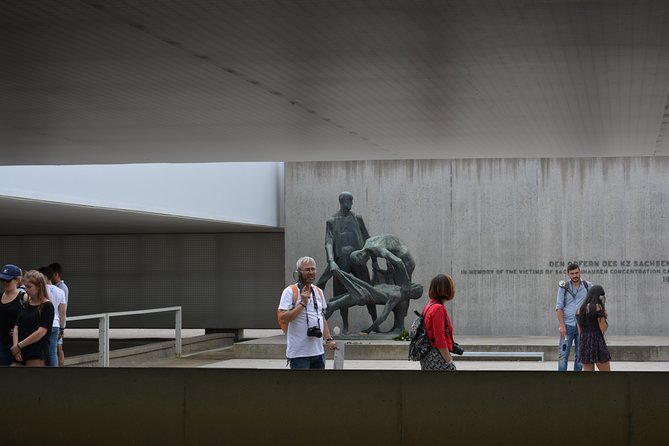
The SS and Gestapo Prison focuses attention on punishment and detention within the camp. This is a useful reminder that Sachsenhausen was not a single-purpose site. It held different kinds of prisoners and served several roles within the Nazi system.
The tour explains how prisoner types, numbers, and nationalities changed. That matters because the population was not static. The camp’s story developed alongside the political climate in Germany and the demands of war.
For you, this section may be especially useful if you want to understand the difference between general camp imprisonment and more targeted political repression. The guide can answer questions at your level, from basic orientation to more detailed historical discussion.
Former prisoner barracks and the shape of daily life
The former prisoner barracks make the scale and routine of imprisonment easier to grasp. Even when buildings no longer look as they once did, the layout gives you a sense of how people were confined and how the camp was arranged around them.
This part of the visit benefits from time. A large group may need to keep moving, but a private tour lets you stop and ask how the barracks fit into the wider plan. You can also discuss how the camp changed as more people were imprisoned and as the war altered the Nazi system.
Do not expect the barracks to offer a complete picture on their own. They work best when the guide connects them to the other stops: the entrance, the prison, the infirmary, the kitchen, and Station Z. Together, these places show a system rather than a collection of isolated structures.
The value of guides such as Aaron, Paul, and Julian
The guide is the heart of this experience. Aaron has been praised for building a timeline of the politics of the period and for explaining the camp within the wider course of the war. He is also described as someone who can adapt the tour to the needs of a family with teenagers.
Paul is noted for his depth of site knowledge, his easygoing manner, and his flexibility. He has also suggested books and films for continued study. That is a useful service at a place where three hours can only introduce the subject.
Julian is described as giving detailed explanations and allowing plenty of time for the group’s questions. The available feedback names different guides, so you should not assume you will receive a specific person. The important point is that the provider uses licensed guides trained by the Memorial Foundation.
The praise is strongest around historical explanation, flexibility, and personal care. One guide even helped a group find its way back to the hotel, though hotel pickup is not part of the stated service. You should see that as helpful guidance, not included transport.
Is $390.50 a fair price for up to five?
At $390.50 per group, the cost is easier to justify with four or five people. For a full group of five, it comes to about $78 per person before public transport. For two people, the per-person cost is much higher, so the private format needs to matter to you.
You are paying for a licensed professional guide, a private group, and the ability to set the pace. Admission to the memorial is included, while transport is not. The value is strongest if you want serious historical explanation, have children or teenagers who may need a flexible approach, or prefer asking questions without a crowd.
A large shared tour may cost less per person. It may also be enough if you simply want a basic introduction. I would choose this private option when the visit is an important part of your Berlin trip, rather than a box to check.
Who will get the most from this experience?
This tour suits you if you want to understand how Sachsenhausen fit into Nazi Germany’s political and military development. It is also a strong choice for families who want a guide able to adjust explanations for teenagers.
It works well for people who prefer a measured pace and direct conversation. The guides can explain difficult topics, answer questions, and give you some personal time at selected areas.
You may want a different arrangement if you have only a short time in Berlin, do not want to spend most of a day on a solemn historical site, or prefer to explore without a guide. The private format costs more than a shared visit, and the subject requires emotional energy as well as time.
The experience is offered in English. Confirmation is provided when you book, service animals are allowed, and the site is near public transport. The activity says most people can participate, but you should consider your own comfort with walking and spending several hours outdoors and inside memorial buildings.
Booking and cancellation details
The tour is often reserved well ahead, with an average booking time of about 32 days in advance. If your Berlin dates are fixed, booking early is sensible.
Free cancellation is available if you cancel at least 24 hours before the start time. Cancellations made less than 24 hours before the experience, as well as late changes, are not refunded. The cut-off follows local Berlin time.
Should you book the private Sachsenhausen tour?
Book it if you want more than a quick look at a former camp. The route covers the essential buildings, but the real benefit is the guide’s ability to connect them to the rise of dictatorship, changing prisoner groups, the war, and the wider history of Nazi Germany.
I would especially recommend it for a small family, a group of friends, or anyone beginning a Holocaust-focused trip. The price makes the most sense when divided among four or five people. Just plan your transport separately, allow most of the day, and approach Sachsenhausen with the seriousness the place deserves.
FAQ
Where does the tour begin?
The tour begins at the Academy of Arts, Pariser Platz 4, 10117 Berlin, Germany.
Where does the activity end?
The activity ends back at the meeting point.
How long does the tour last?
The full experience lasts approximately six hours. The visit to the Sachsenhausen Memorial is listed as three hours.
What language is the tour offered in?
The tour is offered in English.
How many people can join the private tour?
The price covers one private group of up to five people. Only your group participates.
Is admission to Sachsenhausen included?
Yes. Admission to the memorial is included.
Is transport included?
No. Public transport tickets and private transportation are not included.
Which places are included at the memorial?
The route includes Tower A, the camp infirmary and pathology building, Station Z, the exhibition in the former camp kitchen, the SS and Gestapo Prison, and former prisoner barracks.
Can I cancel for a full refund?
Yes, if you cancel at least 24 hours before the experience begins. Cancellations or changes made less than 24 hours before the start time are not accepted for a refund.
Newest Berlin reviews
- Where It All Began: Berlin’s Queer & Trans History Tour★ 4.9 · 6 reviews
- Understanding Kreuzberg: The roots of local (sub)culture★ 4.9 · 11 reviews
- Berlin: guided canoe | kayaktour★ 4.1 · 7 reviews
- Private Potsdam City Tour in an authentic vintage van★ 5.0 · 14 reviews
- Warnemünde Shore Excursion: Private Sachsenhausen and Berlin Tour★ 5.0 · 12 reviews
- Ultimate E-Bike Tour of Berlin with Beer Garden Stop★ 5.0 · 4 reviews
- In the Forbidden City – Potsdam Walking Tour★ 5.0 · 17 reviews
- Private Walking Tour of Potsdam and Sanssouci★ 5.0 · 24 reviews
Sachsenhausen Concentration Camp Tours, compared.
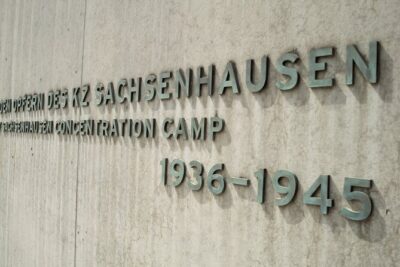
Sachsenhausen Concentration Camp Tour in English
Read our review →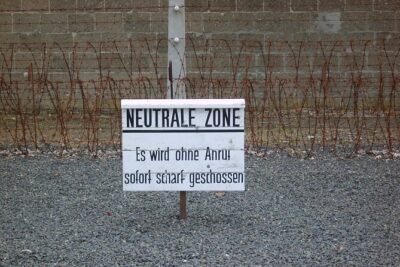
Sachsenhausen Concentration Camp Memorial Tour
Read our review →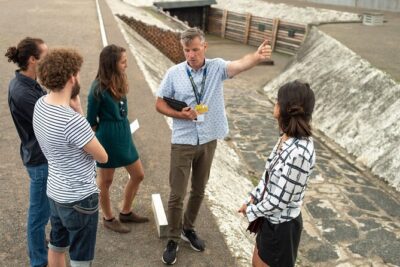
Sachsenhausen Concentration Camp Bus Tour in English from Berlin
Read our review →Sachsenhausen Concentration Camp Tour in English
Read our review →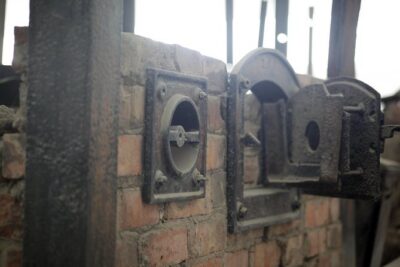
Sachsenhausen Concentration Camp Memorial Tour (Max. 15 Guests)
Read our review →
Sachsenhausen Concentration Camp and Potsdam Tour
Read our review →
Visita en español al campo de concentración Sachsenhausen
Read our review →Browse the lists this tour appears in