
Reviewed · SACHSENHAUSEN CONCENTRATION CAMP TOURS
From Berlin: Licensed Sachsenhausen Tour with max. 15 people
Sachsenhausen is not a quick photo stop. It is a vast memorial site where the empty ground, surviving structures, and carefully explained evidence make the Nazi camp system painfully clear. The tour covers the journey from Berlin, about three hours at the memorial, and the return trip in roughly five and a half to six hours.
I like the small group of 15 or fewer, which gives you room to ask questions and stay close to your guide. I also like the use of public transport: you learn how to reach the memorial on your own while getting helpful context on the way. The main drawback is the long day with substantial walking, little shelter, and no café or shop at the site, so you need water, food, and proper clothing.
Key points to know before you book
- A full half-day commitment: Plan on about 330 minutes, including two roughly 50-minute public transport journeys.
- A licensed memorial guide: Guides are trained by Original Berlin Walks and officially licensed by the Sachsenhausen Memorial.
- Small groups matter: With no more than 15 people, it is easier to hear, ask questions, and keep a respectful pace.
- Important camp remains: The route includes Tower A, Station Z, Jewish barracks, prisoner buildings, the infirmary, kitchen, and shoe testing track.
- Bring your own supplies: The memorial has no nearby place to buy drinks or snacks, and parts of the route can be muddy after rain.
- Public transport costs extra: You need an ABC ticket, with an ABC day pass recommended.
Why Sachsenhausen needs a guided visit
Sachsenhausen was built in 1936 by the SS, making it one of the main concentration camps created before and during the Second World War. It was the second major camp built after Dachau and was designed to imprison people viewed as opponents of the Nazi regime.
The scale of the site can be hard to understand on your own. A guide helps connect the bare foundations, watchtowers, memorials, and remaining buildings to the wider concentration camp system. You are not simply walking through old structures. You are learning how the camp operated, who was imprisoned there, and how forced labor and terror shaped daily life.
The subject is heavy from the start, and the tour handles it in a serious way. Guides such as Sarah, Lewis, Rebecca, Ronja, Natalie, and Chris have been praised for combining clear explanations with empathy. That balance matters here. A guide who only recites dates can make the visit feel distant, while a guide who focuses too much on personality can lose sight of the victims. This experience aims for a thoughtful middle ground.
Your guide uses witness accounts and current historical research to explain what prisoners faced. You will also hear about resistance, escapes, survival, and the choices people made under brutal conditions. These stories do not soften the horror. They help you see prisoners as individuals rather than as an anonymous mass.
More Sachsenhausen memorial visits from Berlin:
- Berlin: Sachsenhausen Concentration Camp Tour in English
★ 5.0 · 5,711 reviews - Berlin: Sachsenhausen Concentration Camp Memorial Tour
★ 4.7 · 3,716 reviews - Sachsenhausen Concentration Camp Bus Tour in English from Berlin
★ 5.0 · 1,962 reviews
Meeting in central Berlin and taking the train north
The day begins outside Starbucks opposite Hackescher Markt S-Bahn station at Neue Promenade 3. This is a convenient central meeting point, but give yourself enough time to find the exact spot and arrive ready for an outdoor day.
The group travels together by public transport to Sachsenhausen, about 20 miles north of central Berlin. The outbound journey takes roughly 50 minutes, followed by a walk of about 20 minutes to the memorial. Your guide handles the route and explains the transport along the way, which is useful if you plan to return to Oranienburg or visit another part of Berlin independently.
The train ride is part of the experience rather than dead time. Guides often use it to explain how the camp system developed, how the Nazis categorized prisoners, and how the camps fit into the political history of Germany. Several guides have also helped people with onward transport and Berlin suggestions on the return trip.
You must buy your own public transport ticket. An ABC day pass is recommended because the journey goes beyond Berlin’s central fare area. Check that you have the correct ticket before departure, since transport is not included in the $38 tour price.
One practical warning: public transport disruptions can happen. The guides have dealt with train shutdowns and route changes, sometimes using several trains to keep the day moving. That flexibility is valuable, but it also means you should not schedule a tight appointment immediately after the tour.
Entering through Tower A and the camp gate
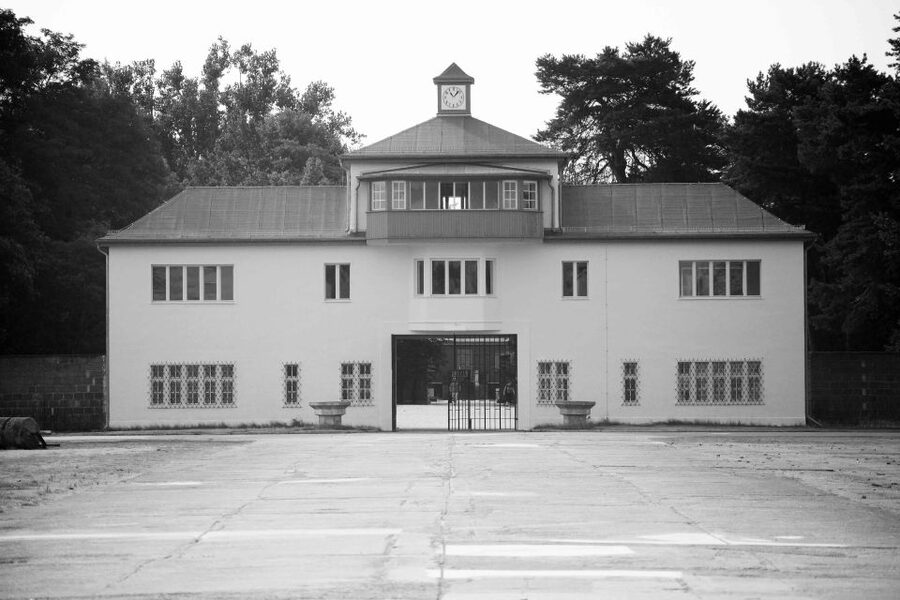
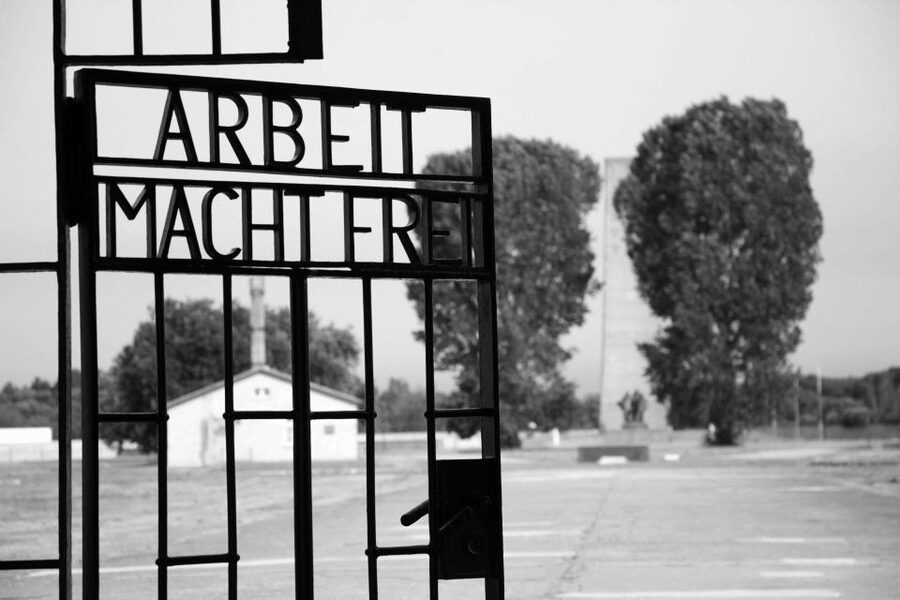
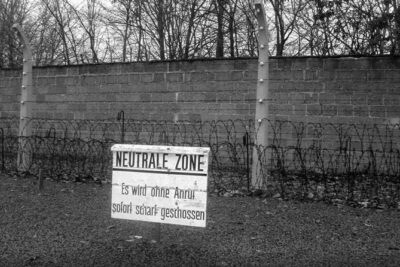
After the walk from the station, the guided visit begins at the Sachsenhausen Memorial. One of the first major sights is Tower A, the main entrance tower, with the infamous Nazi slogan Arbeit macht frei on the gate.
The gate is familiar from photographs, but seeing it in its original setting is different. Your guide explains how the slogan worked as a tool of deception and humiliation. It suggested that work could bring freedom, while prisoners were actually subjected to forced labor, starvation, disease, violence, and systematic abuse.
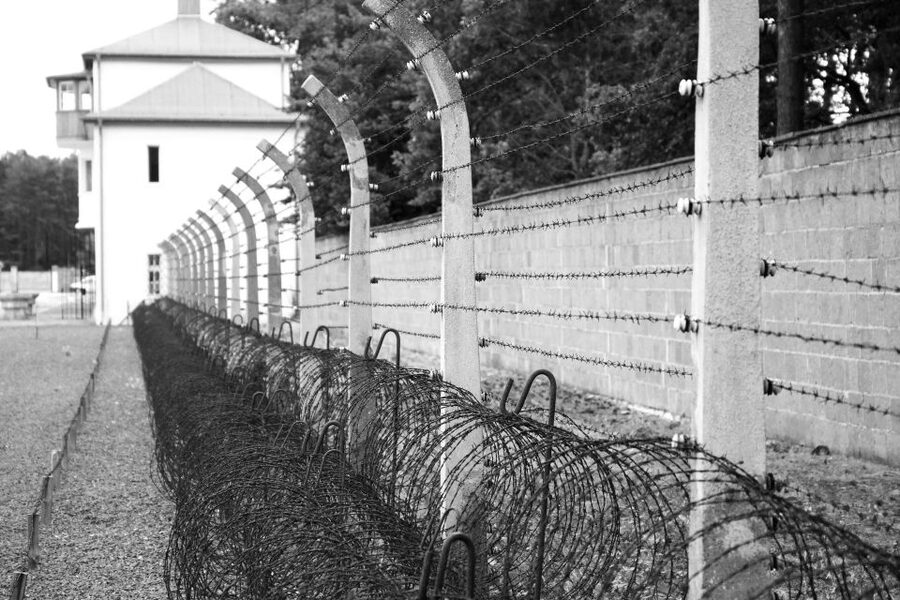
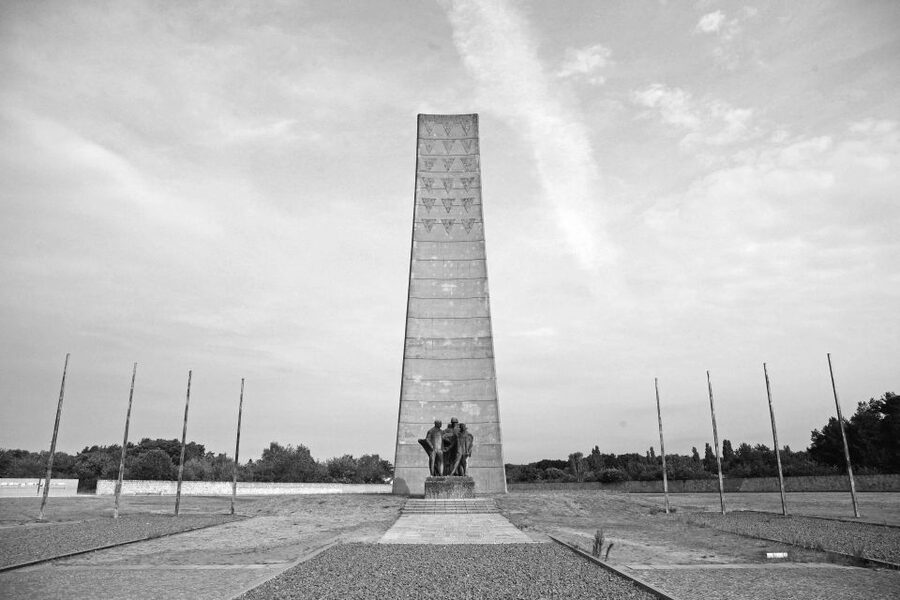
The memorial is broad and open, with much of the original camp no longer intact. That can make the first impression seem stark rather than dramatic. The absence of many buildings is part of the memorial’s meaning, but it also makes a guide especially useful. You need someone to point out where barracks, watchtowers, work areas, and other structures once stood.
Expect to be on your feet for much of the three-hour guided portion. The paths can be muddy after rain, and much of the visit takes place outdoors. Comfortable shoes are not a minor suggestion here. They will affect how well you can concentrate during the final part of the tour.
The barracks, prisoner labor, and daily life

The route brings the camp’s daily routine into focus. You see the remains of barrack blocks and the Jewish barracks, along with memorial plaques and statues that mark the lives destroyed here.
The guide explains how prisoners were forced to work in conditions designed to exhaust and degrade them. One especially unusual site is the shoe testing track. Prisoners were forced to walk long distances while testing footwear for German manufacturers. It is a grim example of how the camp’s labor system served industry as well as punishment.
The prison kitchen and infirmary barracks add another layer. These places reveal how food, illness, medical care, and control were part of camp life. The point is not just to identify each building. The guide shows how ordinary functions were twisted into tools of survival and oppression.
You may have some time to look at displays and rooms at your own pace, but this is not a museum visit with unlimited reading time. One useful expectation is that the guide-led explanation forms the backbone of the experience. If you want to examine every photograph and document closely, you may find the schedule a little brisk.
That tradeoff is common on a half-day visit. You gain structure, historical context, and help with the site’s size, but you do not have endless time for each exhibit. If you are already deeply familiar with Second World War history, tell your guide what interests you. The small group makes that kind of question easier.
A different sort of day out in Berlin:
- Berlin: Reichstag, Dome and Government District Guided Tour
★ 4.7 · 18,288 reviews - Berlin: 1-Hour City Tour by Boat with Guaranteed Seating
★ 4.3 · 16,993 reviews - Berlin: Boat Tour Along the River Spree
★ 4.4 · 11,252 reviews - Discover Berlin Half-Day Walking Tour
★ 5.0 · 9,624 reviews
Station Z and the memorial’s hardest stop
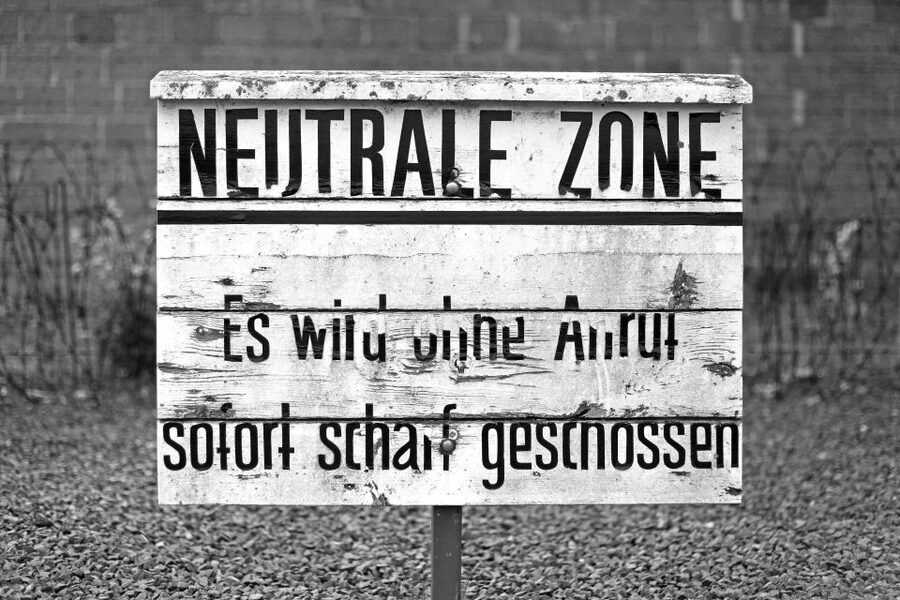
Station Z is the memorial for the camp’s execution center. It is one of the most difficult parts of the visit, and the guide approaches it with care.
The name itself reflects the Nazi system’s cold logic. Tower A marked the entrance, while Station Z represented the final destination. At this point, the tour moves from the camp’s visible structure and forced labor system to the machinery of murder.
You should expect an emotionally challenging visit. The guides do not treat the site as entertainment, and the group is encouraged to absorb the place at a respectful pace. Some guides also include stories of prisoners who resisted or survived, giving the visit a human focus without turning away from the facts.
This is one reason the tour suits adults and older teenagers who are prepared for difficult material. It is not a casual excursion to fill a spare morning. You should choose it because you want to understand the place, not because it is simply a famous sight outside Berlin.
Resistance, forgery, escape, and the camp’s final days
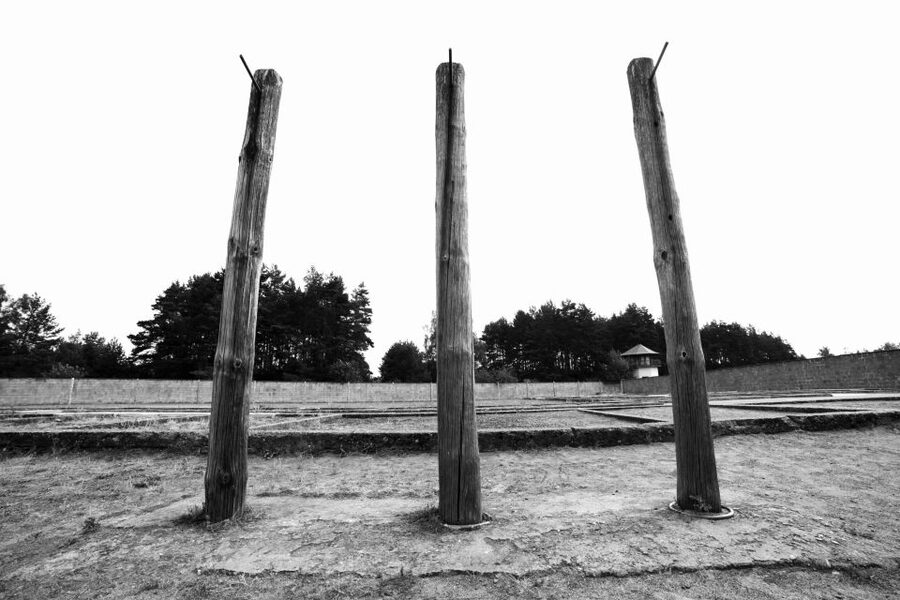
The tour does more than describe suffering. It also presents acts of resistance and survival.
You learn about the revolt of Jewish prisoners in 1942 and the forgery workshop where Jewish prisoners counterfeited millions of pounds sterling. These stories show the different ways prisoners fought back, used specialist skills, and tried to preserve some control in a system built to remove their humanity.
The guide also discusses escape attempts, including the tunnel dug by Jimmy James. Such stories can be gripping, but they are presented within the larger reality of the camp. A successful escape or act of resistance did not cancel the danger facing everyone else.
The final subject is the Death March before liberation in 1945. Your guide explains what happened as the camp was emptied and how prisoners were forced out in the last phase of Nazi rule. This helps connect the memorial to the war’s closing months and to the wider collapse of the concentration camp system.
These stories are a major strength of a guided visit. A self-guided route can show you where things happened, but a skilled guide can explain why each event mattered and how it fits into the prisoners’ experience.
Returning to Berlin after a serious day
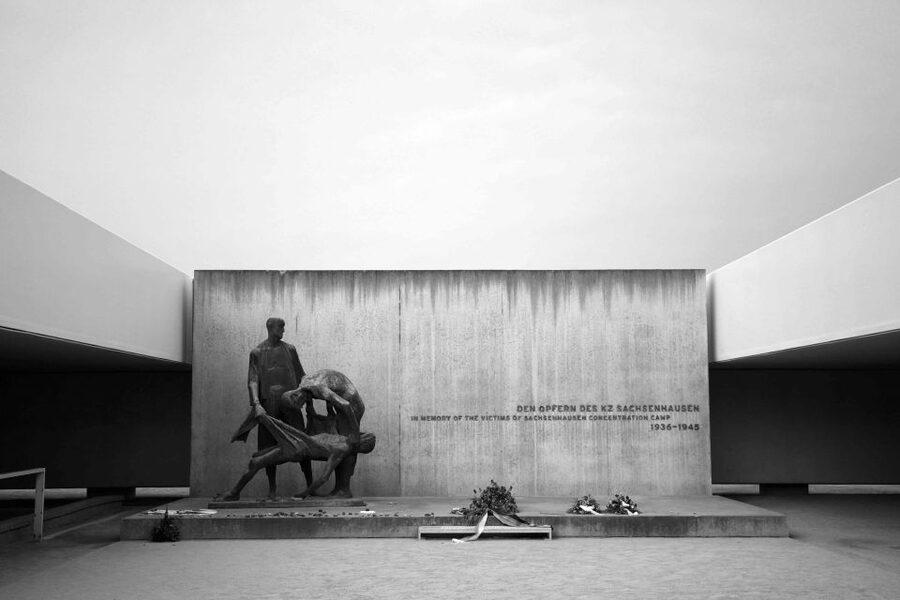
After roughly three hours at the memorial, you walk about 20 minutes back toward Oranienburg and take public transport back to Berlin. The full return journey is listed at about 50 minutes, though the exact arrival time can vary with connections and disruptions.
You may arrive at a central station such as Hauptbahnhof, Friedrichstraße, or Gesundbrunnen, with the meeting point at Neue Promenade also used as the stated return location. Listen carefully to the guide’s final instructions if you have an onward train, dinner reservation, or evening event.
The return trip can be useful for questions and practical Berlin advice. Several guides have helped people work out onward transport, while others have suggested places to eat and drink. Still, do not count on a proper meal during the tour itself.
Bring a packed snack and a bottle of water. The day can run from around 9 a.m. into the afternoon, and there are no shops or cafés in or around the memorial site. A short food stop may be possible, but you should not plan on one.
Is $38 a fair price?
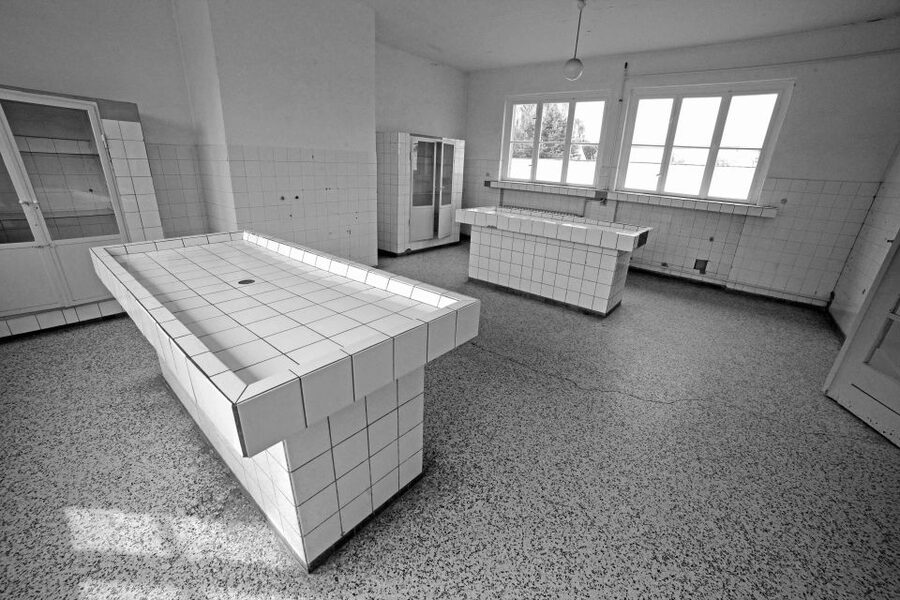
At $38 per person, this is a strong value if you want a guided visit rather than simply transport to the memorial. The price includes the trained guide, the memorial fee, and a $3 donation to the camp memorial. Your public transport ticket costs extra, so allow for that when comparing the total price.
The value comes mainly from the guide. Sachsenhausen is a large, emotionally complex site, and the guide helps you use your limited time well. You also avoid the worry of finding the route from central Berlin, changing trains, and locating the memorial on your own.
The small group adds practical value. A maximum of 15 people is not private touring, but it is small enough for questions and easier movement than a large coach group. Guides have been praised for walking at a steady pace, keeping track of everyone, and adjusting when transport problems arise.
If you want a quiet independent visit with lots of time to read every panel, this may not be the best fit. You will follow a set schedule and spend much of the day with the group. For most first-time visitors, though, the structure is worth the tradeoff.
Who should book this Sachsenhausen tour?
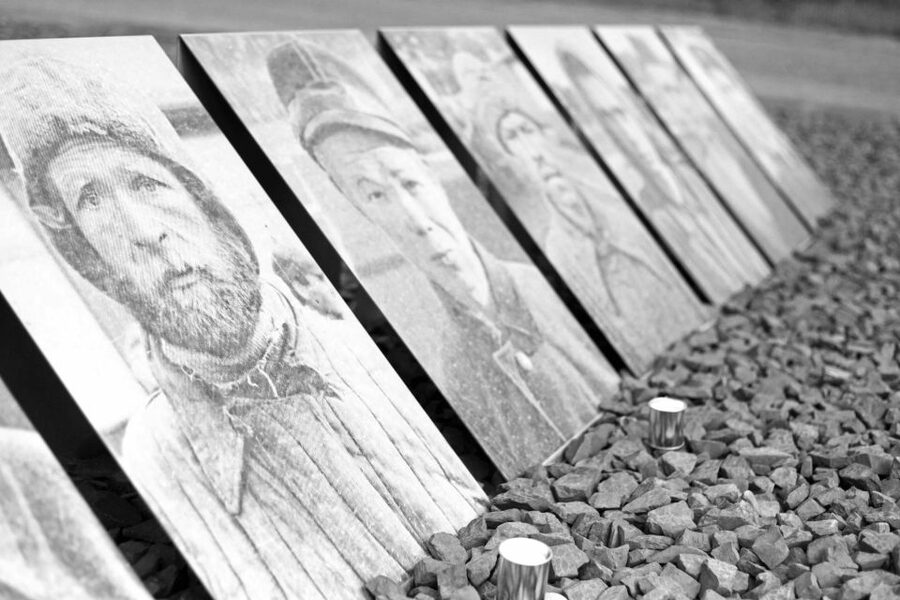
I would choose this tour if you have half a day in Berlin and want serious historical context rather than a quick look around. It suits people interested in the Nazi period, the Holocaust, forced labor, resistance, and the development of the concentration camp system.
It is also a good choice if Berlin’s public transport feels confusing. Your guide gets you there and back while showing you how the network works. The small group is useful for solo visitors and couples who want conversation without paying for a private tour.
Prepare carefully if you are sensitive to cold, rain, mud, or long periods of walking. The tour runs in all weather, and much of the site is exposed. Wear weatherproof layers, sturdy shoes, and bring water and food.
Free cancellation is available up to 24 hours before departure, and you can reserve now and pay later. Those policies help if your Berlin plans are still changing, but the more important decision is emotional readiness. This is a memorial visit, not a light sightseeing stop.
Should you book it?
Book this Sachsenhausen tour if you want a well-organized, English-language visit with a licensed guide, a small group, and a clear account of the camp’s history. The strongest reasons are the guide’s role, the manageable group size, and the chance to see difficult sites such as Station Z alongside stories of resistance and survival.
Skip it if you have only a short time in Berlin, dislike long outdoor walks, or want to explore every exhibit at your own speed. For everyone else, the $38 price is sensible once you add the value of the guide, memorial fee, donation, and supported transport route. Bring food, dress for the weather, and give yourself quiet time afterward.
FAQ
How long does the Sachsenhausen tour take?
The tour lasts about 330 minutes, or five and a half hours. The stated schedule includes roughly 50 minutes of public transport each way, a 20-minute walk to the memorial, and about three hours for the guided visit.
Where is the meeting point?
You meet outside Starbucks opposite Hackescher Markt S-Bahn station at Neue Promenade 3 in central Berlin.
Is public transportation included?
No. You need to buy your own public transport ticket. An ABC day pass is recommended for the journey to and from Sachsenhausen.
What language is the tour conducted in?
The tour is conducted in English with a live guide.
What does the tour price include?
The price includes a licensed and trained guide, the memorial fee, and a €3 donation to the camp memorial. Public transport tickets are not included.
Are food and drinks available at Sachsenhausen?
No. There are no shops or cafés in or around the memorial site, so bring a bottle of water and a snack.
What should I wear?
Wear comfortable shoes and clothing suitable for the weather. The tour runs in all weather, and the site can become muddy after rain.
Newest Berlin reviews
- Where It All Began: Berlin’s Queer & Trans History Tour★ 4.9 · 6 reviews
- Understanding Kreuzberg: The roots of local (sub)culture★ 4.9 · 11 reviews
- Berlin: guided canoe | kayaktour★ 4.1 · 7 reviews
- Private Potsdam City Tour in an authentic vintage van★ 5.0 · 14 reviews
- Warnemünde Shore Excursion: Private Sachsenhausen and Berlin Tour★ 5.0 · 12 reviews
- Ultimate E-Bike Tour of Berlin with Beer Garden Stop★ 5.0 · 4 reviews
- In the Forbidden City – Potsdam Walking Tour★ 5.0 · 17 reviews
- Private Walking Tour of Potsdam and Sanssouci★ 5.0 · 24 reviews
Sachsenhausen Concentration Camp Tours, compared.
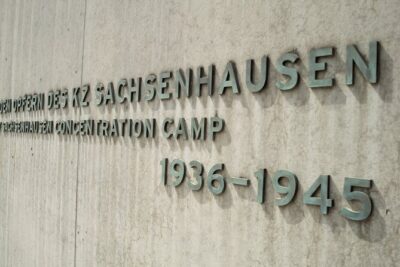
Sachsenhausen Concentration Camp Tour in English
Read our review →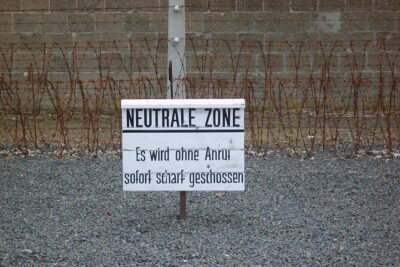
Sachsenhausen Concentration Camp Memorial Tour
Read our review →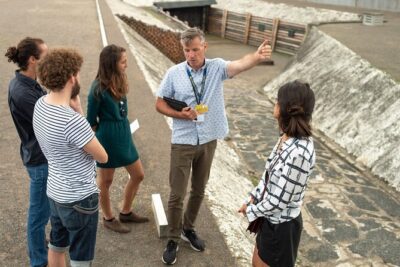
Sachsenhausen Concentration Camp Bus Tour in English from Berlin
Read our review →Sachsenhausen Concentration Camp Tour in English
Read our review →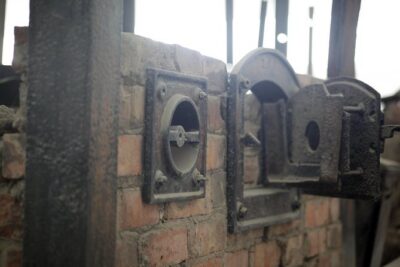
Sachsenhausen Concentration Camp Memorial Tour (Max. 15 Guests)
Read our review →
Sachsenhausen Concentration Camp and Potsdam Tour
Read our review →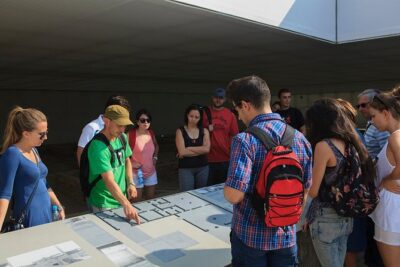
Visita en español al campo de concentración Sachsenhausen
Read our review →Browse the lists this tour appears in